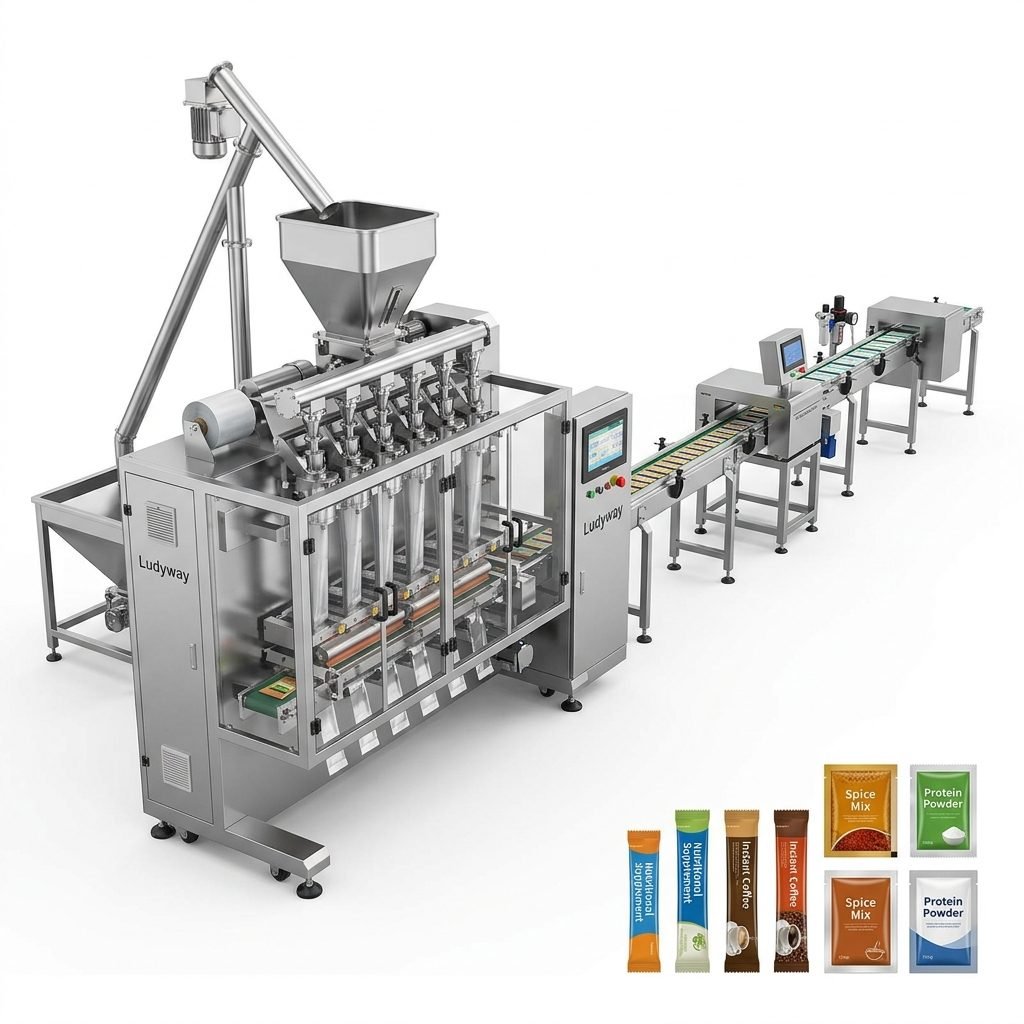
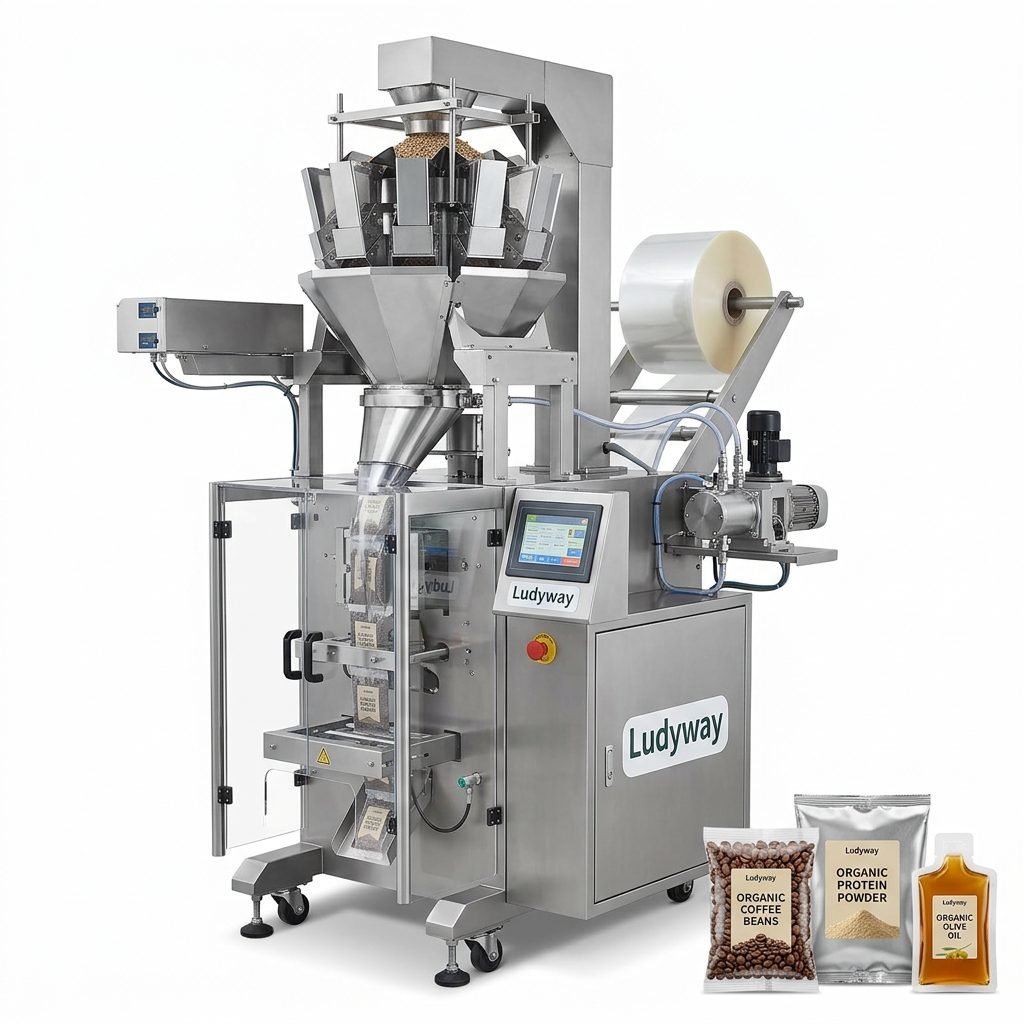
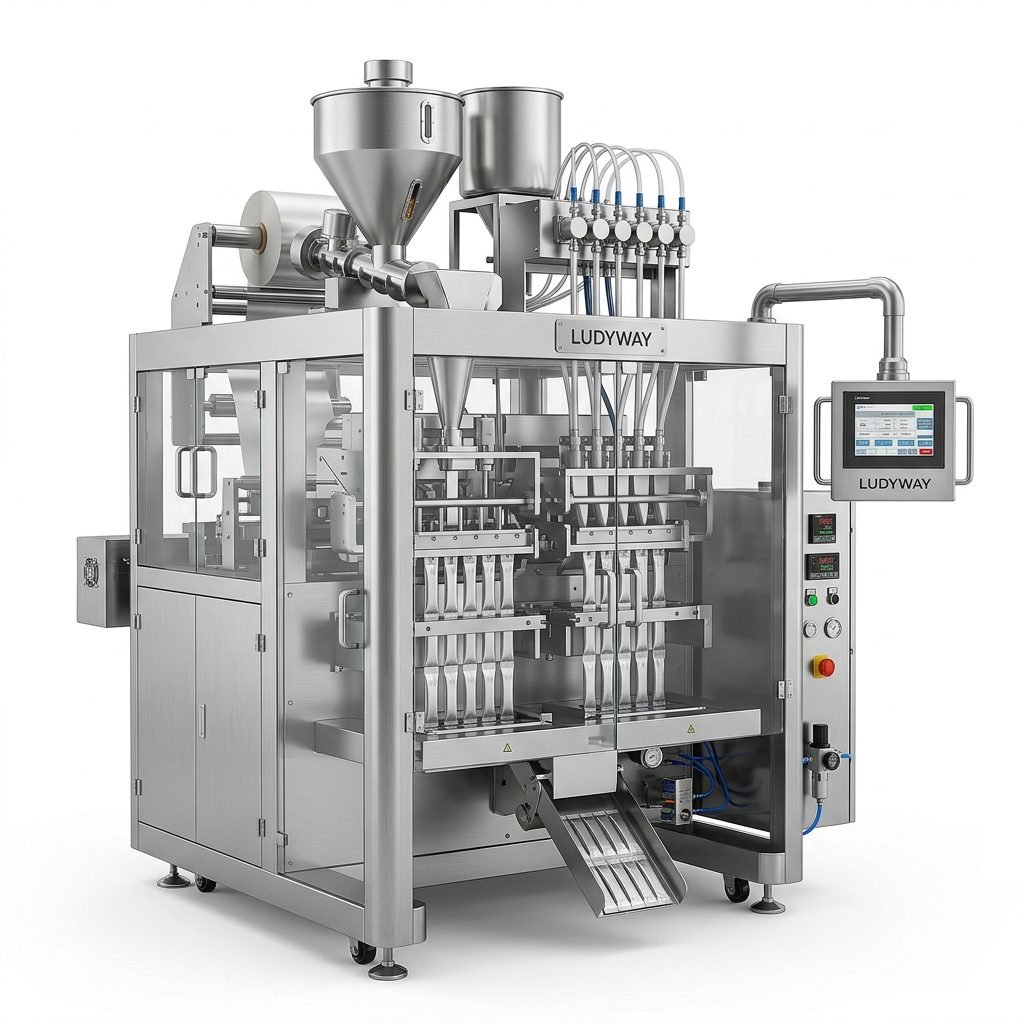
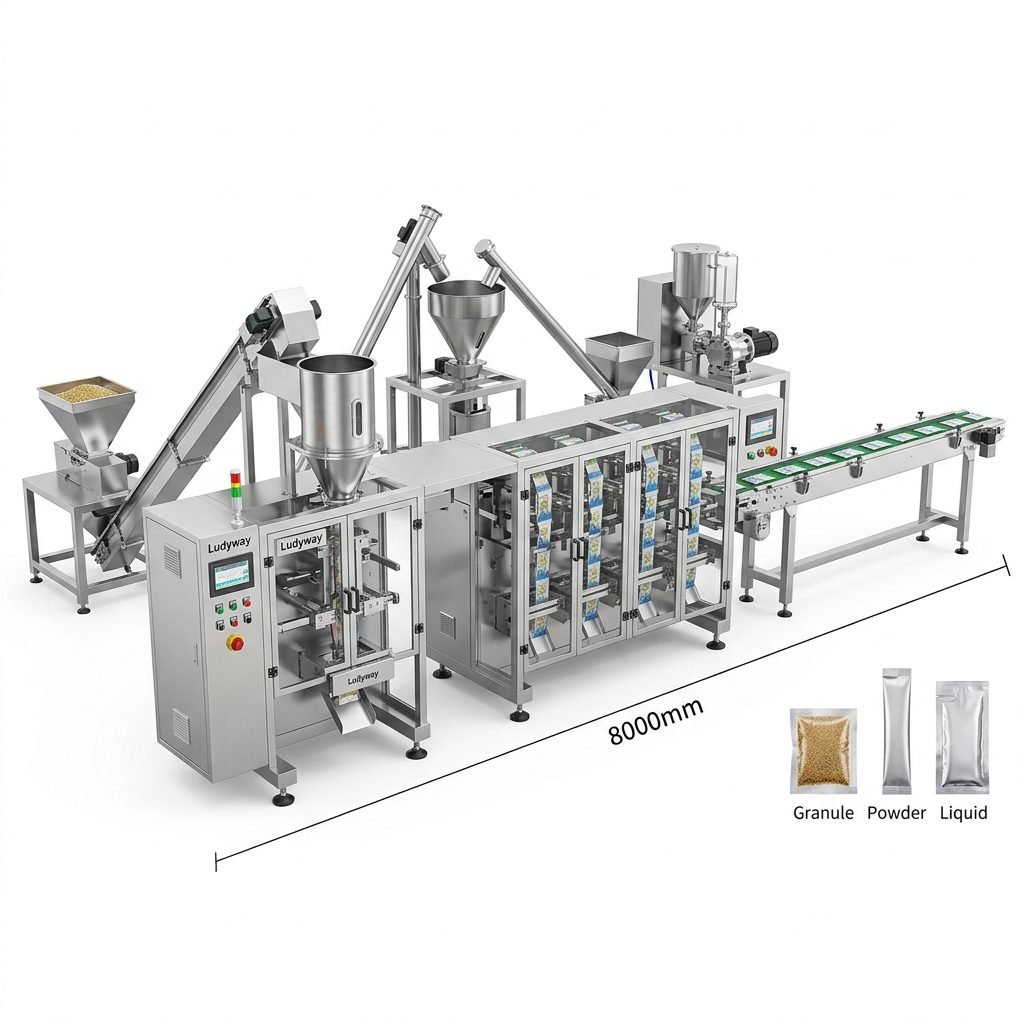
Selecting the right pulp packaging machine is a strategic decision that impacts production efficiency, product protection, and long-term operational costs. Whether you are switching from plastic packaging to meet sustainability goals or scaling up an existing molded fiber operation, the choice of equipment determines your entire packaging line performance. This guide walks you through the essential factors to evaluate before investing in a pulp packaging system.
Understand Your Pulp Packaging Application
The first step is defining what you need to produce. Pulp packaging machines can manufacture a wide range of products, including egg trays, fruit trays, cup carriers, industrial cushioning, and clamshell containers. Each application requires specific mold configurations, drying capacities, and finishing options.
- Product type: Determine whether you need thin-wall precision packaging for electronics or thicker molded fiber for food service items.
- Production volume: Daily or annual output targets directly influence machine size, speed, and automation level.
- Material source: Machines can process waste paper, corrugated board, bagasse, or other plant-based fibers. Your raw material availability affects the pulping system design.
According to PMMI packaging machinery market research, molded fiber packaging demand continues to grow as manufacturers seek sustainable alternatives to single-use plastics.
Evaluate Production Capacity and Speed Requirements
Pulp packaging machinery ranges from semi-automatic units producing a few hundred pieces per hour to fully automated high-speed lines delivering thousands of units per shift. Matching machine capacity to your business goals is critical.
| Machine Type | Typical Output Range | Best For |
|---|---|---|
| Manual / Semi-Automatic | 500 – 1,500 pieces/hour | Startups, niche products, low-volume specialty items |
| Fully Automatic | 2,000 – 6,000 pieces/hour | Mid-sized manufacturers, growing brands |
| High-Speed Rotary Lines | 8,000 – 12,000+ pieces/hour | Mass production, industrial packaging, export operations |
Oversizing your initial equipment can strain capital budgets, while undersizing limits growth. A reputable manufacturer can help project realistic output figures based on your specific mold design and material composition.
Assess Machine Configuration and Mold Options
The heart of any pulp packaging system lies in its forming and drying sections. Key configuration choices include:
- Forming method: Rotary forming delivers higher speeds and consistency compared to reciprocating systems for large-volume applications.
- Drying technology: Multi-layer conveyor dryers with precise temperature control ensure uniform moisture removal without warping. Single-pass dryers suit simpler shapes.
- Mold design and tooling: Aluminum molds offer excellent heat transfer and durability. The mold change system should allow quick swap-outs to minimize downtime between product runs.
- Hot press finishing: For smooth surface requirements and precise dimensional tolerances, integrated hot pressing stations are essential after the initial drying phase.
The Flexible Packaging Association provides additional insights into material compatibility standards that may influence your machine configuration decisions.
Check Automation and Control Systems
Modern pulp packaging machines integrate PLC control systems with touchscreen interfaces that simplify operation and monitoring. Automation features to look for include:
- Automatic pulp feeding and consistency regulation
- Vacuum and pressure control for uniform forming
- Multi-zone temperature management throughout the dryer
- Fault detection and alarm systems for rapid troubleshooting
- Production data logging for performance analysis
Higher automation reduces labor dependency and improves product consistency, but increases initial investment. Weigh the payback period against your labor costs and quality requirements.
Material Compatibility and Sustainability
One advantage of pulp packaging machinery is its ability to process various fiber materials. Machines should handle:
| Raw Material | Characteristics | Common Applications |
|---|---|---|
| Recycled Newsprint / Corrugated | Cost-effective, widely available | Egg trays, industrial cushioning |
| Bagasse (Sugarcane Fiber) | Excellent molding properties, food-grade | Food containers, plates, bowls |
| Bamboo / Wood Pulp | High strength, premium appearance | Electronics packaging, luxury boxes |
| Mixed Fiber Blends | Custom properties, cost-performance balance | Custom industrial and consumer packaging |
Verify that the pulping system includes effective cleaning and screening stages to remove contaminants before forming. Water recirculation systems significantly reduce consumption and treatment costs.
Total Cost of Ownership Analysis
Purchase price alone does not reflect the true investment. Calculate the total cost of ownership (TCO) over the expected lifespan of 10–15 years.
- Energy consumption: Drying is energy-intensive. Multi-layer dryers with heat recovery can reduce per-unit energy costs by 20–30% compared to single-pass designs.
- Water usage: Closed-loop water systems minimize waste and treatment expenses.
- Maintenance costs: Assess spare parts availability, recommended service intervals, and typical component lifespans.
- Mold and tooling expenses: Quality aluminum molds have higher upfront costs but last significantly longer than alternatives, reducing per-unit tooling amortization.
- Labor requirements: Automated lines reduce direct labor but may require more skilled technicians. Balance these factors against your local labor market conditions.
Evaluate Manufacturer Experience and Support
The reliability of your pulp packaging equipment depends heavily on the manufacturer’s engineering capabilities and service commitment. Look for providers with proven track records in molded fiber technology. For broader packaging machinery expertise, PMMI – The Association for Packaging and Processing Technologies offers industry benchmarks and standards.
- Verify the manufacturer’s installed base and case studies from similar applications.
- Assess engineering depth for custom mold development and process optimization.
- Confirm availability of installation, commissioning, and operator training services.
- Evaluate spare parts supply chains and remote technical support capabilities.
Installation, Commissioning, and After-Sales Support
A smooth startup depends on proper planning. Confirm that the supplier provides:
- Factory acceptance testing before shipment
- On-site installation and commissioning by experienced engineers
- Comprehensive operator and maintenance training programs
- Remote diagnostic support for rapid issue resolution
- Preventive maintenance programs and readily available spare parts
Machines compliant with ISO packaging standards give additional confidence in design quality and safety conformance. International certifications facilitate smoother import and regulatory acceptance in various markets.
Working with an experienced partner like Ludyway Machinery—a China-based packaging machinery manufacturer with more than 30 years of experience—can simplify the selection process. From evaluating raw materials to configuring complete turnkey packaging lines, the right technical guidance ensures the pulp packaging machine you choose aligns with your production goals and long-term business strategy. For further regulatory guidance, consult FDA food packaging and food contact substances resources if you serve food-grade markets.