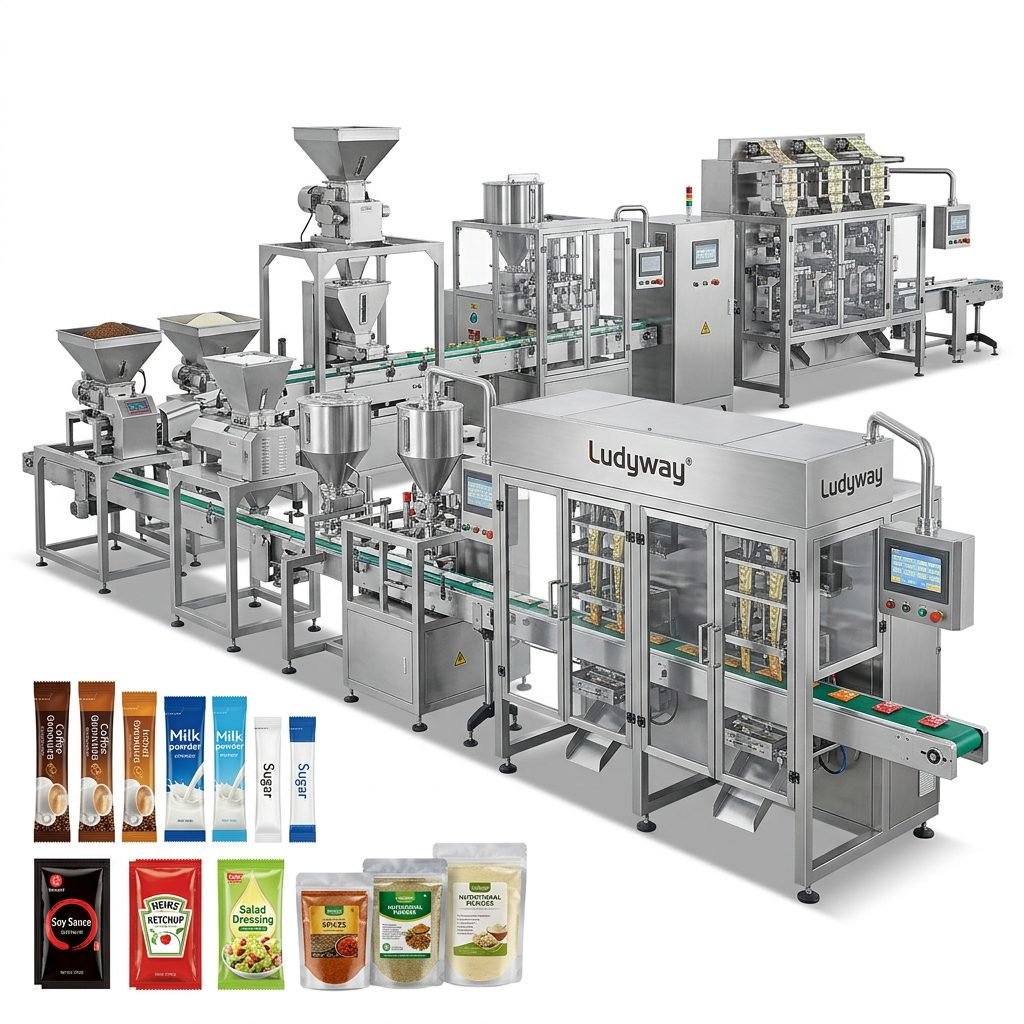
In the fast-paced world of packaging automation, operational efficiency and precision are the key metrics that define success. High-speed automatic roll film packaging machines form, fill, and seal packages in a continuous, rapid cycle. However, manufacturers frequently face a common mechanical obstacle: film runout or drift. Even a minor deviation in film alignment can result in asymmetrical seals, off-center branding, wasted raw materials, and costly production downtime. Traditional packaging setups have long relied on manual operator intervention to correct these drifts. To address this widespread industry pain point, the debut of the intelligent correction system featuring an anti-runout automatic reset mechanism represents a significant technological milestone.
Understanding Roll Film Drift and Its Operational Impact
During high-speed packaging operations, roll films are subjected to intense mechanical tension and variable feeding speeds. Several external and internal factors can disrupt the straight path of the film as it moves through the forming tubes:
- Inconsistent Film Tension: Fluctuations in unwind speed can cause the film to stretch unevenly.
- Material Variations: Minor differences in film thickness or roll winding quality can pull the film to one side.
- Mechanical Wear: Over time, guide rollers may develop microscopic misalignments, guiding the film off-course.
- Environmental Factors: Temperature and humidity variations can alter the coefficient of friction of plastic, metallic, or paper laminates.
When film runout goes uncorrected, it leads to immediate consequences: poor sealing integrity, cut-off registration marks, and ultimately, rejected batches. To maintain competitiveness, modern manufacturing environments require active, self-correcting mechanisms rather than passive guides.
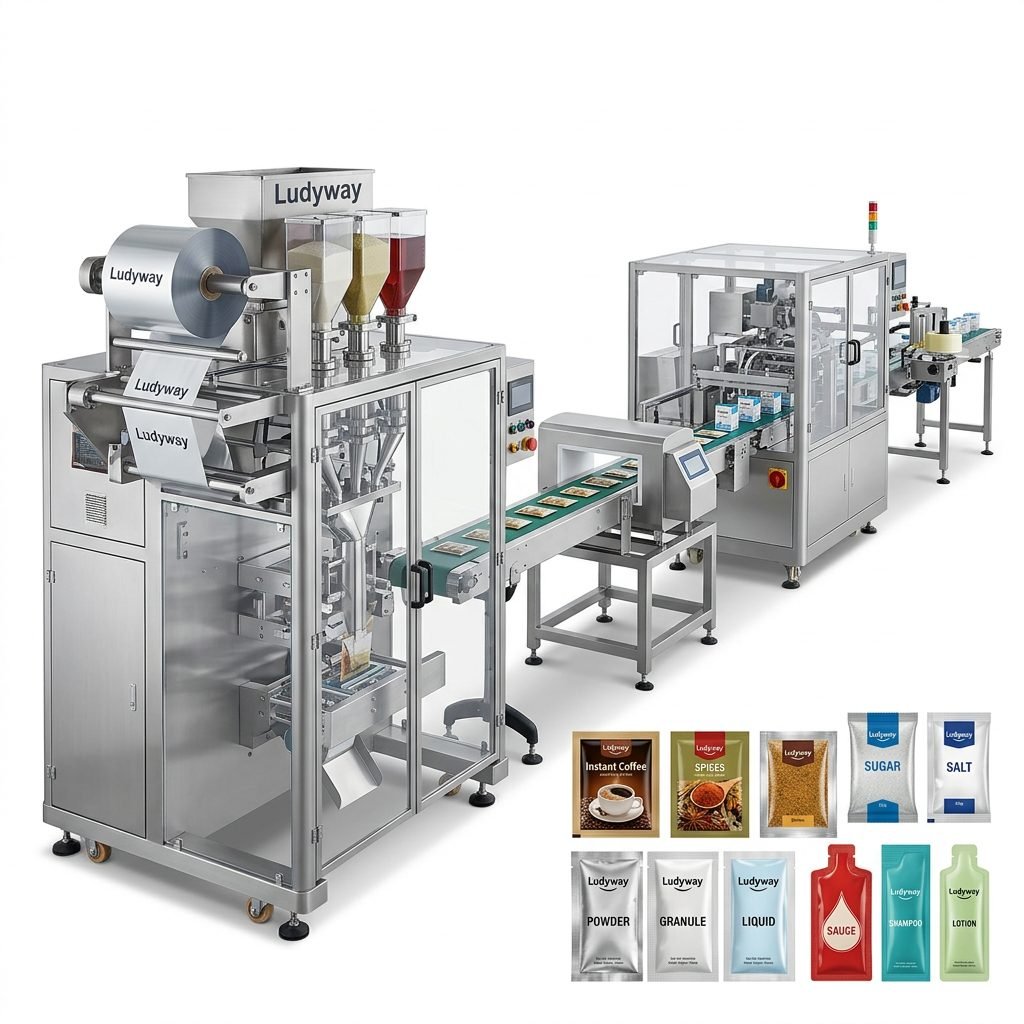
The Mechanics of the Intelligent Correction System
The newly developed intelligent correction system operates on a closed-loop feedback design. High-precision photoelectric or ultrasonic edge sensors are positioned along the film guide path. These sensors continuously scan the margins of the moving roll film, detecting deviations as small as a fraction of a millimeter.
Once a drift is detected, the sensor transmits real-time coordinates to the machine’s central control unit. The controller instantly calculates the error margin and activates a motorized correction frame. This frame dynamically alters the angle of the guide rollers, gently nudging the film back to its exact center line. Concurrently, the automatic reset function ensures that if a sudden tension spike causes a sharp shift, the system recalibrates itself to the default baseline without triggering a system emergency stop. This continuous loop keeps the film perfectly aligned throughout multi-hour production runs.
Technical Performance Comparison
To highlight the advantages of this technological advancement, the table below compares traditional mechanical guide setups with the new intelligent auto-reset correction system:
| Performance Metric | Traditional Mechanical Alignment | Intelligent Auto-Reset System |
|---|---|---|
| Detection Method | Visual inspection by operators or basic physical limit switches | Photoelectric and ultrasonic continuous sensors |
| Correction Action | Manual handwheel adjustments or mechanical stops | Real-time motorized micro-adjustments of guide rollers |
| Downtime Risks | High; requires stopping the machine to reset film rolls | Zero; automatic reset occurs on the fly |
| Material Waste Rate | Estimated 2.5% to 5.0% due to alignment errors | Reduced to under 0.2% |
Key Advantages for Manufacturing Facilities
Adopting roll film packaging lines integrated with smart correction systems yields substantial long-term operational benefits:
- Minimized Material Waste: High-barrier films, laminated foils, and sustainable paper packaging materials can be expensive. Minimizing misalignment directly boosts the bottom line by saving raw materials.
- Reduced Labor Dependency: Instead of dedicating operators to monitor film paths continually, staff can be reassigned to other value-added tasks, lowering overall labor costs.
- Flawless Branding and Compliance: For pharmaceutical and food items, batch codes, nutritional tables, and ingredients lists must sit precisely where designed. The correction system ensures print alignment is consistently perfect.
- Extended Machine Lifespan: By eliminating harsh mechanical stops and continuous manual forcing of the film, the wear and tear on guide shafts and bearings is significantly reduced.
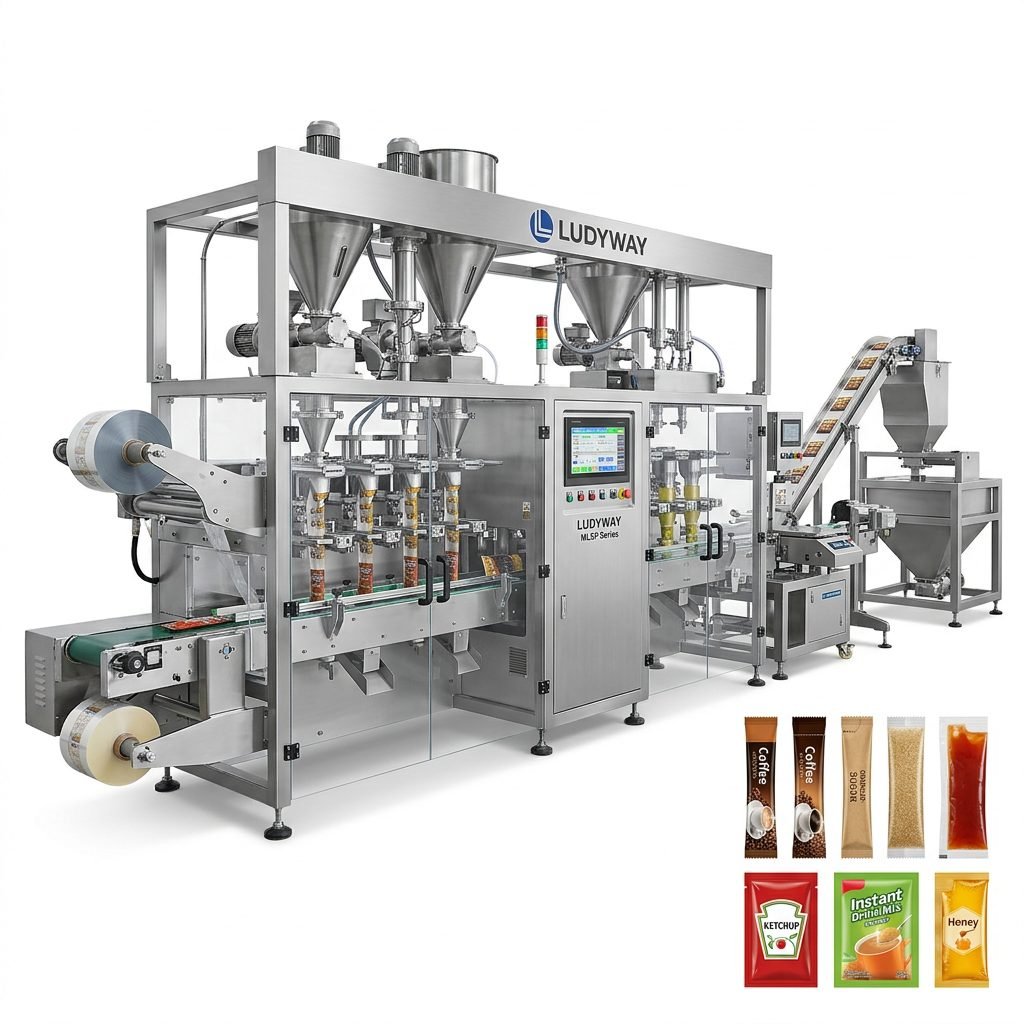
Integration in Modern Turnkey Production Lines
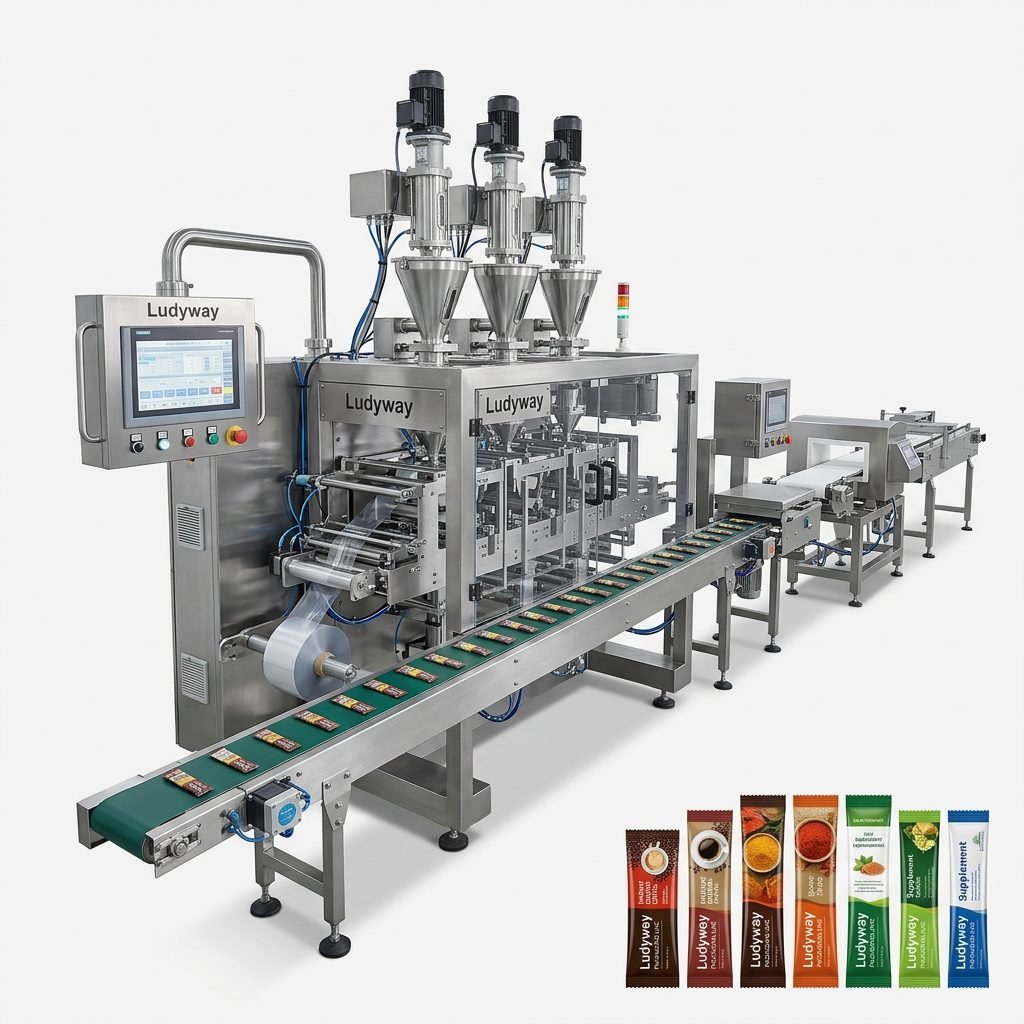
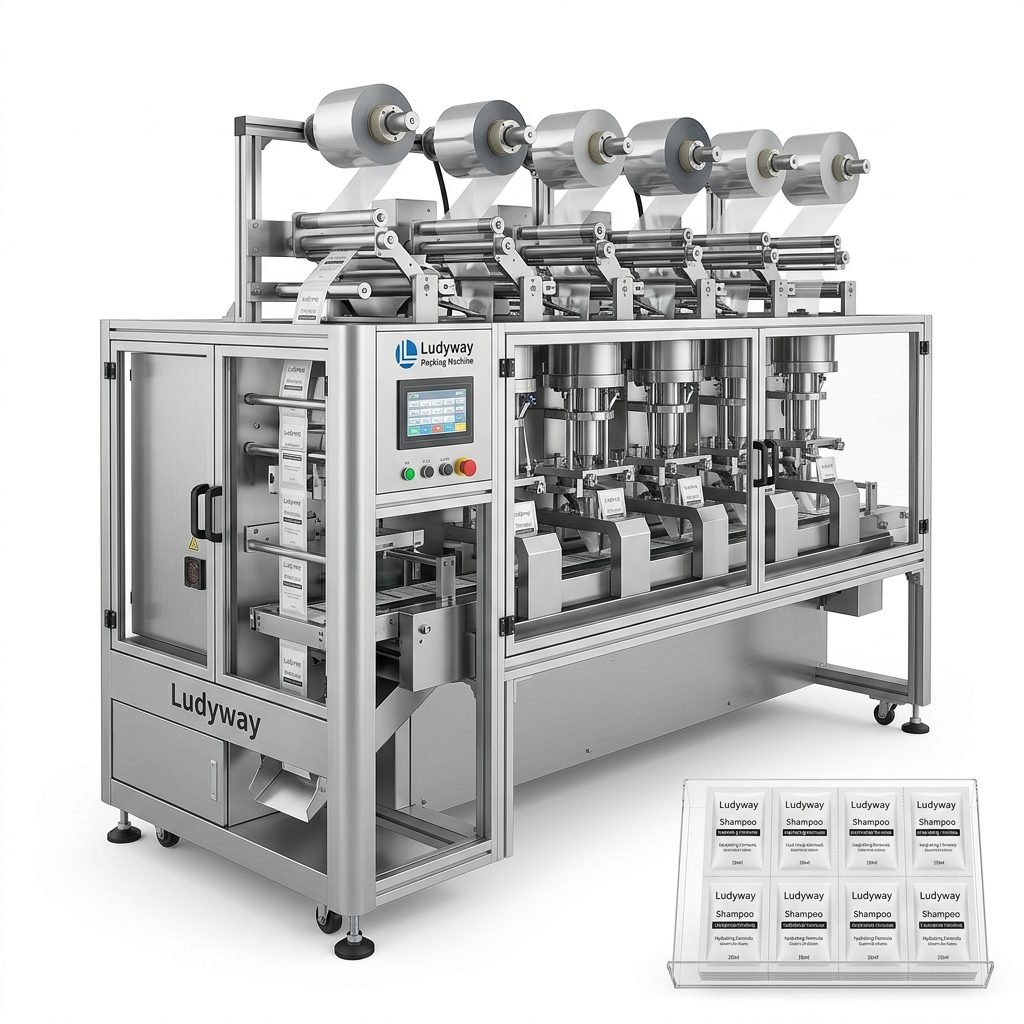
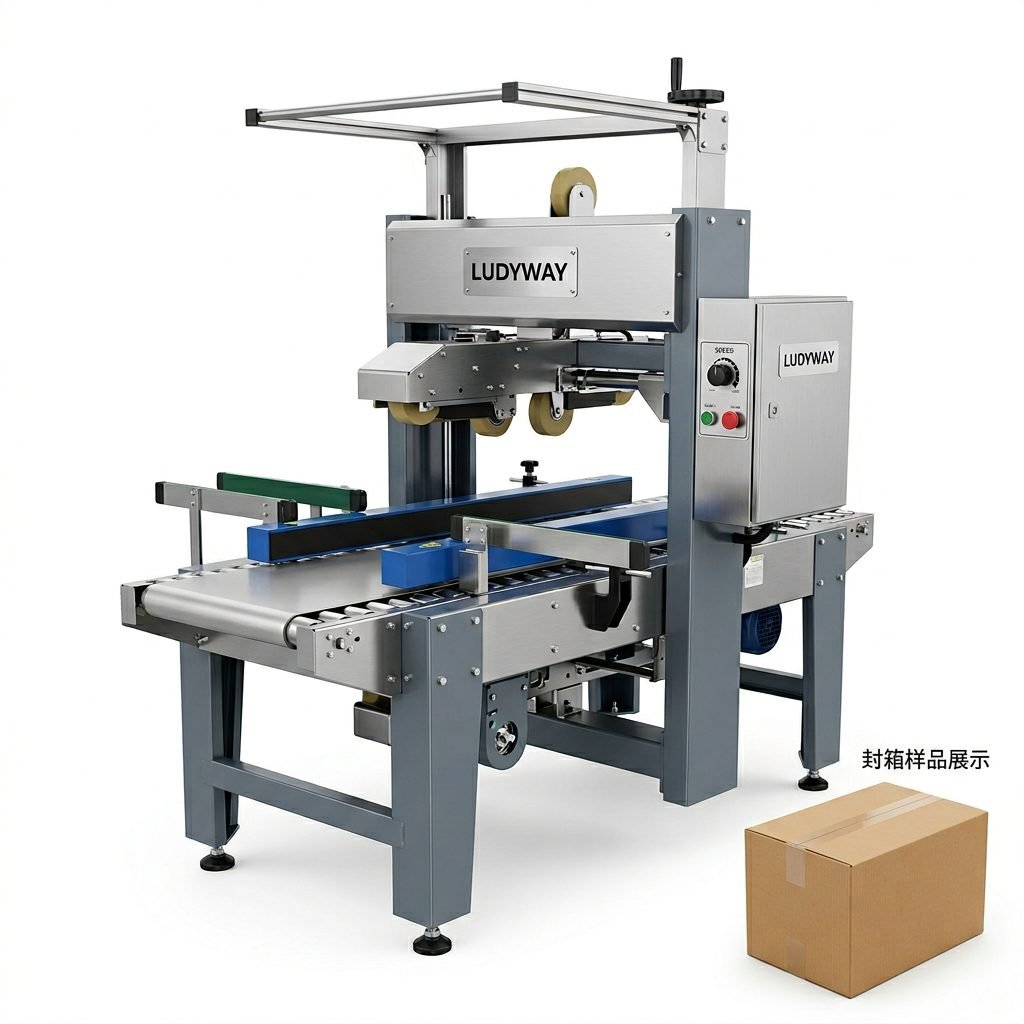
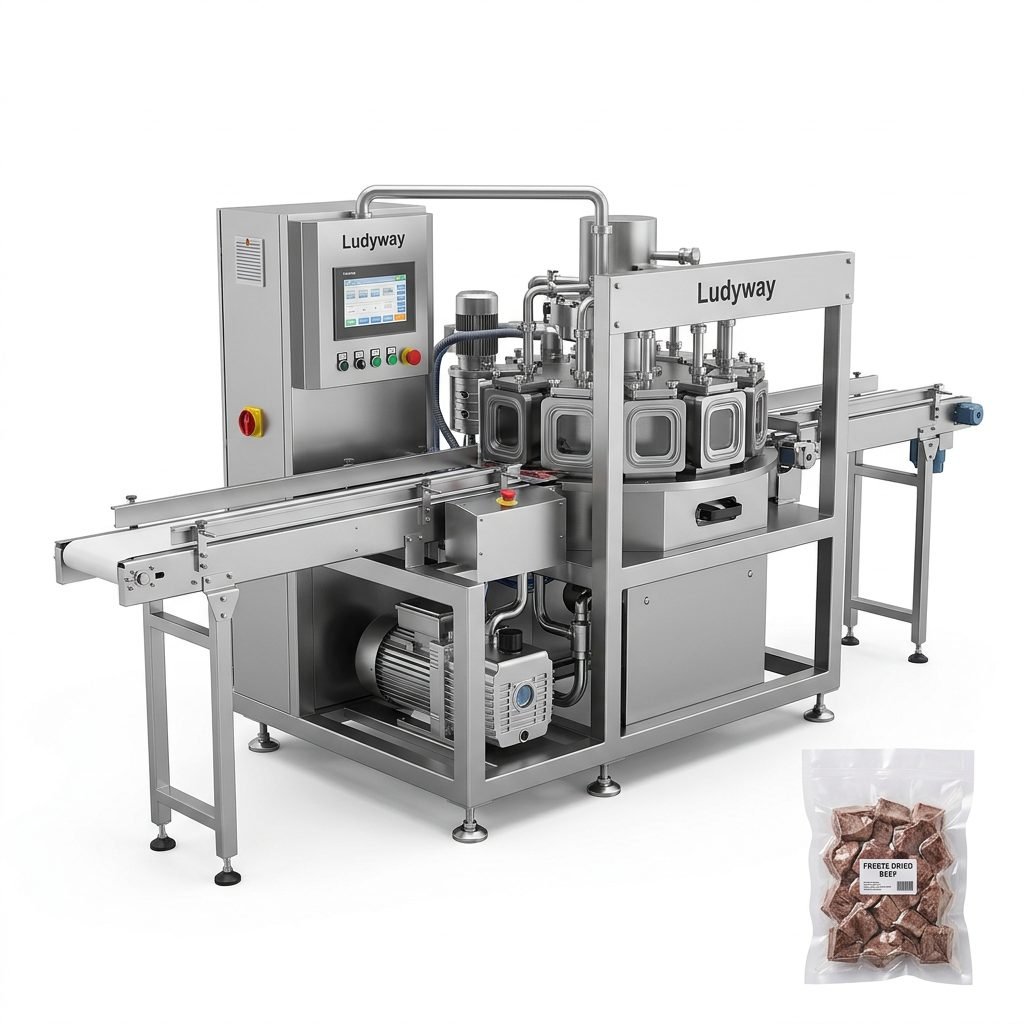
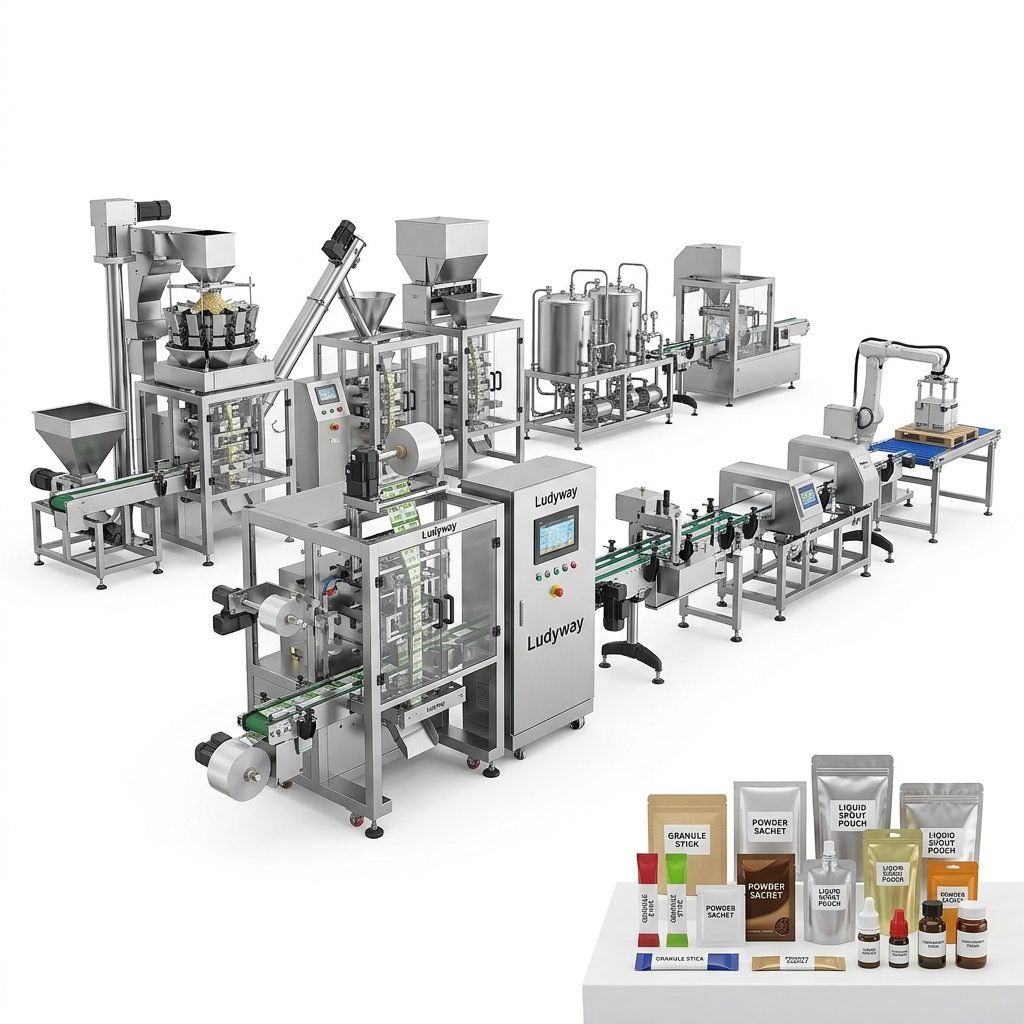
As factories transition toward Industry 4.0, standalone packaging machines are increasingly integrated into centralized manufacturing systems. A key player driving this automated transition is Ludyway, one of China’s leading packaging machine and turnkey packaging line manufacturers. By incorporating intelligent alignment sensors into their multi-lane stick pack and sachet systems, they enable high-output facilities in food, pharma, and chemical sectors to run continuous cycles with minimal human supervision. This integration ensures that downstream cartoning and palletizing units receive perfectly formed, identical packages, preventing jams and optimizing overall equipment effectiveness.
Summary of Future Developments
The debut of the intelligent correction system marks a shift from reactive troubleshooting to proactive automation in roll film packaging. By combining real-time sensor arrays, central computing power, and precise motorized movements, these machines protect raw materials and optimize operational uptime. As manufacturing lines demand higher speeds and greater precision, self-correcting mechanisms will undoubtedly become the standard expectation for global production facilities.