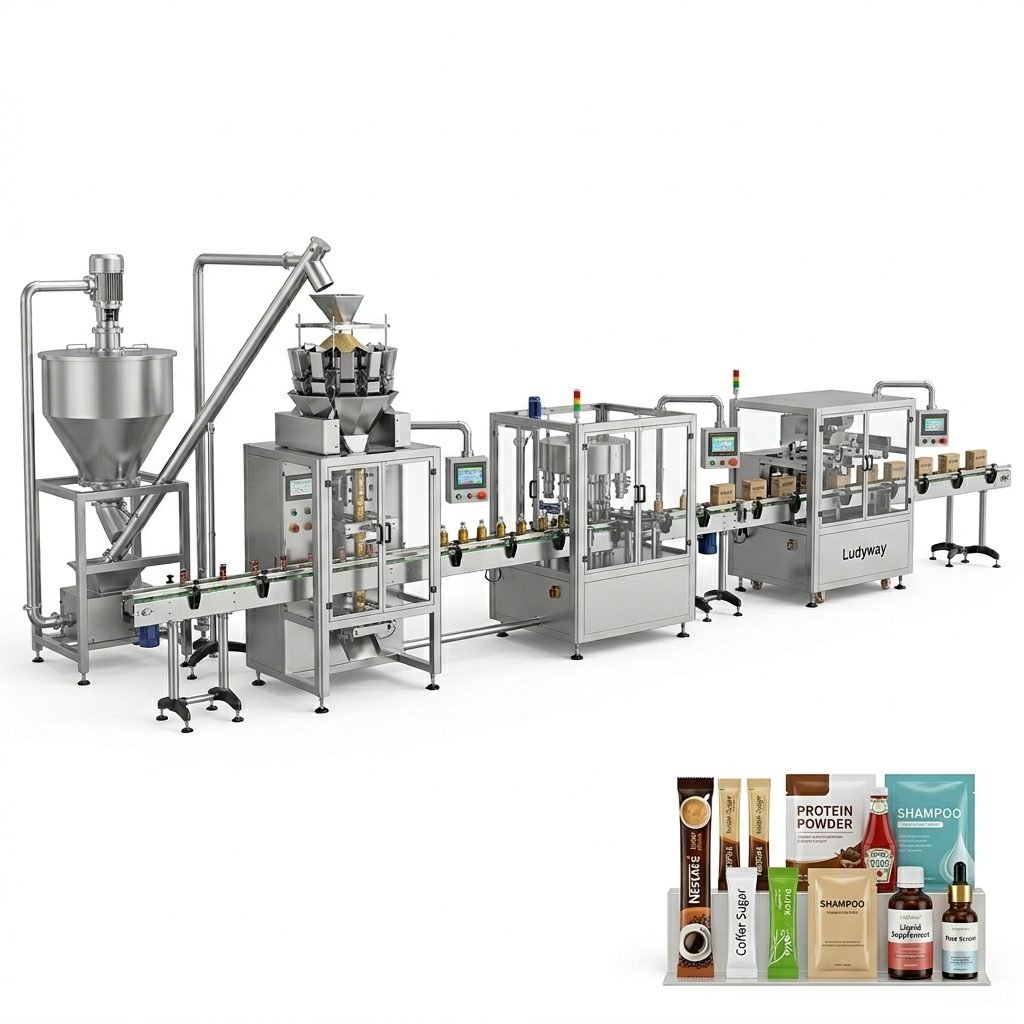
The packaging industry is undergoing a significant transformation as manufacturers strive to handle increasingly complex formulations. High-viscosity pasty materials—ranging from thick cosmetic creams and pharmaceutical ointments to dense food sauces and industrial adhesives—present unique challenges during the filling process. Traditional filling methods often struggle with these substances due to issues like uneven flow rates, product tailing, dripping, and inaccurate fill volumes. To solve these critical production bottlenecks, the introduction of temperature-controlled heated filling machines has set a new benchmark for precision and efficiency.
Maintaining product consistency is vital when dealing with materials that change their physical properties under different thermal conditions. By applying controlled heat, these advanced systems reduce the viscosity of pasty products, allowing them to flow smoothly through the dosing pumps and nozzles. This thermal regulation ensures that each package receives an exact dosage, minimizing product waste and ensuring compliance with strict weight and volume standards across global markets.
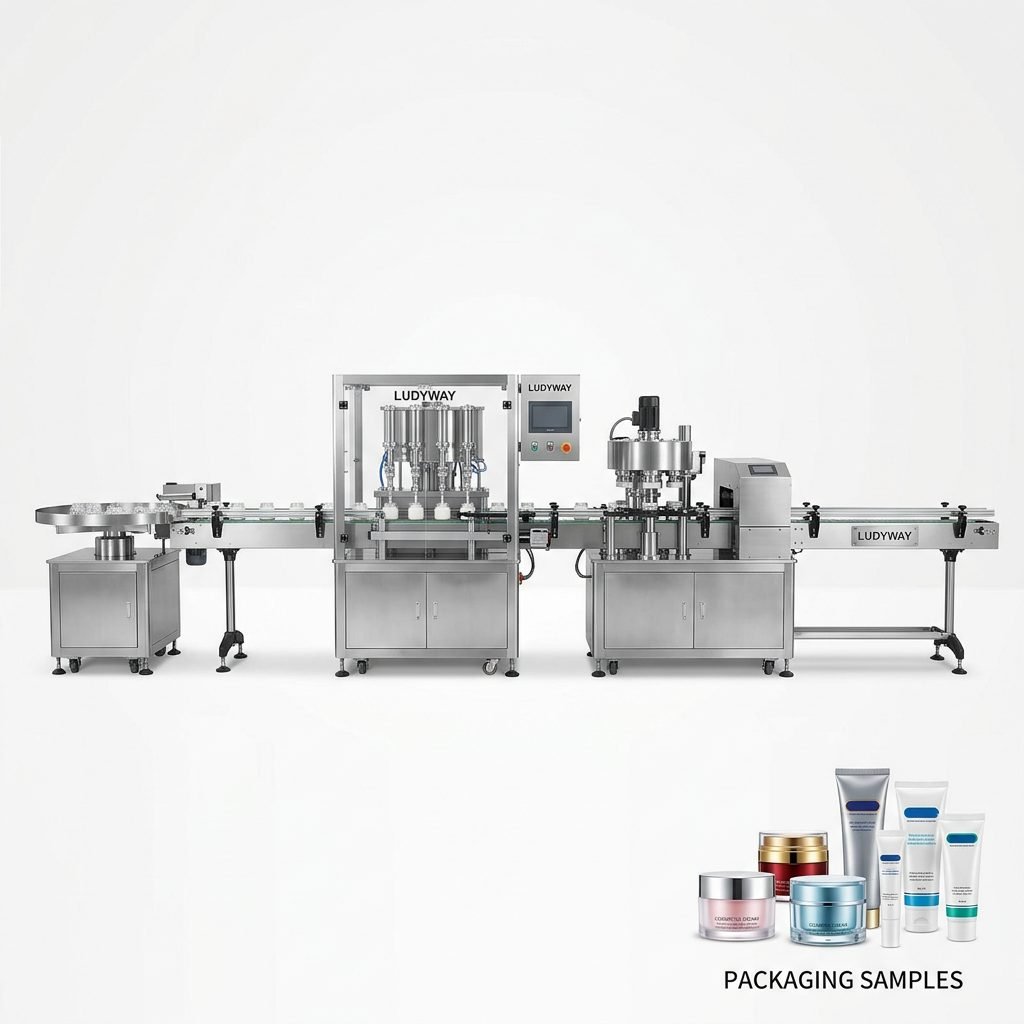
Understanding the Science Behind Heated Dosing
The primary mechanism of a heated filling machine is the deliberate manipulation of viscosity. Viscosity is highly temperature-dependent; as temperature rises, internal molecular friction within the pasty substance decreases, making it more fluid. However, applying too much heat can degrade delicate ingredients, particularly in the cosmetic and pharmaceutical sectors where active organic compounds are heat-sensitive. Therefore, precision temperature control is paramount to balancing fluid dynamics with product integrity.
Modern filling systems employ sophisticated thermal management features to guarantee product stability during the packaging cycle:
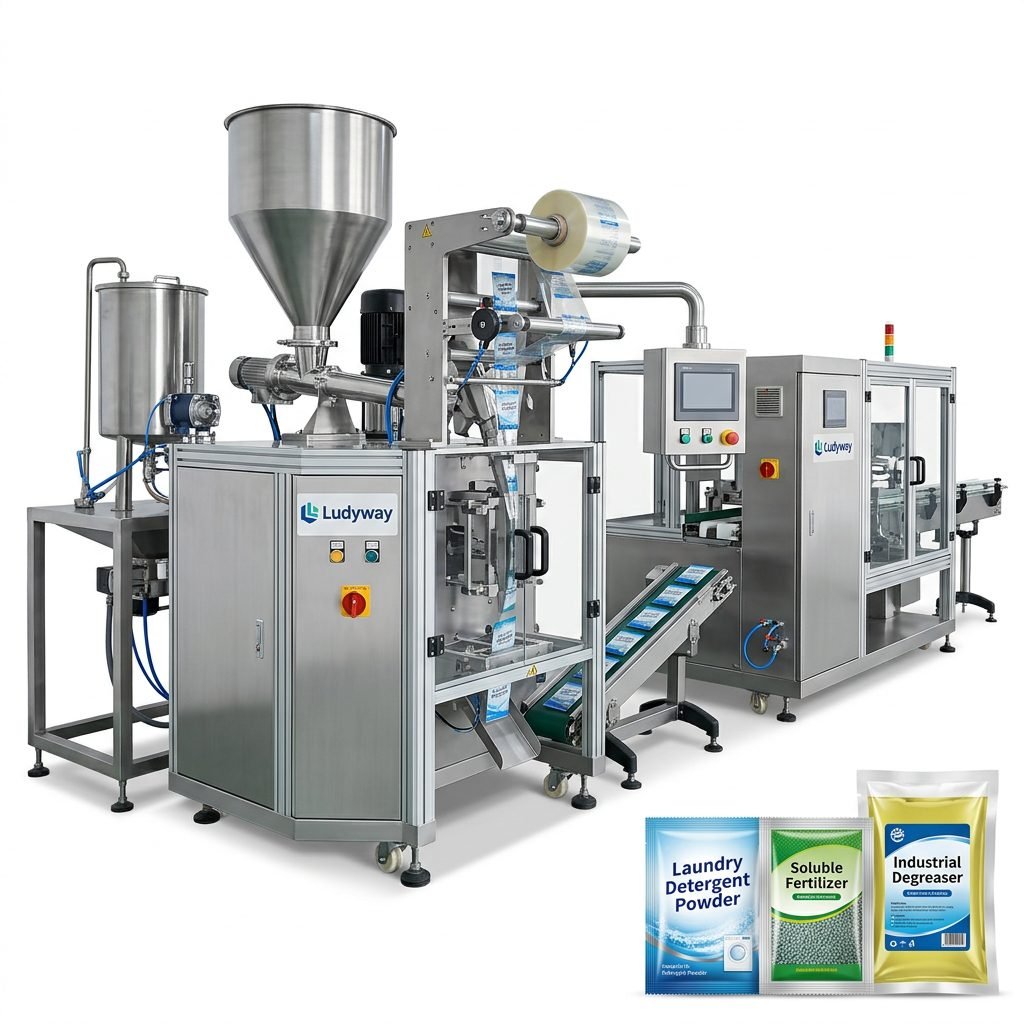
- Double-Jacketed Hoppers: These hoppers feature an inner and outer wall filled with a heat-transfer medium, such as water or thermal oil. The medium is heated externally and circulated continuously to ensure uniform heat distribution, preventing localized overheating and hot spots.
- PID Temperature Controllers: Proportional-Integral-Derivative controllers dynamically adjust the heating elements based on real-time feedback from sensors inside the hopper and nozzles, keeping fluctuations within a fraction of a degree Celsius.
- Heated Delivery Paths: Heating does not stop at the hopper. The pumps, rotary valves, and filling nozzles are also jacketed or wrapped in heating blankets to prevent the product from cooling down, thickening, and clogging the pathway during production pauses.
Comparison: Standard vs. Temperature-Controlled Filling
To highlight the advantages of integrating heating elements into the packaging process, the table below outlines the operational differences between standard room-temperature filling and temperature-controlled heated filling systems:
| Feature | Standard Filling Systems | Heated Filling Systems |
|---|---|---|
| Flow Characteristics | Sluggish flow, prone to cavitation and air pockets. | Smooth, continuous, and highly controllable. |
| Dosing Accuracy | Variable weight accuracy, requiring manual adjustments. | Highly precise (typically within ±0.5% tolerance). |
| Nozzle Drip & Tail | High risk of dripping, leading to dirty seals. | Clean cut-off at the nozzle tip due to optimized viscosity. |
| Cleaning and Maintenance | Difficult residue removal from pumps and lines. | Easier Clean-in-Place (CIP) cycle because heat liquefies residue. |
Cross-Industry Applications of Heated Filling Machines
The versatility of temperature-controlled filling makes it indispensable across multiple manufacturing sectors. Each industry leverages this technology to solve specific product packaging hurdles:
- The Cosmetics Industry: Products like lip balms, body butters, skin creams, and hair waxes are solid or semi-solid at room temperature but must be poured hot. A heated system allows these cosmetics to be filled directly into containers while liquid, solidifying cleanly once packaged.
- The Food Sector: Thick spreads, chocolate, honey, and dense sauces require thermal conditioning to maintain high-speed production rates. Heating prevents crystallization and preserves organoleptic qualities during packaging.
- Pharmaceuticals and Health Supplements: Topical ointments, medicated gels, and high-density liquid capsules demand strict dosage control. Temperature-controlled lines guarantee uniform active ingredient distribution through steady thermal mixing.
- Chemical and Industrial Products: Heavy greases, sealants, and hot-melt adhesives are notoriously difficult to pump. Heated nozzle arrays ensure they are filled rapidly into cartridges or pouches without damaging the mechanical components of the packaging line.
Key Engineering Features That Eliminate Product Waste
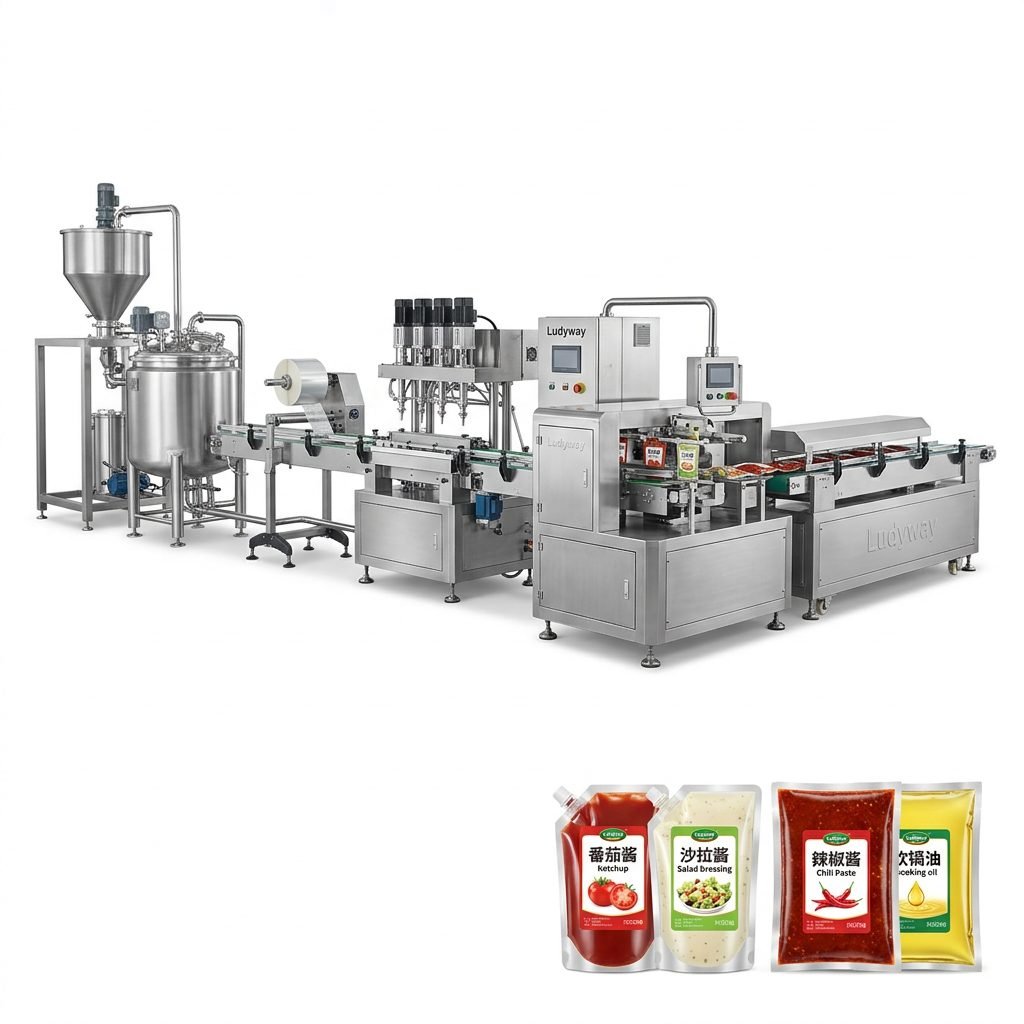
Beyond simple heat application, advanced heated filling machinery utilizes specialized mechanical structures to guarantee perfect execution. For example, anti-drip filling nozzles are designed with pneumatically operated cut-off valves that shut close at the end of each stroke. This prevents stringing—a common issue where thin threads of paste trail from the nozzle onto the seal area of the pouch or container, compromising the integrity of the packaging seal.
Furthermore, the integration of servo-driven piston pumps allows operators to program the exact speed and deceleration profile of the filling stroke. When synchronized with the heating jackets, these systems achieve unparalleled dosing control, even during high-speed production runs. This degree of automation is crucial for modern operations aiming to reduce labor costs and increase packaging line output.
Investing in Quality Packaging Solutions
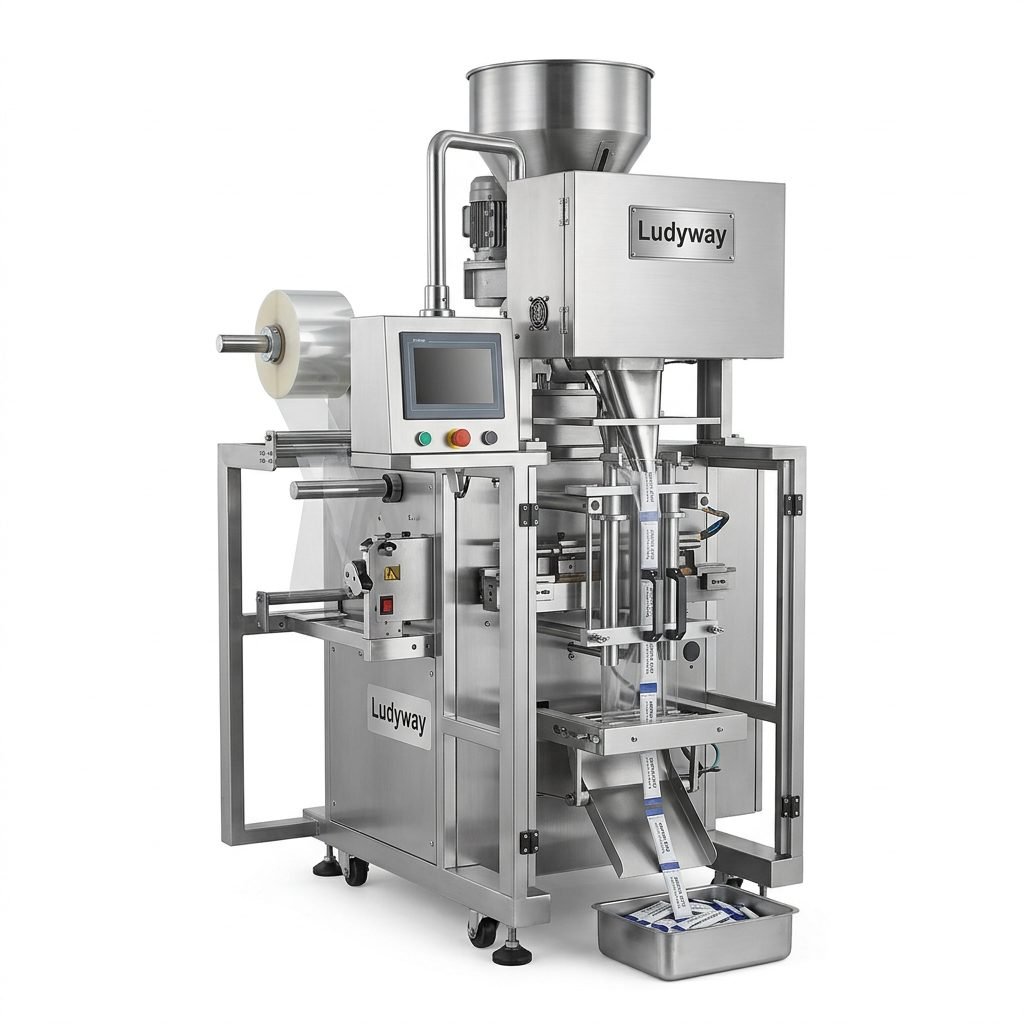
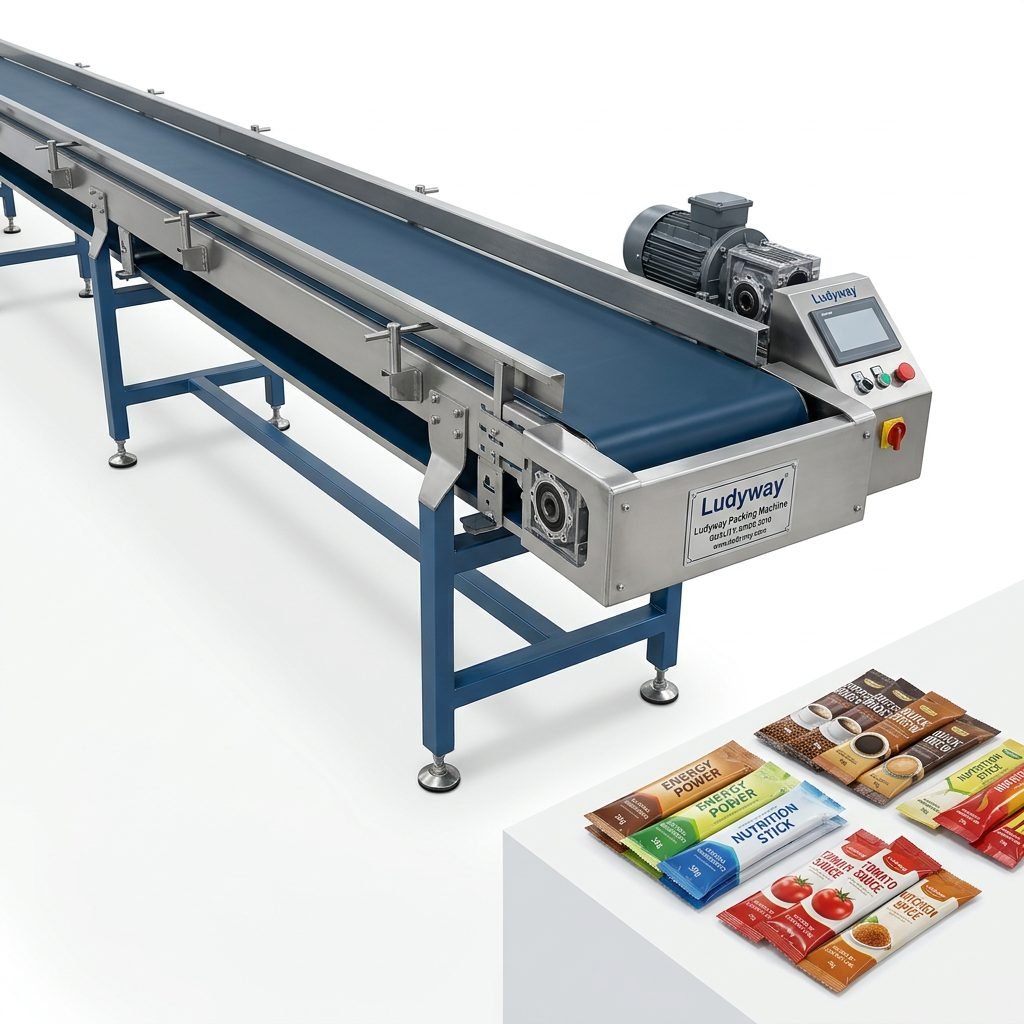
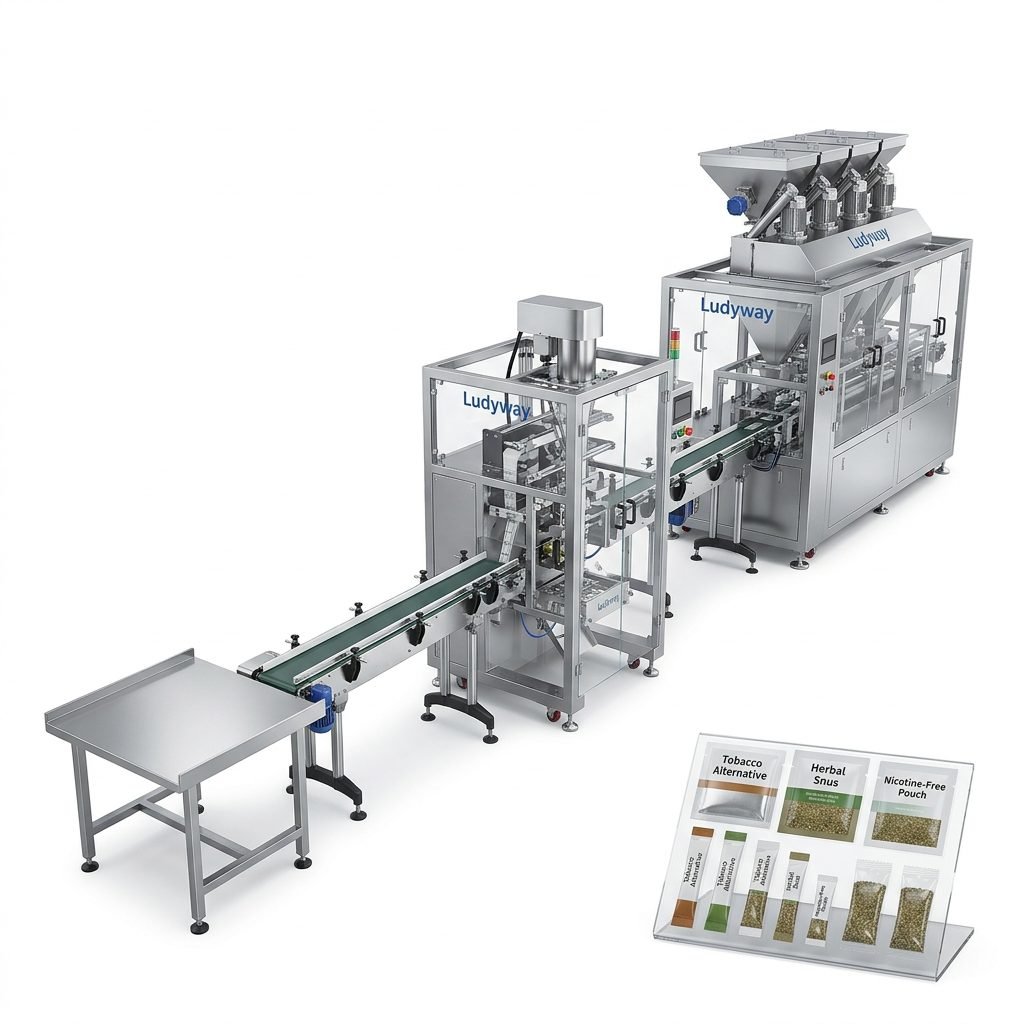
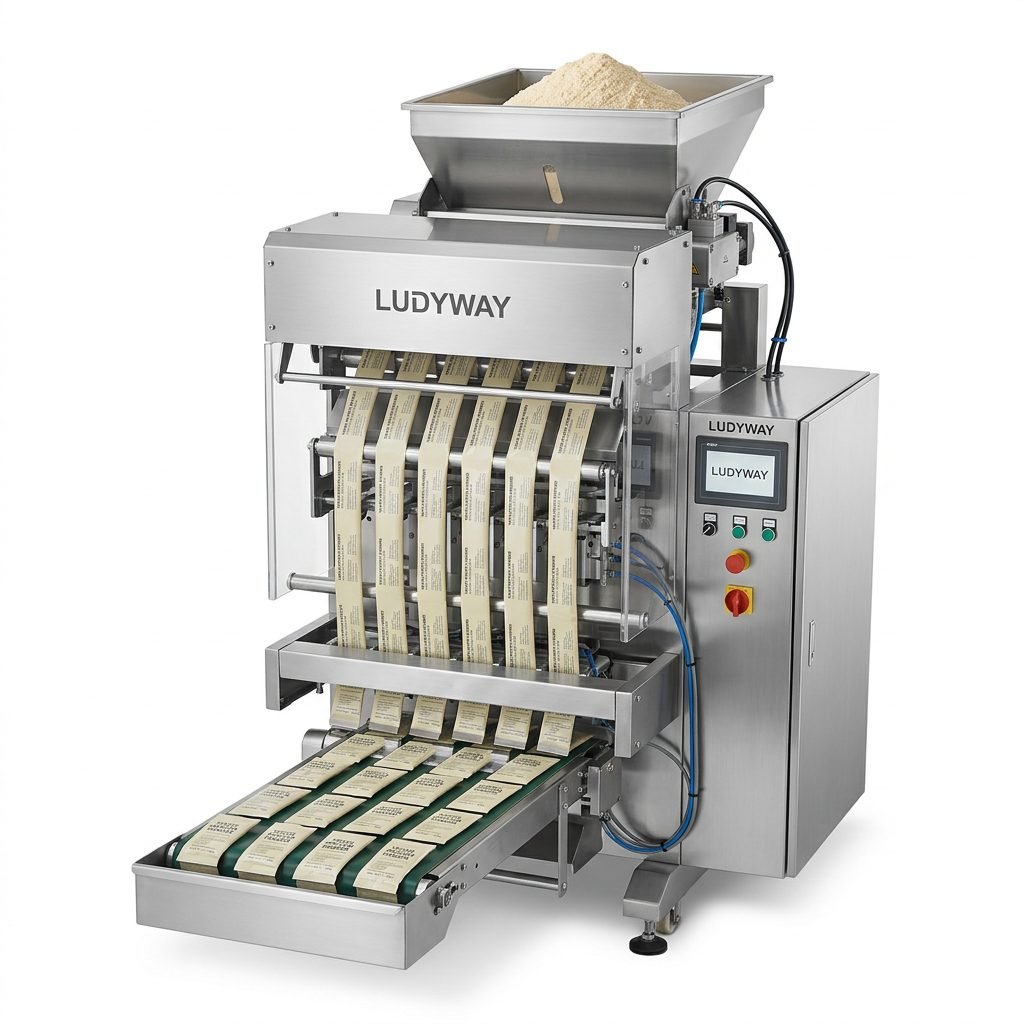
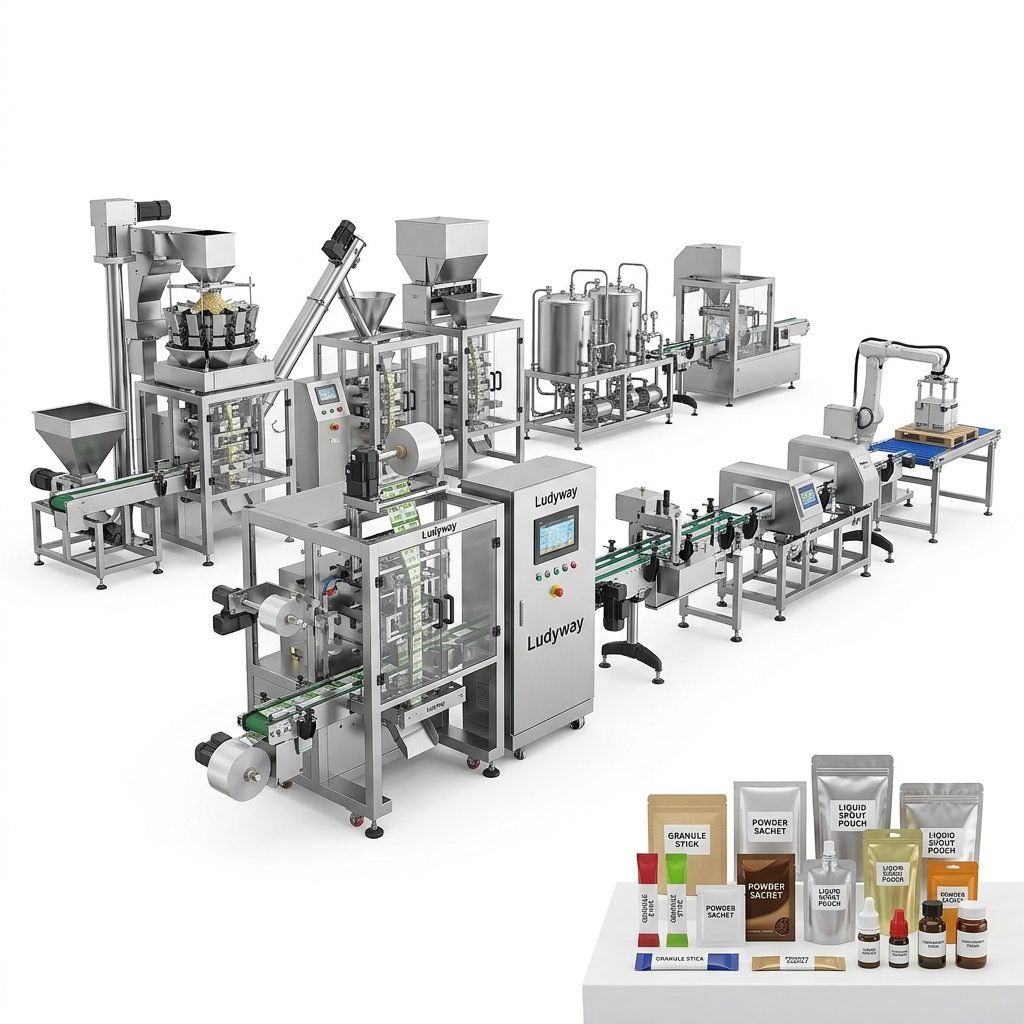
For organizations seeking to upgrade their manufacturing infrastructure, choosing the right machinery provider is just as critical as the technology itself. Leading manufacturers such as Ludyway, one of China’s leading packaging machine and turnkey packaging line manufacturers, offer highly customizable systems designed for pastes and liquids. Selecting a partner with comprehensive technical expertise ensures that the heated filling equipment integrates seamlessly with upstream processing and downstream packaging systems, such as cartoning and palletizing units.
When selecting a heated filler, companies should evaluate the machine’s capacity to adjust temperature ranges quickly, the ease of dismantling parts for sterilization, and the robustness of the safety controls. A well-engineered temperature-controlled machine not only improves immediate output metrics but also extends the operational lifespan of the entire packaging line by preventing mechanical strain caused by pumping overly dense materials.
Conclusion
The introduction of temperature-controlled heated filling machines has resolved one of the most persistent issues in high-viscosity packaging. By managing product viscosity through thermal engineering, manufacturers can achieve exceptional precision, eliminate costly product waste, and maintain immaculate packaging seals. As consumer and regulatory demands for product quality continue to escalate, investing in precise heated filling technology remains a strategic move for forward-thinking manufacturers worldwide.