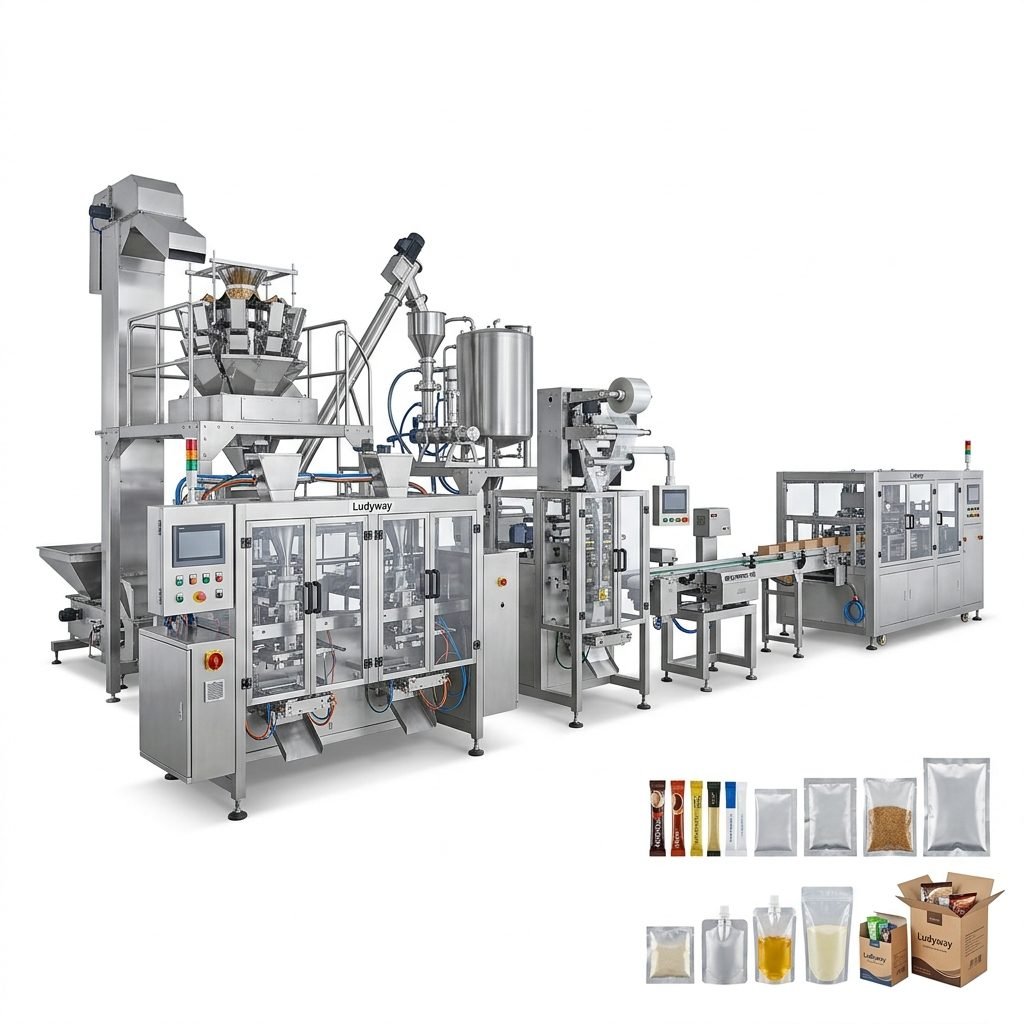
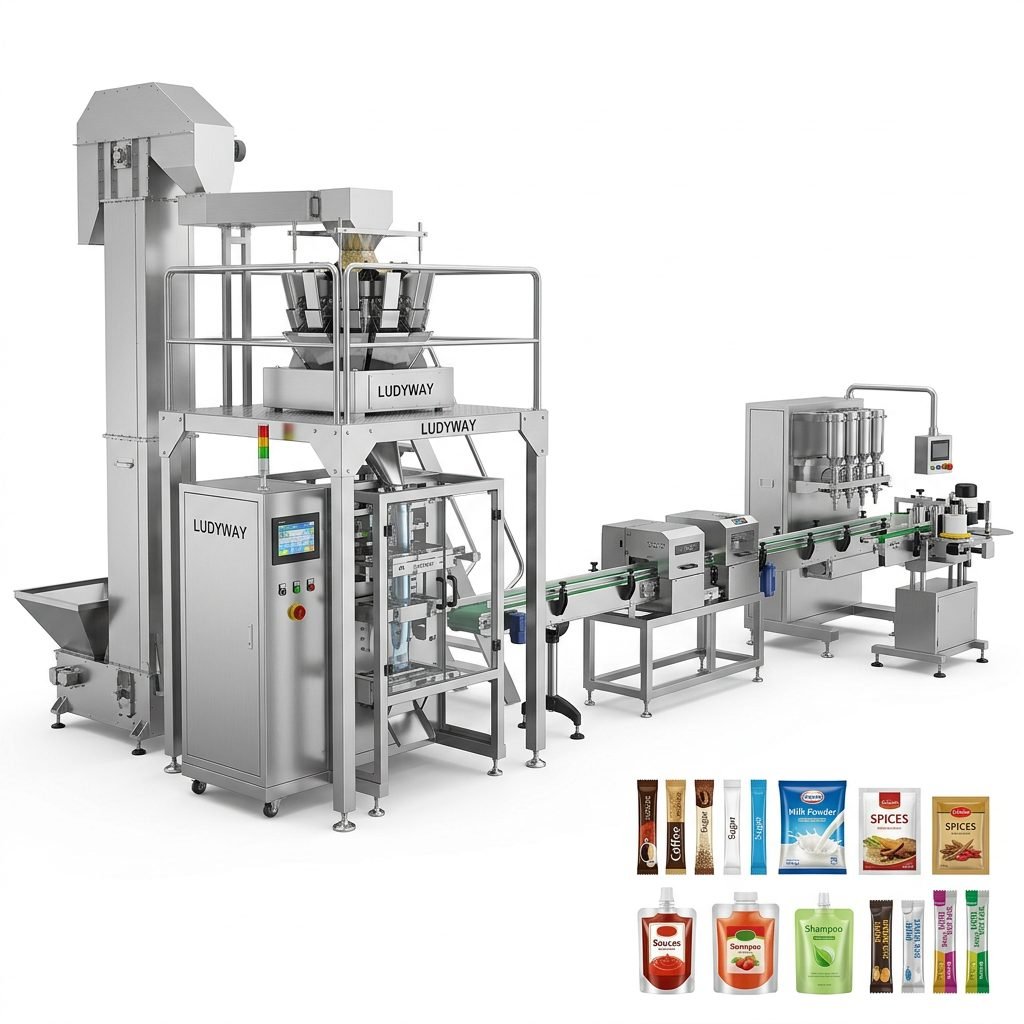
In today’s competitive food production and distribution landscape, preserving product quality, extending shelf life, and ensuring safe transportation are paramount. This is where commercial vacuum packaging machines step in as indispensable assets for businesses of all sizes. Whether you’re a small-scale artisanal producer or a large-scale food processor, understanding the capabilities and benefits of this technology is crucial for operational efficiency and product integrity.
What is a Commercial Vacuum Packaging Machine?
A commercial vacuum packaging machine is a specialized piece of equipment designed to remove air from a package before sealing it. This process creates a vacuum inside the packaging material, significantly slowing down the oxidation process that leads to food spoilage, freezer burn, and degradation of flavor and texture. Unlike consumer-grade sealers, commercial models are built for durability, higher throughput, and consistent performance under demanding conditions.
Core Function:
The primary function is to extract air and hermetically seal the package. This is achieved through a powerful pump that evacuates the air from a specially designed chamber containing the product and bag. Once the desired vacuum level is reached, the machine heat-seals the bag opening, creating an airtight barrier.
Key Features of Modern Vacuum Packaging Machines
When evaluating machines, several features distinguish basic models from advanced, productivity-enhancing systems.
1. Chamber Type and Size
Commercial machines primarily come in chamber vacuum sealers. The product and open bag are placed inside a sealed chamber. The entire chamber is evacuated of air, and then the bag is sealed. This method is excellent for liquids, powders, and moist products, as it draws air from around the product, not through it. Chamber size directly correlates to the maximum bag dimensions and batch capacity.
2. Vacuum Pump Power and Speed
The pump is the heart of the machine. Its power, measured in cubic meters per hour (m³/h) or similar, determines how quickly and deeply a vacuum can be pulled. A more powerful pump achieves a higher vacuum level faster, which is critical for maintaining packaging speed and product quality, especially for porous items.
3. Seal Bar Technology
The seal bar must create a strong, consistent, and reliable weld on the packaging material. Look for features like:
✓ Double seals for added security against leaks.
✓ Adjustable seal time and temperature for different bag materials.
✓ Anti-burn protection to prevent bag melting.
4. Control System and Programmability
Modern machines feature digital controls. Key capabilities include:
• Programmable memory settings for different products.
• Adjustable vacuum levels and seal times.
• Gas flush function (for Modified Atmosphere Packaging – MAP).
• User-friendly interface for operator efficiency.
Advanced Feature Spotlight: Gas Flush (MAP)
Many commercial vacuum sealers offer a gas flush option. This allows the operator to inject a specific mix of gases (like nitrogen or carbon dioxide) into the bag after vacuuming and before sealing. This Modified Atmosphere Packaging further extends shelf life by inhibiting bacterial growth and preserving color and texture, essential for products like fresh meats, cheeses, and salads. It’s a game-changer for product presentation and longevity.
Major Benefits for Your Business
Investing in a commercial vacuum sealer delivers a substantial return on investment through multiple channels.
Extended Product Shelf Life
By removing oxygen, the primary agent of spoilage, vacuum packaging can extend the shelf life of products by 3 to 5 times compared to conventional storage methods. This reduces waste, allows for better inventory management, and enables distribution over longer distances.
Enhanced Food Safety and Quality
Vacuum packaging inhibits the growth of aerobic bacteria, yeasts, and molds. It also prevents dehydration and freezer burn, locking in moisture, flavor, and nutritional value. Products retain their intended taste, texture, and appearance for much longer.
Improved Efficiency and Cost Savings
Streamlined packaging processes save labor time. Reduced spoilage directly cuts material and product loss costs. Efficient, compact packaging also lowers storage and shipping costs due to reduced volume and weight.
Professional Product Presentation
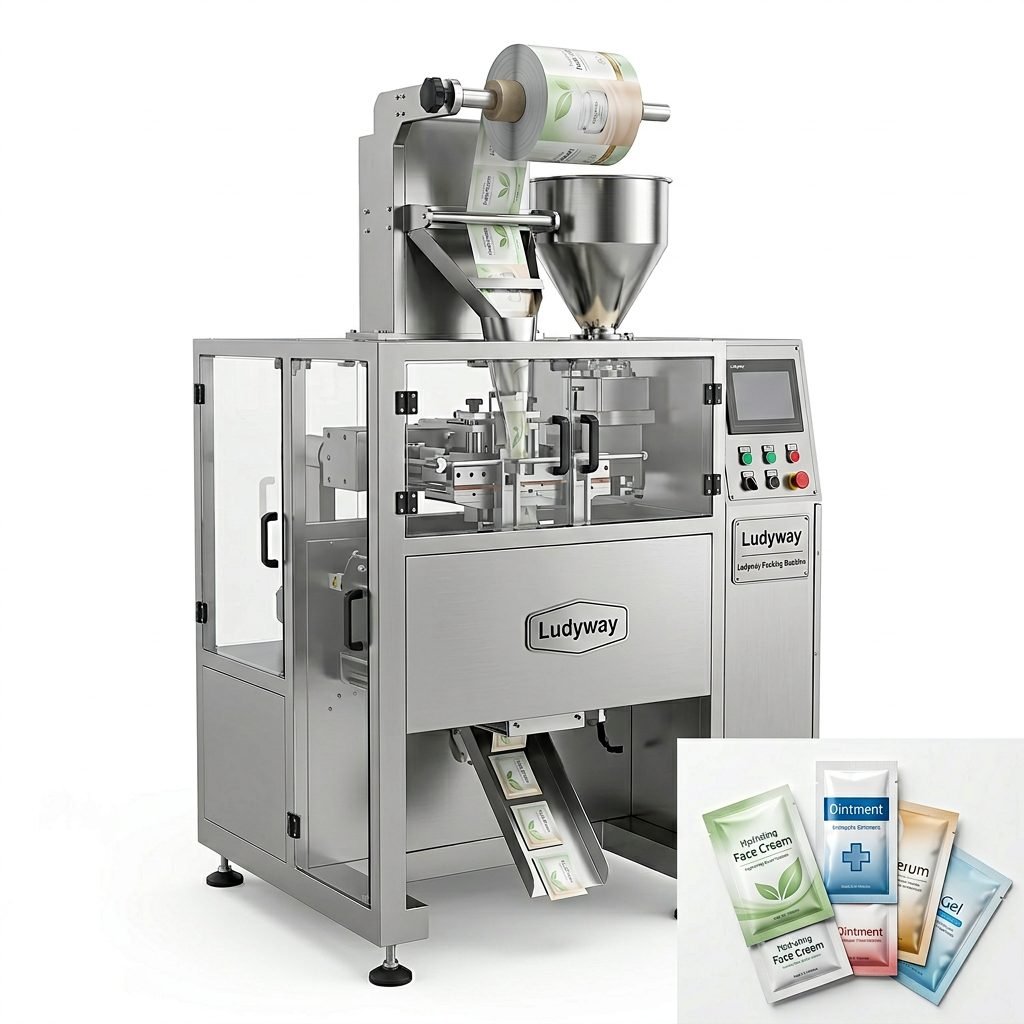
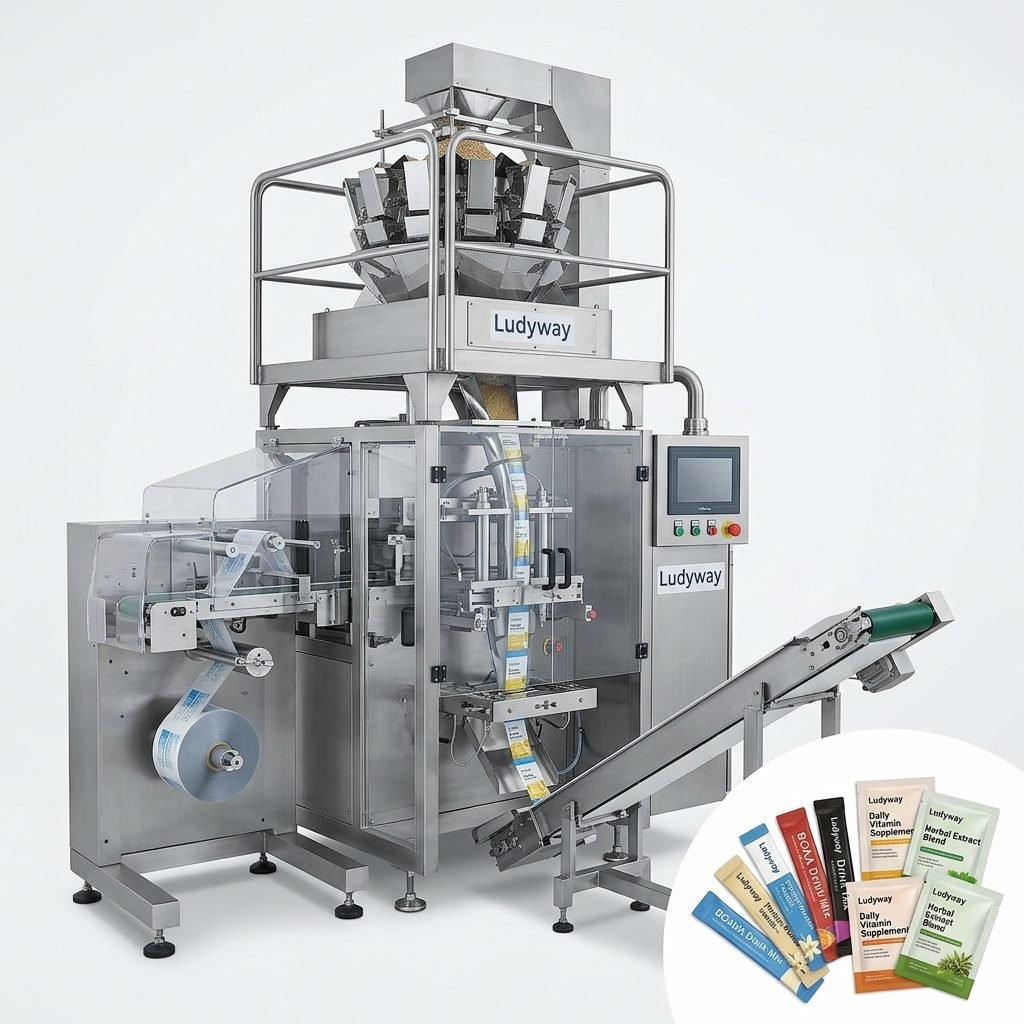
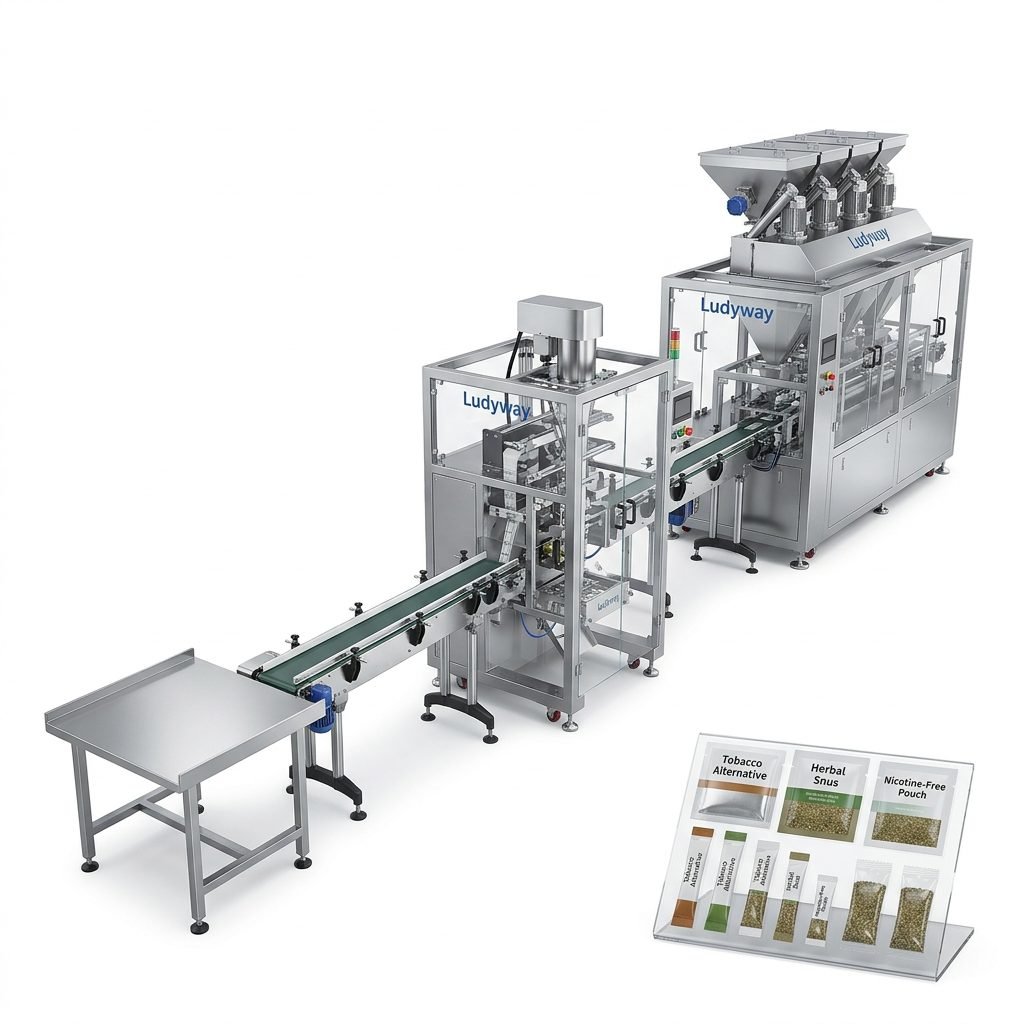
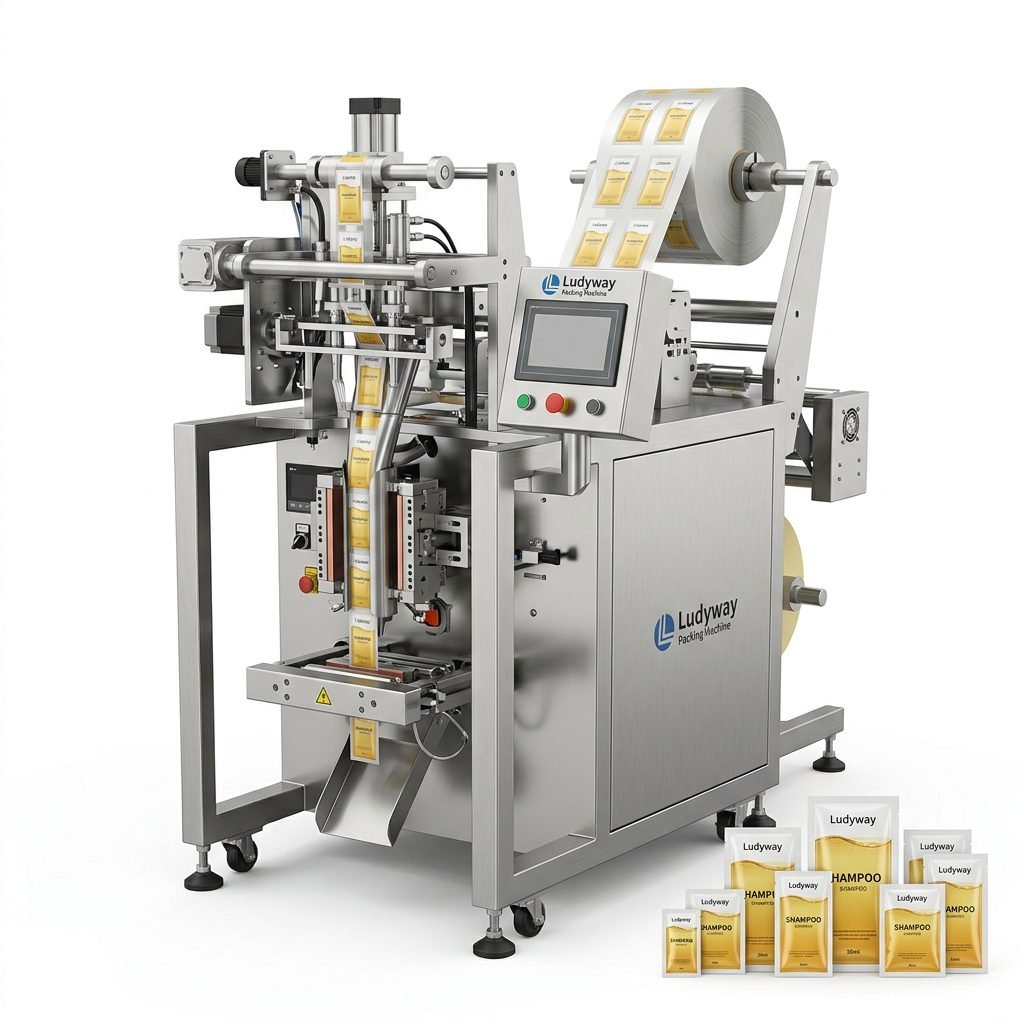
Vacuum-sealed products have a clean, professional, and “high-quality” look. The tight, clear packaging showcases the product effectively, which can enhance brand perception and justify premium pricing, especially in retail environments. For businesses like Ludyway Packing Machine, providing equipment that enables this level of presentation is a key part of delivering value to clients in the food and pharmaceutical sectors.
Critical Buying Tips and Considerations
Selecting the right machine requires careful analysis of your specific needs.
1. Assess Your Production Volume
• Low to Medium Volume: A single-chamber machine with manual bag loading may suffice.
• High Volume/Production Line: Consider automatic chamber machines, rotary vacuum sealers, or belt-chamber systems that offer continuous operation. Companies with extensive experience, like those with over 30 years in the industry, can often guide you to the right throughput solution.
2. Define Your Product Types
The nature of your product dictates machine requirements:
• Dry Products (nuts, grains): Most standard machines work well.
• Wet/Moist Products (meats, marinades, soups): A chamber sealer with a liquid trap or pulsed sealing function is essential.
• Powders & Granules: Require gentle handling and precise sealing to prevent sifting.
3. Choose the Right Packaging Material
The machine and the bag must be compatible. Common materials include:
• PA/PE: Excellent barrier properties, good for meats and cheeses.
• PET/PE: High clarity and strength, good for retail.
• EVOH: Superior oxygen barrier for very sensitive products.
Ensure your supplier can provide guidance on material selection.
4. Prioritize Durability and Service
A commercial machine is a long-term investment. Look for:
• Robust construction (stainless steel is preferred for food contact and durability).
• Availability of spare parts.
• Quality of technical support and service. Partnering with a provider known for professional service and quality-focused manufacturing ensures minimal downtime.
5. Plan for the Future
Consider potential business growth. Can the machine handle increased volume? Does the supplier offer a range of models to upgrade to? A partner that provides customized automation solutions can be invaluable as your needs evolve.
Implementing a commercial vacuum packaging system is a strategic decision that impacts product quality, operational costs, and market reach. By thoroughly understanding the features, aligning them with tangible benefits for your operation, and following a structured buying process, you can select equipment that becomes a cornerstone of your production efficiency and product excellence. For businesses looking to integrate such systems, exploring comprehensive packaging solutions from experienced providers is a recommended step.
Frequently Asked Questions (FAQs)
1. What is the main difference between a chamber sealer and an external (suction) sealer?
Chamber Sealers place the entire bag inside a sealed chamber. They are ideal for liquids, moist foods, and powders, as they remove air from around the product. External Sealers use a suction nozzle inserted into the bag. They are generally slower, less effective with liquids, but often more affordable and suitable for dry, solid items.
2. Can I vacuum package sharp or bony products?
Yes, but with caution. Sharp edges can puncture the bag. It is recommended to use specially designed puncture-resistant barrier bags that have a thicker layer or mesh to prevent holes from compromising the vacuum.
3. How do I maintain my commercial vacuum packaging machine?
Regular maintenance is key. This includes daily cleaning of the chamber and seal bar, checking and replacing the vacuum pump oil as recommended by the manufacturer, inspecting the seal bar for debris or damage, and ensuring gaskets are intact to maintain a proper seal. Always follow the manufacturer’s specific maintenance schedule.
4. Is Modified Atmosphere Packaging (MAP) the same as vacuum packaging?
Not exactly. Vacuum packaging removes air. MAP is an extension where, after vacuuming, a specific gas mixture is introduced before the final seal. While all MAP processes typically involve an initial vacuum, not all vacuum packaging includes gas flushing. MAP often provides even longer shelf life for certain products.
5. What training is required for operators?
Basic operation is straightforward, but proper training ensures efficiency, safety, and consistent seal quality. Training should cover machine operation, bag loading techniques, basic troubleshooting, cleaning procedures, and safety protocols. Reputable suppliers often provide operational training as part of the service. For instance, partners committed to long-term cooperation typically include comprehensive support to ensure client success.