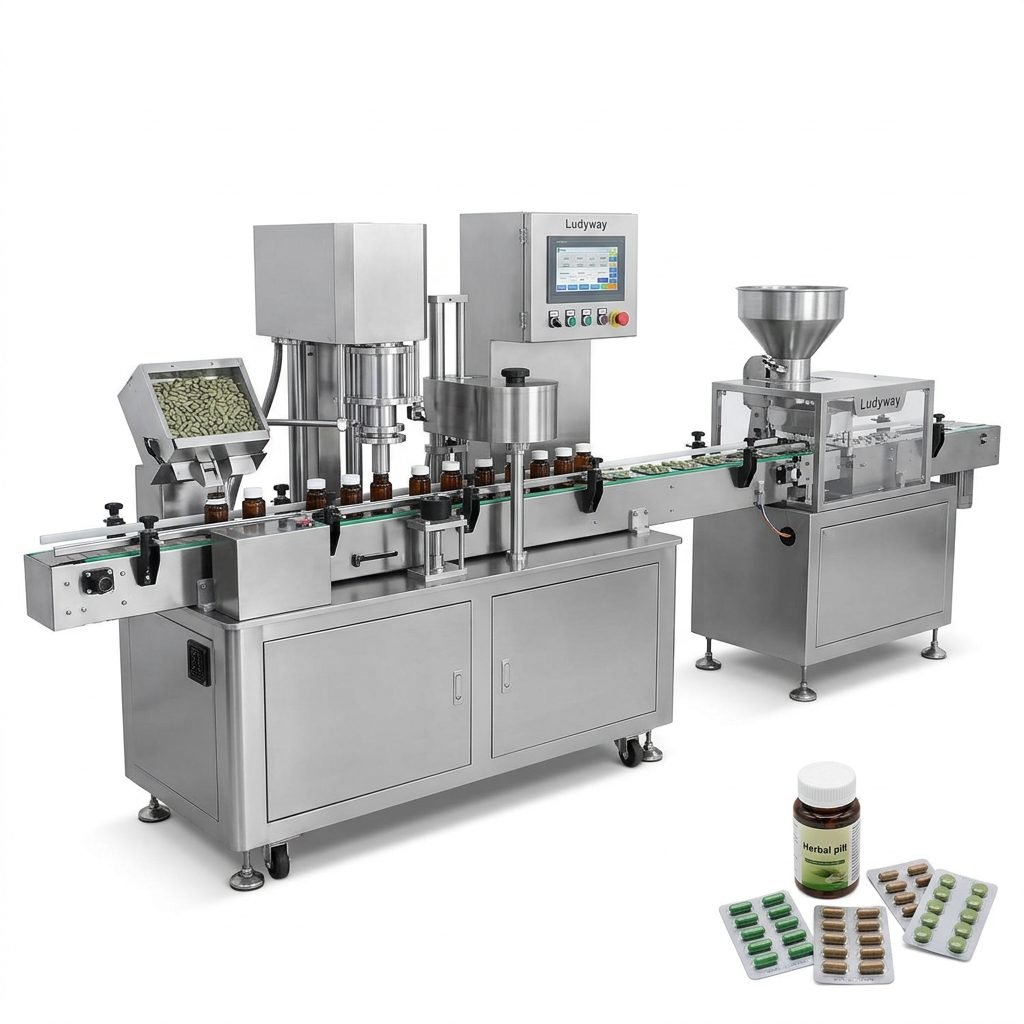
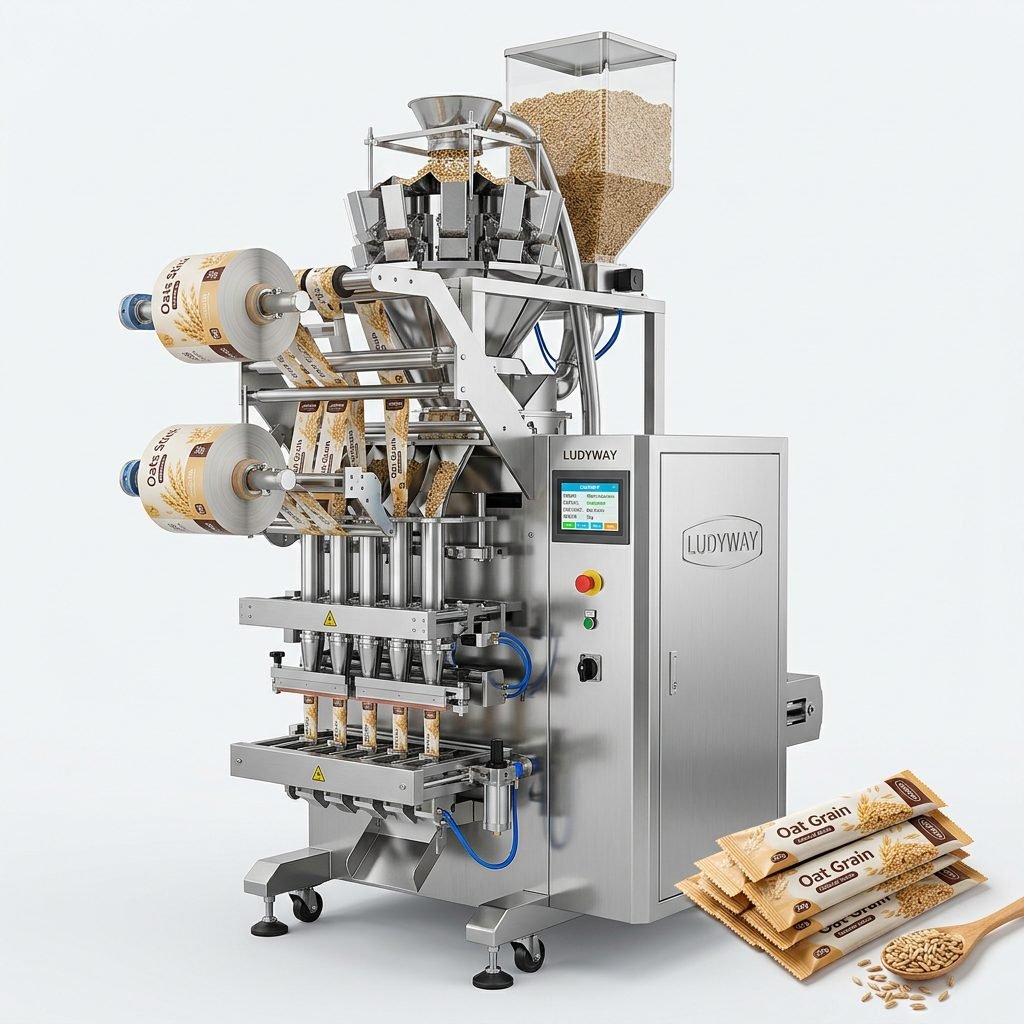
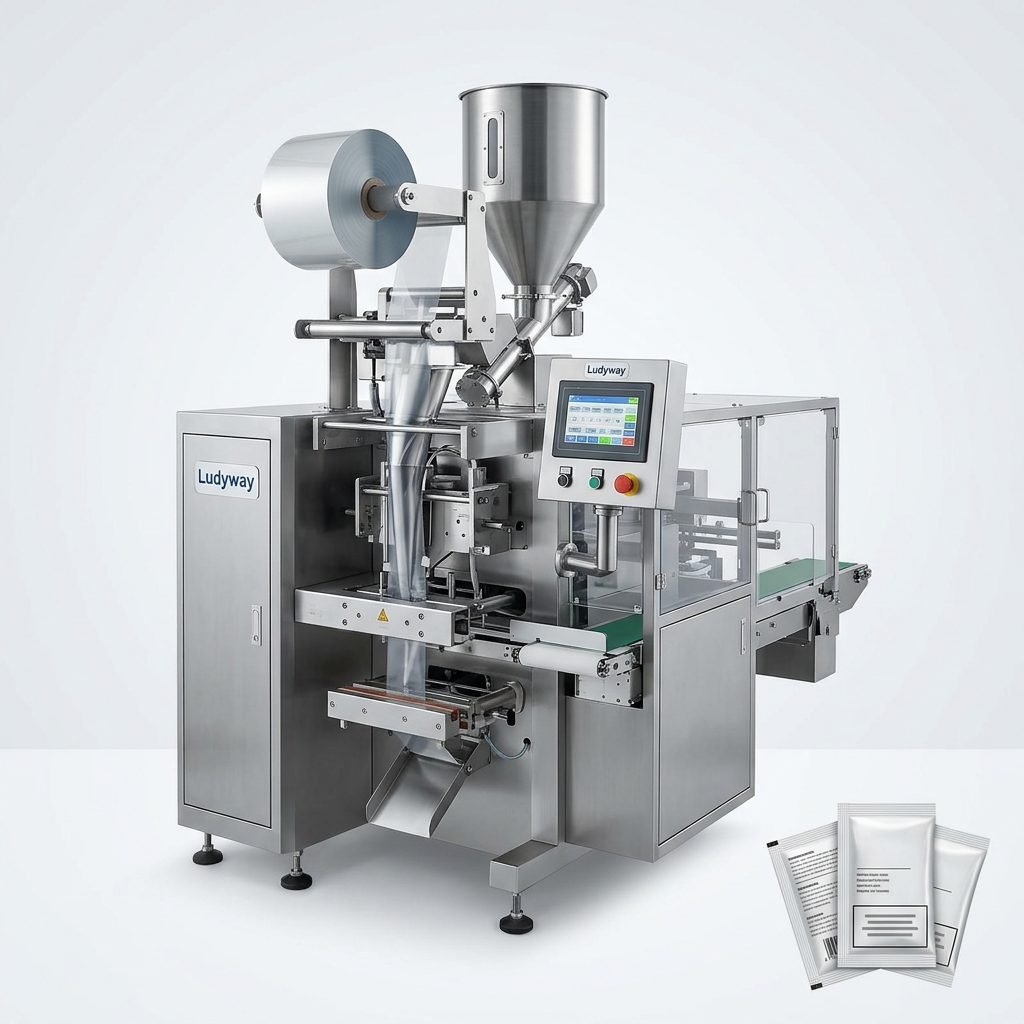
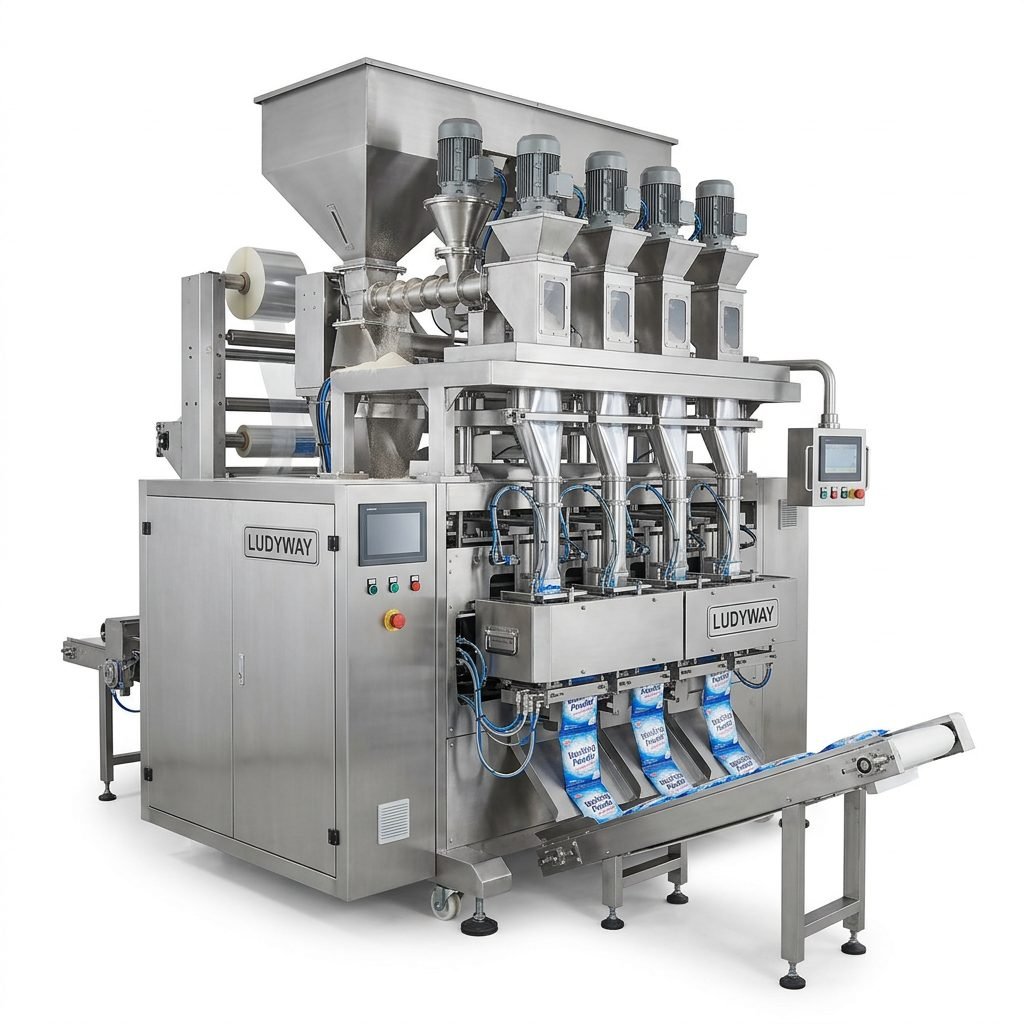
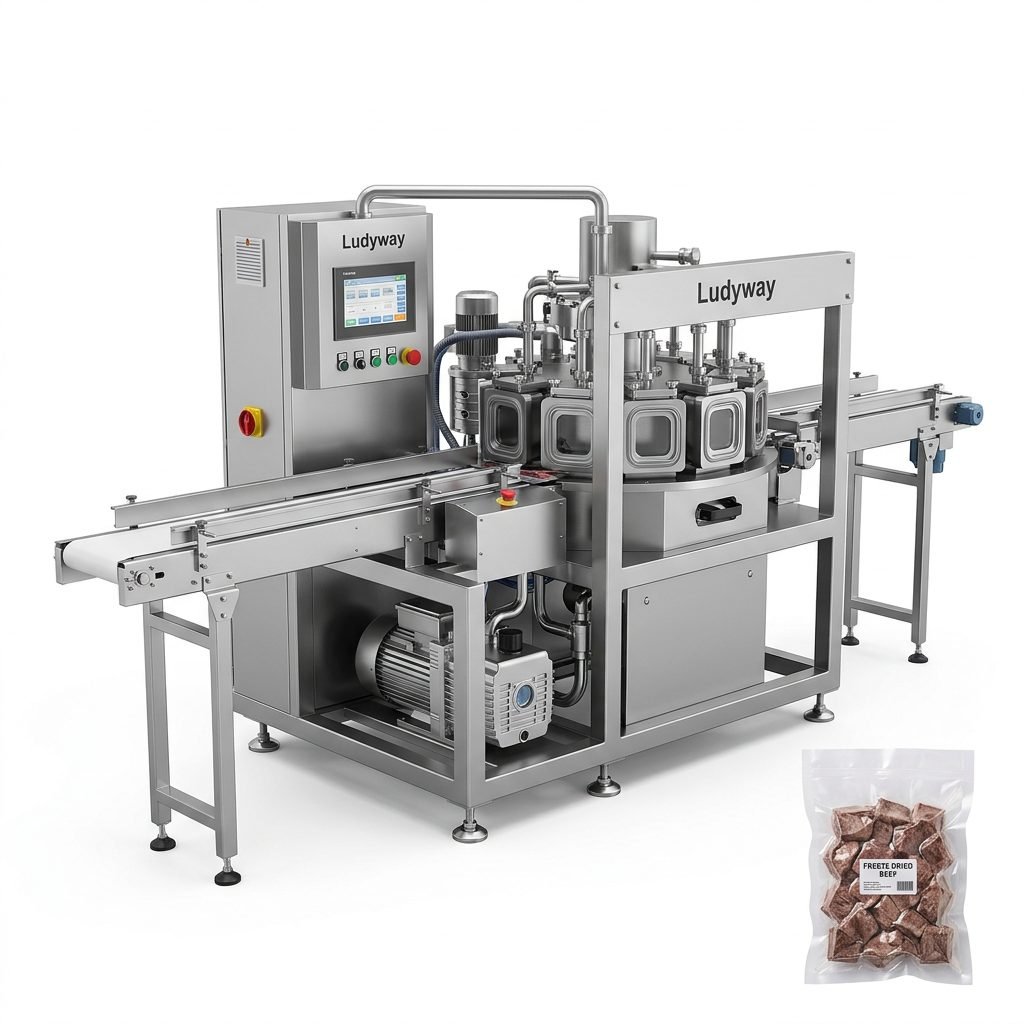
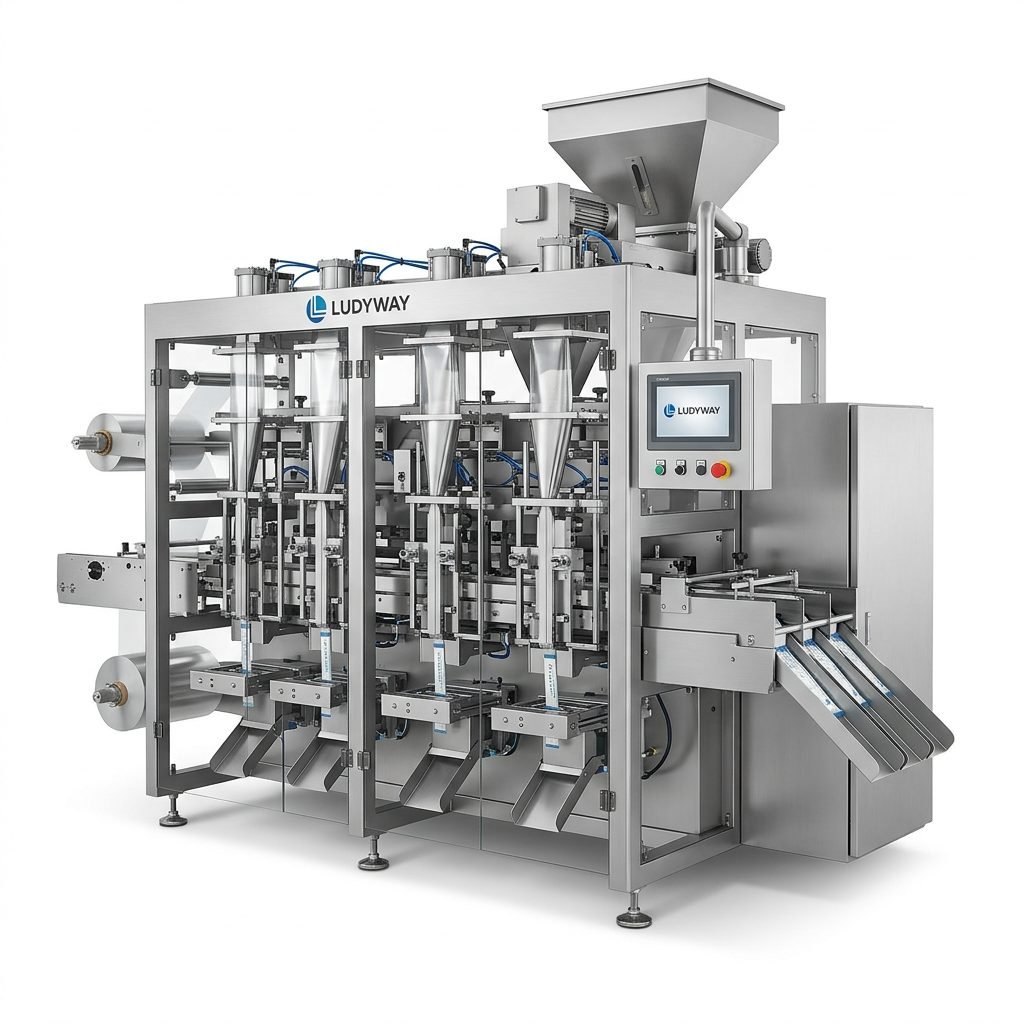
The Southeast Asian market is experiencing a rapid boom in the food and beverage sector, creating an unprecedented demand for efficient packaging solutions. For businesses looking to capitalize on this growth, setting up a small sauce packaging machine production line is a strategic move. However, navigating the complexities of local regulations, climate conditions, and production needs requires careful planning.
Understanding the Market Demand
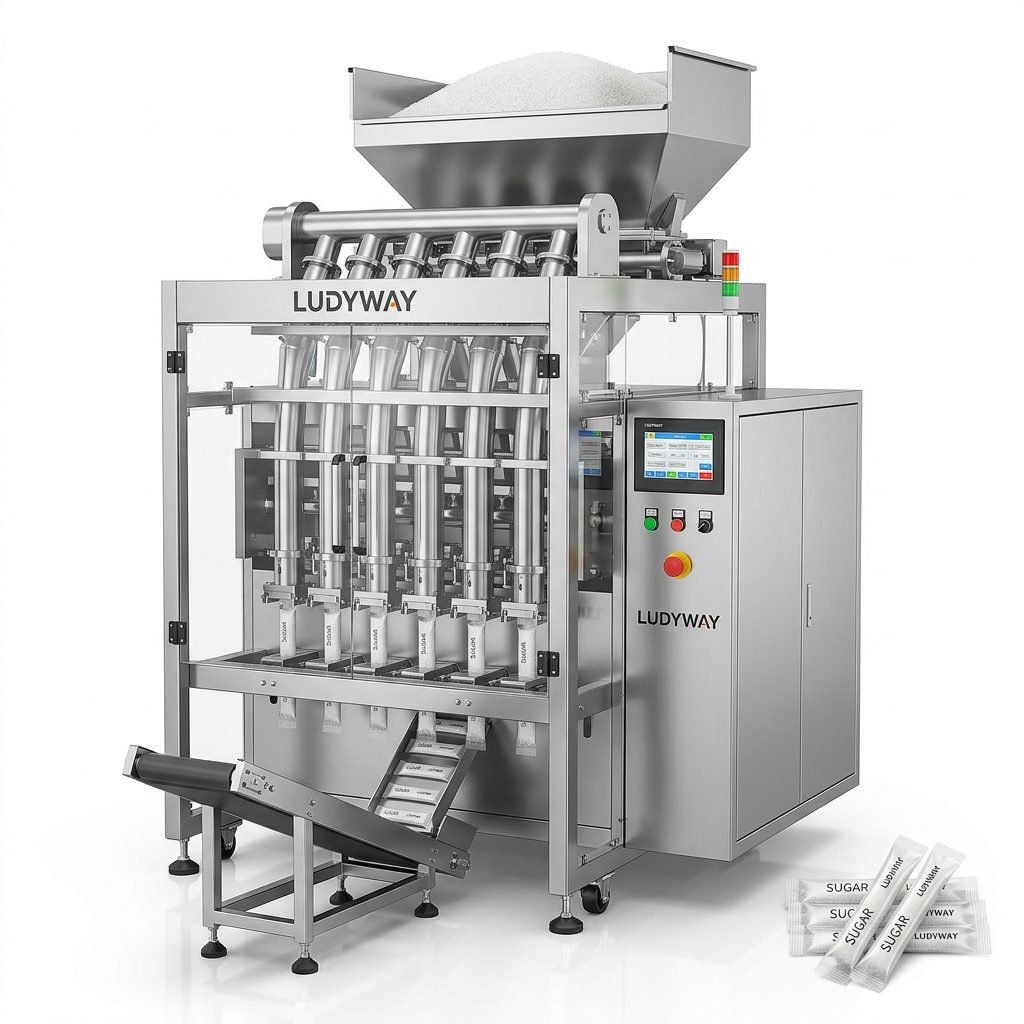
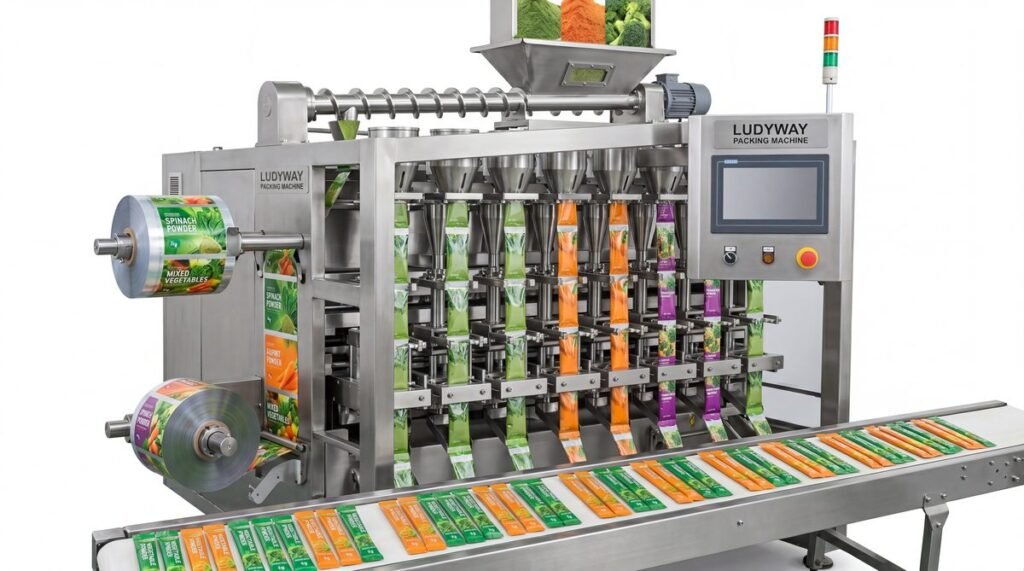
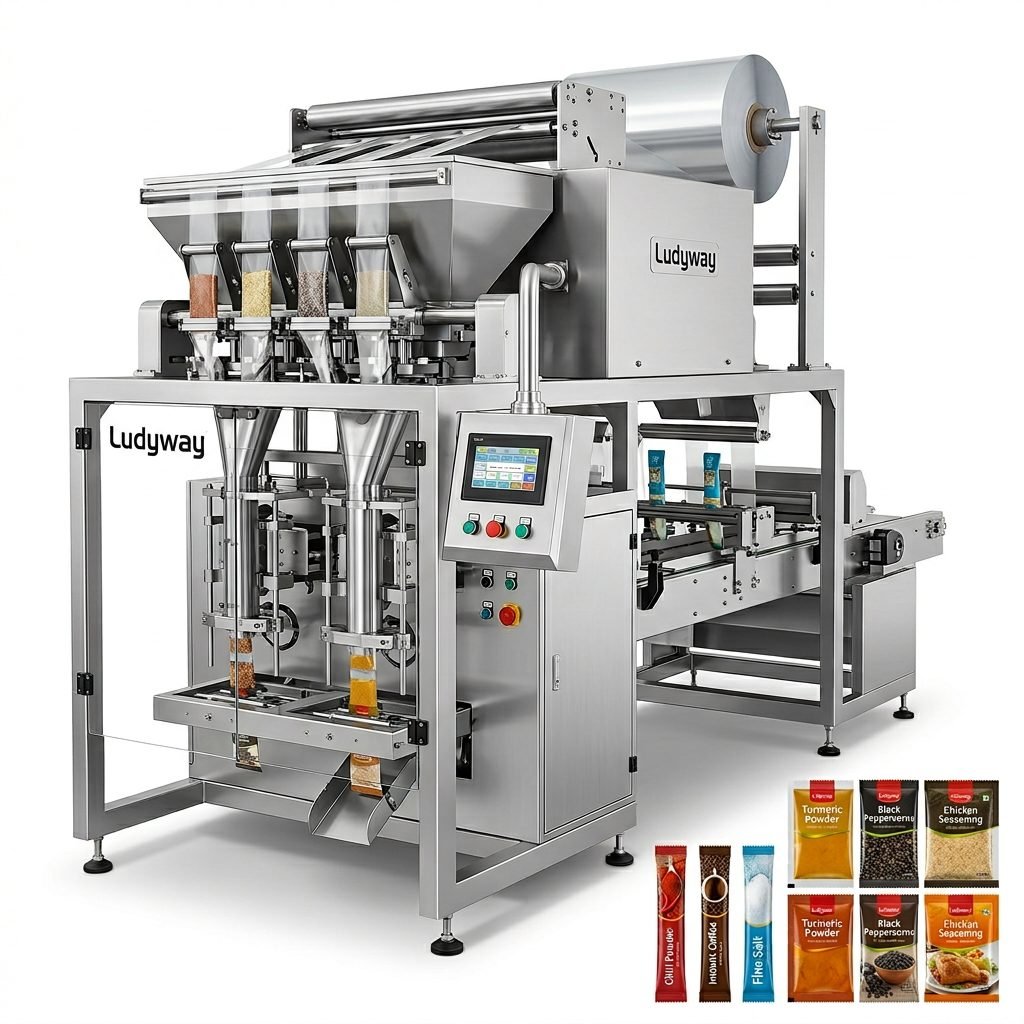
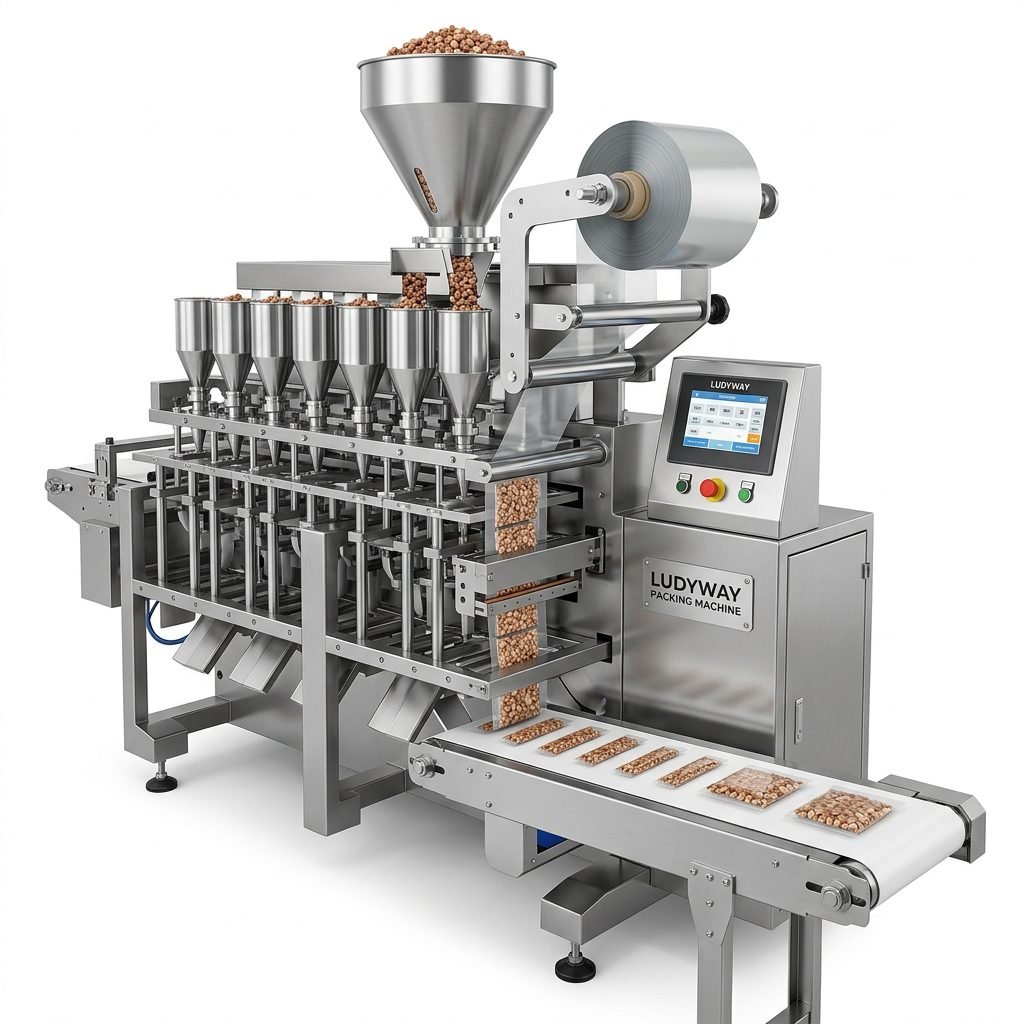
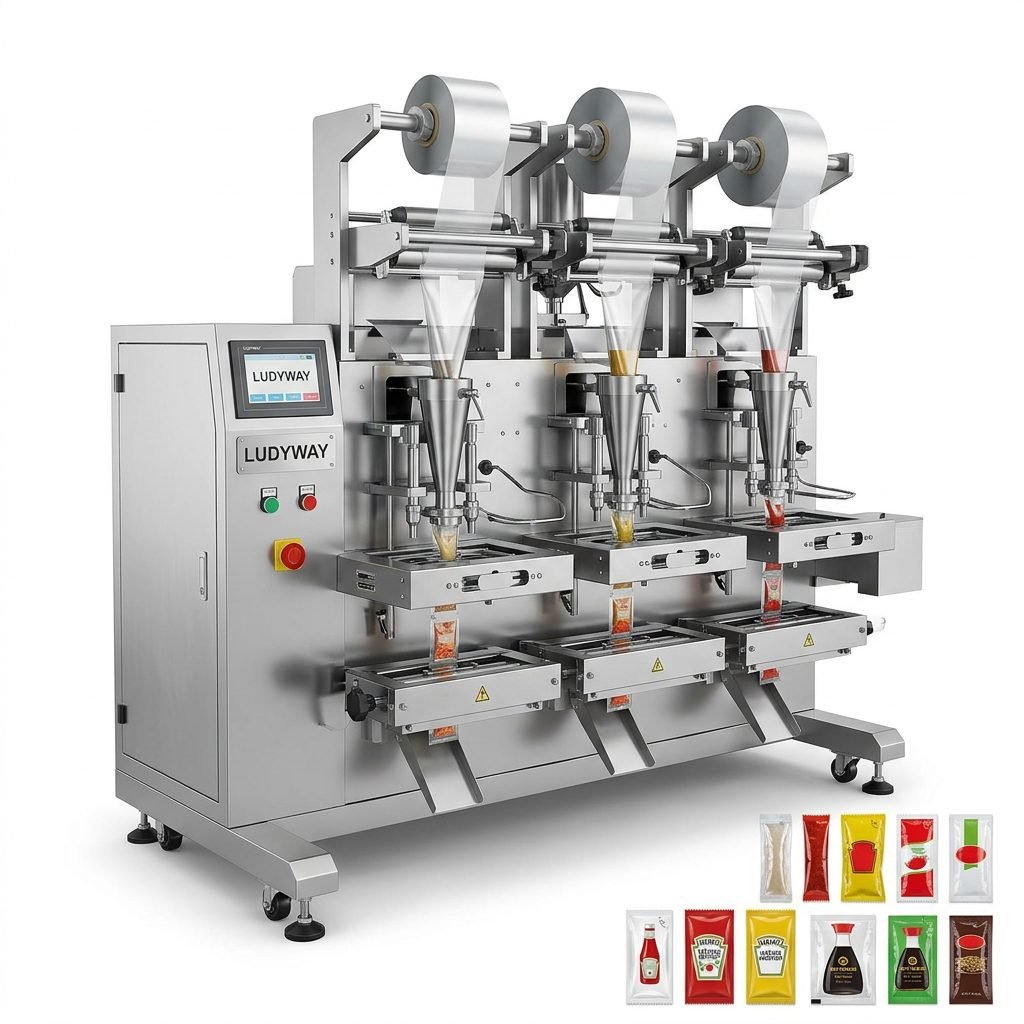
Before investing in machinery, it is crucial to identify your target consumer. The region favors single-serve sachets and stick packs due to their affordability and convenience. Whether you are packaging chili sauce, soy sauce, or mayonnaise, the format must align with local purchasing habits. The versatility of multi-lane liquid packaging machines allows you to run different pouch formats simultaneously, maximizing your market reach.
Key Pre-Installation Requirements
- Clean and Dry Compressed Air: A non-negotiable for pneumatic systems, especially crucial in the humid Southeast Asian climate. Air quality directly impacts sealing integrity.
- Stable Power Supply: Voltage fluctuations are common in some areas. Investing in a servo-driven machine with a voltage stabilizer is recommended to prevent downtime.
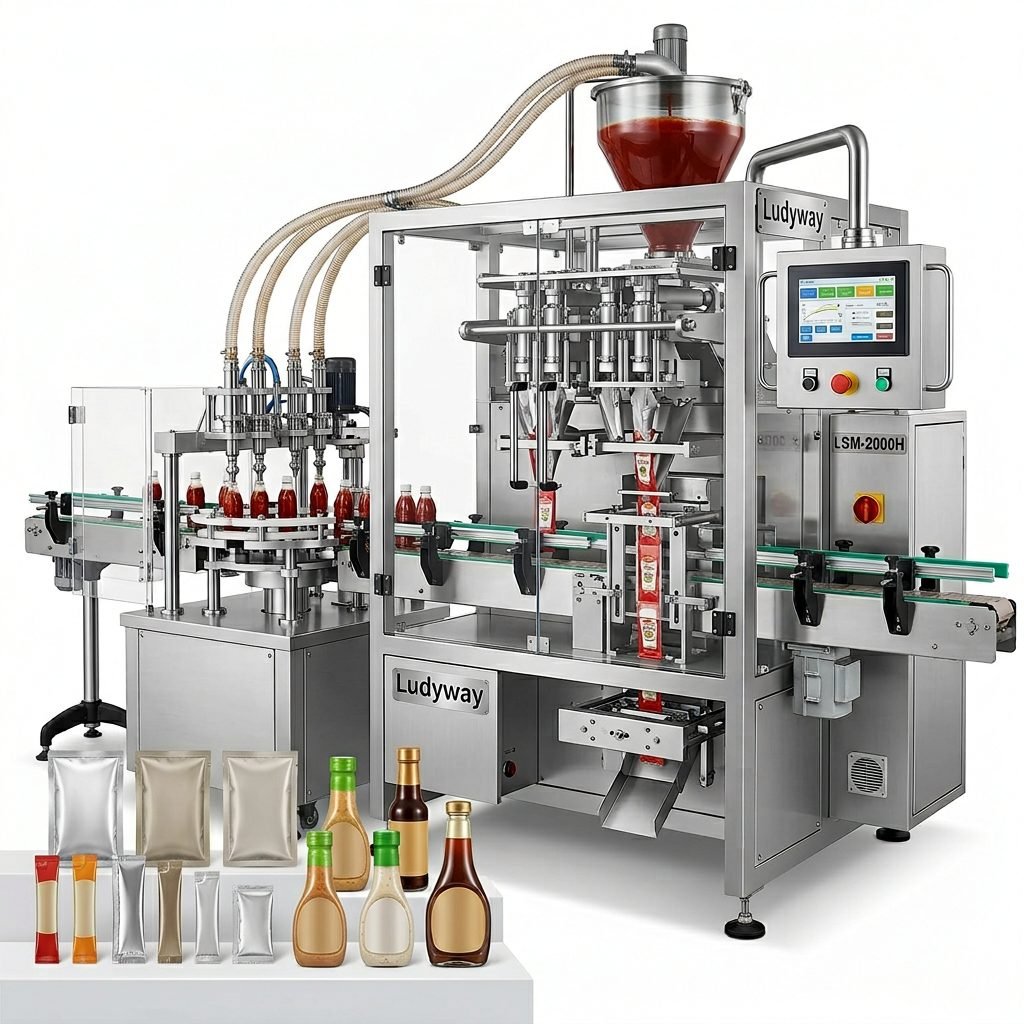
- Product Compatibility: Your sauce viscosity (liquid, paste, or chunky) will determine the type of filling system—whether it’s a piston filler, gear pump, or electromagnetic flow meter.
Step-by-Step Guide to Building Your Line
Setting up a production line involves more than just plugging in a machine. It requires a systematic approach from raw material to finished carton.
1. The Core Packaging System
For startups, a fully integrated automatic sachet filling machine is recommended. These systems often combine automatic film unwinding, multi-stage filling, sealing, and cutting. Look for a machine that offers:
- Servo-driven motors for precise film registration and cutting.
- A tear-notch or easy-tear feature, which is a standard requirement for liquid sachets in this region.
- Stainless steel (SUS 304 or 316) construction to meet food safety standards.
Compliance and Food Safety in Southeast Asia
Navigating FDA, GMP, or local MUI Halal certifications is a significant step. Your production line design must support these standards. This means the equipment should be designed for easy cleaning and maintenance.
Essential Ancillary Equipment
To enhance efficiency, your line should include these peripheral devices:
| Equipment | Function | Benefit |
|---|---|---|
| Conveyor with Tanks | Holds and mixes liquid sauces | Ensures consistent product density |
| Batch Coding Machine | Prints expiry dates and lot numbers | Traceability compliance |
| Automatic Cartoning Machine | Packs sachets into cartons | Reduces labor costs |
2. Material Selection
The packaging film must be compatible with your product. Liquid sauces often require high-barrier laminated films (PET/AL/PE or PET/VMPET/PE) to prevent light and oxygen permeation. When setting up your line, the machine’s tension control must be adjustable to handle these specific materials without wrinkling, especially in high-humidity environments.
Cost Optimization and Labor
While Southeast Asia offers competitive labor costs, the trend is moving toward automation. A 4-lane sachet machine might require only 1-2 operators, whereas manual packing would need significantly more staff. Calculating the Return on Investment (ROI) should factor in the rising minimum wages in countries like Thailand and Vietnam.
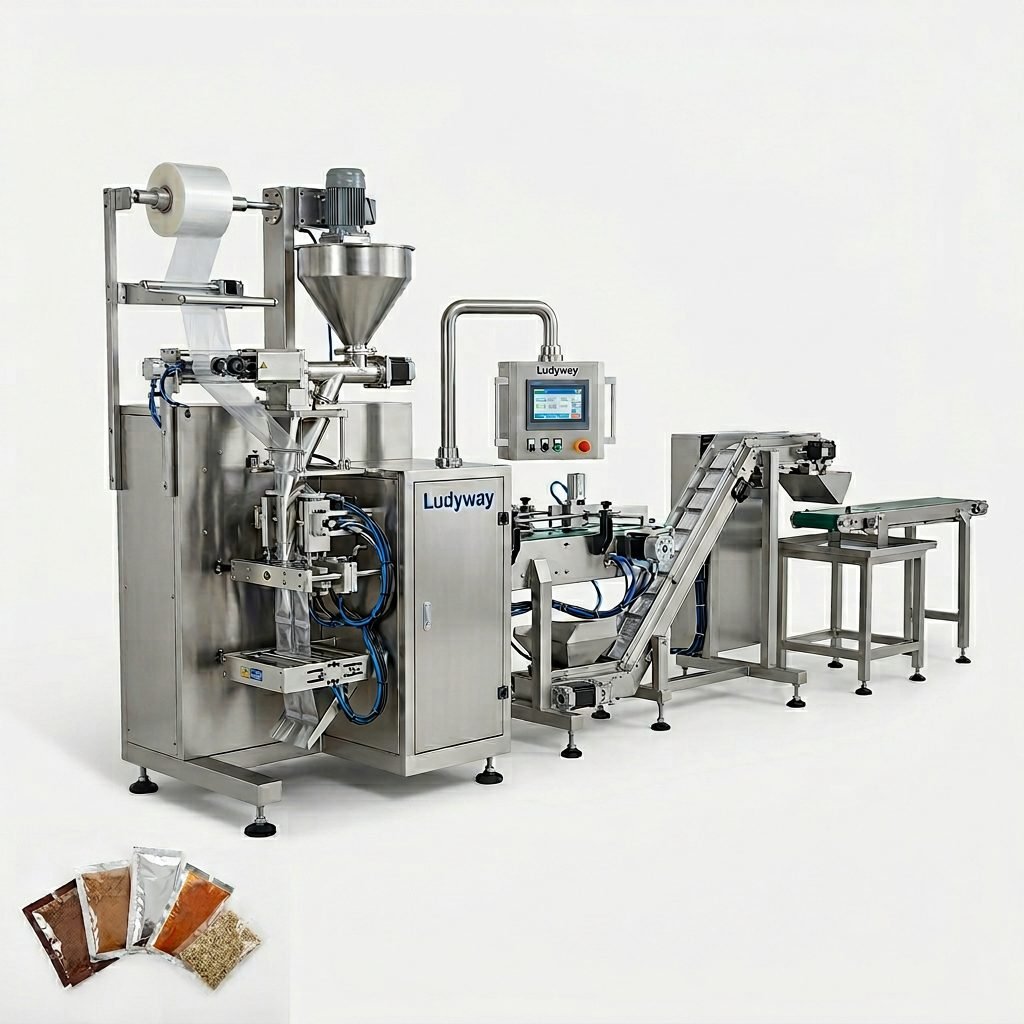
A common challenge in the region is space constraints. Suppliers like Ludyway offer compact, turnkey solutions that integrate the entire line into a minimal footprint, making them suitable for urban factories in Jakarta or Manila.
Maintenance and After-Sales Support
Technical support is critical. When sourcing a sauce packaging production line, prioritize manufacturers that offer remote diagnostics or have local distributors in Southeast Asia. Preventive maintenance of sealing jaws and sensors is essential to avoid production halts.
Key Sachet Types for the Market
- Pillow Pouch: Most common for soy sauce and chili oil.
- Stick Pack: Preferred for premium sauces or sample packs.
- 3-Side or 4-Side Seal Sachets: Ideal for high-barrier requirements.
Future-Proofing Your Investment
As your brand grows, your production line should scale with you. The market is shifting toward internet-connected packaging lines that allow for real-time production monitoring via mobile apps. This digital integration is no longer a luxury but a necessity for competing in the export market.
For further industry benchmarks and packaging standards relevant to your setup, it is advisable to consult the Packaging Machinery Manufacturers Institute (PMMI) and their comprehensive State of the Industry Reports for market intelligence. You can also review global packaging standards via the ISO packaging standards to ensure international compliance from day one.
Related Resources
Discover more about global growth trends in the sector: 2026 Packaging Machinery Export Report.