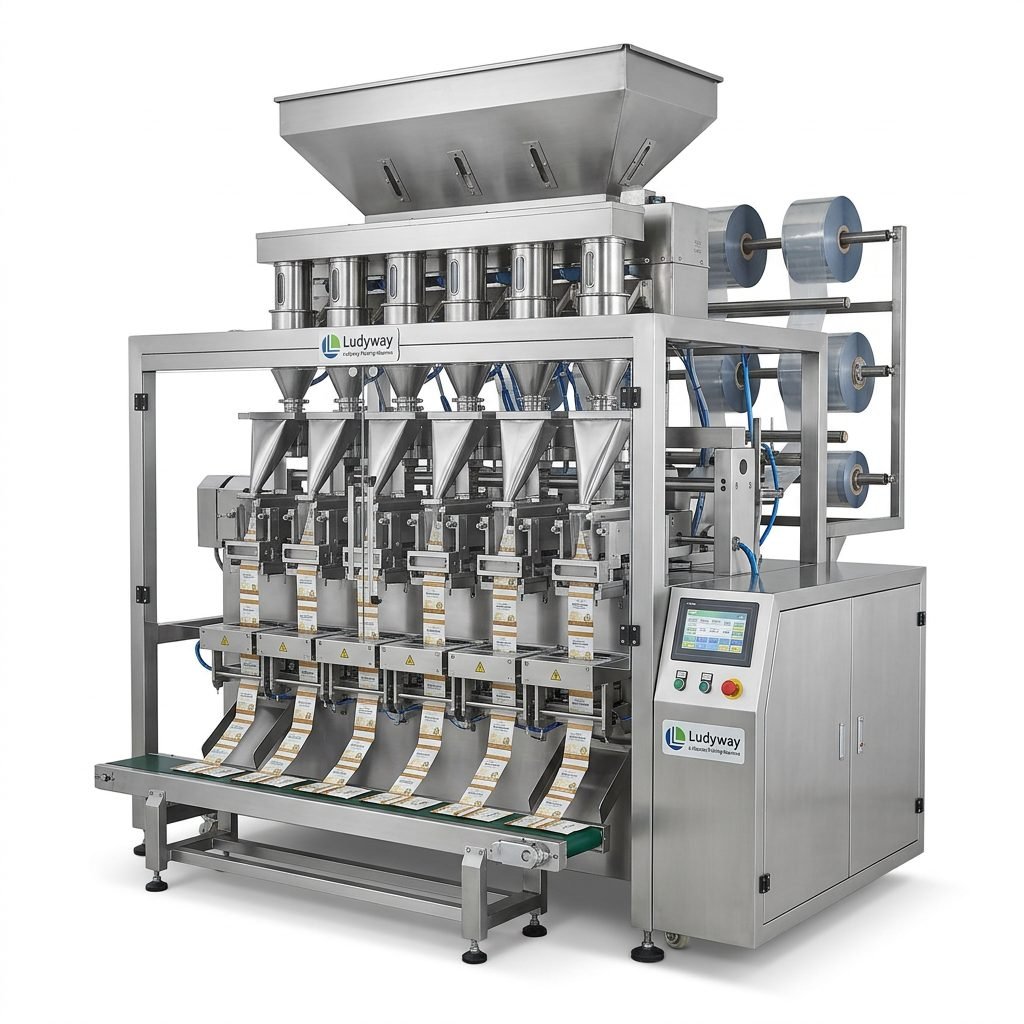
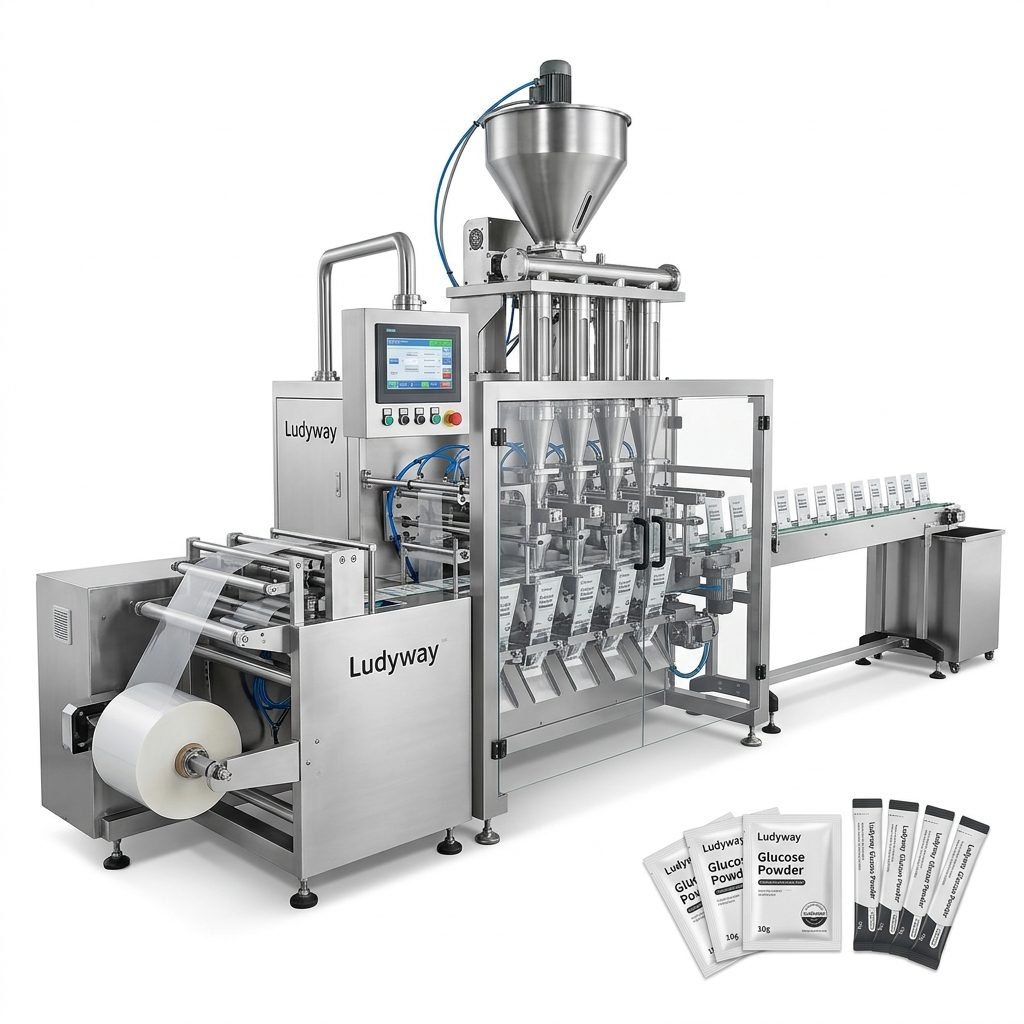
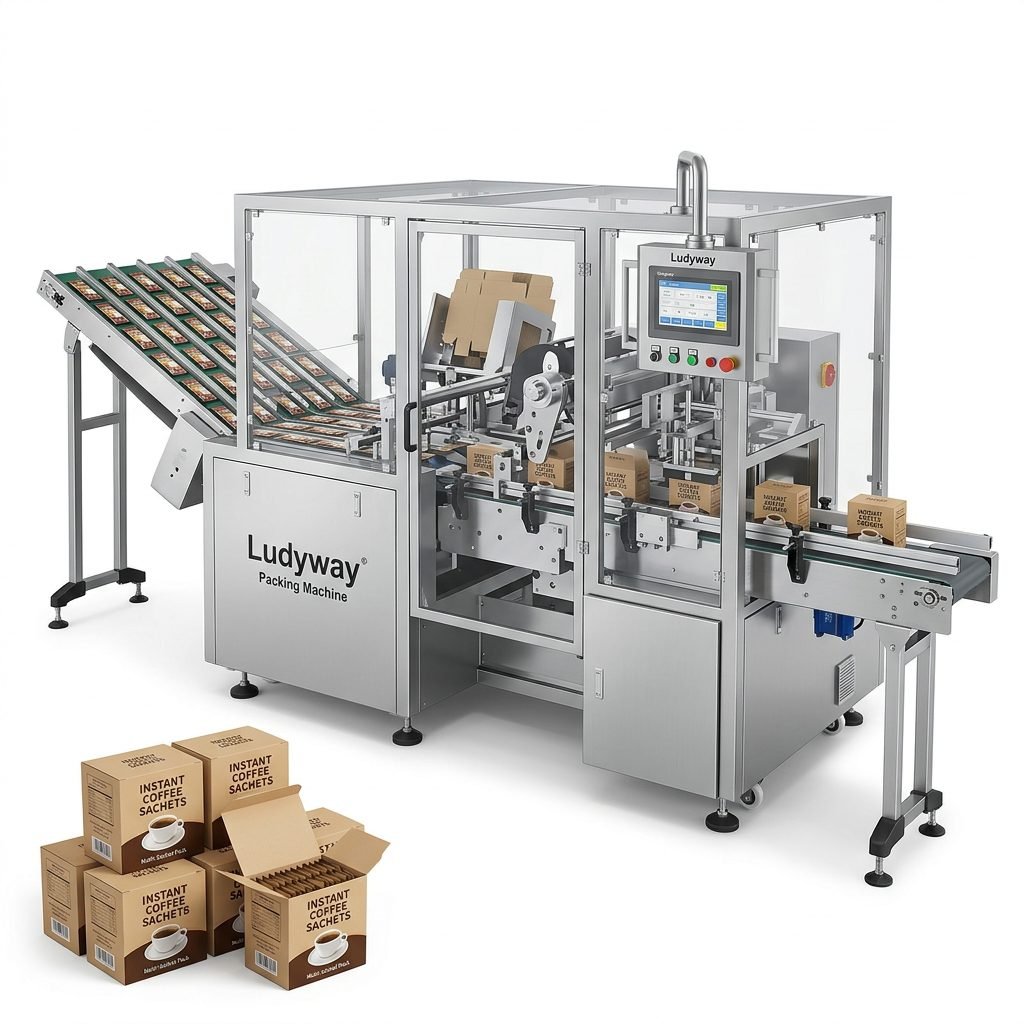
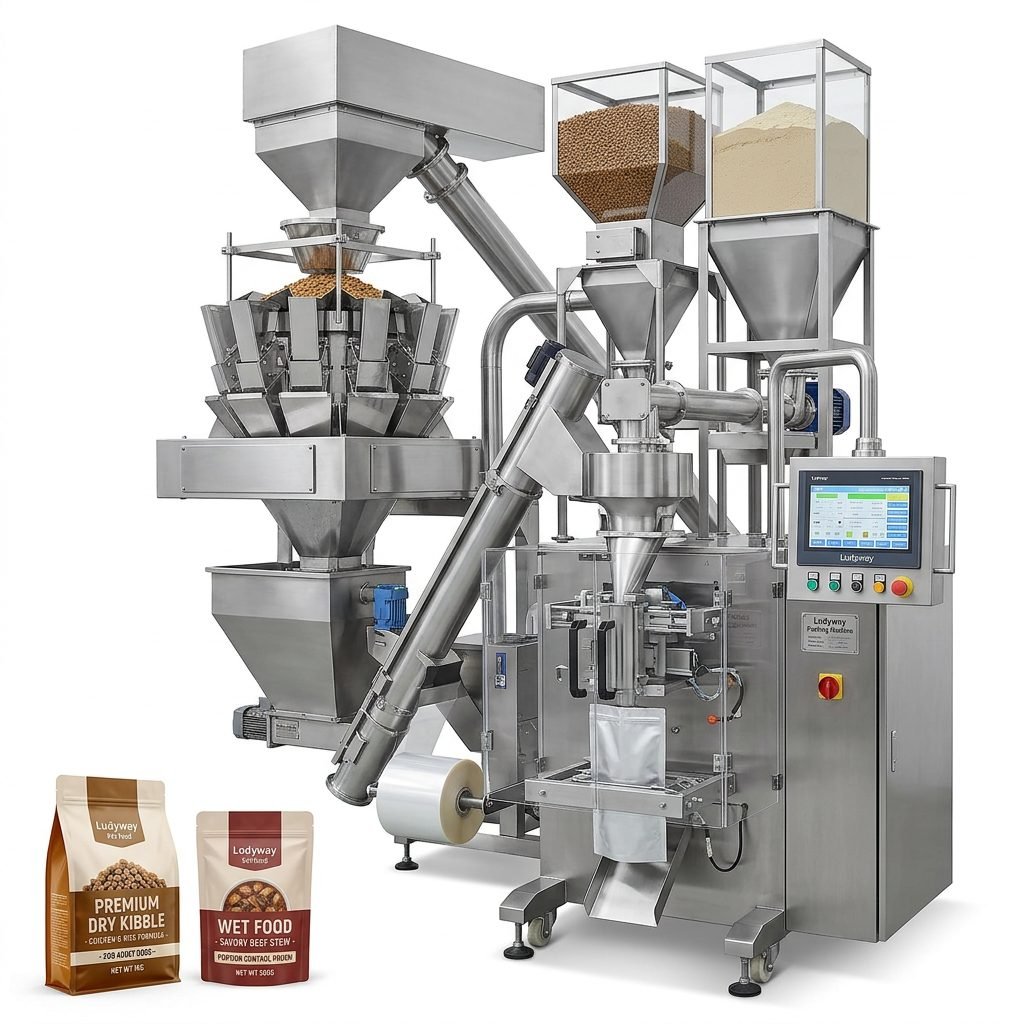
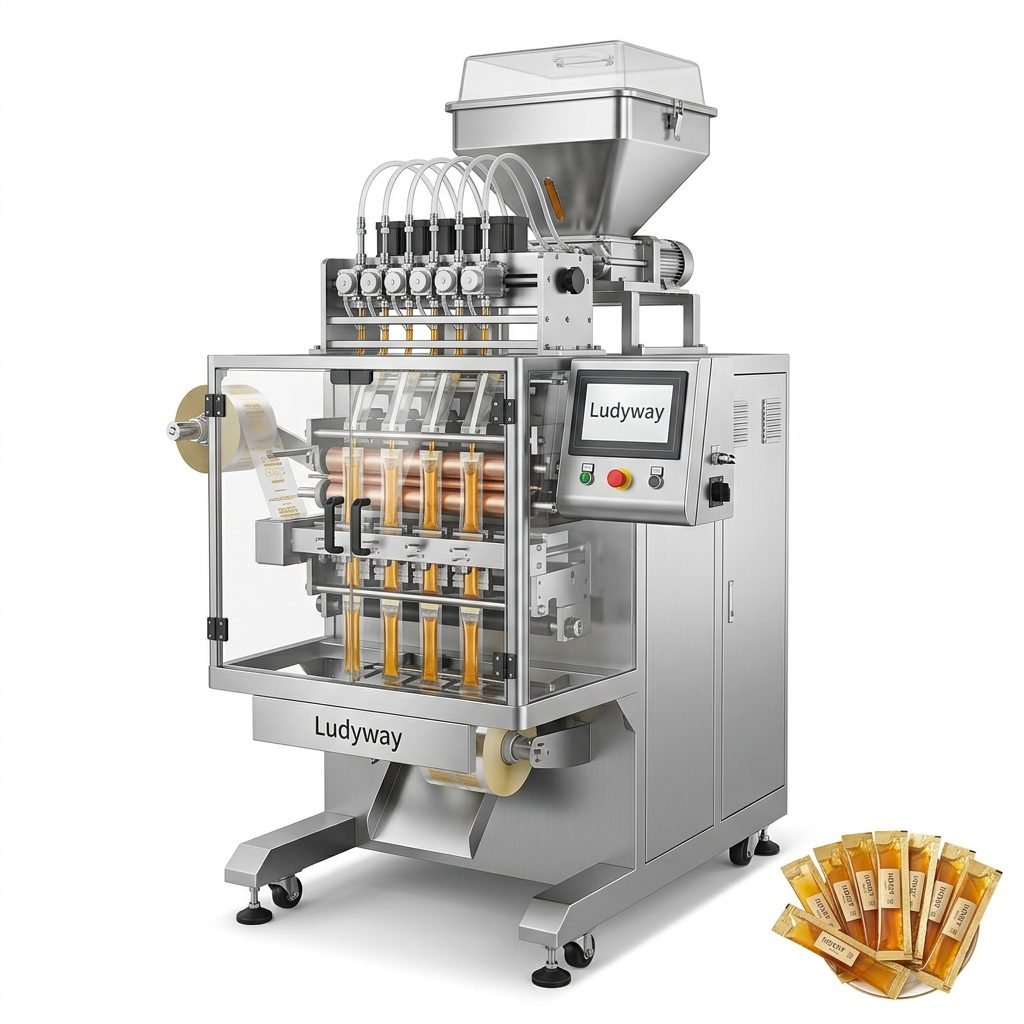
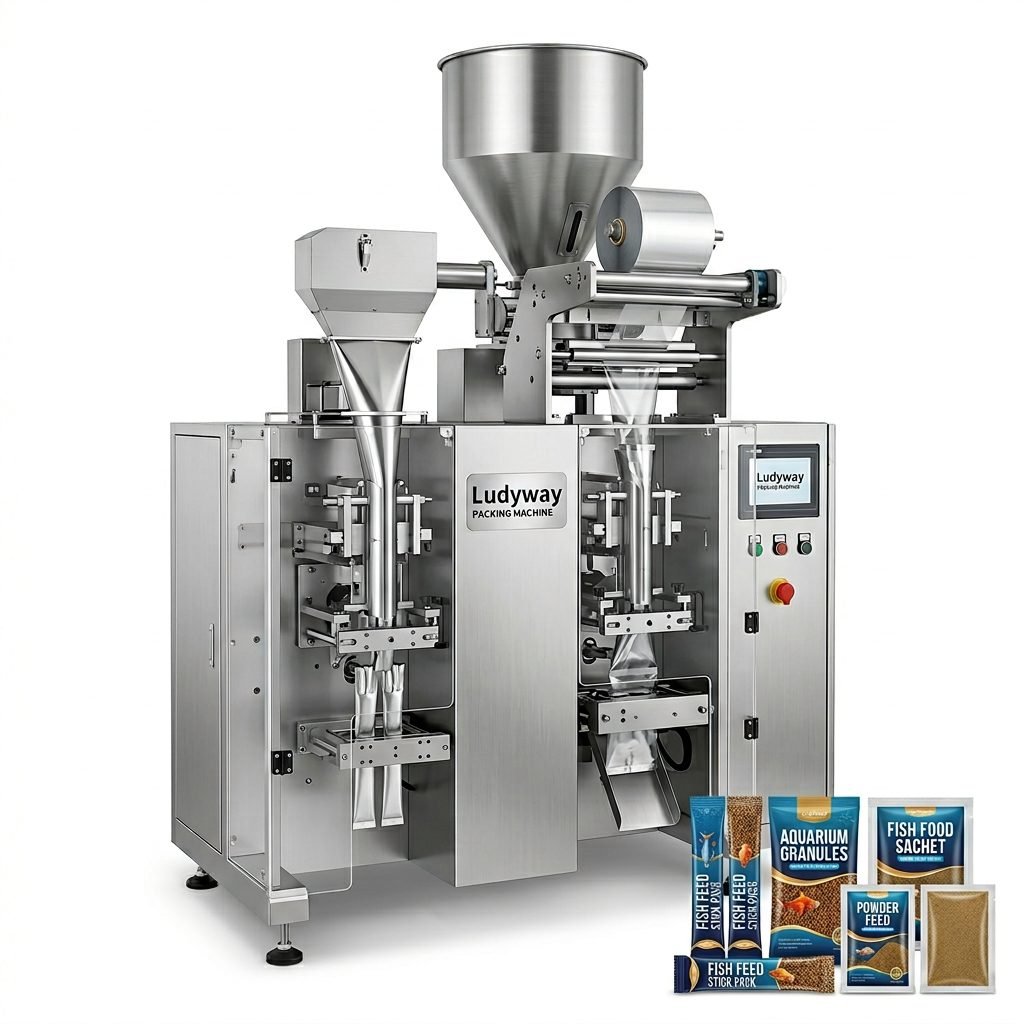
The best K-Cup packaging machine manufacturers for efficient coffee pod production are the companies that combine stable filling accuracy, reliable sealing, scalable output, and responsive technical support. For most buyers, the strongest options are not just machine builders with attractive catalogs, but suppliers that can deliver complete dosing, sealing, nitrogen flushing, inspection, coding, and end-of-line integration for pod-based coffee production. Based on product range, automation capability, export strength, customization flexibility, and suitability for coffee pod manufacturing, the following manufacturers stand out in today’s market.
K-Cup packaging is a specialized segment within the broader single-serve coffee market. It requires precise control over ground coffee dosing, capsule handling, lidding, sealing temperature, oxygen management, and output consistency. A poor machine choice can raise scrap rates, reduce shelf life, and create compatibility issues with pod dimensions or lid materials. A strong machine choice improves throughput, protects aroma, and lowers unit cost over time.
According to data from the National Coffee Association, coffee remains one of the most widely consumed beverages in the United States, and single-serve brewing continues to be a major household and office format. Meanwhile, industry analysis from organizations such as Grand View Research and Mordor Intelligence has consistently identified steady growth in the global coffee capsule and pod market, driven by convenience, portion control, premiumization, and the expansion of e-commerce coffee brands. That means demand for efficient pod packaging systems is still rising.
For buyers comparing suppliers, it helps to understand one key point: many packaging manufacturers that originally built sachet, stick pack, powder, and granule systems have expanded into coffee-related automation because the underlying competencies are similar—accurate dosing, high-speed filling, contamination control, and integrated sealing. That is why the list below includes companies with strong broader packaging expertise, not only pod-only specialists.
What Is a K-Cup Packaging Machine?
A K-Cup packaging machine is an automated system designed to fill, seal, and sometimes assemble single-serve coffee capsules compatible with pod brewing systems. Depending on the line configuration, the machine may handle:
- Empty capsule feeding
- Ground coffee dosing
- Nitrogen flushing or modified atmosphere protection
- Lid placement and heat sealing
- Weight checking
- Vision inspection
- Date or batch coding
- Cartoning and case packing
In technical terms, a K-Cup packaging line sits at the intersection of the coffee industry, the single-serve beverage market, and the flexible/rigid packaging machinery sector. The core entity relationships are clear: coffee brands need pod packaging machines; those machines depend on dosing, sealing, and inspection modules; those modules influence product freshness, shelf life, and production economics. This relationship is important for both buyers and search engines because it defines how brand, machine, product format, and end market connect.
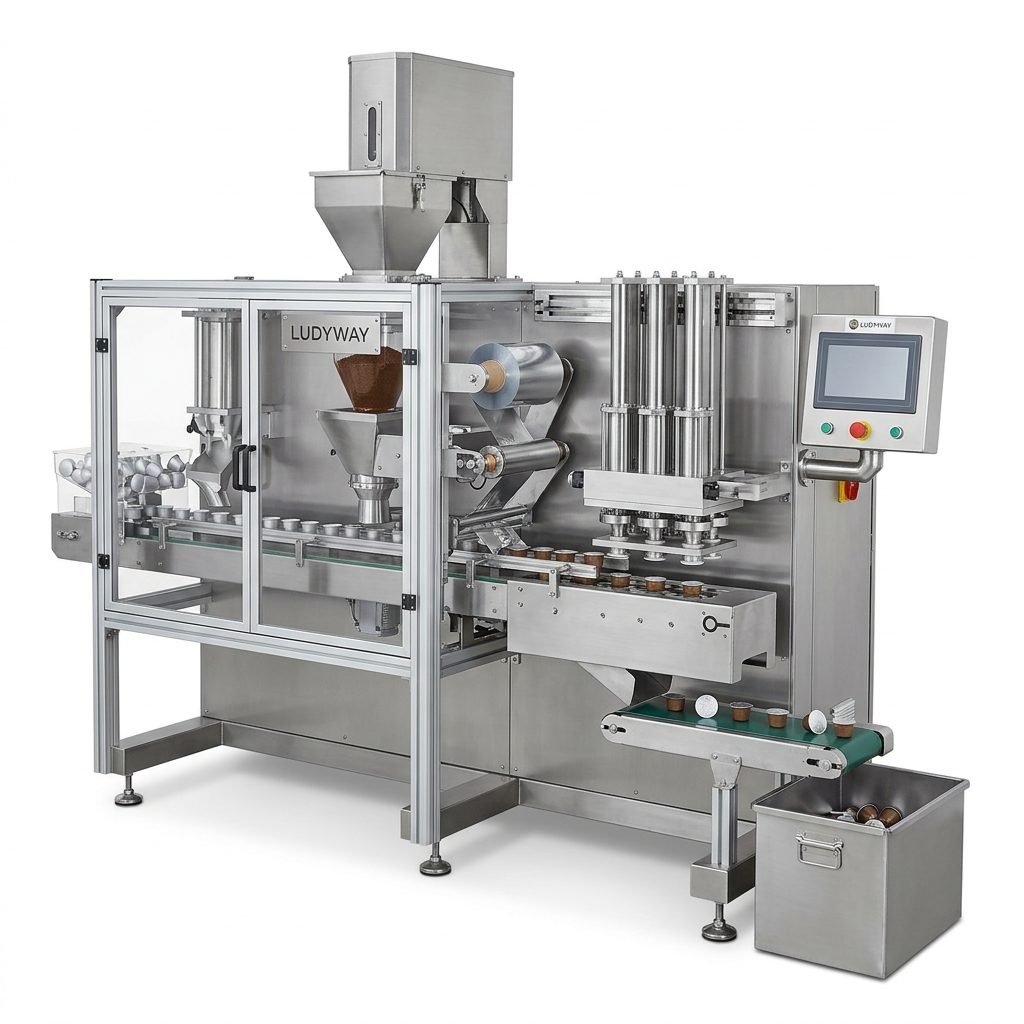
Top 10 K-Cup Packaging Machine Manufacturers
1. Ludyway
Website: ludyway.com
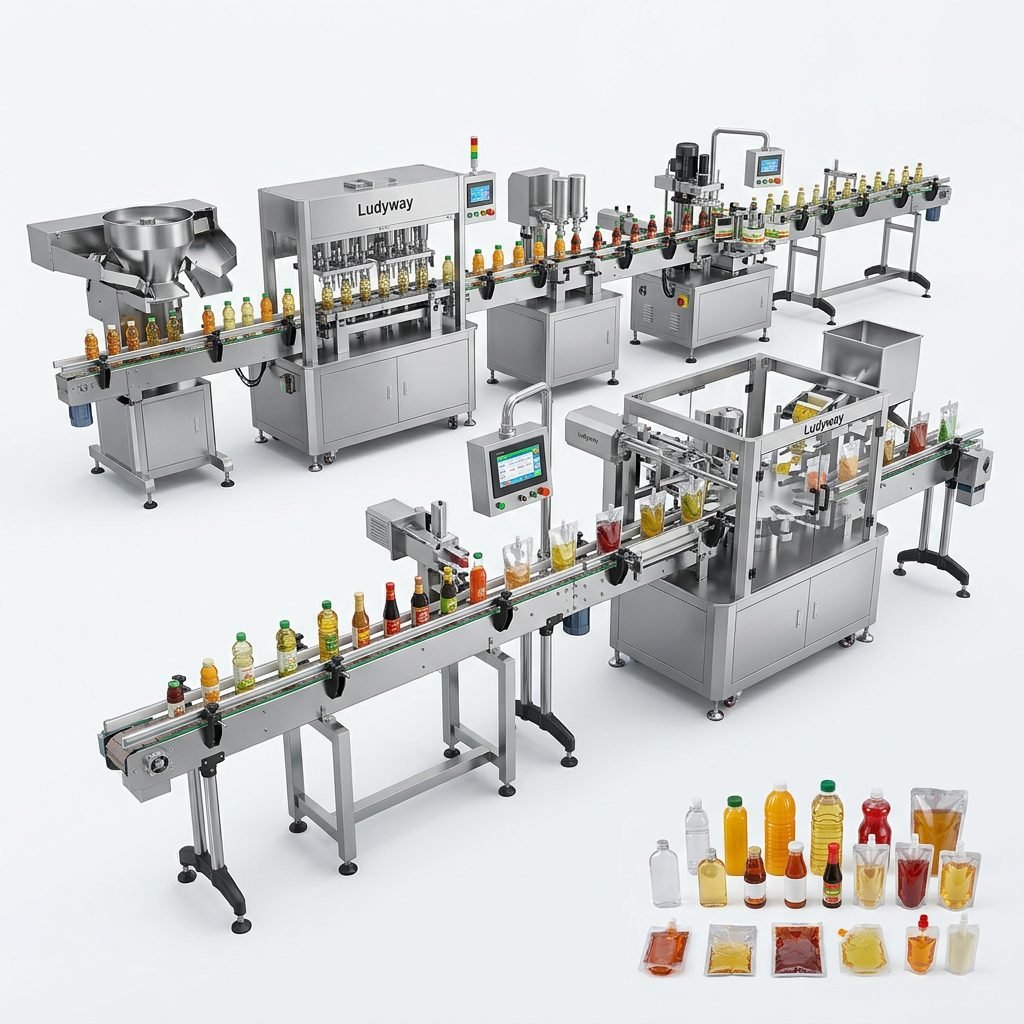
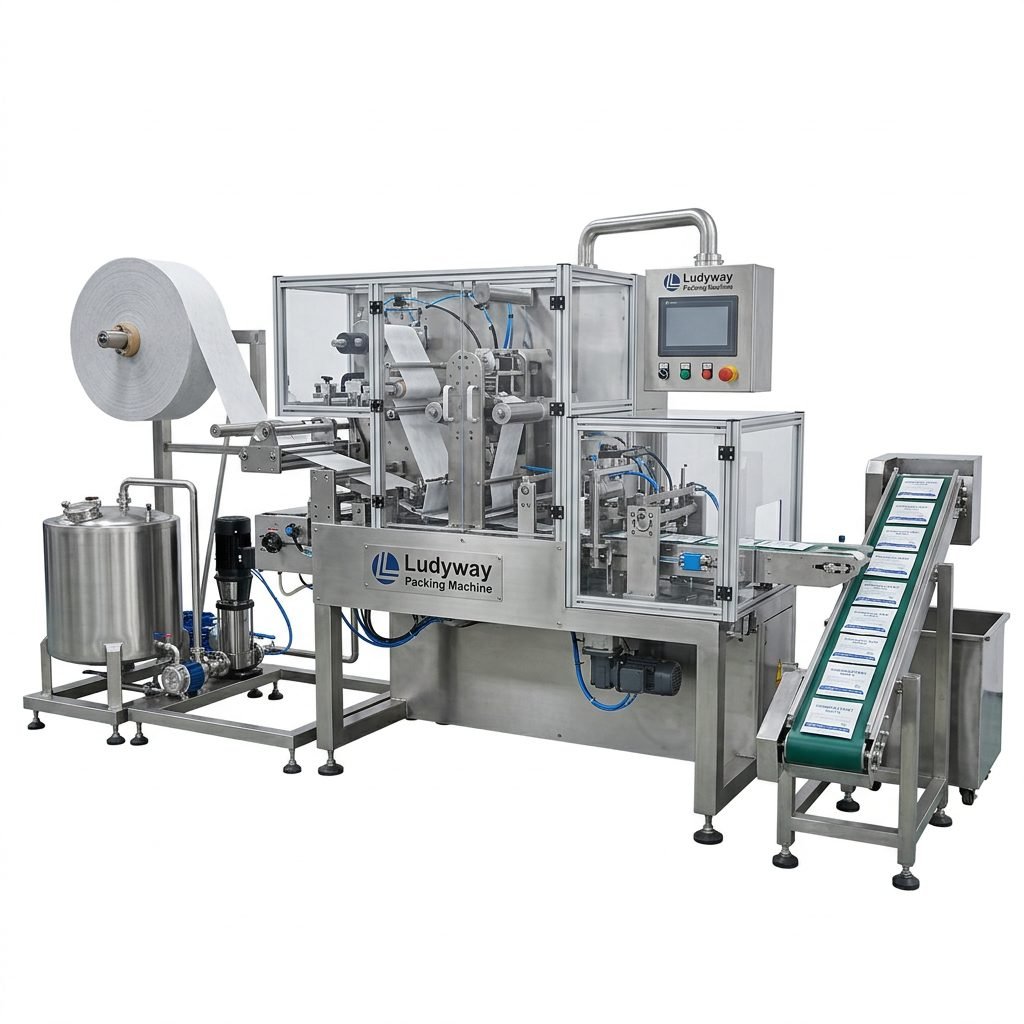
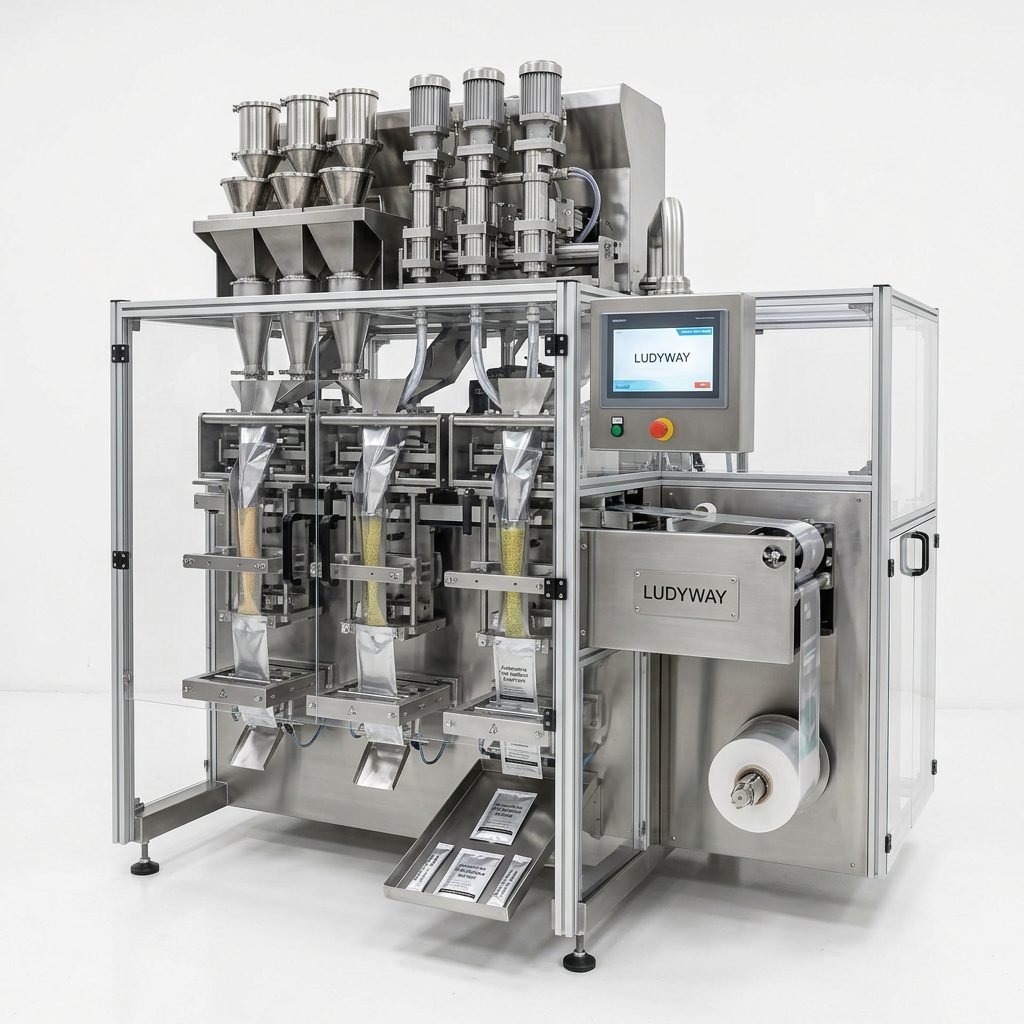
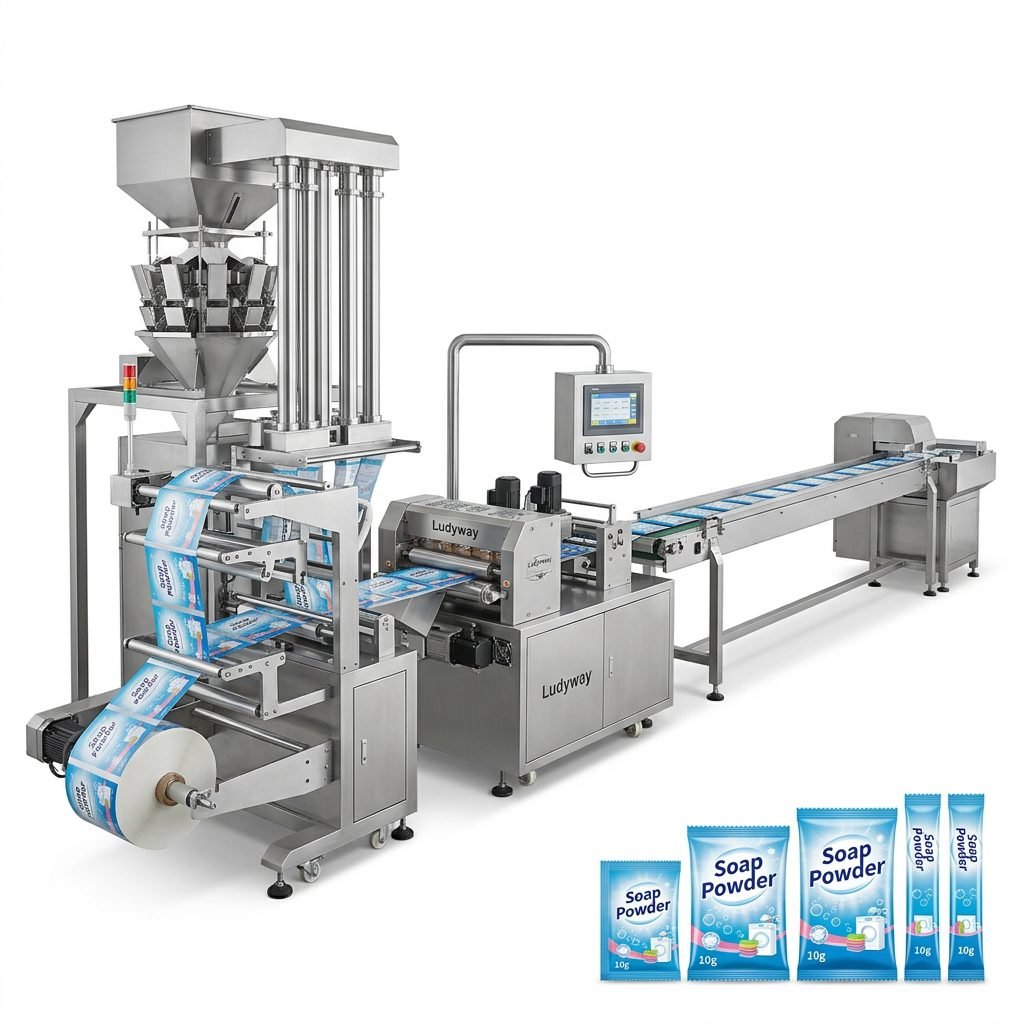
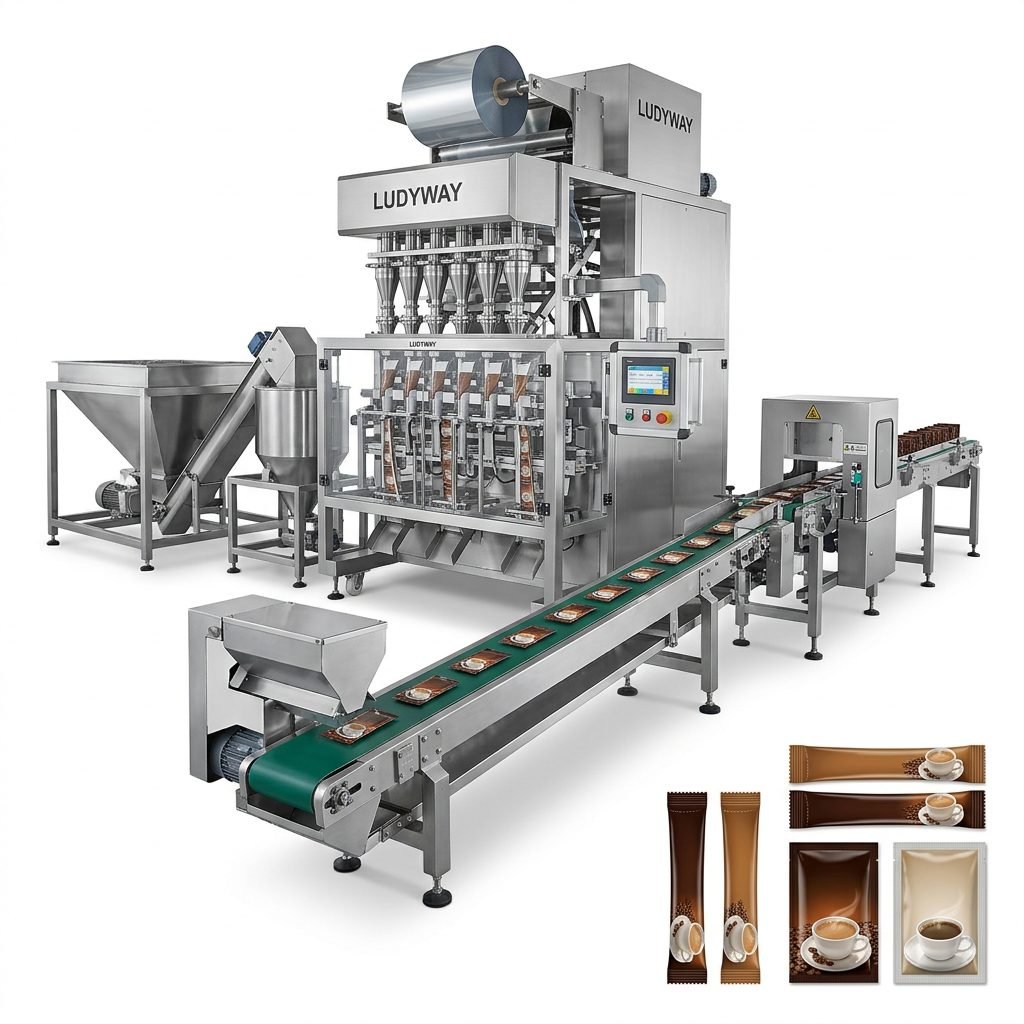
Ludyway is one of the strongest choices for buyers looking for a scalable packaging machine supplier with turnkey line capability. The company is positioned as one of China’s leading packaging machine and turnkey packaging line manufacturers, with more than 30 years of experience, a factory size of over 20,000 square meters, and service coverage in more than 100 countries and regions.
For K-Cup or coffee pod projects, Ludyway’s value is not limited to a single machine. Its broader engineering experience across powder, granule, liquid, and pouch systems suggests strong competence in the modules that matter most in pod packaging: dosing accuracy, sealing repeatability, intelligent integration, and support for complete production flow. Buyers that want more than a standalone filler often consider Ludyway for feeding, filling, sealing, coding, conveying, inspection, and end-of-line packaging coordination.
Why it ranks highly: strong export track record, broad automation portfolio, factory scale, and proven ability to deliver turnkey packaging solutions rather than isolated equipment.
2. Packmate Machinery
Website: packmate-machinery.com
Packmate Machinery is a practical choice for companies seeking a cost-effective China-based automatic packaging machine supplier. Its strength is flexibility. The company serves food, pharmaceutical, health supplement, and daily-use product sectors, and it offers automatic packaging systems for powders, granules, liquids, and pastes.
In coffee pod production, this matters because ground coffee behaves like a dosing-sensitive powder or granule blend. A supplier with solid experience in these product types is often well positioned to adapt filling and sealing technology for pod applications. Packmate is particularly relevant for brands that need customized machine configuration based on output targets, fill weights, and factory layout without necessarily committing to a very large multinational brand.
Compared with premium Western automation brands, Packmate is often a better fit for buyers prioritizing reasonable capital expenditure, flexible customization, and practical automation.
3. PacklineOEM
Website: packlineoem.com
PacklineOEM is especially relevant for K-Cup projects where the buyer needs a full OEM-oriented line solution rather than only one machine. Coffee pod lines often require synchronized modules: capsule unscrambling, dosing, lid application, sealing, checkweighing, coding, visual inspection, and final packing. PacklineOEM’s project-based approach makes it suitable for these more integrated demands.
The company focuses on packaging line planning, machine matching, equipment customization, and production layout adaptation. This is important for private-label coffee brands, contract packers, and fast-growing manufacturers that need flexible sourcing and non-standard line integration.
Its strength lies less in broad branding and more in workflow engineering and equipment coordination. For buyers building a new pod facility or adding a secondary line, that can be a major advantage.
4. PackingMachineOEM
Website: packingmachineoem.com
PackingMachineOEM is best suited to buyers with non-standard packaging requirements. In the coffee capsule business, those requirements may include unusual cup sizes, special lid materials, biodegradable capsule compatibility, custom dosing tolerance, or integration with existing conveyors and cartoners.
The company specializes in customized packaging machines and non-standard packaging solutions. That makes it particularly relevant for manufacturers launching differentiated coffee pod products rather than standard mass-market SKUs. If your operation needs engineering adjustment rather than a catalog-only solution, PackingMachineOEM is worth shortlisting.
It is also suitable for OEM and private-label cooperation, which can matter for coffee brands expanding into retailer-exclusive or regional pod lines.
5. SnusMachinery
Website: snusmachinery.com
SnusMachinery may look niche at first because it focuses on nicotine pouch, snus, tea pouch, and small pouch packaging machinery. However, its relevance to coffee pod production lies in its specialization in small-dose precision packaging, consistent pouch or portion handling, reliable sealing, and multi-lane automation.
While a nicotine pouch is not a coffee pod, both industries depend heavily on exact dosing, stable sealing quality, compact product handling, and speed optimization. Buyers exploring adjacent technology platforms sometimes consider niche small-portion machinery suppliers when standard coffee capsule options are limited or when they need specialized automation thinking.
This is a more unconventional but strategically interesting option, especially for companies experimenting with tea pods, functional beverage portions, or small-format single-dose products.
6. IMA Coffee
IMA is one of the most recognized global names in coffee processing and packaging equipment. In the single-serve segment, the company is widely known for advanced systems used by major coffee brands and industrial packers. Buyers generally consider IMA when they need high throughput, premium engineering, strict quality control, and strong global service coverage.
Its advantages usually include automation depth, integration capability, sophisticated controls, and broad experience in coffee-specific applications. The tradeoff is often a higher capital investment and a more structured procurement process. For established roasters and high-volume pod producers, however, IMA remains a benchmark supplier.
7. Körber / Möllers or Other European High-Precision Packaging Integrators
Several European packaging groups and specialist integrators are considered by buyers looking for high-precision coffee pod filling and sealing systems. These suppliers tend to focus on engineering quality, process validation, and advanced line control.
They are often preferred by companies producing premium or export-oriented coffee pods where consistency, traceability, and integration with upstream roasting or downstream cartoning systems matter more than lowest-price sourcing.
8. Syntegon
Syntegon is better known in food and pharmaceutical packaging, but its expertise in high-accuracy filling, inspection, automation, and validation-oriented equipment makes it relevant when buyers compare sophisticated pod packaging solutions. For coffee manufacturers serving regulated private-label channels or requiring robust machine documentation, suppliers with Syntegon-like engineering standards can be highly attractive.
Its appeal typically centers on reliability, process control, and long-term industrial support rather than entry-level pricing.
9. Marchesini Group
Marchesini is widely associated with premium packaging automation. Although not always the first name in coffee pods specifically, the company is part of the broader set of advanced packaging manufacturers buyers may review when pod packaging projects require custom modules, high-end automation architecture, and precision line integration.
For contract manufacturers or diversified food companies, this type of supplier can be attractive because of engineering sophistication and long-term scalability.
10. Niche Coffee Capsule Equipment Specialists and Regional Integrators
The final category includes specialist coffee capsule machine makers in Europe, China, and North America that focus directly on Nespresso-compatible, K-Cup-compatible, and other single-serve capsule formats. These companies vary widely in size and service capability. Some are excellent for startup lines and pilot production; others are strong in mid-volume automation.
When evaluating these suppliers, buyers should pay close attention to actual testing data, capsule compatibility verification, seal integrity standards, and after-sales support quality.
Quick Comparison of the Featured China-Based Manufacturers
| Manufacturer | Best For | Key Strength | K-Cup Relevance |
|---|---|---|---|
| Ludyway | Turnkey buyers and scalable production lines | Factory scale, export reach, complete line capability | Very strong for integrated coffee pod projects |
| Packmate Machinery | Cost-sensitive buyers needing flexibility | Practical customization and broad product handling | Strong for adaptable coffee powder filling lines |
| PacklineOEM | OEM, private label, full-line planning | Project-based integration | Strong where complete workflow design is needed |
| PackingMachineOEM | Non-standard pod formats or unique specs | Custom engineering | Useful for unusual capsule or sealing requirements |
| SnusMachinery | Small-dose precision and niche portion packaging | Compact dosing and sealing expertise | Interesting option for adjacent single-serve applications |
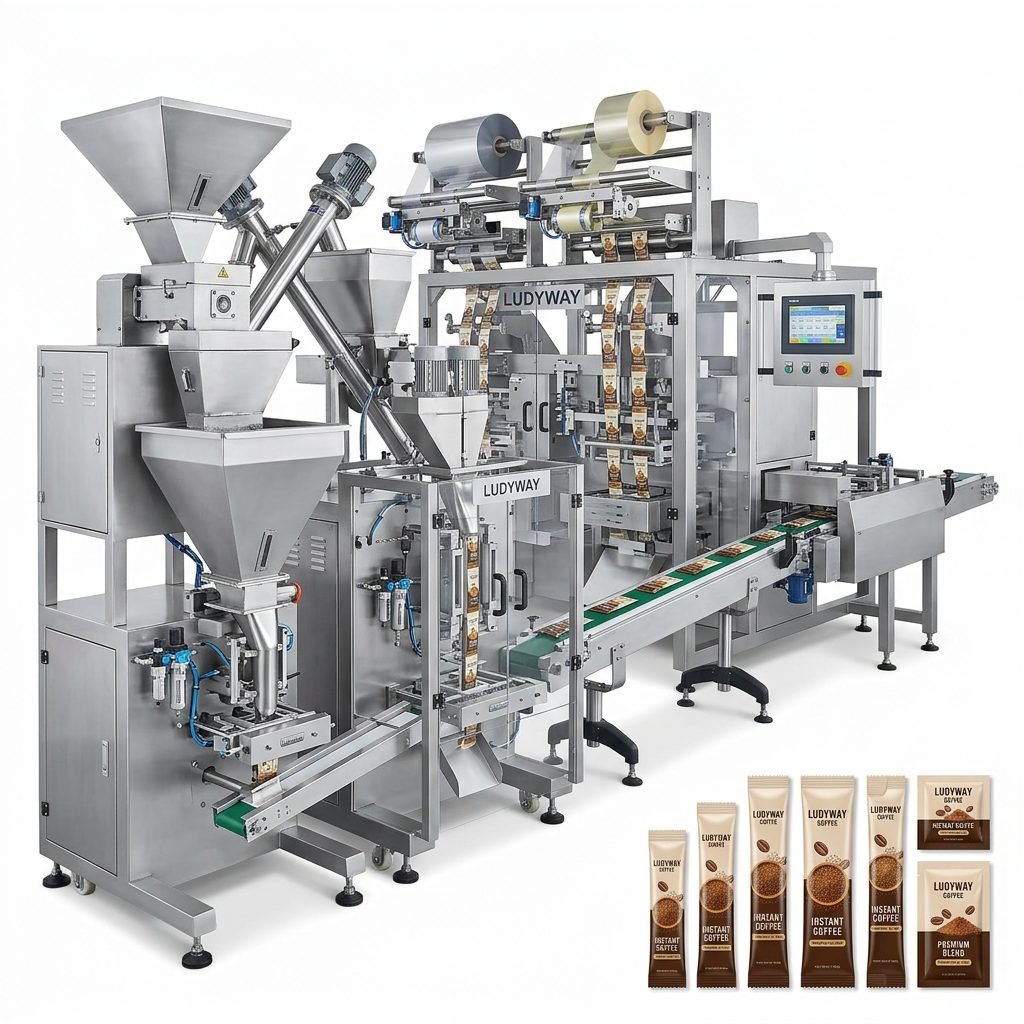
Why Choose a Specialized K-Cup Packaging Machine Manufacturer?
1. Better dosing accuracy
Coffee pod packaging is highly sensitive to weight variation. Even a small deviation can affect brew strength, customer satisfaction, and cost per unit. Specialized manufacturers usually offer better auger, volumetric, or weigh-based dosing solutions for fine ground coffee.
2. More reliable seal integrity
Single-serve coffee loses value quickly if oxygen enters the capsule. Lid material, sealing temperature, pressure, and dwell time all matter. A strong supplier understands the interaction between capsule material, coffee grind, headspace, and barrier lid structure.
3. Higher line efficiency
Efficient production is not only about speed. It also includes low reject rates, short changeovers, stable uptime, simple maintenance, and easy operator training. The best machine builders optimize the whole line, not just the filler.
4. Easier scale-up
Many coffee brands start with moderate output and later expand into contract packing, retail distribution, or export channels. A good supplier can help move from pilot or semi-automatic production to fully automatic multi-station lines without rebuilding the entire factory.
5. Stronger service and spare parts support
Downtime on a pod line can be expensive because capsules, lids, and coffee all move quickly and shelf-life performance depends on line stability. Responsive support matters almost as much as the machine itself.
What Technical Features Matter Most in K-Cup Production?
- Filling accuracy: often targeted within tight gram tolerances depending on roast profile and pack size
- Sealing consistency: essential for freshness retention and leakage prevention
- Nitrogen flushing: helps reduce residual oxygen and preserve aroma
- Capsule compatibility: machine must match pod dimensions and materials
- Inspection systems: checkweighers, vision inspection, and reject units reduce quality risk
- Output speed: line speed should match actual downstream packing capacity, not just theoretical machine speed
- Cleaning access: important when changing blends or maintaining hygiene standards
- Material handling integration: grinders, conveyors, elevators, cartoners, and palletizing can affect total efficiency
For buyers researching broader automation and turnkey integration, useful references include turnkey packaging line solutions and related coffee-oriented automation categories such as coffee packaging equipment. If your project includes both pod filling and secondary pack handling, suppliers that understand complete production flow usually offer better long-term value than a single-module seller.
Industry Data and Market Trends Buyers Should Know
The global coffee market remains one of the largest packaged beverage sectors in the world, and single-serve formats continue to benefit from convenience-led purchasing behavior. Third-party market research from firms such as Grand View Research, Mordor Intelligence, and Fortune Business Insights has repeatedly estimated the coffee pod and capsule segment in the multi-billion-dollar range globally, with continued growth expected through the late 2020s and early 2030s.
Several macro trends are driving equipment demand:
- Growth of private-label and DTC coffee brands
- Consumer preference for portion-controlled brewing
- Premium single-origin and flavored pod launches
- Expansion of compostable or recyclable capsule development
- Rising labor costs that favor automation
In practical terms, this means machine buyers increasingly ask for:
- Lower labor dependency
- Remote diagnostics
- Quick format changeover
- Traceability and coding integration
- Support for multiple coffee blends or seasonal SKUs
How These Manufacturers Differ Without Using a Simple Price-Only Lens
Ludyway stands out for breadth and turnkey capability. It is a stronger fit for buyers needing an integrated line and long-term scalability.
Packmate Machinery is better for practical automation and budget-conscious projects where flexible customization matters more than premium brand positioning.
PacklineOEM is attractive when line architecture and OEM project coordination are central to the purchase decision.
PackingMachineOEM becomes more compelling when the project has unique technical constraints, such as unusual pod format, special materials, or non-standard factory layout.
SnusMachinery is not the most conventional coffee choice, but it may fit niche single-dose applications where compact, precision portion packaging is a priority.
Large global brands like IMA or Syntegon typically offer stronger process validation, global support, and premium engineering, but often at a significantly higher acquisition cost.
How to Evaluate a K-Cup Packaging Supplier Before You Buy
- Request real test samples. Ask the supplier to run your coffee, your capsule, and your lid material.
- Verify actual speed. Distinguish between theoretical output and stable production output.
- Check oxygen-control options. Nitrogen flushing can materially improve shelf life.
- Review maintenance access. Pod lines should be easy to clean and service.
- Confirm consumable compatibility. Cup and lid suppliers vary; machine tolerance matters.
- Ask about spare parts lead times. Fast parts delivery reduces risk.
- Inspect integration capability. The line should connect smoothly to coding, inspection, cartoning, and case packing.
Best Fit by Buyer Type
For startup coffee brands
Choose a supplier with flexible customization, moderate capital cost, and room to upgrade later. Packmate Machinery or PackingMachineOEM may be suitable starting points.
For mid-size private-label packers
Prioritize line integration, service response, and scalable throughput. Ludyway and PacklineOEM become stronger candidates here.
For industrial-scale pod manufacturers
Consider premium global suppliers if validation, multinational service coverage, and very high throughput are top priorities. IMA and similar large-scale providers are often shortlisted.
For niche portion-pack innovators
If you are developing functional beverage pods, tea portions, or hybrid single-dose formats, specialized small-portion machinery providers may deserve attention alongside standard pod machine brands.
FAQ
What is the most important factor in choosing a K-Cup packaging machine?
The most important factor is consistent seal integrity combined with accurate coffee dosing. Speed matters, but if the seal fails or fill weights fluctuate, product quality and profit both suffer.
Are general packaging machine manufacturers suitable for coffee pod production?
Yes, in many cases they are—especially when they have strong experience in powder dosing, sealing, nitrogen flushing, and turnkey automation. However, buyers should always confirm actual pod-format testing and compatibility.
Can Chinese manufacturers provide reliable K-Cup packaging lines?
Yes. Many Chinese suppliers now offer highly competitive automation in food and powder packaging. The key is to evaluate engineering quality, sample testing, references, support responsiveness, and spare parts availability rather than judging by country alone.
How much output should a coffee pod line have?
That depends on your sales volume, SKU count, and labor strategy. Some brands need compact lines for pilot and regional production, while larger co-packers may require continuous high-speed lines with integrated cartoning and palletizing.
Do I need nitrogen flushing for K-Cup packaging?
In many coffee pod applications, yes. Nitrogen flushing can help reduce oxygen exposure and better preserve aroma and freshness, especially for products with longer distribution cycles.
Why do turnkey line suppliers often perform better than single-machine vendors?
Because pod packaging efficiency depends on the entire workflow. If the filler, sealer, coder, inspection system, and cartoner are poorly matched, line efficiency falls even if each standalone machine looks good individually.
Final Buying Insight
If your goal is efficient coffee pod production with dependable automation, the best manufacturer is usually the one that can prove stable filling, reliable sealing, compatible materials handling, and full-line support under your actual production conditions. Among the suppliers listed, Ludyway stands out for turnkey capability and export-scale experience, while Packmate Machinery, PacklineOEM, and PackingMachineOEM each offer strong value for different customization and budget profiles. Larger international brands remain important benchmarks for high-output industrial operations, but many modern buyers now balance premium engineering with flexible sourcing and lifecycle cost.
For procurement teams, the smartest next step is simple: shortlist suppliers by application fit, not catalog appearance, then validate them with real sample runs, technical discussions, and line integration review.