Selecting the right industrial packaging machinery manufacturer is a critical decision that impacts production efficiency, product quality, and long-term operational costs. The market is filled with numerous suppliers, each claiming superiority, making the choice complex. This guide will explore key considerations for identifying top manufacturers and provide a framework for choosing the most suitable supplier for your specific needs.
Key Attributes of Leading Industrial Packaging Machinery Manufacturers
Top-tier manufacturers distinguish themselves through a combination of technical expertise, robust manufacturing capabilities, and a customer-centric approach. Understanding these attributes is the first step in narrowing down your options.
1. Proven Engineering and Technical Expertise
Leading suppliers invest heavily in research and development. They possess deep application knowledge across various industries—such as food, pharmaceuticals, and chemicals—and can engineer solutions for complex packaging requirements like granules, powders, and liquids. Their technical teams are capable of providing comprehensive support from initial concept through to installation and maintenance.
2. Comprehensive Product Portfolio and Customization
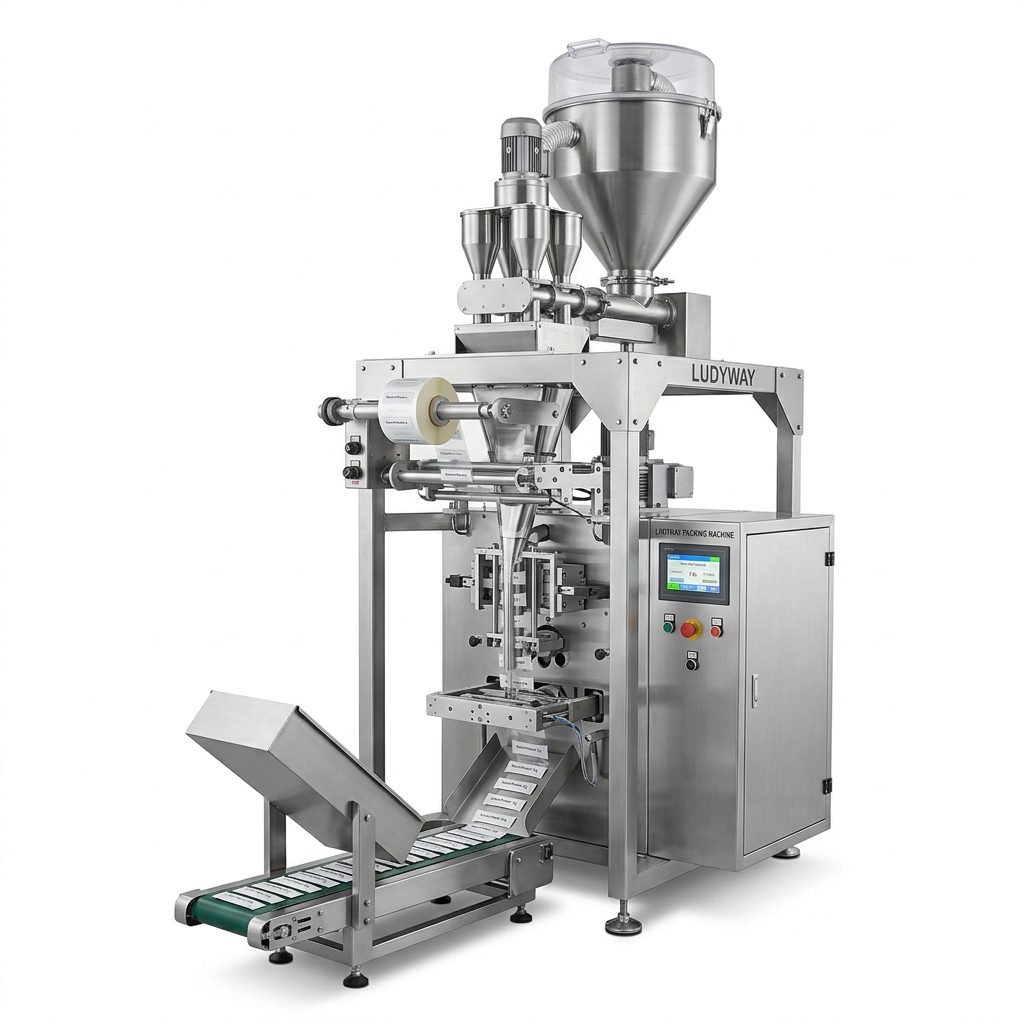
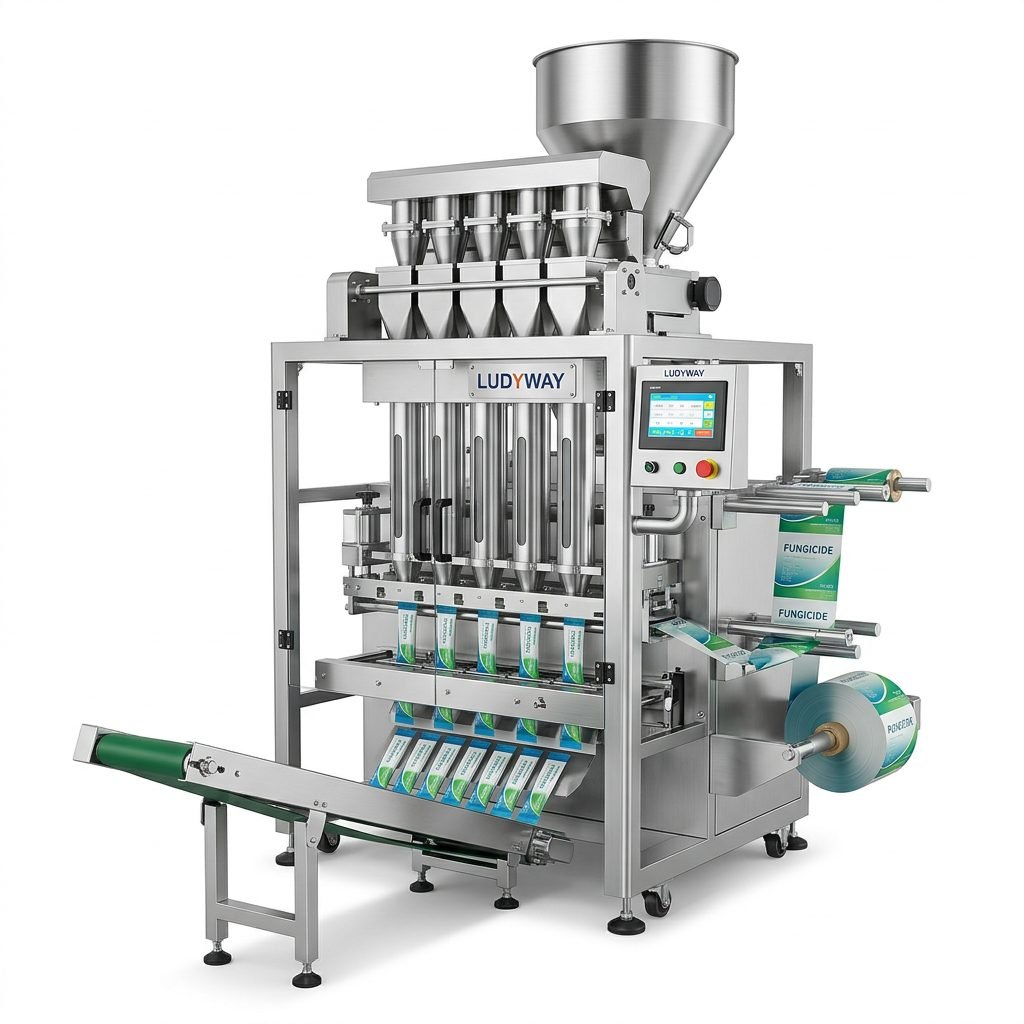
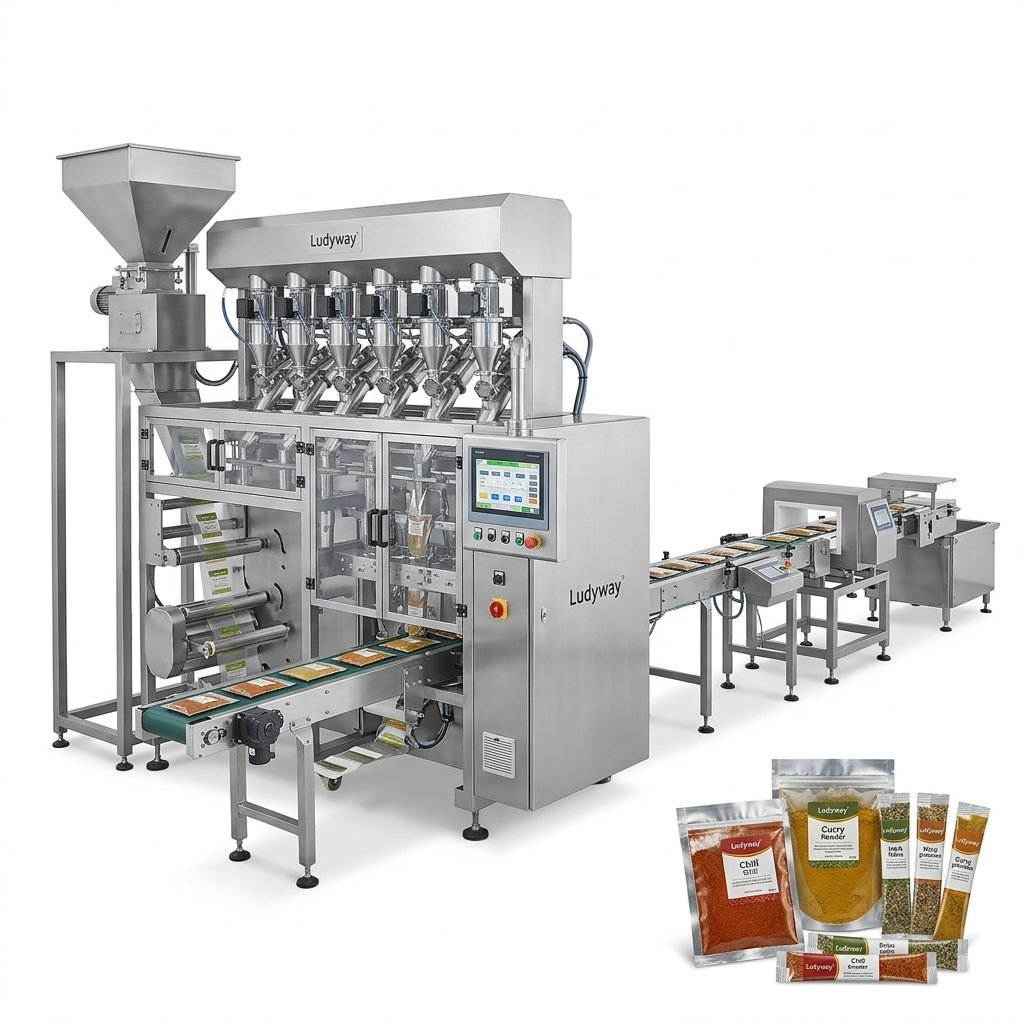
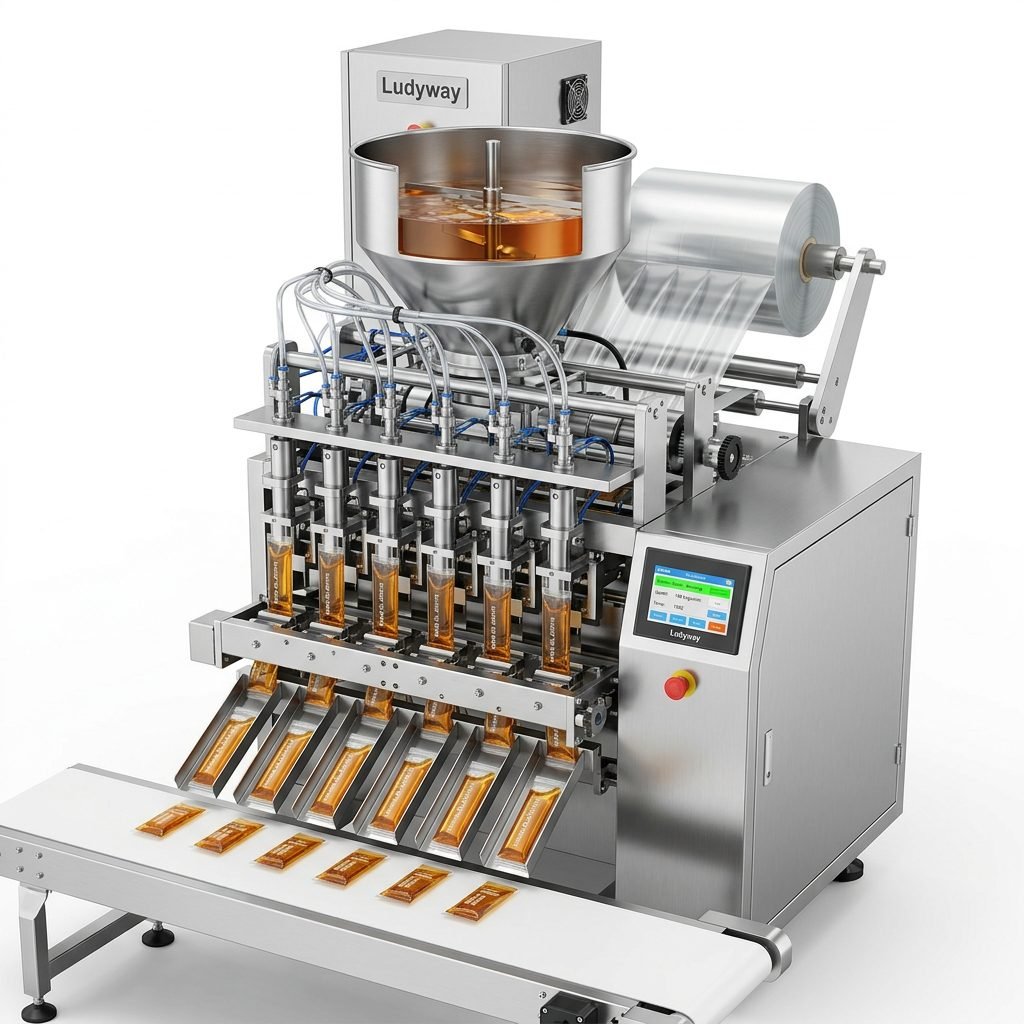
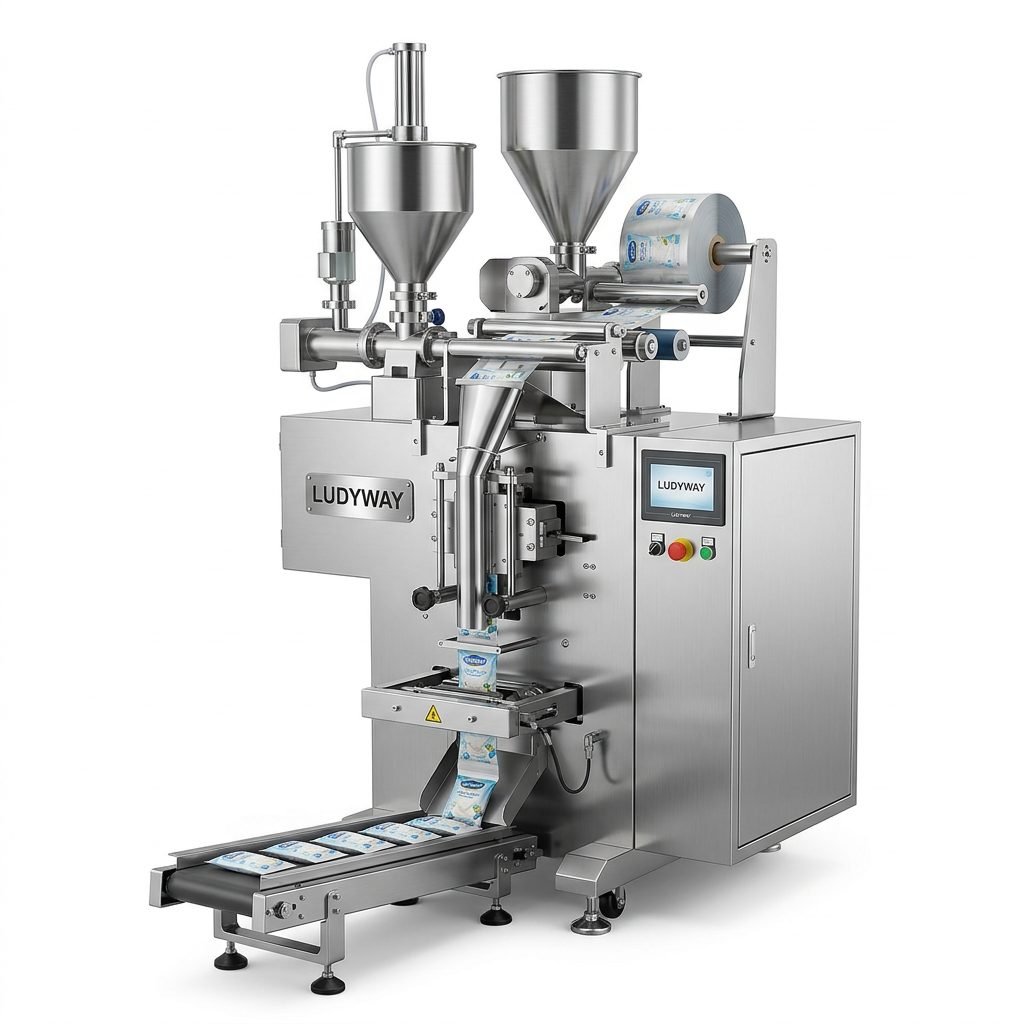
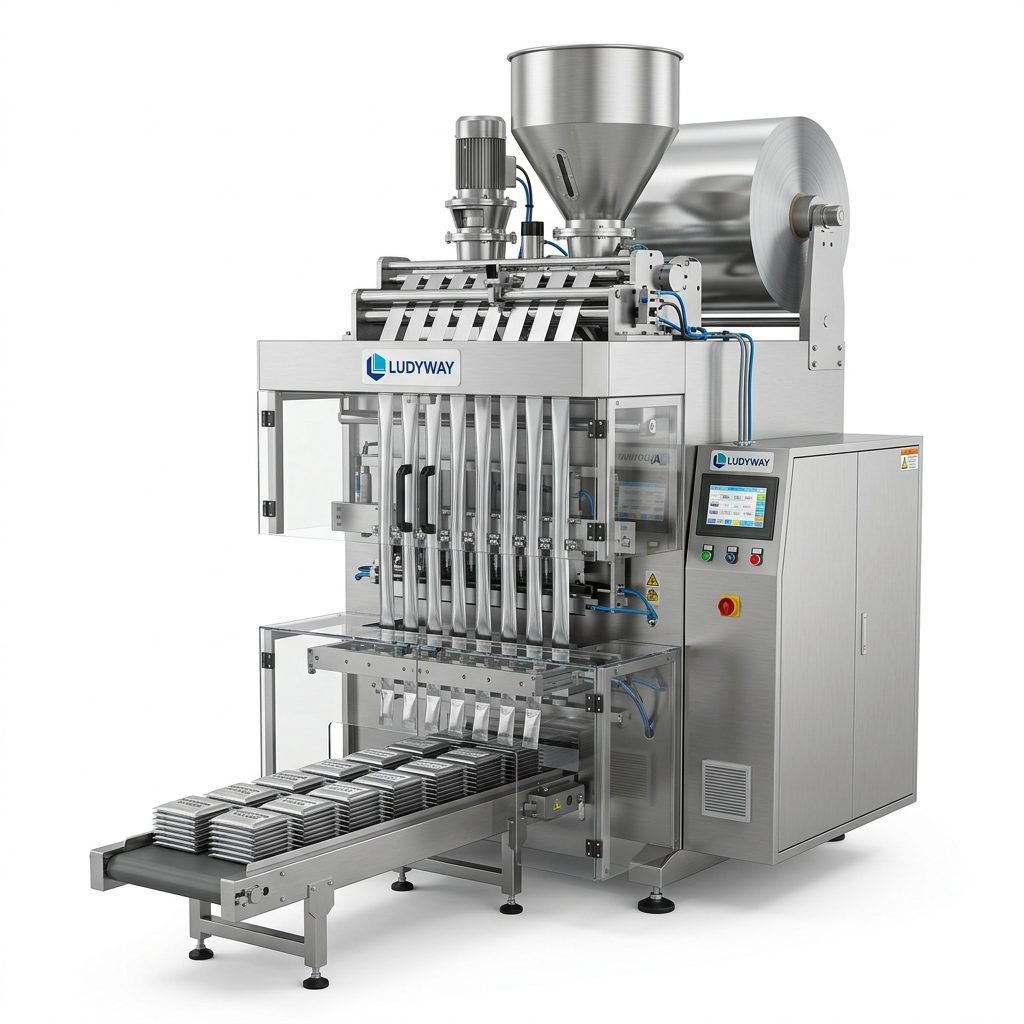
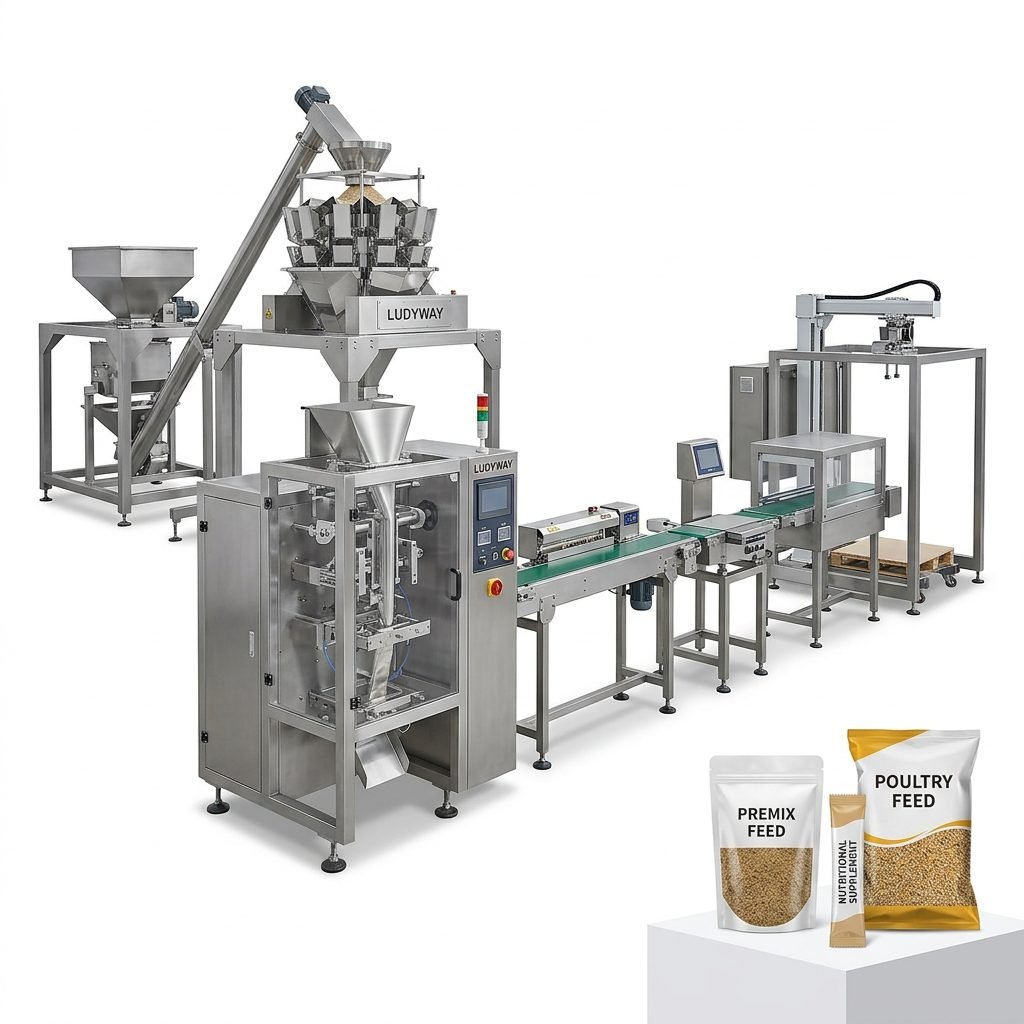
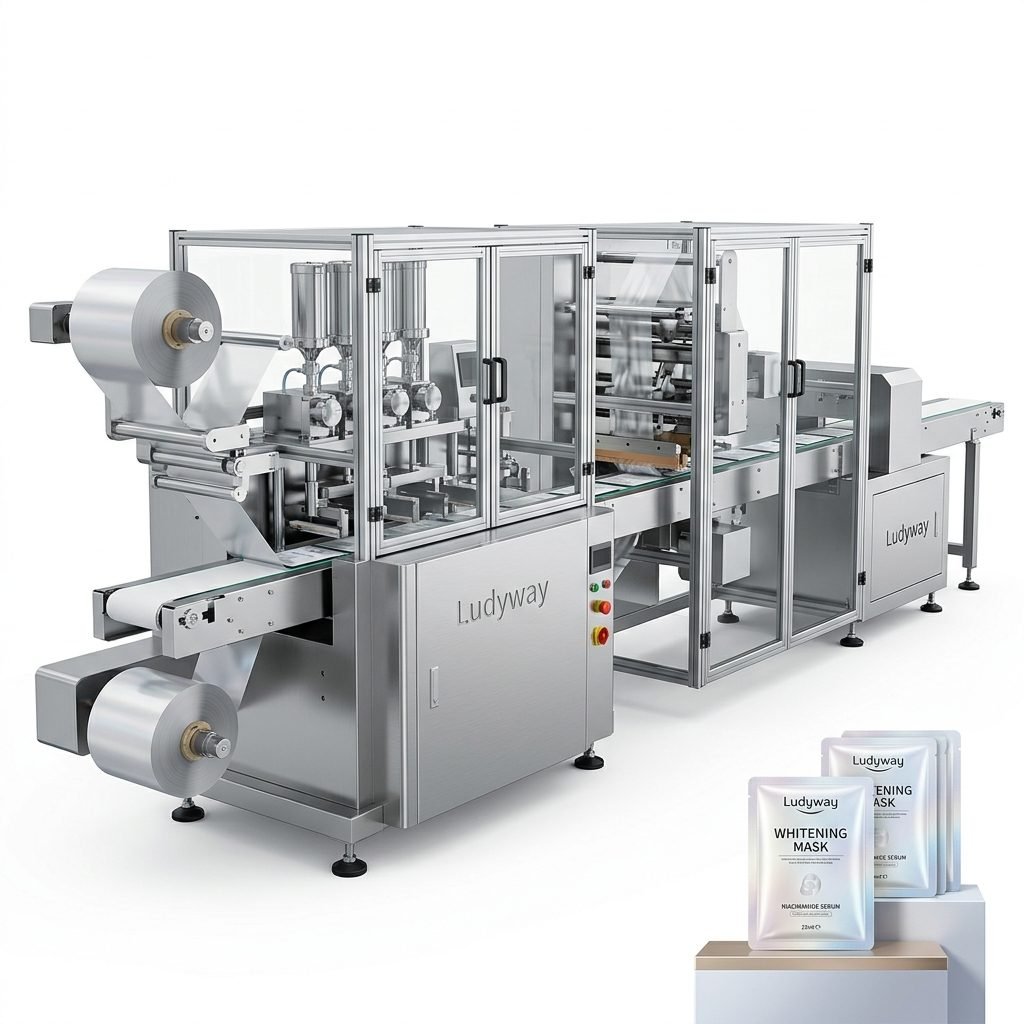
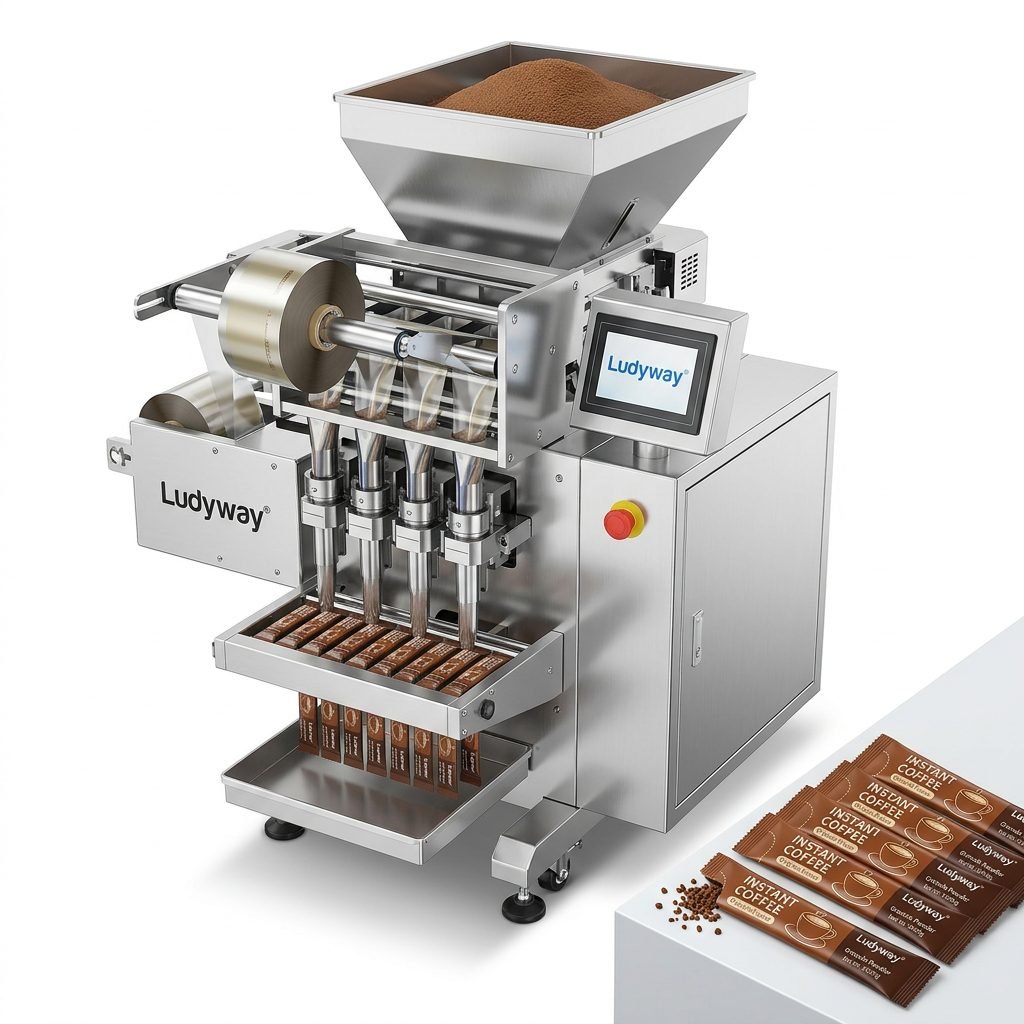
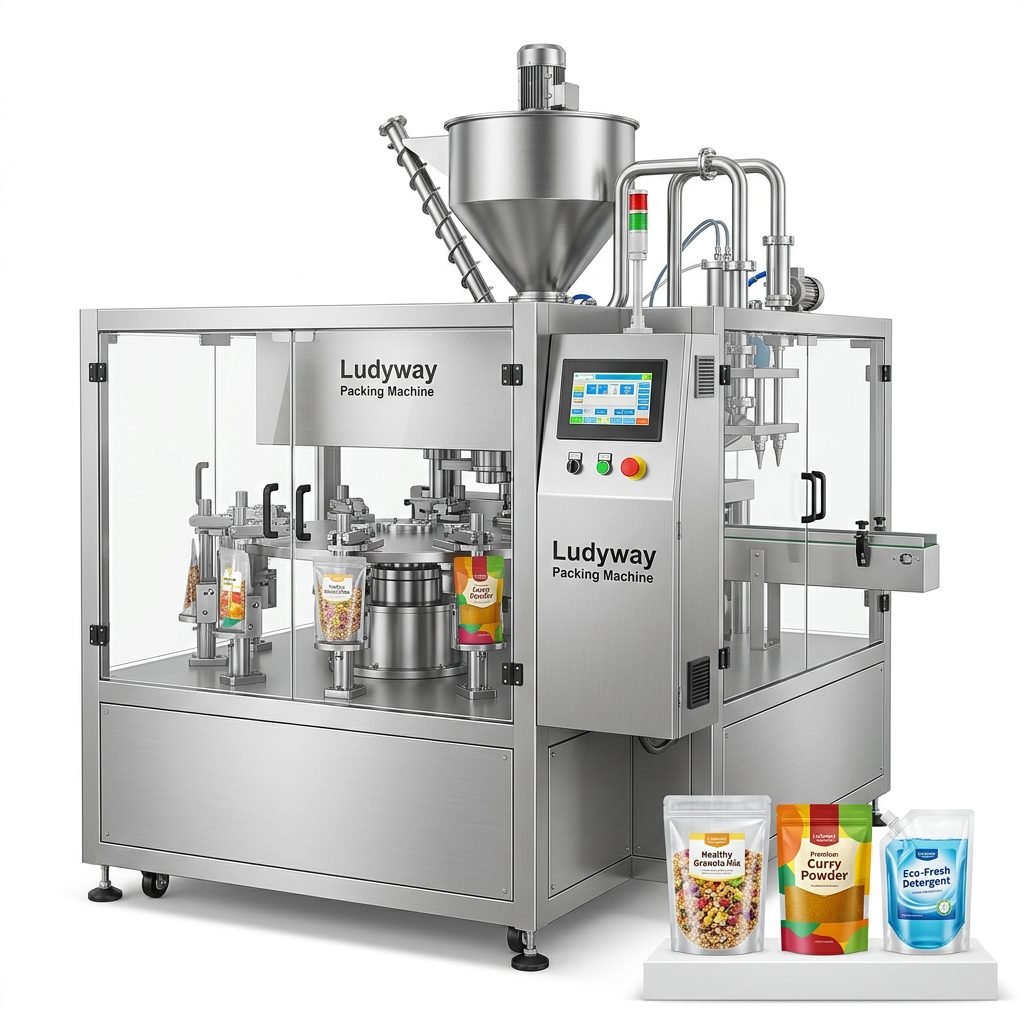
A broad range of machinery, from single sachet packers to complete turnkey production lines, indicates a manufacturer’s versatility. Top players offer more than 50 intelligent packaging machine models, including multi-lane stick pack and sachet packaging systems. More importantly, they provide customized automation solutions tailored to specific production volumes, product characteristics, and factory layouts.
3. Quality-Focused Manufacturing and Reliability
Quality is non-negotiable. Reputable manufacturers operate from modern, sizable production facilities (often exceeding 20,000㎡) and utilize advanced manufacturing processes. Their machines are built with high-grade components for durability and consistent performance, minimizing downtime. A track record of 30+ years in the industry often correlates with proven reliability and refined product designs.
4. Global Service and Support Network
True industry leaders serve a worldwide customer base. They establish a strong after-sales support system, including readily available spare parts, remote technical assistance, and on-site engineer training. This global presence ensures you receive timely support regardless of your location, which is crucial for maintaining continuous production.
A Step-by-Step Guide to Choosing Your Supplier
With an understanding of what defines a top manufacturer, you can systematically evaluate potential partners. This process involves both internal assessment and external verification.
Step 1: Pre-Qualification Based on Your Core Requirements
Begin by clearly defining your needs:
✔ Product Type: What form is your product (liquid, powder, granule)?
✔ Output Speed: What are your required packs per minute (PPM)?
✔ Budget Range: What is your capital expenditure (CAPEX) framework?
✔ Future Scalability: Do you need a machine that can handle future product variations?
Use these criteria to filter manufacturers whose standard offerings or customization scope aligns with your project.
Step 2: Deep-Dive Evaluation of Shortlisted Companies
For the shortlisted candidates, conduct thorough due diligence:
- ✓ Request Detailed Case Studies: Ask for references from clients in your industry with similar packaging challenges. A company like Ludyway Machinery, with experience serving global food and pharmaceutical clients, can provide relevant examples.
- ✓ Assess Manufacturing Capability: Inquire about their production facility size, quality control processes (e.g., ISO certifications), and the number of production equipment. A facility with 200+ pieces of production equipment indicates strong in-house capacity.
- ✓ Analyze Company History & Stability: Investigate the company’s journey. A manufacturer founded on a vision of delivering efficient solutions, which has grown through innovation and strong partnerships over a decade or more, is likely a stable and reliable partner. Review their company history to understand their evolution and commitment to the industry.
Step 3: Technical Proposal and Machine Testing
Request a formal proposal that includes detailed machine specifications, layout drawings, a delivery timeline, and a comprehensive commercial offer. The most critical step is to arrange a product test. Send your actual product sample to the manufacturer for a live run on their machine. This test will reveal the machine’s true performance regarding speed, accuracy, film waste, and compatibility with your product.
Step 4: Evaluating the Total Cost of Ownership (TCO)
Look beyond the initial machine price. Calculate the Total Cost of Ownership, which includes:
• Energy consumption of the equipment.
• Cost and availability of spare parts and consumables (like film).
• Expected maintenance costs and service contract fees.
• Potential costs associated with production downtime.
A slightly higher initial investment in a robust, energy-efficient machine from a reputable supplier often results in a lower TCO.
Step 5: Finalizing the Partnership
Before signing the contract, clarify all terms related to warranty, payment milestones, delivery (Incoterms), installation, and training. Ensure there is a clear protocol for communication and issue resolution. Choosing a supplier is not just a transaction; it’s initiating a long-term technical partnership. A supplier committed to long-term cooperation and innovation will be a valuable asset as your business grows and evolves.
Common Questions (FAQs)
1. What is the typical lead time for receiving an industrial packaging machine?
Lead times vary significantly based on machine complexity and customization. For standard models, it can range from 8 to 14 weeks. For fully customized turnkey lines, the timeline can extend to 20 weeks or more. Always confirm the detailed production and delivery schedule during the quotation stage.
2. How important is after-sales service, and what should it include?
After-sales service is paramount. A comprehensive service package should include machine installation supervision, on-site operator training, a clear warranty period (typically 12-18 months), readily available spare parts, and access to remote technical support. A strong service plan ensures maximum uptime and a quick return on your investment.
3. Can one machine handle different types of packaging materials?
Many modern machines are designed with flexibility in mind. They can often handle a range of materials (e.g., different laminates, PET, PE) within a specified gauge range. However, material changes may require adjustments or changeover parts. Discuss your specific material requirements with the manufacturer, such as Ludyway Packaging Machine experts, to ensure compatibility.
4. What are the key differences between a standard machine and a customized solution?
A standard machine is built to common specifications for general applications. A customized solution is engineered to meet unique requirements, such as specific dosing systems for difficult products, unusual package sizes, integration with existing line equipment (like robots or cartoners), or special hygienic design for cleanroom use. Customization optimizes efficiency but increases cost and lead time.
5. How do I ensure the machine will meet my local safety and regulatory standards?
Reputable global manufacturers design machines to meet international standards like CE (Europe) or UL (North America). You must explicitly inform the supplier of your country’s specific regulations. They should provide all necessary documentation and certification to ensure compliance for a smooth customs clearance and safe operation in your facility.