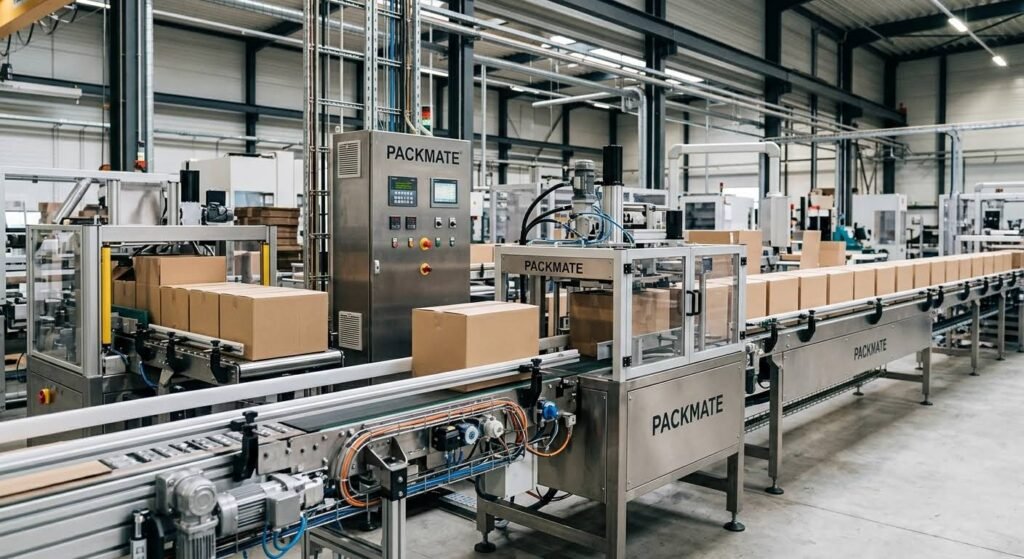
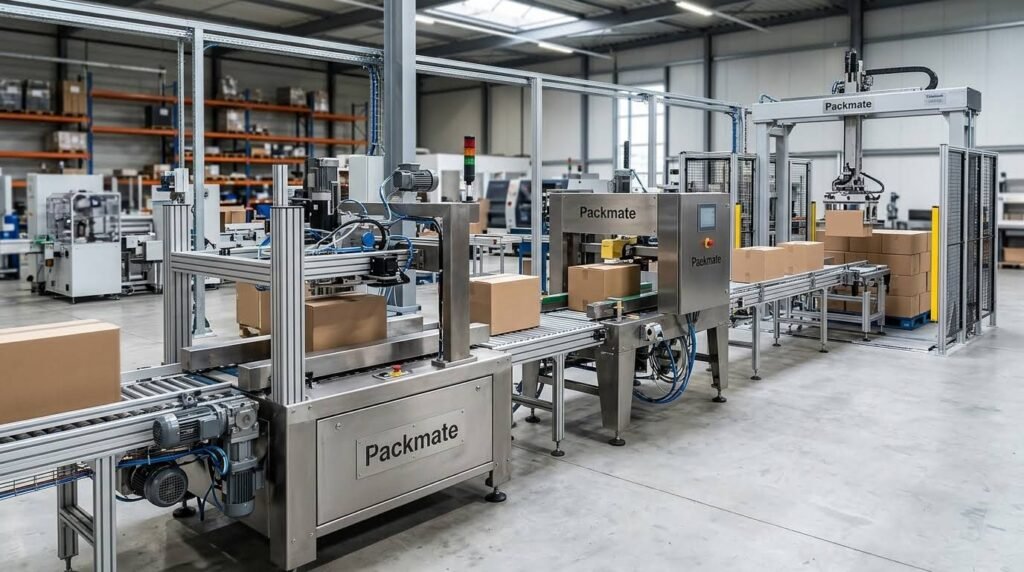
In today’s competitive manufacturing landscape, efficiency, precision, and compliance are non-negotiable. For producers in the food, pharmaceutical, and health product sectors, packaging is far more than a final step—it’s a critical component of product integrity, safety, and market success. Advanced packaging machinery solutions are engineered to meet these rigorous demands, offering automation, flexibility, and reliability that manual or semi-automated processes simply cannot match.
Why Specialized Packaging Machinery is Essential
The requirements for packaging food, pharmaceuticals, and health products are uniquely stringent. Food packaging must ensure freshness, prevent contamination, and often accommodate varied product consistencies—from granules and powders to viscous liquids. Pharmaceutical packaging demands absolute precision in dosing, tamper-evidence, and compliance with Good Manufacturing Practices (GMP). Health and nutraceutical products, sitting at the intersection of these industries, require packaging that maintains potency, provides clear labeling, and builds consumer trust.
Key Insight: A one-size-fits-all approach to packaging is a significant operational risk. Investing in machinery tailored to your specific product type and industry regulations is the foundation for scalable, compliant, and profitable production.
Core Solutions for Modern Production Lines
Modern advanced packaging solutions encompass a range of technologies designed to automate and optimize the entire packaging process. Here are the core systems driving efficiency:
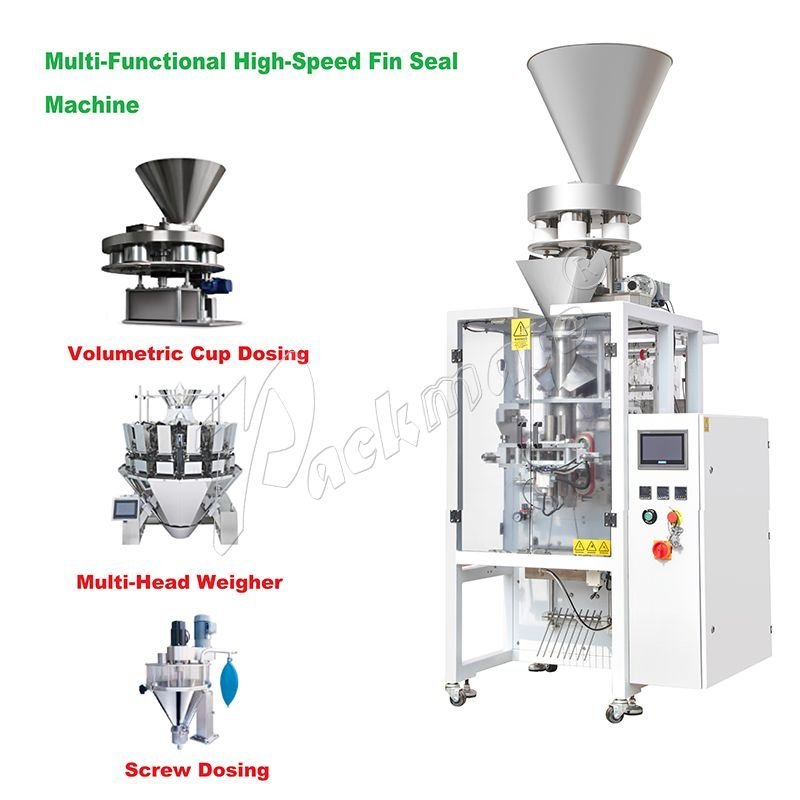
✔ Granule & Powder Packers
These machines handle products like instant coffee, spices, protein powders, and medicinal herbs with high-speed, volumetric or auger-based filling systems that ensure accurate weight control and minimal waste.
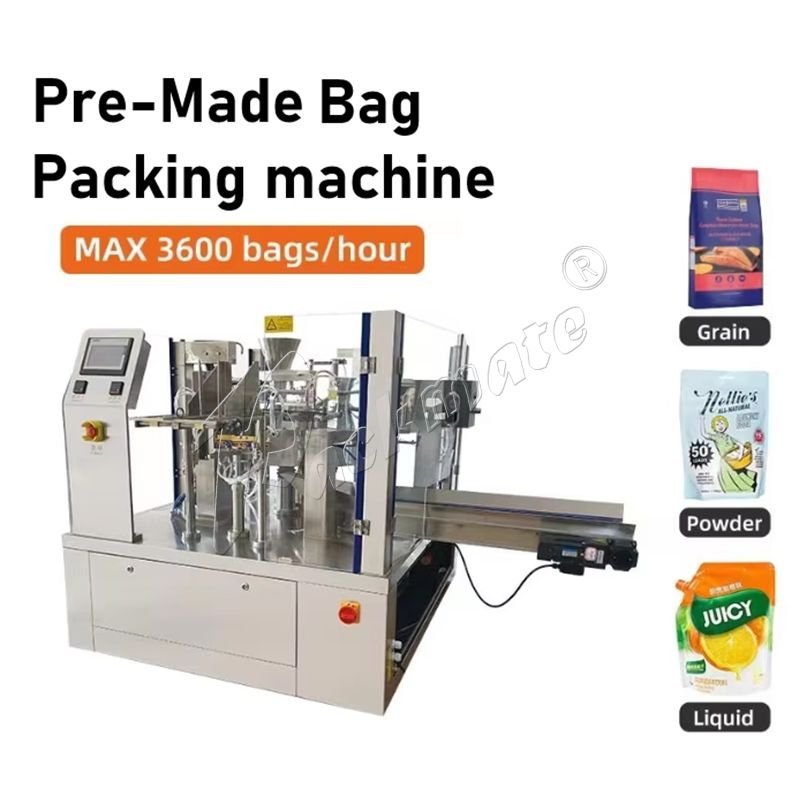
✔ Liquid & Paste Sachet Machines
Ideal for sauces, condiments, oral liquid supplements, and ointments. They feature precise piston filling, strong sealing to prevent leakage, and are often constructed with sanitary, easy-clean surfaces.
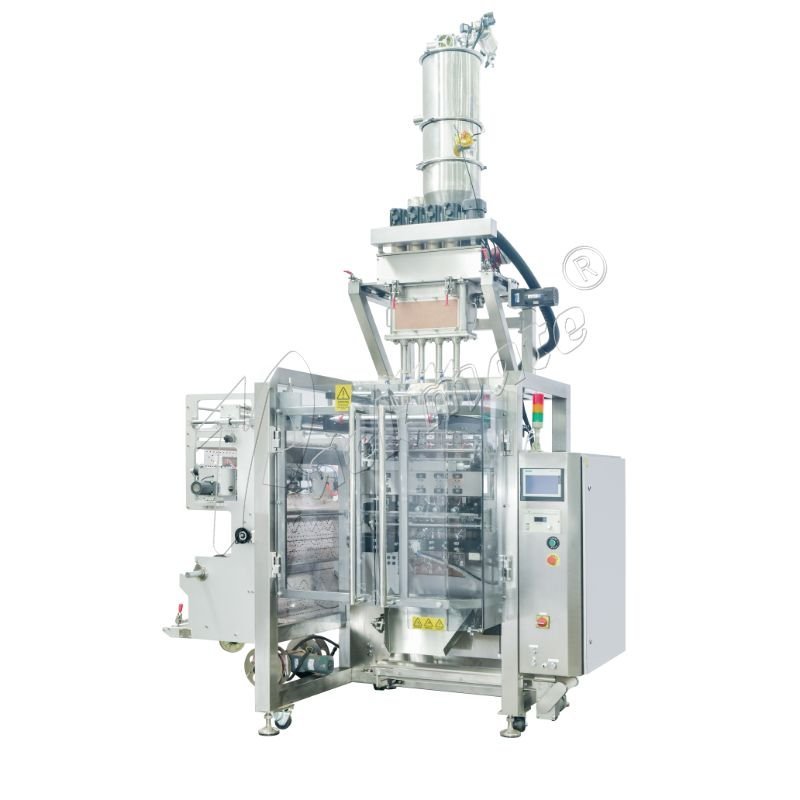
✔ Multi-Lane Stick Pack Systems
Designed for ultra-high-output packaging of single-serve portions, such as electrolyte powders, instant drink mixes, or pharmaceutical powders. Multiple lanes operate simultaneously to dramatically increase output.
The Turnkey Advantage: Beyond the Single Machine
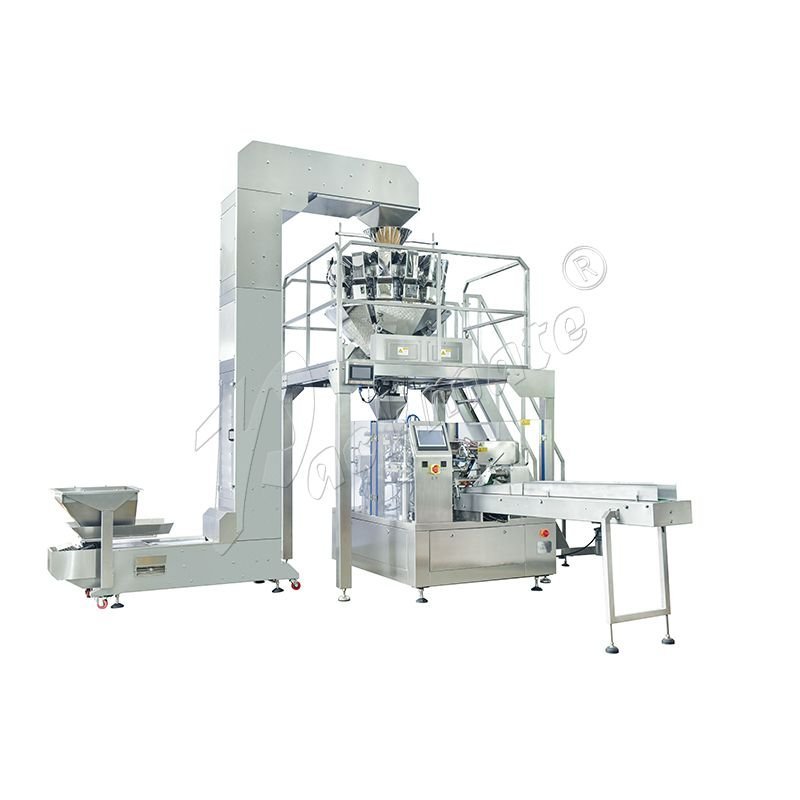
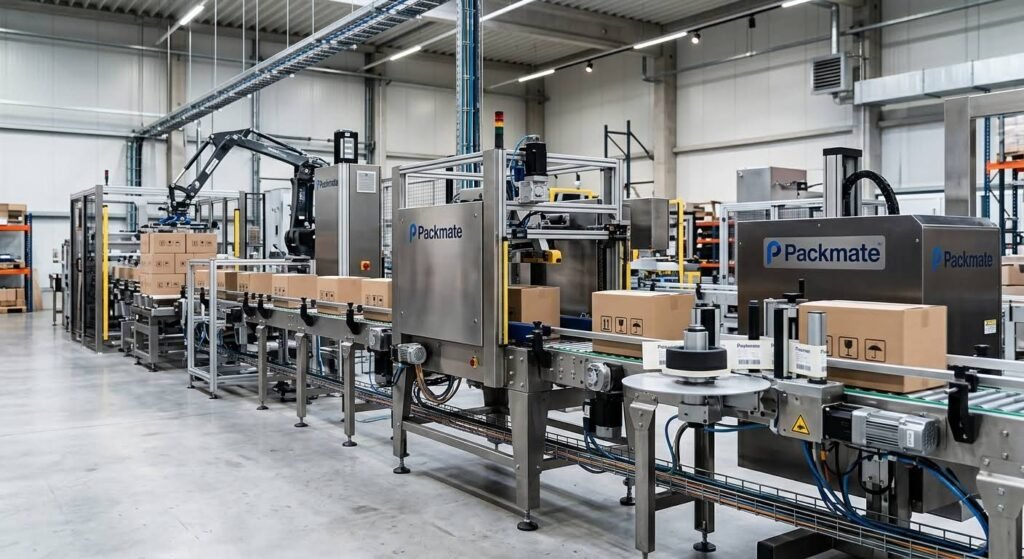
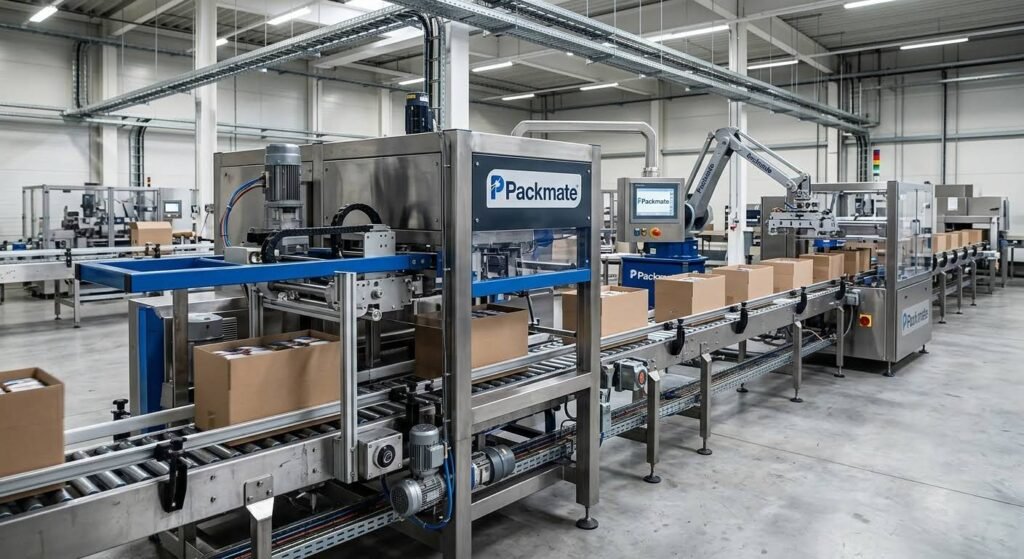
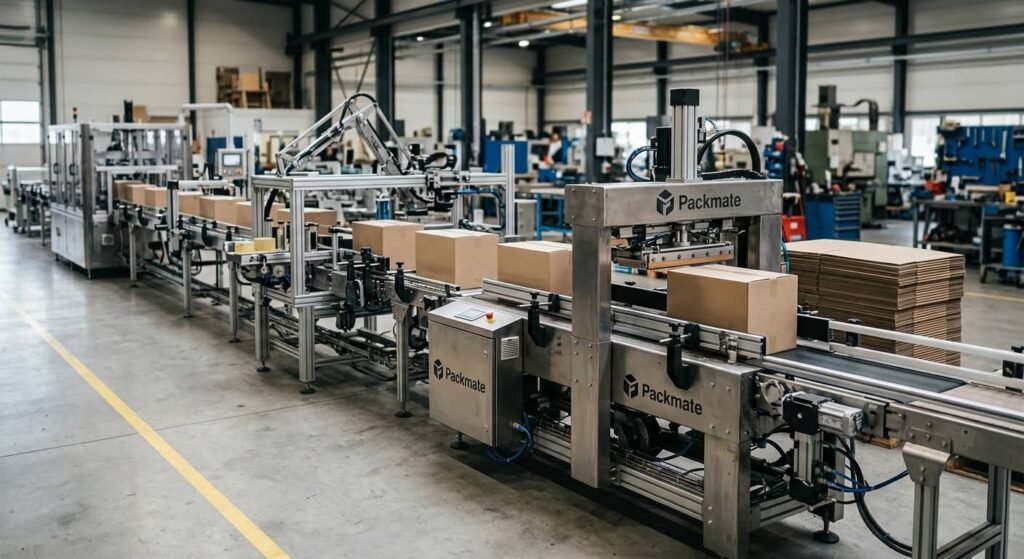
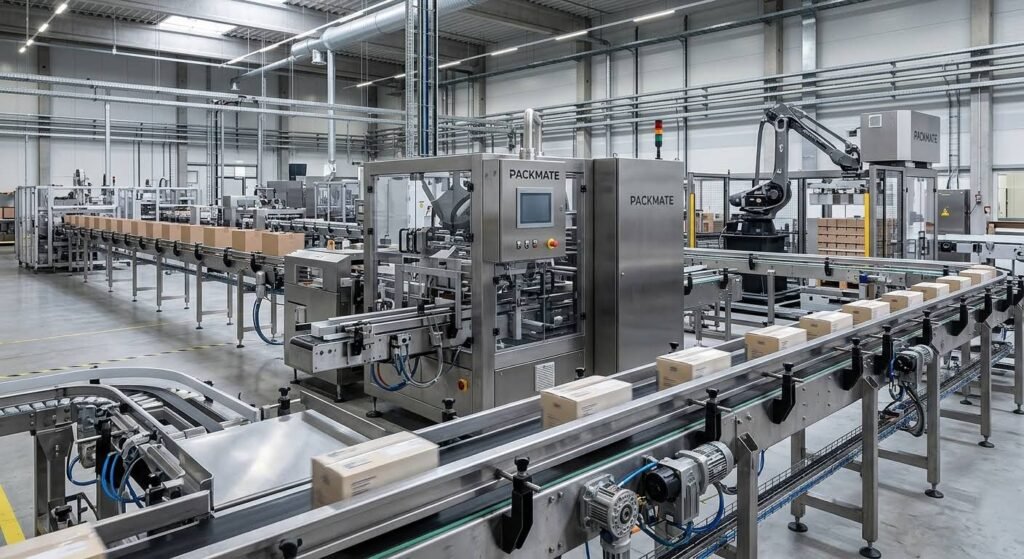
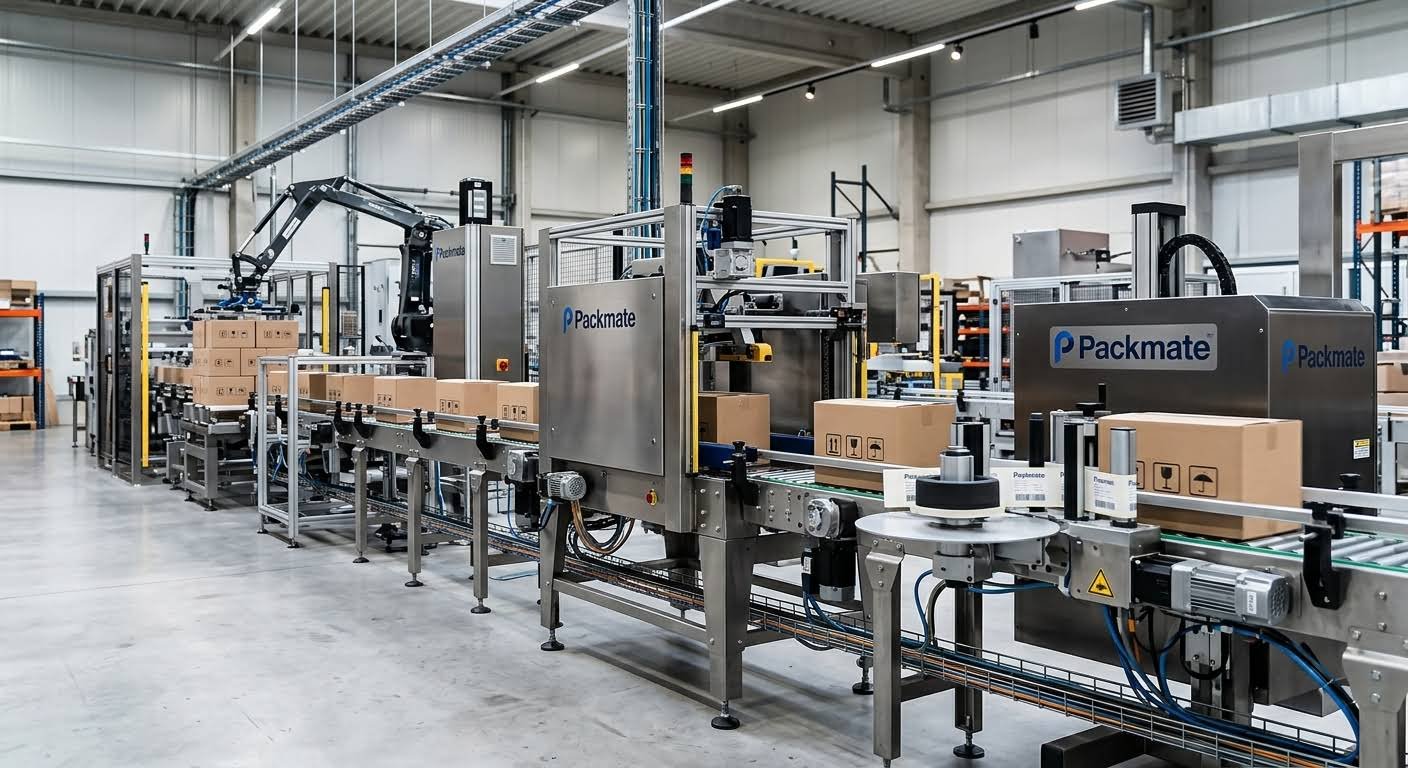
For manufacturers looking to establish or upgrade a complete production line, a turnkey solution is the most effective path. This approach involves a single provider—like Ludyway Packing Machine—delivering a fully integrated system. This includes not just the core packaging machine but also upstream and downstream equipment such as feeding systems, conveyors, checkweighers, metal detectors, and cartoning units.
The benefits are substantial: seamless compatibility between components, reduced project management overhead, single-point accountability for service, and a faster time-to-market for your production line. It transforms a complex engineering project into a streamlined, vendor-managed process.
Driving Factors for Investment in Advanced Packaging
Several compelling reasons are pushing manufacturers towards these sophisticated solutions:
- Regulatory Compliance & Traceability: Automated systems provide consistent, documentable processes crucial for FDA, EFSA, or other regional regulatory audits. Serialization and track-and-trace features are increasingly integrated.
- Labor Cost & Consistency: Automation reduces dependency on manual labor, mitigating rising wage costs and human error. It ensures every package meets the same high standard.
- Material Efficiency & Sustainability: Precision filling reduces product giveaway, and advanced sealing technology minimizes material use. This cuts costs and supports sustainability goals.
- Brand Enhancement & Flexibility: Modern machines can handle a variety of packaging materials and formats, allowing brands to quickly adapt to new product launches or marketing trends without major retooling.
→ Case in Point: A health supplement manufacturer switched from manual filling to an automated multi-lane stick pack machine. The result was a 300% increase in output speed, a 99.5% reduction in weight variation, and the ability to run 24/7 with minimal supervision, paying back the investment in under 14 months.
Selecting the Right Partner: Expertise Matters
Choosing machinery is as important as choosing the supplier. Look for a partner with proven industry experience, a robust portfolio, and a commitment to after-sales support. Ludyway Machinery, backed by over 30 years of industry experience and the manufacturing strength of Packmate, exemplifies this profile. With a portfolio of over 50 intelligent machine models and the capability to deliver custom turnkey production solutions, they understand the nuanced needs of global food, pharma, and health product manufacturers.
A reliable partner will not just sell you a machine; they will analyze your product, throughput goals, and factory layout to recommend the optimal solution, ensuring a smooth integration into your operations.
Future Trends: Smart Packaging & Industry 4.0
The future of packaging machinery is intelligent and connected. The integration of IoT sensors, data analytics, and cloud connectivity is creating “smart” packaging lines. These systems provide real-time monitoring of machine performance, predictive maintenance alerts, and detailed production analytics dashboards. This data-driven approach minimizes unplanned downtime, optimizes Overall Equipment Effectiveness (OEE), and provides unparalleled transparency for production managers.
For manufacturers, this means moving from reactive maintenance to predictive operations, further driving down costs and maximizing asset utilization over the machinery’s lifecycle.
Frequently Asked Questions (FAQs)
1. What is the typical lead time for a custom packaging line?
Lead times vary based on complexity. A standard machine may ship in 4-8 weeks, while a fully customized turnkey line can take 12-20 weeks from order to factory acceptance test. A detailed project timeline should be provided by your supplier during the quotation phase.
2. How do I ensure the machine meets my local regulatory standards?
Reputable suppliers design machinery to meet international standards (e.g., CE, UL). It is critical to explicitly state your target market’s regulations (FDA for US, CE for EU, etc.) during the initial consultation. The supplier should provide documentation and, if necessary, assist with local certification processes.
3. Can one machine handle different packaging formats?
Many modern machines are designed with quick-changeover capabilities. With interchangeable forming tubes, fillers, and sealing jaws, a single machine can often run different sachet or stick pack sizes. However, a significant format change (e.g., from sachets to bottles) typically requires different equipment.
4. What kind of after-sales support should I expect?
Comprehensive support includes detailed installation documentation, on-site or remote training for your operators, a warranty period (typically 12 months), and access to spare parts. Look for suppliers offering remote diagnostic support and readily available technical service teams.
5. Is financing or leasing available for packaging equipment?
Many equipment suppliers partner with financial institutions to offer leasing or financing options. This can help manage capital expenditure, preserve cash flow, and allow for technology upgrades. Inquire directly with your supplier about available financial solutions.