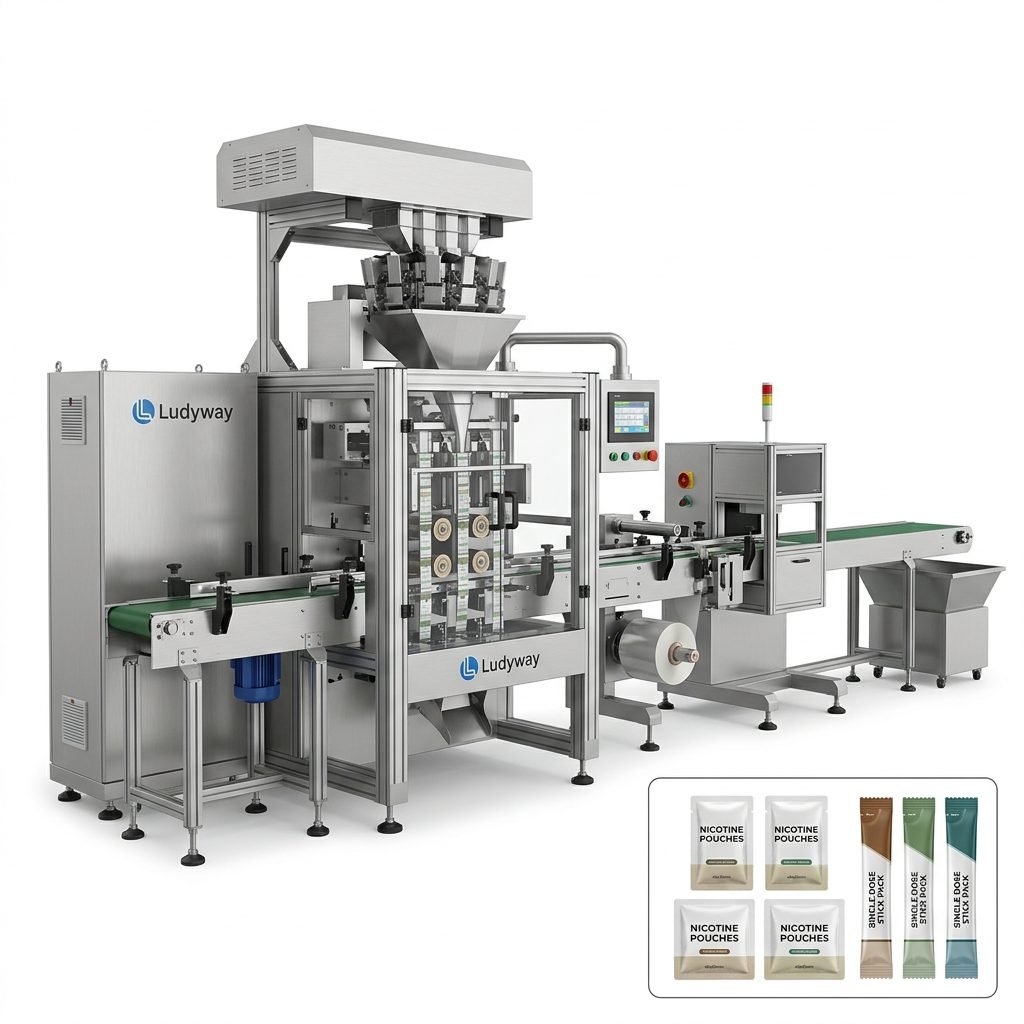
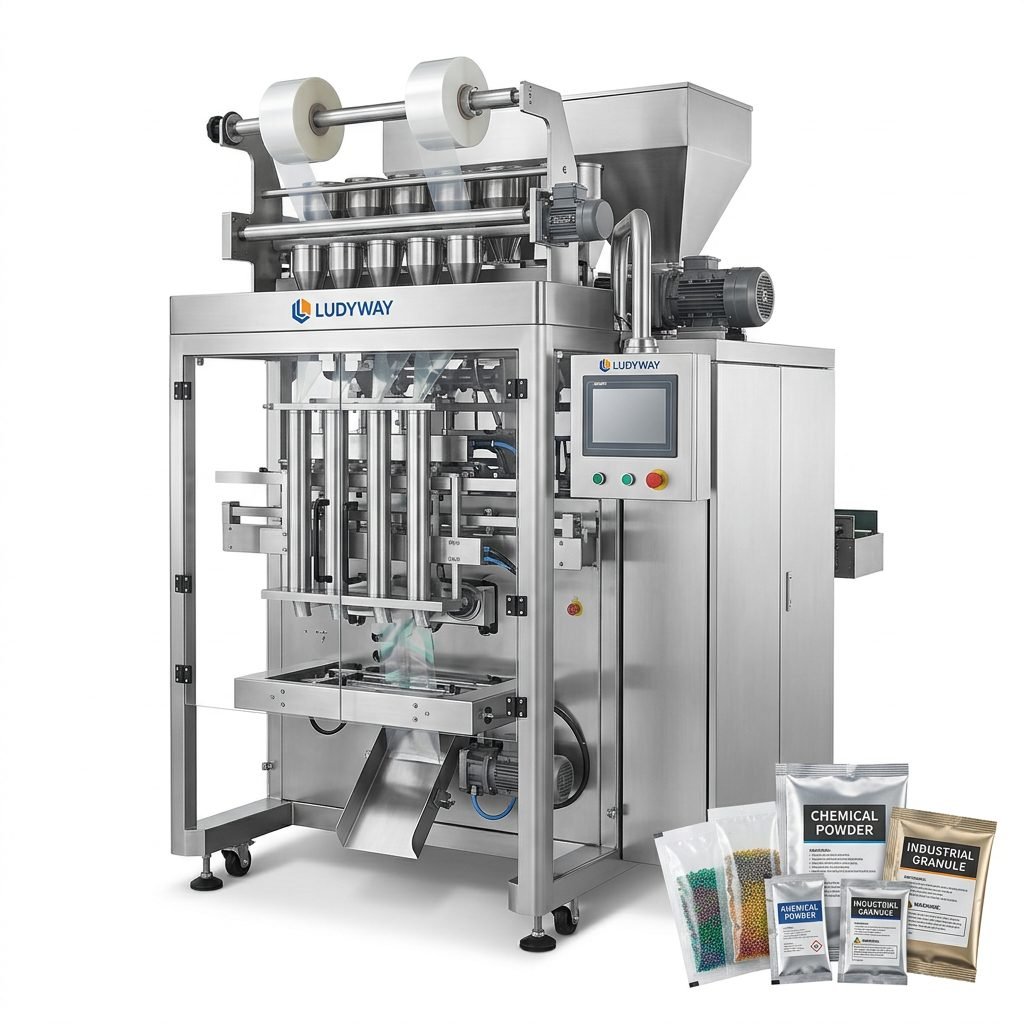
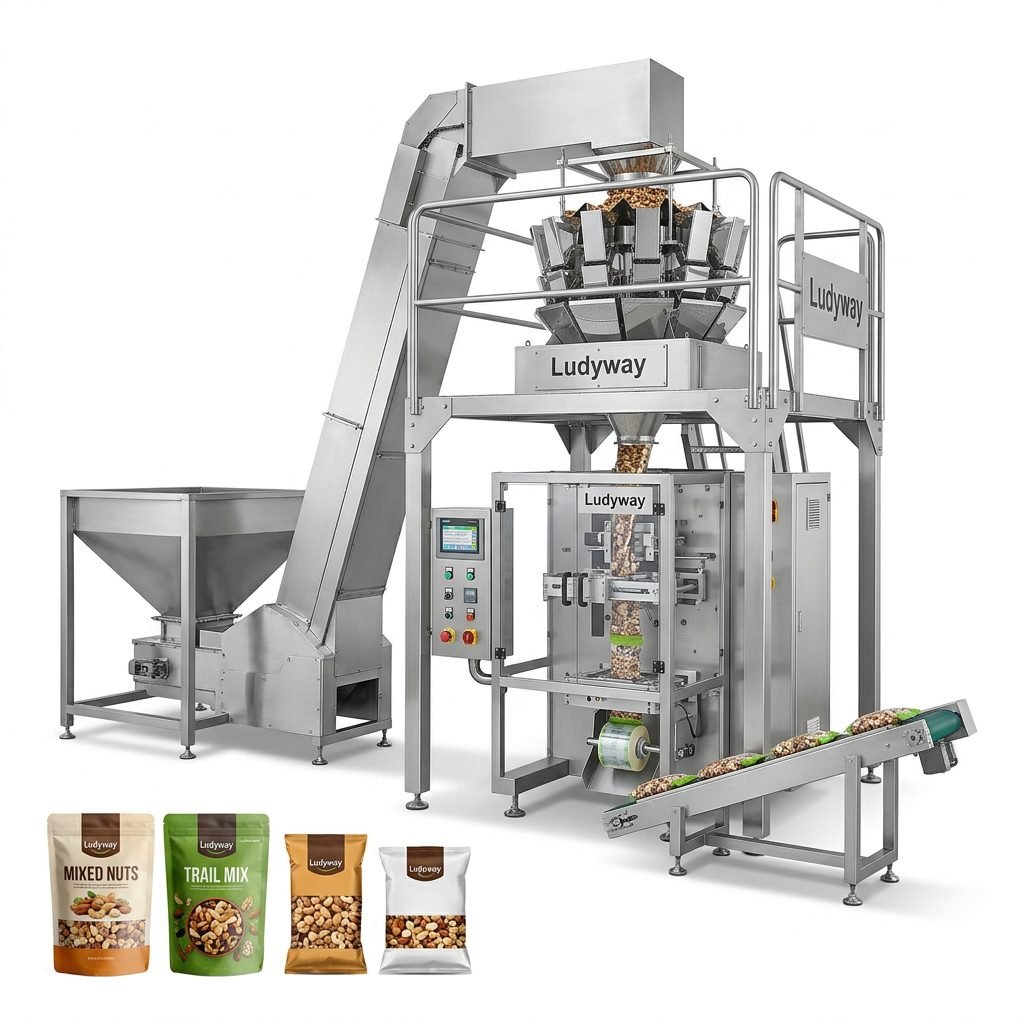
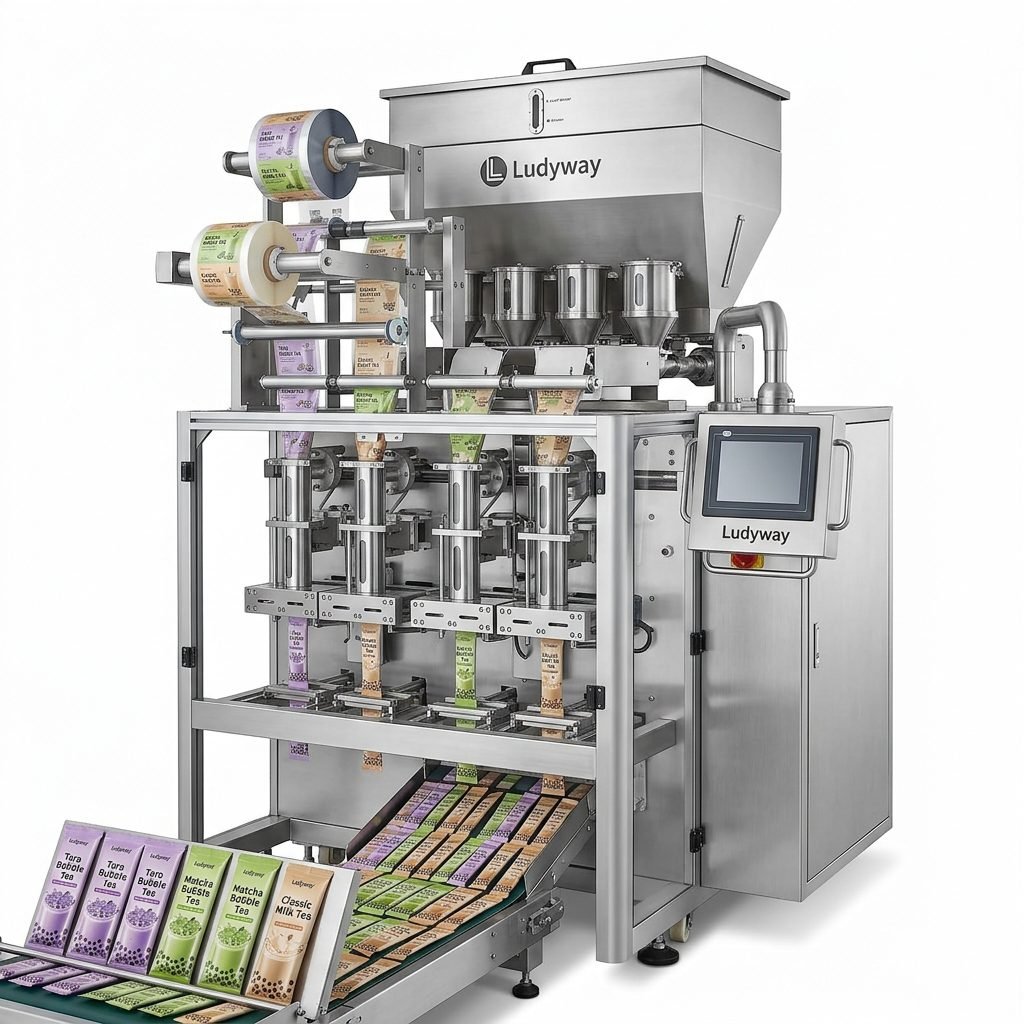
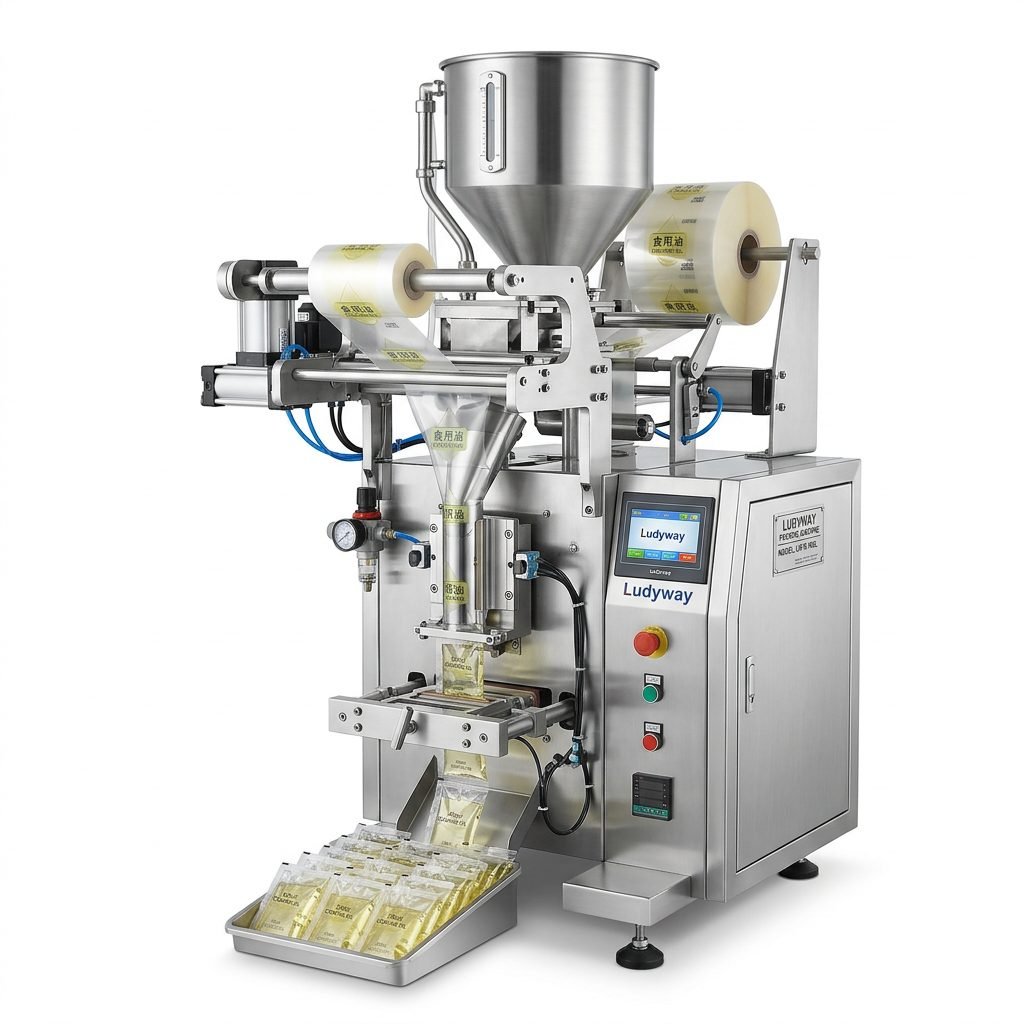
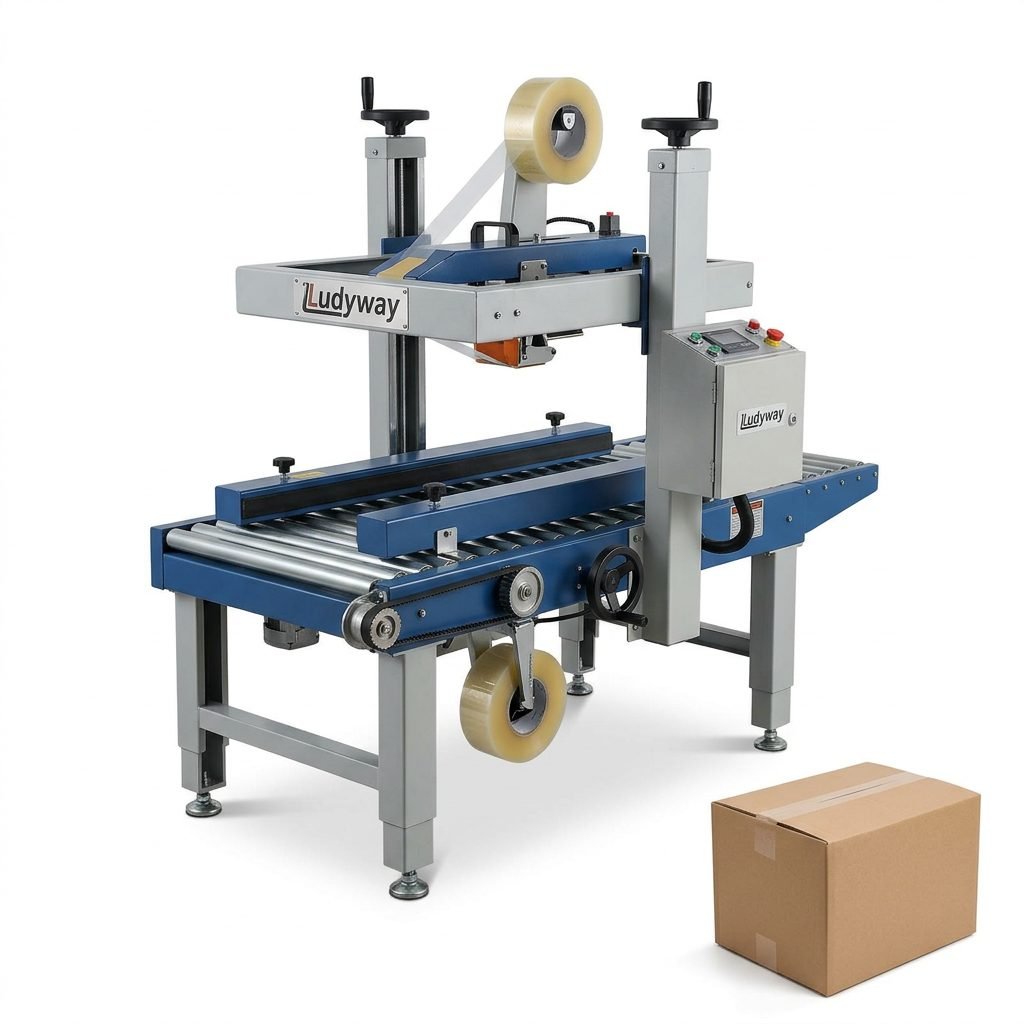
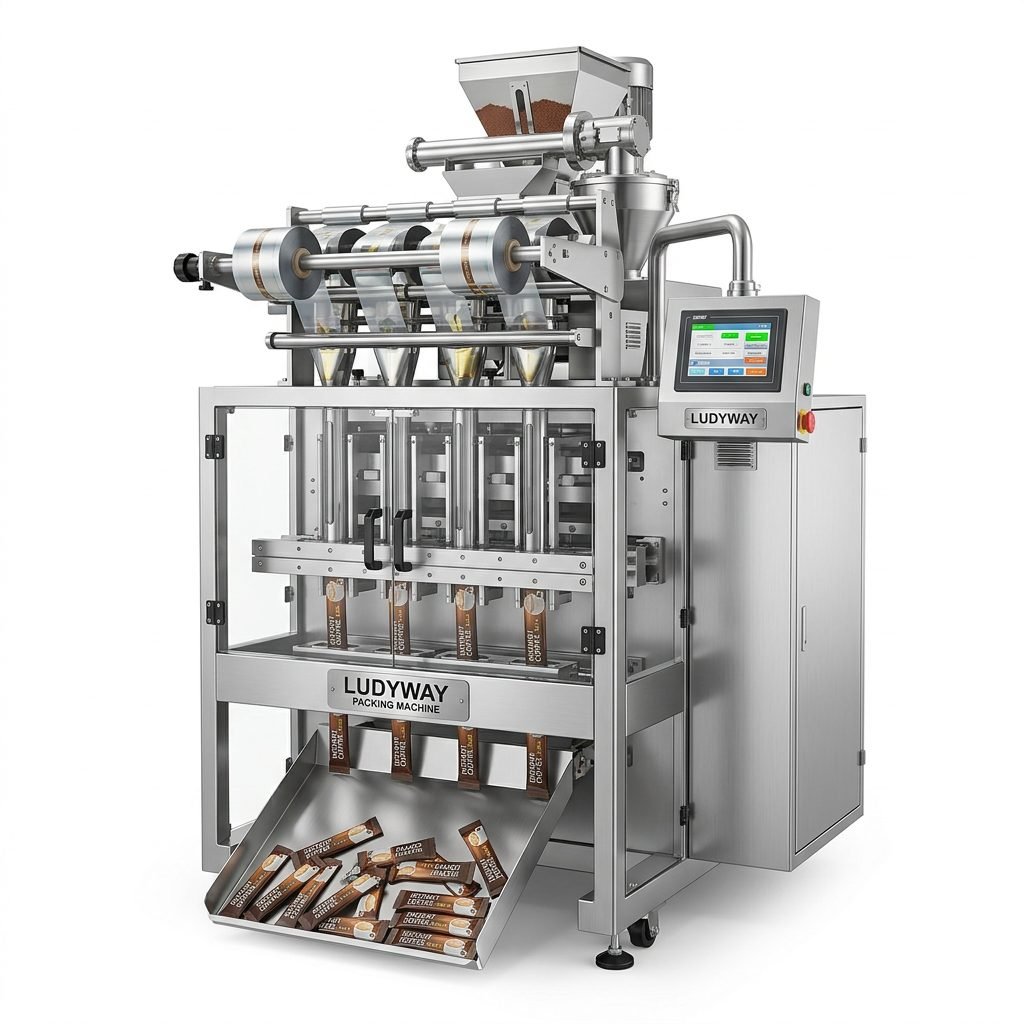
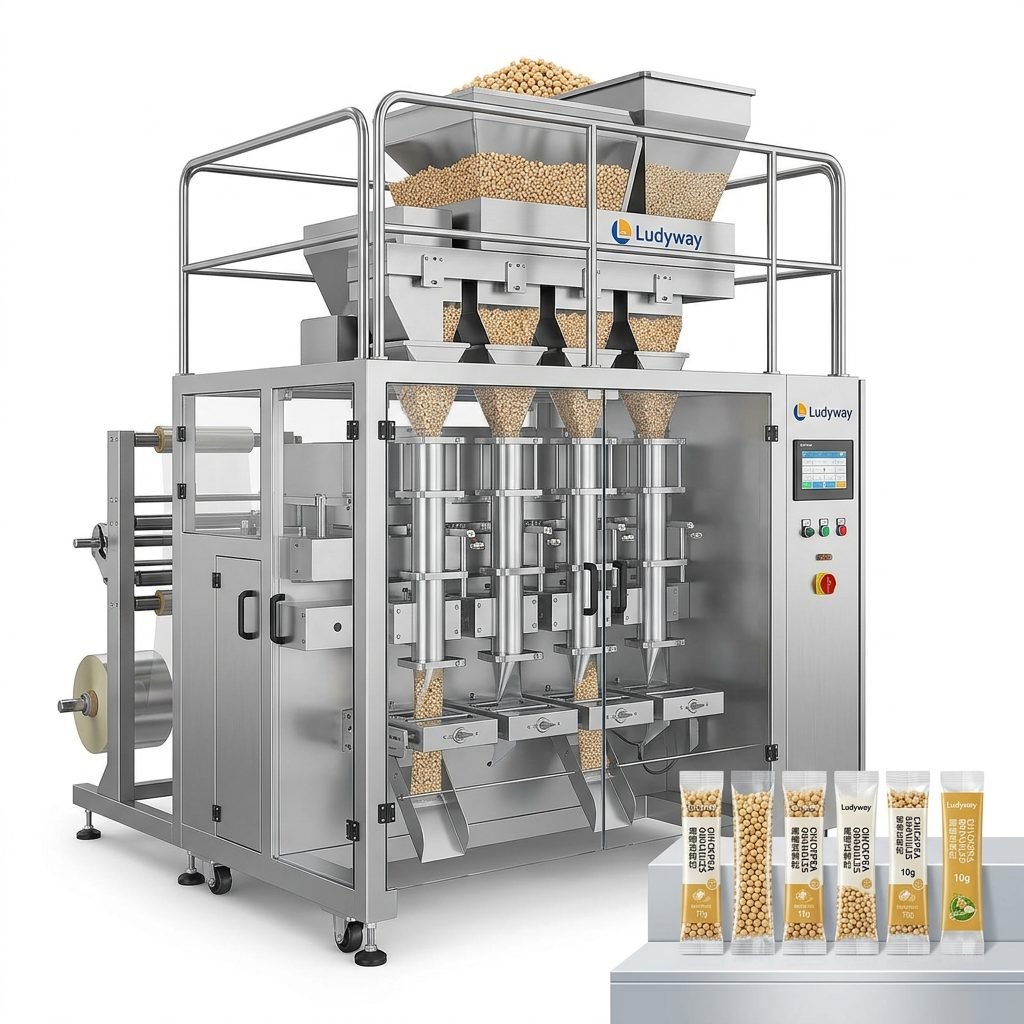
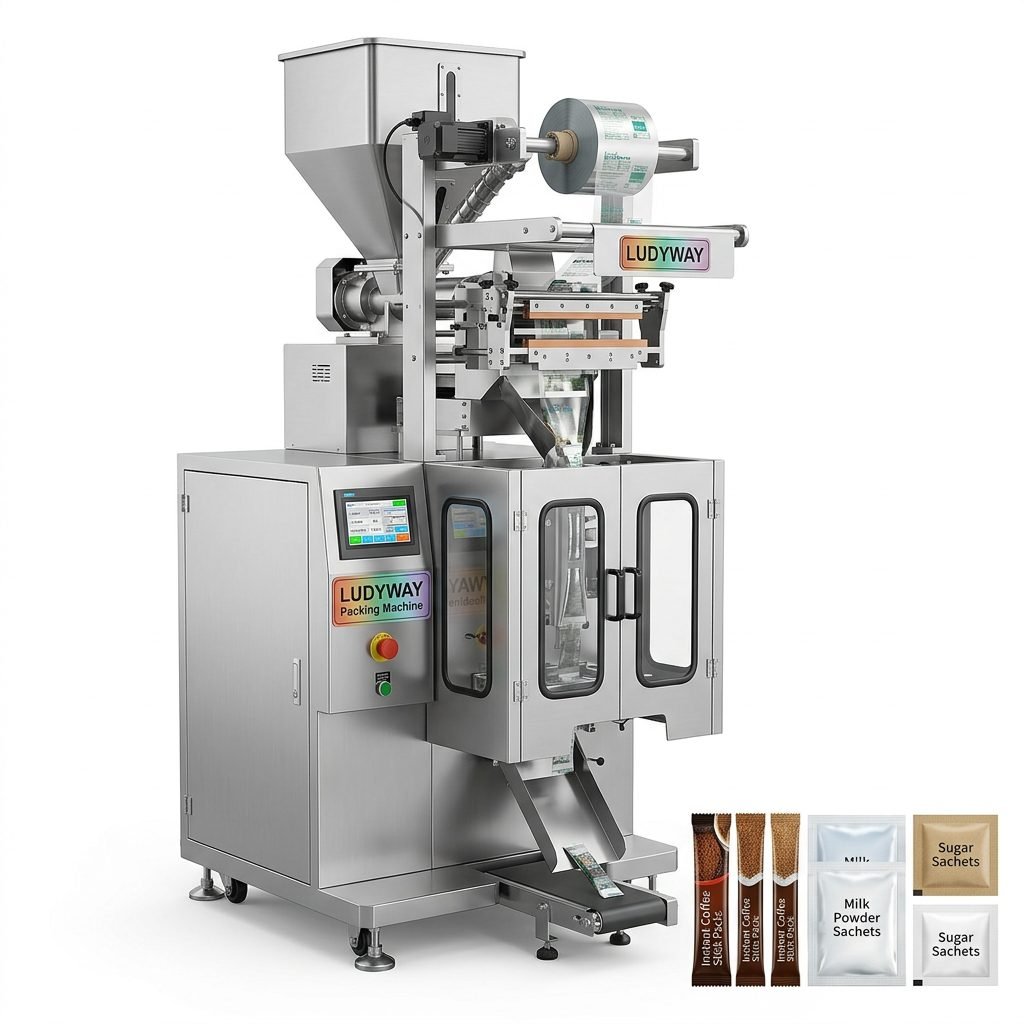
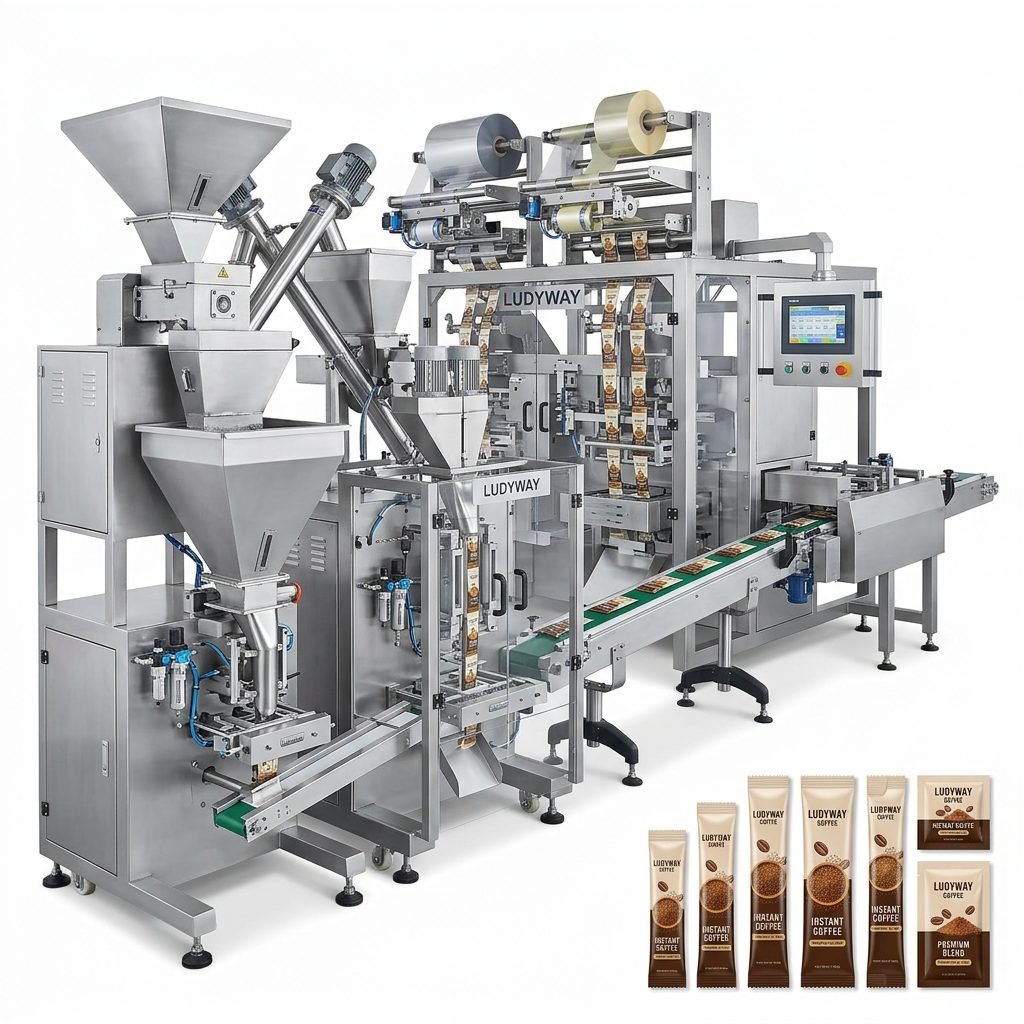
A multihead weigher packing machine is one of the most effective automatic packaging solutions for businesses that need fast, accurate, and consistent weighing of granules, snacks, frozen foods, candies, pet food, nuts, powders with special dosing systems, and many other products. Choosing the right system is not only about machine speed. It is also about product characteristics, packaging style, automation level, hygiene standards, future expansion, and total operating cost.
If you are comparing suppliers or planning a new production line, this guide will help you evaluate the key factors that matter before investing in a complete weighing and packaging system.
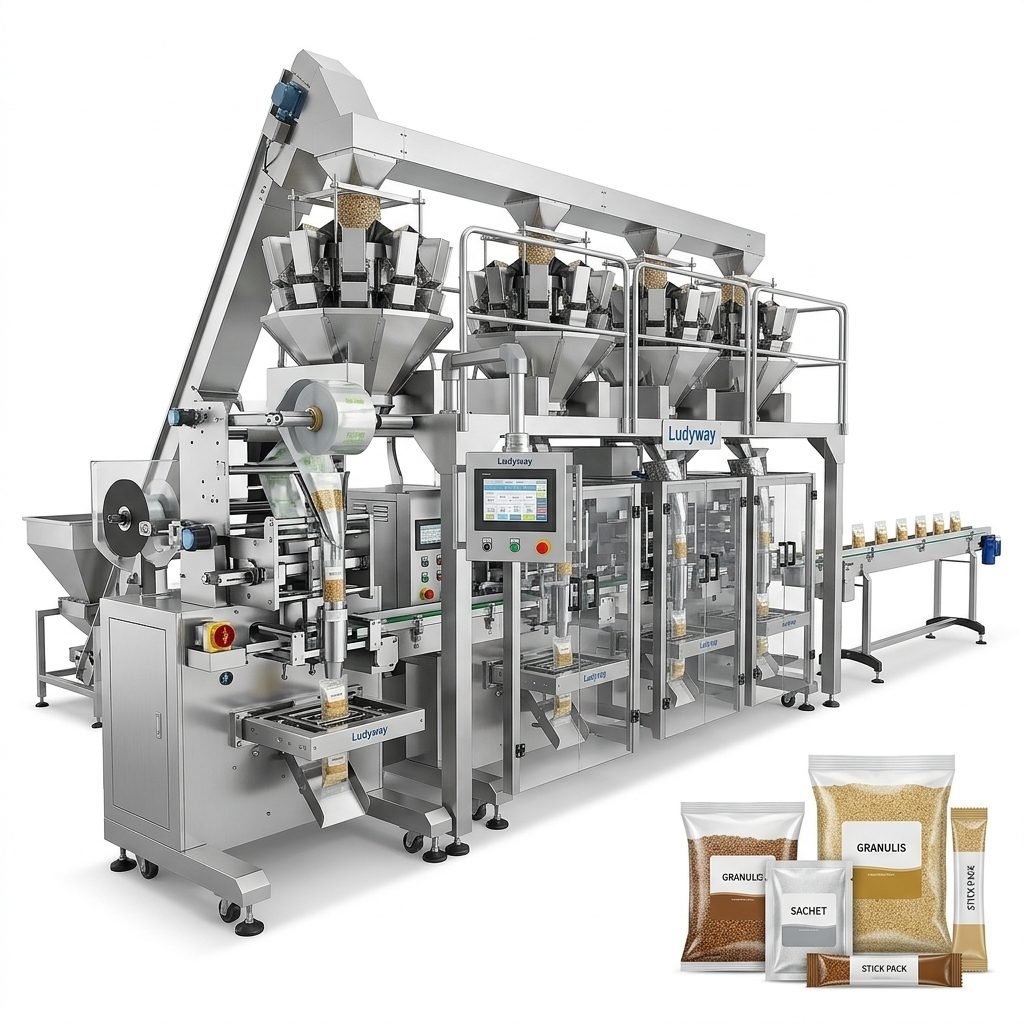
What Is a Multihead Weigher Packing Machine?
A multihead weigher packing machine combines a weighing unit with packaging equipment to automatically measure and fill products into bags, pouches, containers, or other package formats. The multihead weigher uses multiple hoppers to calculate the best weight combination for each discharge, helping reduce giveaway and improve packaging efficiency.
This type of system is commonly used for:
- Snack foods and chips
- Nuts, seeds, and dried fruits
- Candy and confectionery
- Frozen foods
- Pet food and feed pellets
- Fresh or cut vegetables
- Hardware and non-food granule products
In a fully automatic line, the multihead weigher is often integrated with feeding equipment, vertical form fill seal machines, premade pouch systems, metal detectors, checkweighers, labeling units, case packers, and palletizing solutions.
Why the Right Choice Matters
The wrong machine configuration can lead to poor weighing accuracy, product damage, unstable output, sanitation issues, and high maintenance costs. The right solution improves:
- Production speed without sacrificing consistency
- Weight accuracy and reduced material waste
- Labor savings through automation
- Package appearance and seal quality
- Line stability for long shifts and high-volume production
- Scalability as product demand grows
Key Factors to Consider Before Buying
1. Product Type and Flow Characteristics
Start with the product itself. A multihead weigher must match the material being handled. Fragile chips need gentle feeding and discharge. Sticky candies may require anti-stick surfaces. Frozen foods need a machine designed for low-temperature environments. Small granules need stable vibration and accurate hopper control.
Ask these questions:
- Is the product free-flowing, sticky, oily, fragile, or irregular in shape?
- What is the target weight per pack?
- Does the product break easily during feeding or discharge?
- Does it require dust control or moisture protection?
2. Packaging Format
The ideal weighing machine depends on the final package. Different packaging machines require different discharge timing, product drop height, and synchronization.
| Packaging Format | Typical Use | Recommended System Focus |
|---|---|---|
| Pillow bags | Snacks, grains, candy | VFFS integration, high-speed output |
| Gusset bags | Coffee, nuts, premium food | Stable discharge and neat presentation |
| Premade pouches | Retail food, pet treats | Accurate indexing and pouch handling |
| Jars or trays | Confectionery, hardware, supplements | Container positioning and clean filling |
3. Required Accuracy and Target Weight Range
Different products and sales channels have different tolerance requirements. Retail snack brands often focus heavily on giveaway control, while bulk applications may prioritize throughput. You should confirm:
- Minimum and maximum pack weight
- Target weighing accuracy
- Acceptable tolerance level
- Average daily production volume
A machine that is oversized for small pack weights may reduce efficiency, while an undersized machine may not achieve the speed you want.
4. Speed Requirements
High speed is valuable only when the entire line can keep up. The multihead weigher, feeder, bagging machine, date coder, inspection unit, and discharge conveyor should all work as one coordinated system.
When reviewing speed claims, check whether the stated output is based on:
- Actual production conditions or ideal laboratory conditions
- Your real product shape and density
- Single-shift or continuous operation
- One target weight or multiple SKU sizes
5. Hygienic Design and Cleaning Convenience
For food, pharmaceutical, and health-related applications, hygienic design is essential. Smooth contact surfaces, tool-free disassembly, stainless steel construction, and easy cleaning reduce contamination risk and downtime.
Look for features such as:
- 304 or 316 stainless steel contact parts
- Washdown-friendly structure where required
- Dustproof or waterproof electrical protection
- Quick-release hoppers and chutes
- Reduced dead corners for easier sanitation
6. Product Feeding and Upstream Integration
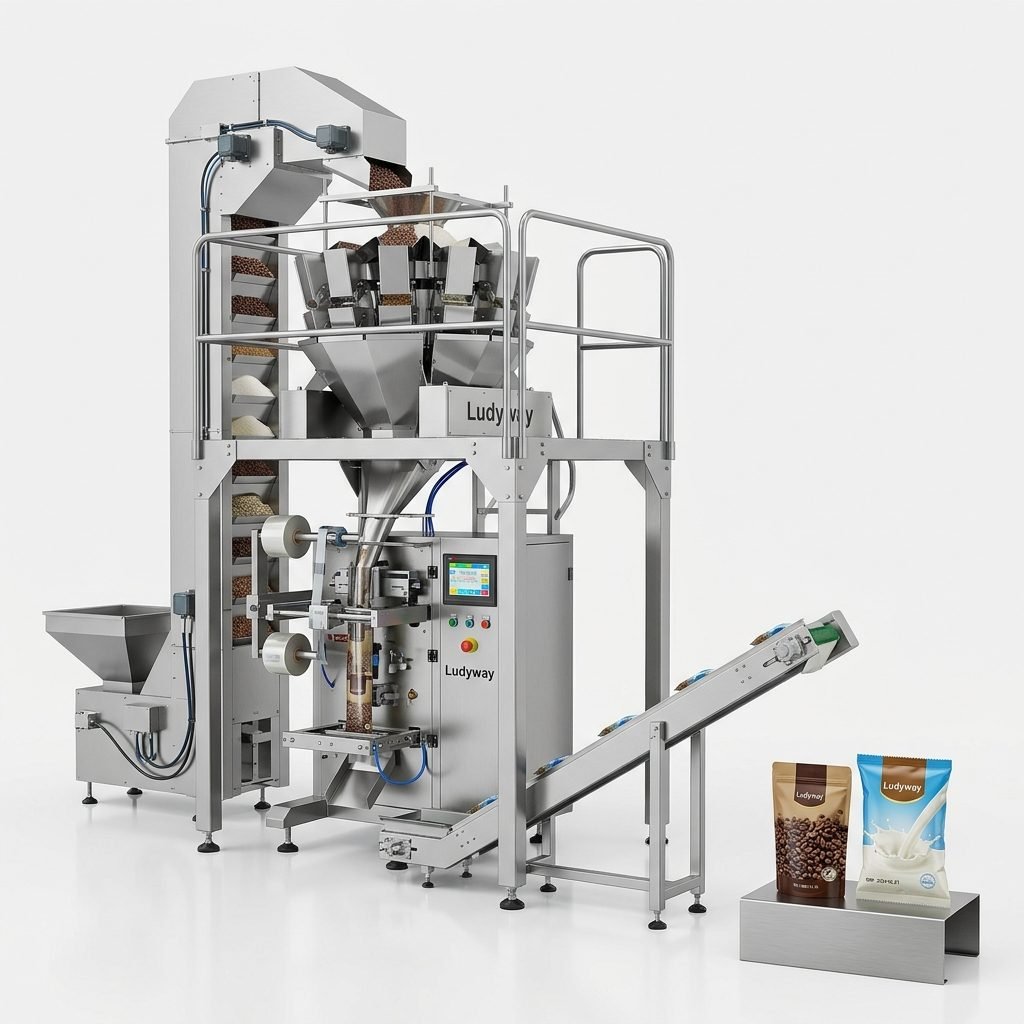
A multihead weigher does not work alone. It needs a stable and properly designed feeding system. Uneven feeding can reduce weighing accuracy and output. Depending on your product, you may need:
- Z-type bucket elevator
- Inclined conveyor
- Vibratory feeder
- Screw feeder for certain powders or blends
- Buffer hopper for continuous supply
Good feeding design protects both accuracy and line efficiency.
7. Downstream Automation Options
If your factory aims to reduce labor or increase line consistency, think beyond the weighing unit. A better investment may be a complete automatic packaging solution that includes:
- Bag making and sealing machine
- Checkweigher and metal detector
- Reject system
- Labeling and coding machine
- Cartoning or case packing equipment
- Palletizing and wrapping system
A turnkey line is often easier to manage than combining equipment from multiple vendors with different control systems.
How to Match the Machine to Your Industry
Food Industry
Food manufacturers usually prioritize speed, hygiene, attractive package presentation, and reduced product giveaway. Common applications include chips, nuts, frozen vegetables, candy, rice, beans, and seasonings with granule characteristics.
Pet Food Industry
Pet food products often vary in size, shape, oil content, and density. A multihead weigher should be robust, easy to clean, and capable of stable operation with pellets, treats, freeze-dried products, or mixed recipes.
Chemical and Non-Food Industry
For chemicals, hardware, detergents, and industrial granules, machine durability and dust control are important. You may also need corrosion-resistant materials or explosion-prevention considerations depending on the application.
Signs You Need a More Advanced Automatic Packaging Solution
- Your manual weighing results are inconsistent
- You are losing too much product through overfill
- Labor costs keep increasing
- Your current machine cannot meet output demand
- You are adding new SKUs and need more flexibility
- You want to standardize package quality across shifts
If several of these issues apply to your factory, upgrading to an integrated multihead weigher packaging system can quickly improve operational performance.
Questions to Ask a Supplier Before Purchase
| Question | Why It Matters |
|---|---|
| Has this machine been used for a product similar to mine? | Confirms real application experience |
| What weighing accuracy can be achieved under production conditions? | Helps evaluate expected performance |
| Can the system support future product or bag size changes? | Improves long-term return on investment |
| What spare parts and technical support are available? | Reduces downtime risk |
| Can you provide testing videos or factory acceptance support? | Builds confidence before shipment |
Common Buying Mistakes to Avoid
- Choosing based only on price instead of application fit
- Ignoring feeding and discharge design
- Assuming one machine can handle every product equally well
- Overlooking sanitation and cleaning requirements
- Not planning for future production expansion
- Buying standalone equipment without considering line integration
Turnkey Packaging Line vs. Standalone Machine
Some buyers only need a standalone weigher connected to an existing bagger. Others benefit more from a full turnkey line. The best option depends on your plant layout, current equipment, labor availability, and automation goals.
A standalone machine may be suitable if you already have compatible packaging equipment. A turnkey line is usually better if you are launching a new factory, replacing multiple old machines, or seeking unified controls and after-sales support.
What to Look for in a Reliable Manufacturer
A dependable supplier should offer more than equipment assembly. You should also evaluate engineering strength, customization ability, export experience, testing process, and long-term service capability.
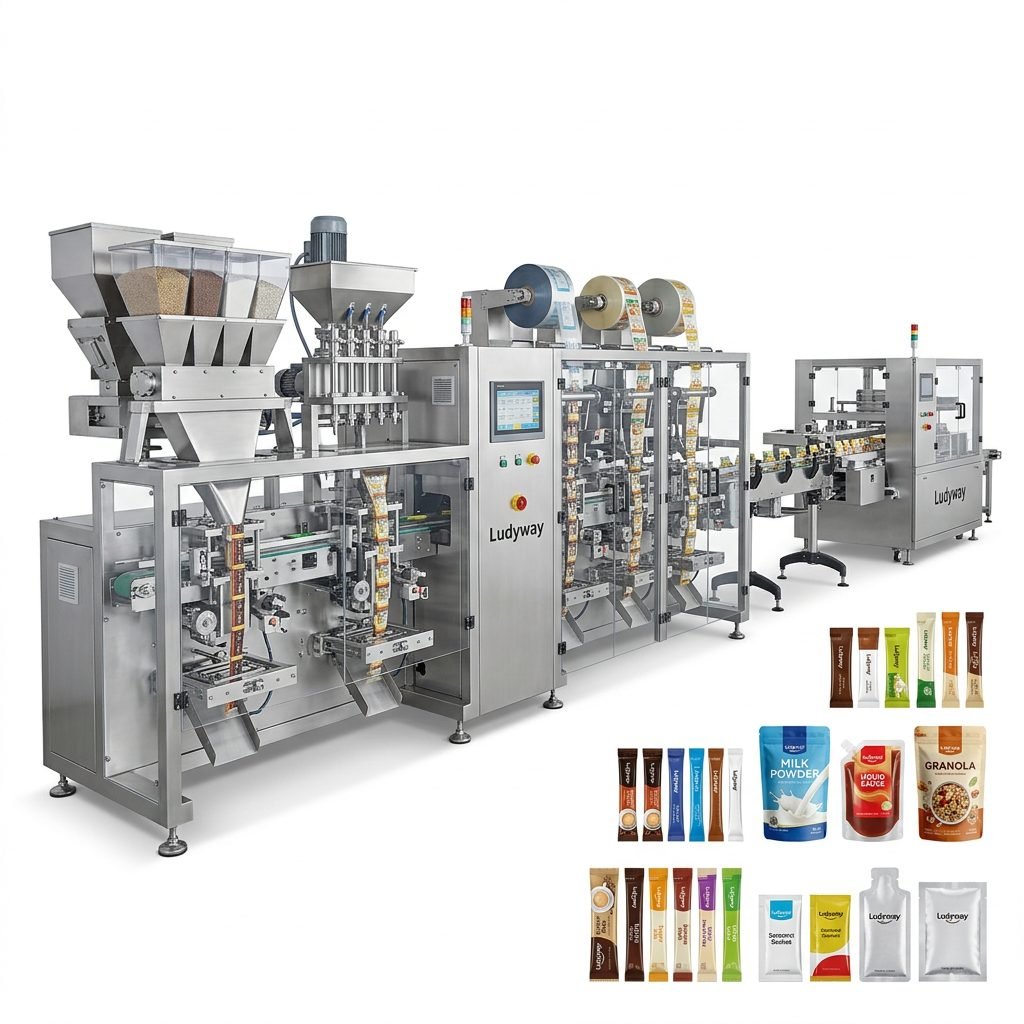
Buyers looking for scalable automatic packaging solutions often consider Ludyway multihead weigher packing machine solutions because the company has more than 30 years of industry experience, a manufacturing facility of over 20,000 square meters, broad international export coverage, and the capability to deliver both standalone machines and complete turnkey packaging lines across food, pharmaceutical, health supplement, and related sectors.
Final Buying Checklist
- Define your product type and pack weight clearly
- Confirm required packaging format and output speed
- Evaluate actual weighing accuracy, not just brochure data
- Check hygiene, cleaning, and material standards
- Review upstream feeding and downstream automation needs
- Ask for testing, videos, or sample runs
- Choose a supplier with strong technical support and customization ability
The right multihead weigher packing machine should fit your product, your factory workflow, and your long-term growth plan. When selected correctly, it becomes more than a machine—it becomes a core part of a reliable, efficient, and profitable automatic packaging operation.