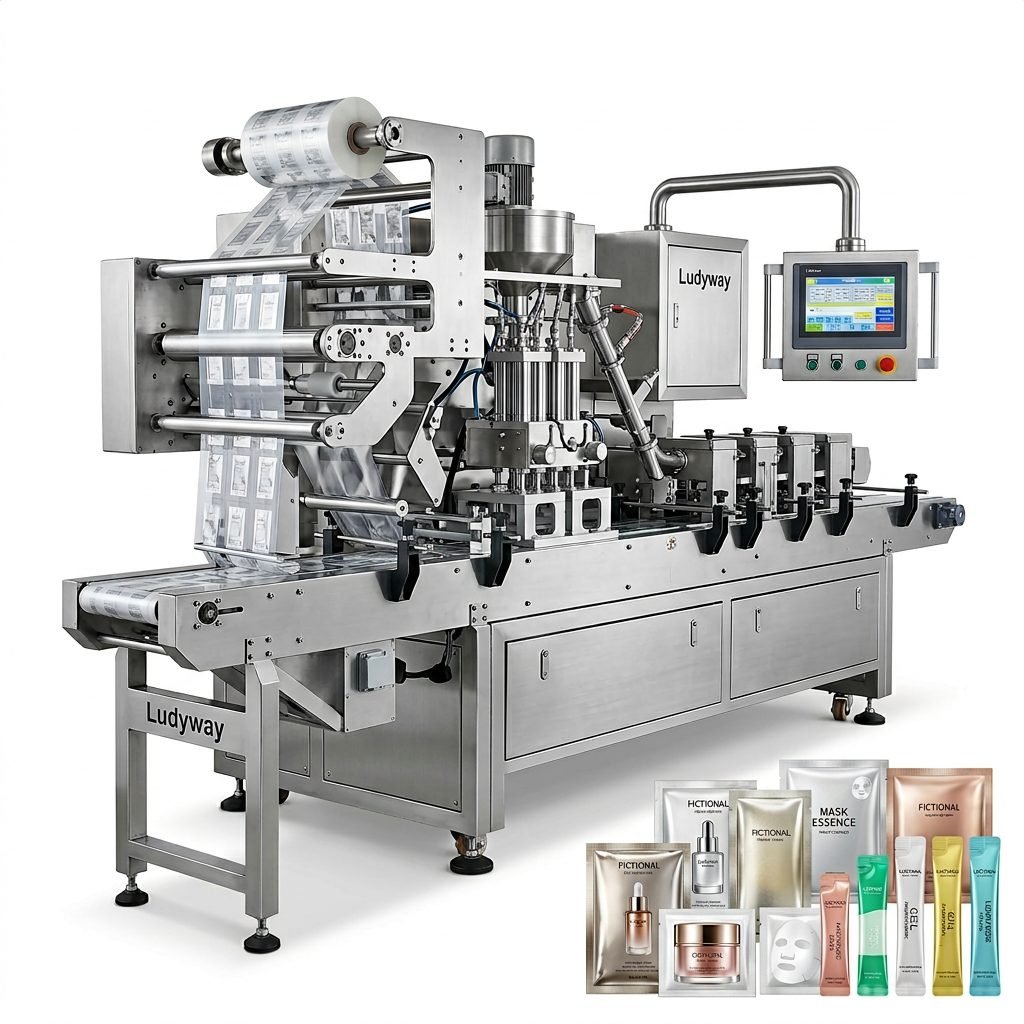
The Middle East’s food manufacturing sector is expanding rapidly, driven by population growth, shifting consumption patterns, and aggressive government investment in packaging industry infrastructure. For producers of fresh meat, poultry, seafood, ready meals, baked goods, and dairy products, the tray sealer packaging machine has become a critical asset for extending shelf life, maintaining hygiene standards, and achieving retail-ready presentation.
However, selecting the right tray sealer packaging machine for Middle Eastern operating conditions requires a fundamentally different evaluation framework compared to other regions. Ambient heat, dust exposure, intermittent power supply in some areas, and strict packaging standards for export markets all demand machine configurations that go beyond standard specifications.

Understanding Tray Sealer Packaging Machine Types
Not all tray sealing equipment is created equal, and matching the machine type to your specific production environment in the Middle East is the first critical decision point:
| Machine Type | Best Suited For | Key Advantage |
|---|---|---|
| Manual Tray Sealer | Small-scale production, startups, niche products | Lowest initial investment, simple operation |
| Semi-Automatic Tray Sealer | Mid-volume processors, growing businesses | Good balance of output and cost, operator-friendly |
| Fully Automatic Inline Tray Sealer | High-volume meat, poultry, and ready-meal plants | Maximum throughput, minimal labor, consistent seals |
| MAP Tray Sealer (Modified Atmosphere Packaging) | Fresh protein, extended shelf life applications | Gas flushing preserves freshness, reduces spoilage |
| Vacuum Skin Packaging (VSP) Tray Sealer | Premium meat, seafood, retail display products | Superior product presentation, extended shelf life |
Critical Selection Factors for the Middle East Environment
1. Climate Resilience and Ambient Temperature Tolerance
Middle Eastern production facilities routinely experience ambient temperatures exceeding 45°C (113°F) during summer months, particularly in Gulf Cooperation Council (GCC) countries. Standard European or North American-spec tray sealers may struggle with heat-related issues unless specifically engineered for hot climates. Look for machines with high-temperature-rated electrical components, enhanced cooling systems for servo drives, and control cabinets with active ventilation or air conditioning. Seal integrity can also be affected by extreme ambient conditions, making temperature-compensated sealing systems a valuable feature.
2. Dust and Particulate Protection
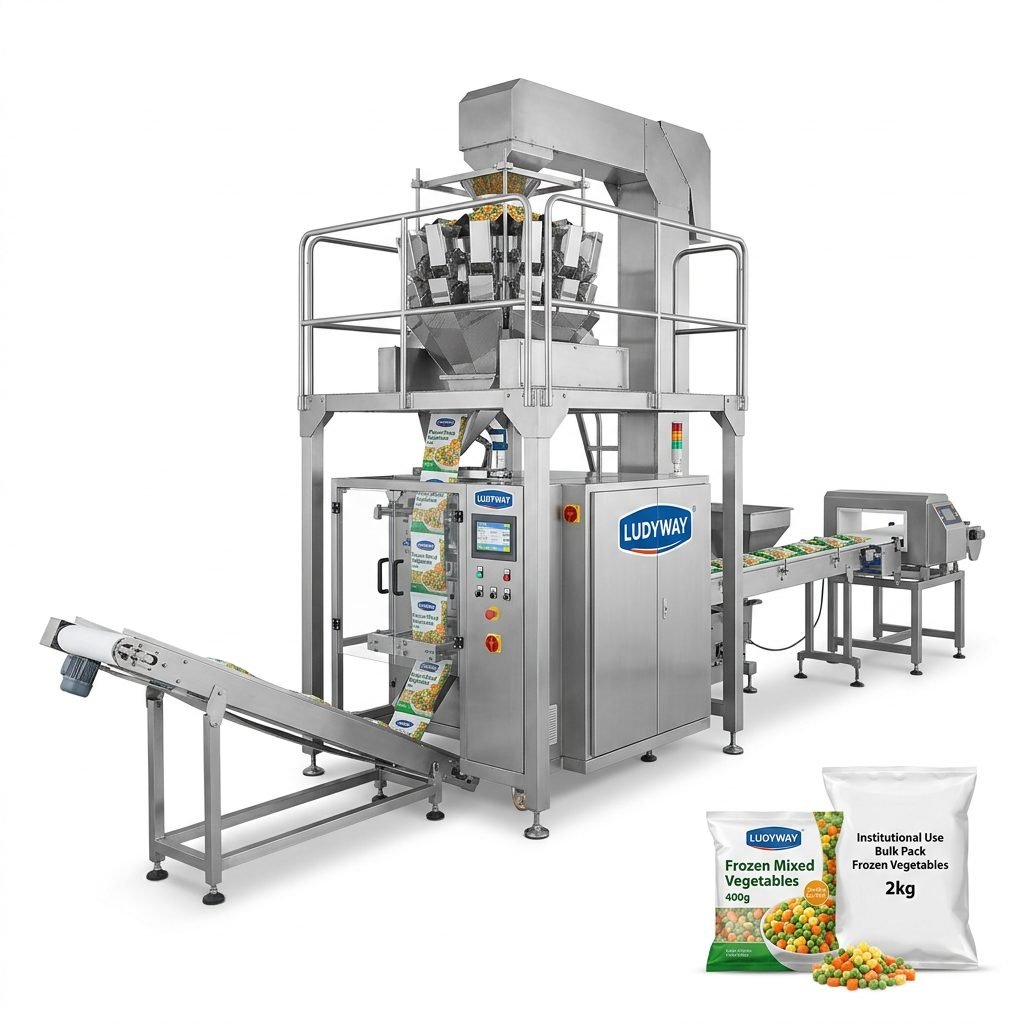
Dust ingress is a persistent challenge across much of the Middle East. Fine sand and airborne particulates can accelerate wear on pneumatic cylinders, compromise seal bar alignment, and contaminate sensitive electronic components. Prioritize tray sealers with IP65 or higher-rated enclosures for critical electrical and pneumatic systems. Machines with sealed linear guides, protective bellows on vertical motion axes, and positive-pressure control cabinets significantly reduce maintenance frequency and unplanned downtime in dusty environments.
3. Power Supply Stability and Voltage Fluctuations
While grid infrastructure in the UAE, Qatar, and Saudi Arabia is highly reliable, some manufacturing zones across the broader Middle East and North Africa (MENA) region experience voltage instability. Select tray sealing machines with wide-input-voltage power supplies and integrated voltage stabilization to protect PLCs, servo controllers, and HMI panels from damage. In regions with frequent power interruptions, a machine that can resume operation seamlessly after power restoration—without requiring a full reset—adds significant operational value.
4. Tray Material Compatibility
The Middle Eastern tray packaging market uses a diverse mix of materials including PET, PP, PE, aluminum, and multi-layer laminates. Different seal films—from standard lidding films to high-barrier and peelable options—require different sealing parameters. Before committing to a machine, confirm that its sealing system is compatible with your intended tray and film combinations. Flexible packaging material selection directly impacts seal quality, shelf life, and consumer experience.
5. MAP and Vacuum Requirements
For fresh protein products destined for supermarket chains across the Middle East, Modified Atmosphere Packaging (MAP) is no longer optional—it is a competitive necessity. Evaluate the gas mixing and flushing capabilities of any tray sealer under consideration. High-oxygen MAP (typically 70-80% O₂ for red meat) and low-oxygen or oxygen-free MAP (for poultry, processed meats, and seafood) require precise gas control. Machines with integrated gas analyzers and automatic gas ratio adjustment offer superior consistency for demanding retail customers.
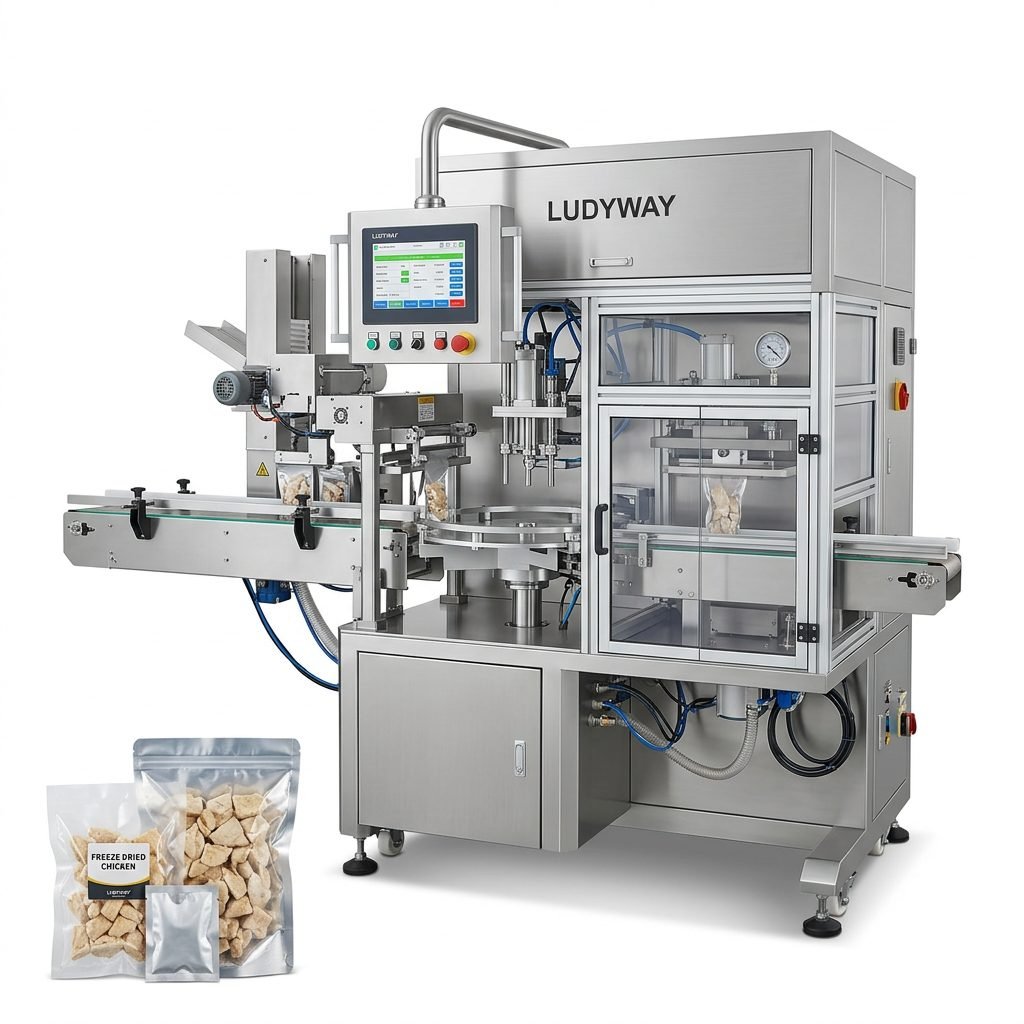
Production Volume and Throughput Planning
Matching machine speed to your current and projected production demands prevents costly over-investment or capacity bottlenecks:
- Small to Medium Enterprises: 4-8 cycles per minute, manual or semi-automatic loading, ideal for 500-3,000 trays per shift
- Mid-Tier Processors: 8-15 cycles per minute, automatic tray denesting and filling integration, capable of 3,000-10,000 trays per shift
- Large-Scale Industrial Operations: 15-25+ cycles per minute, fully automated inline systems with multiple lanes, exceeding 20,000 trays per shift
For Middle Eastern poultry and meat processors targeting export markets across the GCC, Levant, and beyond, inline automatic tray sealers with at least 12-15 cycles per minute represent a practical minimum for competitive unit economics.
Hygiene and Cleanability Standards
Food safety requirements across the Middle East are increasingly aligned with international standards, particularly for companies exporting to Europe or supplying multinational retail chains. Key hygiene features to evaluate include:
- Sloped surfaces and minimum horizontal flat areas to prevent liquid pooling
- IP69K-rated components in washdown zones for meat and poultry applications
- Tool-free disassembly of tray guides, seal tooling, and conveyors for sanitation
- Stainless steel construction (AISI 304 minimum, AISI 316 for corrosive environments)
- Validated CIP (Clean-in-Place) compatibility for automated sanitation cycles
Seal Integrity and Quality Assurance
Inconsistent seals lead to product returns, retailer rejections, and reputational damage—costs that no processor can afford. Advanced tray sealers incorporate seal force monitoring, temperature profiling across the seal bar, and real-time seal inspection systems that detect leaks before products leave the packaging line. For MAP applications, residual oxygen analyzers provide continuous verification that gas flushing is achieving target specifications. These features move quality assurance from reactive to proactive, aligning with international packaging machinery standards for food safety management.
Integration with Upstream and Downstream Equipment
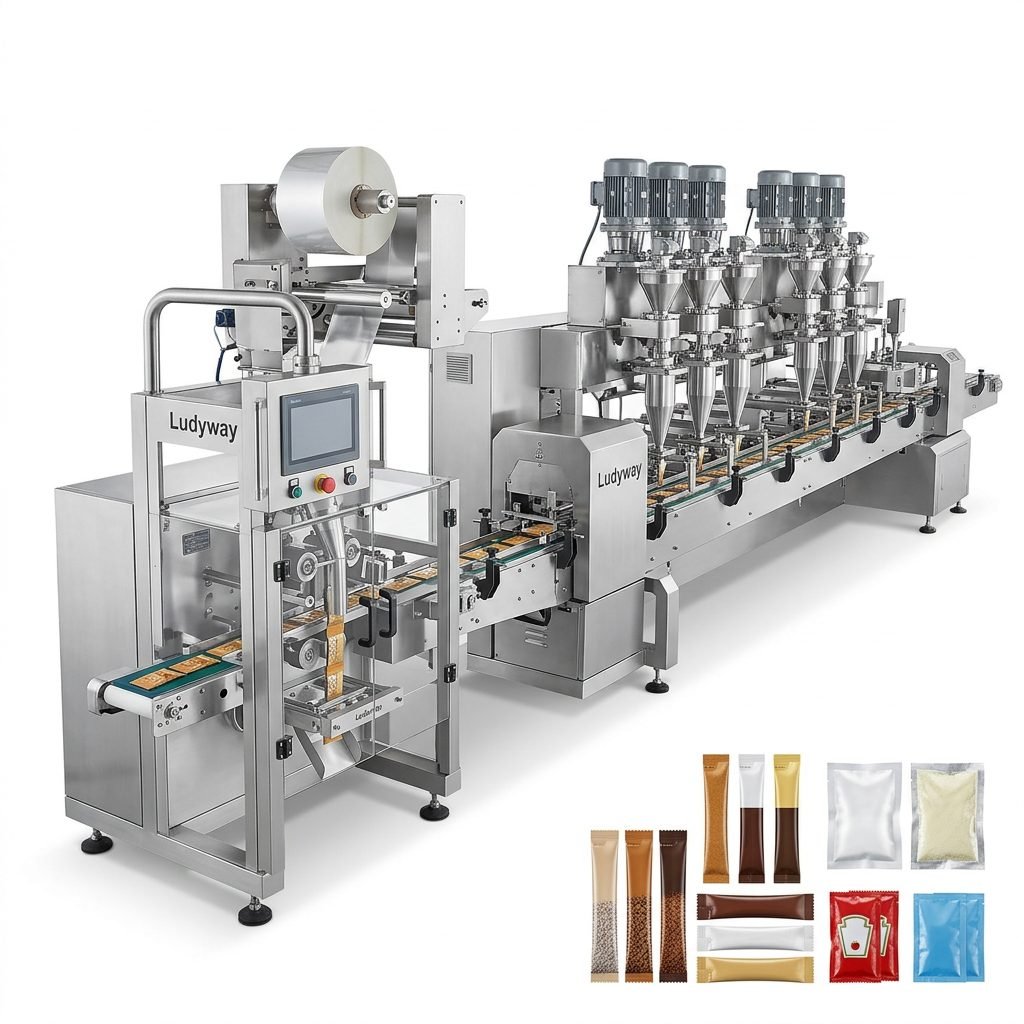
A tray sealer rarely operates in isolation. Consider how the machine will integrate with tray denesters, filling and portioning systems, checkweighers, metal detectors, labelers, and case packing equipment. Machines with standardized communication protocols (EtherNet/IP, PROFINET, Modbus TCP) simplify integration and enable centralized line monitoring. For processors planning phased automation upgrades, selecting a tray sealer with open-architecture controls preserves flexibility for future equipment additions.
Service, Spare Parts, and Technical Support in the Region
After-sales support infrastructure is perhaps the most underappreciated selection criterion. Before purchasing any tray sealing machine, verify the availability of local technical service, spare parts inventory within the Middle East, and responsive remote support capabilities. Downtime costs in fresh food processing are severe—every hour of lost production represents product that cannot be recovered. Manufacturers with established distribution partners or direct service presence in GCC countries offer meaningful risk mitigation compared to suppliers relying solely on long-distance support.
Regulatory Compliance and Export Readiness
Middle Eastern food processors increasingly serve export markets that impose specific packaging requirements. Machines should be designed to support compliance with relevant regulations including FDA food contact substance requirements for US-bound products, EU packaging regulations, and GCC Standardization Organization (GSO) requirements. Documentation packages including IQ/OQ/PQ validation protocols, material certifications, and equipment qualification support are essential for regulated markets.
Total Cost of Ownership Considerations
Purchase price alone is a poor indicator of long-term value. Evaluate the following cost factors across the expected machine lifespan:
| Cost Category | What to Evaluate |
|---|---|
| Film and tray material costs | Compatibility with competitively priced local or regional film suppliers |
| Energy consumption | Heating element efficiency, standby power modes, compressed air usage |
| Preventive maintenance | Seal bar replacement intervals, lubrication requirements, belt and bearing life |
| Changeover efficiency | Time and labor required to switch between tray sizes and film types |
| Operator training | Learning curve, multilingual interface availability (Arabic, English, etc.) |
Emerging Trends in Middle Eastern Tray Sealing
The market is evolving rapidly. Sustainable packaging mandates are beginning to influence tray material choices, with growing interest in mono-material PET trays and recyclable lidding films that align with circular economy goals. Digital connectivity features—including remote monitoring, predictive maintenance alerts, and OEE dashboards—are transitioning from nice-to-have to expected features for larger processors. Additionally, the rapid growth of e-commerce and meal kit delivery across the Middle East is creating new packaging format requirements that tray sealer technology must accommodate.

Making the Final Selection: A Practical Framework
When you are ready to evaluate specific tray sealer models, use this structured approach to guide your decision:
- Define your product range precisely: tray dimensions, product weight, film type, required atmosphere (MAP parameters if applicable)
- Map current and 3-year production volume: avoid buying for today’s volume if growth is planned
- Assess facility conditions: ambient temperature range, dust exposure, power stability, available utilities
- Evaluate total cost of ownership: include film costs, energy, maintenance labor, and expected component life
- Verify regional support: demand references from Middle Eastern customers, confirm spare parts availability
- Request factory acceptance testing: run your actual products and films on the machine before shipment
The Middle Eastern packaged food market is projected to continue its strong growth trajectory, and the right tray sealer packaging machine forms the foundation of a competitive, efficient production operation. Taking the time to thoroughly evaluate options against the region’s unique operating conditions—rather than accepting a one-size-fits-all solution—pays dividends in reliability, product quality, and long-term profitability.
Ludyway Machinery is a China-based packaging machinery manufacturer and turnkey packaging solution provider with more than 30 years of experience. The company operates a 20,000-square-meter manufacturing facility with over 130 professionals and more than 50 packaging machine models, serving customers in over 100 countries. With expected export revenue exceeding RMB 500 million in 2025 and plans to surpass RMB 1 billion in 2026, Ludyway combines manufacturing expertise with packaging-specific engineering to support manufacturers across food, pharmaceutical, cosmetic, and industrial sectors. For processors seeking a reliable tray sealer packaging machine configured for Middle Eastern operating conditions, Ludyway provides customized equipment solutions with comprehensive technical support throughout the project lifecycle. Contact the team at info@ludyway.com or via WhatsApp at +8613129592456 to discuss your specific tray sealing requirements.