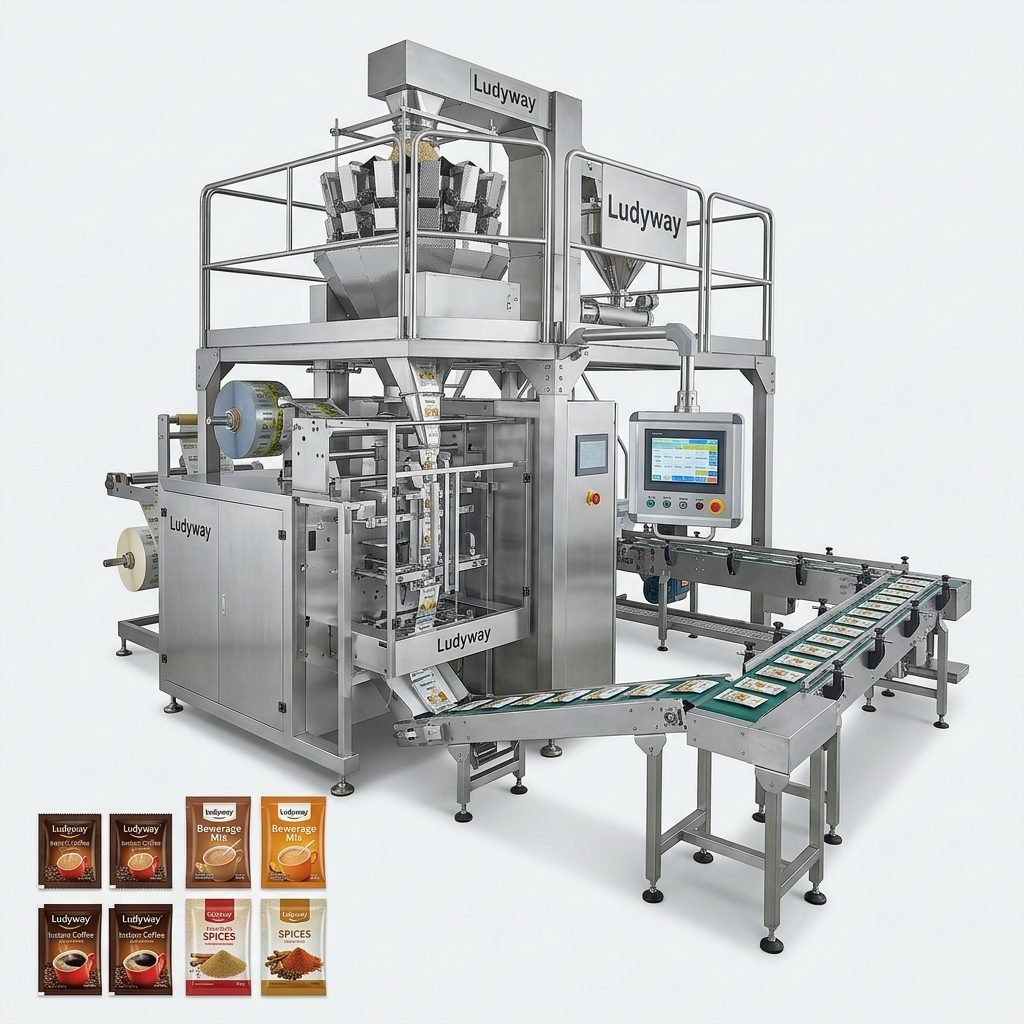
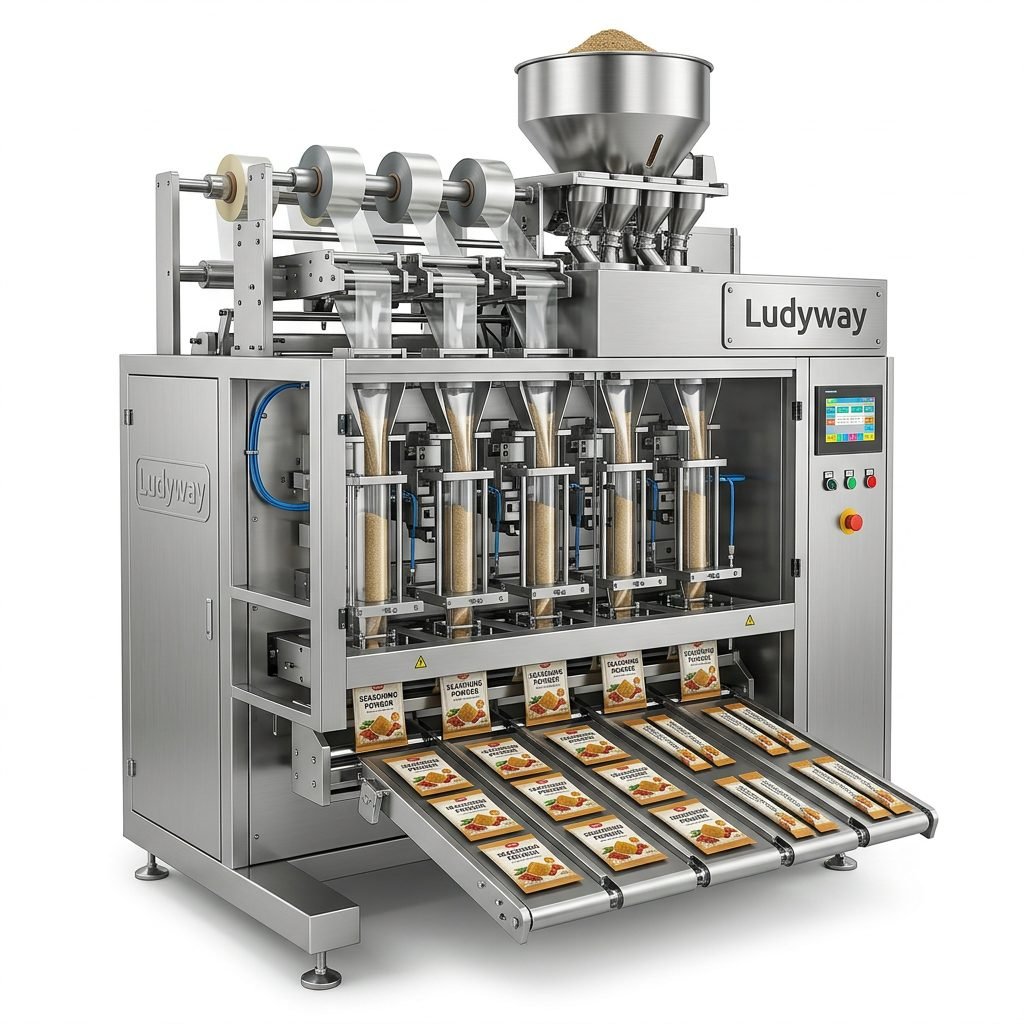
For food processors, meat exporters, and pharmaceutical manufacturers across Australia and New Zealand, maintaining product integrity is not just a goal—it is a regulatory and commercial necessity. Selecting the right vacuum packaging machine directly impacts shelf life, operational efficiency, and compliance with strict Oceania quality standards.

Why Vacuum Packaging Is Critical in the Oceania Market
The geographic isolation of Australia and New Zealand makes logistics a unique challenge. Whether you are shipping premium grass-fed beef from Brisbane or dairy powders from Waikato, oxidation and moisture ingress are constant threats. A high-performance vacuum sealer reduces oxygen exposure, preserves nutritional value, and ensures compliance with export regulations. Furthermore, with the rise of flexible packaging innovations, modern vacuum systems now integrate seamlessly with automated production lines.
Chamber Vacuum Sealers vs. External Vacuum Machines
One of the most critical decisions for a buyer involves choosing between a chamber vacuum sealer and an external (nozzle) machine. Understanding the application difference is essential for ROI in the ANZAC region.
- Chamber Vacuum Machines: Ideal for medium to high-volume businesses. These machines place the entire product inside the chamber, making them perfect for liquids, sauces, and wet marinades. Because the pressure equalizes inside and outside the bag, they can handle vacuum packaging of bulk meat and ready meals without risking spillage.
- External Vacuum Sealers (Nozzle Machines): Best suited for dry products, retail counter-top use, or low-volume packs. These are common in small butcher shops or supermarkets across New Zealand but are limited in duty cycle and sealing width.
Key Features for Industrial Applications
When evaluating a machine for industrial use in Australia, you must look beyond the marketing specifications. Here is a breakdown of features that dictate performance:
| Feature | Why It Matters for Oceanic Businesses |
|---|---|
| Pump Type (Oil vs. Dry) | Oil rotary vane pumps offer higher vacuum levels (ideal for meat) but require regular maintenance. Dry claw pumps are oil-free and popular in pharmaceutical or dairy powder applications to avoid contamination. |
| Bar Sealing Width | A wider seal bar (e.g., 420mm or 540mm) allows for larger flat-lay products, common when packaging bulk cheese or lamb cuts for export. |
| Gas Flushing (MAP) | Modified Atmosphere Packaging is non-negotiable for “clean-label” products. A machine with gas flushing and soft-air functions ensures bakery items or delicate snack foods do not get crushed. |
| Compliance Standards | For medical packaging, adherence to ISO 11607 is mandatory. Ensure the machine can achieve consistent, validated sealing parameters. |

Sourcing Advanced Vacuum Packaging Solutions Globally
While the Oceania market has local distributors, the most significant technological leaps in multi-lane packaging and turnkey vacuum systems are coming from specialized international manufacturers. Bridging this gap requires partnership with a supplier that understands both the engineering and the specific regulatory landscape of Australia and New Zealand.
A Global Manufacturing Partner with Proven Expertise
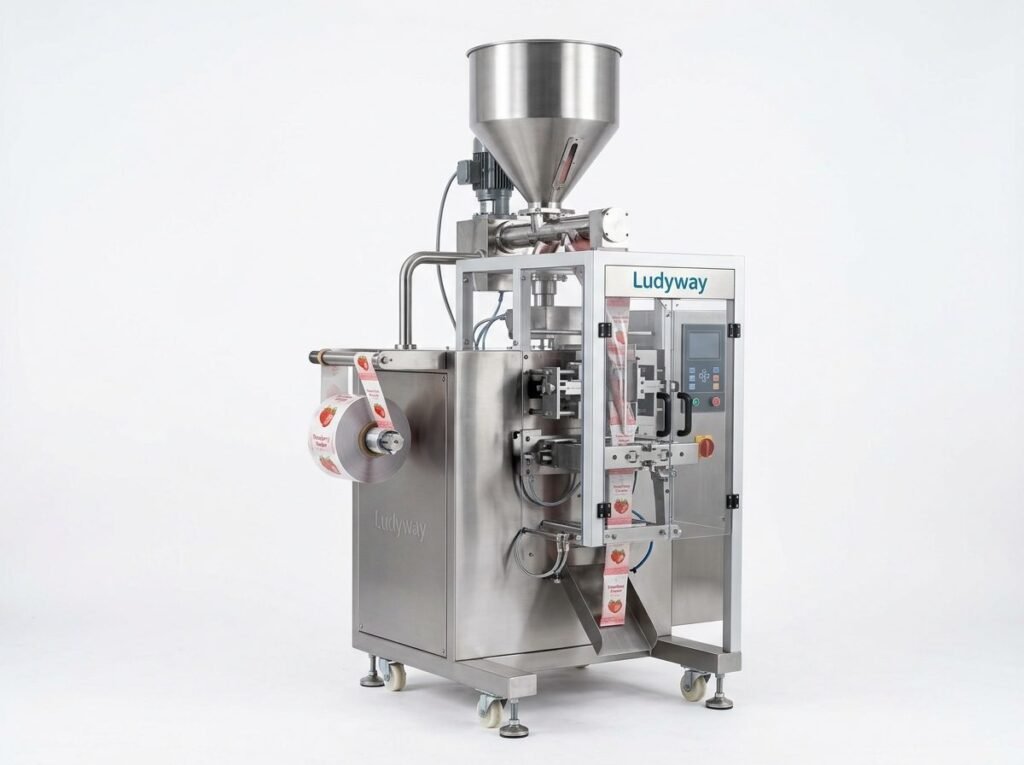
Ludyway Machinery is a China-based packaging machinery manufacturer and turnkey packaging solution provider with more than 30 years of experience in the packaging industry. Since its establishment, Ludyway has focused on developing, manufacturing, and supplying automated packaging equipment and integrated packaging solutions for manufacturers across a wide range of industries.
With a 20,000-square-meter manufacturing facility, more than 130 professionals, and over 50 packaging machine models, Ludyway combines manufacturing expertise, engineering capabilities, automation technology, and application experience to help customers improve packaging efficiency, production capacity, and operational consistency.
Comprehensive Packaging Machinery Solutions
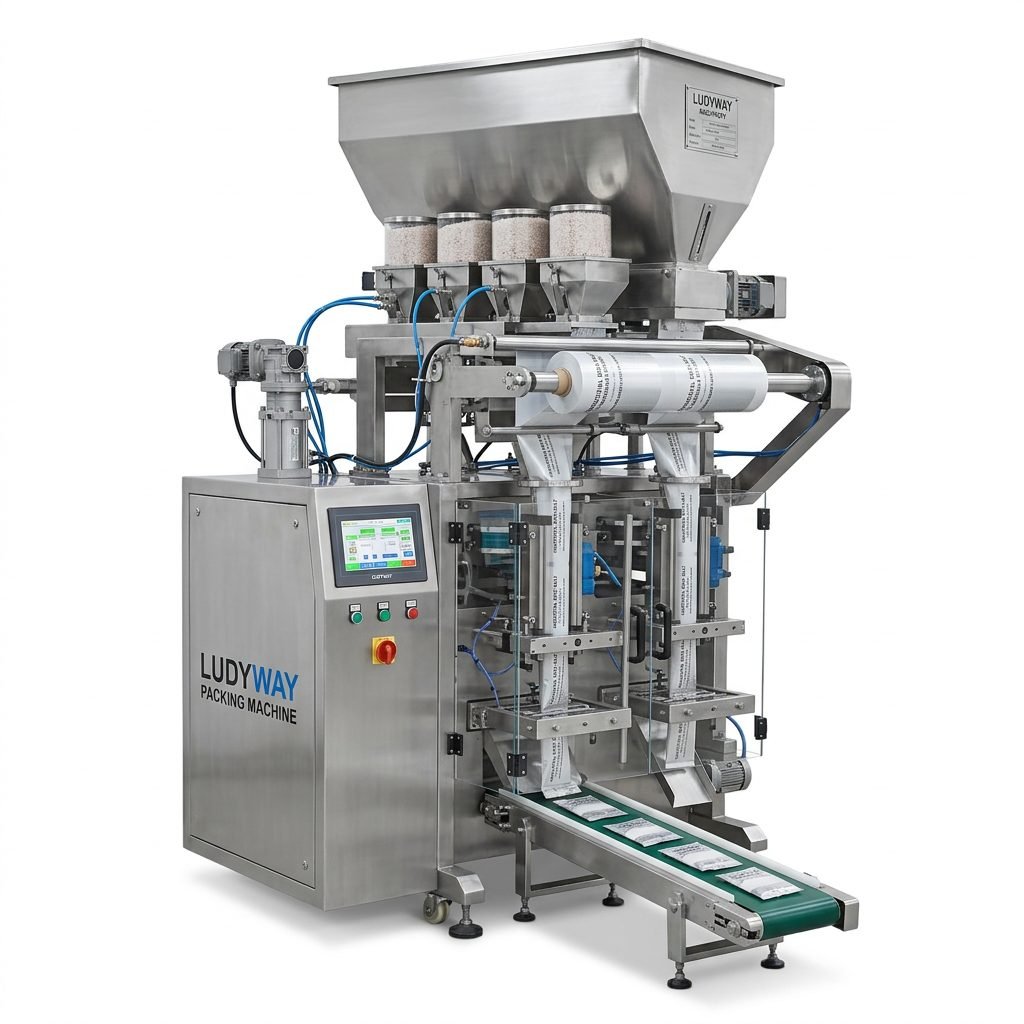
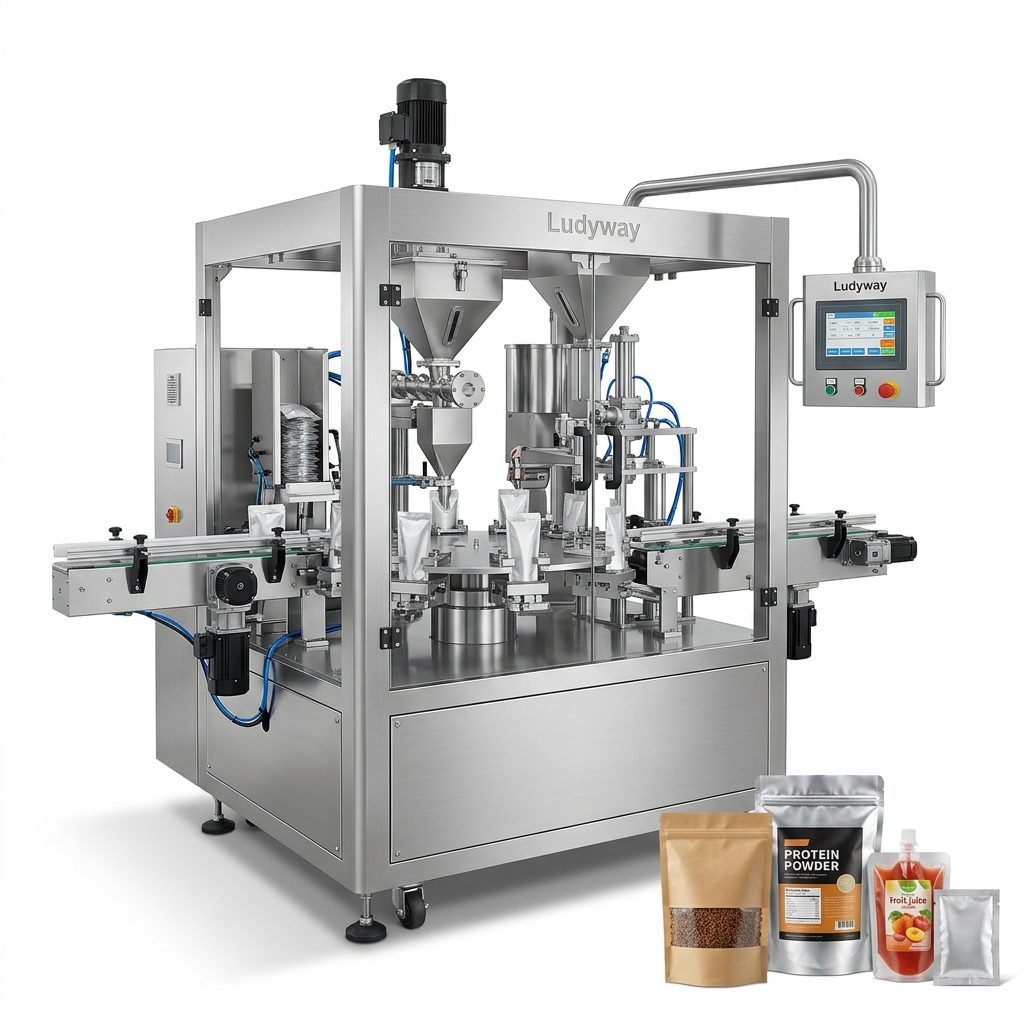
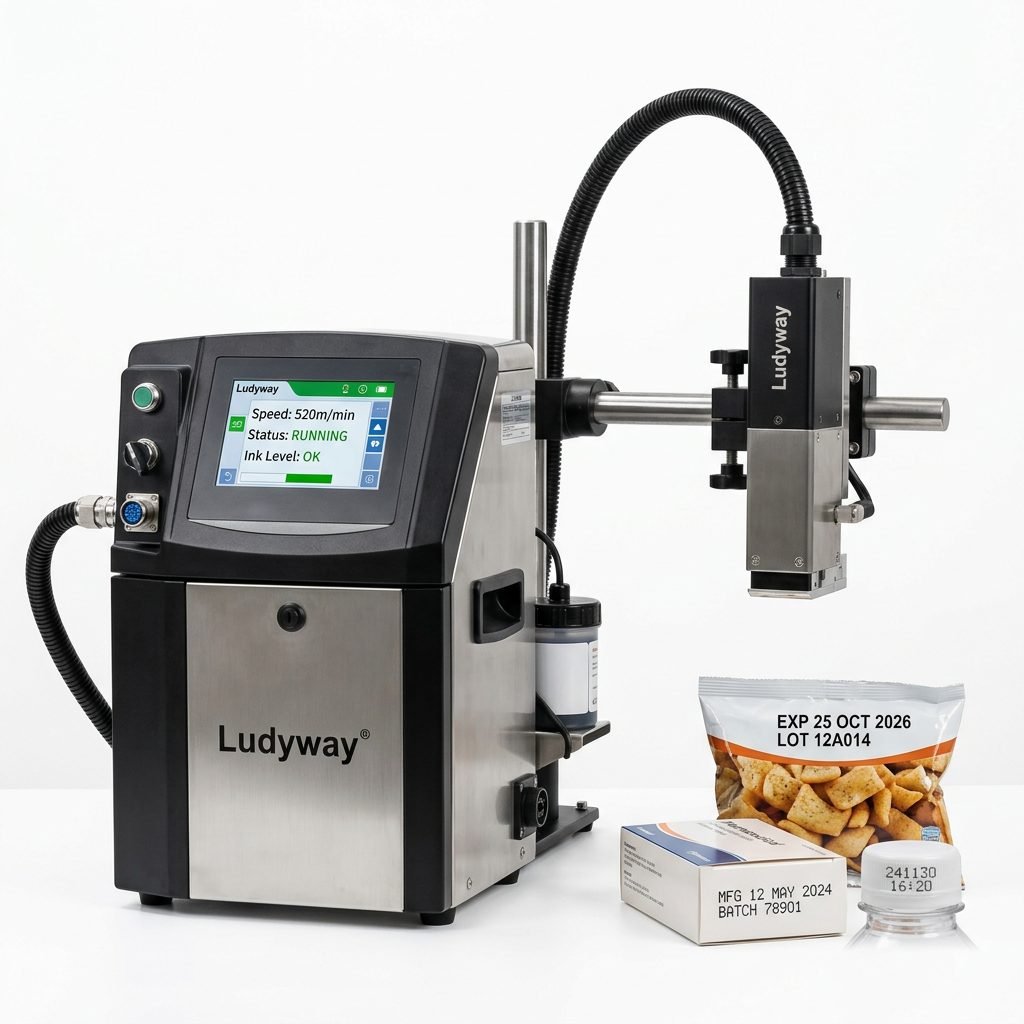
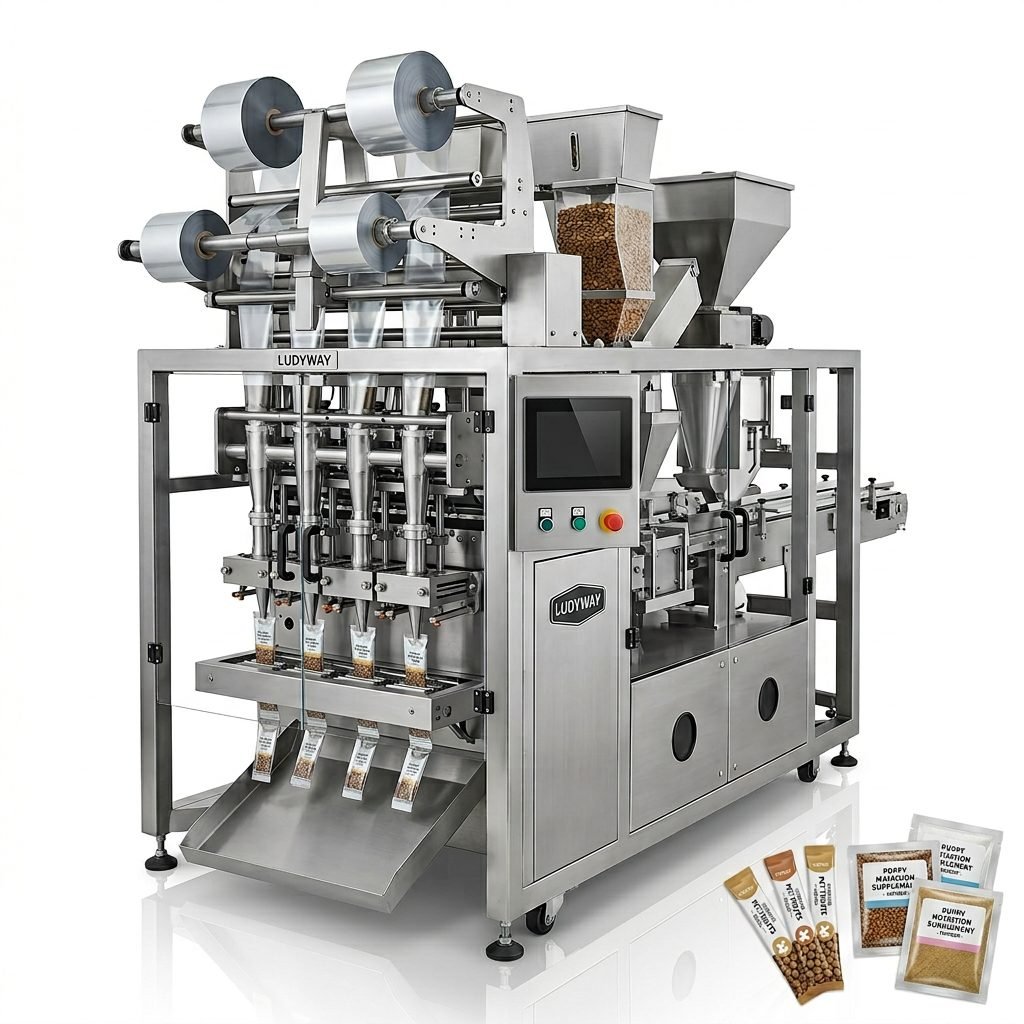
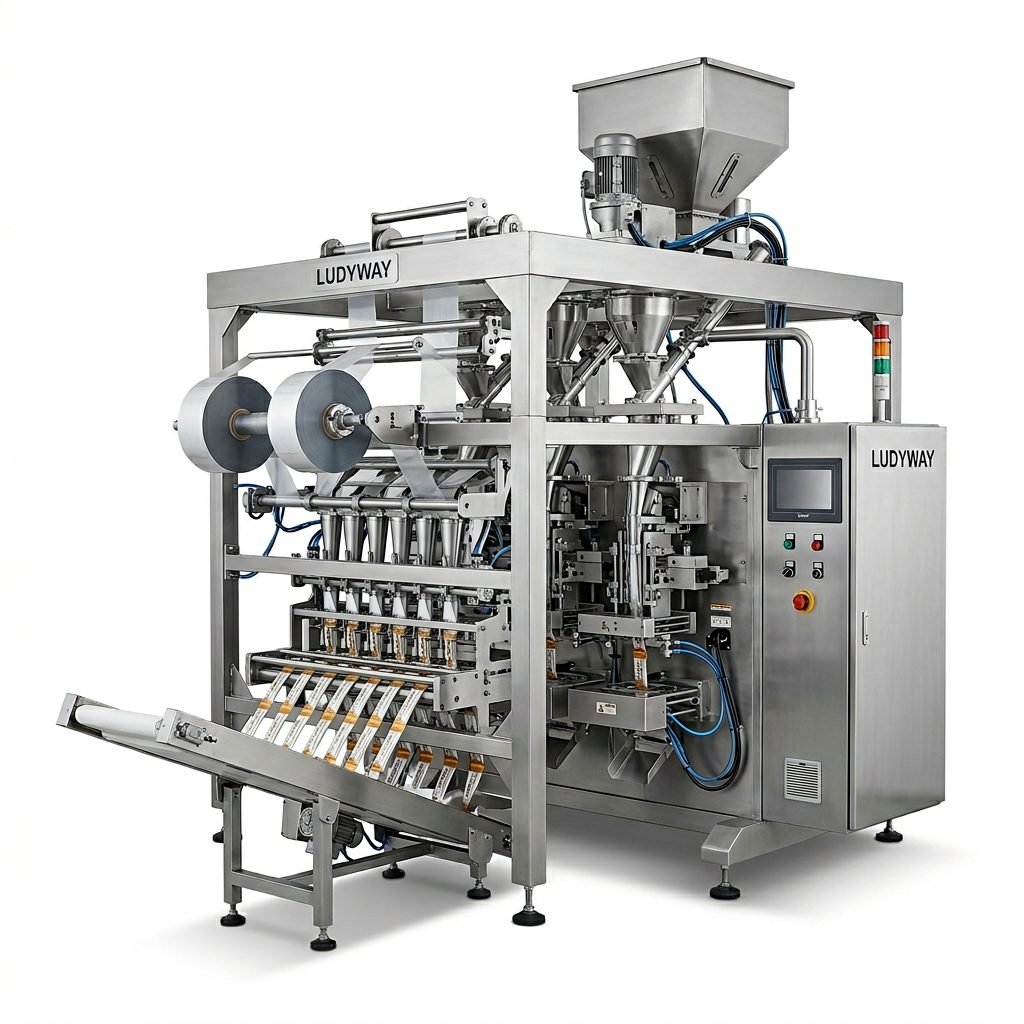
Ludyway provides a broad portfolio of automatic packaging equipment designed for different products, packaging formats, and production requirements. Its solutions cover powder, granule, liquid, stick pack, sachet, pouch, and other flexible packaging applications.
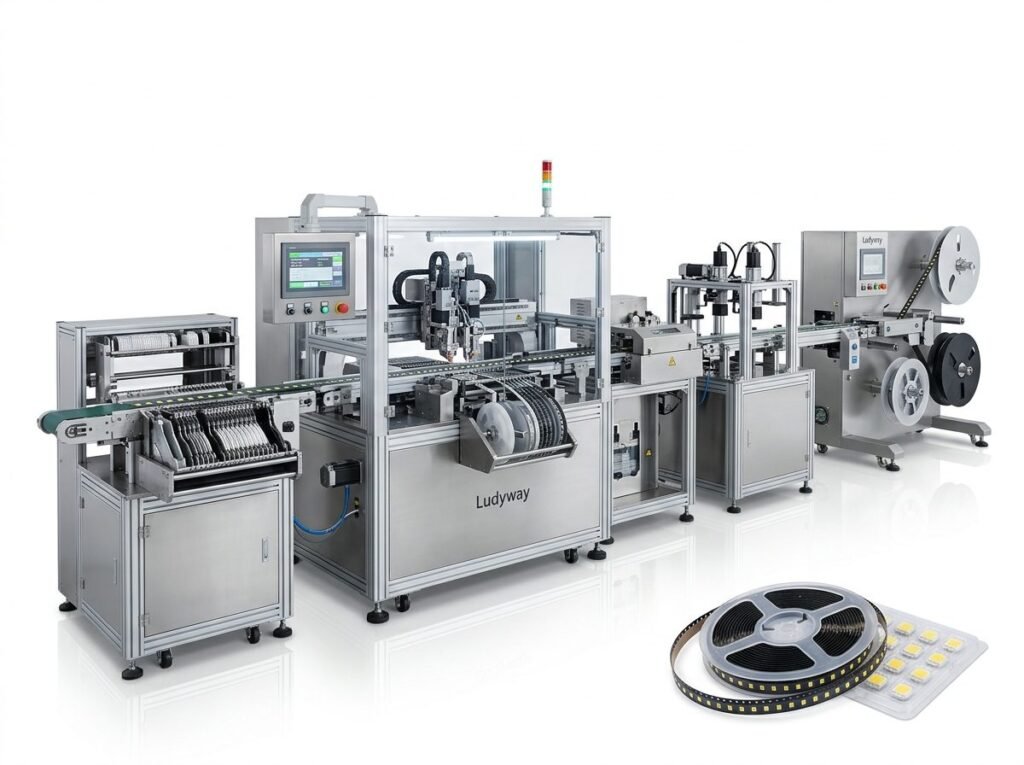
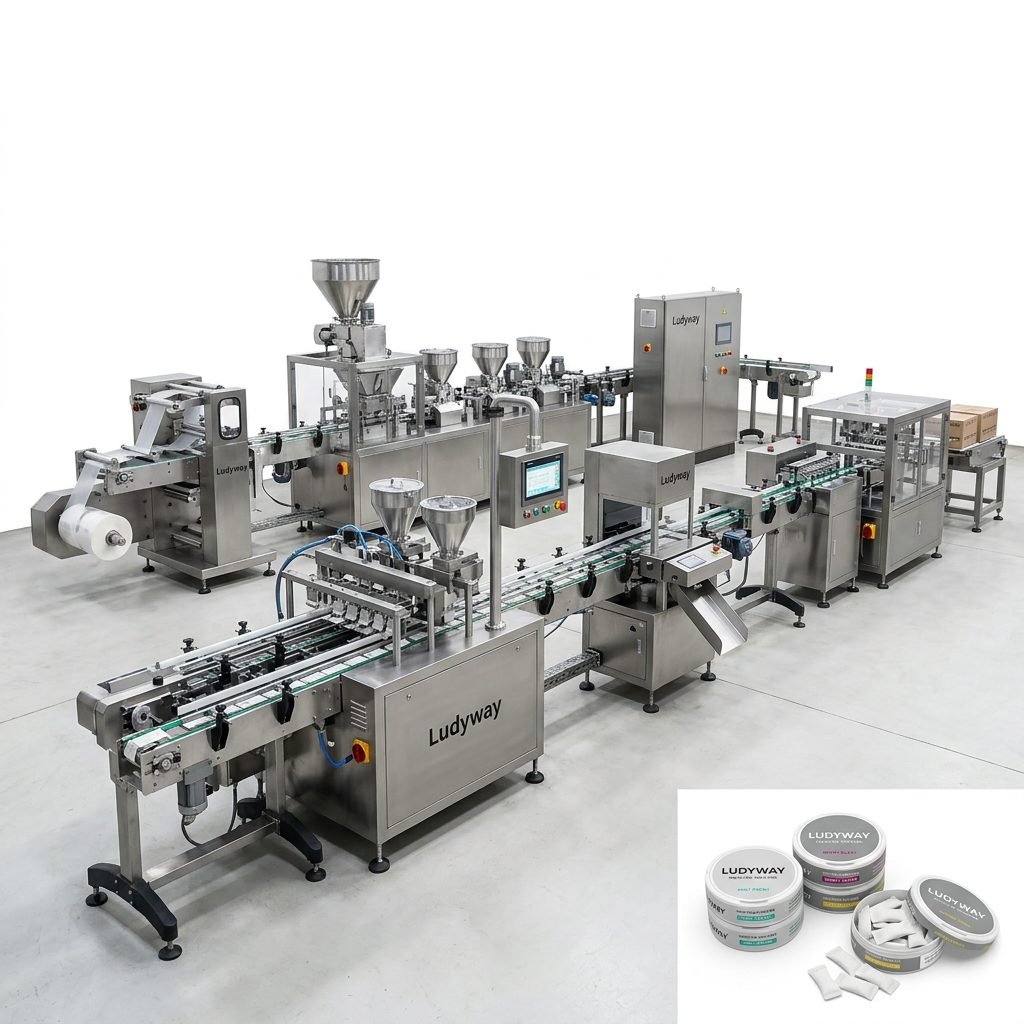
The company’s packaging machinery can be configured for different production speeds, filling volumes, packaging materials, and bag formats. In addition to individual machines, Ludyway provides integrated packaging systems and turnkey production line solutions that can connect multiple stages of the packaging process.
This approach enables customers to work with a single packaging machinery partner for equipment selection, system integration, customization, installation, commissioning, and technical support.
Manufacturing and Engineering Capabilities
As a packaging machinery manufacturer, Ludyway combines in-house manufacturing with engineering and automation expertise. Its team of packaging professionals works on mechanical design, filling and dosing systems, automation, control systems, packaging-line integration, and customized machine configurations.
Global Growth and Service Commitment
Ludyway serves customers in more than 100 countries and regions, providing packaging machinery for manufacturers in different international markets. Beyond equipment manufacturing, Ludyway provides technical support throughout the project lifecycle, including machine selection, packaging solution design, installation, commissioning, operator training, troubleshooting, spare parts support, and after-sales service.
Ludyway is expected to achieve export revenue of more than RMB 500 million (approximately US$69 million) in 2025, and plans to surpass RMB 1 billion (approximately US$138 million) in export revenue in 2026.
Compliance and Safety Standards for the ANZAC Region
Compliance is a pillar of packaging in Australia and New Zealand. Equipment must not only be safe to operate but also must produce packaging that meets food safety regulations. Whether it is primary packaging for medical devices or ready-to-eat meals, look for compliance with relevant food contact substance regulations and material traceability standards. Always confirm that your vacuum packaging machine can maintain the required seal integrity under varying temperature conditions during transport.
Maintenance and Downtime Prevention
Breakdowns in a high-throughput vacuum line can cost thousands per hour. When considering a machine, evaluate the availability of spare parts in Oceania. A robust machine design should minimize wear on sealing bars and offer easy access to pumps for oil changes. Remote technical assistance, as offered by leading global suppliers, is a crucial factor in maintaining uptime for manufacturers in remote parts of Western Australia or the South Island of New Zealand.
Frequently Asked Questions (FAQ)
| Question | Insight |
|---|---|
| What is the best vacuum packaging machine for wet products? | A double-chamber vacuum machine with a high-pressure oil pump is essential. It ensures the liquid does not boil over or break the seal. |
| Can I use a standard vacuum sealer for bulk meat export? | No. Export-grade packaging requires a conveyor-belt or large chamber machine with precise gas flushing and high-torque sealing to survive cold chain logistics. |
| Why choose a turnkey provider over a standard machine seller? | Turnkey providers, like Ludyway, integrate the vacuum sealer with upstream and downstream equipment (like weighing, labeling, and cartoning), ensuring perfect synchronization and a single point of responsibility. |