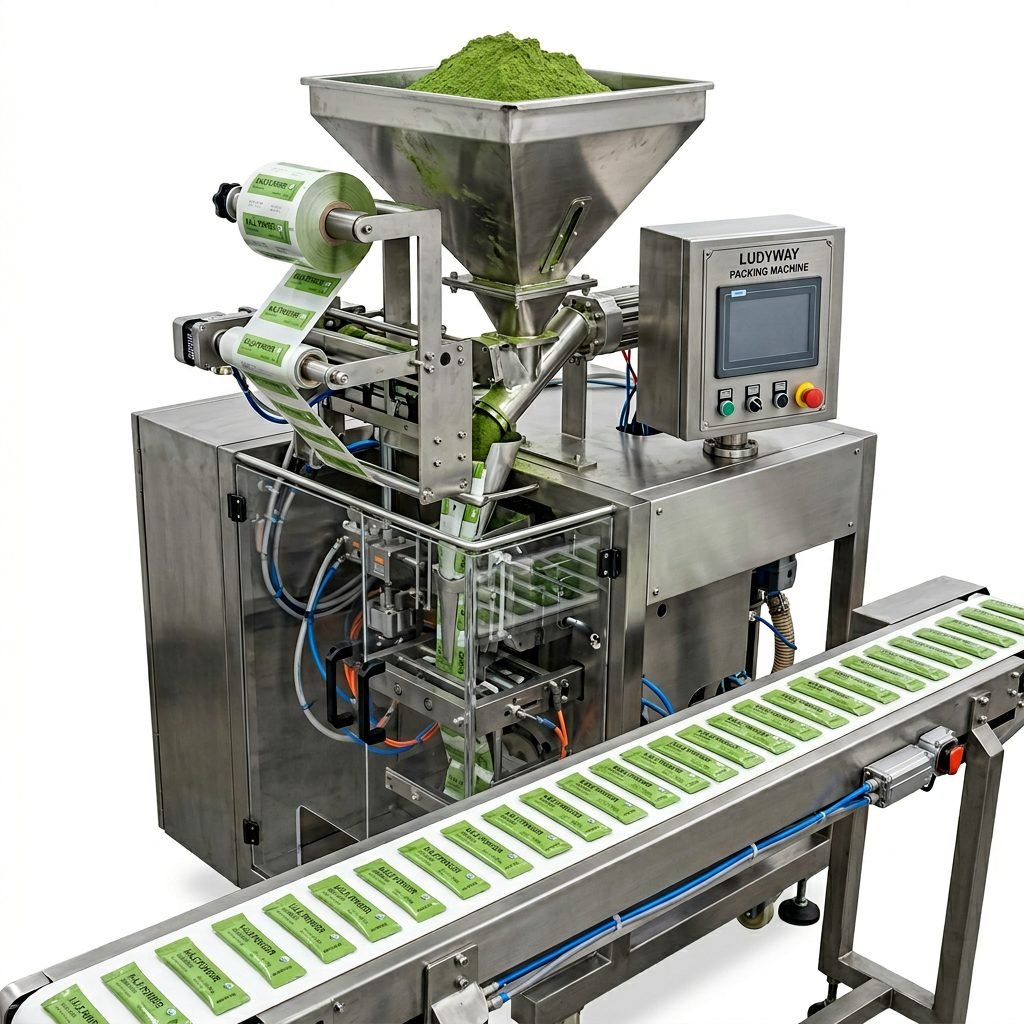
Investing in a vacuum seal packaging machine is a critical decision for food processors, pharmaceutical manufacturers, and industrial operations across the United States. Whether you are preserving perishable goods, extending shelf life, or ensuring sterile packaging for medical products, choosing the right equipment can dramatically impact your bottom line. This guide walks you through every essential factor to consider before purchasing a vacuum packaging machine for your American business.

Why Vacuum Seal Packaging Matters for U.S. Businesses
Vacuum packaging technology removes air from the package prior to sealing, creating an oxygen-depleted environment that significantly extends product shelf life. In the United States, where supply chain efficiency and food safety regulations are paramount, vacuum sealing has become indispensable across multiple industries:
- Food Processing: Preserves freshness of meats, cheeses, produce, and prepared meals for retail and food service distribution.
- Pharmaceutical Manufacturing: Maintains sterility and protects sensitive medical devices and drug products from contamination.
- Industrial Applications: Safeguards electronic components, chemicals, and precision parts from moisture and oxidation during shipping and storage.
- E-commerce Food Delivery: Supports the rapidly growing direct-to-consumer meal kit and specialty food market across the U.S.
According to the PMMI Business Intelligence Library, the North American packaging machinery market continues to show strong growth, driven by automation demands and food safety requirements.

Key Factors to Consider When Buying a Vacuum Sealing Machine
Before making a purchase, evaluate the following critical specifications to ensure the machine aligns with your production goals and operational environment in the United States.
Chamber Type vs. External Nozzle Systems
One of the first decisions you will face is choosing between chamber vacuum sealers and external nozzle machines. Chamber models pull a complete vacuum inside a sealed chamber, making them ideal for high-volume operations and liquid-rich products. External nozzle systems are more compact and budget-friendly but offer less consistency for heavy-duty use. For U.S. food manufacturers subject to FDA food packaging regulations, chamber systems typically provide better compliance with sanitation standards.
Pump Strength and Vacuum Level
Measured in cubic meters per hour (m³/h) or inches of mercury (inHg), pump capacity directly determines how quickly and thoroughly air is evacuated. Industrial applications requiring high-throughput production demand robust pumps capable of sustained operation. Look for machines with oil-lubricated rotary vane pumps for durability, or dry pumps for cleaner maintenance environments.
Seal Bar Length and Configuration
The seal bar determines the maximum bag width your operation can handle. Common sizes range from 12 inches for small-scale operations to over 40 inches for industrial packaging lines. Some advanced vacuum packaging machines feature dual seal bars or customizable configurations to accommodate multiple bag sizes simultaneously, increasing throughput for diverse product lines.
Construction Materials and Washdown Compliance
Stainless steel construction is strongly recommended for food and pharmaceutical applications in the U.S., where USDA and FDA oversight requires equipment that can withstand rigorous sanitation protocols. Machines built with 304 or 316 stainless steel offer superior corrosion resistance and easier cleaning. Some facilities also require IP65 or IP66 washdown ratings for equipment exposed to high-pressure cleaning systems.

Comparing Vacuum Packaging Machine Types at a Glance
The following table provides a quick reference for comparing different vacuum packaging systems commonly deployed in U.S. manufacturing environments.
| Machine Type | Best Suited For | Vacuum Level | Typical Price Range (USD) |
|---|---|---|---|
| Single Chamber Vacuum Sealer | Small to medium food processors, delis, restaurants | High (up to 99.8% vacuum) | $2,000 – $15,000 |
| Double Chamber Vacuum Machine | High-volume meat and seafood processing plants | Very High | $8,000 – $40,000 |
| External Nozzle Vacuum Sealer | Home use, small retail, low-volume commercial | Moderate | $100 – $2,000 |
| Belt-Driven Continuous Vacuum System | Large-scale industrial production lines | Configurable High | $30,000 – $150,000+ |
| Thermoforming Vacuum Packaging Line | Automated food factories, ready-meal producers | Very High with gas flush option | $50,000 – $300,000+ |
Pricing varies based on automation level, pump capacity, chamber dimensions, and compliance certifications required for U.S. market entry. For detailed industry data, consult the PMMI State of the Industry Reports.
Regulatory Compliance and Safety Standards in the United States
Operating a vacuum packaging machine in the U.S. requires adherence to several regulatory frameworks. Understanding these before purchasing can save significant time and expense during installation and inspection.
- FDA 21 CFR Compliance: Machines used for food packaging must not introduce contaminants and should be designed for cleanability. Review FDA Packaging and Food Contact Substances guidance for full requirements.
- UL and ANSI Certification: Electrical safety certifications from Underwriters Laboratories (UL) or compliance with ANSI standards are often mandatory for insurance and workplace safety in U.S. facilities.
- USDA Approval: Facilities handling meat, poultry, and certain agricultural products must use USDA-approved equipment that meets sanitary design criteria.
- ISO 11607 Standards: For medical device packaging, compliance with ISO 11607 Packaging for Terminally Sterilized Medical Devices is essential.
Automation Features That Boost U.S. Manufacturing Efficiency
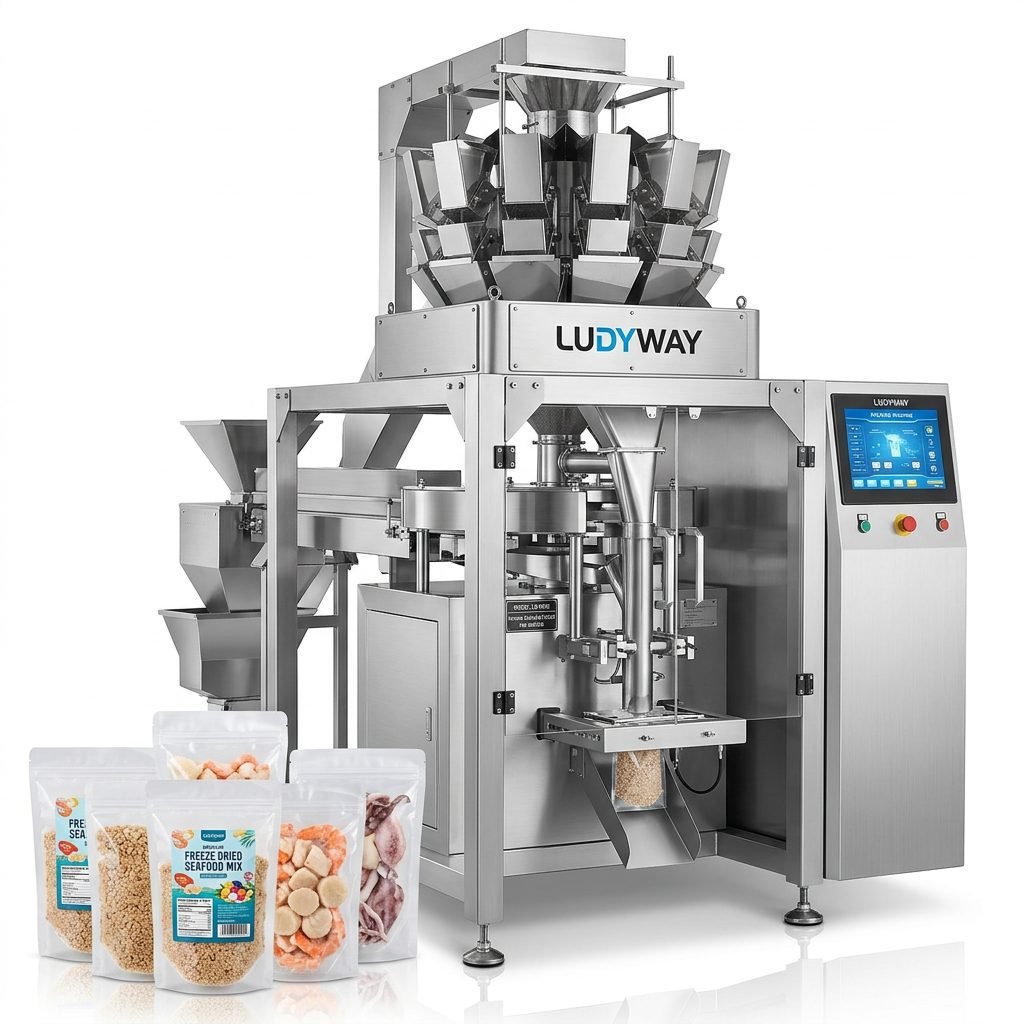
Modern vacuum seal packaging machines increasingly incorporate smart automation technologies that reduce labor costs and improve consistency. Key features to look for include programmable logic controllers (PLC) with touch-screen interfaces, automatic bag detection and positioning, gas flush capabilities for modified atmosphere packaging (MAP), and integration-ready communication protocols for connecting to centralized production monitoring systems. These features align with the broader U.S. manufacturing trend toward Industry 4.0 and smart factory initiatives.
Maintenance and Long-Term Operating Costs
Beyond the initial purchase price, consider the total cost of ownership over the machine’s expected lifespan, which for industrial-grade equipment typically ranges from 10 to 20 years with proper maintenance. Key ongoing expenses include:
- Pump oil changes every 500–1,000 operating hours for oil-lubricated pumps
- Seal bar replacement due to wear from heat and pressure cycles
- Gasket and O-ring replacement to maintain proper vacuum seal integrity
- Routine calibration and sensor verification for automated systems
- Technical training for operators to maximize machine uptime
Selecting a machine with readily available spare parts and responsive technical support within the United States can dramatically reduce downtime. The Flexible Packaging Association offers additional resources on maintaining packaging equipment efficiency.
Energy Efficiency and Sustainability Considerations
With rising energy costs and increasing corporate sustainability commitments across the U.S., energy-efficient vacuum packaging machinery has become a priority. Look for machines with variable speed drives that adjust pump operation based on actual demand, low-energy standby modes, and efficient heat-sealing systems that minimize electricity consumption. The U.S. EPA Sustainable Materials Management program provides guidance on reducing packaging waste and improving operational sustainability.
Making the Final Decision: Domestic vs. International Suppliers
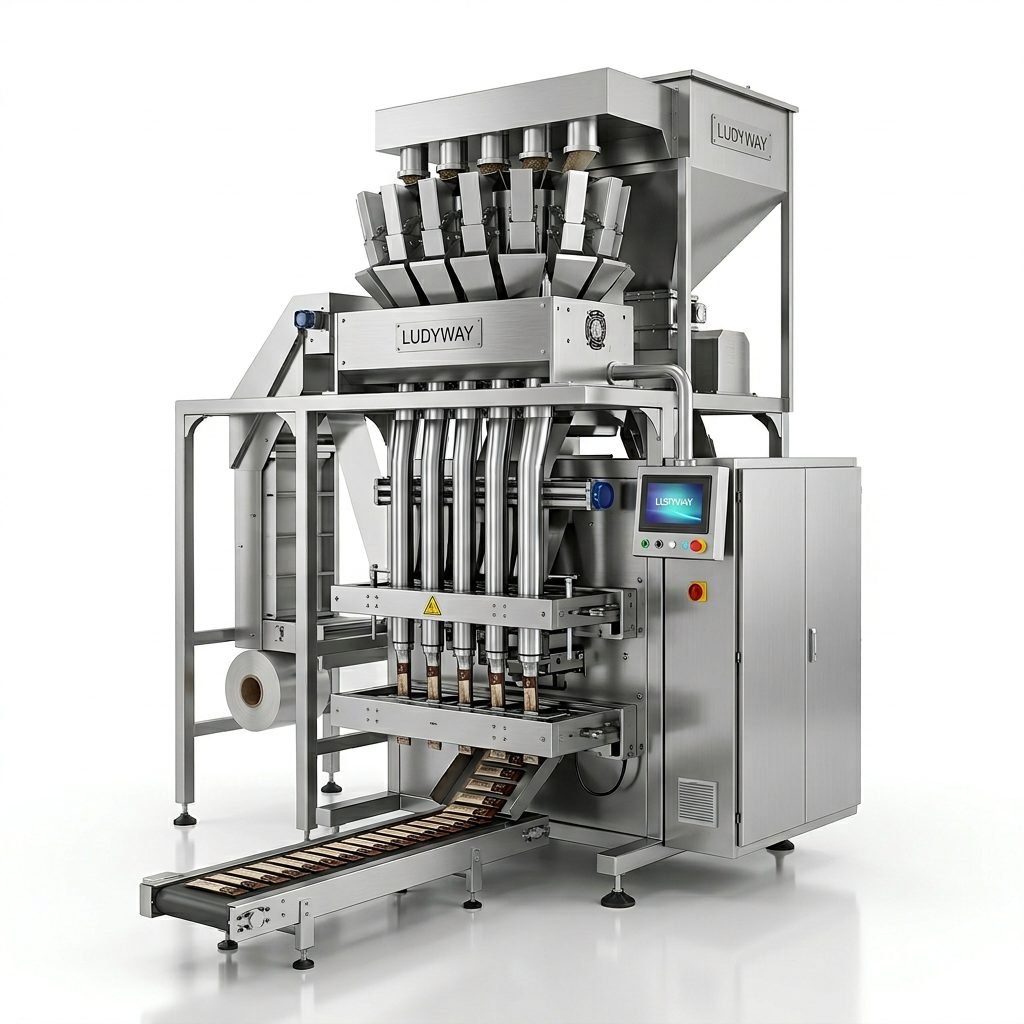
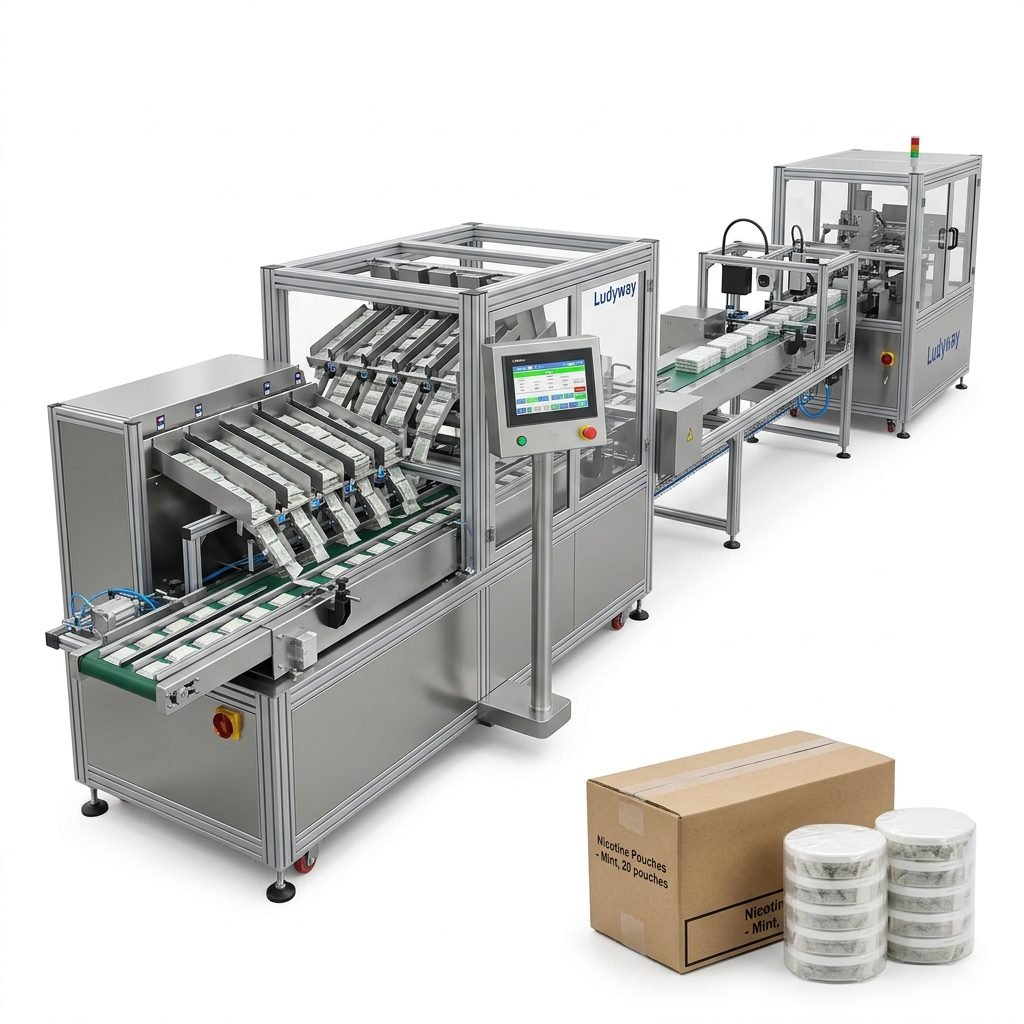
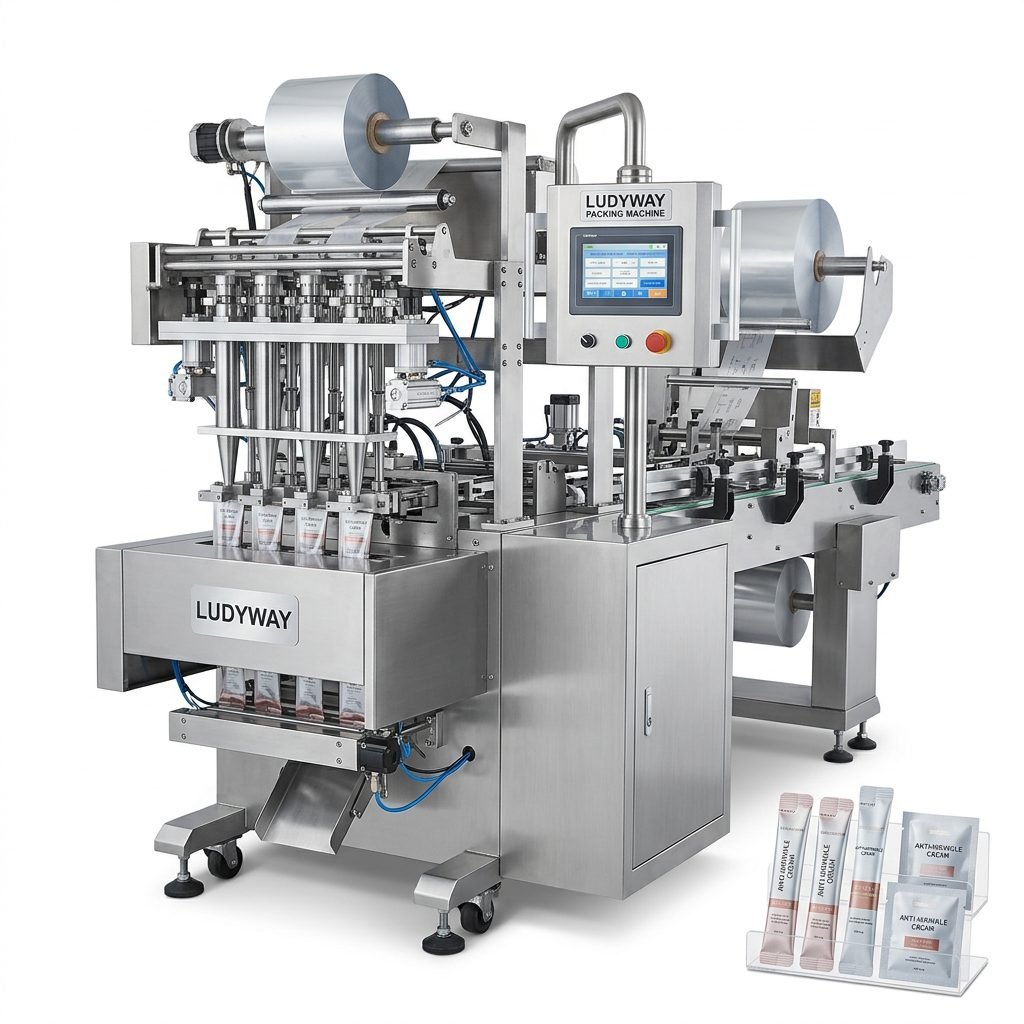
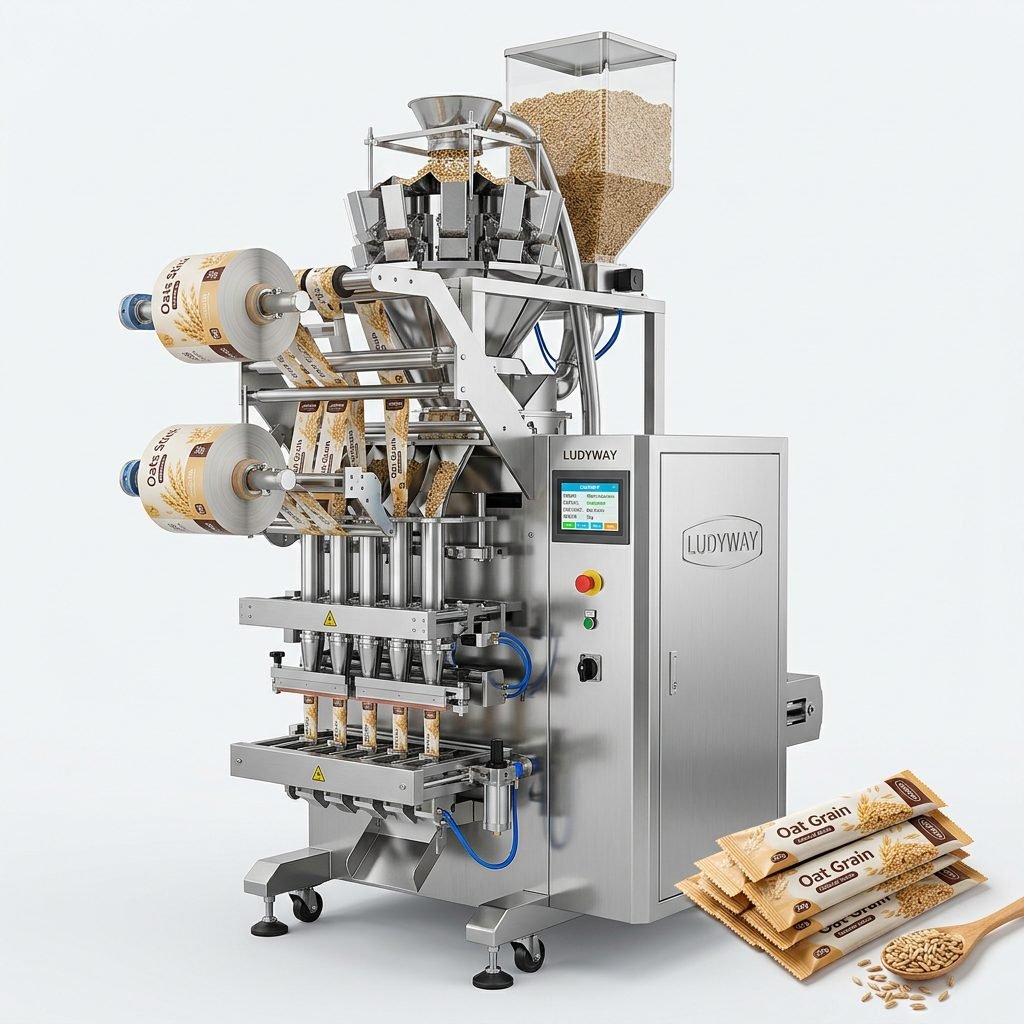
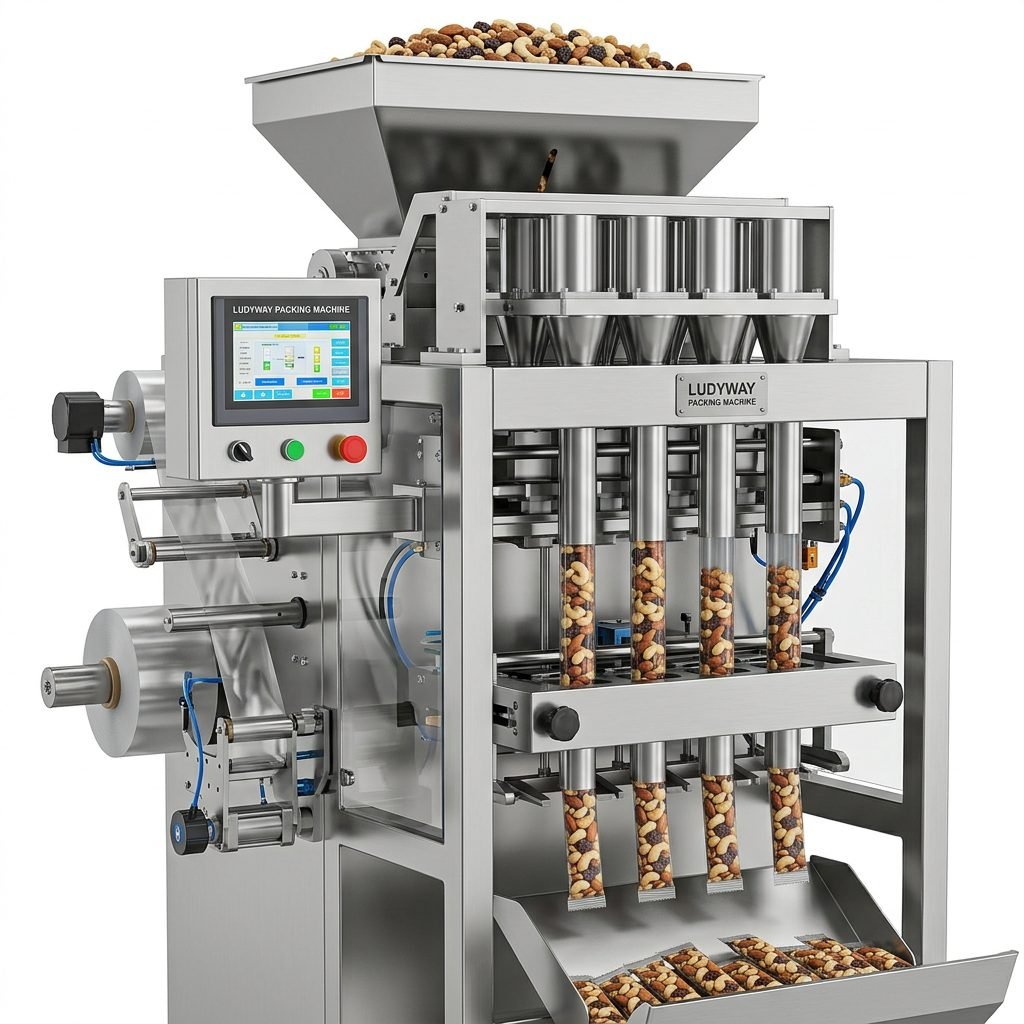
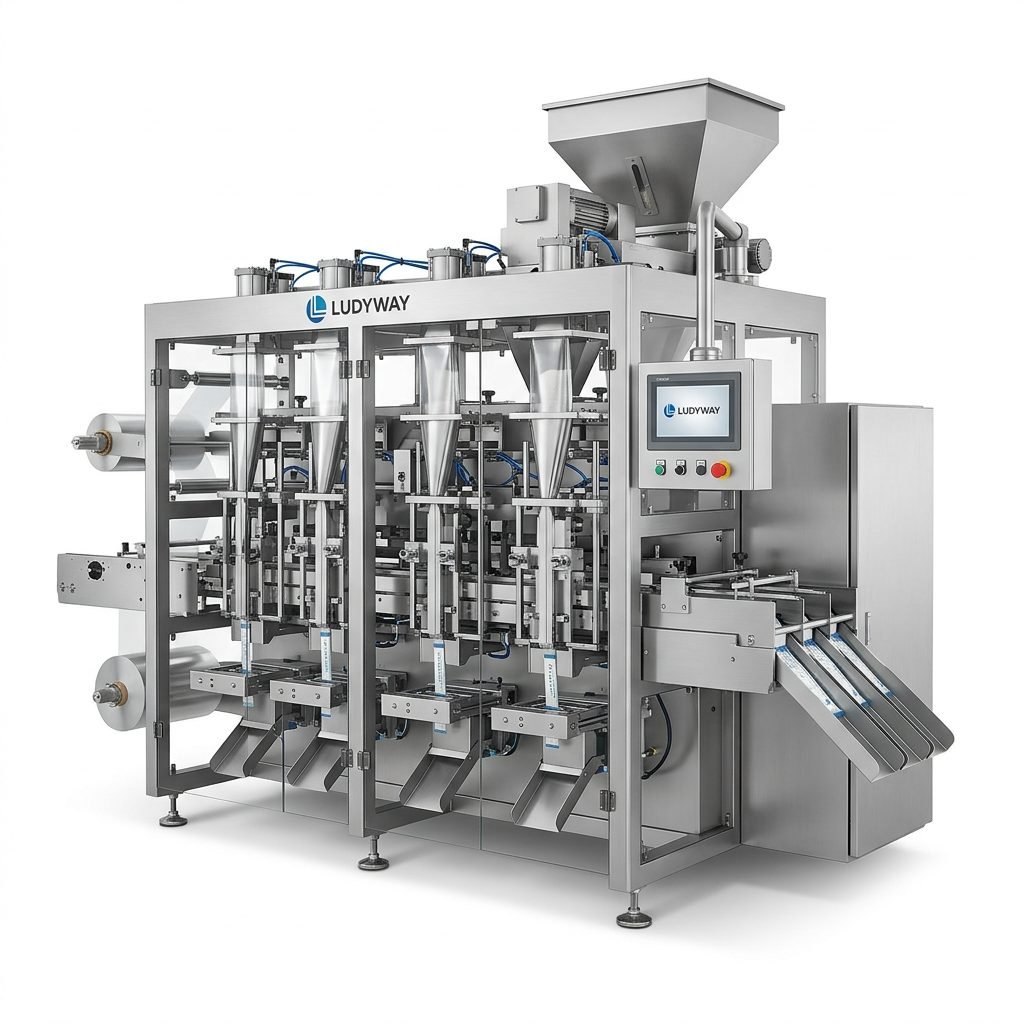
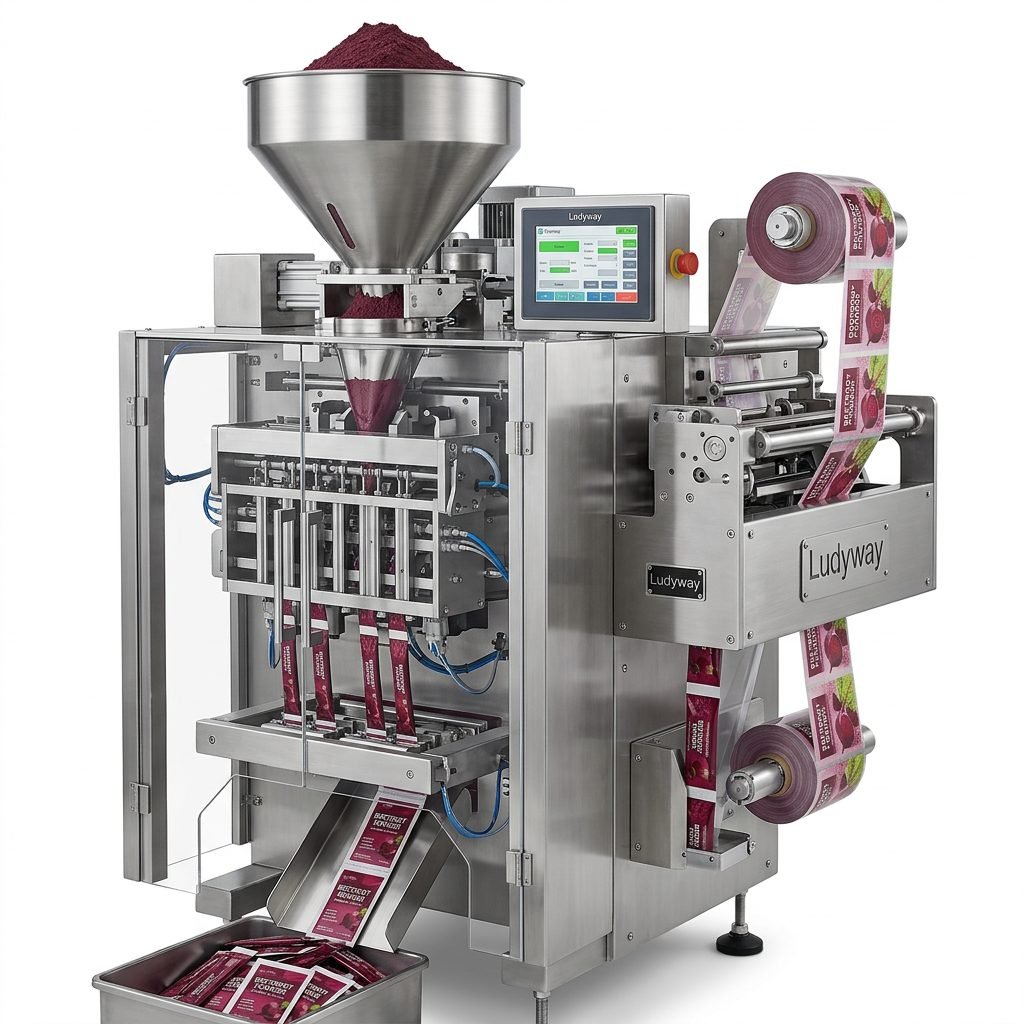
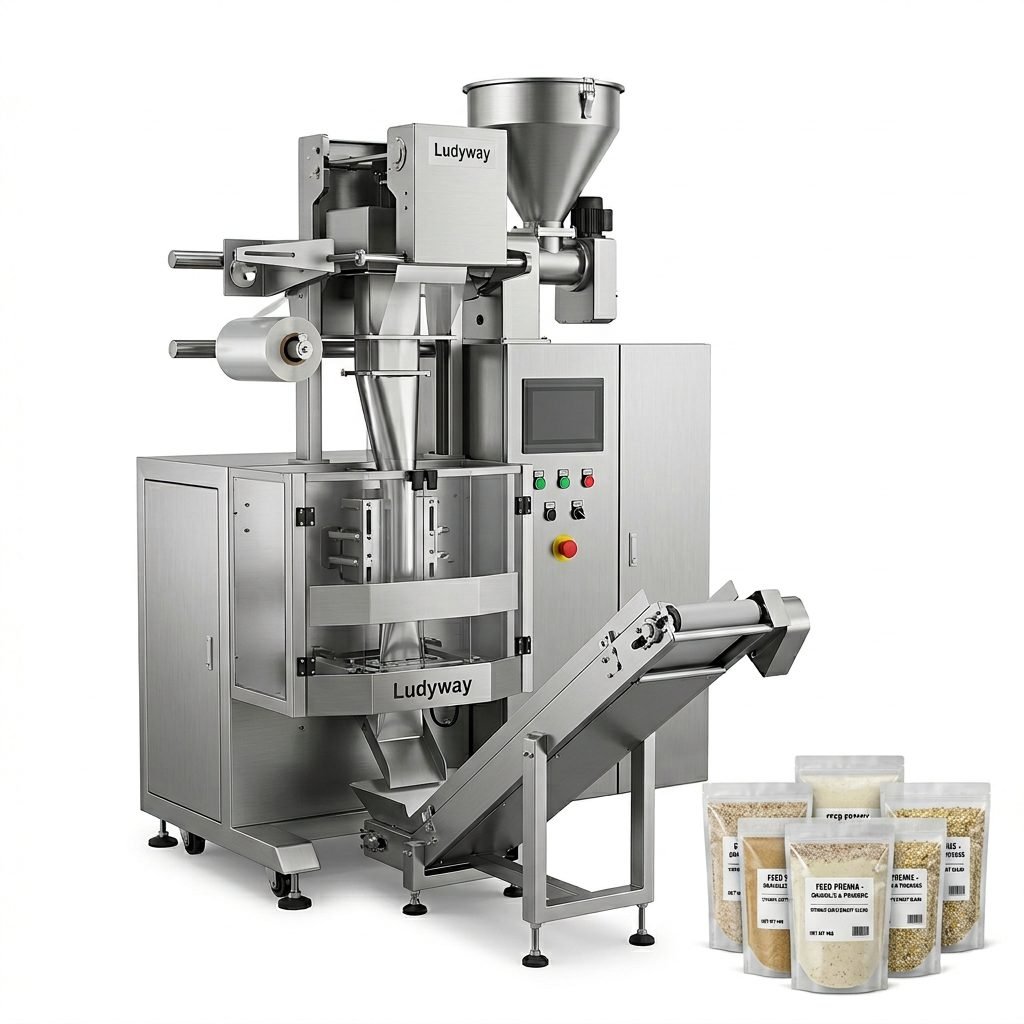
U.S. buyers often weigh the tradeoffs between domestic equipment manufacturers and international suppliers. Domestic suppliers may offer faster delivery and localized support, while international manufacturers—particularly those with established global engineering capabilities—can provide highly competitive pricing with advanced technology. One notable example is Ludyway, one of the largest packaging machine manufacturers in China, which serves customers in over 100 countries with more than 50 intelligent packaging machine models and a modern 20,000㎡ manufacturing facility. When evaluating any supplier, verify their track record in the U.S. market, request references from American clients, and confirm that their equipment meets all applicable regulatory standards.
Frequently Overlooked Considerations
Several factors that buyers frequently overlook can significantly impact the success of a vacuum packaging machine deployment:
- Facility electrical requirements: Verify whether the machine requires 208V, 230V, or 460V three-phase power, which is common in U.S. industrial settings.
- Compressed air availability: Some pneumatic-driven systems require a dedicated compressed air supply with specific pressure and dryness specifications.
- Bag material compatibility: Ensure the machine seals effectively with your chosen film types—polyethylene, nylon, EVOH barrier films, and foil laminates each have different sealing characteristics.
- Noise levels: Industrial vacuum pumps can generate significant noise; consider sound-dampening enclosures if operating near personnel.
- Future scalability: Select a machine platform that can accommodate production growth without requiring complete replacement within 3–5 years.

Key Takeaways for U.S. Buyers
Purchasing a vacuum seal packaging machine in the United States requires careful evaluation of your production volume, product characteristics, regulatory obligations, and long-term operational budget. Prioritize machines with robust stainless steel construction, adequate pump capacity for your throughput needs, and certifications that satisfy FDA, USDA, and workplace safety requirements. Whether you source domestically or internationally, the goal remains the same: reliable, efficient vacuum packaging that protects your products and strengthens your brand reputation in the competitive American marketplace.
For further guidance, explore resources from the PMMI Association for Packaging and Processing Technologies, the Flexible Packaging Association, and the European Commission Packaging Regulations for international compliance perspectives.