Selecting the right packaging machinery is a critical decision that directly impacts your production efficiency, product quality, and overall operational costs. With a vast array of equipment types available, from simple sachet machines to complex turnkey lines, navigating the options can be challenging. This guide will explore the top packaging machinery equipment types and provide a clear framework to help you choose the perfect system for your specific production needs, ensuring you invest in a solution that drives growth and reliability.
Understanding Core Packaging Machinery Types
The packaging machinery landscape is diverse, with each type designed for specific formats, materials, and production speeds. Understanding these core categories is the first step toward making an informed choice.
Vertical Form-Fill-Seal (VFFS) Machines
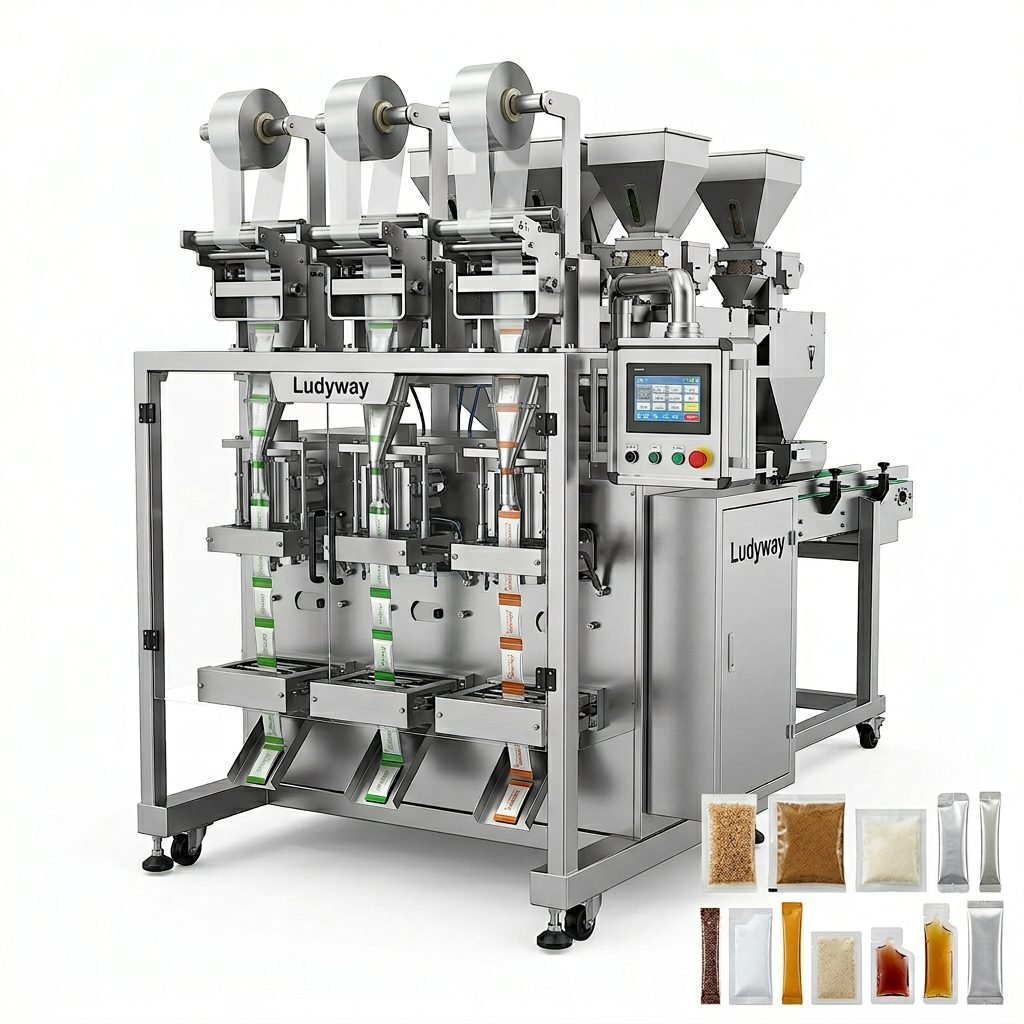
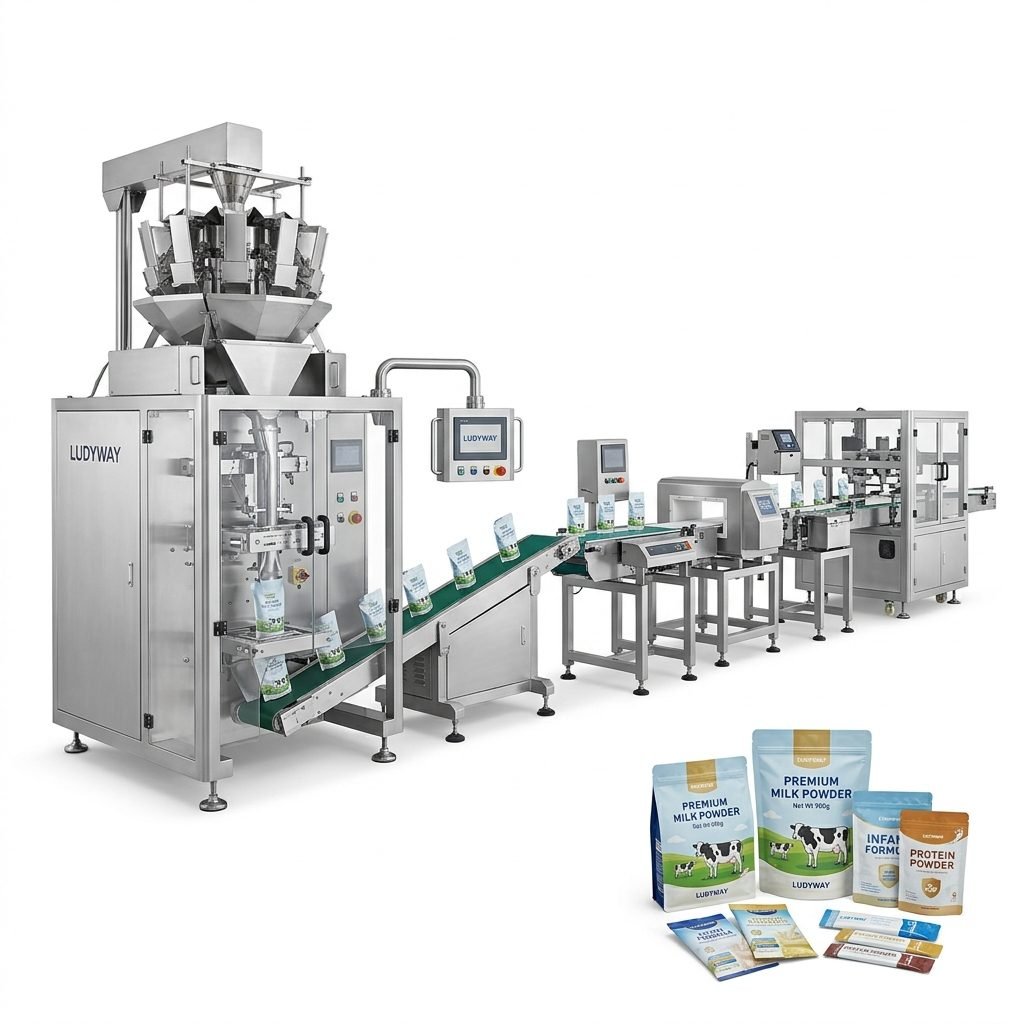
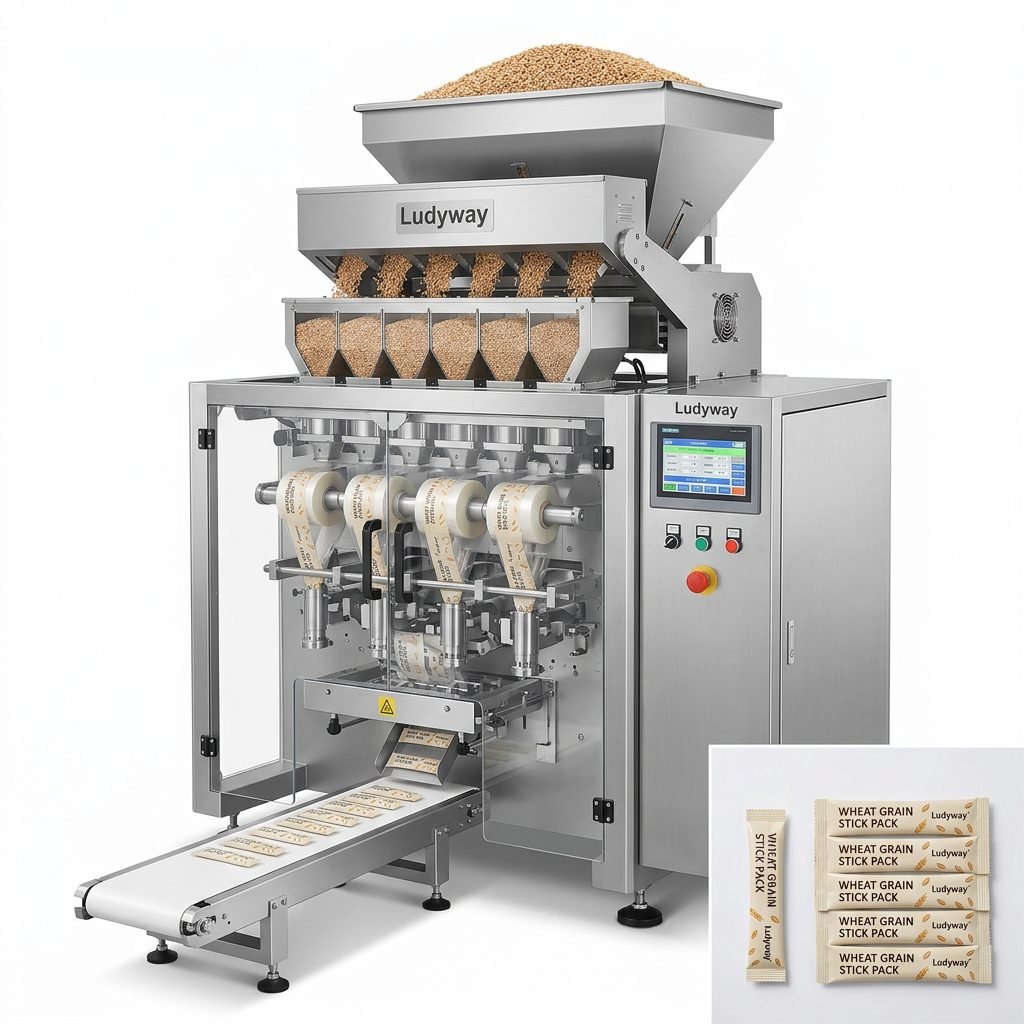
These are among the most common and versatile machines. They form a bag from a roll of film, fill it with product, and then seal it—all in a continuous vertical motion. Ideal for granules, powders, seeds, and small parts. They offer flexibility in bag size and can be integrated with multi-head weighers for high-speed, accurate filling.
Horizontal Form-Fill-Seal (HFFS) Machines
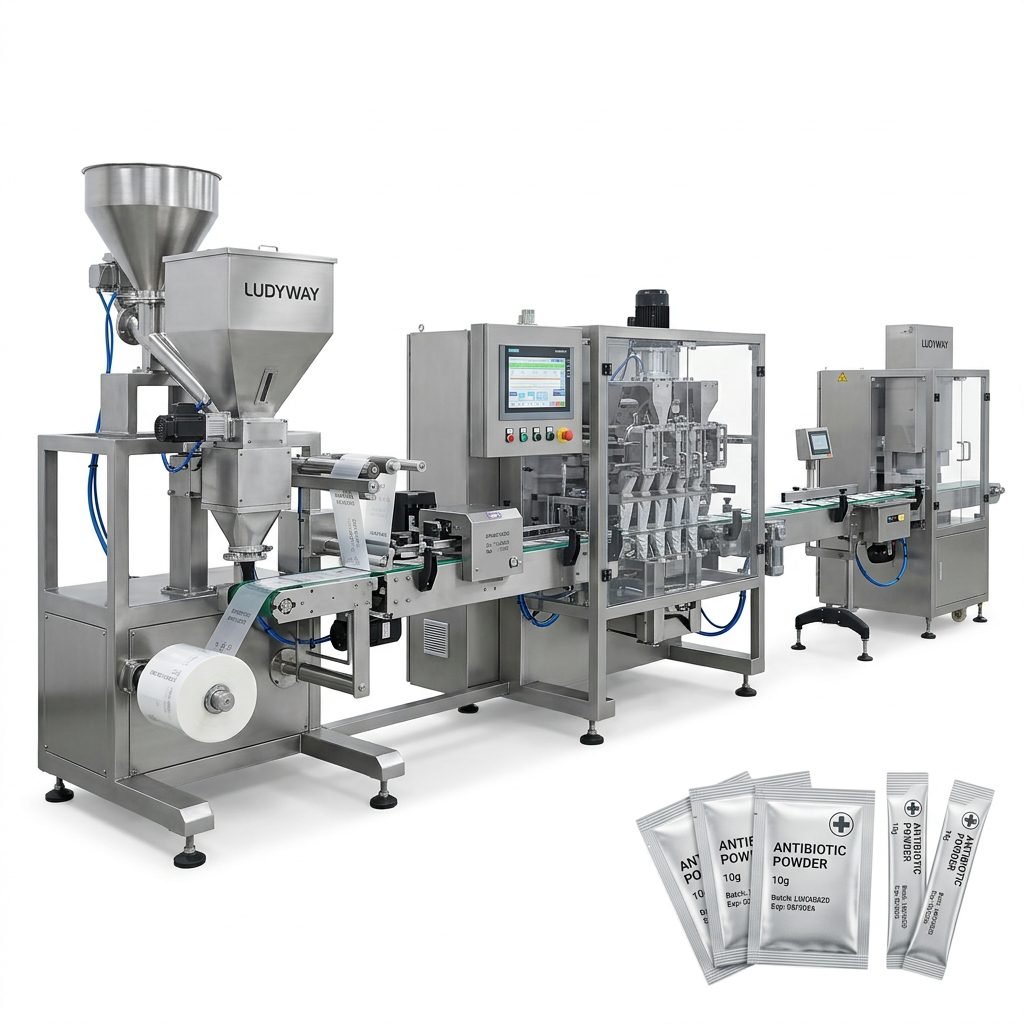
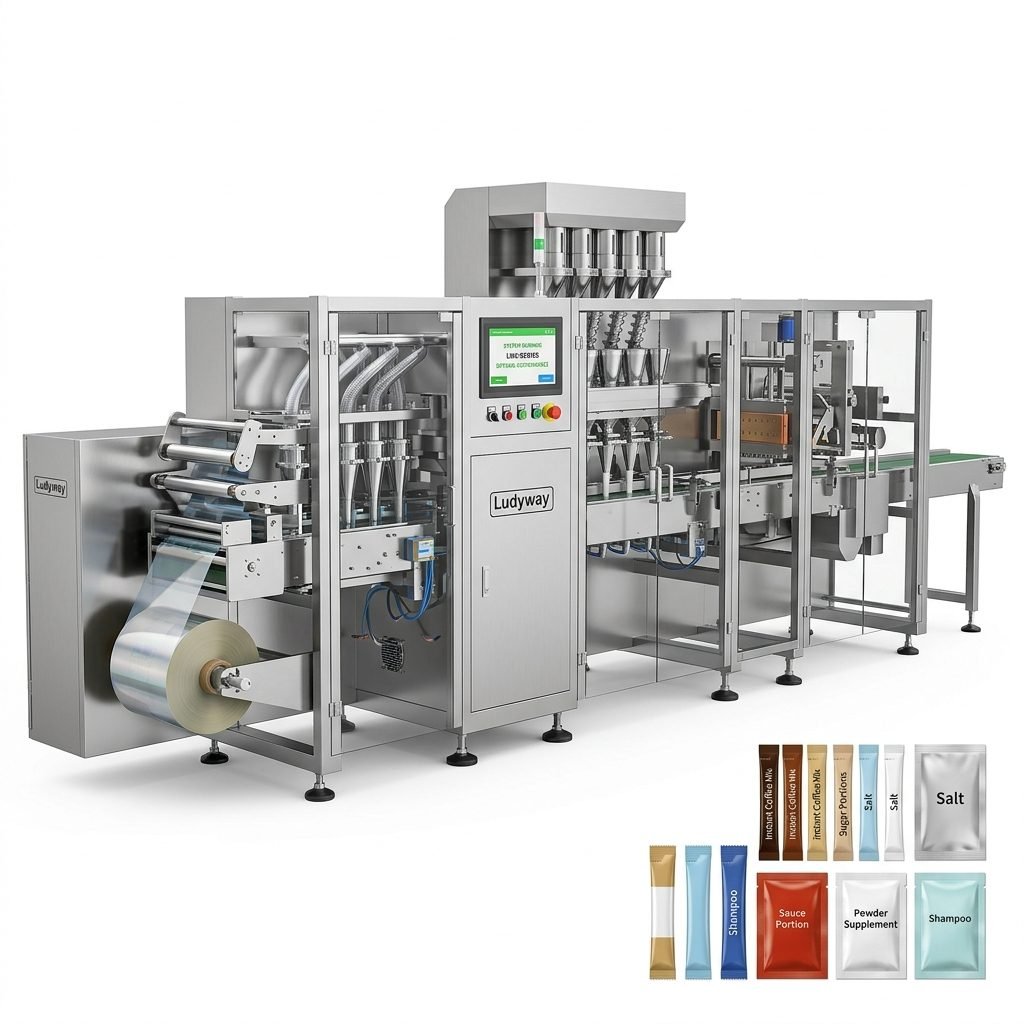
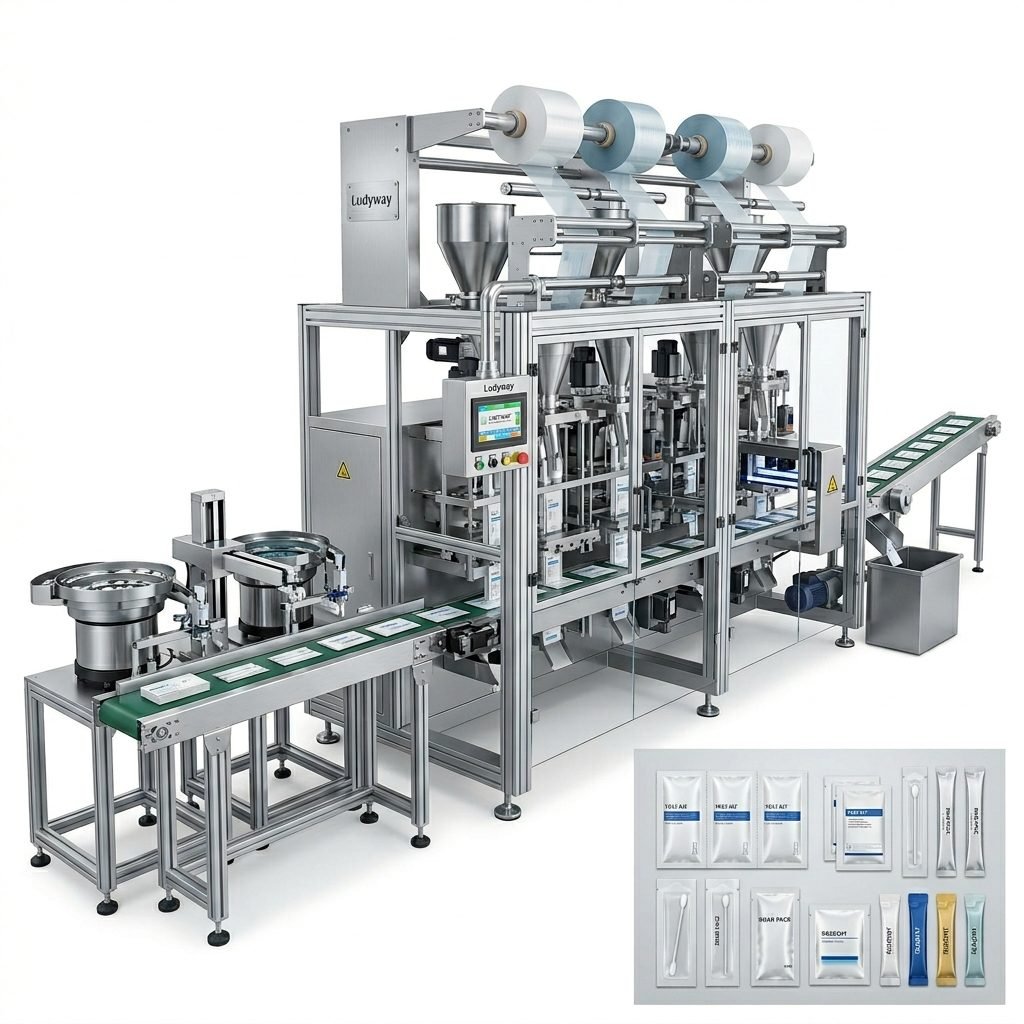
HFFS machines create pouches in a horizontal plane. They are typically used for producing stick packs, sachets, and larger pillow pouches. This type is excellent for single-serve portions of products like sugar, coffee creamer, sauces, or pharmaceutical powders. Their design often allows for easier cleaning and quick changeover between different pouch sizes.
Liquid & Paste Filling Machines
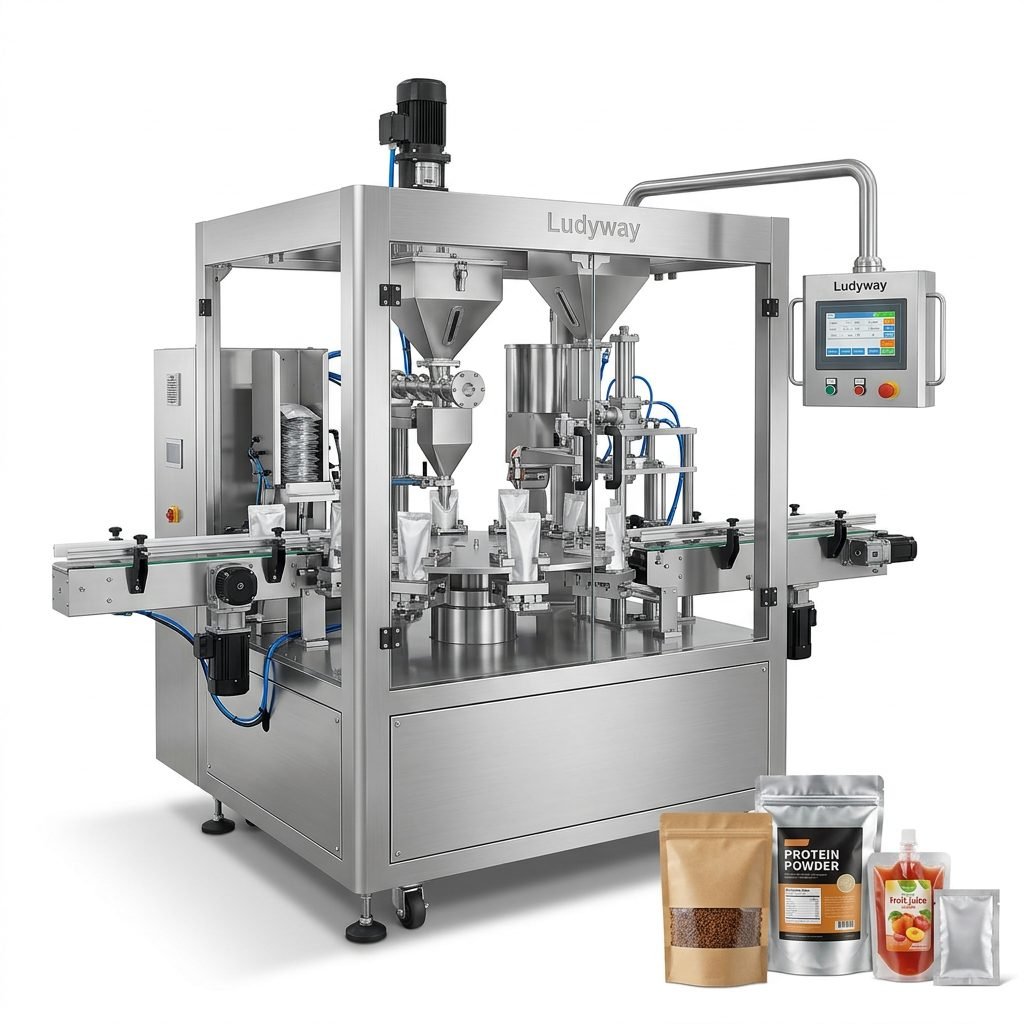
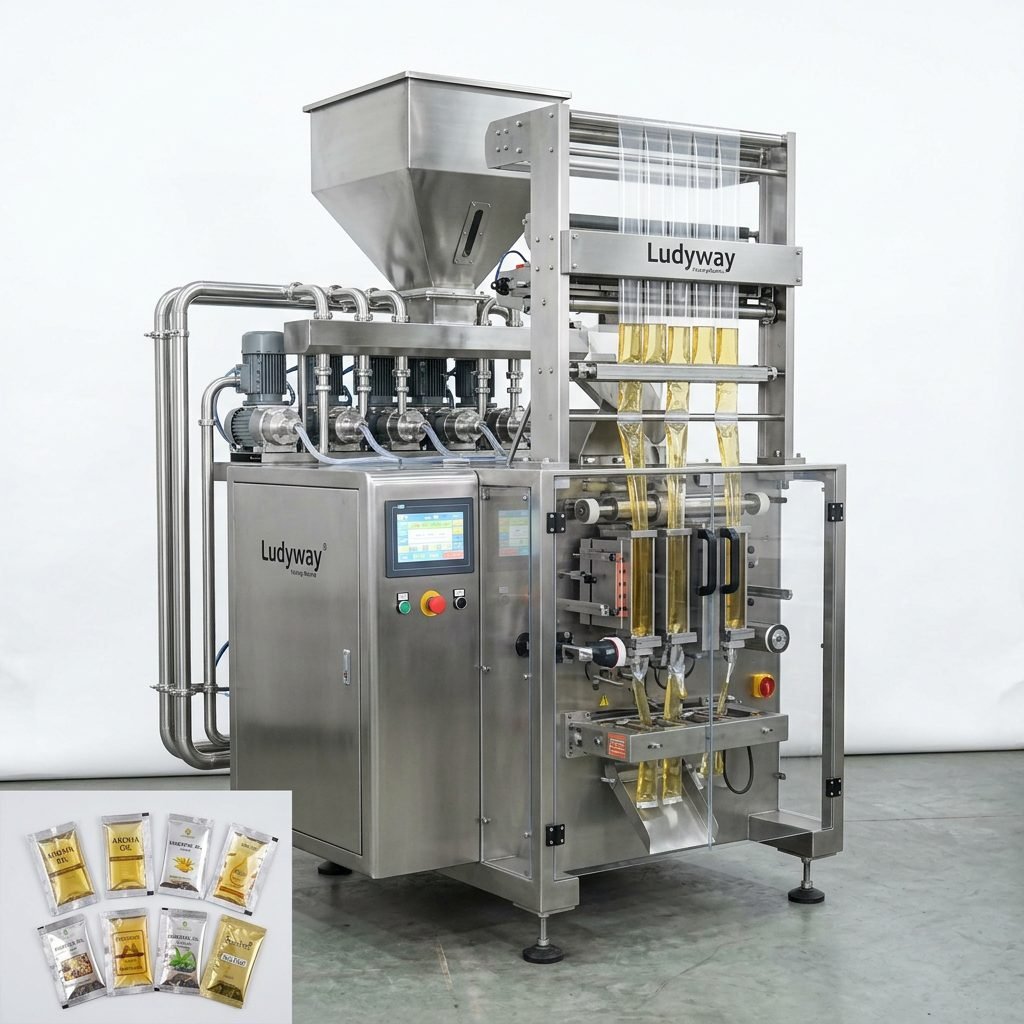
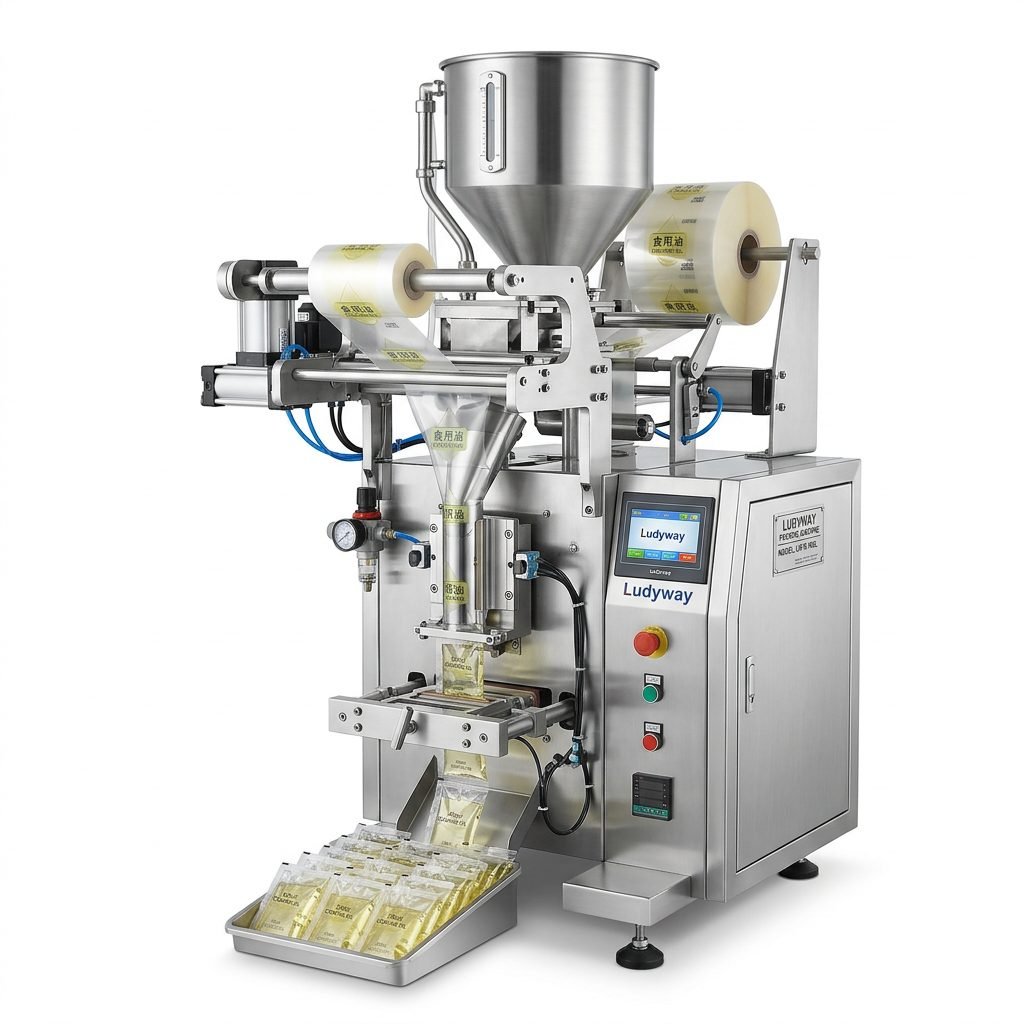
Designed specifically for viscous products, these systems range from simple semi-automatic piston fillers to fully automated rotary filling lines. They handle products like sauces, oils, creams, and shampoos. Key considerations include filling accuracy, compatibility with product viscosity, and the ability to handle foamy or abrasive liquids without contamination.
Cartoning & Case Packing Systems
This equipment automates the secondary packaging stage. Cartoners erect, load, and seal folded cartons, while case packers place multiple finished primary packages into shipping cases. These systems are crucial for achieving high-volume output and reducing manual labor in the final stages of the packaging line.
Turnkey Integrated Packaging Lines
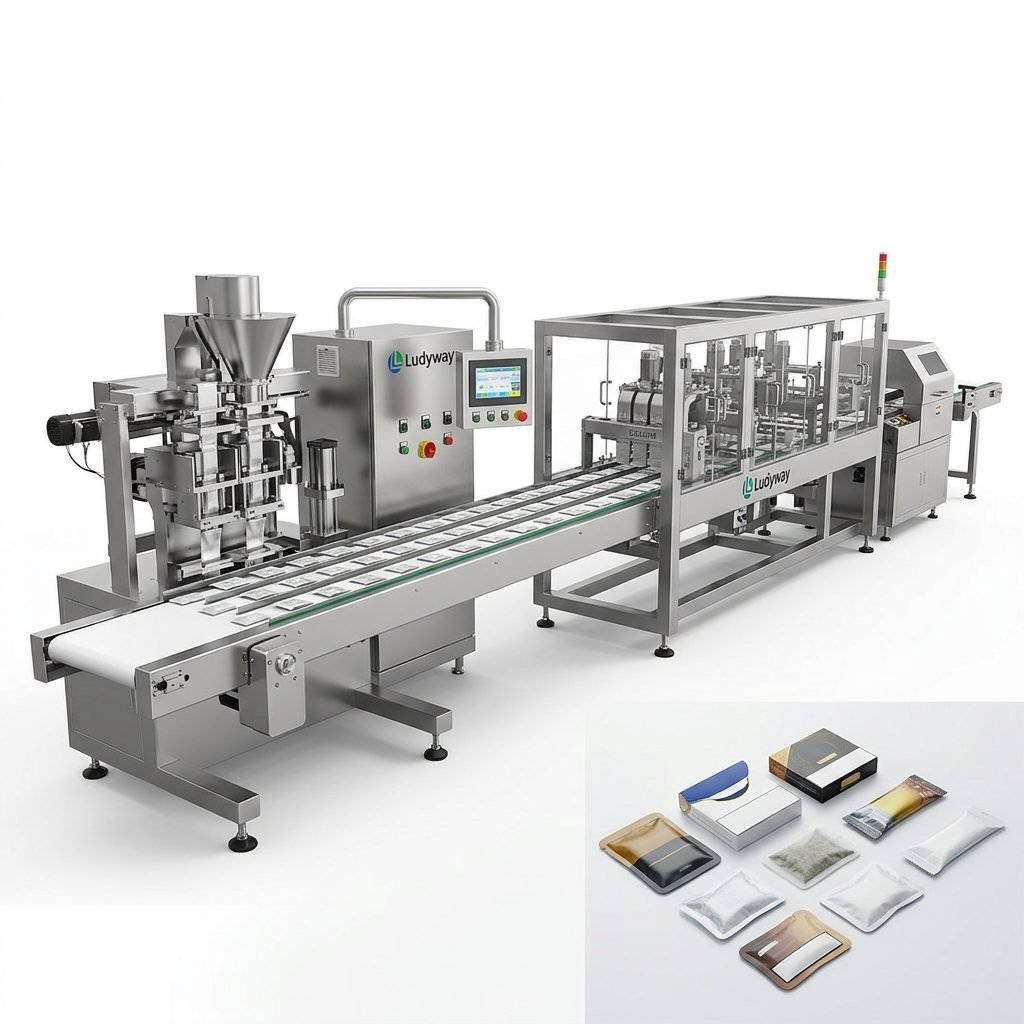
Rather than a single machine, this is a complete, synchronized system. It might combine a VFFS bagger with a checkweigher, metal detector, and case packer into one seamless operation. Turnkey solutions, like those offered by Ludyway Machinery, are designed for manufacturers looking for a single-source solution to maximize efficiency from product handling to palletizing.
Key Factors for Choosing the Right System
Choosing equipment isn’t just about the machine type; it’s about how well it aligns with your entire operation. Here are the critical factors to evaluate.
1. Product Characteristics
Your product dictates the machine. Analyze its form (granule, powder, liquid), abrasiveness, fragility, and flow characteristics. For instance, a sticky paste requires a different filling mechanism than free-flowing rice. Always conduct product tests with the machine supplier to ensure compatibility.
2. Production Speed & Output Requirements
Calculate your current and projected output in packages per minute (PPM) or hour. Don’t just buy for today’s needs. Invest in a system with 20-30% more capacity to accommodate future growth without requiring another major capital purchase.
3. Packaging Materials & Formats
The machine must be compatible with your chosen film, laminate, or pouch material. Consider if you need multi-lane production for small sachets or single-lane for large bags. Also, factor in the need for features like gas flushing for modified atmosphere packaging (MAP) or zipper applicators for resealable bags.
4. Automation Level & Labor
Determine how automated you need the process to be. A semi-automatic machine requires more operator involvement but has a lower initial cost. A fully automatic line, potentially with robotics, minimizes labor, increases consistency, and is better for high-volume, 24/7 operations. Companies with deep industry expertise, such as Ludyway, can help you analyze the optimal ROI for different automation levels.
5. Footprint & Facility Integration
Measure your available floor space carefully. A compact, modular machine might be necessary for tight facilities. Also, consider utilities (power, compressed air), ceiling height, and how the new line will integrate with upstream (production) and downstream (warehousing) processes.
6. Total Cost of Ownership (TCO)
Look beyond the purchase price. Calculate the TCO, which includes:
🔸 Initial Investment: Machine cost, installation, training.
🔸 Operational Costs: Energy consumption, spare parts, maintenance labor.
🔸 Material Efficiency: Film waste percentage and sealing consistency.
🔸 Downtime Cost: Reliability and access to technical support are paramount.
The Supplier Selection Process
Your machinery supplier is a long-term partner. Their expertise and support are as important as the equipment itself.
Evaluate Technical Expertise & Experience
Choose a supplier with proven experience in your specific industry (e.g., food, pharma). Review their company history and client portfolio. Do they understand regulatory requirements like GMP or FDA compliance if needed?
Demand a Product Test
Never buy packaging equipment sight-unseen. Insist on running your actual product and materials on the machine at the supplier’s facility. This tests speed, accuracy, seal integrity, and changeover time.
Assess After-Sales Support Structure
Inquire about warranty terms, spare parts availability, remote diagnostic capabilities, and on-site service technician response times. A global supplier should offer support in your local time zone and language.
Consider Future-Proofing & Scalability
Can the machine be easily upgraded later? Discuss modular add-ons (e.g., adding a coder, weight checker) and whether the control system allows for easy integration into a larger factory network (Industry 4.0).
Conclusion: Investing in Your Production Future
Selecting packaging machinery is a strategic investment. By thoroughly understanding the different equipment types, rigorously assessing your product and production needs, and partnering with a reliable, experienced supplier, you can implement a system that enhances quality, boosts efficiency, and scales with your business. The right packaging system is not just a machine; it’s a cornerstone of your operational success and brand reputation.
Frequently Asked Questions (FAQs)
Q1: What is the main difference between Vertical (VFFS) and Horizontal (HFFS) form-fill-seal machines?
A: The primary difference is the orientation of the bag formation. VFFS machines create bags vertically and are best for free-flowing products like granules and powders into stand-up or pillow bags. HFFS machines form pouches horizontally and are ideal for producing flat formats like stick packs and sachets, often used for single-serve portions.
Q2: How do I determine the production speed I need for my new packaging machine?
A: Analyze your current daily/weekly output and forecast growth for the next 3-5 years. Calculate the required packages per minute (PPM). It’s generally recommended to choose a machine that can operate at 20-30% above your current peak requirement to handle demand surges and future growth without immediate reinvestment.
Q3: Why is a product test so important before purchasing packaging equipment?
A: A product test is non-negotiable. It verifies that the machine can handle your specific product’s characteristics (flow, abrasiveness, etc.) and packaging material. It demonstrates real-world speed, filling accuracy, and seal quality, preventing costly mismatches and ensuring the machine meets your expectations before installation.
Q4: What does “Total Cost of Ownership” mean for packaging machinery?
A: Total Cost of Ownership (TCO) goes beyond the purchase price. It includes all costs over the machine’s lifespan: initial investment, installation, energy consumption, preventive and reactive maintenance, spare parts, potential downtime losses, and operator training. Evaluating TCO gives a true picture of the investment’s long-term value.
Q5: Can I automate my existing semi-automatic packaging process?
A: Often, yes. Many suppliers offer upgrade paths or can integrate semi-automatic fillers with automatic baggers, cartoners, or case packers. The feasibility depends on your current equipment’s age, compatibility, and control systems. A consultation with a packaging automation expert is the best first step to explore options.