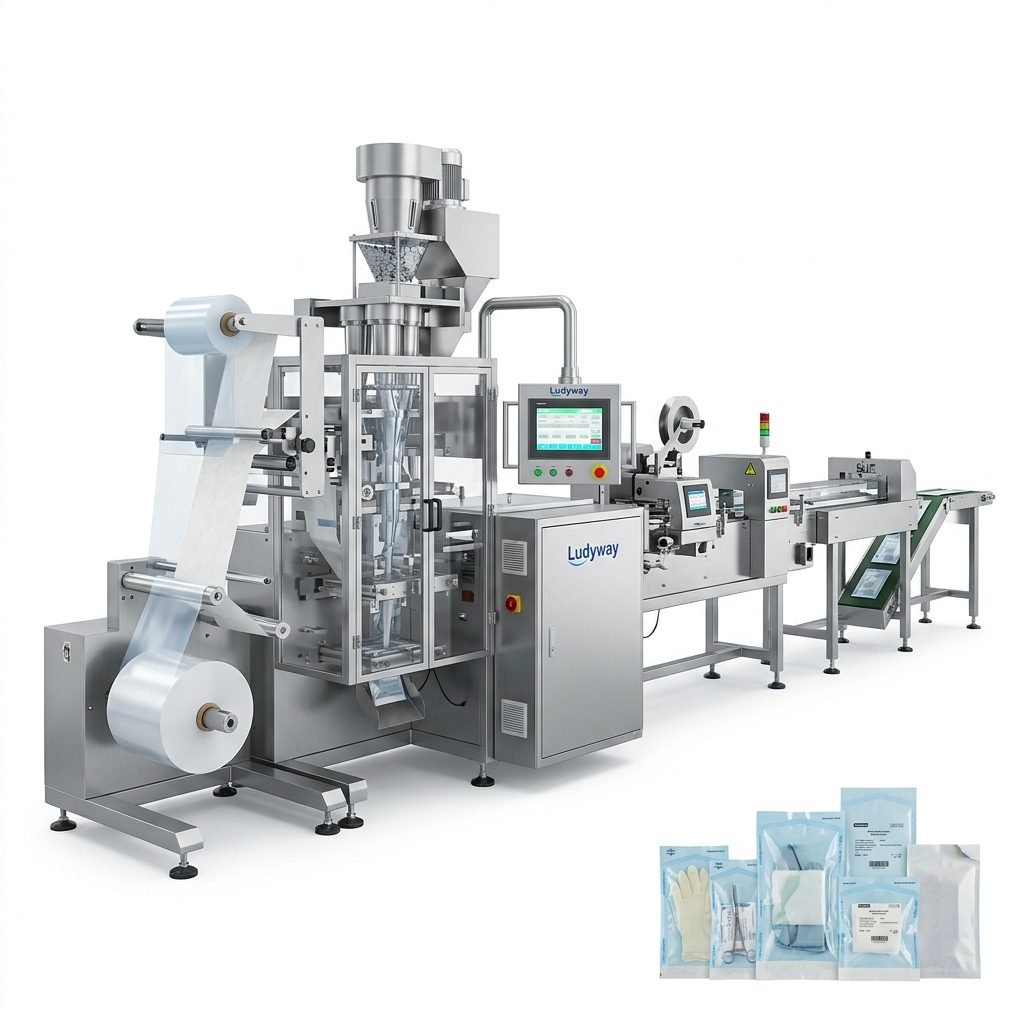
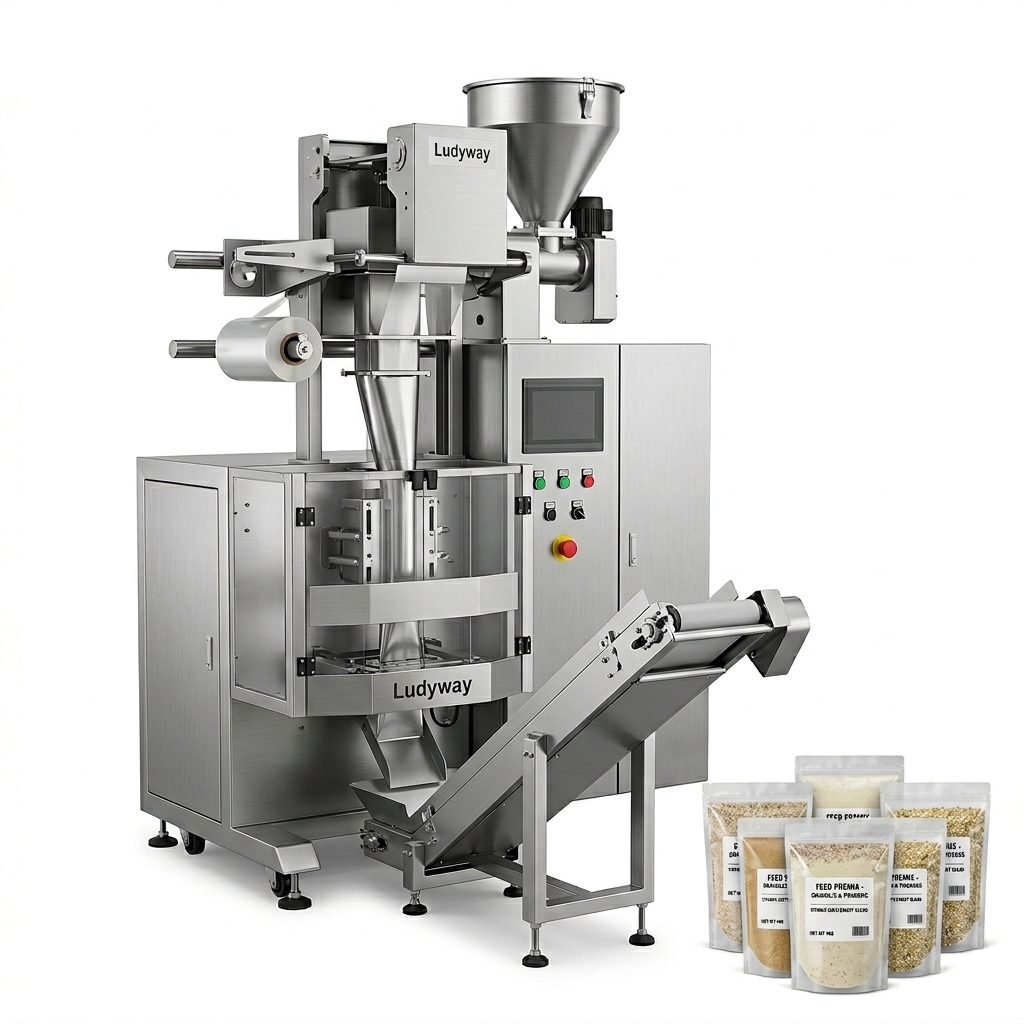
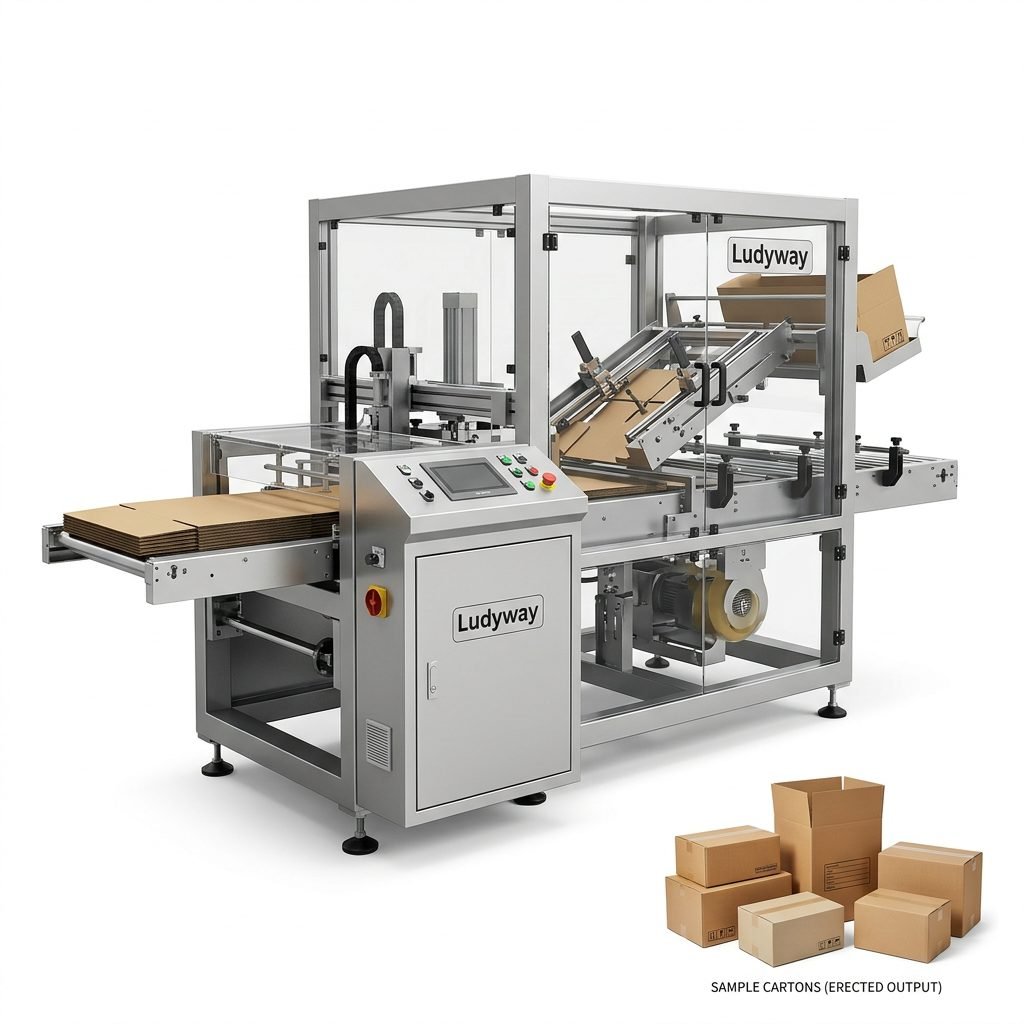
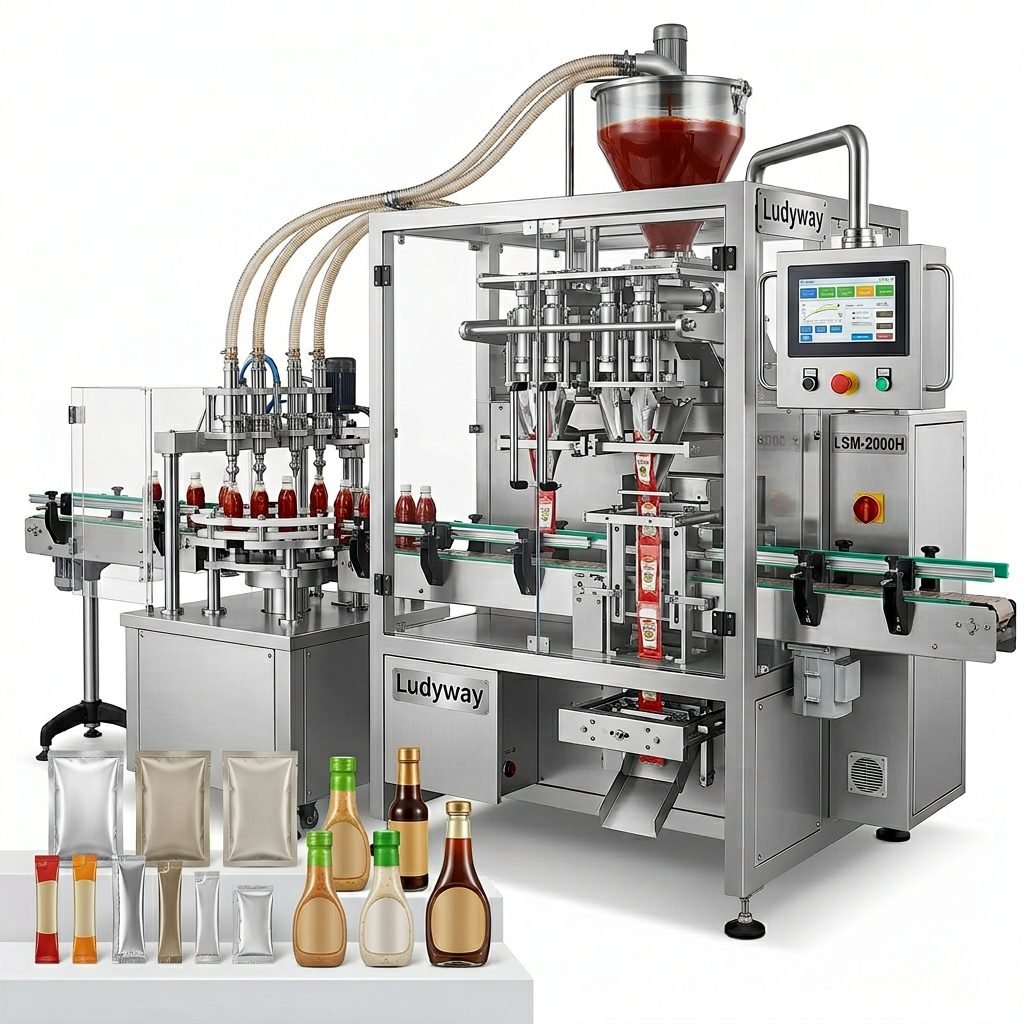
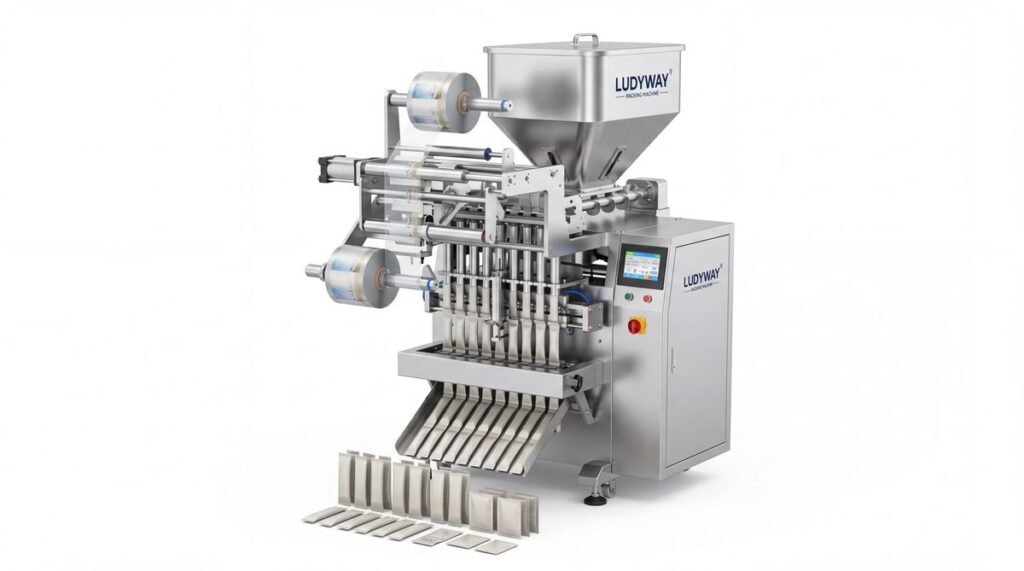
Investing in a vacuum sealer packaging machine is a strategic decision for food processors, pharmaceutical manufacturers, and industrial producers across France. Whether you are preserving artisanal cheeses in Provence, packaging fresh food products for retail distribution, or extending the shelf life of pharmaceutical powders, selecting the right vacuum sealing system can dramatically impact product quality, operational efficiency, and regulatory compliance.
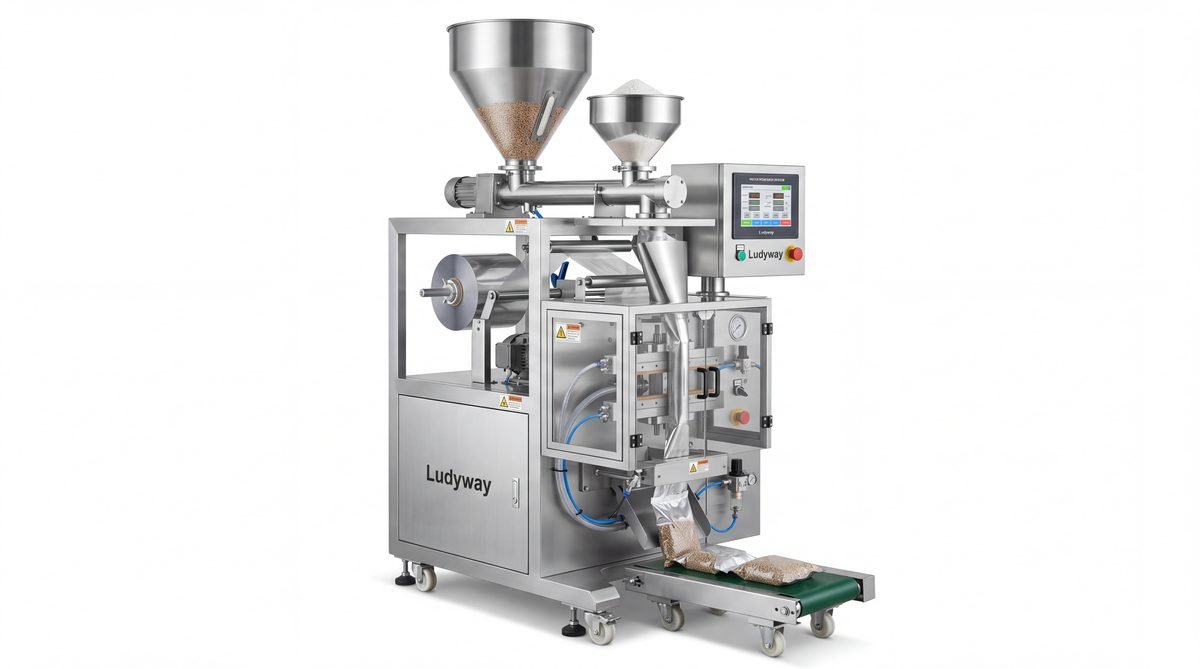
Why a Vacuum Sealer Packaging Machine Matters for the French Market
France maintains some of the strictest food packaging and contact substance regulations in Europe. A high-quality vacuum packaging machine helps businesses comply with hygiene standards, minimize food waste, and meet growing consumer demand for extended shelf-life products. From MAP (Modified Atmosphere Packaging) to skin packaging, the right equipment ensures product freshness while reducing the need for artificial preservatives.
The French food processing industry alone accounts for a significant portion of the national economy, with vacuum sealing technology playing an increasingly vital role in sectors ranging from charcuterie and dairy to ready-to-eat meals. According to packaging machinery market research, the demand for automated vacuum systems continues to rise across Western Europe.
Types of Vacuum Sealer Packaging Machines
Understanding the different categories of vacuum sealing equipment is essential before making a purchasing decision. Each type serves distinct production requirements and operational scales.
1. External Vacuum Sealers (Suction Nozzle Type)
These compact machines use an external suction nozzle to extract air from specially designed vacuum bags. They are ideal for small-scale operations, artisan food producers, and businesses with limited floor space. External models are typically more affordable but offer lower throughput compared to chamber systems.
- Best suited for: Artisan bakeries, small cheese producers, boutique charcuteries
- Typical cycle time: 15-45 seconds per bag
- Bag compatibility: Embossed or textured vacuum bags required
- Investment level: Entry to mid-range
2. Chamber Vacuum Sealers
Chamber machines are the workhorses of the professional packaging industry. The entire bag is placed inside a vacuum chamber, and air is removed from both inside and outside the bag simultaneously. This design allows for higher throughput, consistent sealing quality, and compatibility with a wider range of bag types, including smooth pouches.
- Best suited for: Medium to large food processors, central kitchens, co-packers
- Typical cycle time: 20-60 seconds depending on chamber size and pump capacity
- Bag compatibility: Both textured and smooth vacuum pouches
- Available configurations: Single chamber, double chamber, and automatic belt-driven models

3. Automatic Belt Vacuum Sealers (Continuous Motion)
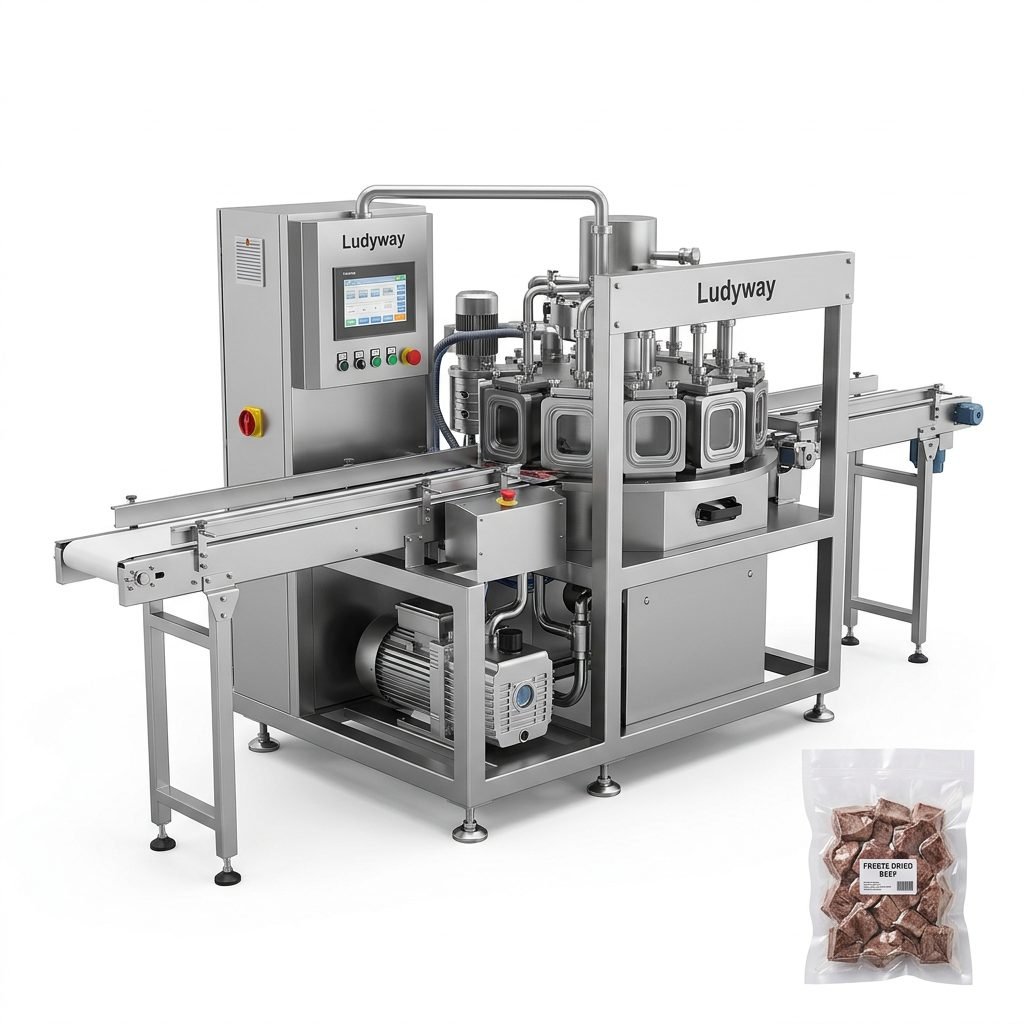
For high-volume production environments, continuous belt vacuum sealers offer automated operation with minimal operator intervention. Products move along a conveyor belt through the vacuum sealing station, making these systems ideal for integration into fully automated packaging lines.
- Best suited for: Large-scale food manufacturing, industrial kitchens, contract packaging
- Throughput: Can exceed 30+ cycles per minute
- Integration: Compatible with upstream filling and downstream labeling systems
- Footprint: Requires dedicated floor space and proper ventilation
4. Tray Sealing and Skin Packaging Machines
Widely used in French supermarkets and food service, tray sealing machines apply a vacuum or modified atmosphere to pre-formed trays before sealing with a flexible film. Skin packaging technology tightly conforms the film to the product shape, enhancing visual appeal and protection.
Key Technical Specifications to Evaluate
When comparing models, pay close attention to the following parameters that directly affect production performance and product quality:
| Specification | Why It Matters | Recommended Range (France) |
|---|---|---|
| Pump Type | Determines vacuum level and speed; oil-lubricated pumps achieve deeper vacuum while dry pumps require less maintenance | Oil pump (≥ 20 m³/h) for food; dry pump for pharmaceutical |
| Ultimate Vacuum Level | Affects oxygen removal efficiency; critical for shelf-life extension | ≤ 2 mbar for most food applications |
| Sealing Bar Length | Limits maximum bag width; consider your largest product dimensions | 350 mm to 800 mm depending on product size |
| Chamber Dimensions | Determines batch capacity for chamber machines | Match to your tray and product height requirements |
| Control System | Programmable settings improve consistency and reduce operator error | Digital PLC with recipe storage (10+ programs) |
| Construction Material | Affects durability, cleanability, and ISO packaging standards compliance | AISI 304 or 316L stainless steel |
| Power Supply | Must match French electrical standards | 380-400V / 50Hz three-phase (industrial); 230V single-phase (small units) |
CE Certification and European Compliance for the French Market
Any vacuum packaging machine sold and operated in France must carry CE marking and comply with relevant EU directives. This includes the Machinery Directive (2006/42/EC), the Low Voltage Directive (2014/35/EU), and the Electromagnetic Compatibility Directive (2014/30/EU). Additionally, food contact materials must meet European packaging and packaging waste regulations.
How to Choose the Right Model: A Step-by-Step Approach
Step 1: Define Your Product Characteristics
Start by analyzing what you will be packaging. Liquid products require different sealing parameters than dry granular items. Products with sharp bones or edges may need reinforced pouch materials. Consider whether you need MAP capability for fresh produce or bakery items.
Step 2: Calculate Required Throughput
Determine your daily or hourly packaging volume. A small artisan producer might manage with 2-4 cycles per minute, while an industrial co-packer may require 20+ cycles per minute with automated bag feeding and product loading systems.
Step 3: Evaluate Available Floor Space and Utilities
Measure your available production area and confirm access to appropriate electrical power supply. In France, industrial facilities typically operate on 380-400V three-phase power, while smaller workshops may only have 230V single-phase available. Verify that your facility can accommodate any required compressed air or water connections.
Step 4: Assess Maintenance and After-Sales Support
A vacuum sealer packaging machine represents a significant capital investment. Prioritize suppliers who offer comprehensive after-sales support including installation, operator training, spare parts availability, and responsive technical service. This is particularly important for French businesses operating outside major metropolitan areas.
Industry Applications in France
Vacuum sealing technology serves diverse sectors across the French economy, each with unique requirements:
- Charcuterie and Meat Processing: Extended shelf life for saucisson, jambon, and pâté while maintaining traditional flavors and textures
- Fromagerie (Cheese Production): Controlled aging environments and retail-ready packaging for soft and hard cheeses
- Boulangerie-Pâtisserie: Preservation of baked goods, viennoiseries, and pastry products for wholesale distribution
- Pharmaceutical and Nutraceutical: ISO 11607 compliant packaging for sterile medical devices and moisture-sensitive products
- Industrial Components: Protective packaging for electronics, precision parts, and corrosion-sensitive materials
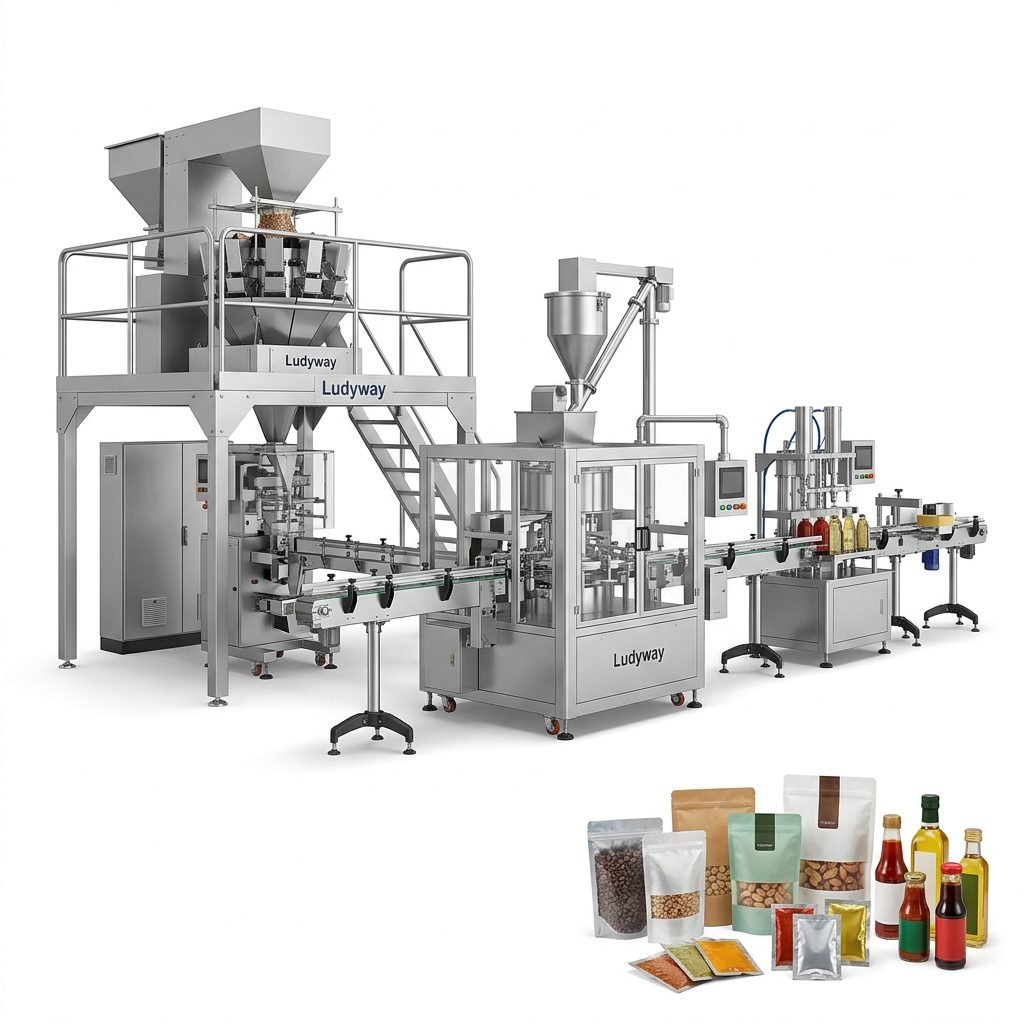
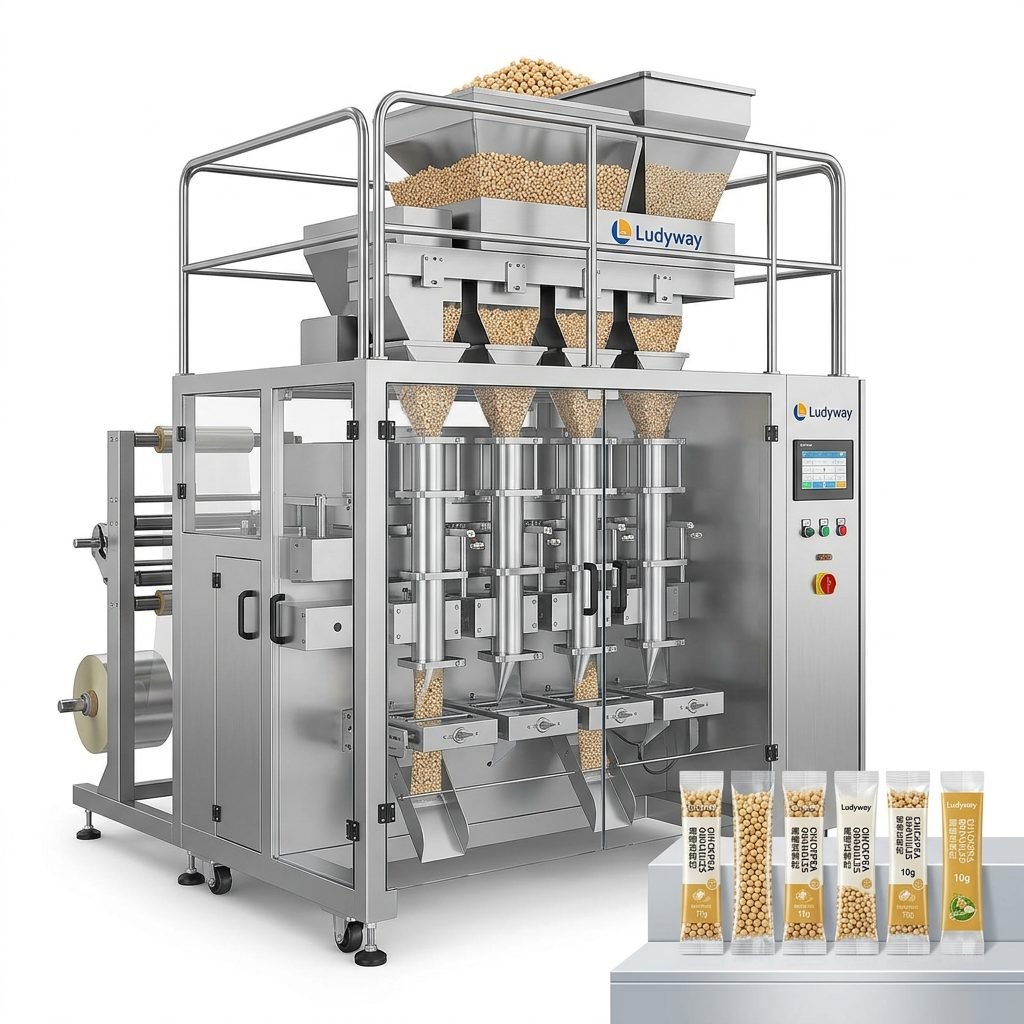
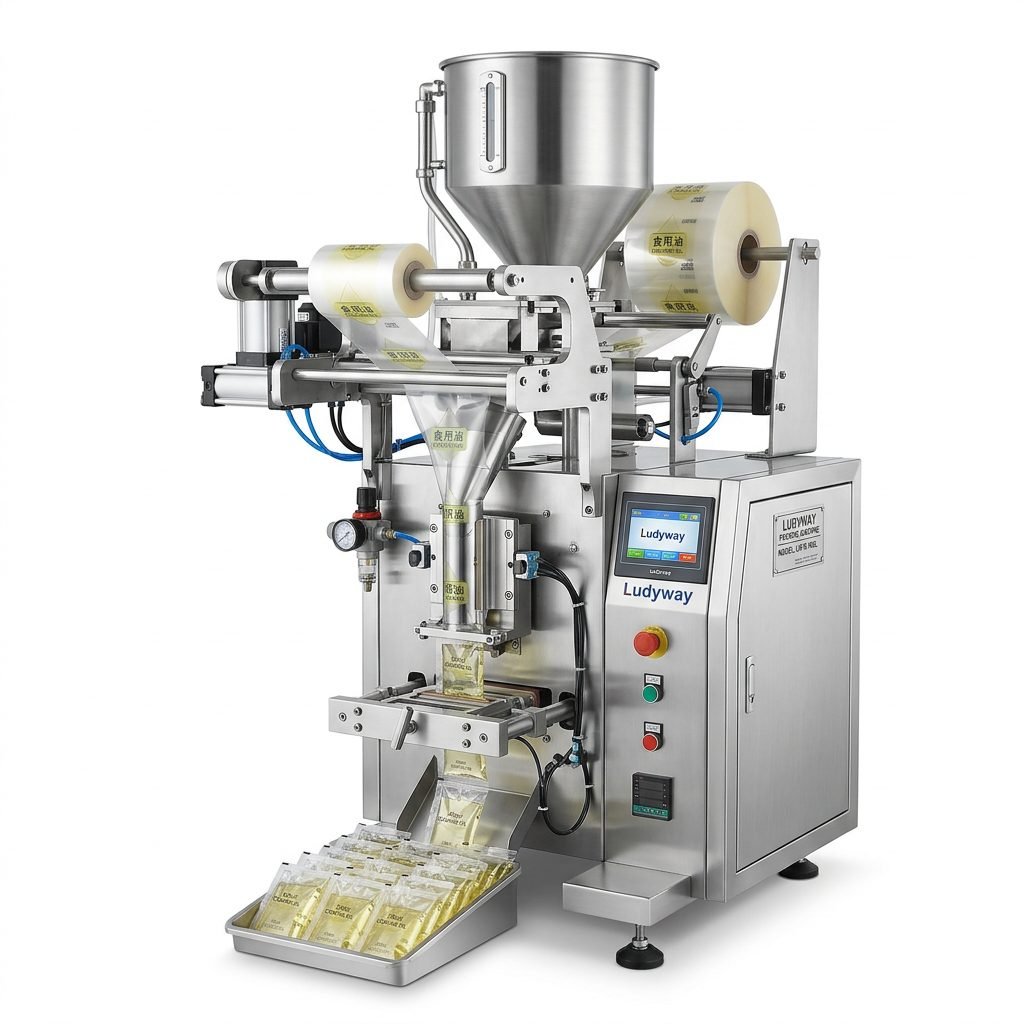
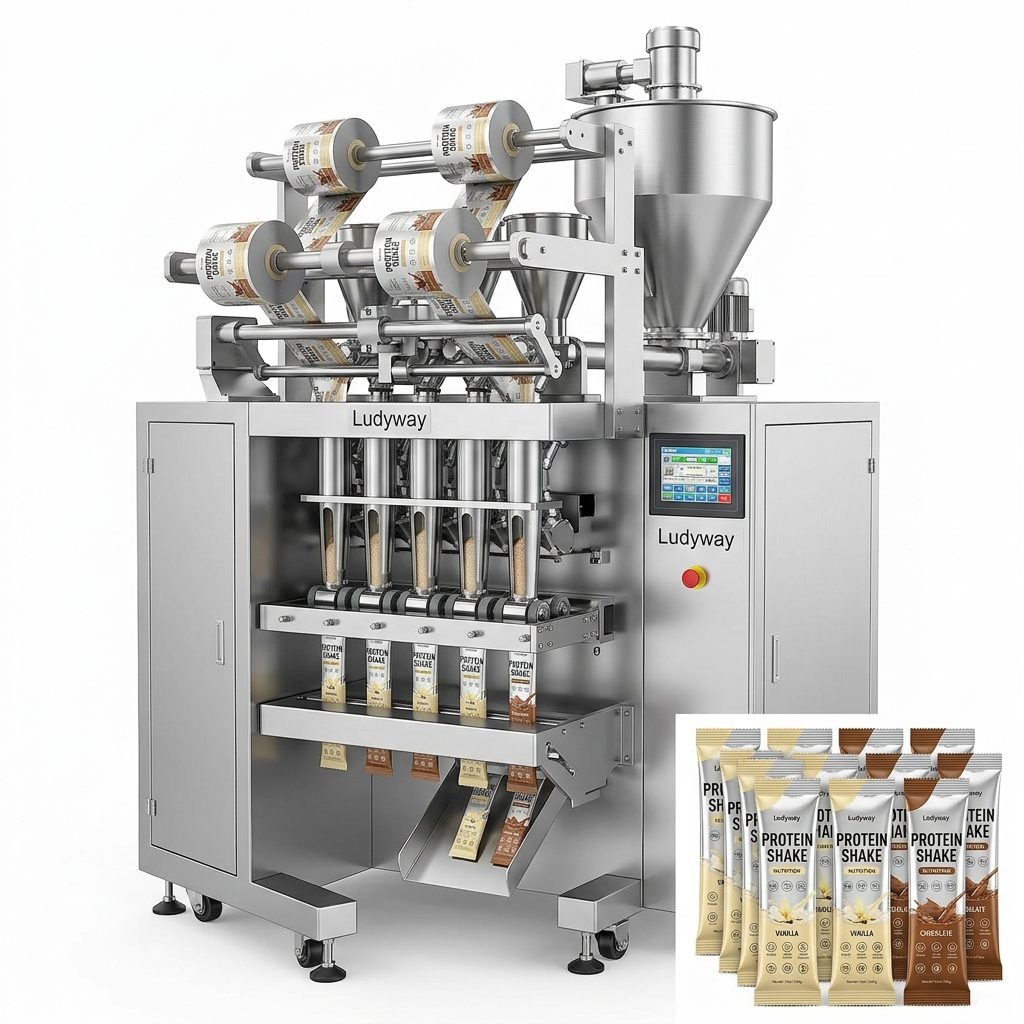
For businesses looking for comprehensive packaging solutions, Ludyway, one of the largest packaging machine manufacturers in China, offers a wide range of vacuum packaging systems designed to meet diverse industry requirements across the French market.
Cost Considerations and ROI Analysis
The price of a vacuum sealer packaging machine varies significantly based on automation level, chamber size, pump type, and additional features. Entry-level external sealers may start around €500-1,500, while industrial chamber machines range from €5,000 to €50,000+. Fully automated continuous systems can represent investments exceeding €100,000.
When calculating return on investment, factor in reduced product spoilage, extended shelf life leading to wider distribution opportunities, decreased labor costs, and lower packaging material waste. Many French food businesses report ROI within 12-24 months for well-matched vacuum sealing systems.
Common Mistakes to Avoid When Purchasing
- Underestimating production volume growth: Choose a machine that accommodates near-future capacity increases
- Ignoring bag and film compatibility: Verify that your preferred packaging materials work with the machine’s sealing system
- Overlooking operator training requirements: Complex systems require skilled operators; factor training into your implementation plan
- Focusing solely on purchase price: Consider total cost of ownership including maintenance, spare parts, energy consumption, and expected service life
- Neglecting local service support: Ensure the supplier has established service channels or partners within France
Final Recommendations
Selecting the right vacuum sealer packaging machine for the French market requires balancing technical specifications, production requirements, regulatory compliance, and budget considerations. Begin by clearly defining your product range and throughput needs, then evaluate machines from established manufacturers who demonstrate strong after-sales support and CE-compliant designs.
For personalized guidance on choosing the optimal vacuum packaging system for your operation in France, consult with packaging equipment specialists who understand both the technical and regulatory landscape of the European market.