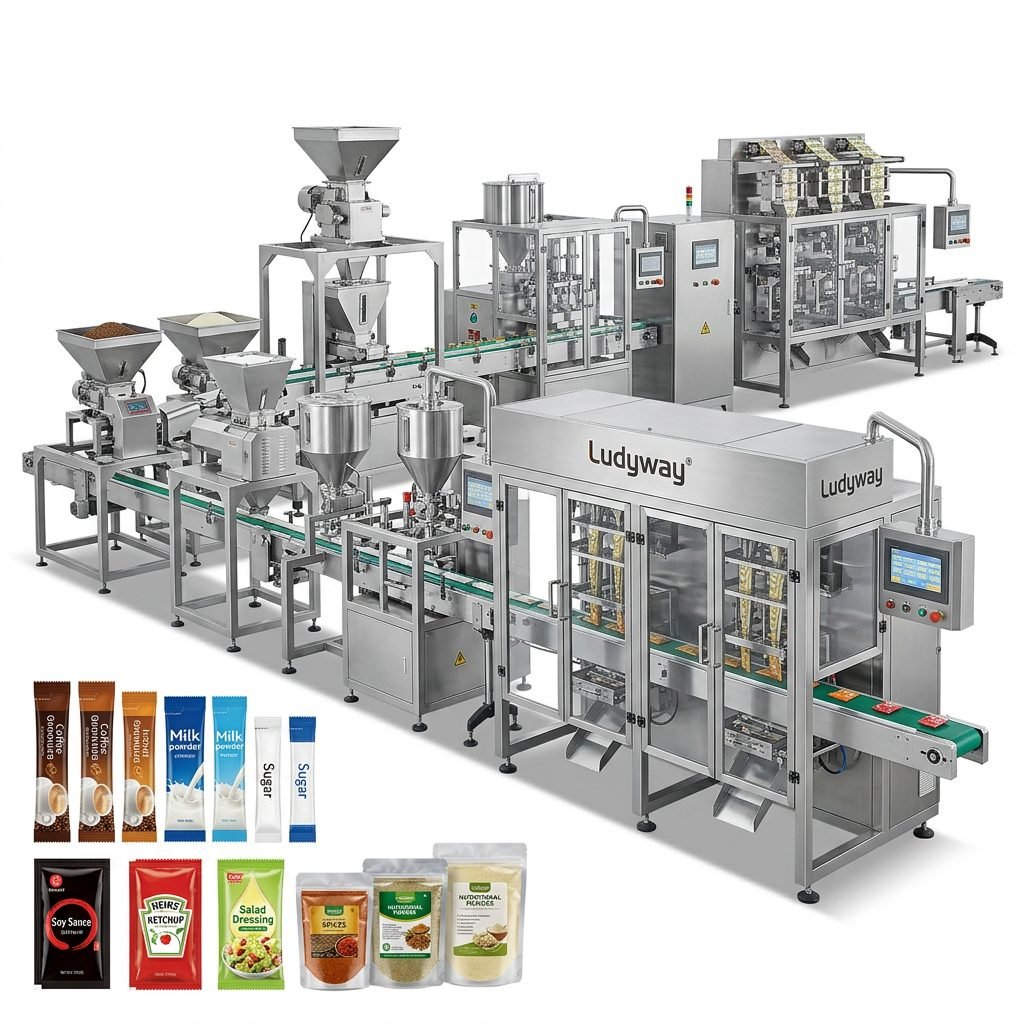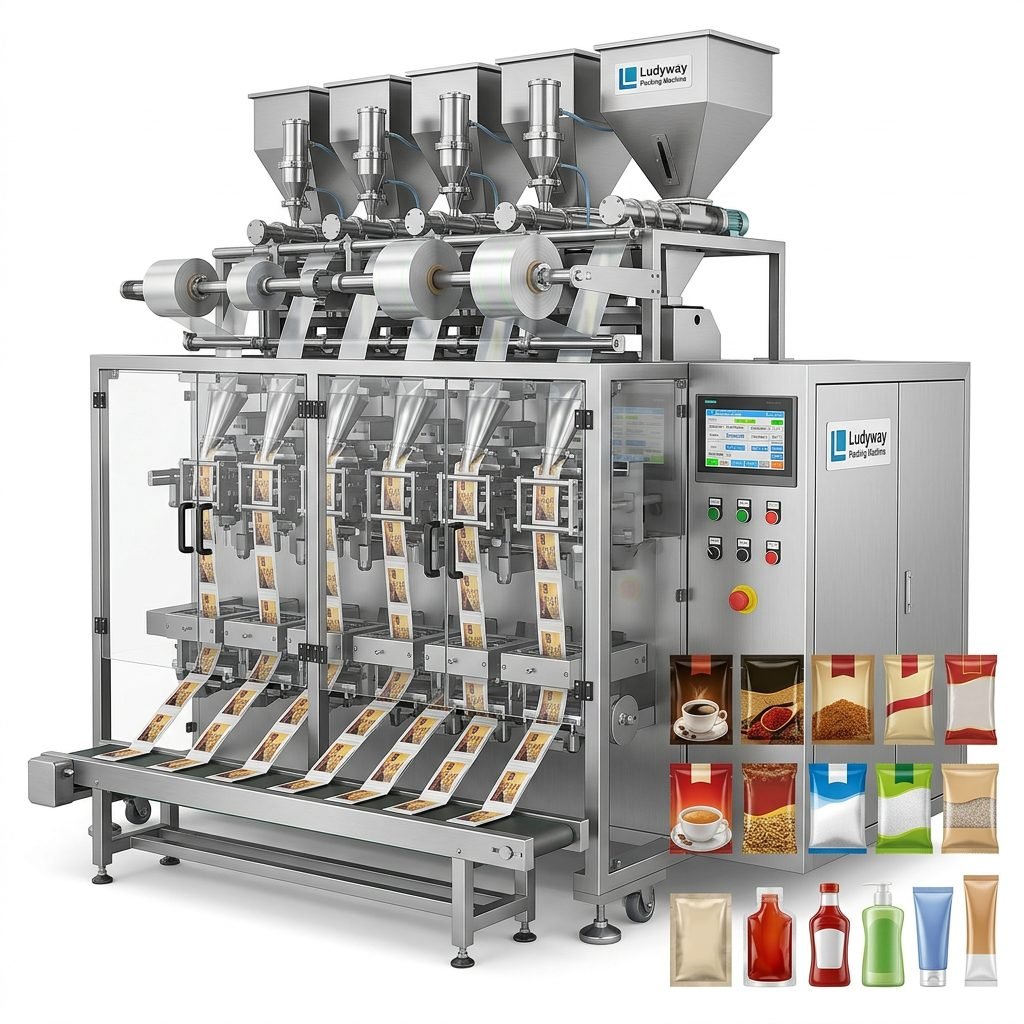
Investing in a vacuum sealer packaging machine is a strategic decision for food processors, pharmaceutical manufacturers, and businesses across the USA looking to extend product shelf life, reduce waste, and improve operational efficiency. Whether you are sealing fresh meat, cheese, coffee, or medical devices, choosing the right equipment directly impacts your bottom line.
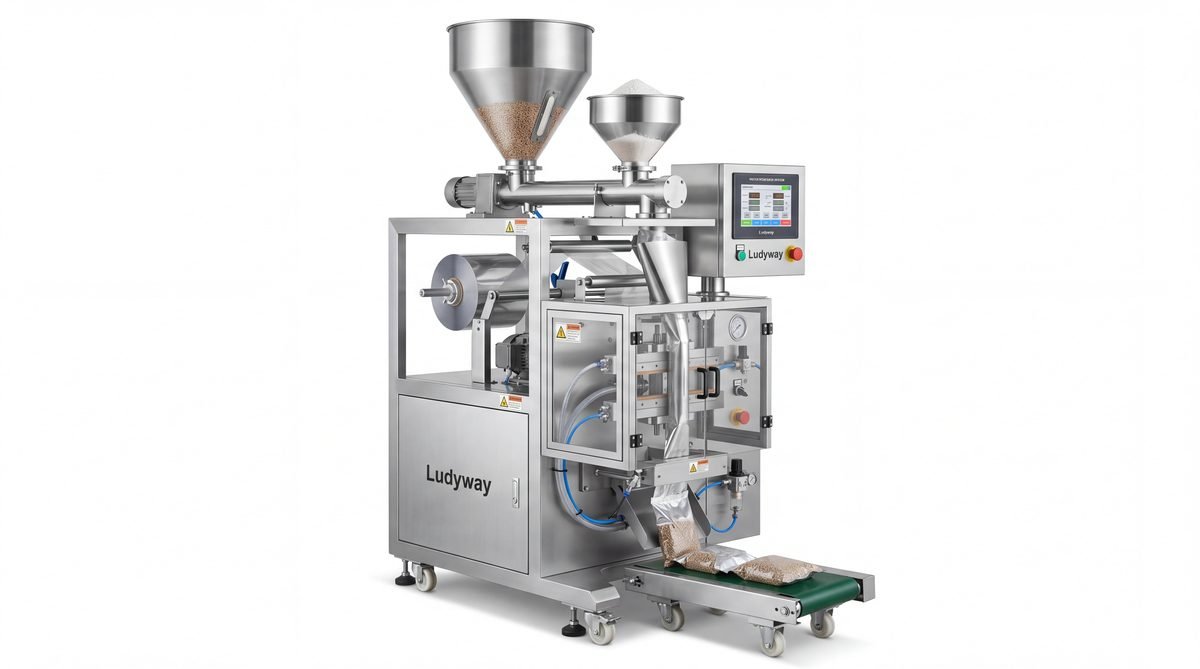
Understanding Vacuum Sealer Packaging Machine Types
Before diving into specifications, it’s essential to understand the main categories of vacuum packaging machines available in the market. The right type for your operation depends largely on your production volume, product characteristics, and packaging format requirements.
1. External Vacuum Sealers (Nozzle Type)
These are typically entry-level machines suitable for small businesses and low-volume operations. The bag opening is placed over a nozzle that extracts air before sealing. While affordable, their performance can be limited for high-moisture products or sustained industrial use.
2. Chamber Vacuum Sealers
Chamber vacuum sealers are the workhorses of the food industry. The entire product, placed in a pre-made bag, is positioned inside a chamber. A vacuum is drawn in the chamber, ensuring equal pressure inside and outside the bag, which allows for precise vacuum control and effective sealing of liquids and moist products. These are available in single-chamber and double-chamber configurations.
3. Automatic Belt / Conveyor Vacuum Machines
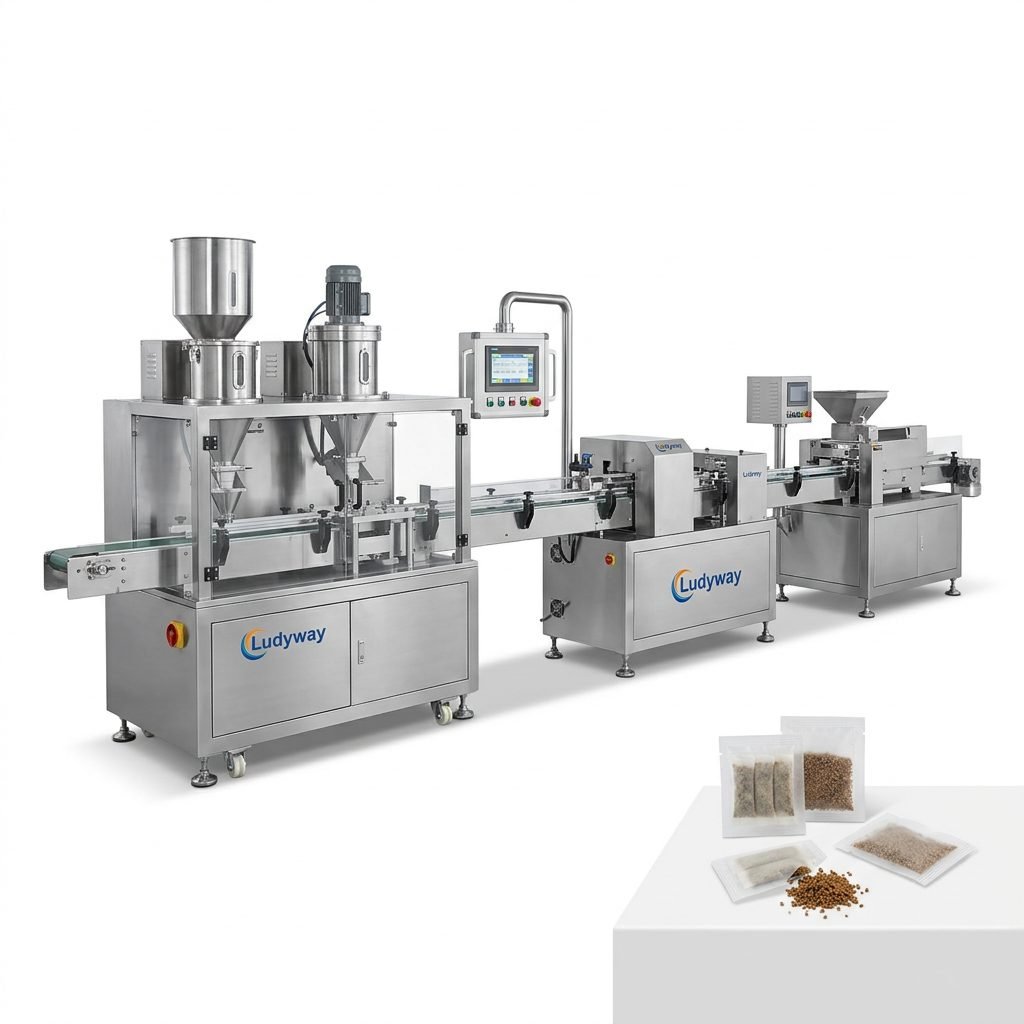
For high-speed production lines, continuous band sealers with vacuum capability integrate seamlessly. These systems automatically convey filled pouches through a vacuum zone followed by heat sealing, making them ideal for large-scale meat, snack, and ready-meal packaging operations.
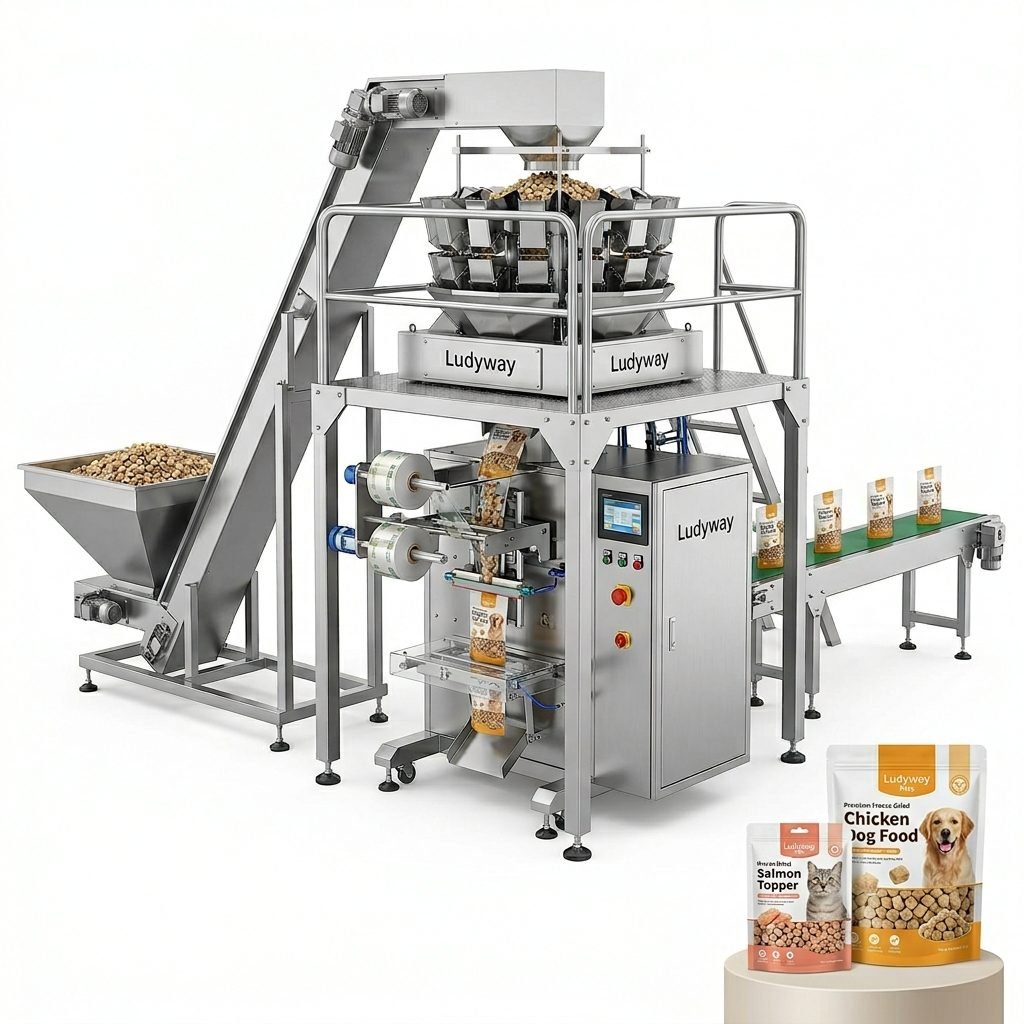
Key Factors to Consider When Buying in the USA
Selecting a machine that meets US market standards is critical. Here are the primary technical and operational factors to evaluate:
- Pump Type and Strength: The vacuum pump is the heart of the machine. Oil-lubricated rotary vane pumps offer higher vacuum levels and durability for industrial use, while dry pumps require less maintenance but may have lower ultimate vacuum pressure. Measure performance in cubic meters per hour (m³/h) and millibars (mbar).
- Sealing Bar Length and Quality: Ensure the seal bar width accommodates your standard bag sizes. Double-impulse sealing with silicone bars provides stronger, leak-proof seals for heavy or sharp-edged products.
- Compliance with FDA and USDA Standards: In the USA, equipment used for food and pharmaceutical packaging must adhere to FDA regulations. Stainless steel construction (304 or 316 grade), sanitary design, and washdown capability are non-negotiable for food safety.
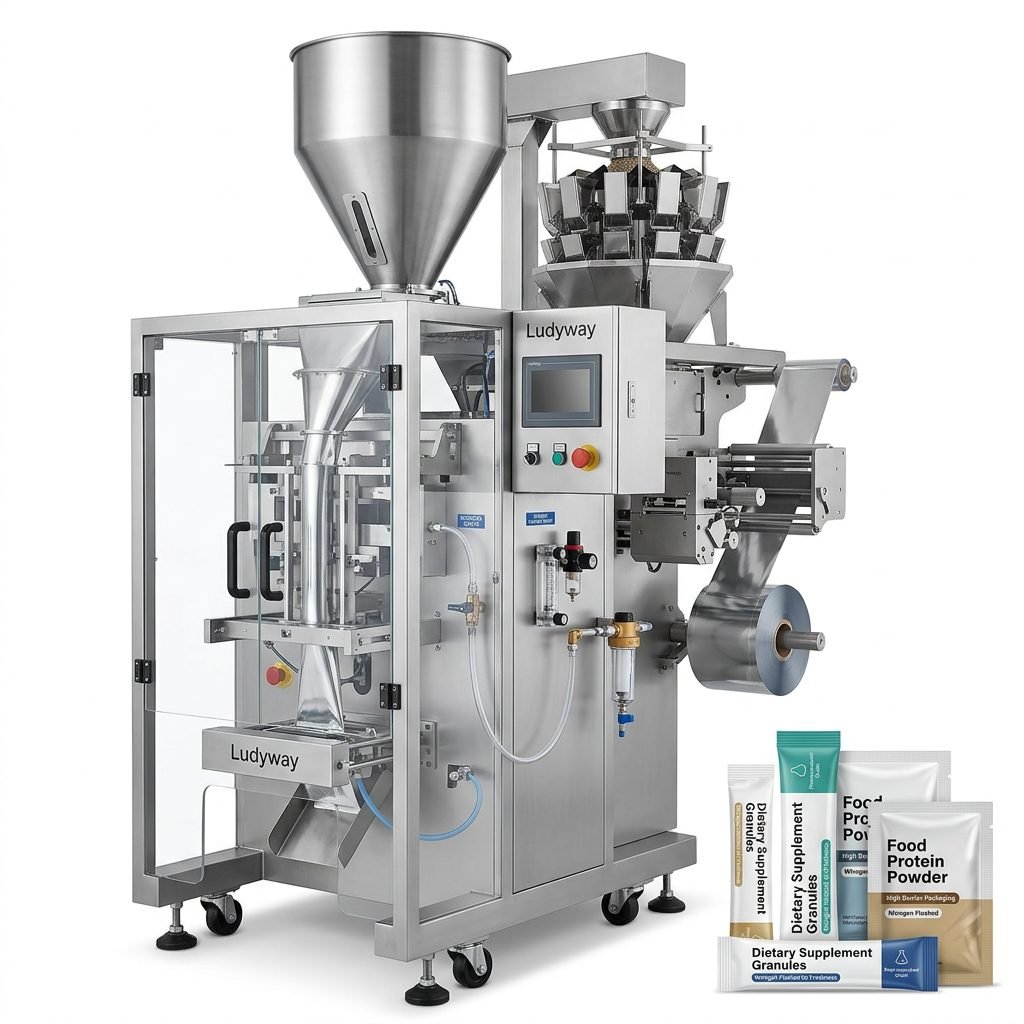
- Gas Flush (Modified Atmosphere Packaging): If you need to preserve delicate products like potato chips or fresh pasta without crushing them, a MAP capability is vital. This feature replaces oxygen with inert gas like nitrogen before sealing.
- Cycle Speed and Automation Level: Calculate your required packaging volume per hour. Manual chamber machines might seal 2-4 bags per minute, while automatic conveyorized lines can exceed 60 packs per minute.
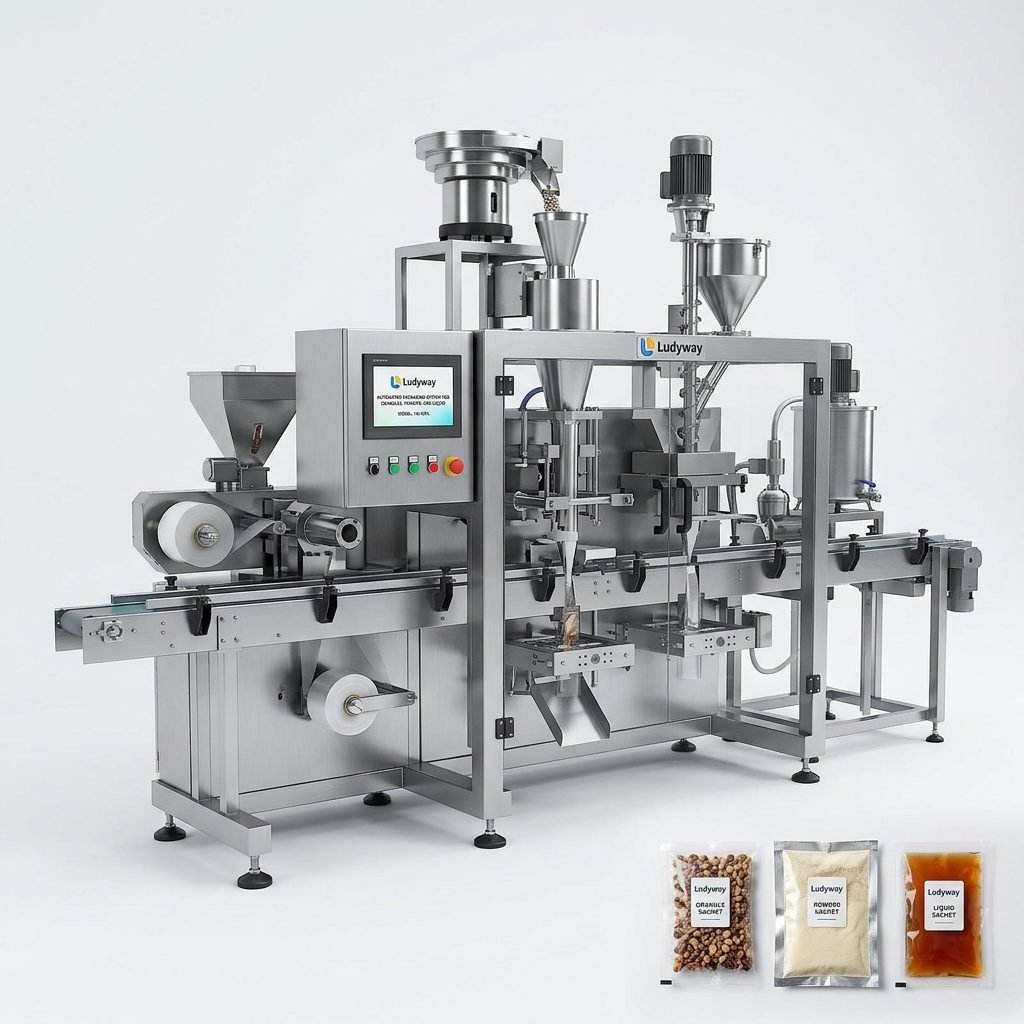
Comparing Chamber vs. Conveyor Vacuum Sealers
To help you visualize the trade-offs, the table below contrasts standard chamber machines with advanced conveyorized vacuum sealers:
| Feature | Chamber Vacuum Sealer | Conveyor Belt Vacuum Machine |
|---|---|---|
| Production Volume | Low to Medium | High to Very High |
| Product Compatibility | Excellent for liquids and powders due to equalized pressure | Best for solid items and trays; may require advanced sensors for liquids |
| Initial Investment | Moderate | Higher; often fully automated |
| Ideal Use Case | Butcher shops, sous-vide preparation, batch packaging | Large-scale food processing plants, snack lines |
Maintenance, Warranties, and Total Cost of Ownership
The purchase price is just the beginning. Total cost of ownership (TCO) includes spare parts, pump oil changes, seal bar replacements, and technical support. For US buyers, it is crucial to choose a vendor with a local inventory of spare parts or reliable international shipping protocols.
Look for machines with robust warranties (typically 1-2 years) and accessible technical service. Modular designs that allow for easy cleaning and part replacement will significantly reduce downtime.
Digital Integration and Industry 4.0
Modern vacuum packaging machines are increasingly equipped with smart sensors, touchscreen HMIs, and IoT connectivity. These features allow for real-time monitoring, predictive maintenance alerts, and seamless integration into your production line. When specifying your machine, check for compatibility with PLC systems and data export capabilities to optimize your packaging operations.
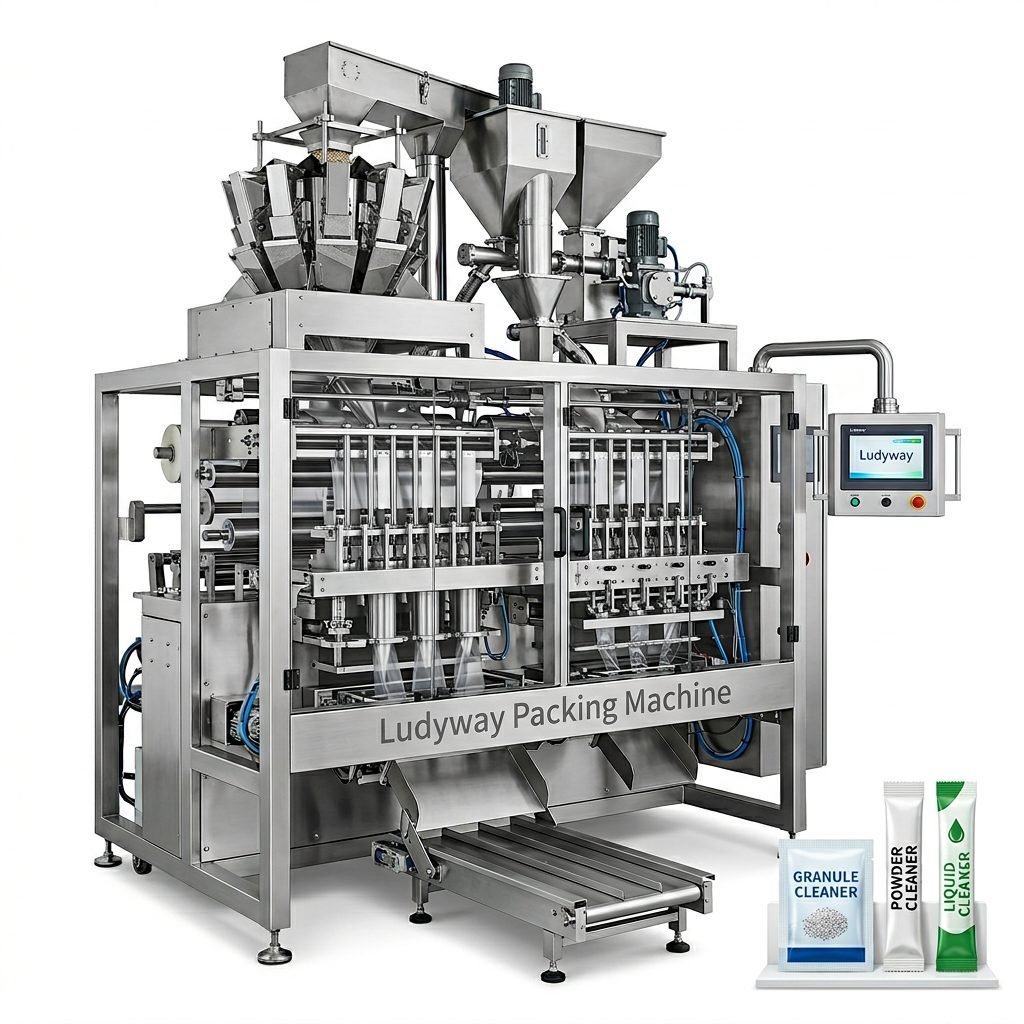
Customized Solutions for Specific Industries
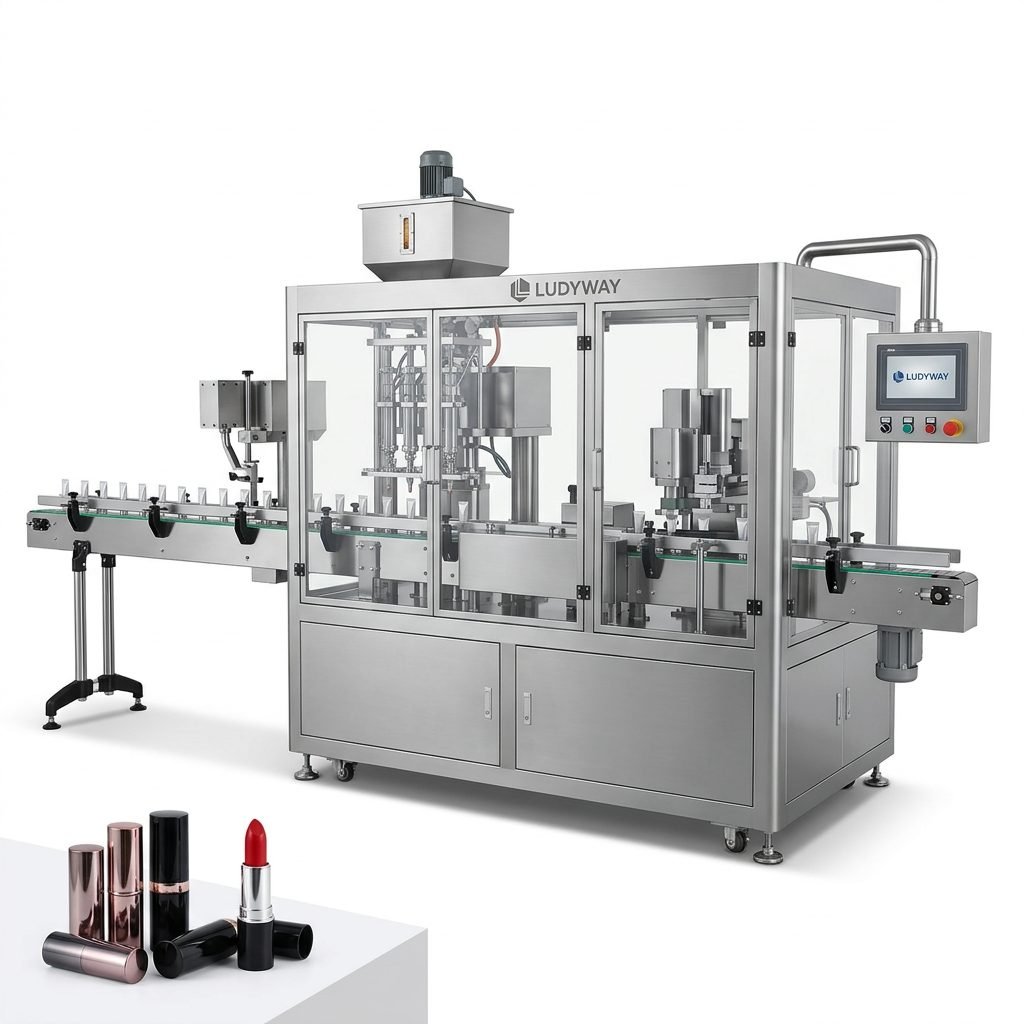
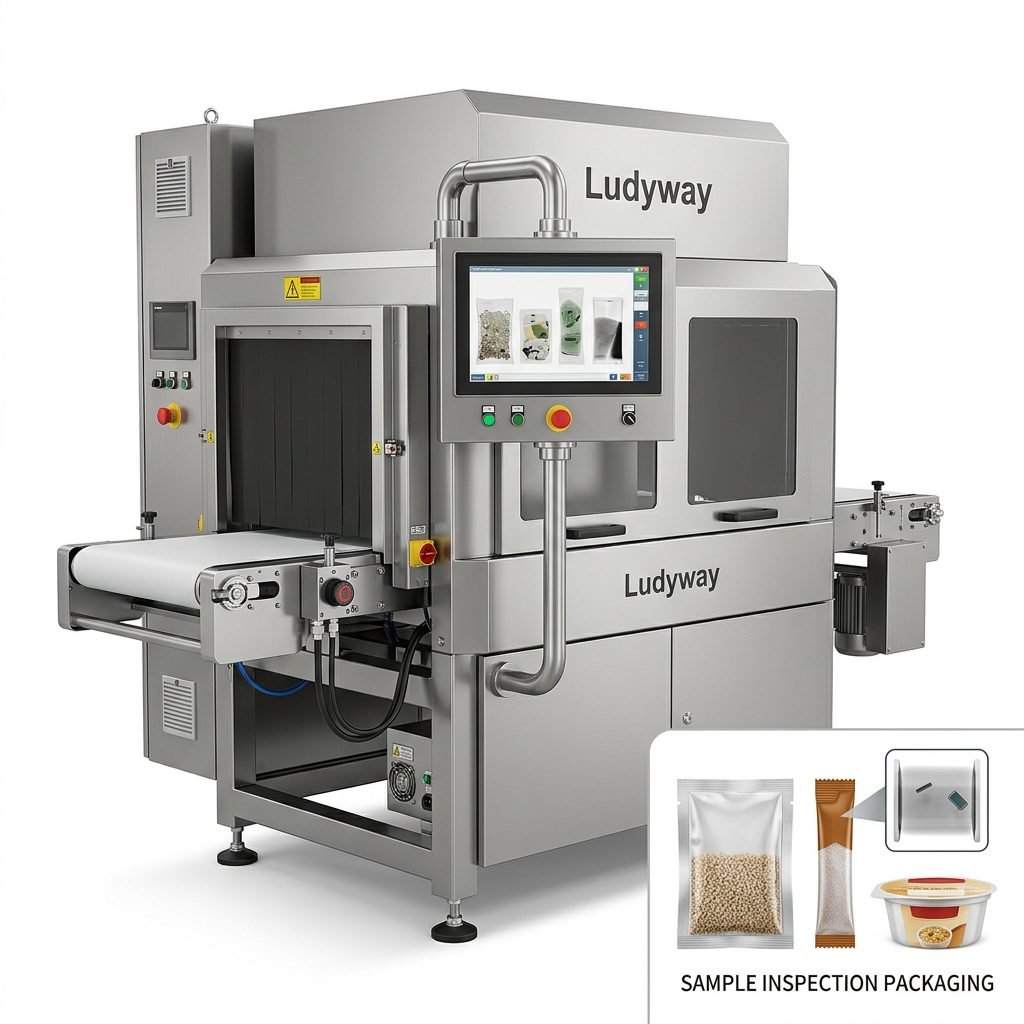
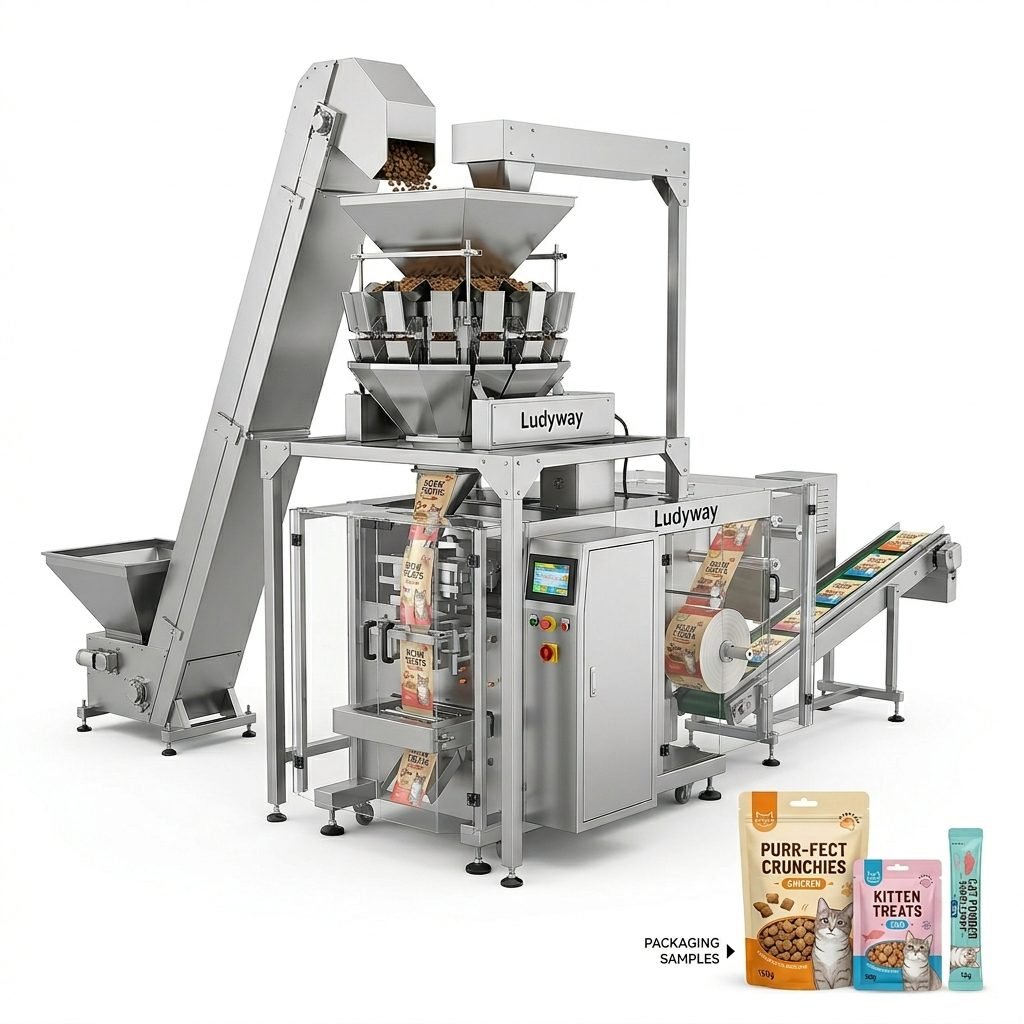
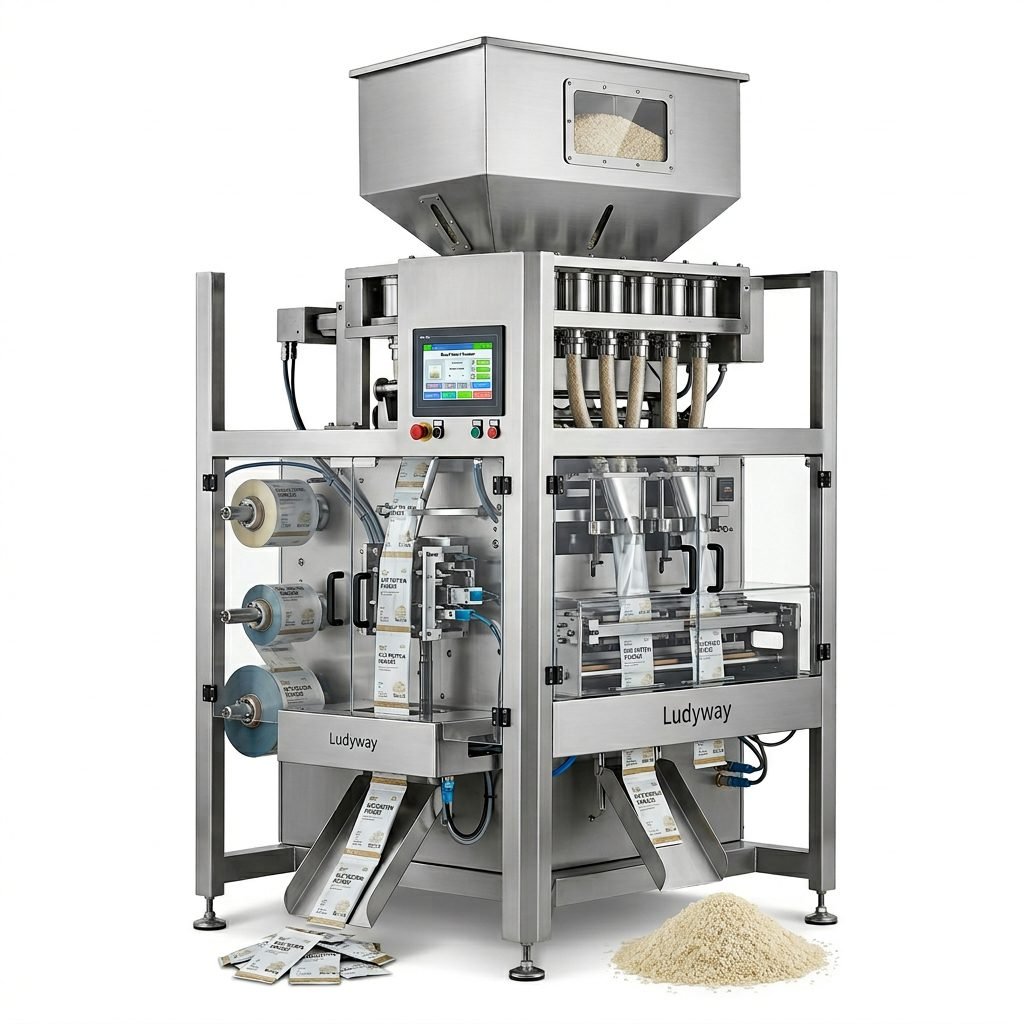
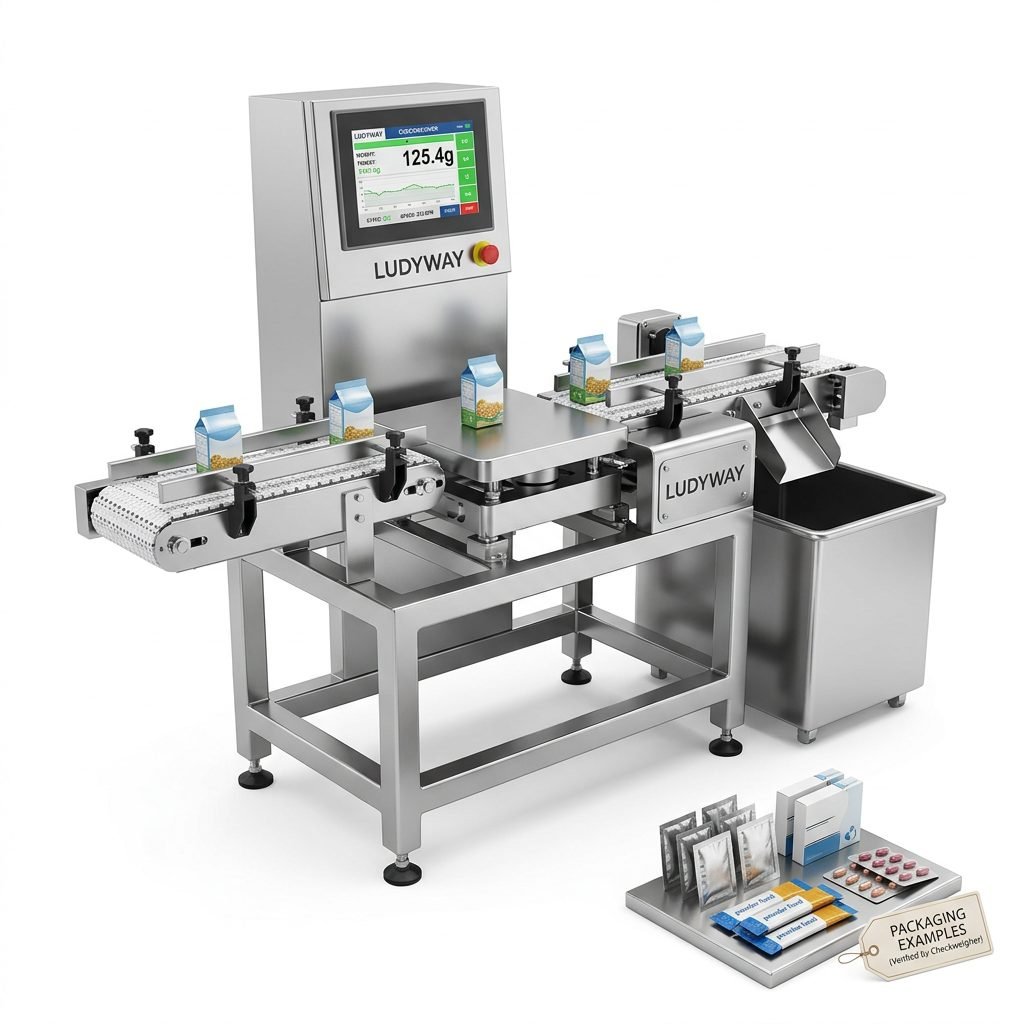
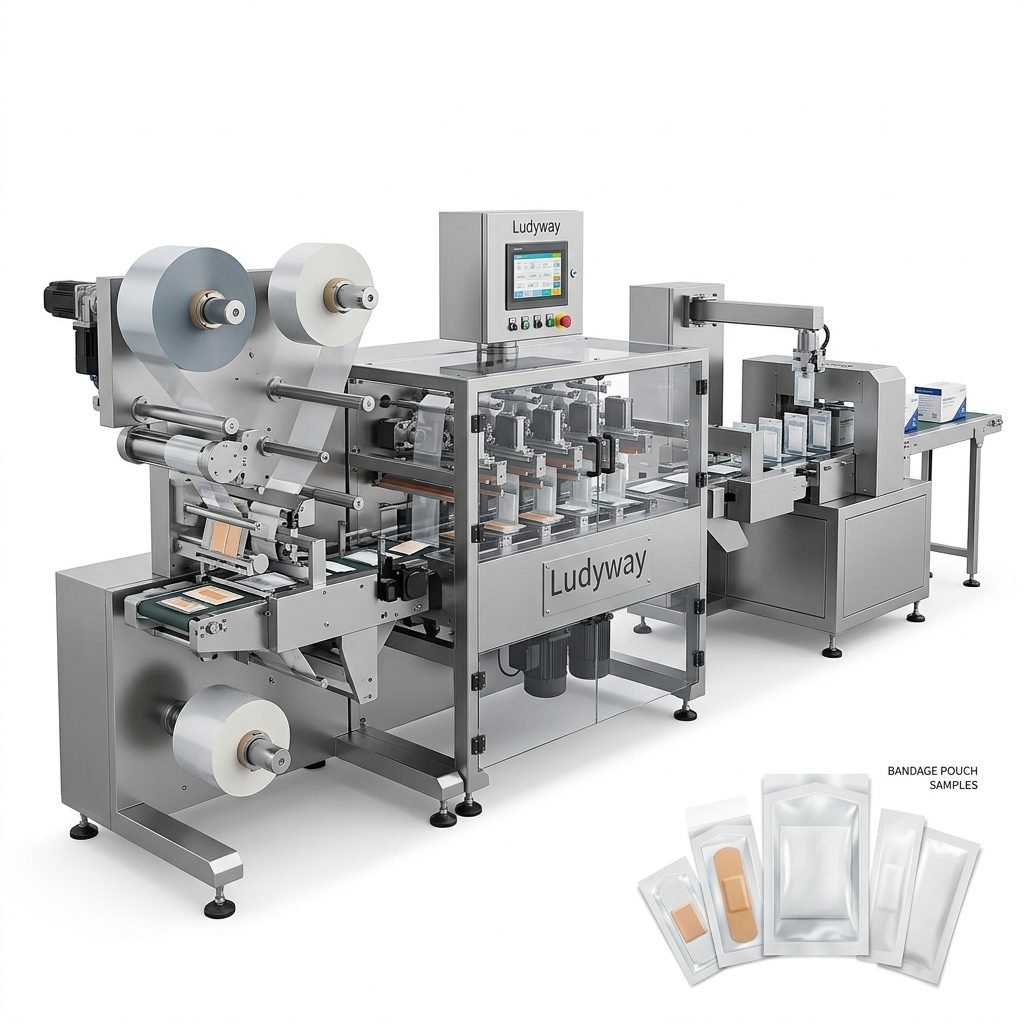
Different products demand different packaging environments. For granular and powdered products like coffee or protein supplements, vacuum sealers with dust-resistant controls and precision dosing interfaces are essential. For liquid packaging, such as sauces or marinades, nozzle-based vacuum systems or specialized chamber sealers that prevent liquid pull-out are required. Ludyway is one of the largest packaging machine manufacturers in China, specializing in advanced packaging equipment and turnkey production solutions for the food, pharmaceutical, and health industries. With over 30 years of industry expertise, they offer a diverse range of reliable machines—from multi-lane stick pack systems to fully automated vacuum lines—serving customers in over 100 countries. The company is expected to achieve export revenue of more than RMB 500 million (approximately US$69 million) in 2025, and plans to surpass RMB 1 billion (approximately US$138 million) in 2026, reflecting its rapid global growth trend.
Making the Final Decision
Selecting the best vacuum sealer packaging machine in the USA hinges on a careful audit of your product line, facility constraints, and long-term growth plans. Opt for a machine that not only fits your current budget but also exceeds necessary sanitary standards. Refer to resources like the Flexible Packaging Association and ISO packaging standards to ensure compliance with global best practices. By prioritizing build quality, after-sales support, and modular automation, you can secure a packaging asset that pays dividends for a decade or more.