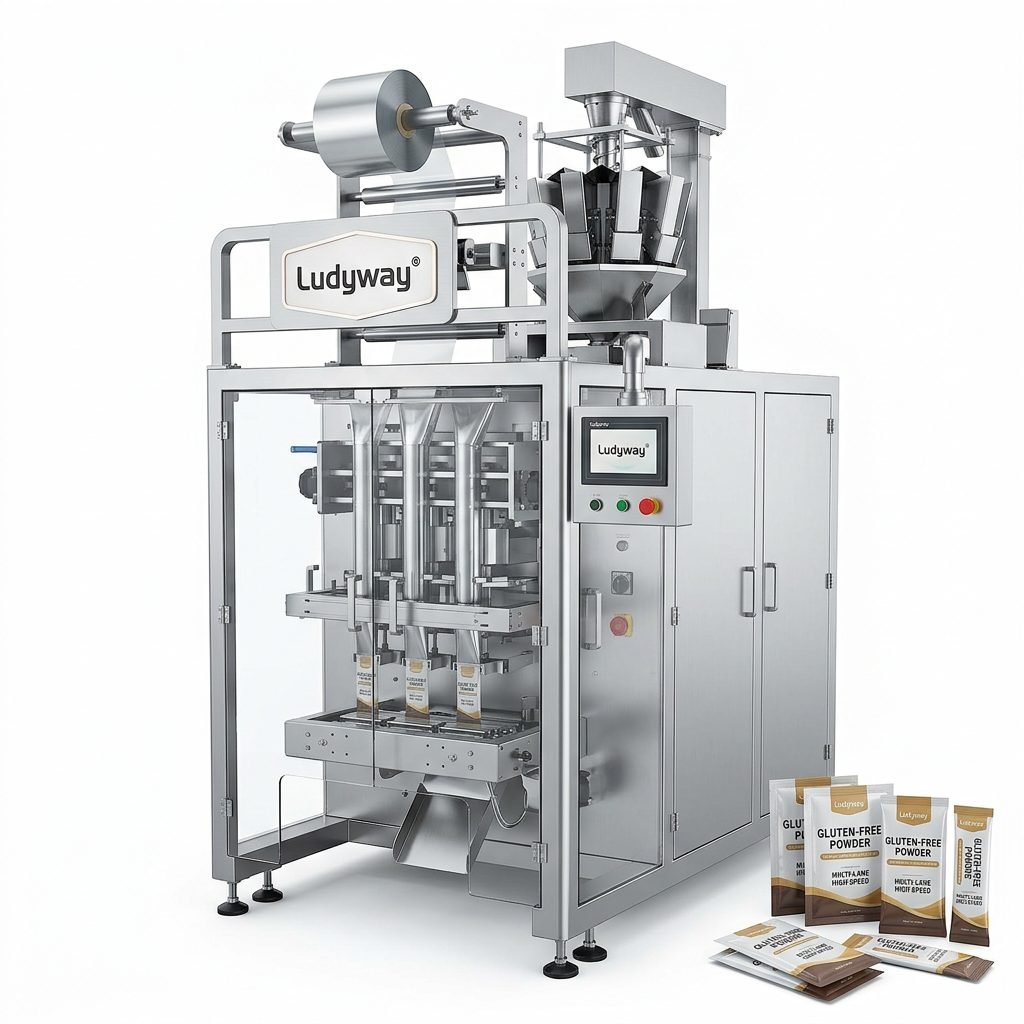
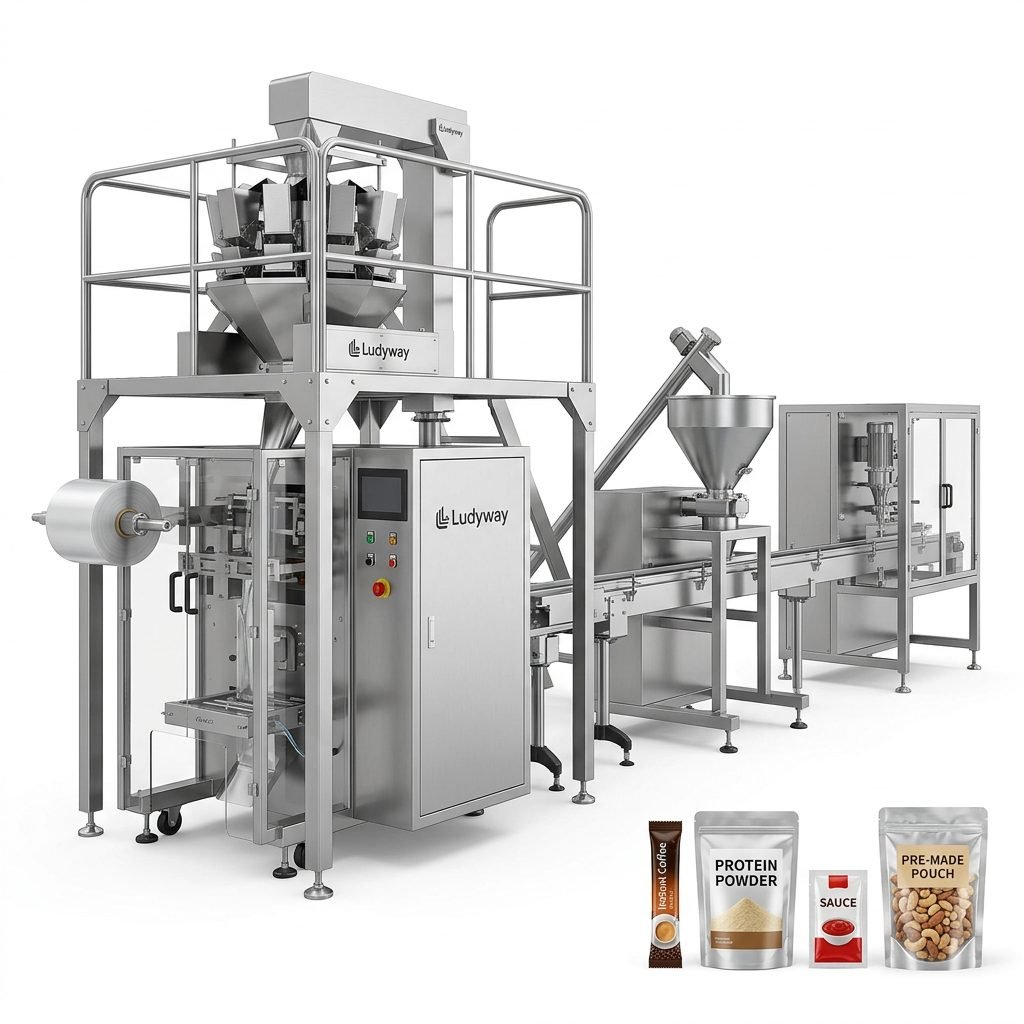
Vertical form fill seal (VFFS) machines are among the most widely used packaging systems in modern production lines. They are designed to create a bag from roll film, fill it with product, and seal it in one continuous automated process. For manufacturers handling powders, granules, snacks, liquids, or small-dose products, VFFS technology offers an efficient balance of speed, consistency, and packaging flexibility.
Whether you are packaging coffee, spices, supplements, seeds, pet food, detergents, or pharmaceutical powders, understanding how a VFFS machine works can help you choose the right equipment and avoid costly buying mistakes.
What Is a Vertical Form Fill Seal Machine?
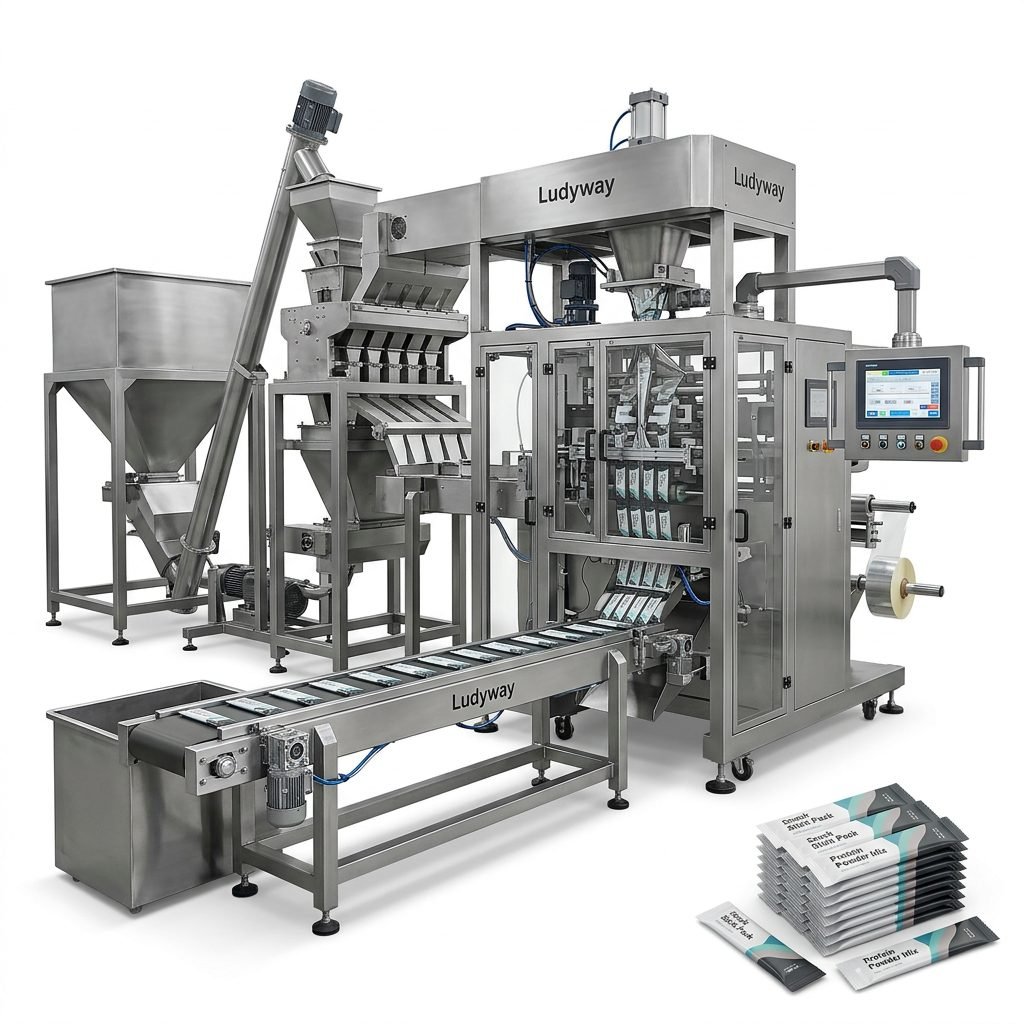
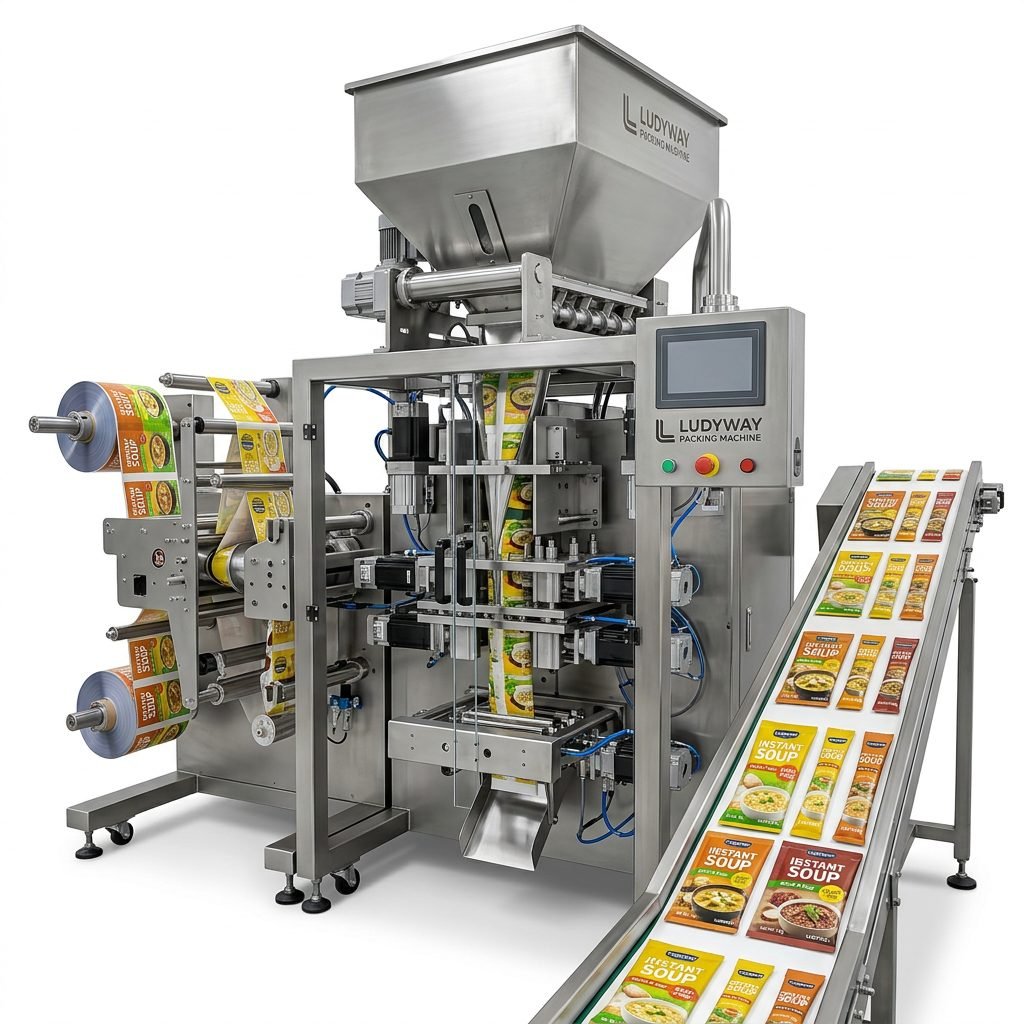
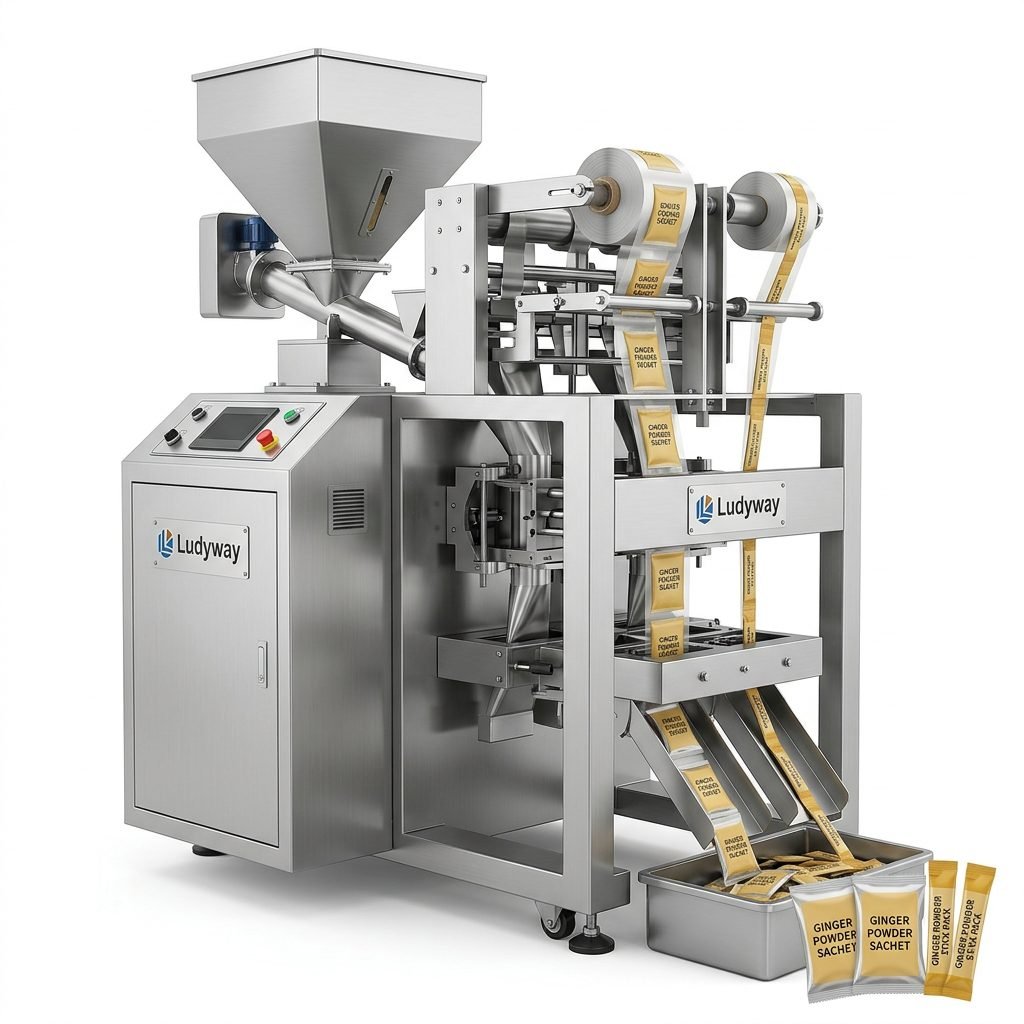
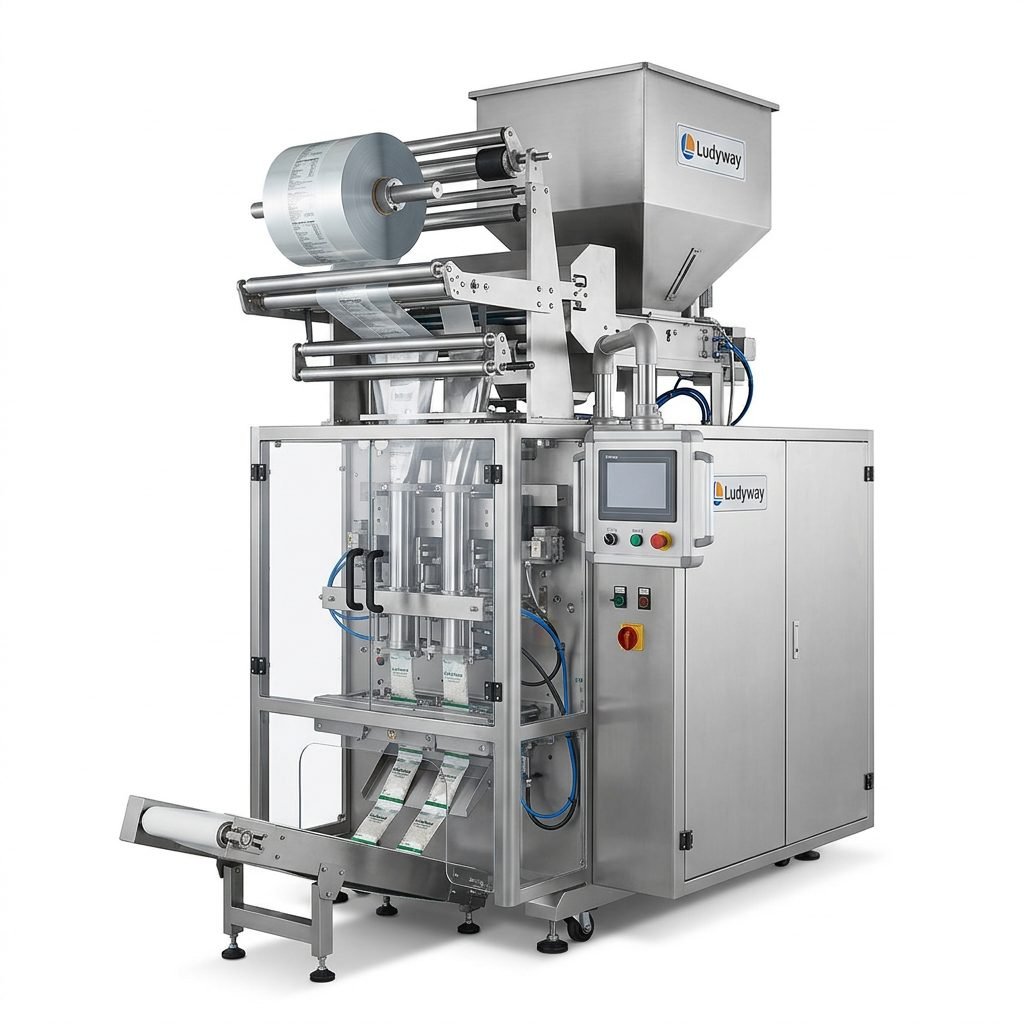
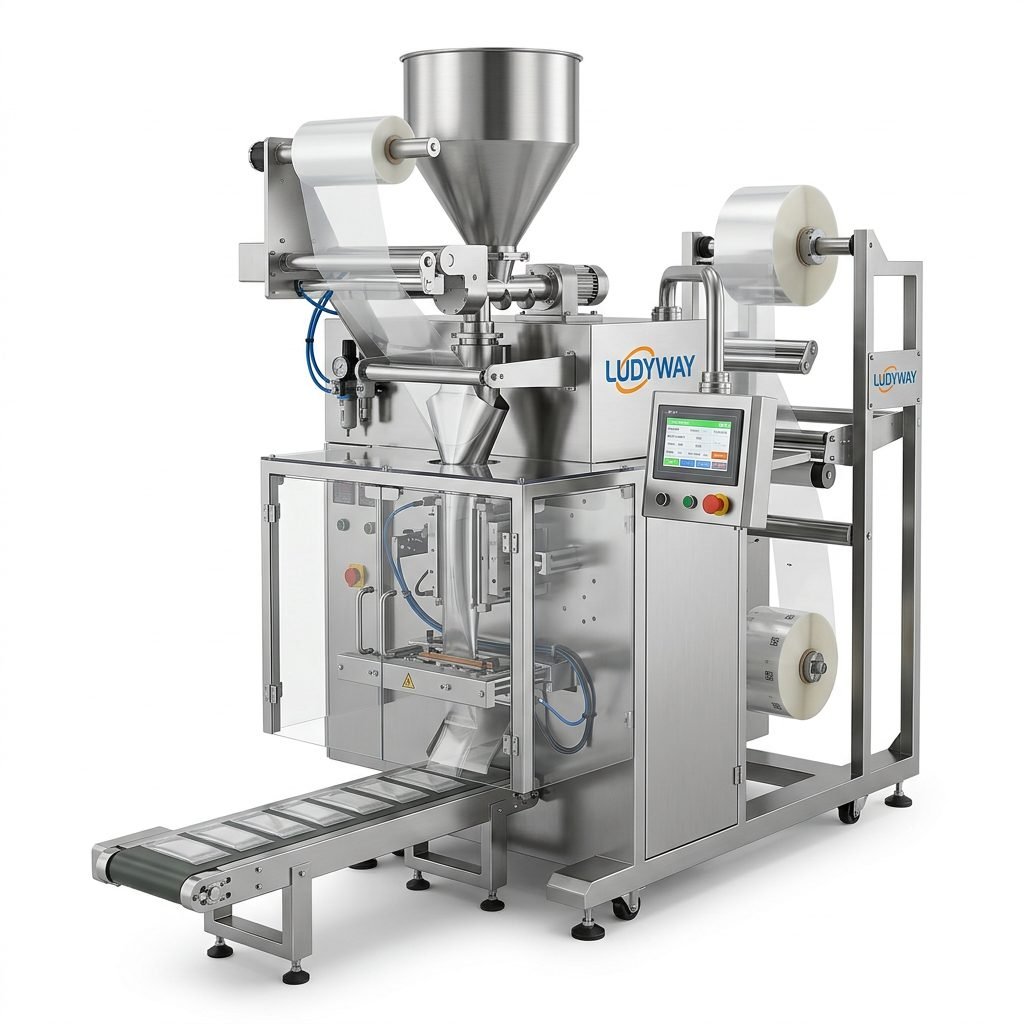
A vertical form fill seal machine is an automated packaging system that forms bags from a flat roll of film in a vertical direction, dispenses a measured amount of product into the bag, and then seals the package. The entire process happens inside one machine, which makes it ideal for businesses looking to improve throughput and reduce manual packing work.
VFFS machines are commonly used for:
- Powders such as protein powder, spices, coffee powder, and pharmaceutical blends
- Granules such as sugar, salt, rice, seeds, and nuts
- Liquids and pastes such as sauces, creams, oils, and gels
- Consumer goods, chemical products, and health supplements
How a Vertical Form Fill Seal Machine Works
The machine follows a clear sequence. Although the exact configuration varies by product and bag type, the standard workflow is usually as follows:
- Film unwinding – Packaging film is pulled from a roll into the machine.
- Bag forming – The film passes over a forming collar and tube, where it is shaped into a bag.
- Longitudinal sealing – The vertical seal is created to form the bag body.
- Bottom sealing – A horizontal seal closes the bottom of the bag.
- Product filling – A dosing system delivers the exact amount of product into the formed bag.
- Top sealing and cutting – The filled bag is sealed at the top and separated from the next bag.
- Discharge – The finished package exits the machine for coding, inspection, cartoning, or case packing.
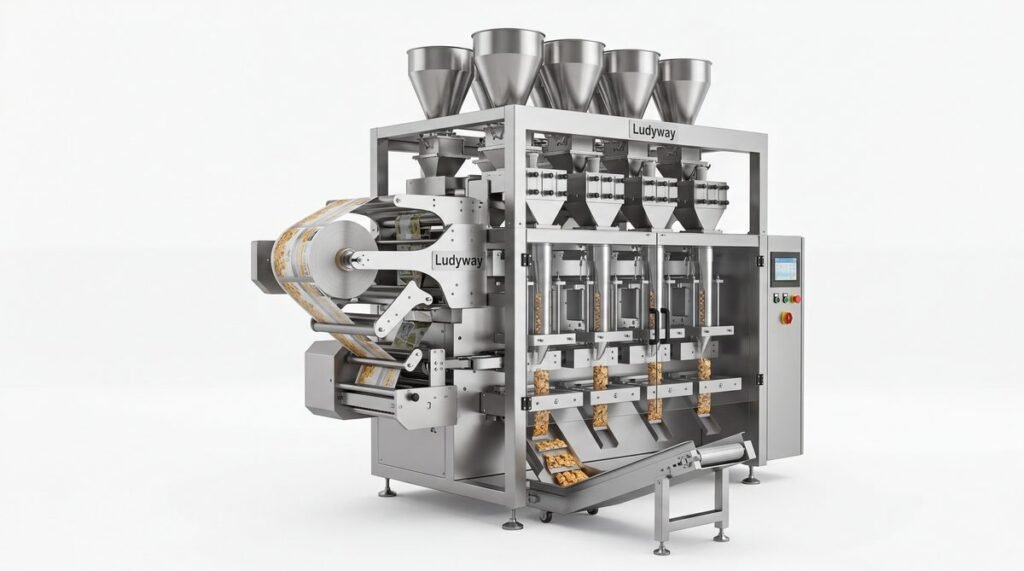
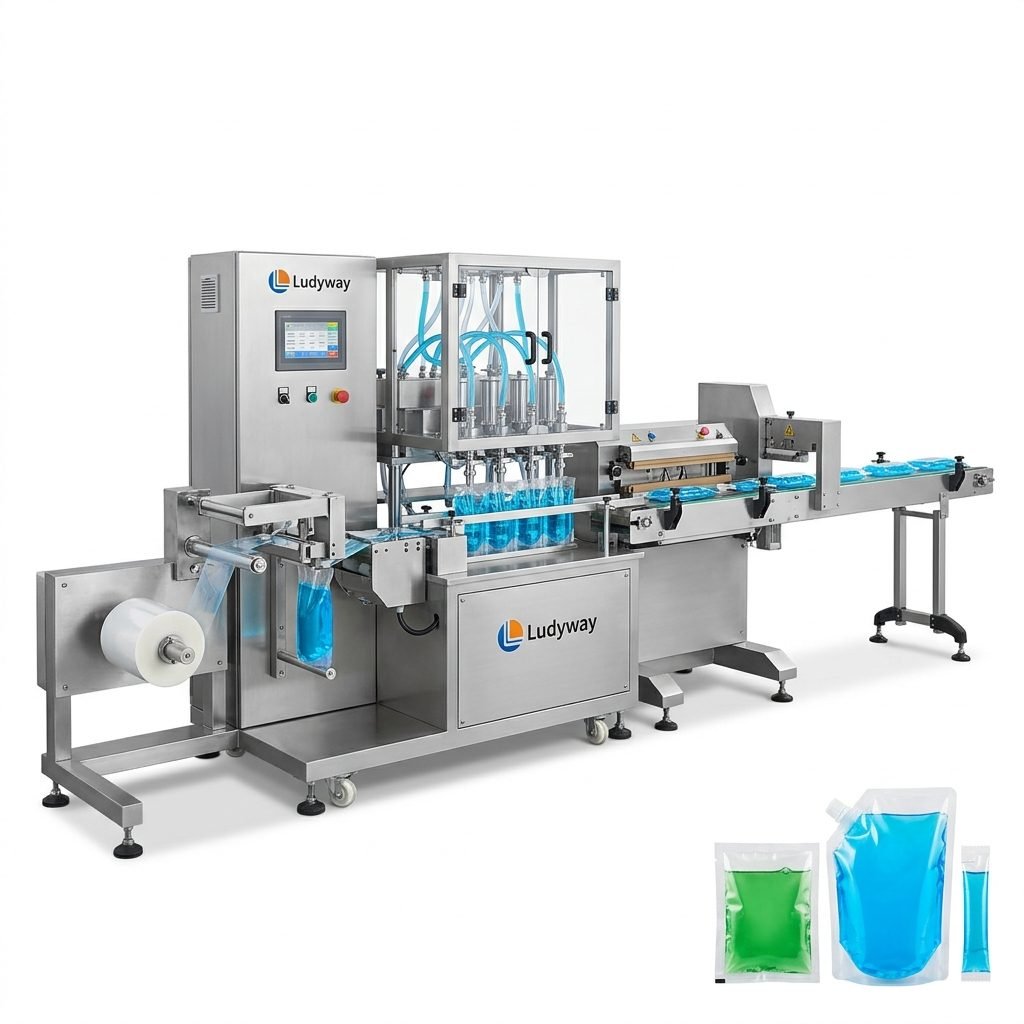
Core performance depends heavily on the filling system. For example, auger fillers are usually selected for powders, multihead weighers for snacks and granules, and piston or pump fillers for liquids and pastes.
Main Components of a VFFS Machine
| Component | Function |
|---|---|
| Film roll holder and pull belt | Feeds packaging film smoothly into the machine |
| Forming collar and tube | Shapes flat film into a tube or bag form |
| Vertical sealing unit | Creates the back or fin seal of the bag |
| Horizontal sealing jaws | Forms top and bottom seals and cuts bags |
| Filling device | Doses the product accurately based on material type |
| PLC and HMI control system | Allows operators to set speed, bag length, temperature, and recipes |
| Optional coding and inspection devices | Add date coding, weight check, metal detection, or reject functions |
Common Bag Types Produced by VFFS Machines
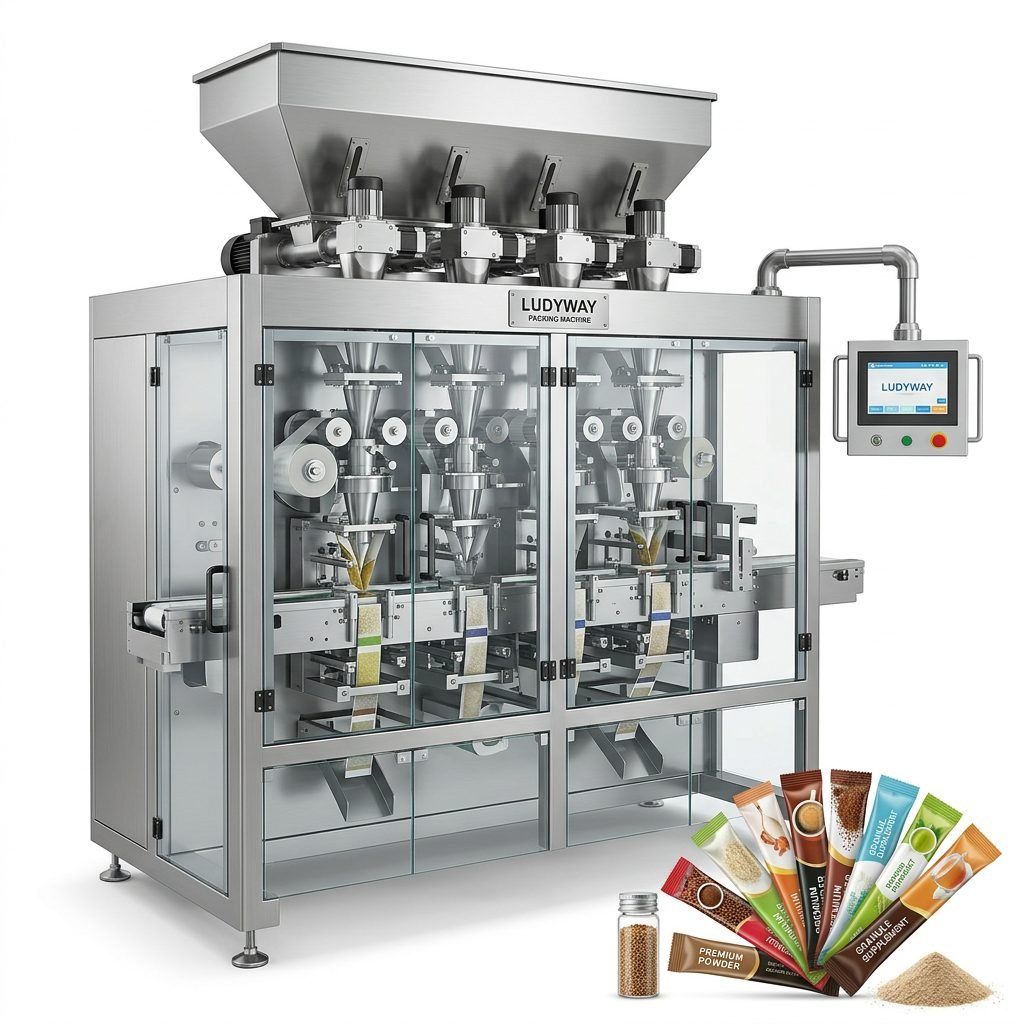
One major advantage of VFFS equipment is its ability to support multiple package styles. Depending on the machine design and accessories, common bag formats include:
- Pillow bags
- Gusset bags
- Quad seal bags
- Sachet packs
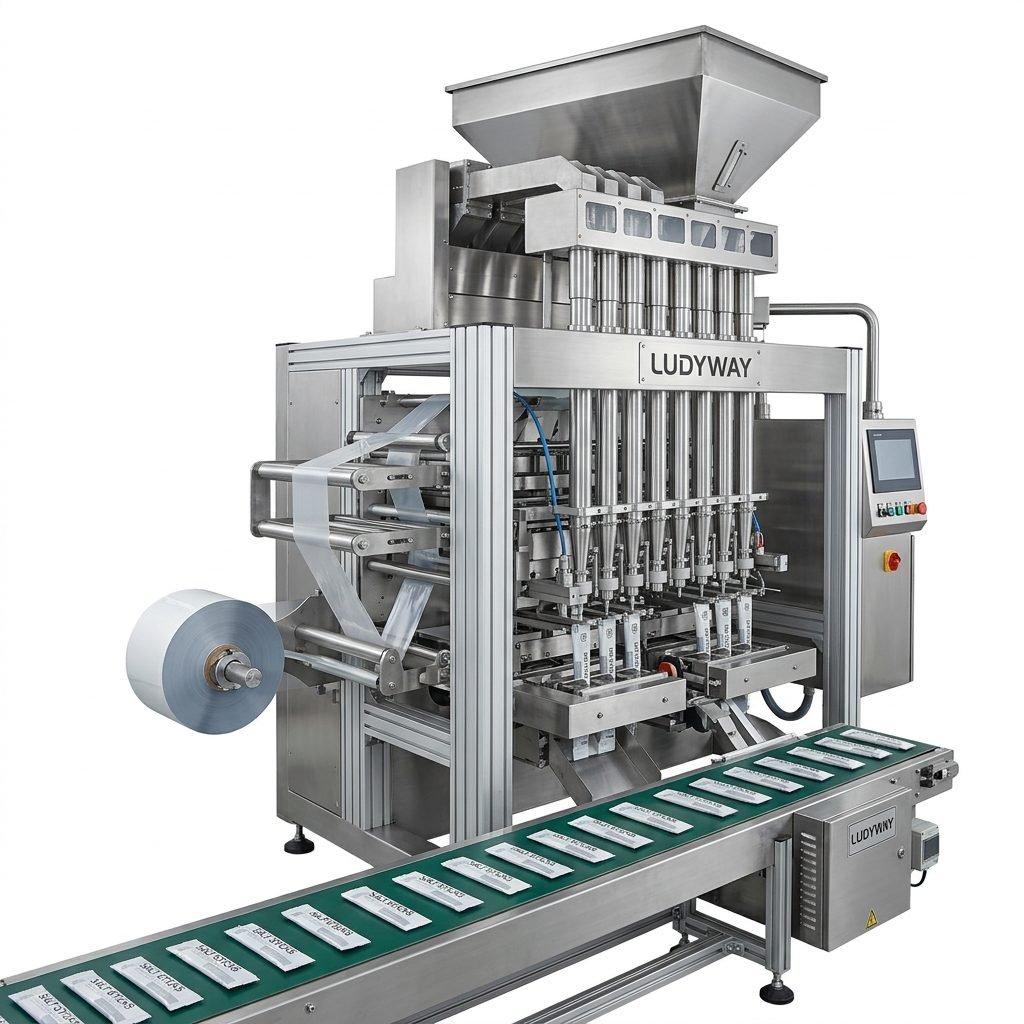
- Stick packs
- Chain bags or linked bags
- Hole-punch hanging bags
The best bag type depends on product density, shelf display needs, retail format, and shipping requirements.
Benefits of Using a Vertical Form Fill Seal Machine
1. High Packaging Efficiency
VFFS machines combine bag making, filling, and sealing in one system. This significantly reduces handling time and increases production output compared with semi-automatic or manual packing methods.
2. Lower Labor Costs
Because the process is highly automated, fewer operators are needed. This can reduce labor expenses while improving production consistency across shifts.
3. Better Fill Accuracy
When matched with the correct dosing technology, the machine can achieve reliable fill weights and lower product giveaway, which is especially important for high-value powders, pharma products, and nutritional supplements.
4. Wide Product Compatibility
VFFS systems can be customized for free-flowing powders, difficult dusty materials, fragile granules, viscous liquids, and even multi-component products.
5. Space-Saving Footprint
Since the film forms vertically and the machine integrates several packaging steps, it often occupies less floor space than larger horizontal alternatives.
6. Flexible Automation Integration
A VFFS machine can be connected to conveyors, checkweighers, coding machines, metal detectors, cartoners, and case packers to create a more complete packaging line.
7. Improved Seal Quality and Shelf Appeal
Stable sealing temperature and tension control help produce cleaner, stronger bags. This improves both package appearance and product protection during transport.
Industries That Commonly Use VFFS Packaging
| Industry | Typical Products | Recommended Filling Style |
|---|---|---|
| Food | Coffee, sugar, snacks, spices, grains, soup mix | Auger, cup filler, multihead weigher |
| Pharmaceutical | Powders, granules, oral sachets, medical blends | Auger filler with dust control |
| Health supplement | Protein powder, collagen, electrolytes, probiotics | Precision auger or multi-lane system |
| Chemical | Detergent powder, additives, cleaning agents | Auger, volumetric cup, pump filler |
| Cosmetic | Creams, gels, lotions, sample sachets | Piston pump or liquid filler |
| Pet care | Treats, nutrition powders, granules | Weigher or auger depending on format |
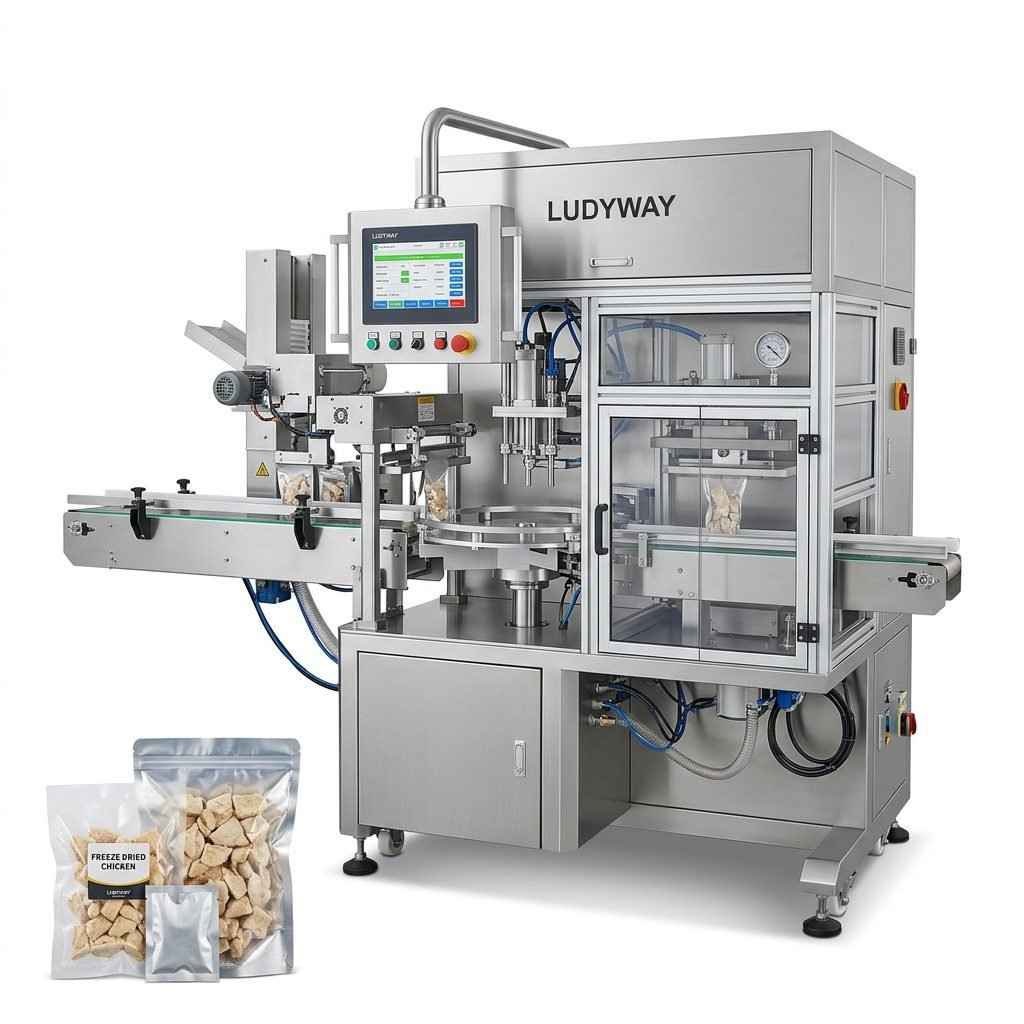
VFFS vs. HFFS: What Is the Difference?
Buyers often compare vertical form fill seal machines with horizontal form fill seal systems. Both are widely used, but the best choice depends on the product and bag style.
| Factor | VFFS Machine | HFFS Machine |
|---|---|---|
| Machine orientation | Vertical | Horizontal |
| Ideal products | Powders, granules, free-flowing products | Premade pouches, shaped items, fragile products |
| Floor space | Usually more compact | Often larger |
| Speed and simplicity | Strong for standard bags and high output | Better for complex pouch applications |
| Typical cost | Often more cost-effective | Can be higher depending on pouch style |
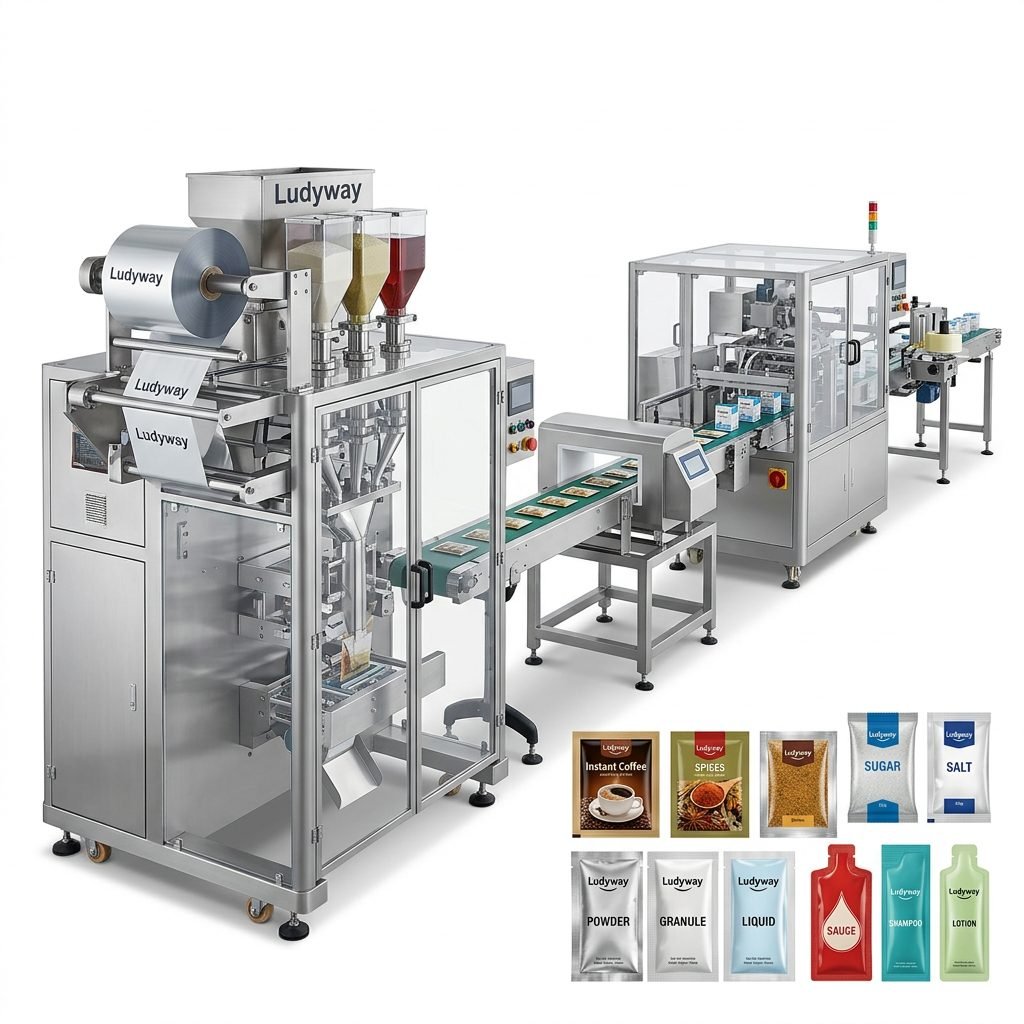
Key Factors to Consider Before Buying a VFFS Machine
Product Type
The material you package is the first thing to define. Powder, granule, liquid, and paste products require very different filling technologies, sealing setups, and dust or anti-drip controls.
Bag Size and Bag Style
Check the required bag width, length, and style. Not all machines support the same range. If you plan to produce multiple SKUs, choose a model with fast changeover and adjustable forming components.
Output Speed
Do not buy based only on maximum speed claims. Ask for the actual speed based on your product, target weight, and film type. Sticky, dusty, or non-free-flowing products may run slower than standard test materials.
Accuracy Requirements
For premium or regulated products, filling precision matters. A slight overfill repeated across thousands of packs can create major cost loss over time.
Film Compatibility
Verify whether the machine can work with laminated film, PE, recyclable materials, aluminum foil structures, or paper-based packaging. Seal temperature and film tracking stability are critical here.
Sanitary Design
Food, pharmaceutical, and supplement manufacturers should look for easy-clean construction, stainless steel contact parts, enclosed product paths, and options for dust extraction or nitrogen flushing.
Automation and Expansion
If your business expects growth, choose a machine that can later be integrated into a full line with feeding systems, coding, checkweighing, metal detection, cartoning, and palletizing.
After-Sales Support
Machine reliability is only part of the equation. Spare parts availability, remote technical support, installation guidance, operator training, and troubleshooting response time all matter.
Questions to Ask a VFFS Machine Supplier
- What products has this machine already been tested with?
- What bag formats and film materials are supported?
- What is the realistic speed range for my product?
- What filling accuracy can be achieved?
- How long does format changeover take?
- What spare parts are included with delivery?
- Can the machine integrate with conveyors, coding, or inspection systems?
- What electrical standards and certifications are available for my market?
- Do you provide FAT videos, sample testing, or trial packaging runs?
- How do you support installation and future maintenance?
Common Buying Mistakes to Avoid
- Choosing by price alone instead of total lifecycle value
- Ignoring the impact of product flow characteristics on speed and accuracy
- Underestimating future capacity requirements
- Not checking local voltage, compliance, and operator language needs
- Overlooking sealing quality when using special packaging films
- Buying a machine without confirming access to service and spare parts
Who Should Invest in a Vertical Form Fill Seal Machine?
A VFFS system is a strong choice for businesses that:
- Need higher production efficiency than manual or semi-automatic packing can provide
- Want consistent, repeatable bag size and sealing quality
- Package powders, granules, liquids, or small-dose products regularly
- Require a compact packaging machine with scalable automation potential
- Plan to expand into private label, export packaging, or multi-SKU production
Choosing a Reliable Packaging Equipment Partner
Machine selection is easier when you work with a manufacturer that understands different industries, product behaviors, and turnkey integration. Ludyway vertical packaging machine solutions are backed by more than 30 years of packaging industry experience, a manufacturing base of over 20,000 square meters, and broad export service across food, pharmaceutical, health supplement, chemical, and related sectors.
For buyers looking beyond a standalone machine, it is often more efficient to evaluate the full packaging process—from feeding and dosing to sealing, coding, inspection, and end-of-line automation.
Final Buying Checklist
| Checklist Item | Why It Matters |
|---|---|
| Product characteristics confirmed | Ensures the right filling and sealing configuration |
| Bag type and size finalized | Prevents mismatch between machine range and packaging goals |
| Required speed verified with samples | Avoids unrealistic performance expectations |
| Film material tested | Improves seal stability and package appearance |
| Cleaning and maintenance reviewed | Supports uptime and hygiene compliance |
| Support and spare parts plan confirmed | Reduces future downtime risk |
| Expansion options considered | Allows future line upgrades without replacing the whole system |
A well-matched vertical form fill seal machine can become a long-term productivity asset. When selected based on product behavior, packaging goals, fill accuracy, and supplier capability, it can deliver strong ROI through lower labor, faster output, better consistency, and scalable automation.