In today’s fast-paced manufacturing world, selecting the right water packaging machinery is a critical decision that impacts production efficiency, product quality, and overall operational costs. Whether you are bottling purified drinking water, flavored water, or specialized functional beverages, the packaging system you choose forms the backbone of your production line. This guide delves into the various types of water packaging machinery, their key features, and provides a structured approach to help you select the optimal system for your specific needs.
Understanding the Core Types of Water Packaging Machinery
The landscape of water packaging equipment is diverse, catering to different container types, production speeds, and levels of automation. Understanding these categories is the first step toward making an informed choice.
1. Bottling Lines
These are integrated systems designed for filling and sealing bottles. They typically consist of several key stations:
➤ Monobloc Systems: Combine rinsing, filling, and capping into a single, compact machine. Ideal for saving floor space and ensuring synchronized operation.
➤ Rotary Fillers: Use a rotating carousel with multiple filling heads for high-speed, continuous operation. Perfect for large-scale production of uniform products.
➤ Linear Fillers: Bottles move in a straight line through different stations. They offer great flexibility for handling various bottle shapes and sizes, often used for medium-scale production.
2. Pouch & Sachet Packaging Machines
Gaining immense popularity for their material efficiency and convenience, these machines package water into flexible pouches.
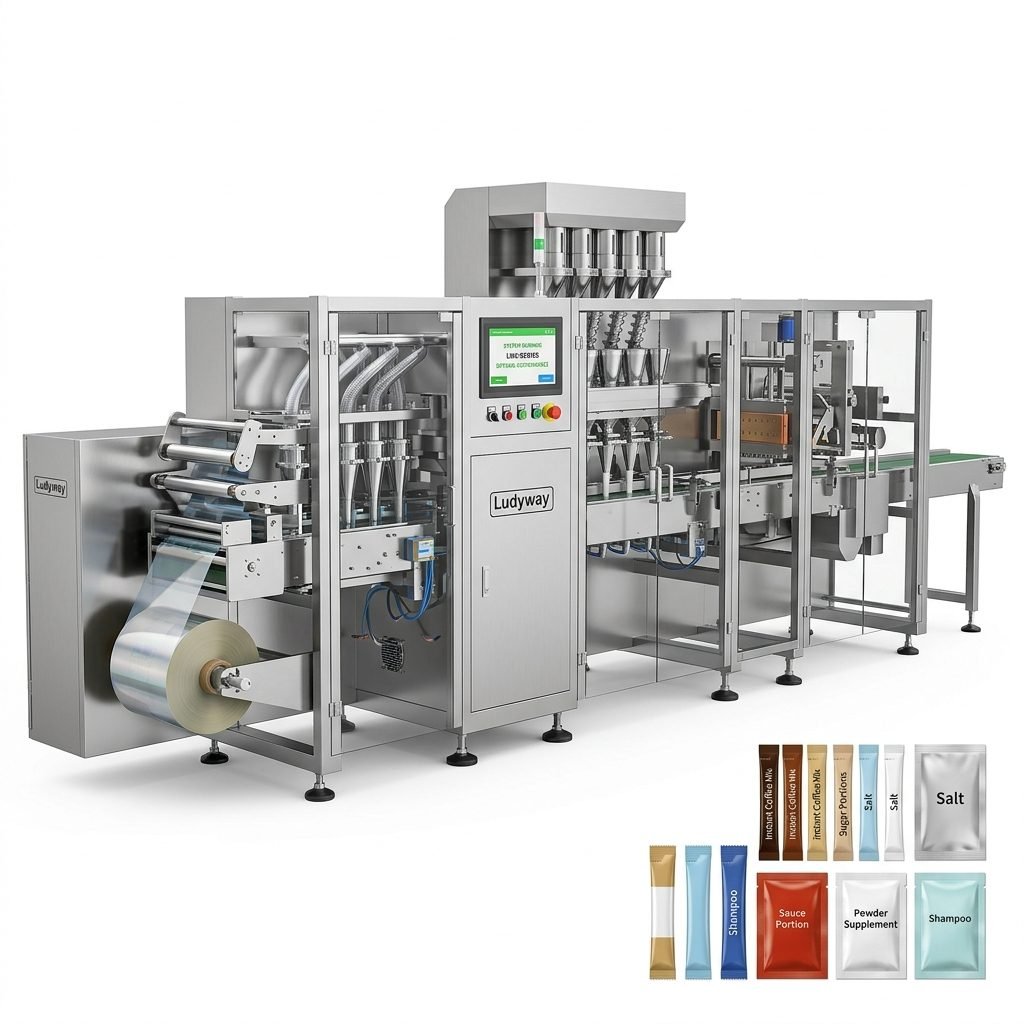
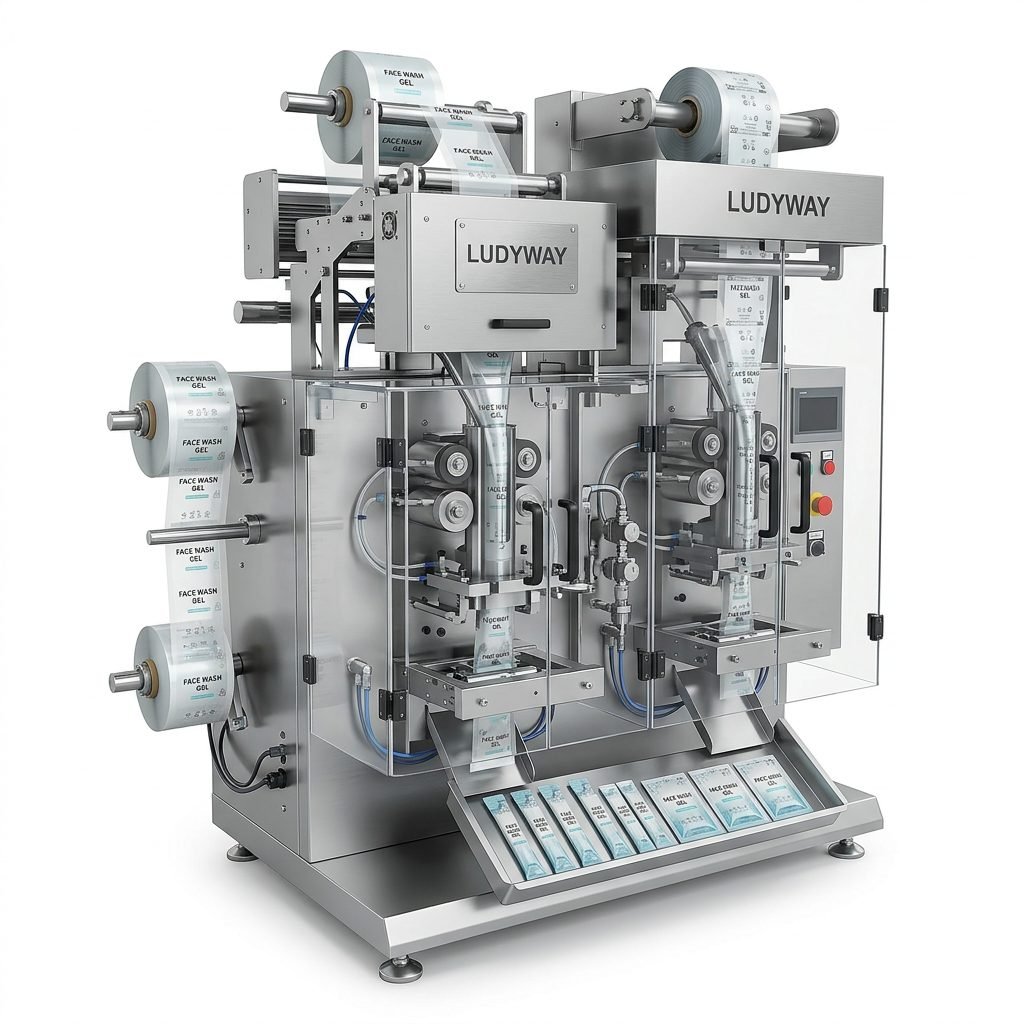
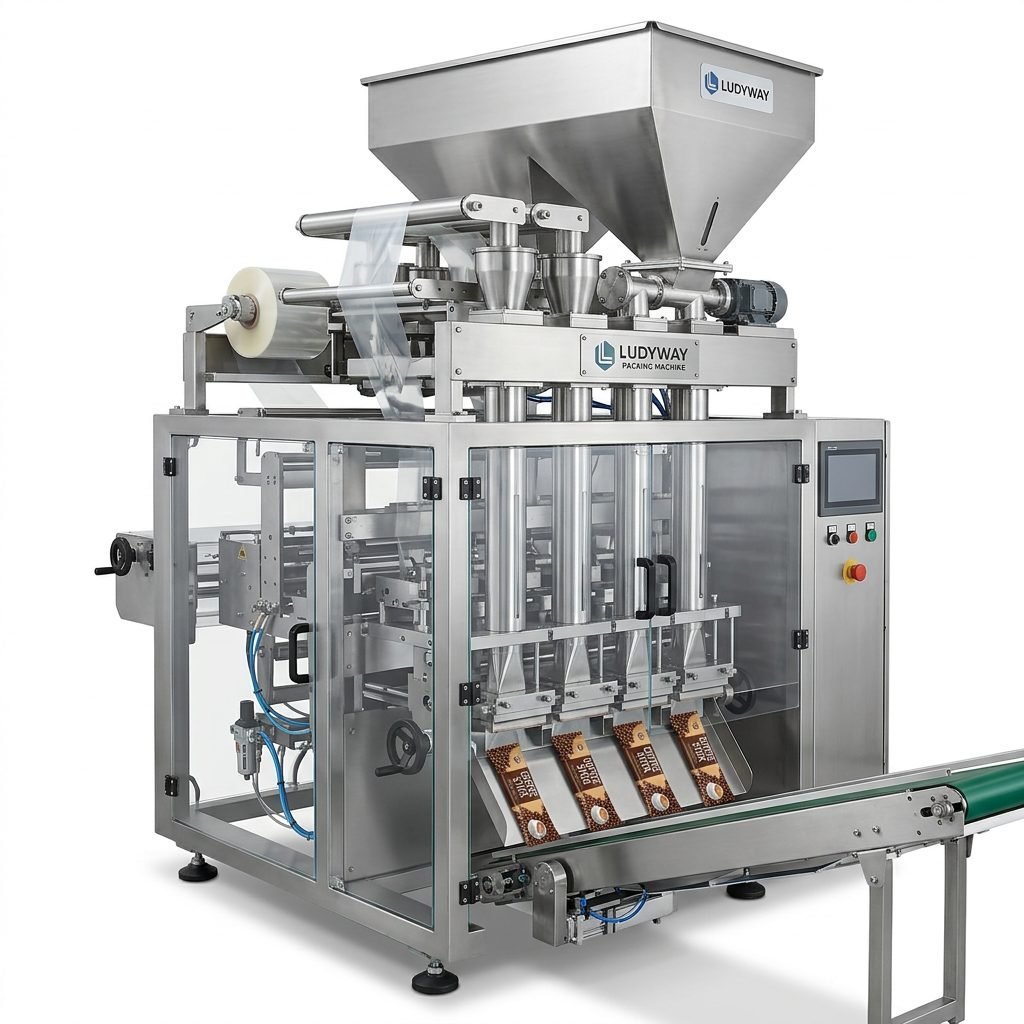
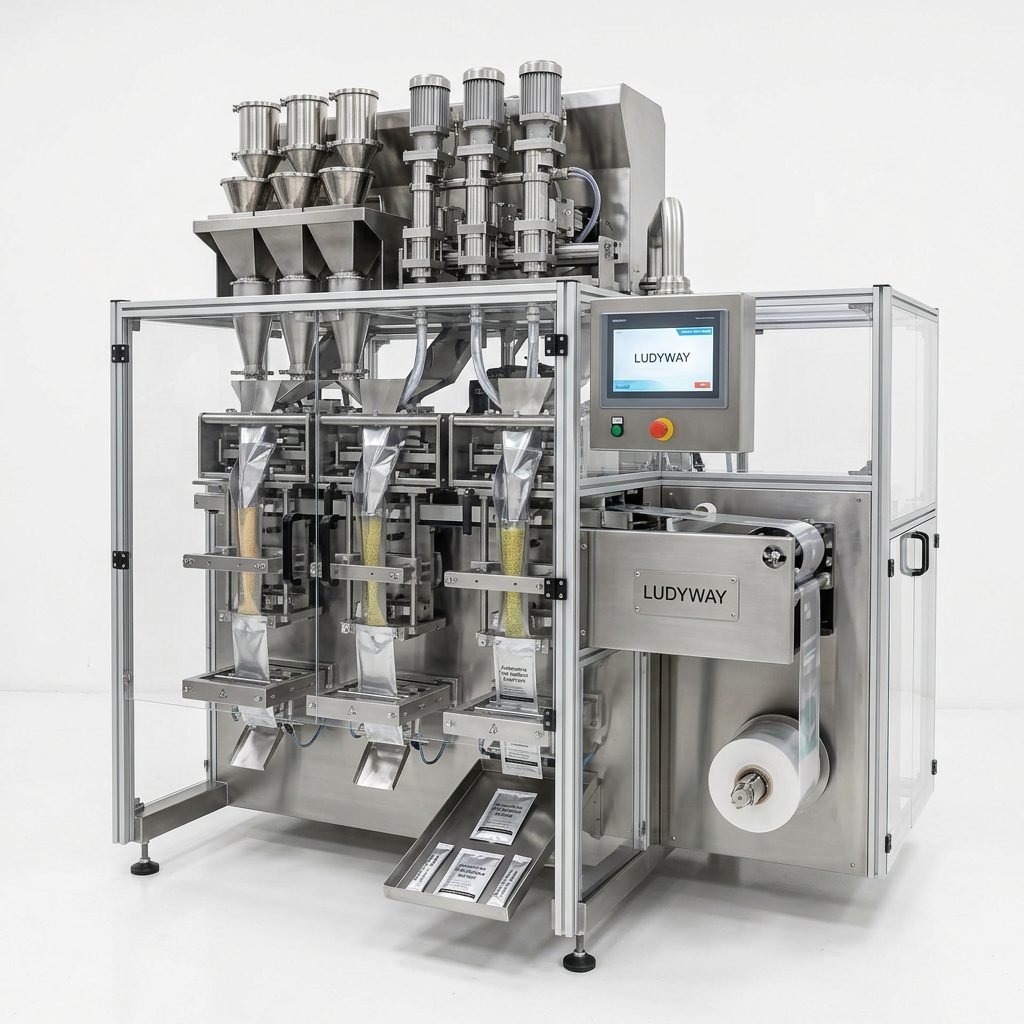
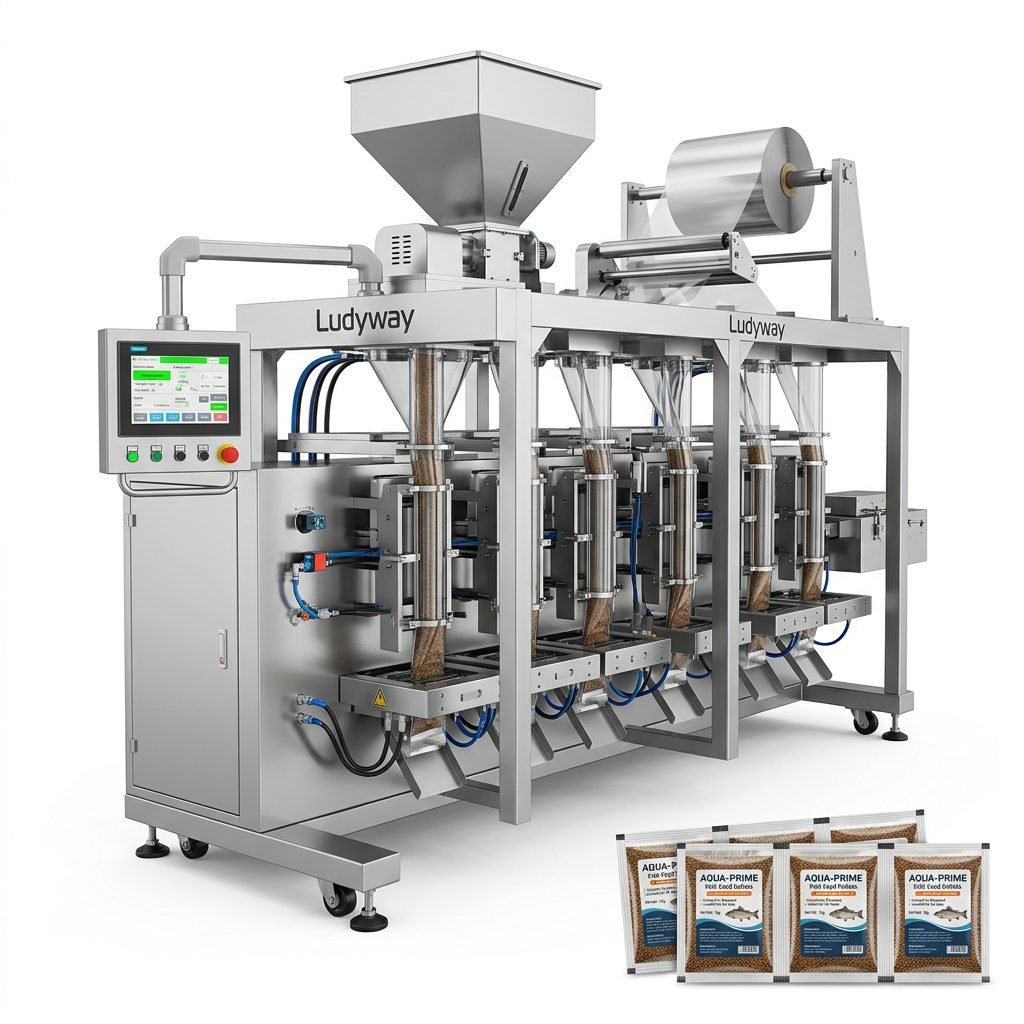
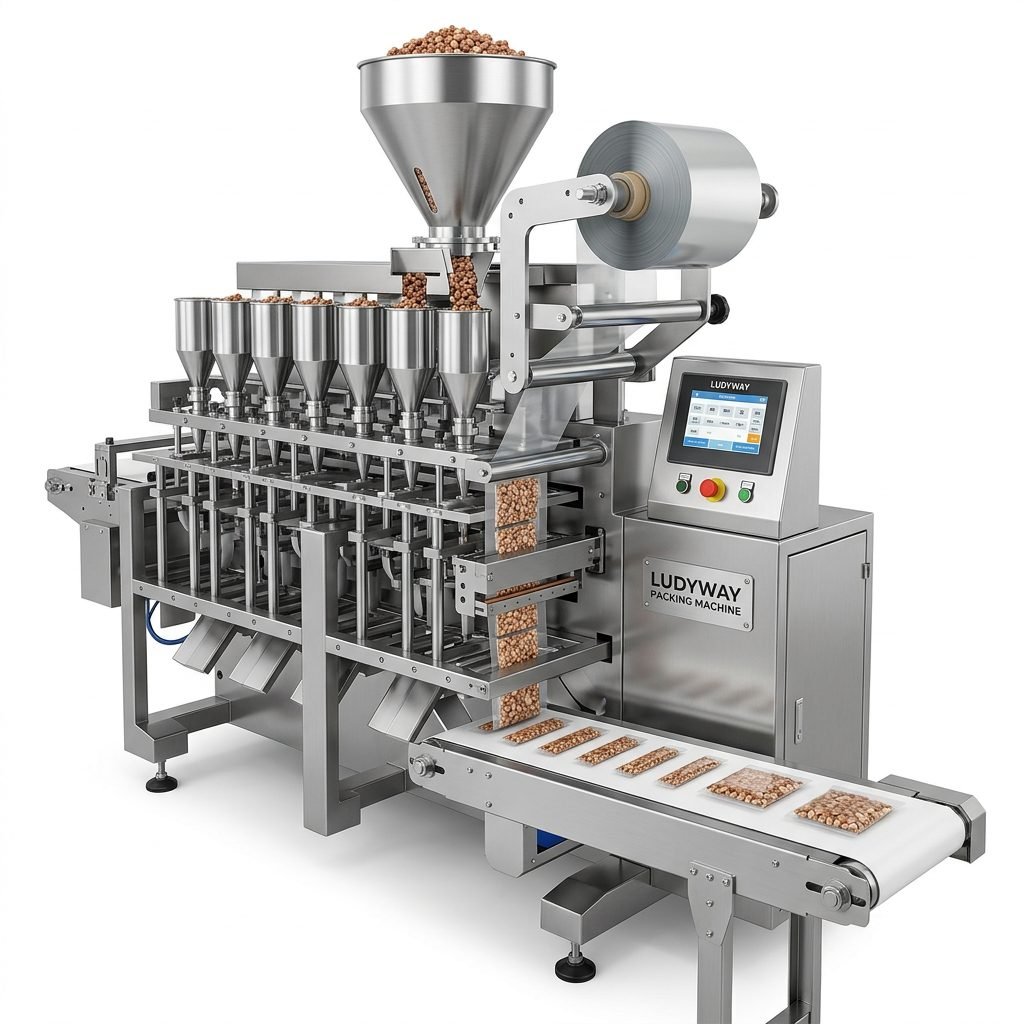
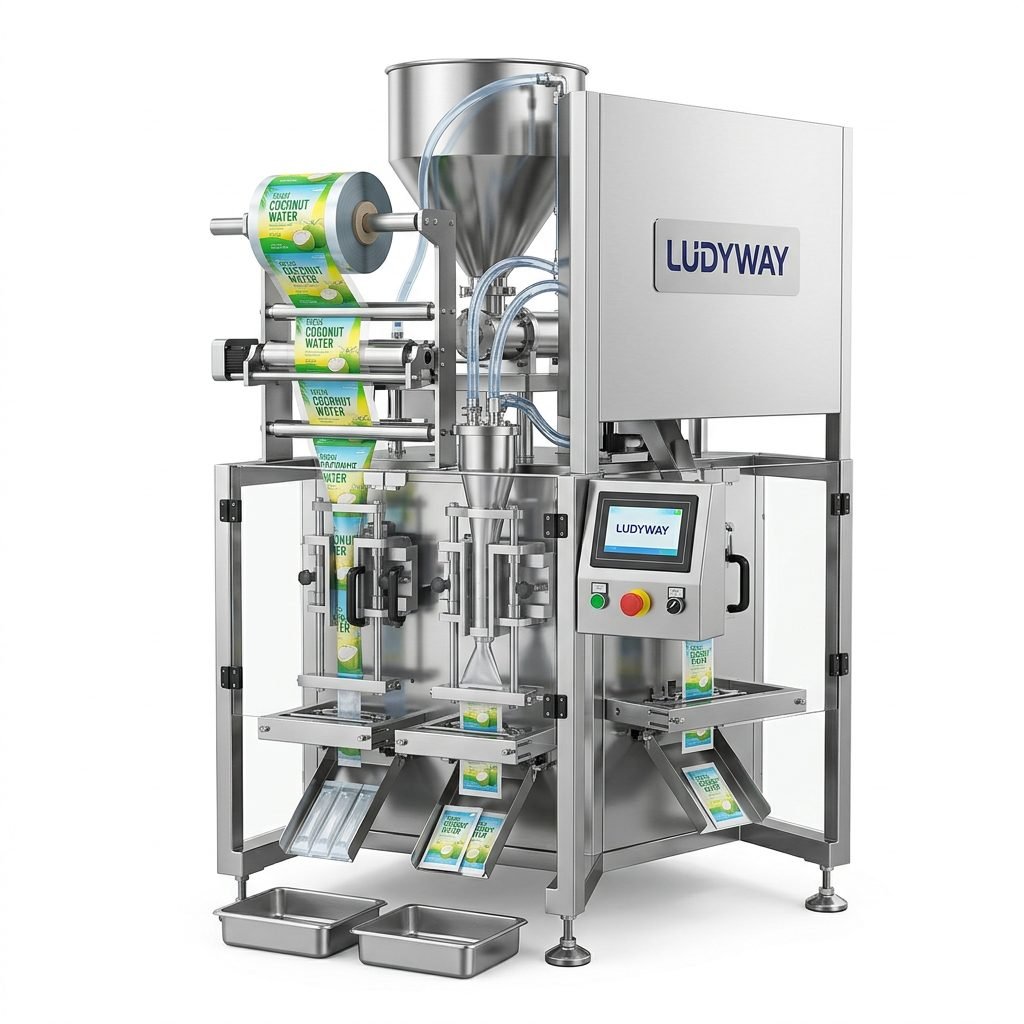
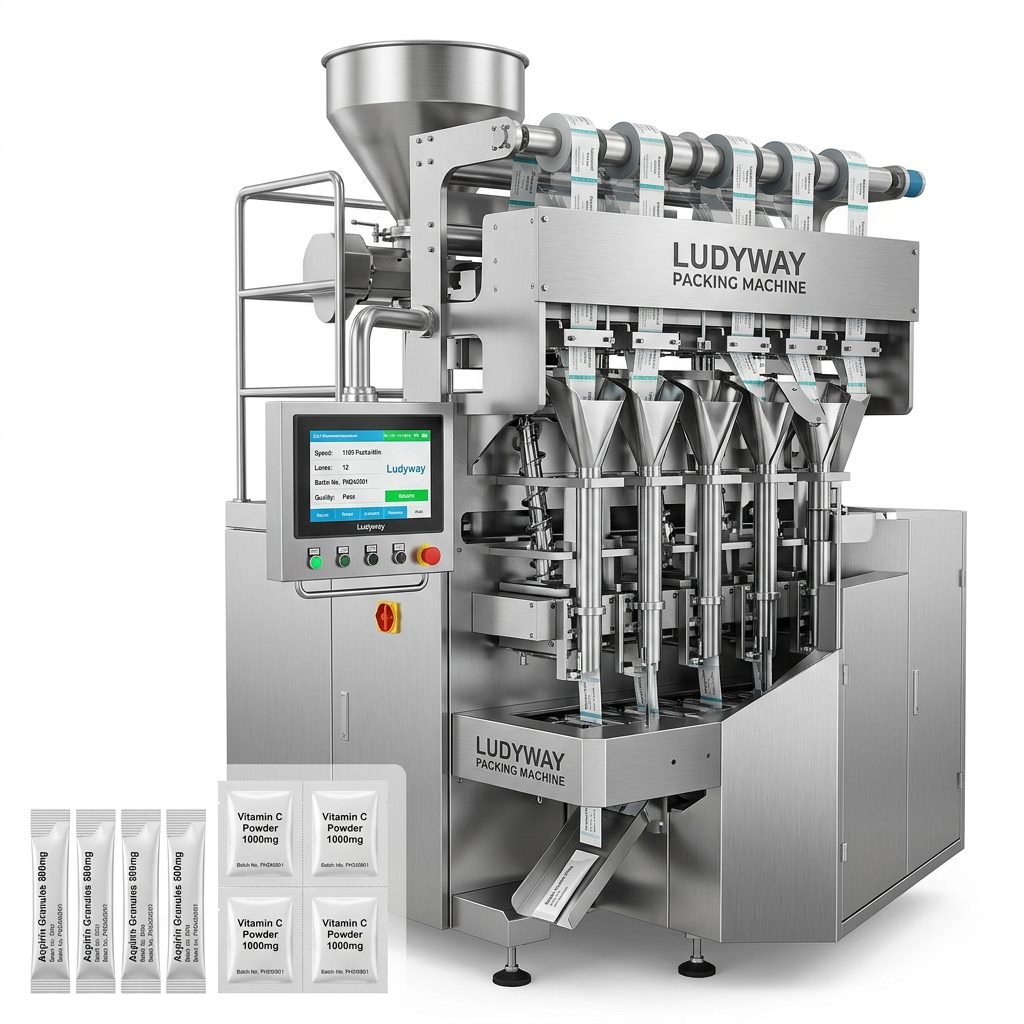
Vertical Form-Fill-Seal (VFFS) Machines: The most common type. They form a roll of flat film into a tube, fill it with a pre-measured volume of water, and then seal and cut it into individual pouches. They are highly efficient for single-serve water packets.
Pre-made Pouch Fillers: These machines use pre-manufactured, stand-up pouches (doypacks). They open, fill, and then seal the pouches. This method is excellent for premium or larger-volume water products where pouch graphics and structure are crucial.
3. Bulk Water Packaging Systems
Designed for large-volume containers like 5-gallon jugs, 3-gallon bottles, or bag-in-box systems for dispensers. These systems often include automated rinsers, heavy-duty fillers, cap placers, and sealers. Sanitation and handling robustness are paramount for this machinery segment.
Essential Features to Evaluate in a Packaging System
Beyond the basic type, several features determine the performance, reliability, and suitability of a water packaging machine.
Filling Technology
The heart of the machine. The choice depends on water characteristics (still, carbonated, viscous with additives).
- Gravity Fillers: Simple and cost-effective for still water. Relies on product flow by gravity.
- Volumetric Fillers (Piston/Pump): Offer high accuracy by displacing a set volume. Excellent for consistent fill levels regardless of product viscosity.
- Pressure Fillers: Essential for carbonated water to prevent loss of carbonation. The bottle and filler head create a pressurized chamber during filling.
- Net Weight Fillers: The most accurate method. Each container is weighed during filling, ensuring precise net content. Used for high-value products.
Machine Construction & Hygiene
Water packaging demands the highest hygiene standards. Look for machines with:
Food-Grade Materials: Contact parts made from 316L stainless steel or other certified materials.
Easy-Clean Design (CIP/SIP): Clean-in-Place (CIP) and Sterilize-in-Place (SIP) capabilities minimize downtime for cleaning.
Protected Mechanisms: Enclosed design to prevent lubricant or external contaminants from entering the product zone.
Automation & Control Level
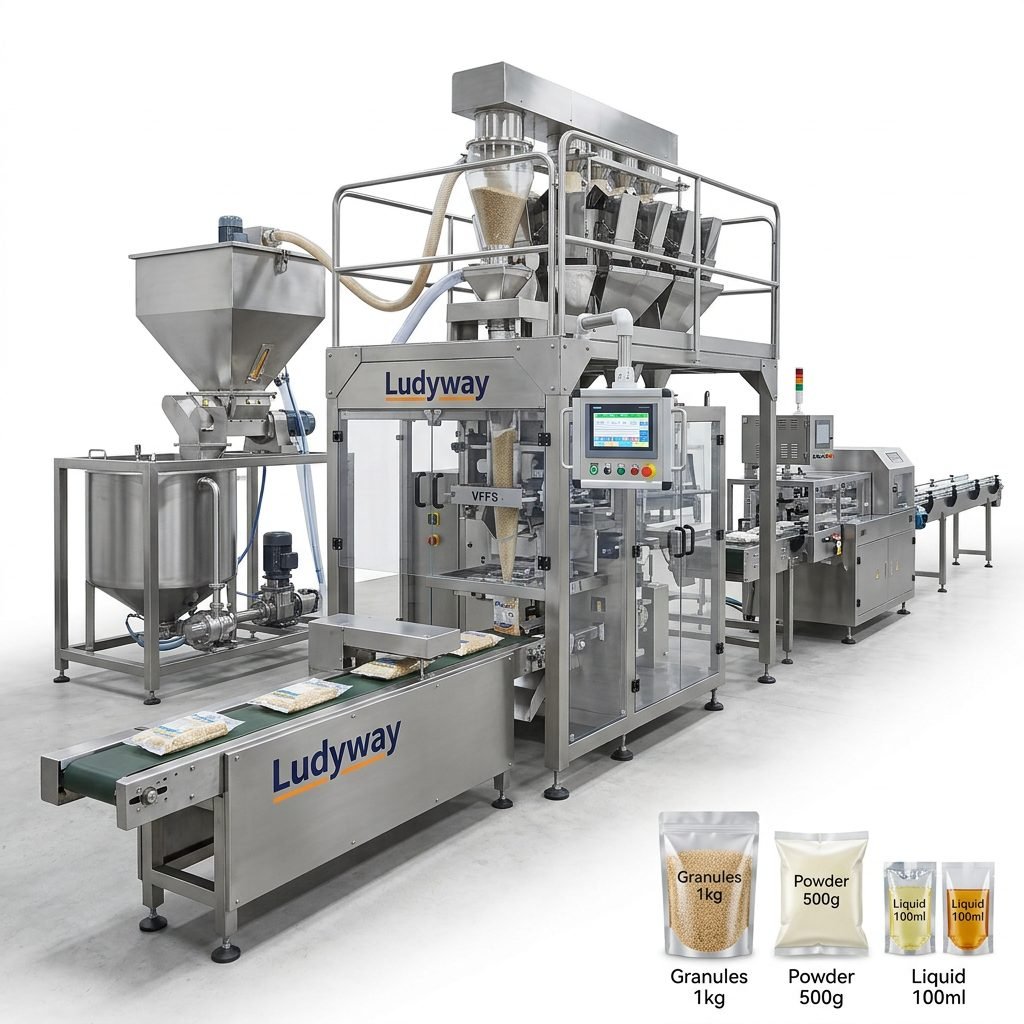
This ranges from semi-automatic machines requiring manual bottle placement to fully automated lines integrated with conveyors, cap sorters, and case packers. The choice impacts labor costs and output consistency. Modern machines feature Programmable Logic Controllers (PLCs) and Human-Machine Interfaces (HMIs) for easy operation, recipe management, and production data tracking.
Changeover Flexibility
If you plan to package different bottle sizes or pouch dimensions, quick and tool-less changeover is a vital feature. It dramatically reduces downtime when switching production runs.
How to Choose the Right Water Packaging System: A Step-by-Step Guide
Selecting machinery is a strategic process. Follow this framework to align your investment with business goals.
Step 1: Define Your Product & Production Requirements
Start with clear answers to these questions:
- Water Type: Still, sparkling, purified, mineral, or functional water with additives?
- Container: Bottle (PET, glass), pouch, jug? What are the specific dimensions and opening specifications?
- Desired Output: What are your required bottles/pouches per minute, hour, and shift? Consider both current needs and future growth projections.
- Available Space: Measure your production area. Monobloc systems save space, while linear lines might require more length.
Step 2: Establish Your Budget & Total Cost of Ownership (TCO)
Look beyond the initial purchase price. Calculate the TCO, which includes:
• Machine cost
• Installation & commissioning
• Spare parts inventory
• Energy consumption
• Maintenance & service contracts
• Operator training costs
A slightly more expensive but robust and energy-efficient machine from a reputable supplier like Ludyway Machinery often proves more economical in the long run due to higher uptime and lower operating costs.
Step 3: Research and Shortlist Reputable Suppliers
Focus on manufacturers with proven expertise in liquid packaging. Evaluate their:
Industry Experience: How long have they been building water packaging machinery?
Technical Support: Availability of local service engineers, spare parts logistics, and remote support capabilities.
Customer Portfolio: Ask for case studies or references from companies with similar applications.
Compliance: Ensure machines meet relevant safety and industry standards (CE, ISO, etc.).
Step 4: Request Demonstrations & Evaluate Performance
Always see the machine run, preferably with a product similar to yours. During the demo, assess:
- Accuracy & Speed: Does it meet the claimed output and fill accuracy?
- Ease of Operation: Is the control interface intuitive for your team?
- Build Quality: Inspect the welds, material finish, and overall construction.
- Changeover Process: Time how long it takes to switch to a different container size.
Step 5: Plan for Integration & Future Growth
Consider how the new machine will integrate with your existing upstream (blending, water treatment) and downstream (labeling, casing, palletizing) equipment. Furthermore, discuss with your supplier about the machine’s scalability. Can its speed be upgraded? Can it be integrated into a fully automated line later? Choosing a partner with experience in turnkey solutions can streamline this process.
Conclusion
Investing in water packaging machinery is a significant decision that requires careful analysis of your product, production goals, and operational constraints. By thoroughly understanding the different machine types, critically evaluating key features like filling technology and hygiene design, and following a structured selection process, you can identify a system that delivers reliability, efficiency, and a strong return on investment. Partnering with an experienced supplier ensures not only a quality machine but also the ongoing technical support vital for long-term production success. For insights into reliable packaging solutions, you can explore the expertise of industry players like Ludyway Packaging Machinery.
Frequently Asked Questions (FAQs)
1. What is the typical production speed range for a water bottling line?
Speeds vary widely based on automation. Semi-automatic fillers may produce 10-30 bottles per minute (BPM). Mid-range rotary monobloc systems can achieve 60-150 BPM. High-speed, fully integrated lines for small PET bottles can exceed 400 BPM. Your required output is the primary determining factor.
2. Can one machine handle both still and sparkling water?
It is challenging. While the core frame might be similar, the filling technology differs significantly. Pressure fillers for sparkling water are more complex. Some advanced machines can be converted, but it often involves major component changes. It’s usually more efficient to have dedicated lines for each product type.
3. How important is the CIP (Clean-in-Place) system?
Extremely important for water packaging. A well-designed CIP system ensures thorough and repeatable cleaning of all product contact surfaces without disassembly, which is critical for maintaining hygiene standards, preventing bacterial growth, and minimizing production downtime for cleaning.
4. What are the main maintenance requirements for these machines?
Regular maintenance includes daily cleaning, lubrication of moving parts (with food-grade lubricants), inspection and replacement of seals and gaskets, calibration of filling heads and sensors, and checking pneumatic systems. Following the manufacturer’s preventive maintenance schedule is key to avoiding unplanned stoppages.
5. What should I look for in a supplier’s after-sales service?
Prioritize suppliers who offer comprehensive training for your operators and maintenance staff, readily available spare parts inventory, prompt technical support (including remote diagnostics), and clear service contract options. A strong service network is as crucial as the machine itself for ensuring long-term productivity.