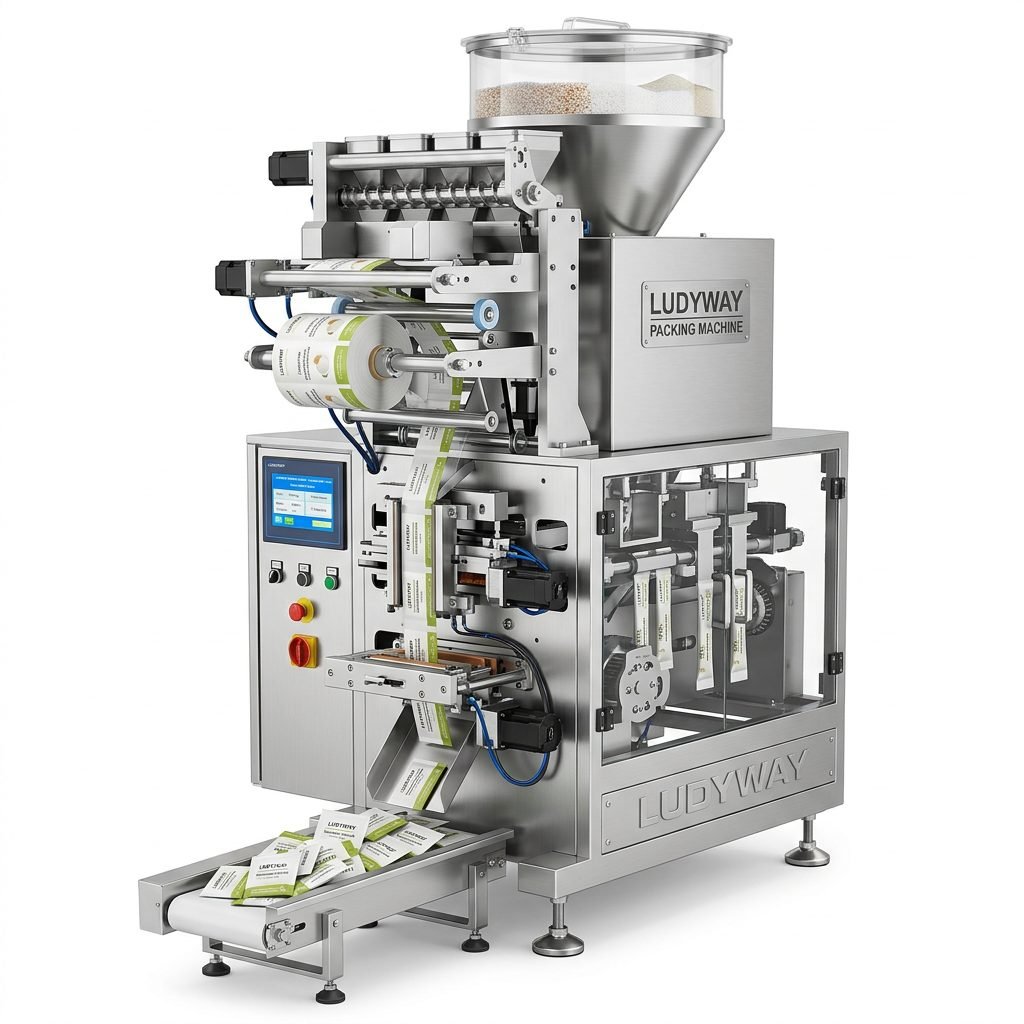
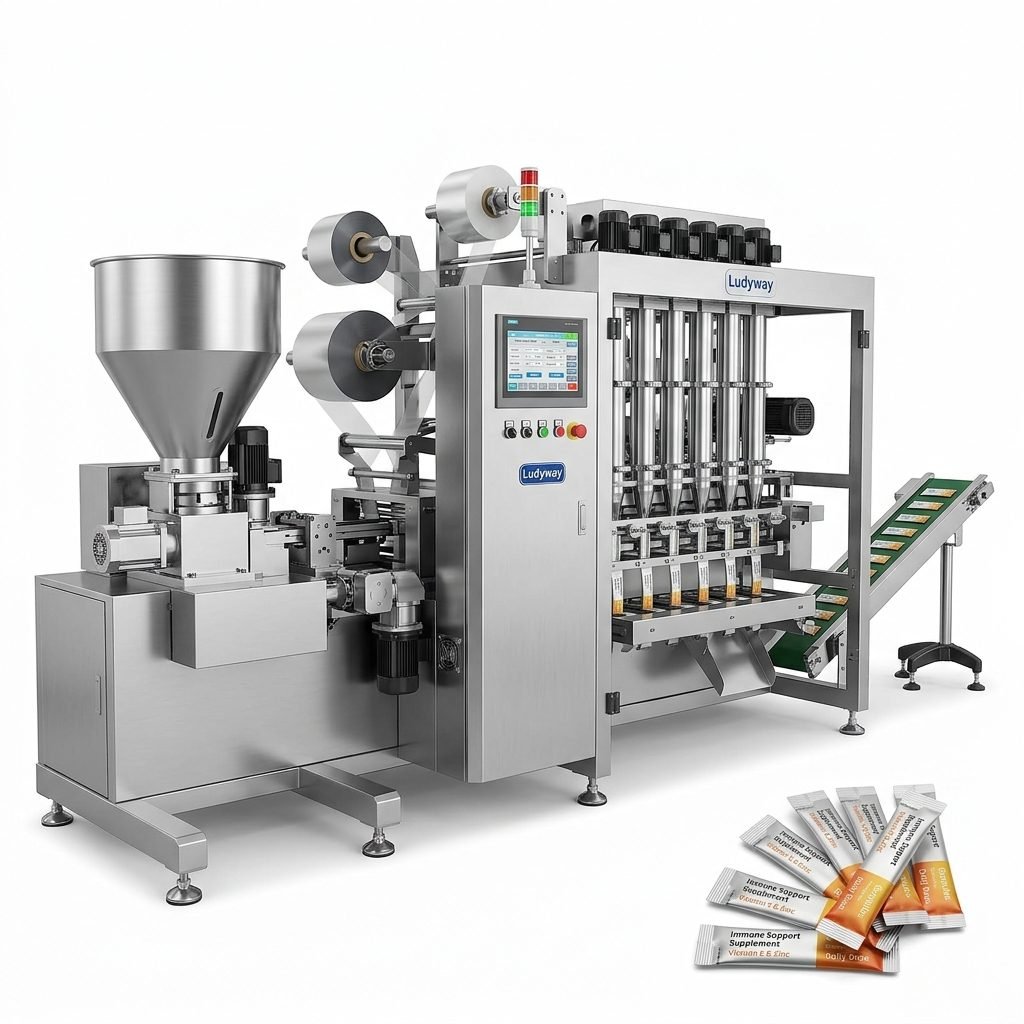
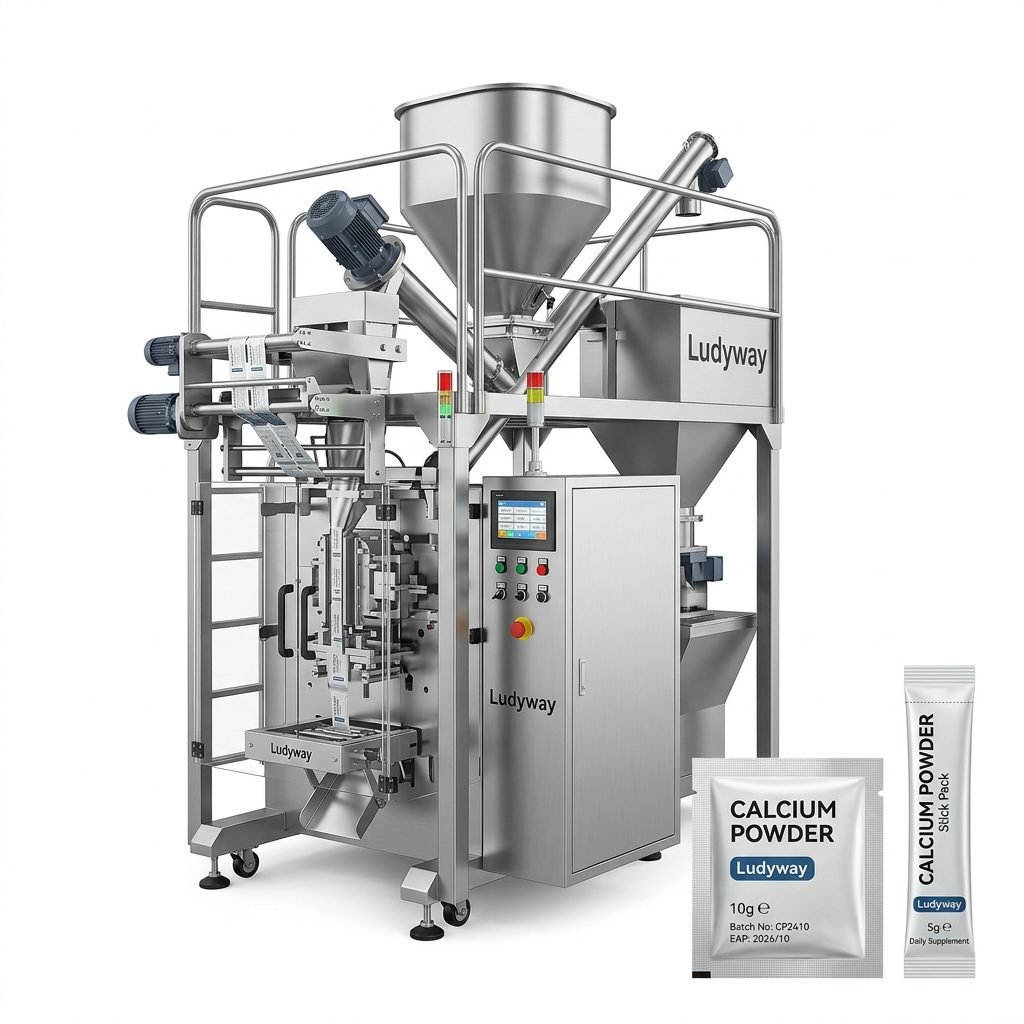
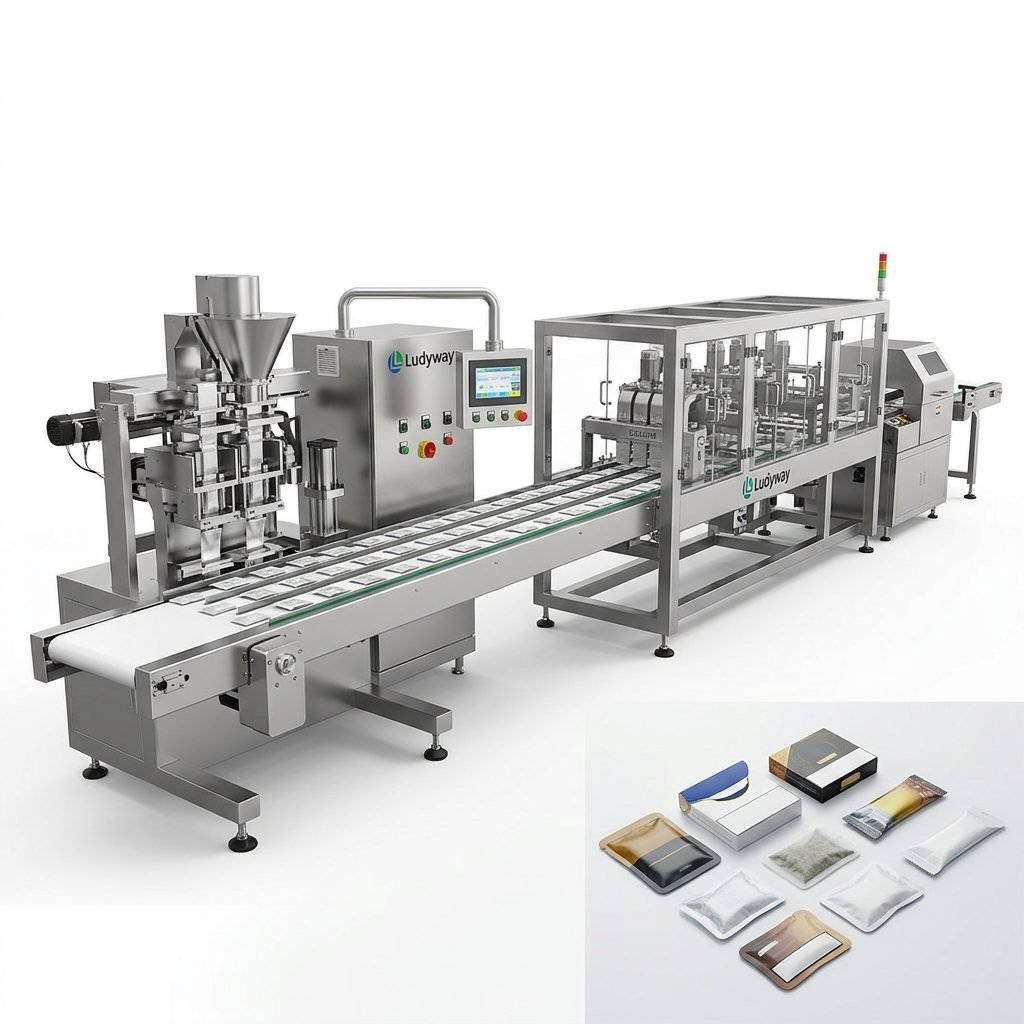
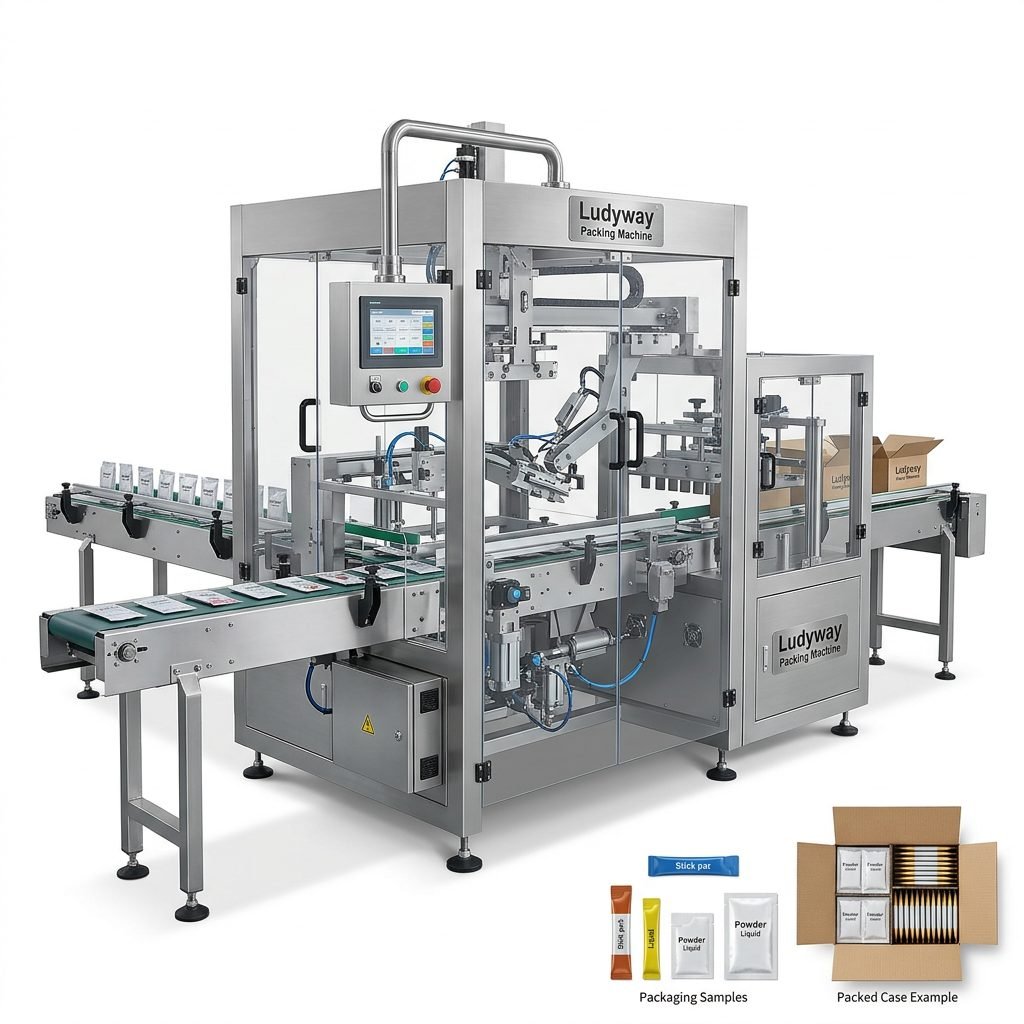
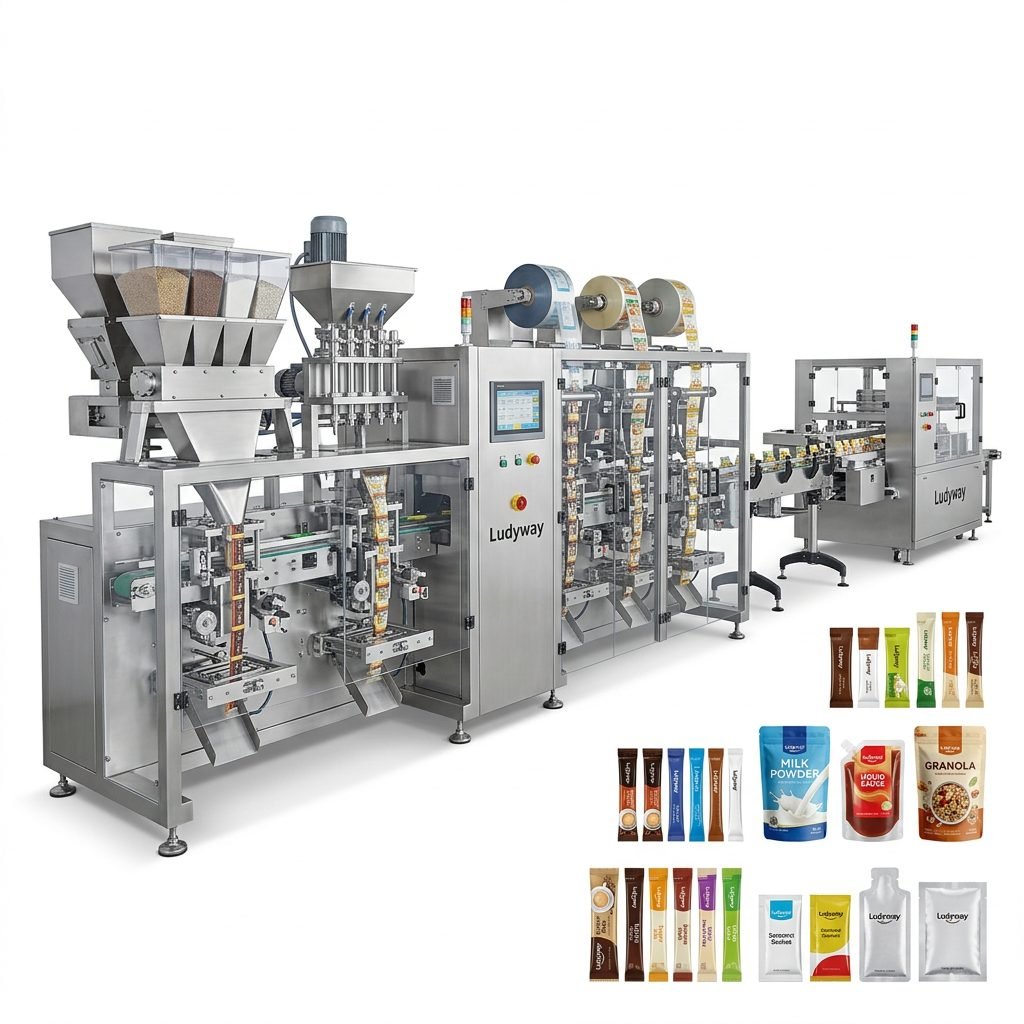
A packing peanut machine is designed to produce lightweight protective void-fill materials used in shipping and product protection. These machines are widely used by packaging manufacturers, e-commerce fulfillment centers, electronics suppliers, furniture brands, and industrial exporters that need a reliable way to create cushioning material at scale.
For businesses that ship fragile goods, the right machine can improve output consistency, reduce packaging costs, and support more efficient warehouse operations. Below is a practical guide to how these machines work, their major advantages, and what to evaluate before buying one.
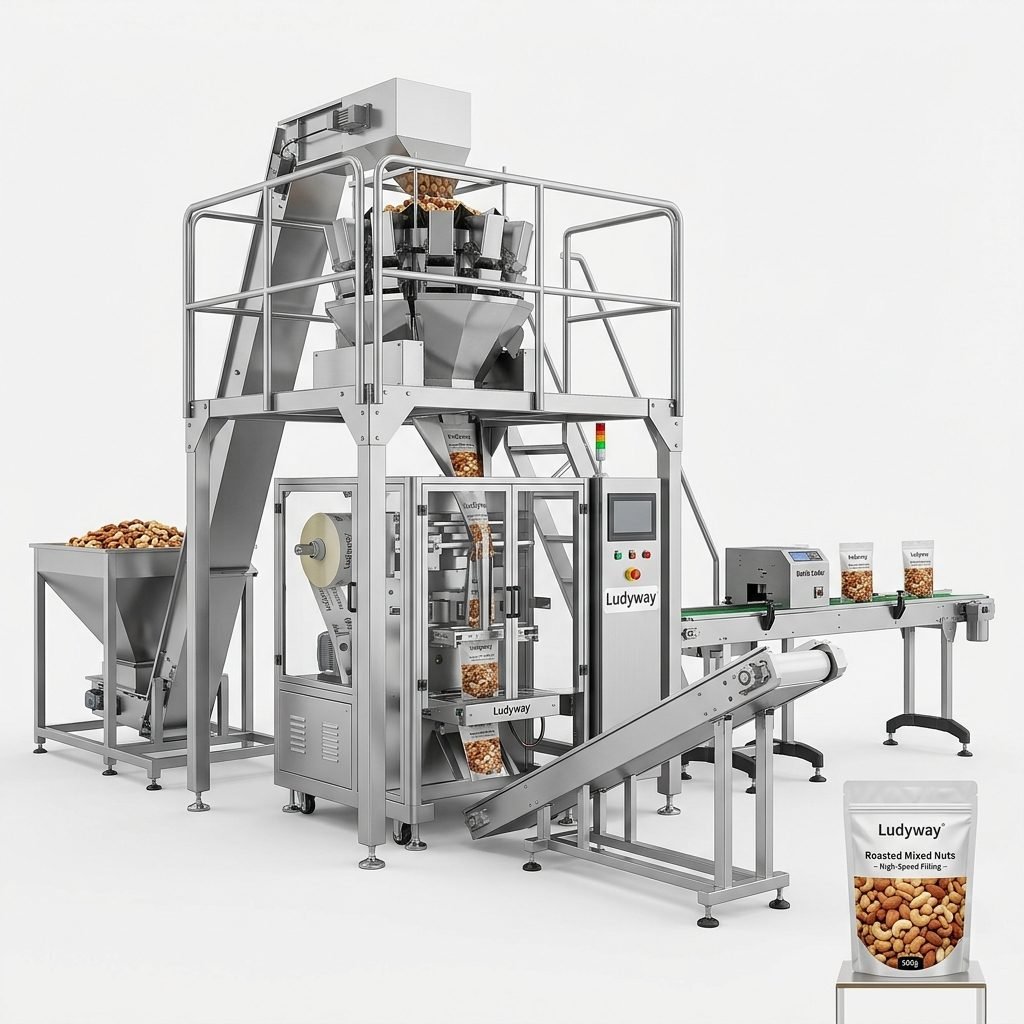
What Is a Packing Peanut Machine?
A packing peanut machine is industrial equipment used to manufacture foam-like loose-fill packaging pieces, commonly called packing peanuts. These pieces are placed inside cartons to fill empty space, absorb impact, and help prevent product movement during transport.
Depending on the production method, the machine may use raw materials such as starch-based compounds or other expandable packaging materials. The machine processes the material through heating, forming, expansion, cutting, and discharge stages to create uniform protective fillers.
How a Packing Peanut Machine Works
Although designs vary by manufacturer and capacity, most machines follow a similar working principle:
- Raw material feeding: Base material is loaded into the hopper or feeding system.
- Heating and conditioning: The material is heated and softened to reach the proper processing state.
- Extrusion or expansion: The material passes through a forming section where it expands into a lightweight structure.
- Shaping and cutting: The expanded material is cut into peanut-sized pieces.
- Cooling and discharge: Finished packing peanuts are cooled and collected for bagging or direct use.
Advanced systems may also include automatic feeding, temperature control, PLC operation, output monitoring, dust control, and integrated conveying systems. These features help maintain stable product quality and reduce manual intervention.
Main Components of the Machine
- Material hopper
- Feeding mechanism
- Heating unit
- Extruder or forming section
- Cutting device
- Electrical control panel
- Cooling or discharge system
Key Benefits of Using a Packing Peanut Machine
1. Lower Long-Term Packaging Costs
If your business consumes large volumes of loose-fill material, in-house production can reduce dependence on outside suppliers. Over time, this may lower per-unit packaging costs and improve purchasing flexibility.
2. Better Production Control
Producing packing peanuts on-site gives companies more control over output, quality, and inventory. This is especially useful during seasonal demand spikes or periods of unstable supply.
3. Improved Packaging Efficiency
Businesses with regular shipping operations can keep protective filling material available at all times, helping packing stations run faster and reducing workflow interruptions.
4. Consistent Product Protection
A well-configured machine can produce uniform filling material, which supports consistent carton cushioning performance and helps protect products during storage and transit.
5. Scalability for Growing Operations
From small packaging plants to large automated warehouses, machines are available in different capacities. This makes it easier to match equipment size with current output and future expansion plans.
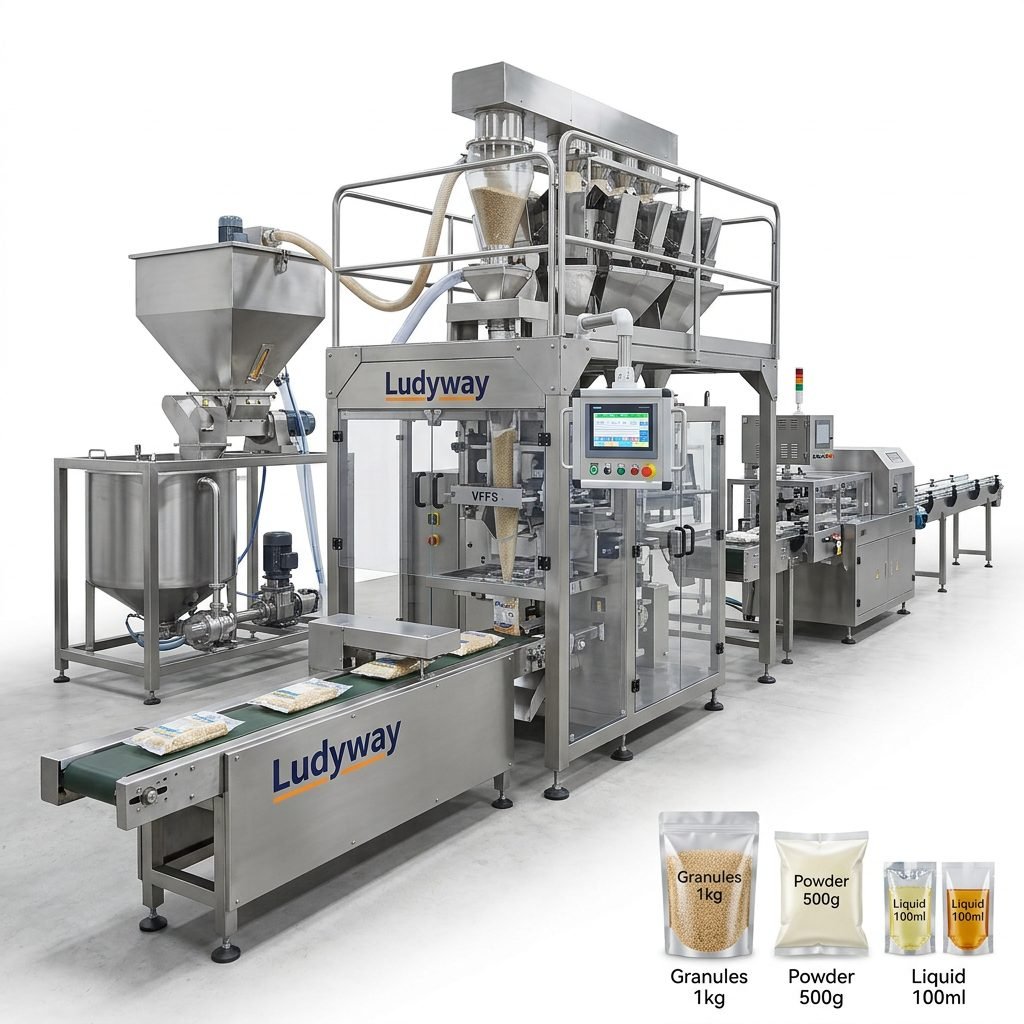
Who Should Consider This Machine?
A packing peanut machine is often suitable for:
- E-commerce and fulfillment centers
- Electronics and appliance manufacturers
- Glassware and ceramics suppliers
- Furniture and home goods exporters
- Third-party packaging service providers
- Industrial packaging material manufacturers
Types of Packing Peanut Machines
| Type | Best For | Main Advantage |
|---|---|---|
| Small-capacity machine | Low to medium volume users | Lower investment and compact footprint |
| Medium-capacity machine | Growing packaging operations | Balanced output and cost efficiency |
| High-speed automatic machine | Large industrial production | High throughput and reduced labor dependence |
| Customized integrated line | Factories with special workflow needs | Can connect with conveying, bagging, or storage systems |
How to Choose the Right Packing Peanut Machine
Production Capacity
Start by estimating daily or monthly demand. A machine that is too small may create bottlenecks, while an oversized model can raise unnecessary investment and operating costs.
Material Compatibility
Confirm what raw materials the machine can process. Material type affects product performance, production speed, maintenance needs, and environmental positioning.
Automation Level
Manual, semi-automatic, and fully automatic models offer different labor and control advantages. If you run a high-volume packaging operation, a more automated machine may provide better long-term value.
Energy Consumption
Since heating and forming are core processes, energy efficiency is an important buying factor. Ask suppliers for actual operating power data rather than only nameplate specifications.
Machine Stability and Maintenance
Choose equipment with a reliable structure, accessible spare parts, and straightforward maintenance procedures. Downtime can cost more than the machine itself in a busy packaging facility.
Available Floor Space
Review the machine layout carefully, including feeding, discharge, operator access, and any downstream storage or bagging equipment. Compact design is especially valuable in crowded factories.
Supplier Experience
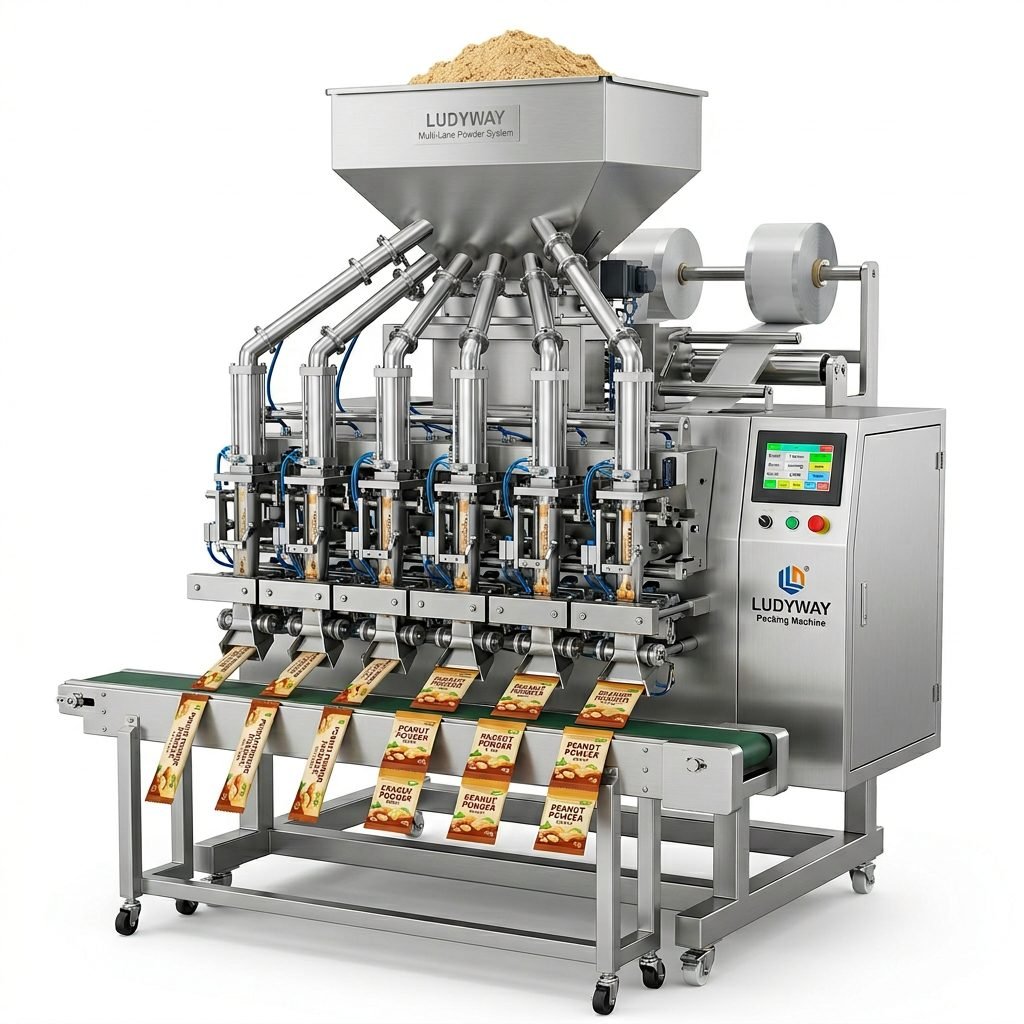
It is often safer to work with a manufacturer that understands industrial packaging systems, customization, and international after-sales support. For example, Ludyway packaging machine manufacturer has more than 30 years of industry experience and provides a broad range of packaging equipment and turnkey line solutions for global customers.
Questions to Ask Before Buying
- What is the actual hourly output under normal operation?
- What raw materials are supported?
- How easy is cleaning and maintenance?
- What wearing parts need regular replacement?
- Can the machine be customized for my plant layout?
- Is installation training or remote support available?
- What is the lead time for delivery and commissioning?
Common Mistakes Buyers Should Avoid
- Buying based only on price instead of total operating value
- Ignoring maintenance access and spare parts availability
- Choosing capacity without considering future growth
- Overlooking energy use and utility requirements
- Not asking for testing, videos, or real production references
Maintenance Tips for Better Performance
Proper maintenance helps extend service life and maintain consistent output. Recommended practices include:
- Clean feeding and forming sections regularly
- Monitor heaters and temperature controls
- Inspect cutting components for wear
- Check motors, belts, and electrical connections
- Follow the supplier’s lubrication and service schedule
Final Buying Comparison Checklist
| Factor | Why It Matters | What to Verify |
|---|---|---|
| Output | Affects production efficiency | Hourly capacity and stable running speed |
| Automation | Influences labor and control | PLC, sensors, feeding, alarm functions |
| Energy use | Impacts running cost | Power rating and real operation data |
| Maintenance | Affects uptime | Service interval, spare parts, support |
| Customization | Supports special production needs | Layout, voltage, control options, integration |
Conclusion
A packing peanut machine can be a smart investment for businesses that need dependable cushioning material and better packaging cost control. By understanding how the machine works, matching capacity to your production needs, and evaluating supplier support carefully, you can choose equipment that delivers stable output, reliable protection, and long-term operational value.