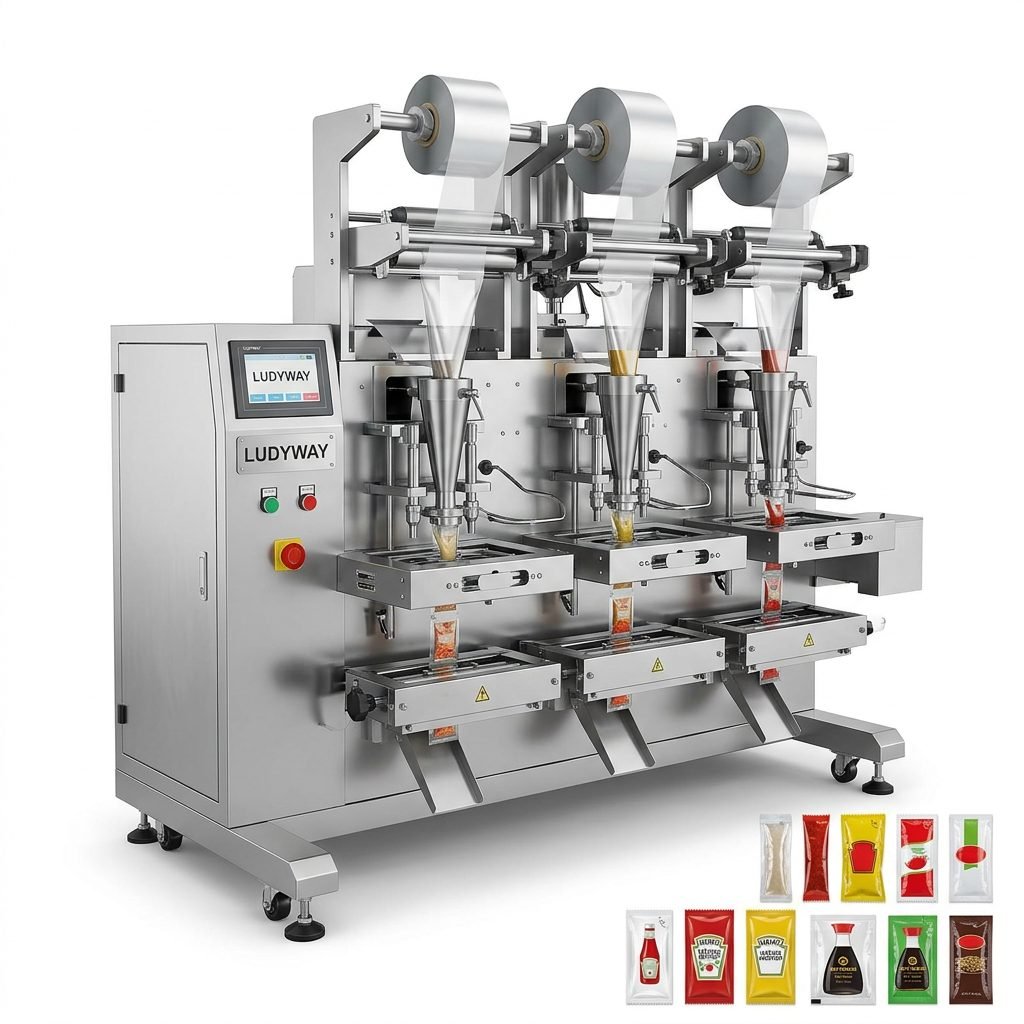
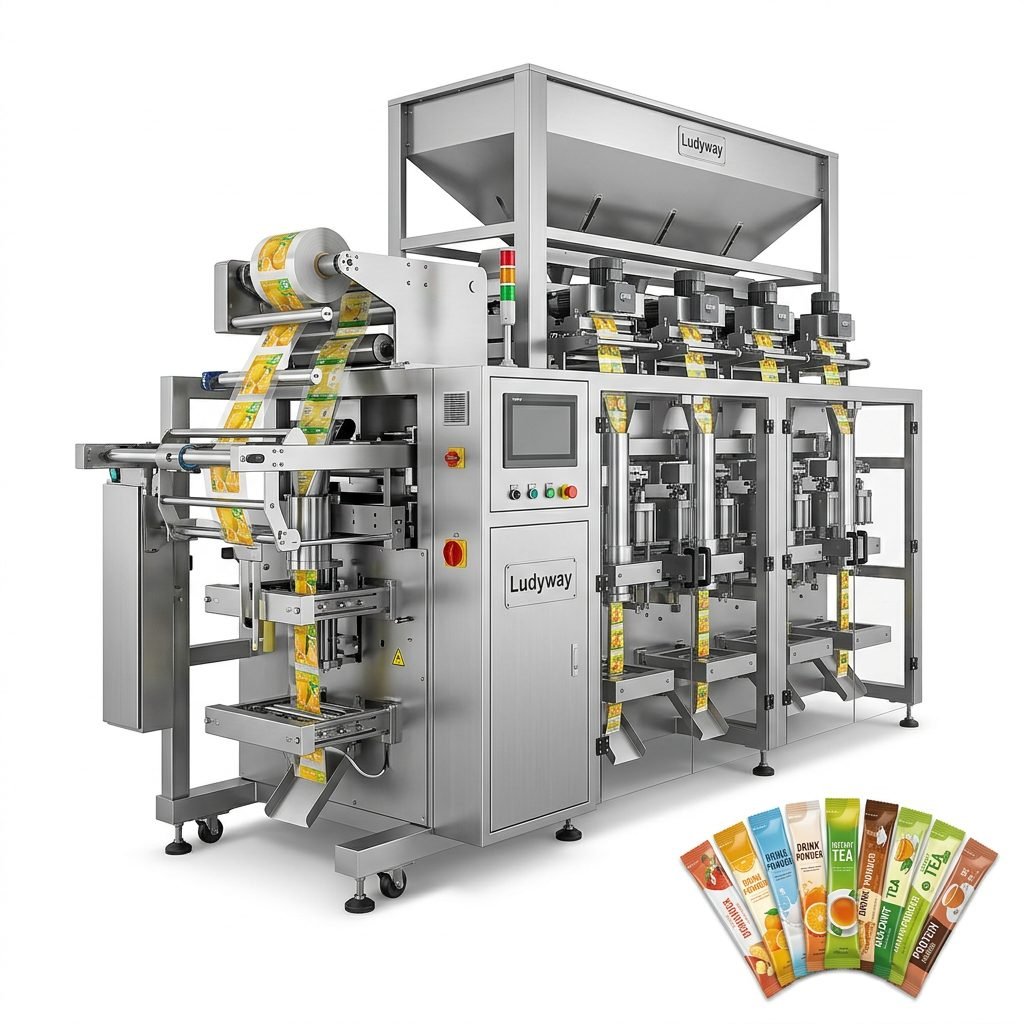
Investing in a unit dose packaging machine is a critical decision for manufacturers in the pharmaceutical, food, nutraceutical, and chemical industries. The right equipment can dramatically improve production efficiency, reduce waste, and ensure consistent product quality. However, with so many machine types, configurations, and suppliers available, narrowing down the options can feel overwhelming. This comprehensive guide walks you through every factor you need to evaluate before making your purchase.
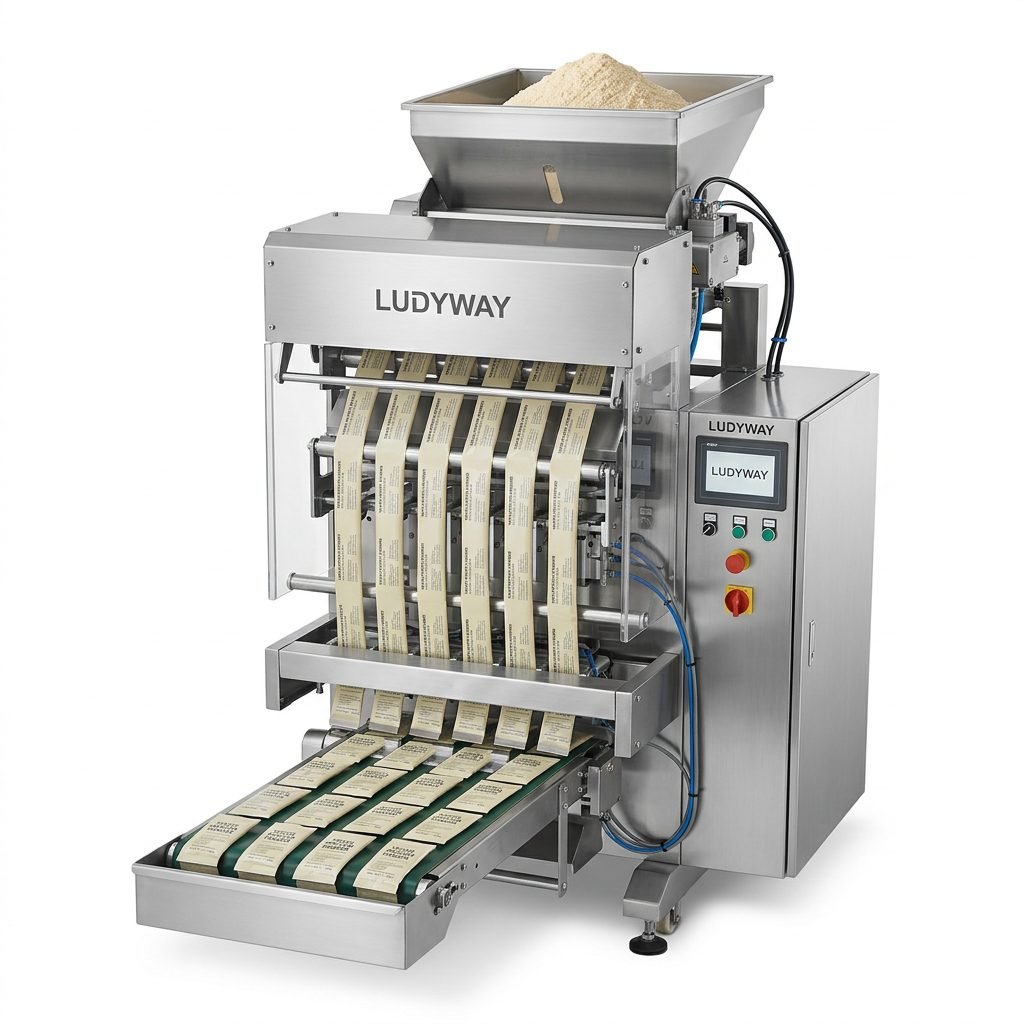
1. Define Your Product Characteristics
Before comparing machine specifications, start with a thorough analysis of the product you need to package. The physical and chemical properties of your product will determine which unit dose packaging machine configuration is technically suitable.
Product Flowability and Particle Size
Free-flowing granules behave very differently from cohesive powders, sticky pastes, or low-viscosity liquids. A machine designed for sugar granules will not perform reliably with hygroscopic protein powder unless the dosing system is appropriately configured. Ask your supplier whether the filling mechanism has been tested with products similar to yours.
Product Sensitivity
Products that are sensitive to moisture, oxygen, or light may require a modified atmosphere packaging option or nitrogen flushing. Similarly, sterile pharmaceutical products demand a machine built with cleanroom-compatible materials and validated sealing parameters.
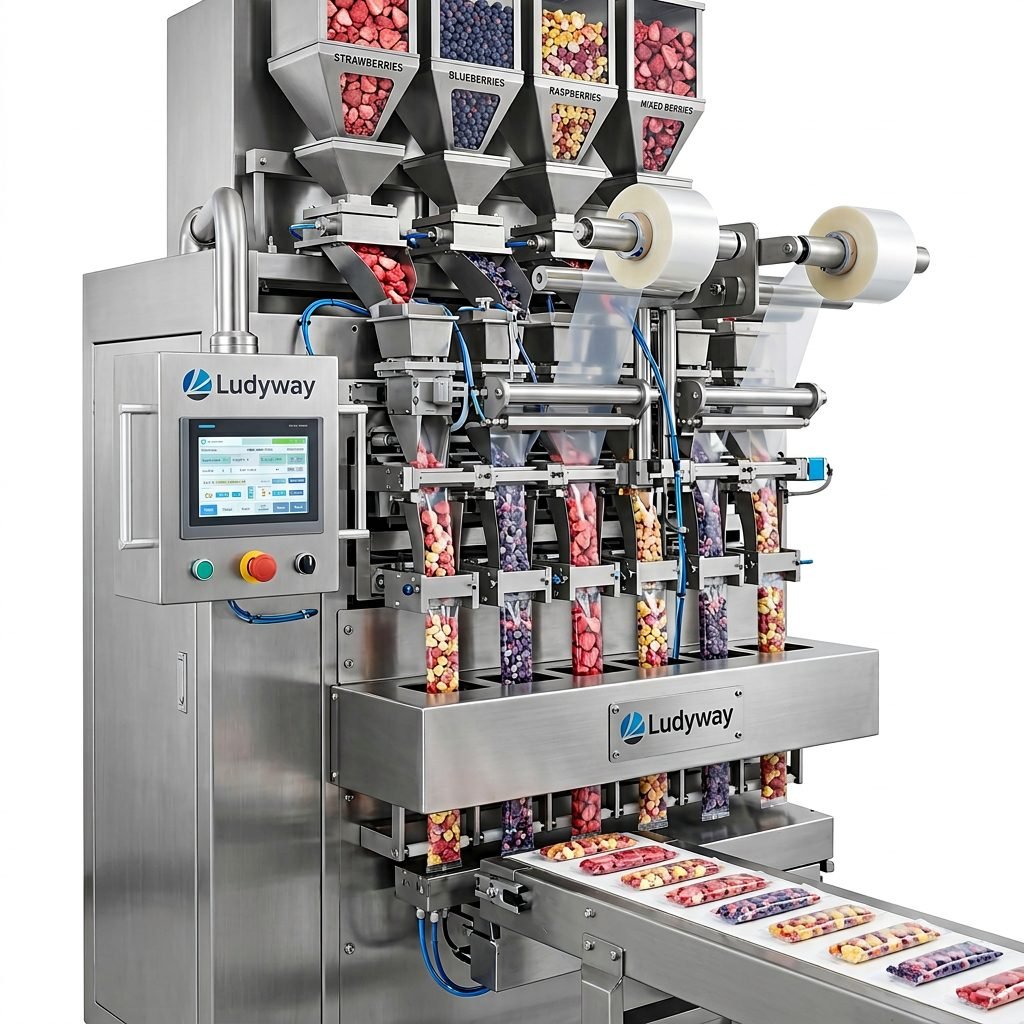
2. Determine Your Required Output and Speed
Production speed is one of the most important technical specifications to evaluate. Unit dose packaging machines can range from a few dozen packs per minute to over 1,000 packs per minute in high-speed multi-lane configurations.
| Production Scale | Typical Speed Range | Recommended Lane Configuration |
|---|---|---|
| Small batch / R&D | 30 – 80 packs/min | Single lane or 2–4 lanes |
| Medium production | 100 – 300 packs/min | 4–8 lanes |
| High-volume manufacturing | 400 – 1,000+ packs/min | 10–16 lanes or multiple machines |
Keep in mind that actual output depends on film sealing time, fill weight, and product flow characteristics. Always request production data based on your specific product rather than relying on theoretical maximum speeds.
3. Choose the Right Packaging Format
Unit dose packaging is available in several formats, and your choice affects both the consumer experience and the machine configuration you need. The most common formats include:
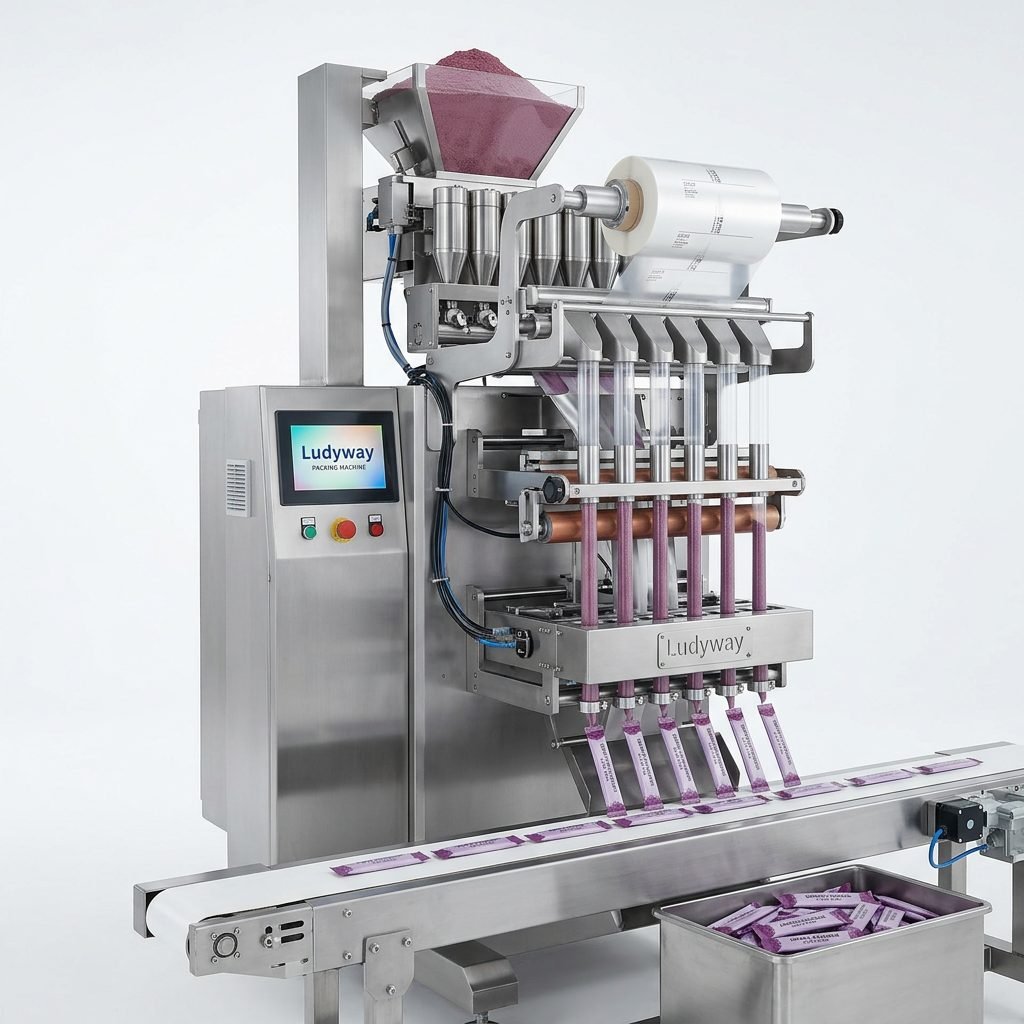
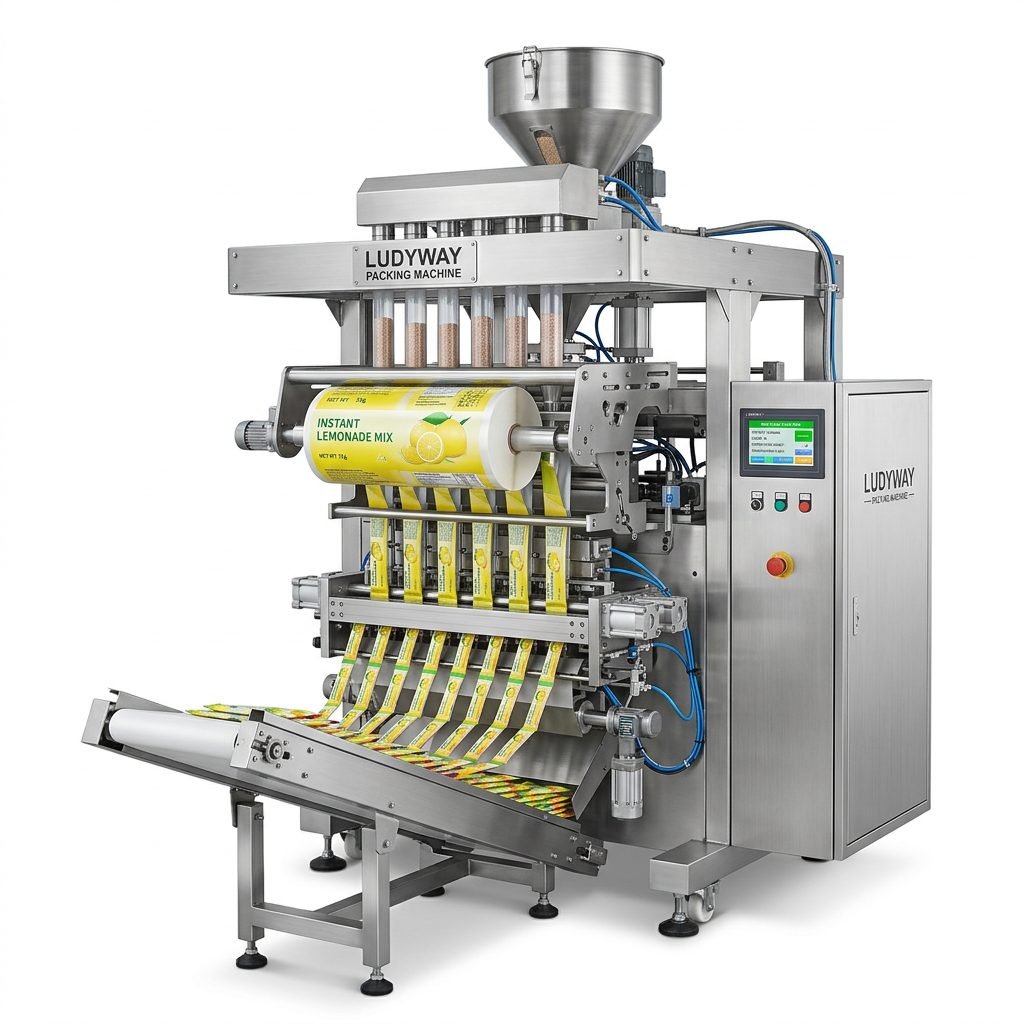
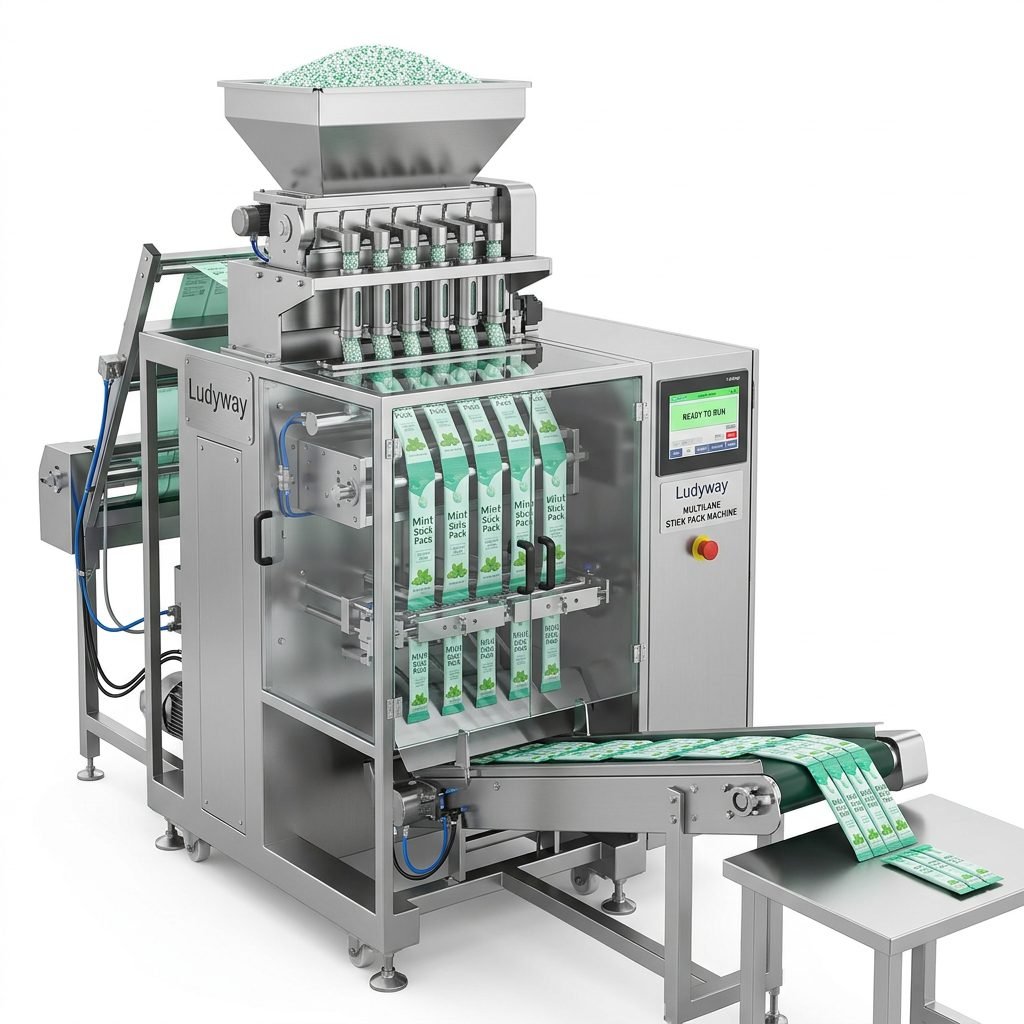
- Stick packs – Narrow, elongated single-serve packs ideal for powders, granules, and liquids in the food and supplement industries
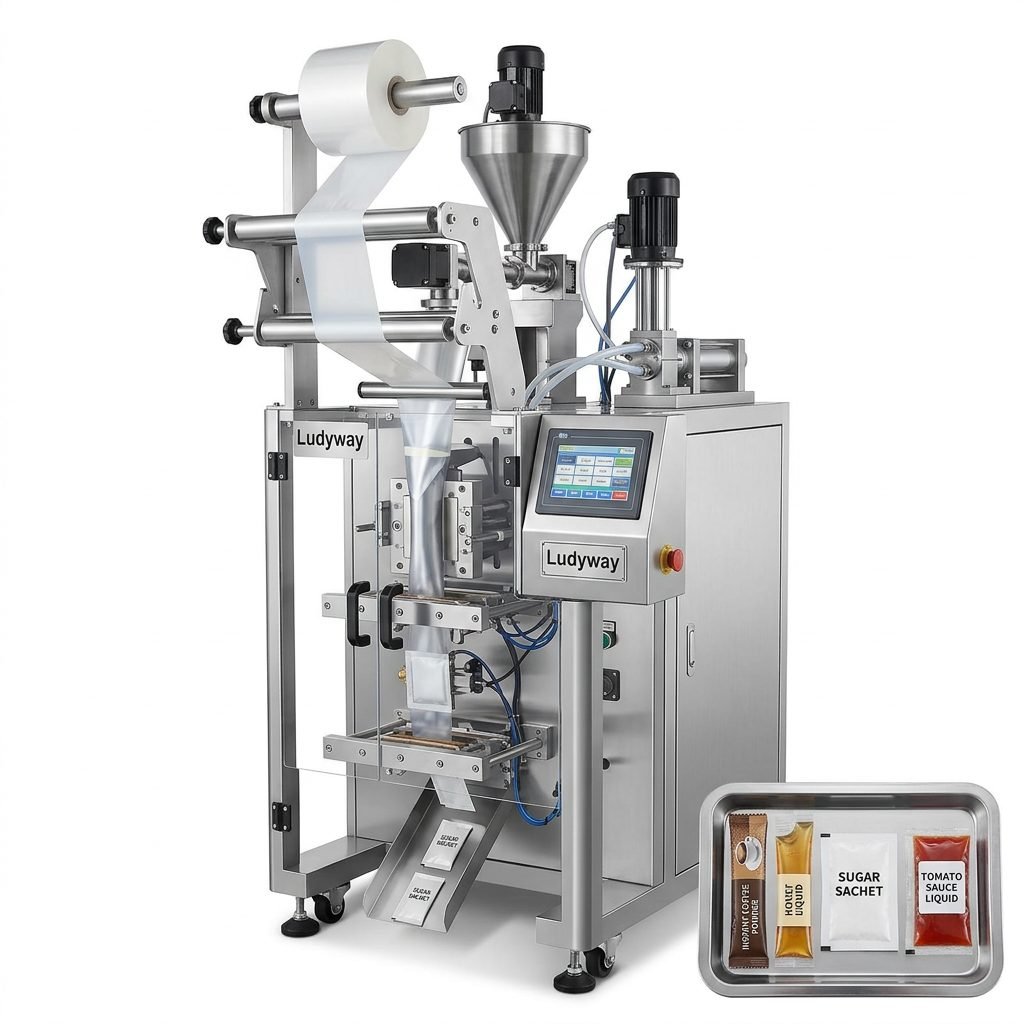
- Sachets – Flat, rectangular packs with three- or four-side sealing, widely used across pharmaceuticals, cosmetics, and food
- Pouches – Stand-up or flat pouches with optional zippers, suitable for slightly larger unit doses
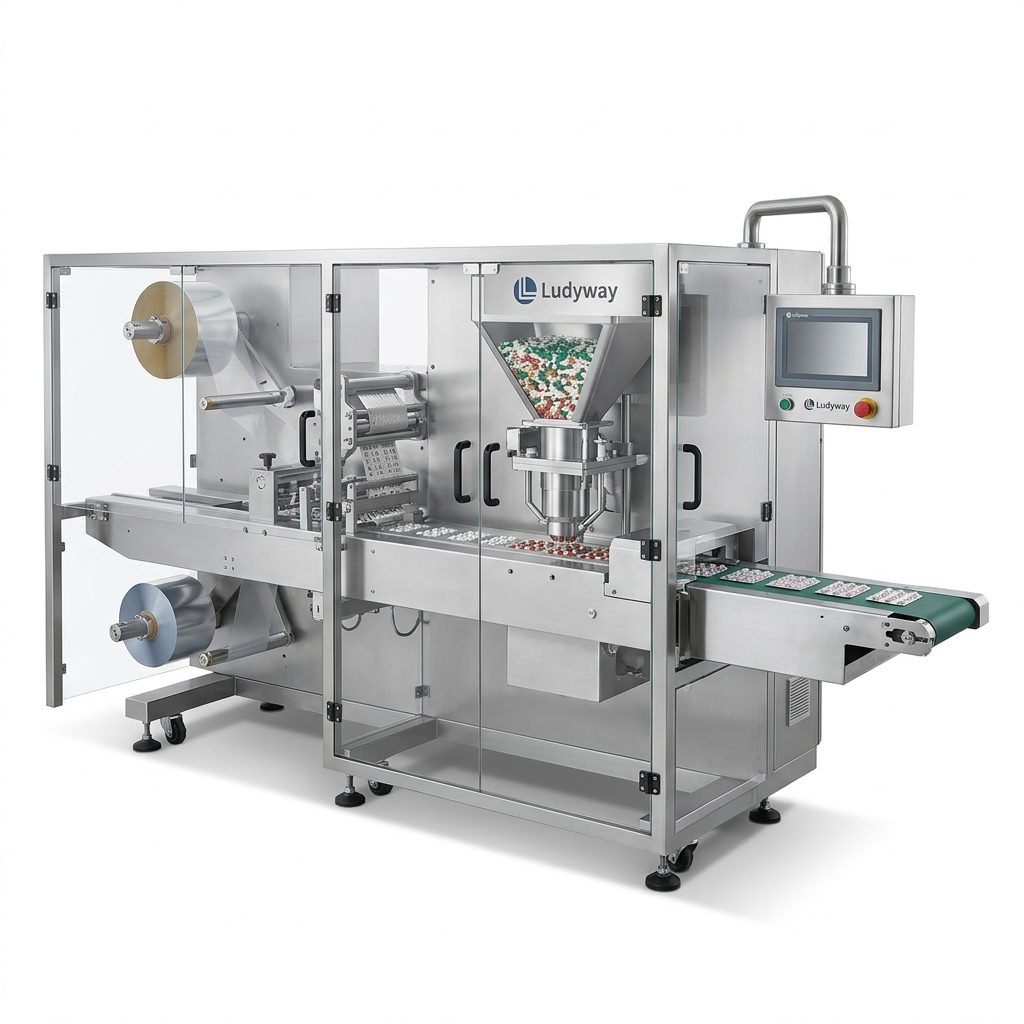
- Blister packs – Common in pharmaceutical solid-dose applications
If your product line requires flexibility, look for a stick pack and sachet packaging machine that can handle multiple format changes with minimal downtime. Quick-change forming tubes and adjustable sealing jaws significantly reduce changeover time.
4. Evaluate Filling Accuracy and Dosing Technology
For unit dose applications, fill weight accuracy is non-negotiable. Overfilling erodes profit margins, while underfilling creates regulatory and customer satisfaction risks. The dosing system must be matched to your product’s characteristics.
Common Dosing Systems
- Auger fillers – Best for powders, especially those with poor flowability; offers high accuracy through servo-driven control
- Volumetric cup fillers – Suitable for free-flowing granules where consistent density allows reliable volume-based dosing
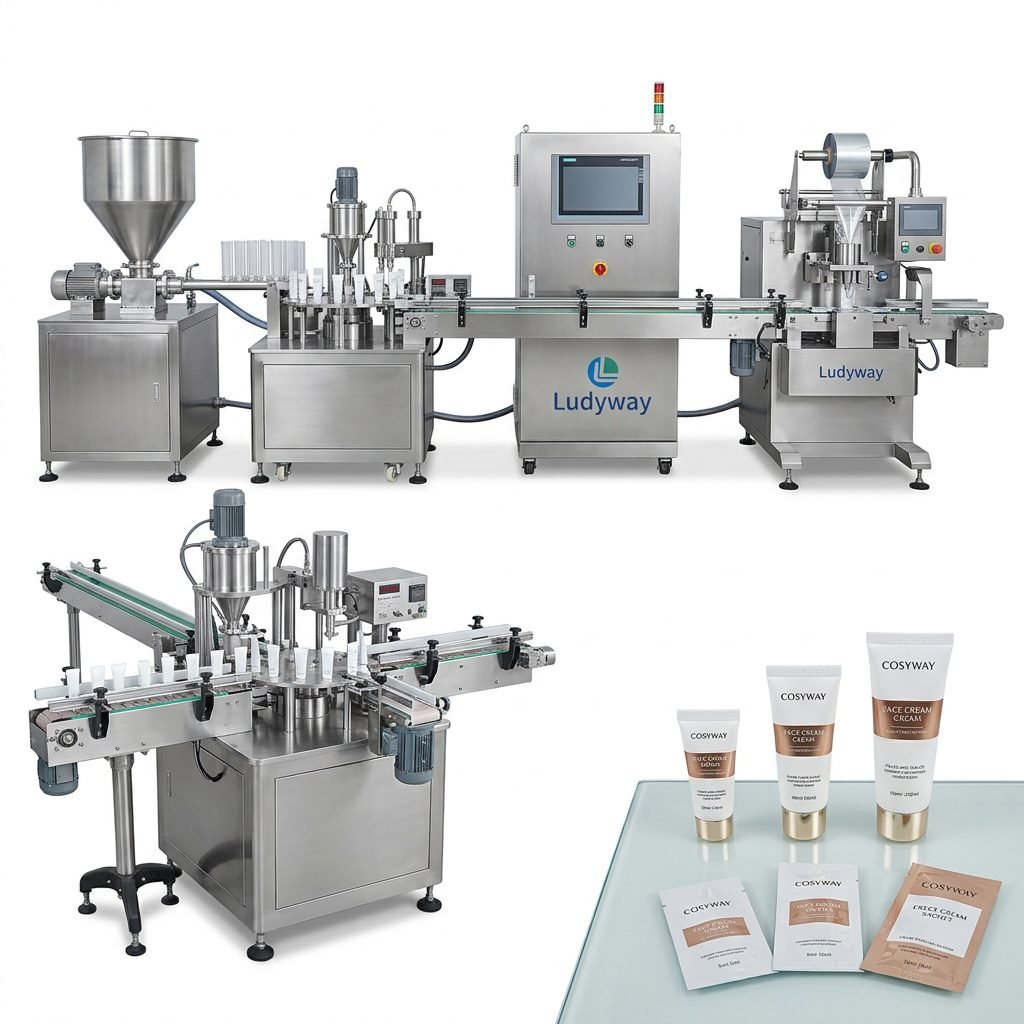
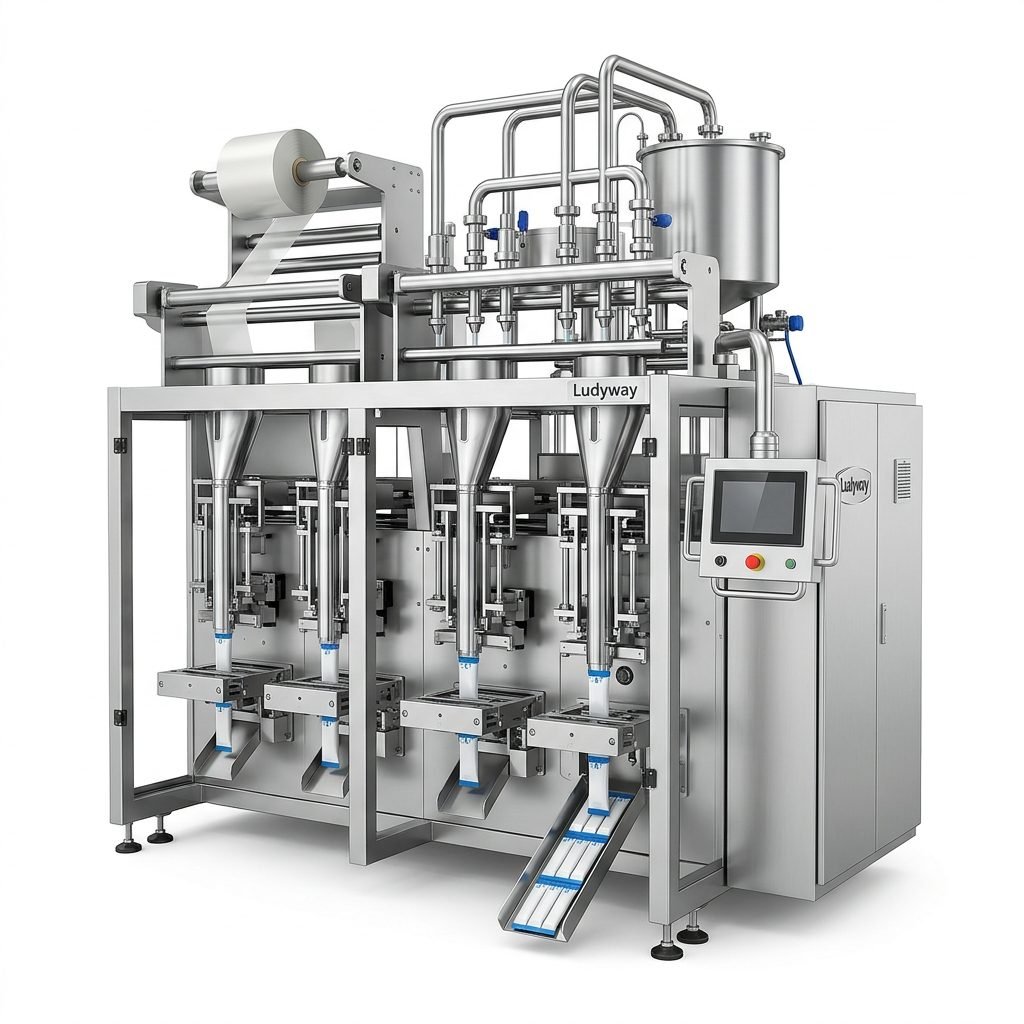
- Piston fillers – Preferred for liquids, creams, and pastes; delivers repeatable volume with minimal product waste
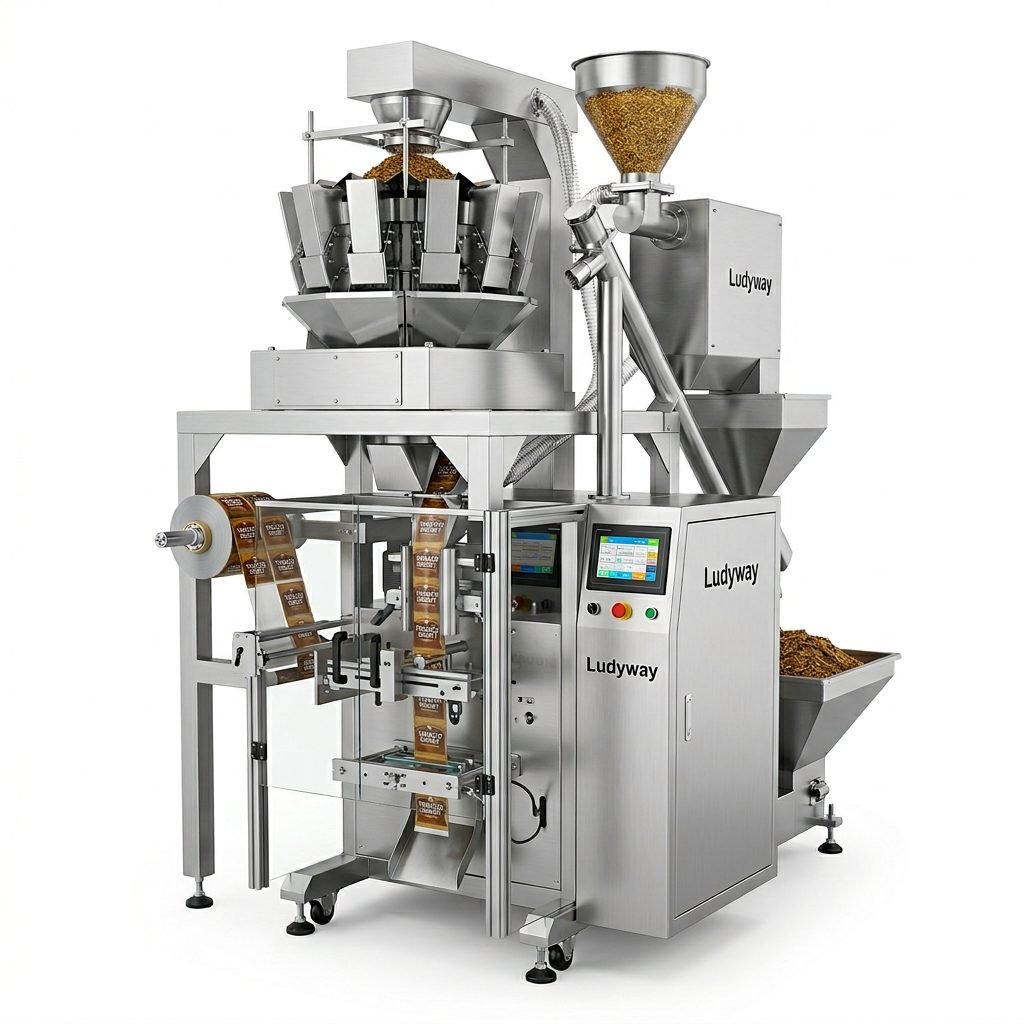
- Multi-head weighers – Used for high-speed granule and snack applications requiring gravimetric accuracy
Check whether the machine offers automatic feedback correction. Advanced systems with integrated checkweighers can adjust dosing in real time, maintaining ±1% accuracy even during extended production runs.
5. Consider Automation and Integration Requirements
Modern manufacturing environments increasingly demand end-to-end automation. Beyond the primary packaging machine itself, evaluate how the equipment will integrate with upstream and downstream processes:
- Automatic product feeding and material handling systems
- In-line printing, coding, and vision inspection
- Automatic cartoning, case packing, and palletizing
- Integration with factory MES or ERP systems
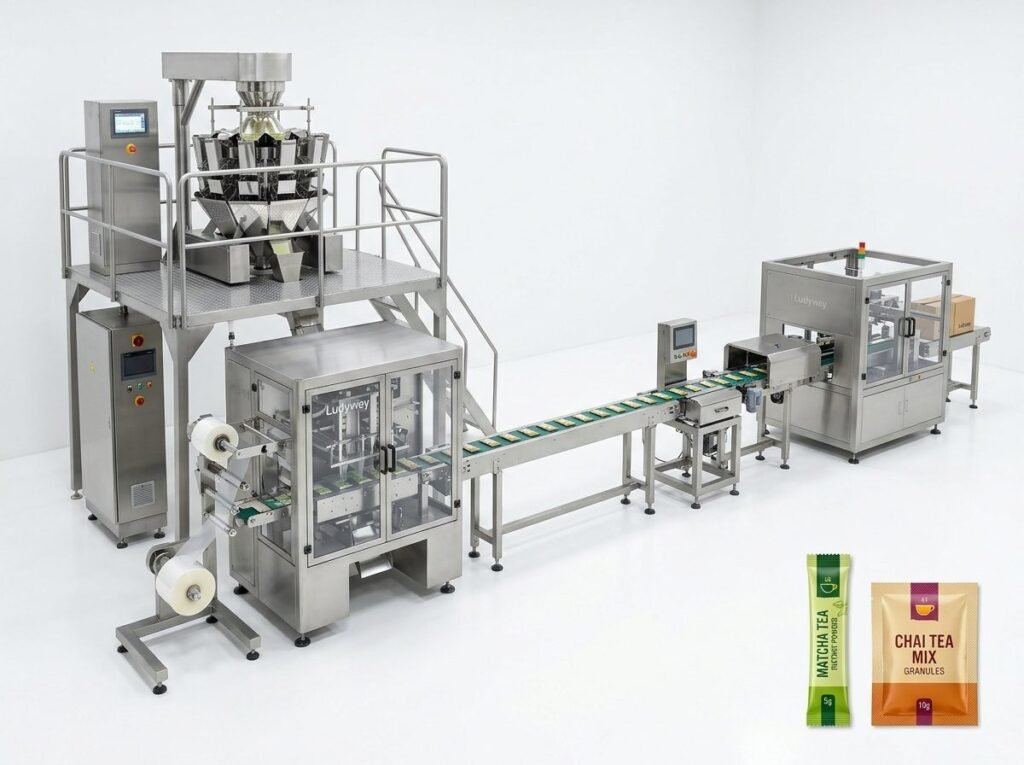
For manufacturers planning to scale, selecting a supplier that can provide turnkey packaging solutions — from product feeding through secondary packaging — simplifies project management and ensures compatibility across the entire line. Working with a single partner for equipment selection, system integration, and technical support can significantly reduce implementation time.
6. Check Material Compatibility and Sustainability
Packaging film and material selection directly affect machine performance, product shelf life, and environmental footprint. Confirm that the machine can run your preferred packaging materials:
- Multi-layer laminates with barrier properties (aluminum, EVOH, metallized films)
- Recyclable mono-material structures for sustainability targets
- Biodegradable or compostable films
- Paper-based or paper-like materials
Sealing temperature, pressure, and dwell time must be adjustable to accommodate different material properties. Verify that the machine’s sealing system can create consistent hermetic seals across your intended material range without wrinkles or leaks.
7. Validate Regulatory Compliance and Documentation
Depending on your industry and target markets, your packaging machinery may need to meet specific standards. Pharmaceutical applications often require compliance with cGMP, 21 CFR Part 11, and validation documentation. Food applications may require FDA-compliant materials and sanitary design features.
Request documentation early in the evaluation process. Reputable manufacturers should be able to provide:
- Equipment qualification documentation (IQ/OQ/PQ)
- Material certificates for product-contact parts
- CE, UL, or equivalent electrical safety certifications
- Documentation demonstrating compliance with ISO 11607 for medical device packaging where applicable
8. Assess After-Sales Support and Spare Parts Availability
A packaging machine represents a long-term investment, and after-sales support quality can make the difference between sustained productivity and recurring downtime. Before purchasing, investigate:
- Availability of local technical support and field service engineers
- Remote diagnostic capabilities for faster troubleshooting
- Spare parts inventory and typical delivery lead times
- Operator training programs and documentation quality
- Warranty terms and extended service agreements
Manufacturers serving global markets should ideally have a proven track record in your region. One example is Ludyway Machinery, a China-based packaging machinery manufacturer with more than 30 years of experience and a presence in over 100 countries. The company provides technical support throughout the entire project lifecycle, including installation, commissioning, operator training, spare parts support, and remote technical assistance.
9. Compare Total Cost of Ownership, Not Just Purchase Price
The initial machine price is only one component of the total cost of ownership. A comprehensive financial evaluation should factor in:
- Film yield and material waste during startup, changeover, and continuous operation
- Energy consumption, compressed air requirements, and utility costs
- Expected maintenance intervals and the cost of consumable components
- Operator training time and labor requirements per shift
- Downtime cost and mean time between failures (MTBF) data
A machine with a lower purchase price but higher material waste and frequent downtime can end up costing significantly more over a five-year period than a more robust, efficient alternative.
10. Plan for Future Scalability
Your production needs today may not reflect your requirements three or five years from now. When evaluating equipment, consider modularity and upgradeability:
- Can additional lanes be added to increase throughput?
- Does the control system support integration with future automation modules?
- Can the machine handle new packaging formats or materials without major rework?
- Is the supplier likely to continue supporting the platform with upgrades and parts?
Choosing a scalable platform from an established manufacturer protects your investment and defers the need for a complete replacement as your business grows.
Key Takeaways: Your Unit Dose Packaging Machine Checklist
Use this summary checklist to guide your evaluation process and supplier discussions:
| Evaluation Factor | Key Questions to Ask |
|---|---|
| Product compatibility | Has this machine been tested with products similar to ours? |
| Output speed | What is the guaranteed output with our product and film? |
| Format flexibility | Can it handle stick packs, sachets, and our preferred formats? |
| Filling accuracy | What is the weight variation at our target speed? |
| Material waste | What is the typical film waste per shift or per changeover? |
| Compliance | Is IQ/OQ/PQ documentation and regulatory support available? |
| Service and support | Where are spare parts stocked and how fast can an engineer arrive? |
| Scalability | Can the machine be upgraded or expanded as demand grows? |
Selecting the right unit dose packaging machine requires balancing technical specifications, commercial factors, and long-term operational considerations. By systematically evaluating product characteristics, output requirements, dosing technology, material compatibility, regulatory needs, and supplier support capabilities, you can make an informed decision that supports your production goals for years to come.
Learn more about packaging industry standards and market trends at PMMI – The Association for Packaging and Processing Technologies and review flexible packaging resources at the Flexible Packaging Association.