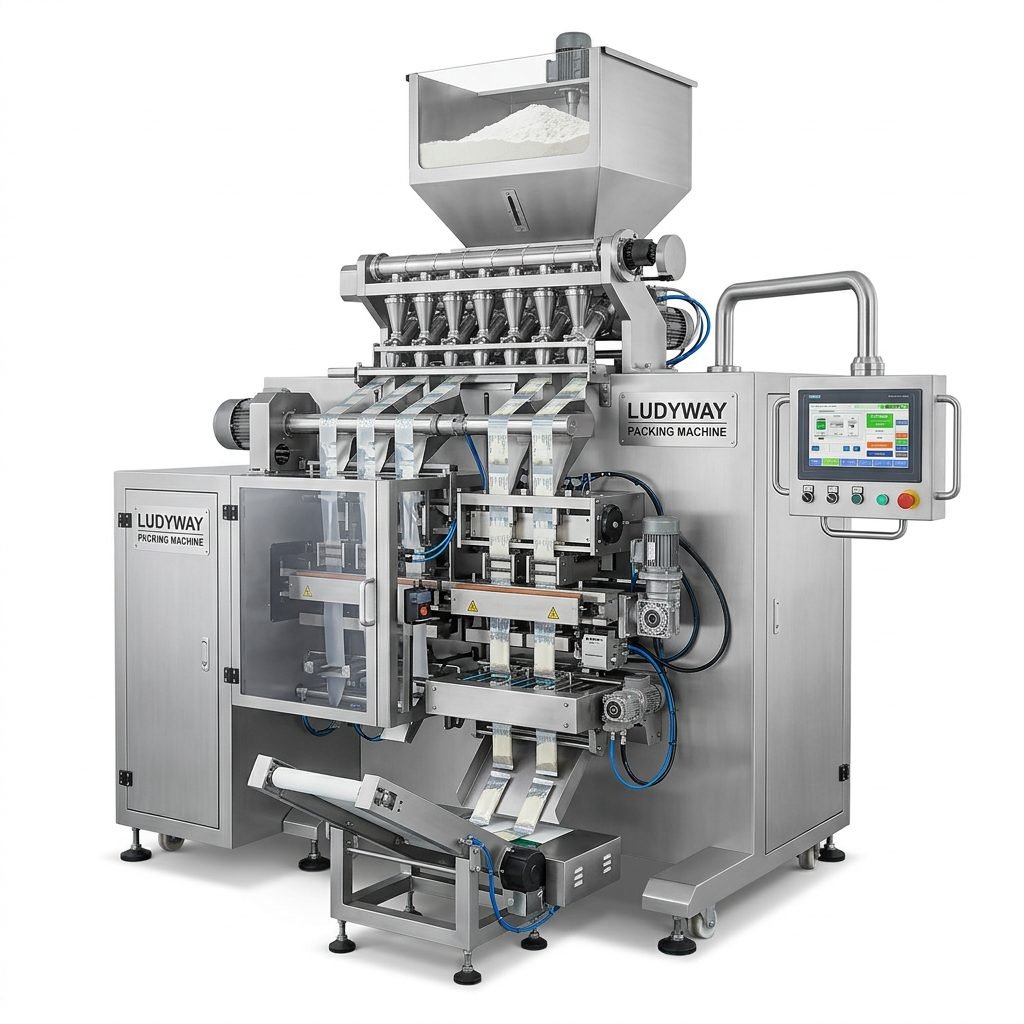
Inconsistent package weight is one of the most common problems in automated filling operations. It can lead to product giveaway, customer complaints, failed quality inspections, and unnecessary production downtime. Whether you are packing powders, granules, liquids, or small-dose pharmaceutical products, stable weight control is essential for both compliance and profitability.
If your packaging machine is producing underweight or overweight packs, the root cause is usually not just one issue. In most cases, it involves a combination of product behavior, machine settings, weighing system calibration, feeding consistency, and environmental conditions.
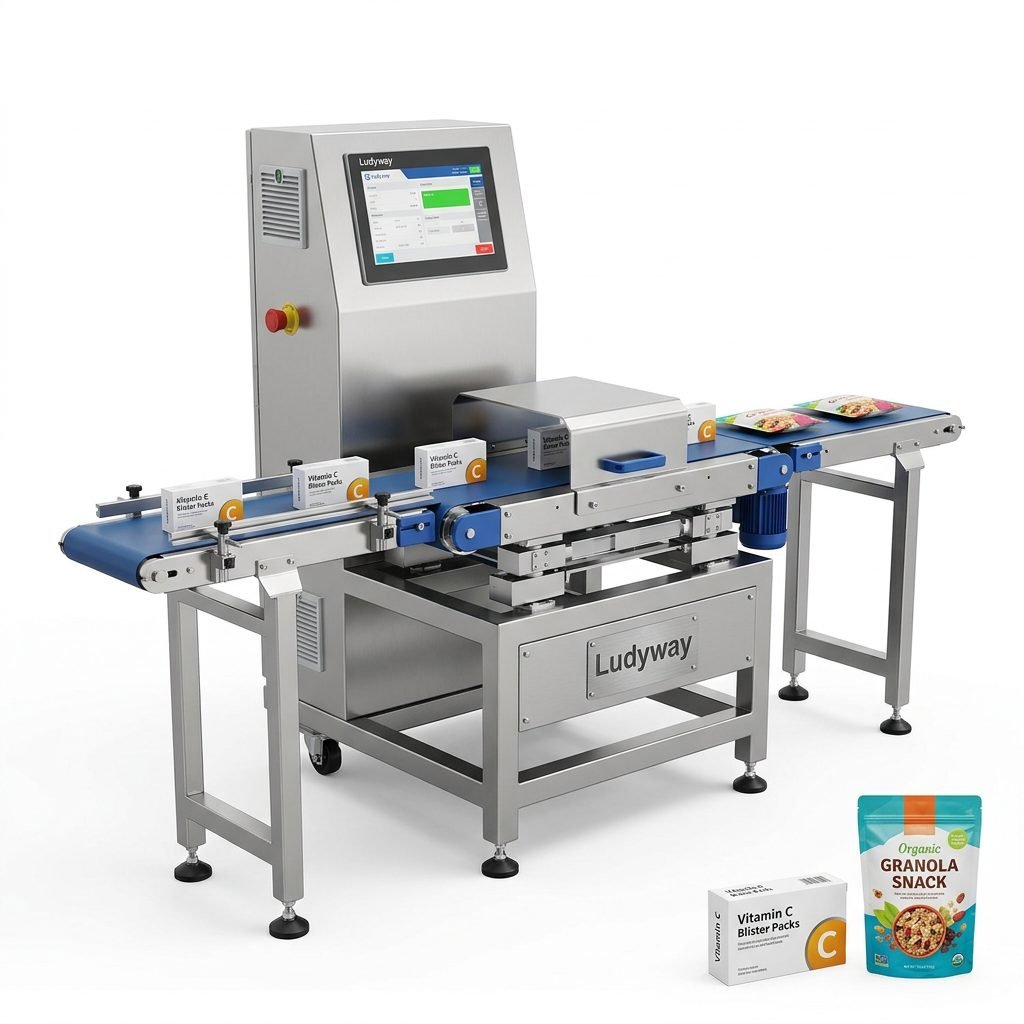
Why Weight Consistency Matters
Accurate filling is not only about meeting the label claim. It also affects:
- Brand trust and customer satisfaction
- Material cost control
- Regulatory and audit compliance
- Production speed and overall equipment efficiency
- Rework, scrap, and rejected batches
Even a small variation repeated across thousands of bags, sachets, stick packs, bottles, or pouches can create substantial losses over time.
Common Causes of Inconsistent Weights
1. Incorrect Calibration of the Weighing System
One of the first things to check is calibration. If the load cell, checkweigher, auger filler, multihead weigher, or dosing unit is not calibrated correctly, every pack may drift away from the target weight.
Common calibration problems include:
- Using incorrect test weights
- Skipping regular calibration intervals
- Sensor drift over time
- Calibration performed in unstable production conditions
Solution: Recalibrate the machine using certified weights and follow a documented verification routine before each production shift when required.
2. Product Flow Is Not Stable
Different materials behave very differently during filling. Fine powders may bridge, cling, or compact. Granules may bounce or flow unevenly. Liquids can foam, drip, or change viscosity with temperature. If the product does not move consistently into the package, the fill weight will not be consistent either.
Typical product flow issues include:
- Poor hopper discharge
- Powder caking or moisture absorption
- Irregular particle size
- Air entrapment in powders
- Foaming or splashing in liquids
Solution: Match the filling system to the product properties and improve agitation, feeding design, anti-bridging devices, or deaeration where needed.
3. Worn or Damaged Machine Parts
Mechanical wear can gradually reduce dosing accuracy. A small amount of wear in auger screws, sealing jaws, feed gates, servo drives, belts, bearings, or nozzles may result in inconsistent feeding behavior.
Signs of wear-related filling issues may include:
- Fluctuating discharge rate
- Unexpected vibration
- Slow machine response
- Occasional overfill or underfill without a clear pattern
Solution: Include wear-part inspection in preventive maintenance schedules and replace components before performance drops significantly.
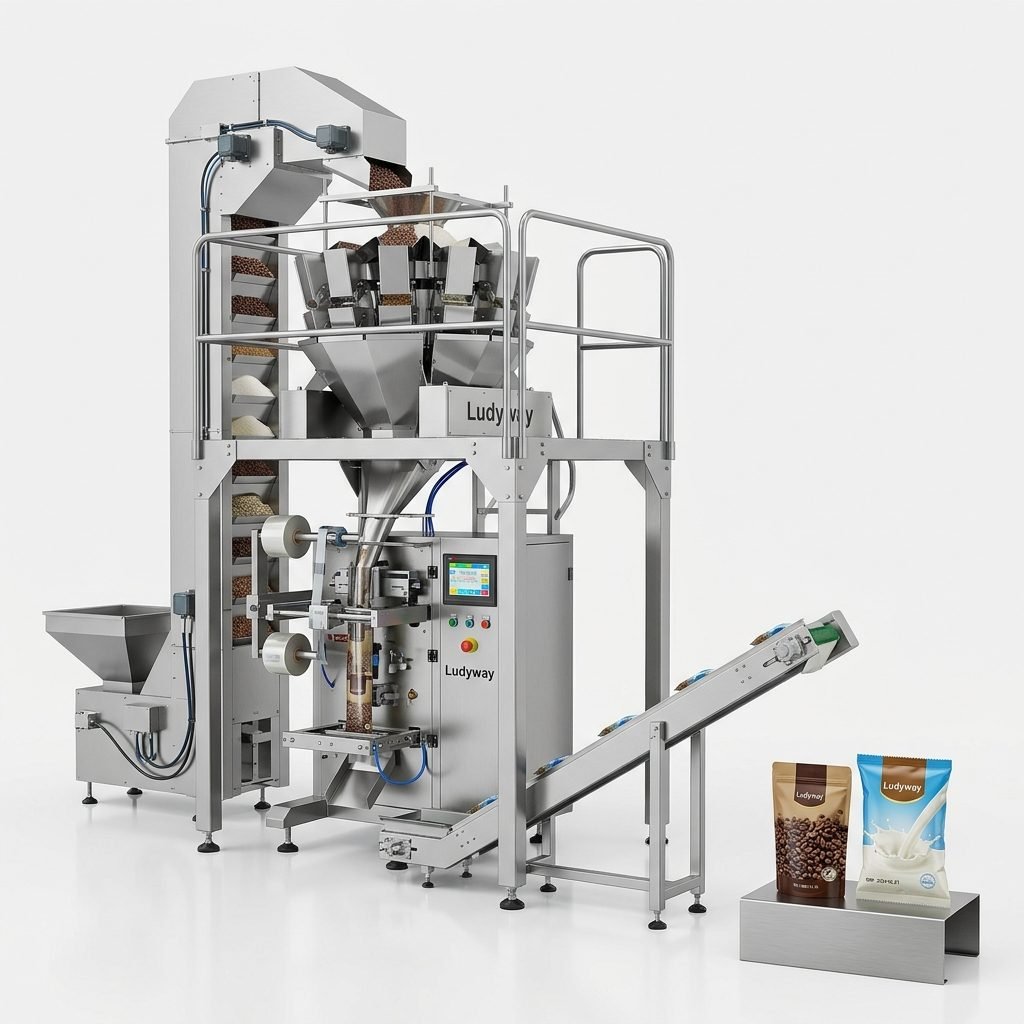
4. Feeding Speed Is Too Fast or Too Slow
Improper feeding speed can seriously affect accuracy. If the machine runs too fast, the dosing system may overshoot the target. If it runs too slowly, throughput suffers and fill control may still become unstable due to inconsistent cutoff timing.
This is especially important in:
- High-speed sachet packaging lines
- Stick pack powder filling systems
- Bulk bagging systems
- Liquid and paste filling applications
Solution: Fine-tune coarse feed and fine feed parameters, servo timing, and cutoff points based on actual product trials rather than theoretical settings alone.
5. Environmental Factors Affecting Accuracy
The production environment can influence load cell readings and product behavior more than many operators expect. Temperature, humidity, air movement, and floor vibration may all contribute to unstable weights.
Examples include:
- Humidity causing powder clumping
- Air drafts disturbing sensitive weighing modules
- Temperature changes affecting liquid density or viscosity
- Nearby equipment creating vibration interference
Solution: Install weighing equipment on a stable base, control room conditions where possible, and isolate the line from excessive vibration or airflow.
6. Inconsistent Product Supply to the Filler
If upstream feeding is unstable, the packaging machine cannot maintain reliable filling. Hopper levels that rise and fall too much can change pressure and flow behavior. This is a common reason for fluctuating weights in integrated packaging lines.
Potential upstream causes include:
- Irregular screw feeder performance
- Interrupted conveyor supply
- Improper hopper level control
- Operator refill inconsistency
Solution: Keep product supply continuous and consistent with properly matched feeding equipment, sensors, and level control systems.
7. Incorrect Machine Setup for the Product Type
A machine set for one product may not perform well with another. For example, a free-flowing granule and a dense powder require different dosing logic, timing, and hardware configuration. Running a machine without adapting settings to the product often leads to fill variation.
Solution: Create product-specific recipes for each SKU, including target weight, feed speed, vibration settings, filling time, and sealing timing.
8. Operator Error or Incomplete Training
Even advanced packaging equipment depends on proper operation. If an operator changes settings without understanding the effect, ignores warning signs, or performs cleaning and reassembly incorrectly, filling consistency can quickly deteriorate.
Solution: Train operators on setup, verification, troubleshooting, and daily inspection routines. Standardized operating procedures reduce preventable weight issues.
Quick Diagnostic Table
| Symptom | Likely Cause | Recommended Action |
|---|---|---|
| All packs are consistently overweight | Calibration error or incorrect target setting | Verify recipe, recalibrate, check setpoint |
| Weights fluctuate randomly | Vibration, unstable product flow, worn parts | Inspect mechanics, improve line stability, review feeder behavior |
| Underweight packs at high speed | Feed cutoff too early or supply shortage | Adjust timing and maintain steady hopper level |
| Powder packs vary more in humid weather | Moisture absorption and caking | Control humidity and improve hopper agitation |
| Liquid fill drips after cutoff | Nozzle issue or viscosity mismatch | Check anti-drip nozzle and optimize filling parameters |
Best Practices to Improve Fill Accuracy
To reduce weight inconsistency over the long term, apply the following practices:
- Standardize calibration with certified reference weights.
- Monitor product characteristics such as density, moisture, and flowability.
- Use preventive maintenance instead of waiting for parts to fail.
- Store product correctly to avoid clumping, segregation, or viscosity change.
- Keep upstream feeding stable to avoid pressure and flow variation.
- Use recipe management for different materials and pack sizes.
- Install checkweighing and feedback systems when high accuracy is required.
- Train operators regularly so adjustments are data-based, not guesswork.
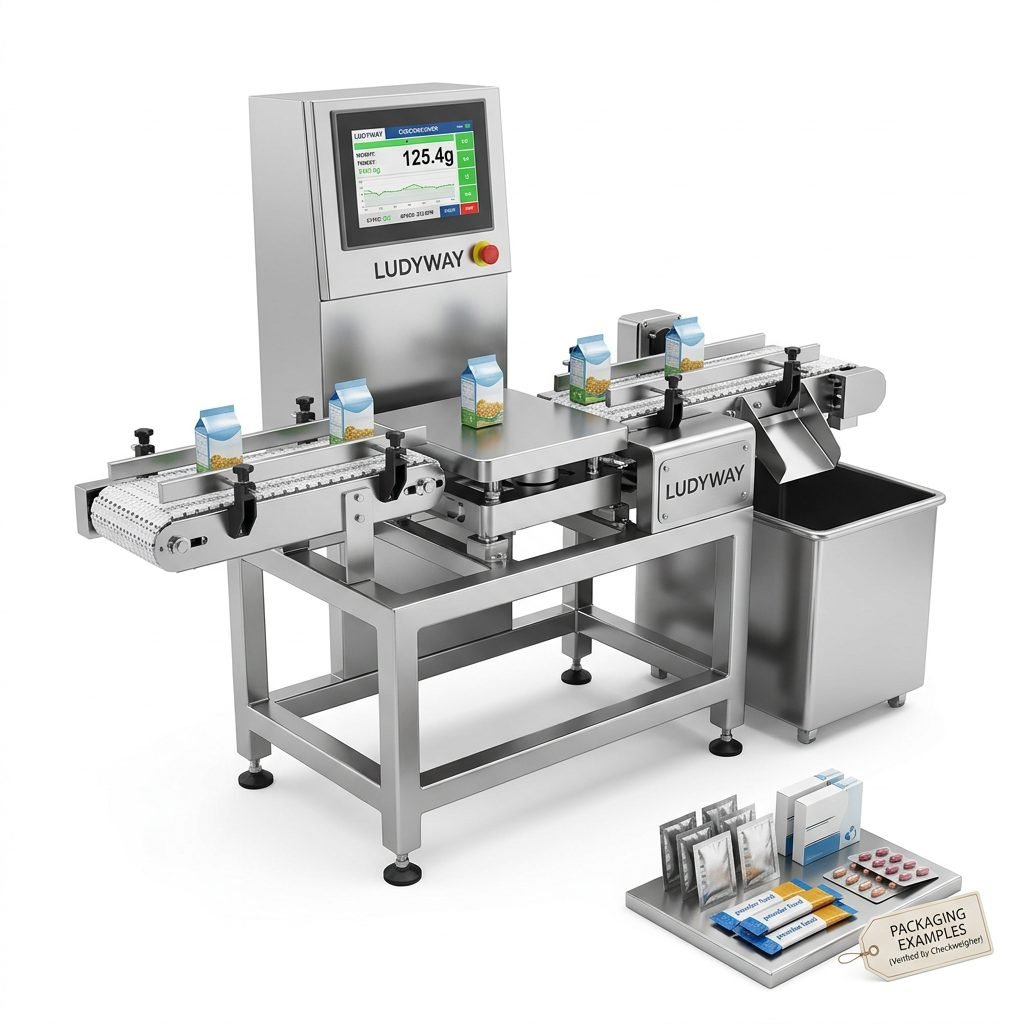
When to Upgrade Instead of Adjust
Sometimes repeated troubleshooting does not solve the problem because the packaging machine is simply not the right fit for the product or production target. If you frequently experience drift, unstable dosing, slow changeovers, or high giveaway, it may be time to evaluate a better system.
This is especially true when:
- Your production volume has increased significantly
- You changed from one product type to another
- You need tighter tolerances for export or regulated markets
- Your current machine lacks servo control, checkweighing, or intelligent feedback
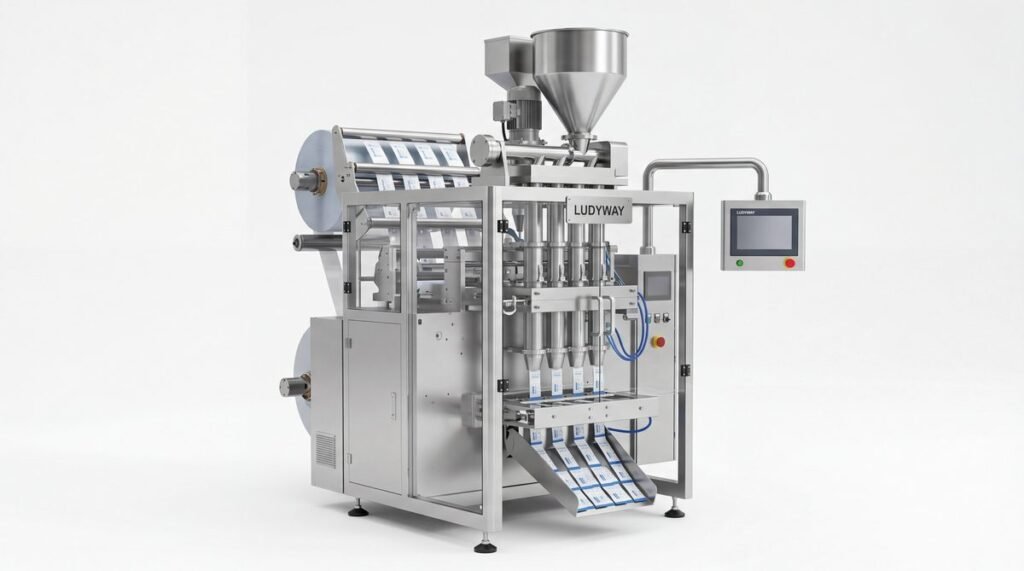
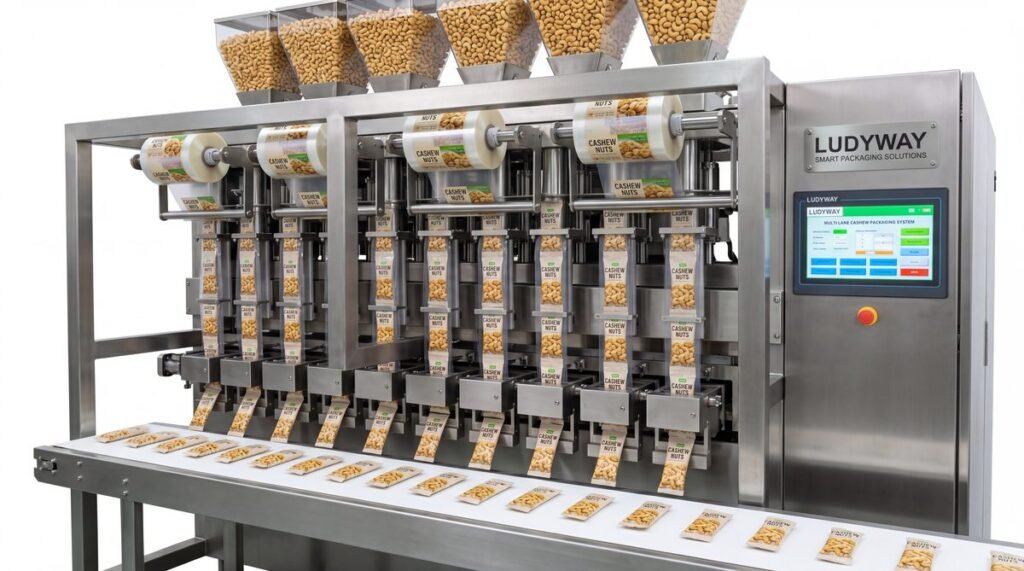
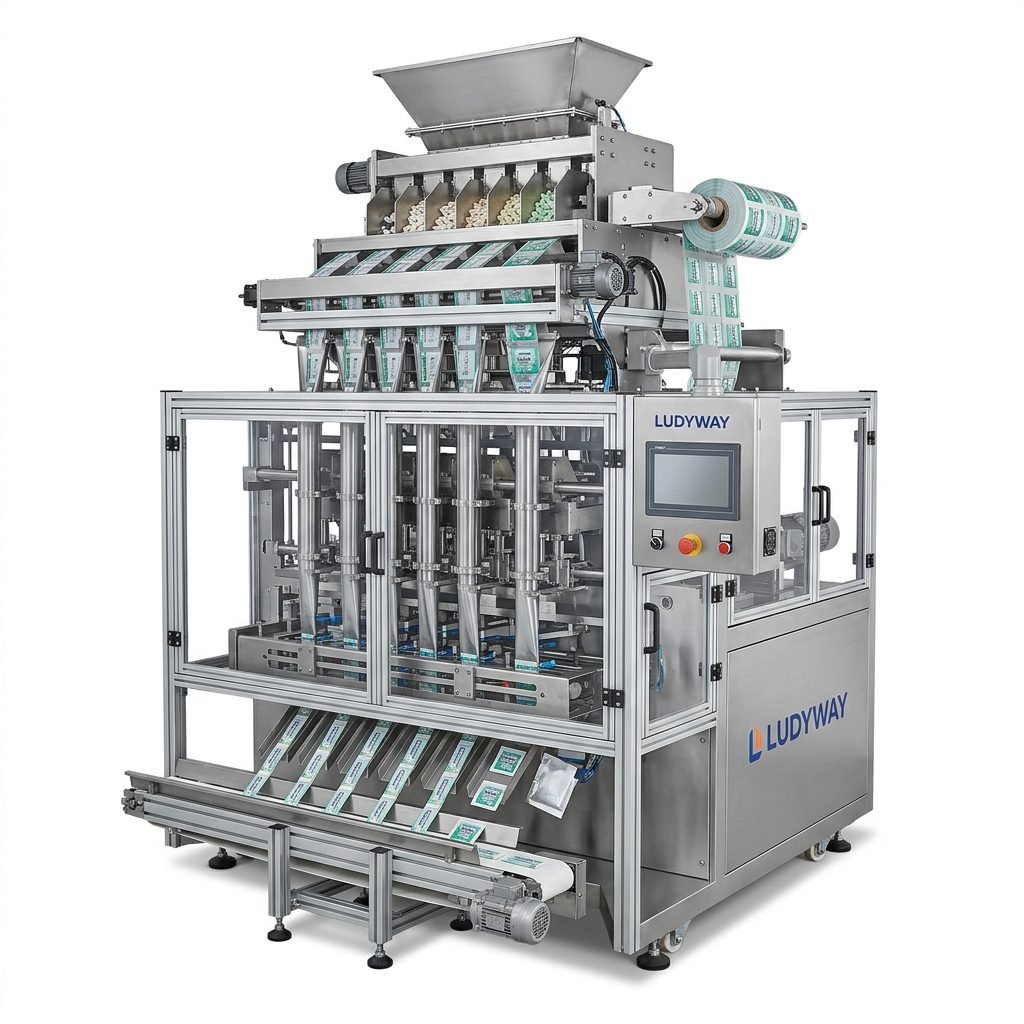
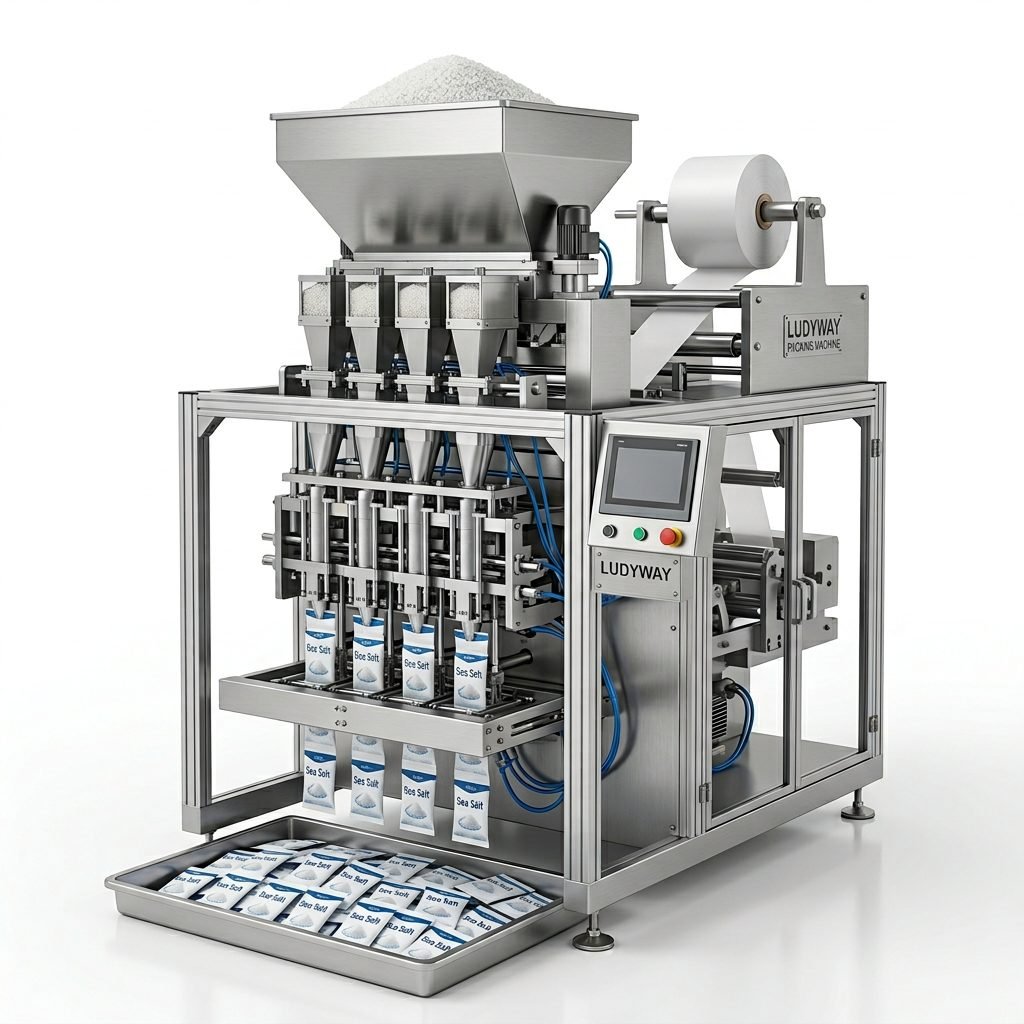
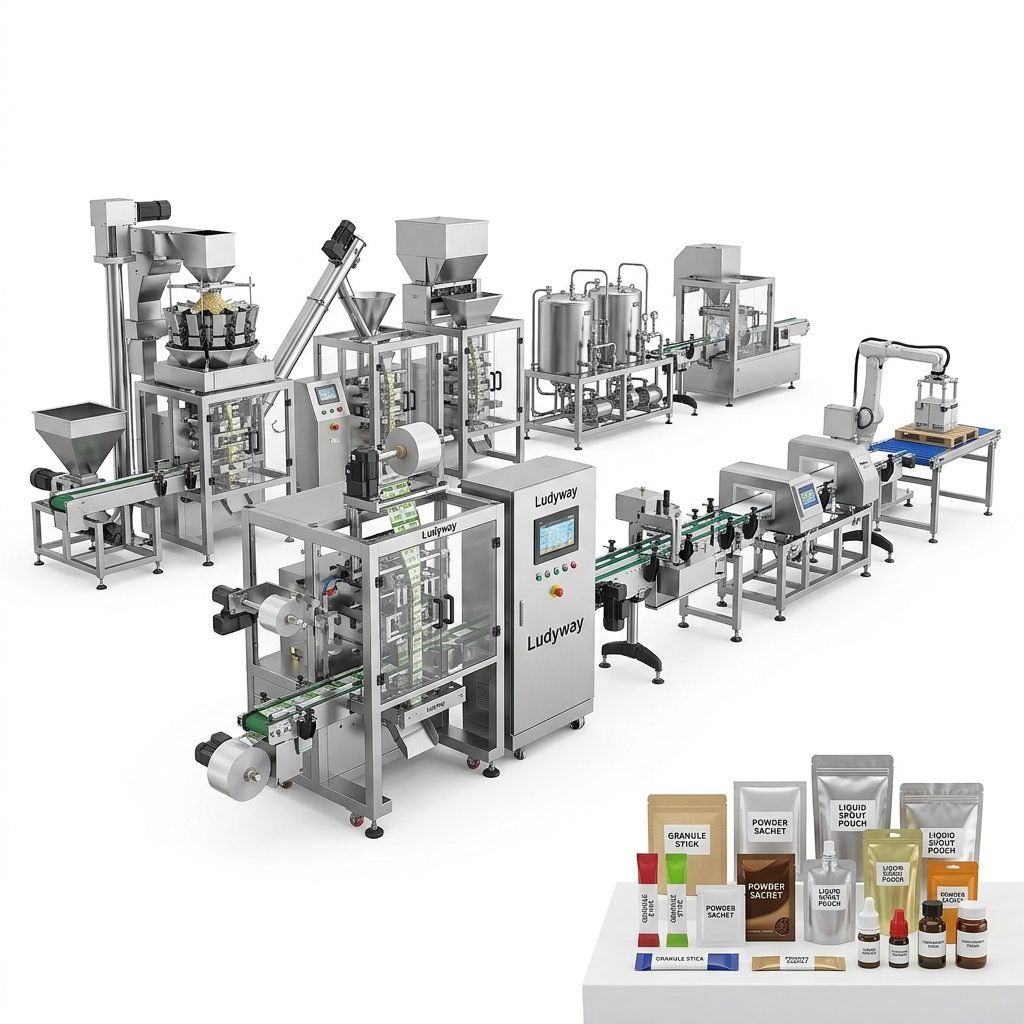
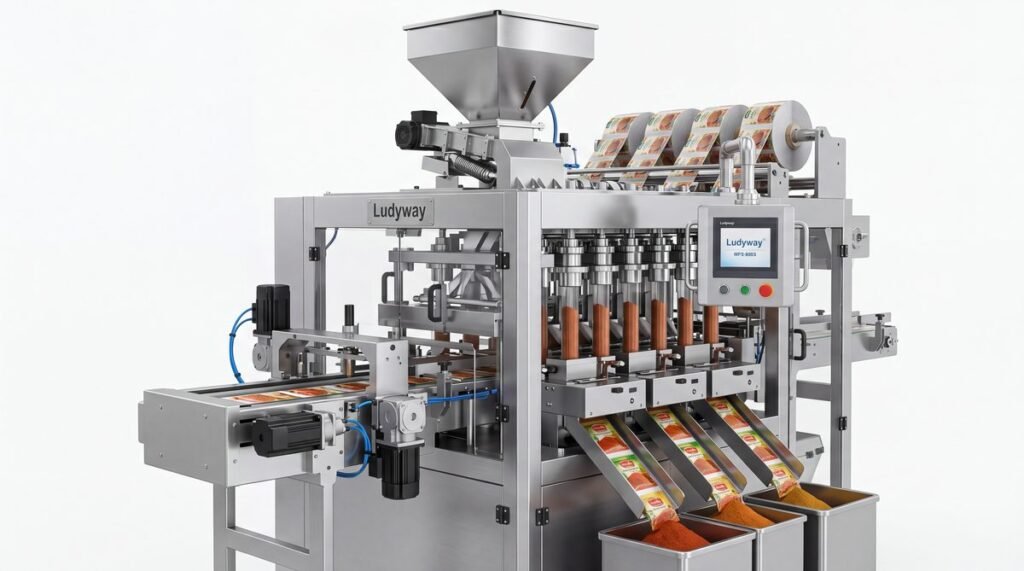
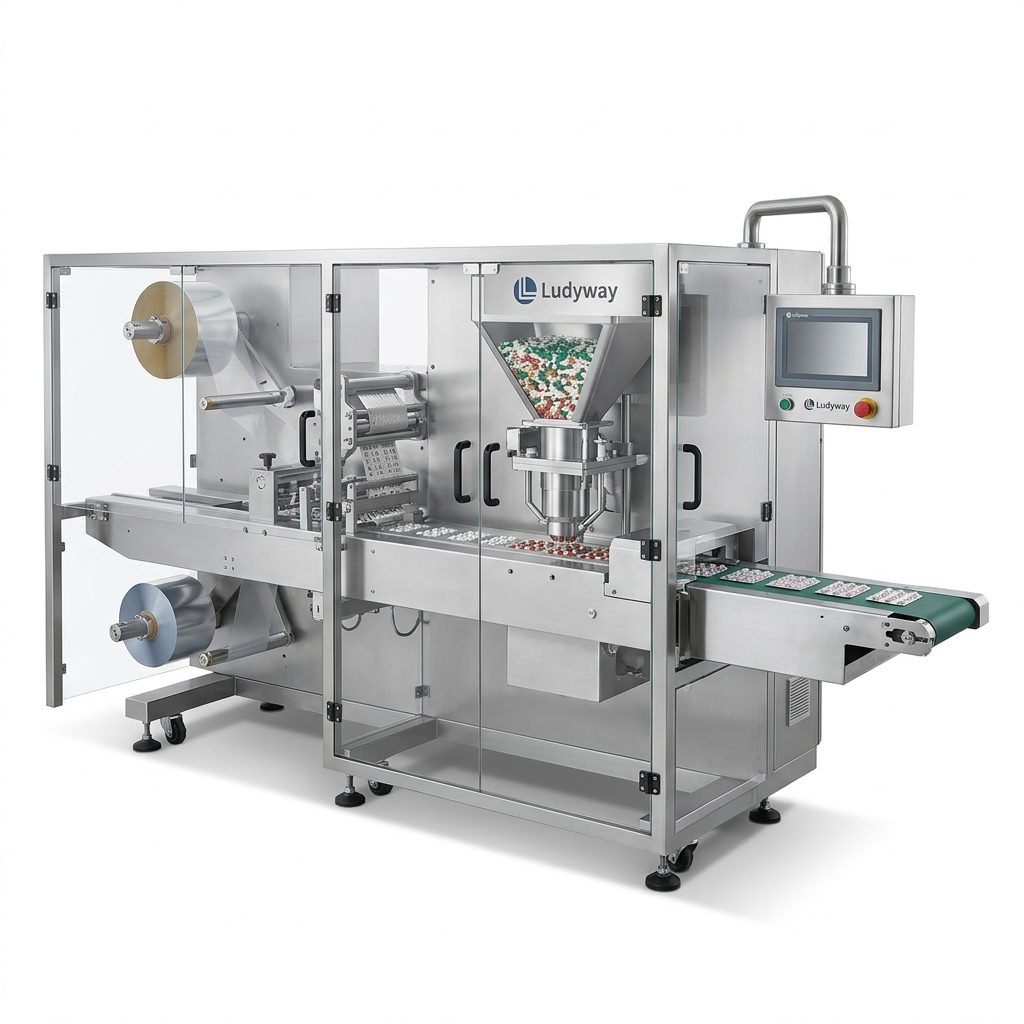
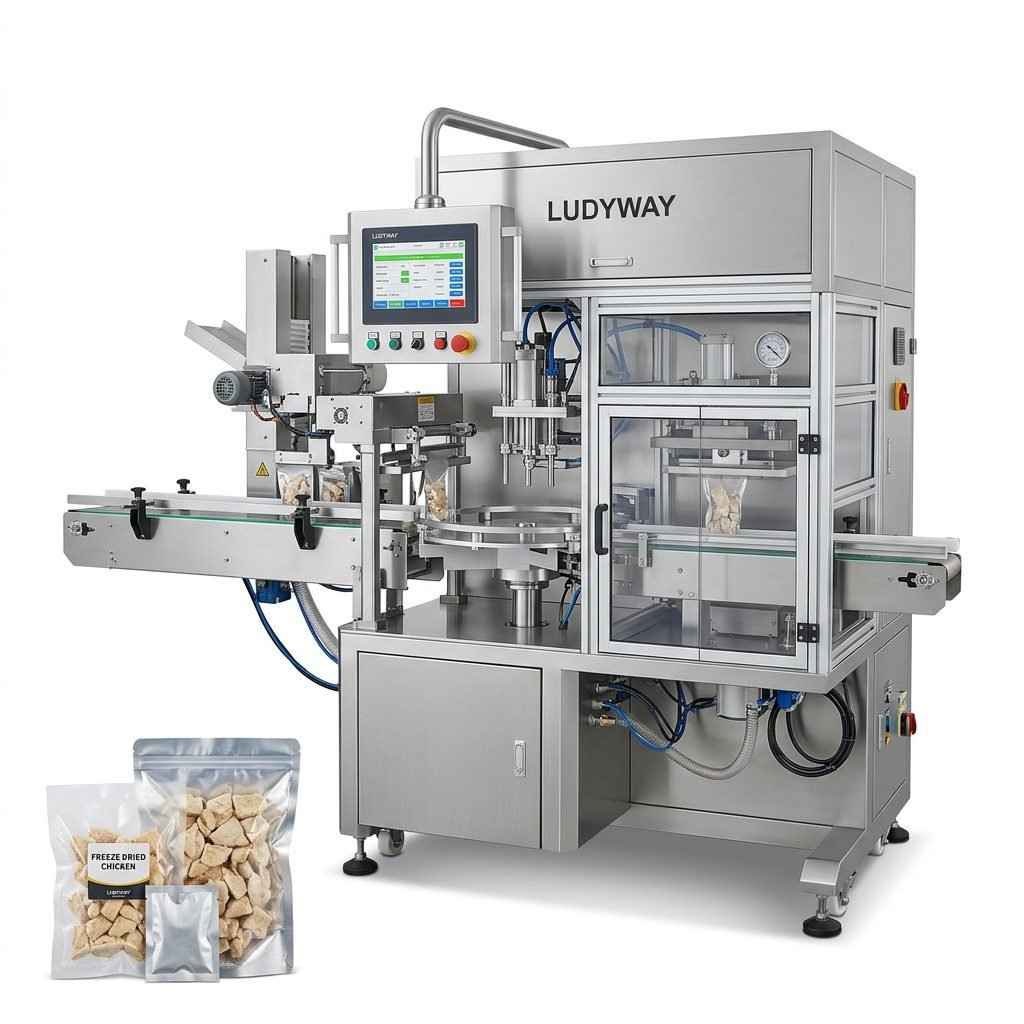
For manufacturers looking for scalable solutions in food, pharmaceutical, health supplement, and related industries, Ludyway packaging machine solutions can support more stable weighing, automated filling, and turnkey line integration for a wide range of granule, powder, liquid, and pouch applications.
Final Troubleshooting Checklist
| Checkpoint | What to Confirm |
|---|---|
| Calibration | Load cells, checkweigher, dosing unit, and recipe values are correct |
| Product Condition | No caking, segregation, foaming, or abnormal viscosity changes |
| Mechanical Parts | No worn augers, loose components, or unstable drives |
| Feeding Stability | Consistent hopper level and uninterrupted product supply |
| Environment | Low vibration, controlled airflow, suitable temperature and humidity |
| Operator Practice | Correct setup, cleaning, and product changeover procedures |
Conclusion
Inconsistent weights are usually the result of calibration issues, unstable product flow, worn components, poor setup, or environmental interference. The fastest way to improve accuracy is to diagnose the filling process step by step instead of adjusting settings blindly.
When the weighing system, product feeding, machine condition, and operator procedures all work together, your packaging line can deliver far more stable results, lower waste, and better output quality.