The Asian dairy sector is experiencing unprecedented growth. From traditional butter blocks in India to premium spreadable portions in Southeast Asia, producers face intense pressure to increase output while maintaining impeccable hygiene and extended shelf life. This demand surge requires a shift from manual or semi-automatic processes to integrated, high-speed systems. Central to this transformation is the selection of a packaging partner that understands the unique textural challenges of dairy fats. Ludyway butter packaging machines are engineered specifically to address these critical production bottlenecks, offering unmatched precision for one of the most delicate products in the food industry.

Understanding the Technical Challenges of Butter Packaging
Packaging butter is fundamentally different from handling free-flowing powders or simple liquids. Butter exhibits non-Newtonian fluid characteristics; its viscosity changes under pressure and temperature variations. If a machine is not precisely calibrated, the product can melt, smear, or suffer from severe weight inaccuracies. Asian climates, which often feature high ambient humidity and temperatures, exacerbate these risks. To maintain product integrity, dairy producers need equipment with temperature-controlled hoppers and precision positive displacement pumps. Without these, the margin for error is simply too high.
Key Engineering Solutions for Dairy Fats
- Temperature-Stabilized Filling Zones: Maintains butter at the optimal crystal structure to prevent oiling-off.
- Servo-Driven Portioning: Guarantees gram-level accuracy regardless of the butter’s consistency.
- Anti-Stick Sealing Jaws: Specialized coatings prevent the greasy residue that causes seal failures in standard machines.
- Closed-Environment Processing: Protects the product from airborne contaminants and tropical humidity.
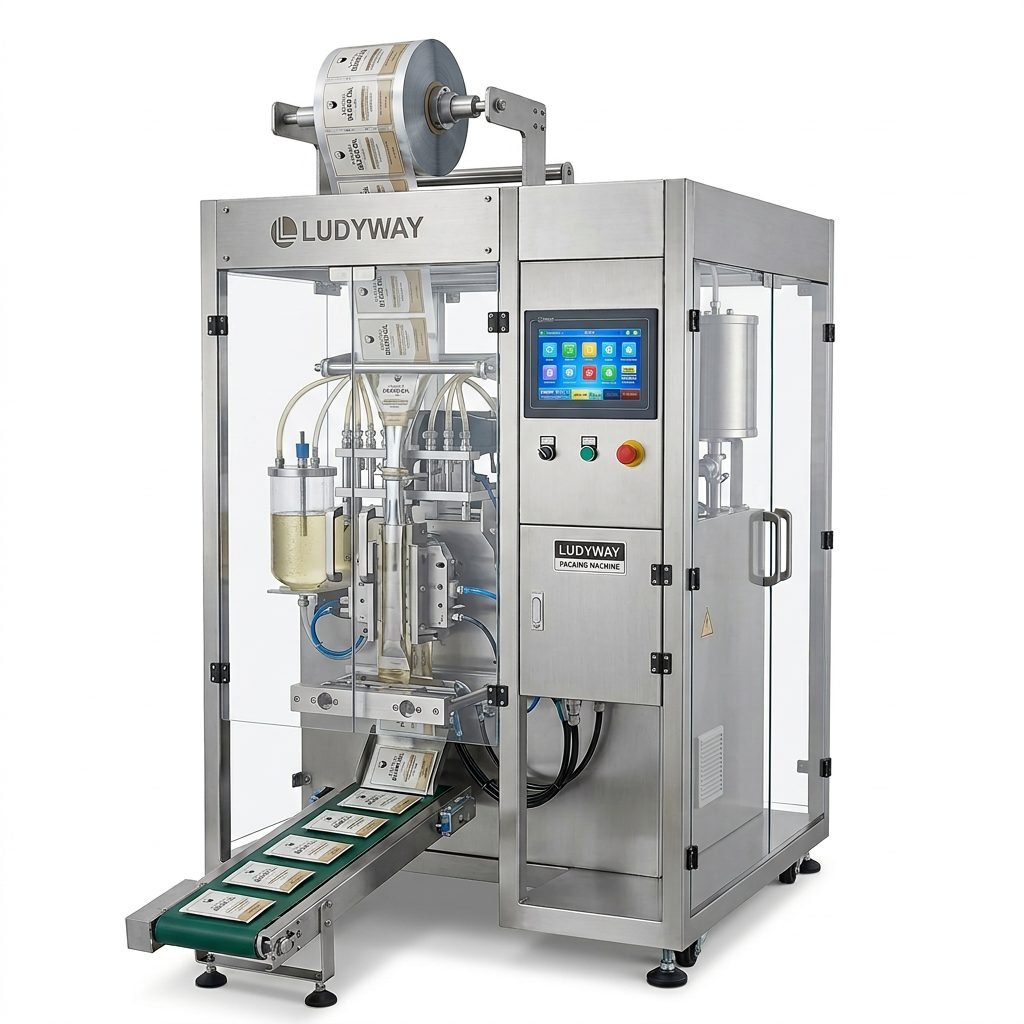
Why Multi-Lane Technology Maximizes ROI for Asian Dairies
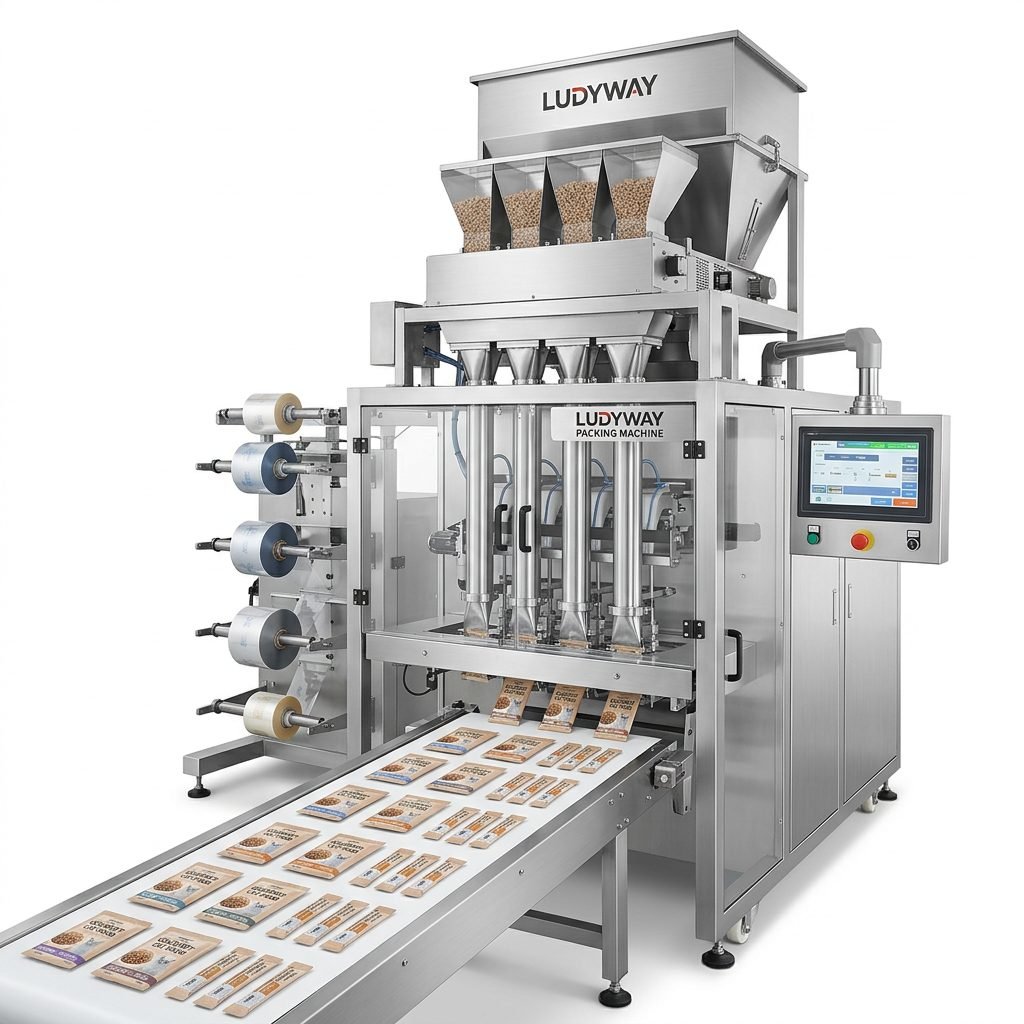
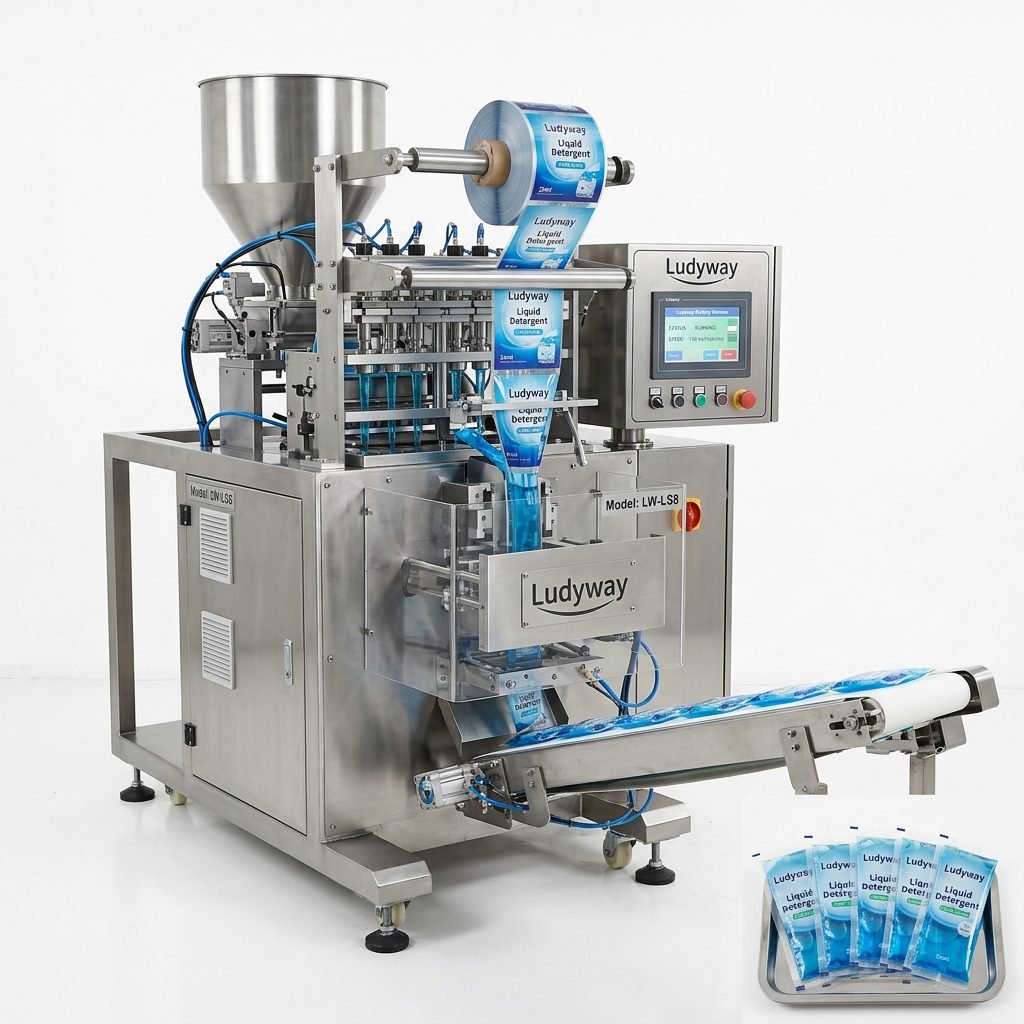
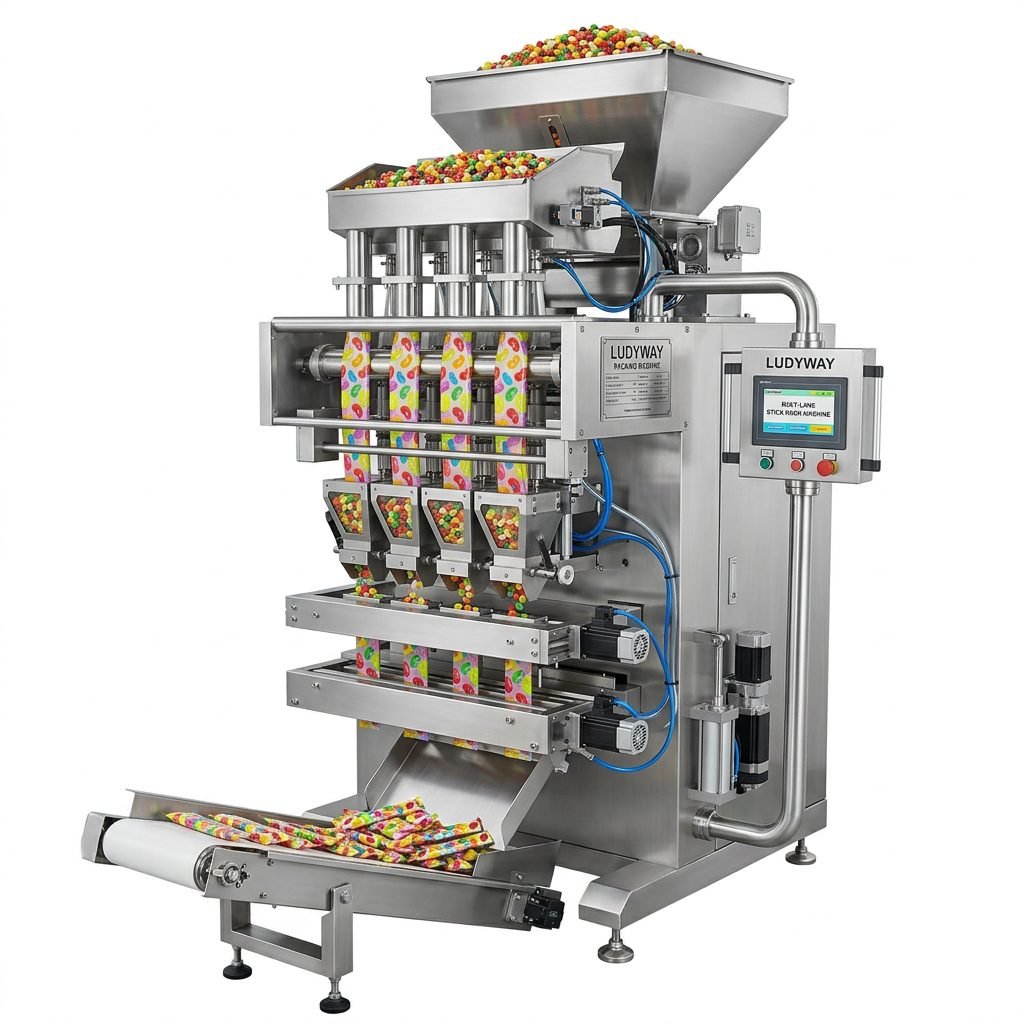
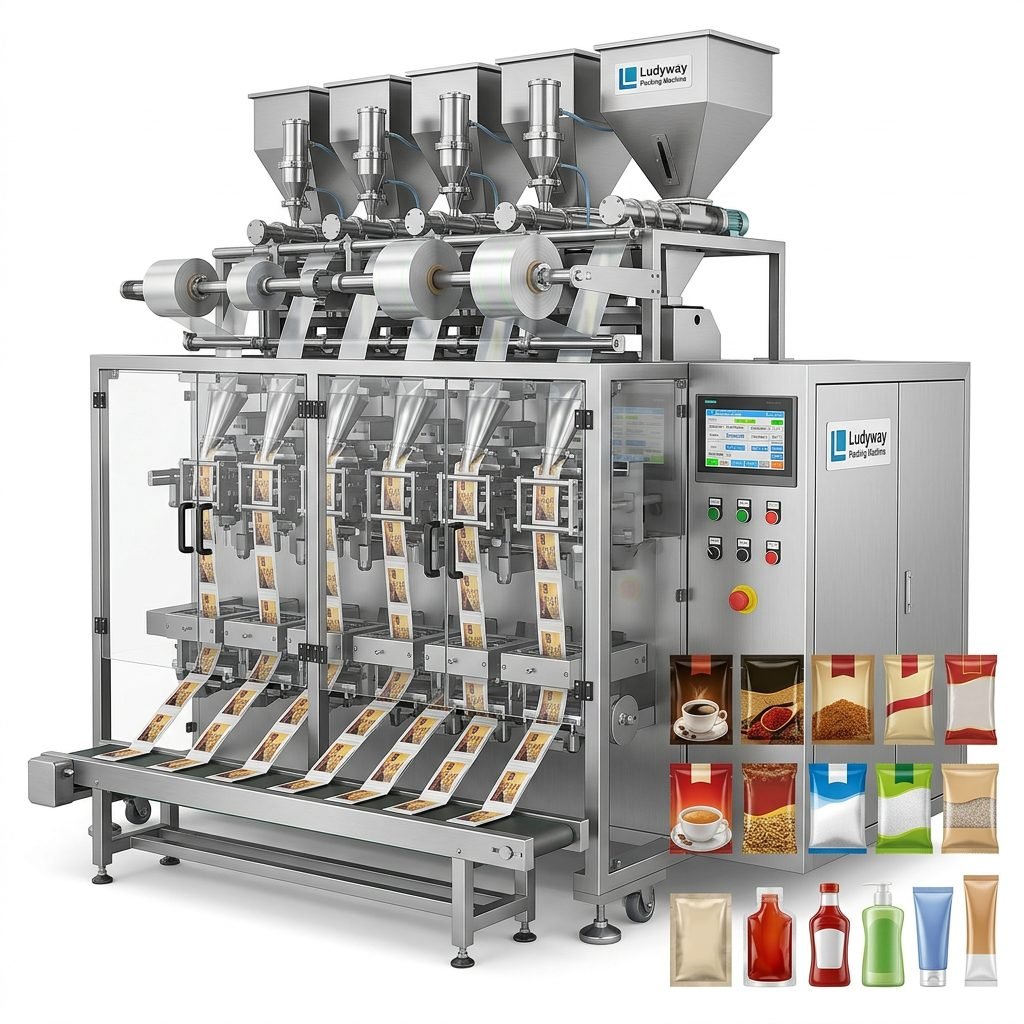
For medium to large-scale dairies, single-lane machinery often represents a bottleneck. A multi-lane stick pack or sachet machine transforms the entire throughput equation. Instead of producing one single-serve butter portion per cycle, a multi-lane system can produce 8, 10, or even 12 lanes simultaneously. This geometric increase in output does not require a proportional increase in floor space or operator labor, making it a vital strategy for competing in high-volume markets like food service and hospitality.
Comparative Analysis: Single-Lane vs. Multi-Lane Output
| Production Aspect | Traditional Single-Lane | Ludyway Multi-Lane System |
|---|---|---|
| Average PPM (Portions/Min) | 30 – 60 | 300 – 600+ |
| Product Waste (Drip/Leakage) | High | Negligible (< 0.5%) |
| Labor Requirement | 2-3 operators/machine | 1 operator for full line |
| Seal Integrity Rate | 90-95% | 99.9%+ |
Types of Butter Packaging Formats and Machine Versatility
Asian consumer habits vary widely. While single-serve portions dominate airline meals and Japanese hotel breakfasts, bulk blocks are the standard for bakeries across China and India. A rigid packaging system limits market access. The ideal machinery should offer seamless changeover between stick packs, sachets, and pillow pouches without requiring extensive mechanical modifications.
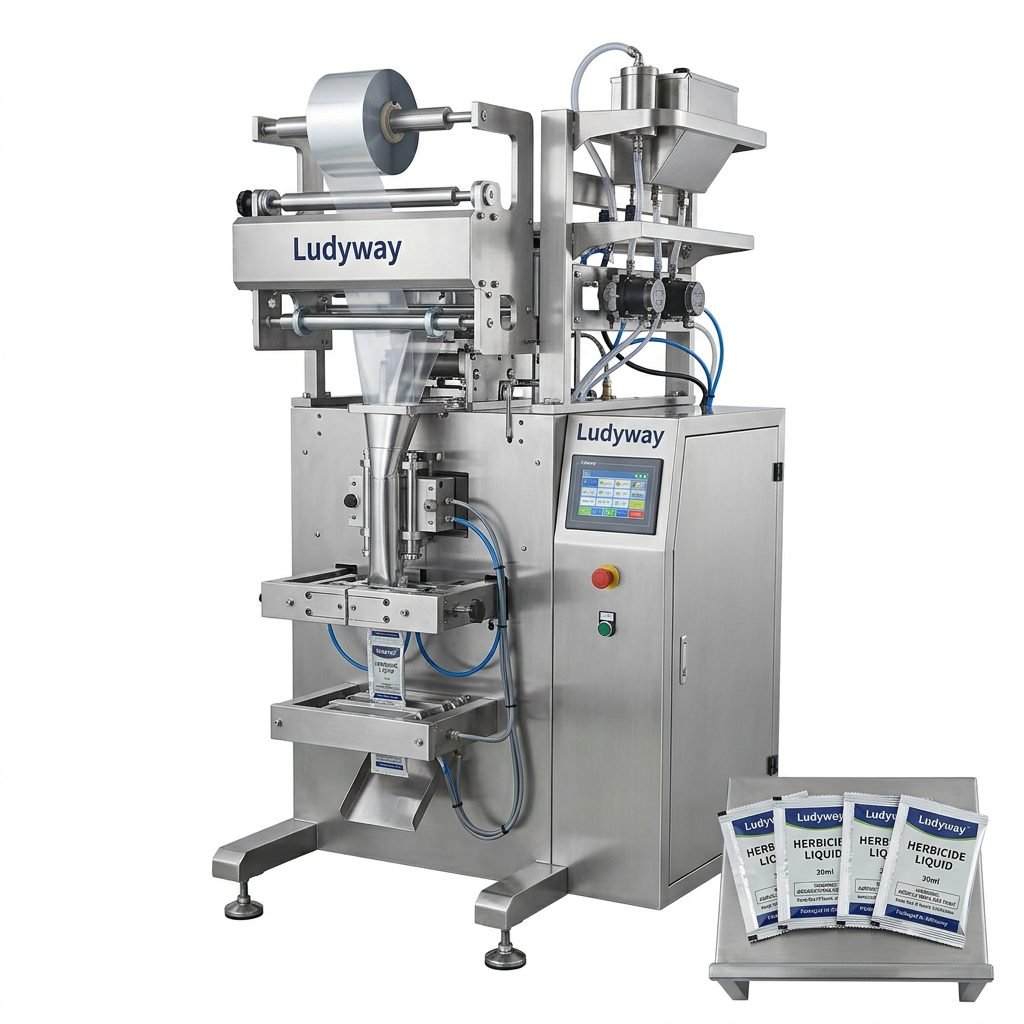
- Single-Serve Sachets: Ideal for e-commerce subscription boxes and instant delivery models.
- Foil-Laminated Stick Packs: Superior barrier protection against light and oxygen for vitamin-fortified butter blends.
- Block & Bulk Packaging: Automated cartoning and case packing for the B2B bakery sector.
- Portion Cups: Integrated filling and sealing for spreadable and compound butters.
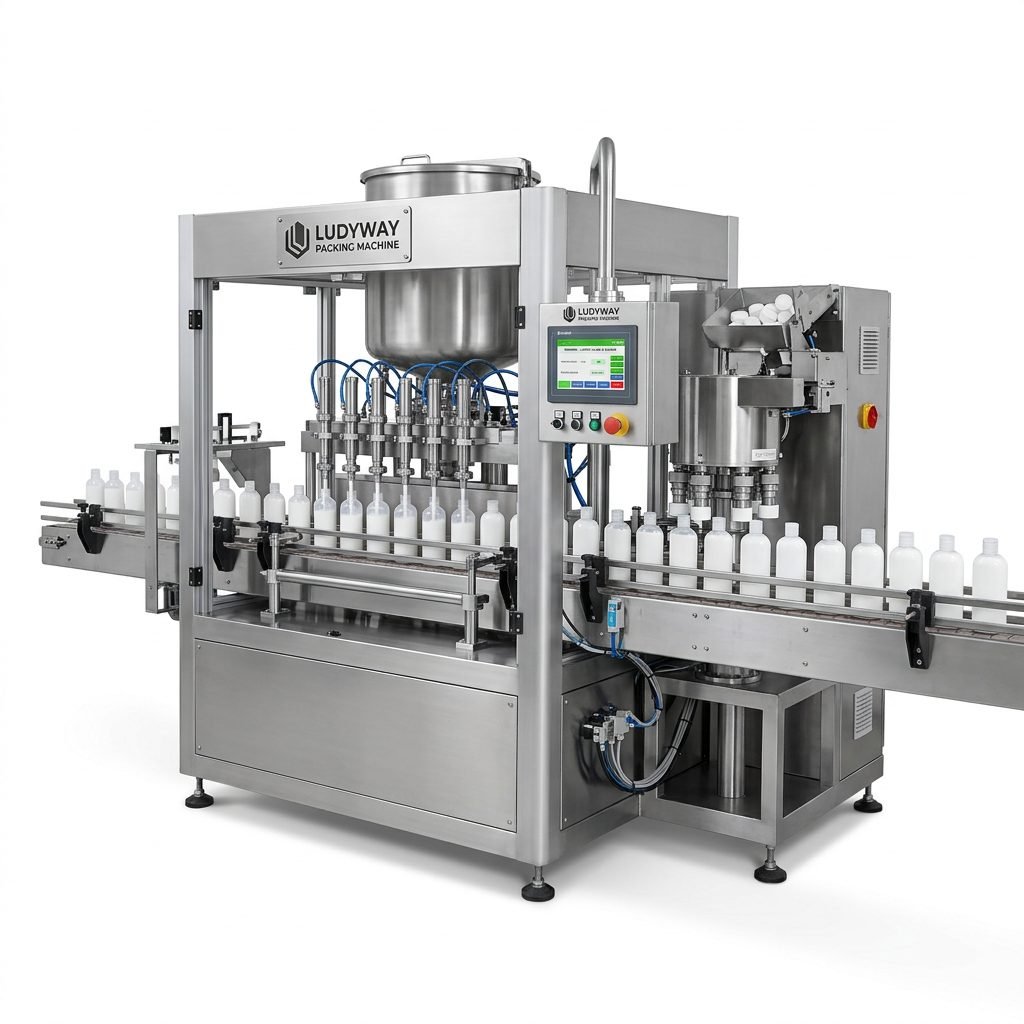
Automating the Ultimate Turnkey Dairy Line
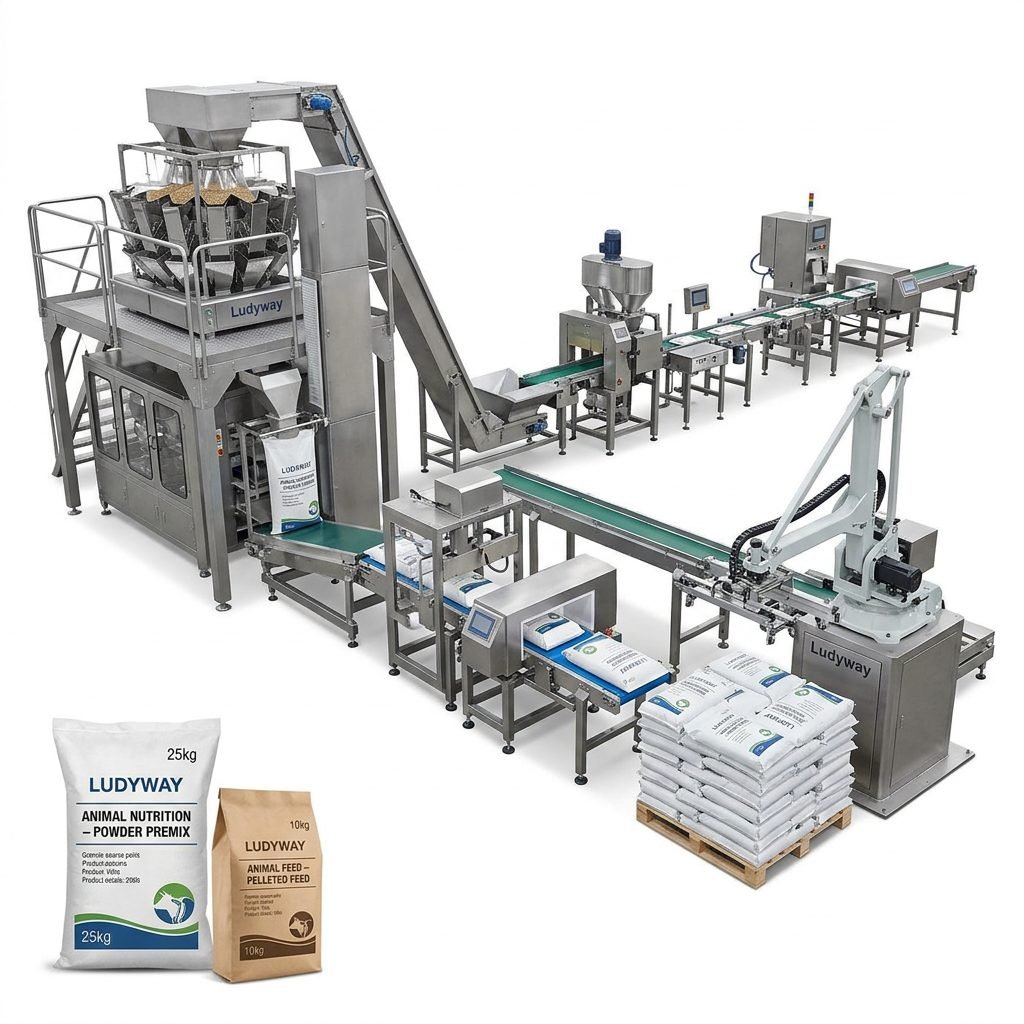
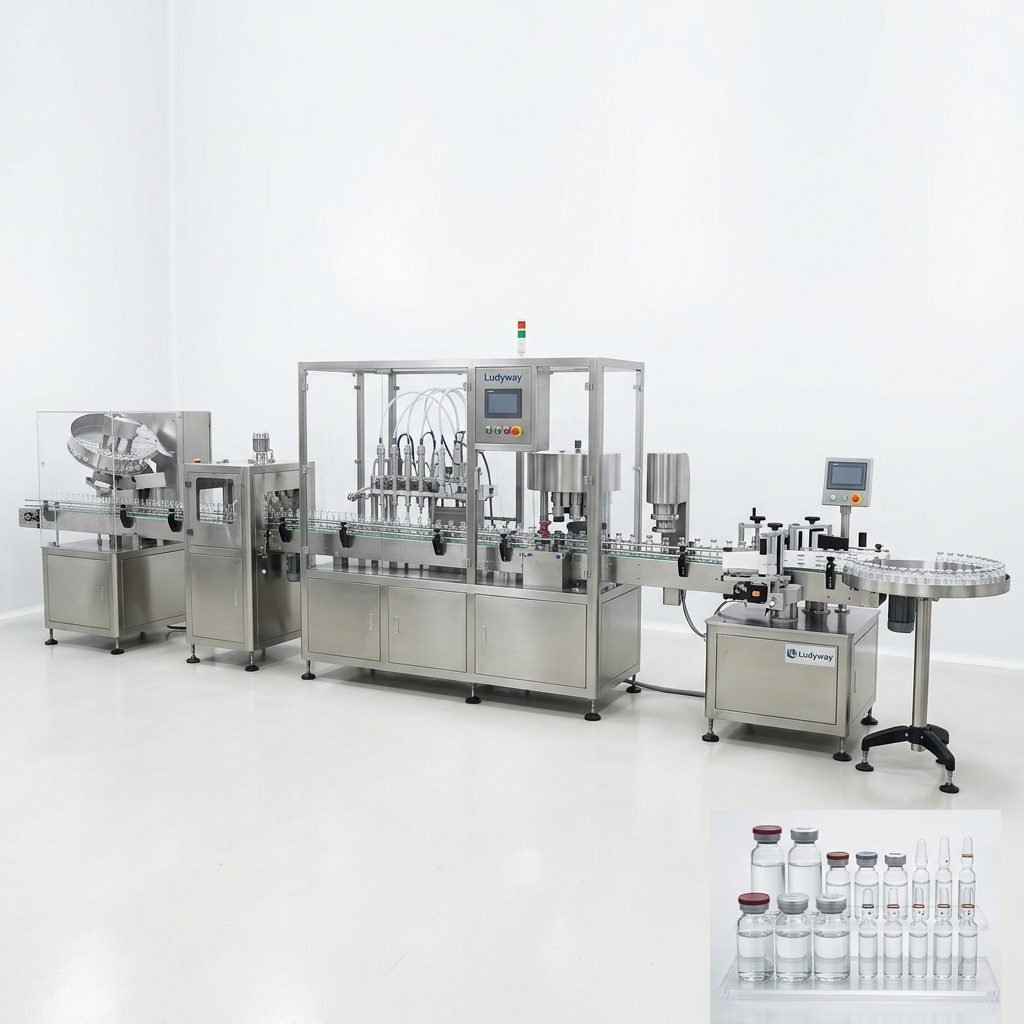
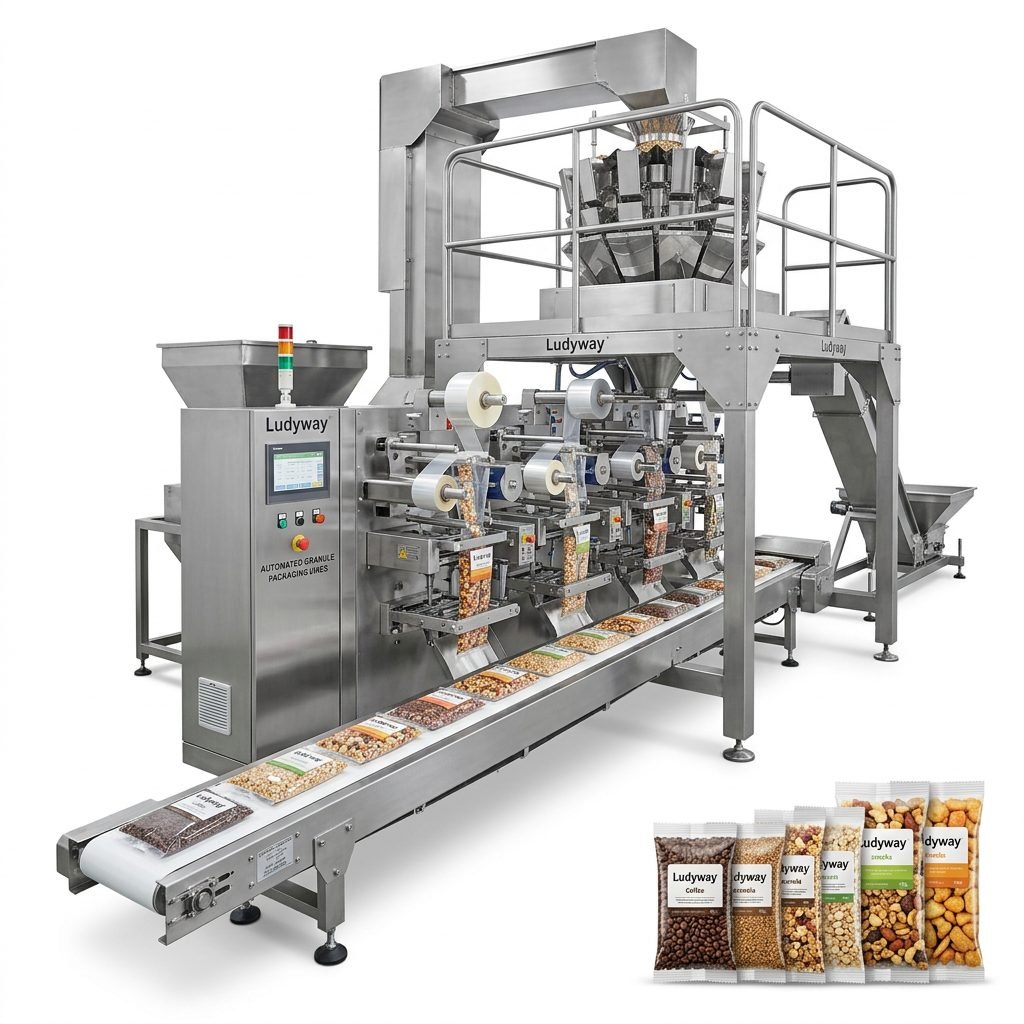
Modern dairies should not just buy a filling machine; they need a cohesive ecosystem. A turnkey butter packaging line integrates the feeding system, precision doser, multi-lane packager, and downstream cartoning. This eliminates the “conveyor gap” where product jams typically occur. By uniting these elements under a single PLC control system, producers achieve synchronous stopping and starting, which is critical for maintaining butter viscosity during brief pauses. Integrated turnkey solutions drastically reduce the engineering burden on the dairy’s in-house team.
Material Compatibility and Sustainable Packaging Trends
The future of dairy packaging is inextricably linked to sustainable materials. Many Asian governments are mandating recyclable mono-materials, which are notoriously difficult to seal at high speeds—especially with greasy products. A machine designed with advanced thermal profiling can handle eco-friendly films that have a narrower heat-seal threshold than traditional foil laminates. This prevents “wrinkling” and ensures that the switch to green packaging does not sacrifice the shelf appeal or integrity of the butter.
Core Hygienic Design Principles for Asian Dairies
Cleaning downtime represents a hidden cost that cripples profitability. Machines designed without food-safety forethought feature crevices where rancid butter can accumulate. The gold standard for dairy equipment is a sloped, tool-free disassembly design combined with IP65-rated washdown protection. This ensures that CIP (Clean-in-Place) protocols are effective within minutes, not hours, enabling producers to switch between salted and unsalted butter batches without cross-contamination.
Smart Quality Control via Vision Inspection
No dairy can afford a recall due to seal contamination or underweight packages. A critical component of modern butter packaging is in-line vision inspection. High-resolution cameras detect the slightest smear of butter on the seal area or a misplaced tear notch. Paired with a high-precision checkweigher, the system can automatically reject non-conforming packs without stopping production. This software-driven quality assurance preserves brand reputation in highly discerning markets like Japan and South Korea.
Processing High-Fat Specialty Butters
The Asian market is diversifying into cultured butter, grass-fed butter, and ghee-butter blends—all possessing distinct rheology. A machine using standard auger fillers will “smear” cultured butter and separate ghee emulsions. The best machines utilize piston fillers with specialized cone nozzles to cut off the product cleanly, preventing “tailing” which results in poorly sealed packages. This precision ensures that high-margin specialty products maintain a luxury aesthetic.
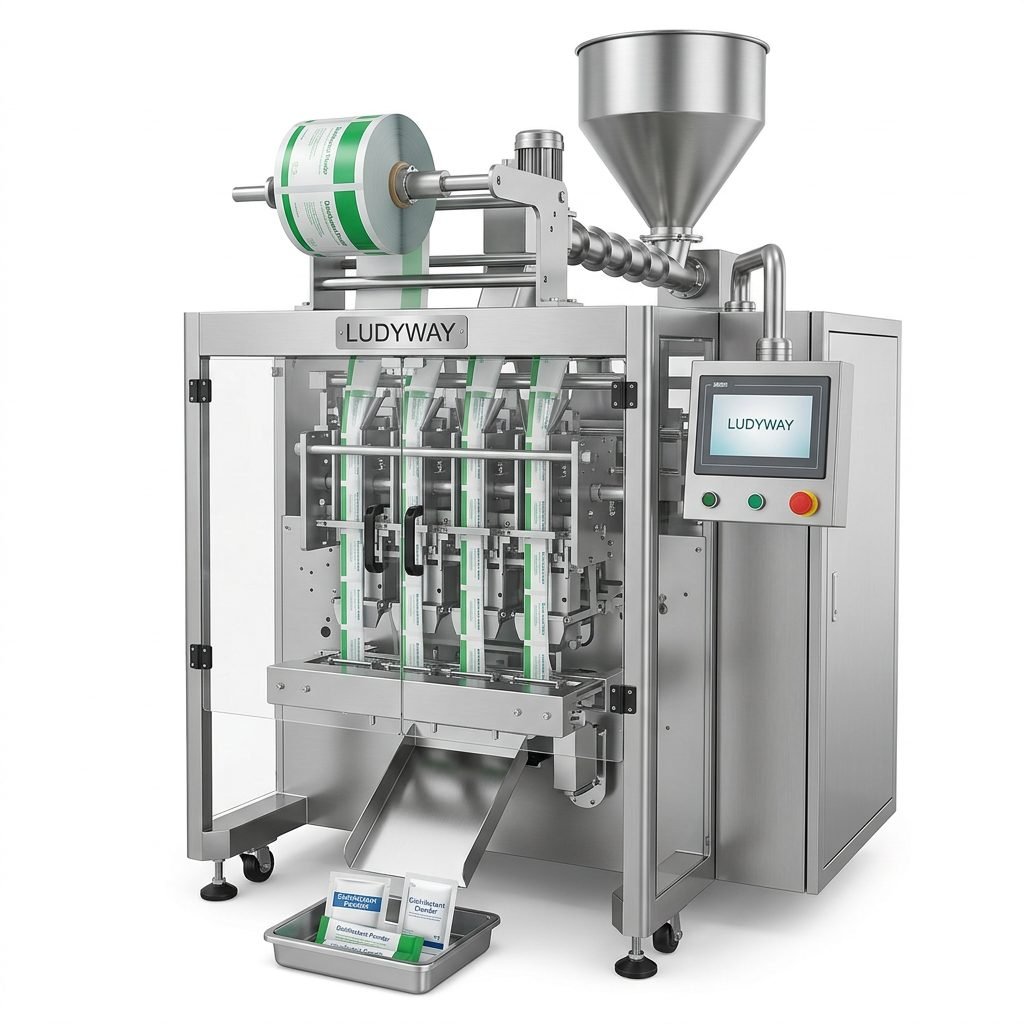
Why Asia’s Leading Dairies Choose Long-Term Reliability
Downtime in a dairy supply chain is catastrophic. The competitive advantage of Ludyway lies not just in the initial installation but in the engineering philosophy of sustainable productivity. With a modern 20,000㎡ manufacturing facility and over 30 years of industry experience, the machinery is built to withstand 24/7 operation cycles common in large Asian dairies. High-grade stainless steel components, hardened cutting tools, and globally sourced PLCs (Programmable Logic Controllers) ensure that the line maintains its high-speed rating years after installation.
Common Troubleshooting in Tropical Climates
A frequent question from Southeast Asian producers involves managing condensation. When a cold butter hopper meets a humid factory floor, sweating can occur, dripping water into the packaging zone. Advanced machines feature insulated hopper jackets and pressurized electrical cabinets to prevent moisture ingress. This design keeps the control circuits dry and the product zone safe, eliminating the short-circuits and sanitation scares that plague cheaper equipment during the monsoon season.
Expanding Market Reach Through Export-Grade Packaging
To export butter from India to the Middle East, or from New Zealand to Southeast Asia, packaging must survive rough logistics and steep temperature gradients. A gas-flushed (nitrogen) packaging system extends the shelf life of butter sachets by removing oxygen, preventing rancidity. Machines equipped with gas-flushing lanes ensure that the delicate fatty acids are protected from the moment the pouch is sealed until it reaches the consumer’s table, opening doors to lucrative international markets.
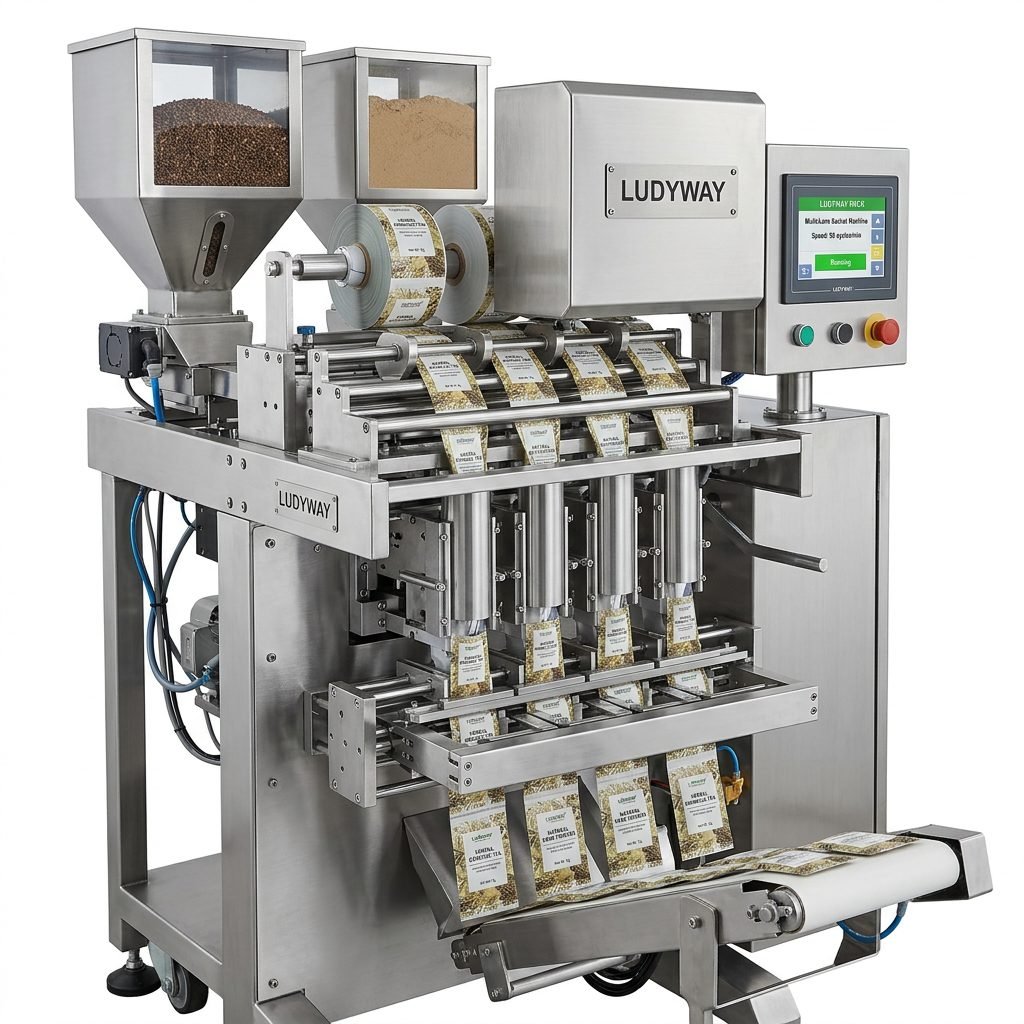
Critical Data on Fast-Moving Dairy Segments
To make a persuasive business case, procurement officers should focus on Overall Equipment Effectiveness (OEE). The table below highlights the core technical specifications that separate high-performance butter machines from standard packet fillers:
| Critical Specification | Standard Industry Bench | Ludyway Dairy Target |
|---|---|---|
| Weight Accuracy | ± 2-3g | ± 0.5g |
| Film Wastage per Start-Stop | ~500mm | < 100mm |
| Changeover Time (Family Recipes) | 45-60 min | < 15 min |
| Preventive Maintenance Cycle | Monthly | Quarterly |
Optimizing the Lowest Total Cost of Ownership
The purchase price is only a fraction of the equation. The true cost lies in film consumption, spare parts longevity, and energy efficiency. Servo motors with regenerative braking, for instance, feed energy back into the system rather than losing it as heat, which is a significant cost-optimizer in Asia’s elevated ambient temperatures. Furthermore, servo-driven sealing eliminates the noxious fumes and fire hazard associated with constant-heat systems, creating a safer working environment for staff.
About Ludyway
Ludyway is one of the largest packaging machine manufacturers in China, specializing in advanced packaging equipment and turnkey production solutions for the food, pharmaceutical, and health industries. With over 30 years of industry expertise, we provide reliable and efficient packaging solutions for granule, powder, liquid, and pouch packaging applications. Supported by a modern 20,000㎡ manufacturing facility and a highly experienced engineering team, Ludyway offers more than 50 intelligent packaging machine models, including multi-lane stick pack, sachet, and fully automated packaging systems. Serving customers in over 100 countries and regions, we are committed to delivering innovative, high-performance, and cost-effective packaging solutions that help businesses improve productivity, product quality, and operational efficiency. Ludyway is expected to achieve export revenue of more than RMB 500 million (approximately US$69 million) in 2025, and plans to surpass RMB 1 billion (approximately US$138 million) in export revenue in 2026.
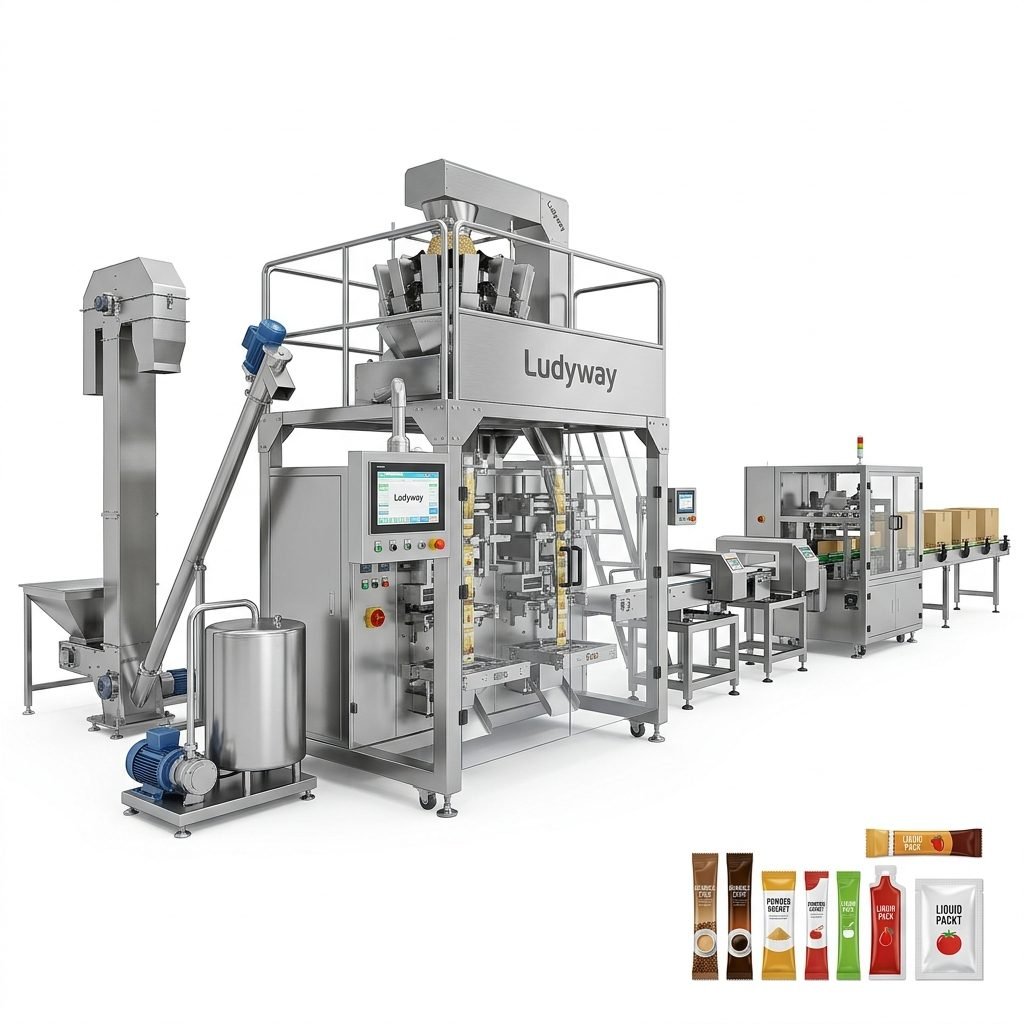
To explore how intelligent packaging can transform your dairy production efficiency, we invite you to review the latest industry insights and standards. The following curated resources offer valuable perspectives on packaging innovation, regulatory compliance, and global market trends shaping the future of food packaging.
Industry Authority & Reference Links
- Ludyway Packaging Machinery Global Growth Trend: Why Exports May Exceed RMB 1 Billion by 2026
- PMMI – The Association for Packaging and Processing Technologies
- PMMI – Business Intelligence Library
- PMMI – 2026 Packaging State of the Industry
- PMMI – PACK EXPO International
- Flexible Packaging Association – Official Website
- Flexible Packaging Association – State of the U.S. Flexible Packaging Industry
- FDA – Food Packaging and Food Contact Substances
- ISO – Packaging Standards
- European Commission – Packaging and Packaging Waste
- U.S. EPA – Sustainable Materials Management