Africa’s food processing sector is experiencing unprecedented growth. With a rapidly expanding population, increasing urbanization, and rising consumer demand for packaged goods, food manufacturers across the continent are seeking reliable, high-efficiency dry food packaging machines that can handle diverse product types — from grains and spices to powdered beverages and snack foods. Selecting the right packaging equipment is not merely an operational decision; it is a strategic investment that directly impacts product shelf life, distribution reach, and overall brand competitiveness.
The Growing Demand for Dry Food Packaging in Africa
The African food market is projected to reach over $1 trillion by 2030, according to industry forecasts. This growth creates immense opportunities for local food processors who can deliver consistently packaged, high-quality products. Key drivers include:
- Rapid urbanization — Cities like Lagos, Nairobi, and Accra are expanding fast, creating demand for convenience foods
- Rising middle class — Disposable incomes are increasing, shifting consumer preference toward branded packaged goods
- Export opportunities — African agricultural products such as coffee, cocoa, spices, and grains are in high demand globally
- Retail modernization — Supermarkets and formal retail channels are replacing traditional open markets in many regions
For food businesses aiming to capitalize on these trends, investing in advanced packaging machinery is essential to meet both domestic and international quality standards.
Key Challenges African Food Producers Face
Food manufacturers in Africa encounter unique operational challenges that demand specialized packaging solutions:
- Climate conditions — High humidity and temperature fluctuations require packaging machines with robust sealing capabilities to protect dry food products from moisture and contamination
- Infrastructure variability — Unstable power supply in certain regions calls for equipment with energy-efficient designs and stable operational performance
- Diverse product range — From fine powders like flour and milk powder to granules like rice and sugar, packaging equipment must handle multiple formats without compromising speed or accuracy
- Cost sensitivity — Businesses need affordable yet durable machines that deliver long-term value without excessive maintenance costs
Understanding these challenges is crucial when evaluating flexible packaging solutions for African operations.
What Sets Ludyway Dry Food Packaging Machines Apart
With decades of engineering expertise, Ludyway has developed packaging machines specifically suited to the demands of emerging markets. The company operates a 20,000㎡ modern manufacturing facility and serves customers in over 100 countries, making it one of the most experienced packaging equipment suppliers globally.
Engineered for Durability in Challenging Environments
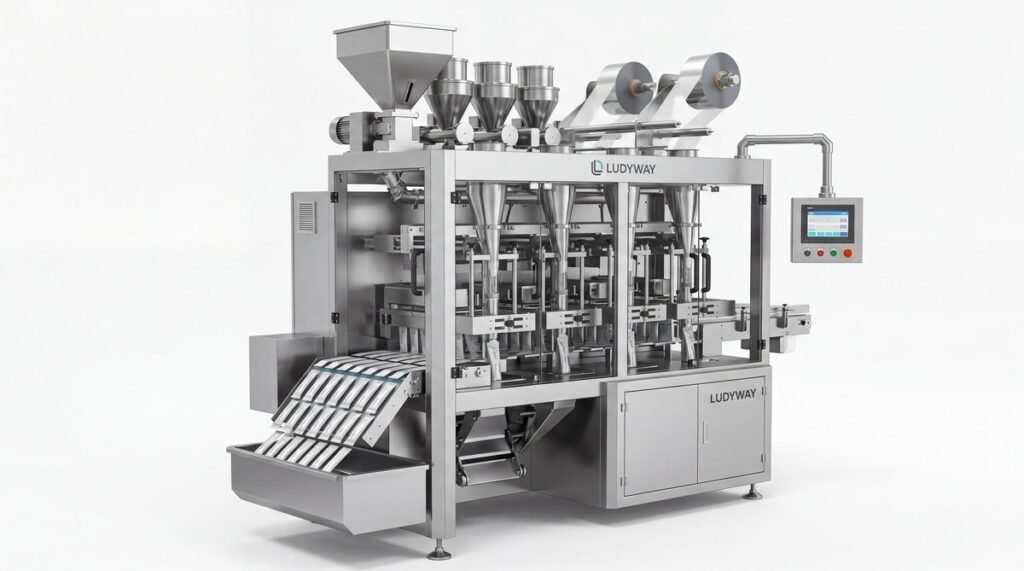
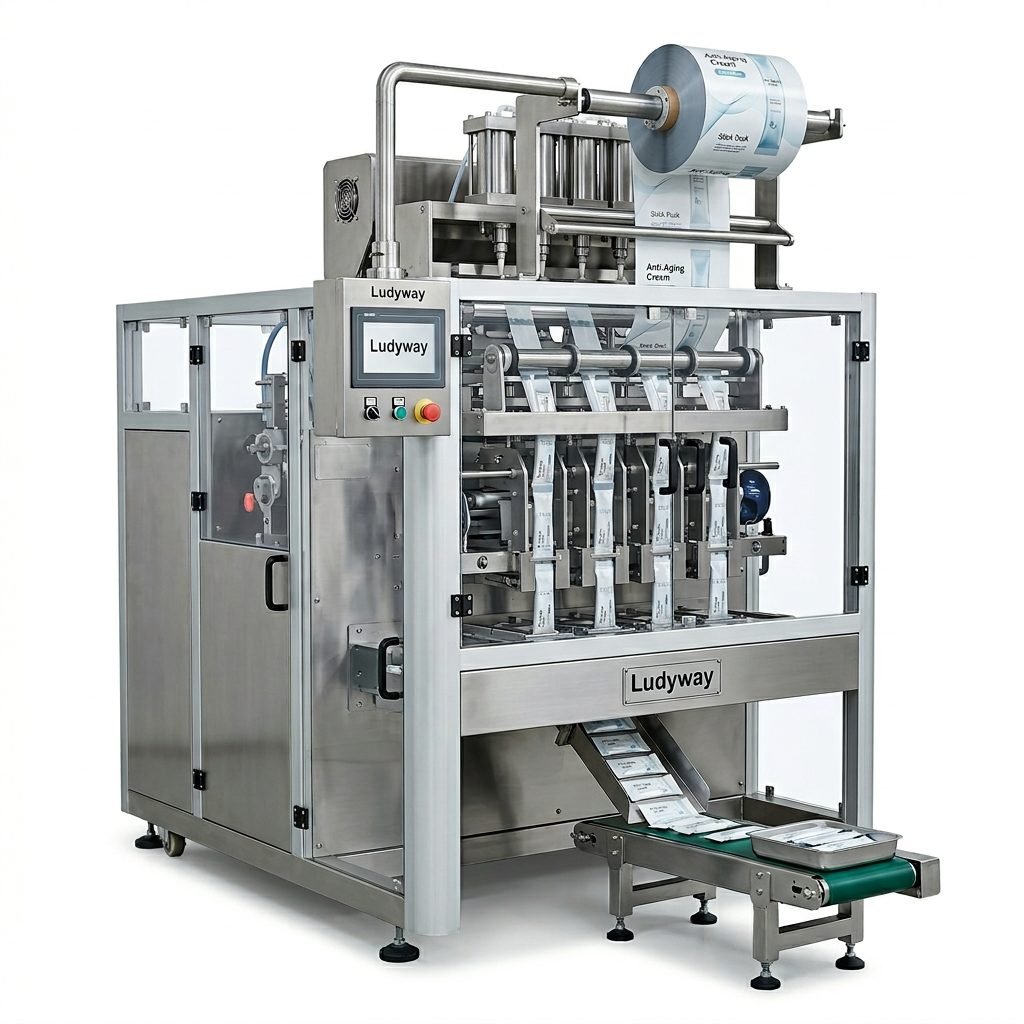
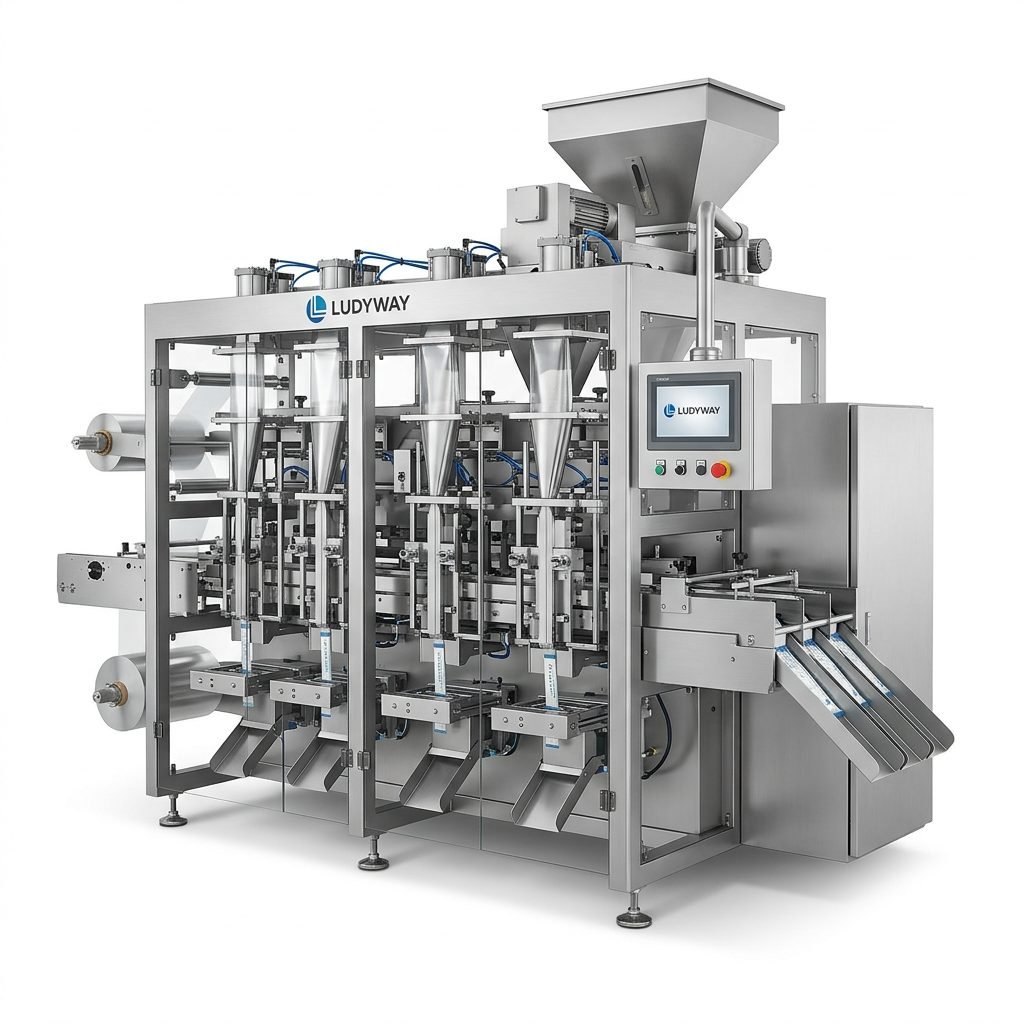
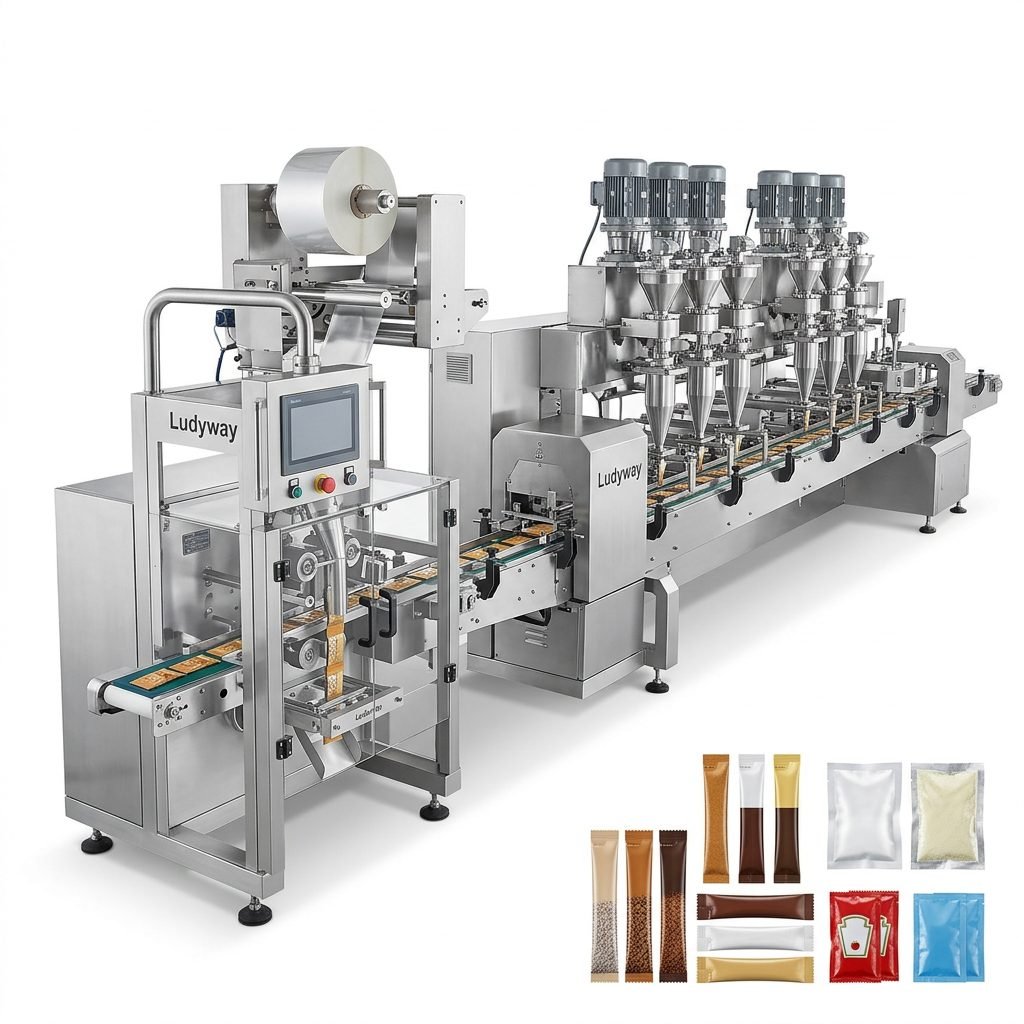
Packaging machines deployed in African facilities must withstand demanding conditions. Ludyway equipment features heavy-duty stainless steel construction, precision-engineered sealing mechanisms, and components designed for extended operational life. Multi-lane stick pack and sachet machines maintain consistent sealing integrity even in high-humidity environments, protecting dry food contents throughout the supply chain.
Cost-Effective Without Compromising Quality
For African food businesses, balancing upfront investment with long-term performance is critical. Ludyway packaging machines deliver competitive pricing while incorporating features typically found in higher-cost European equipment — including servo-driven filling systems, touchscreen controls, and automated film tracking. This value proposition makes them especially attractive for growing enterprises scaling up production.
Versatile Packaging Formats for Diverse Products
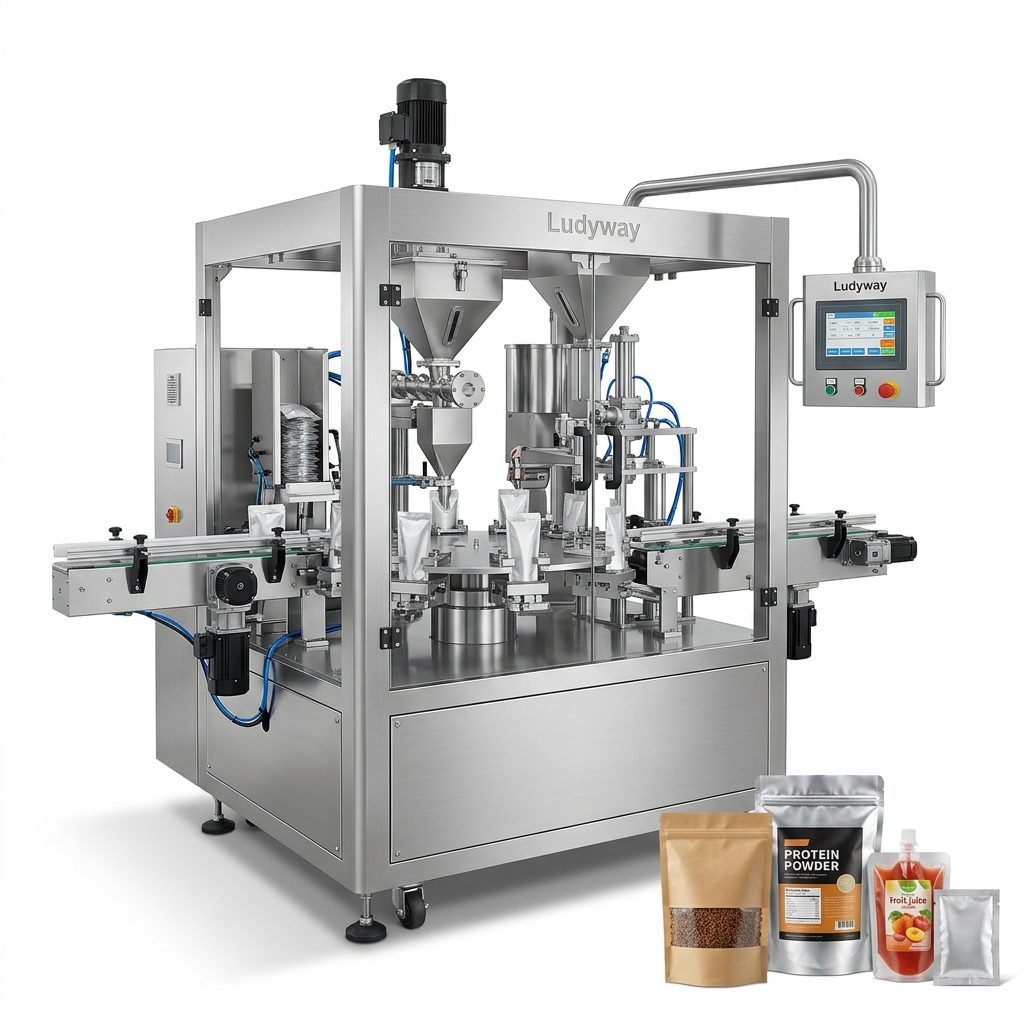
African food producers handle an extensive variety of dry products. A single packaging system must often accommodate multiple product types and package formats. Ludyway offers machines that support:
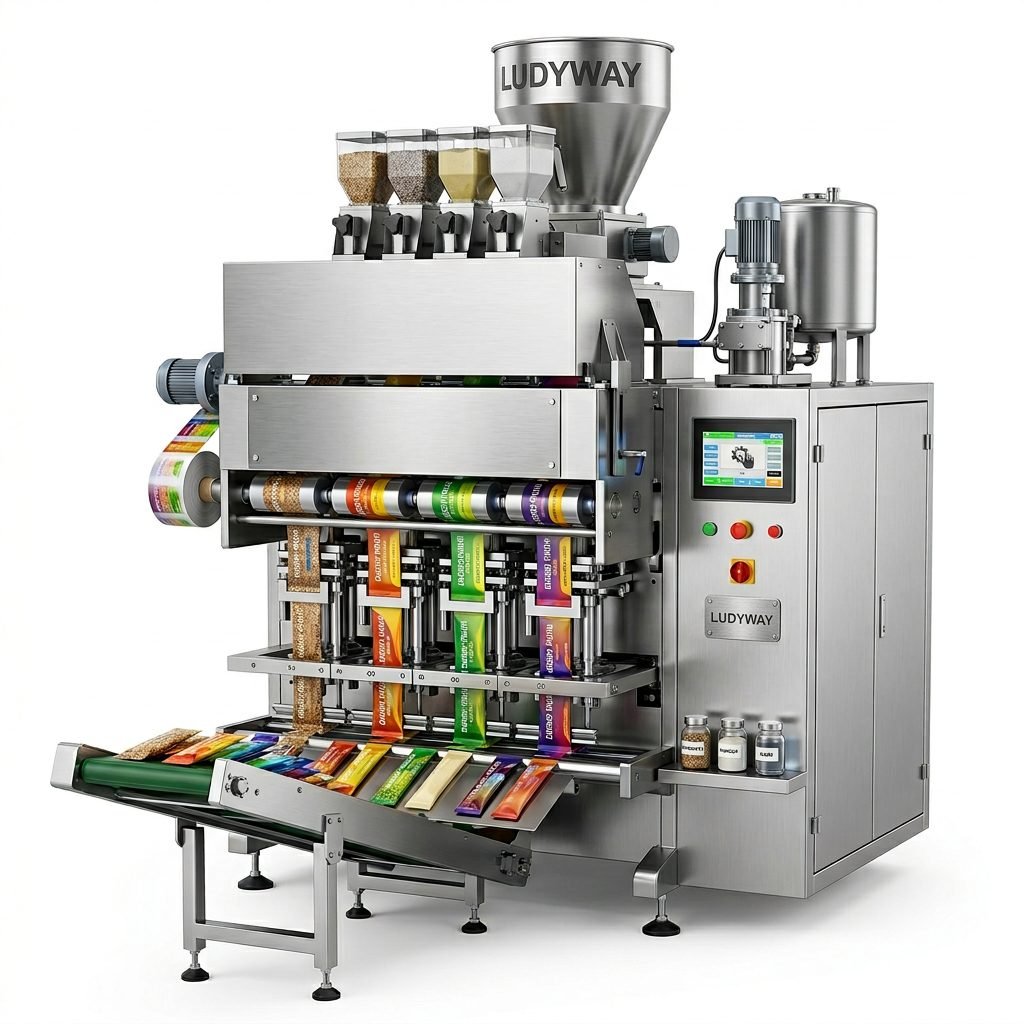
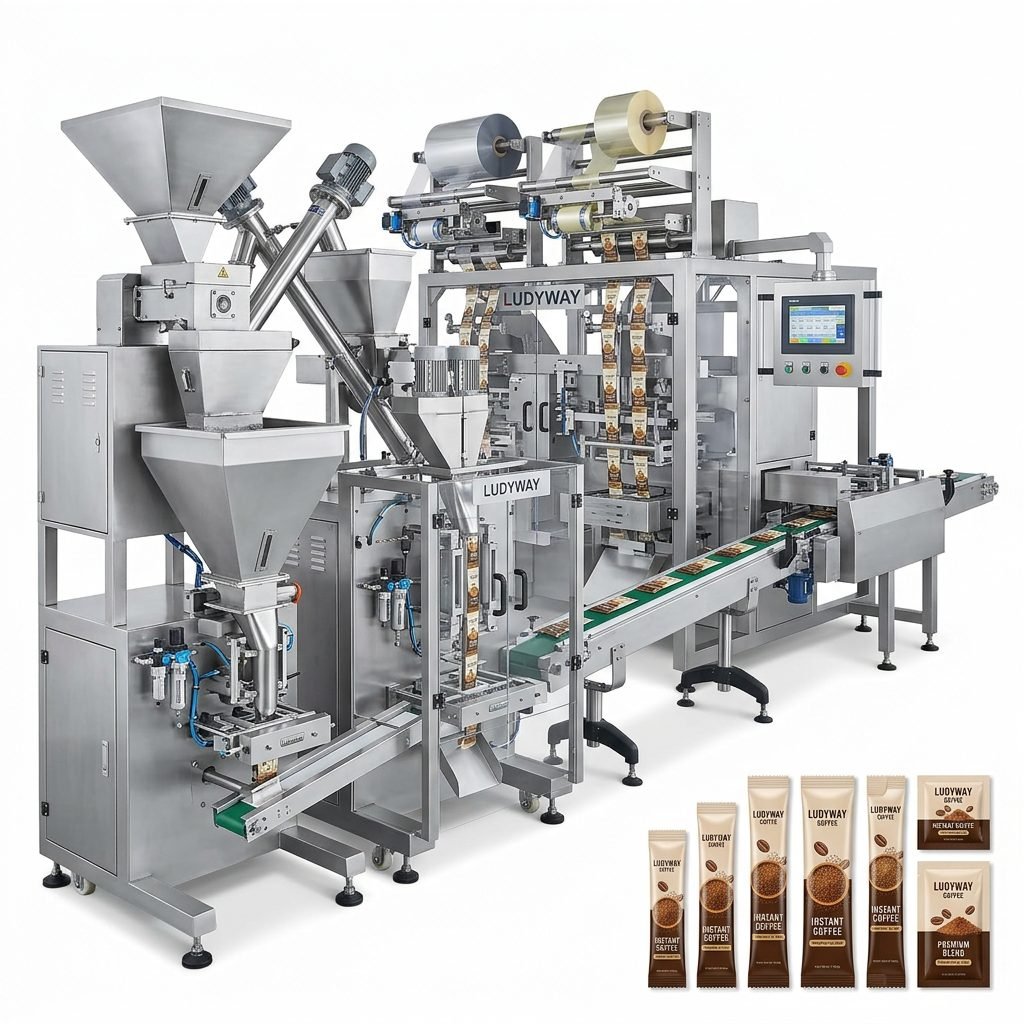
- Stick packs — Ideal for single-serve coffee, sugar, milk powder, and seasoning portions
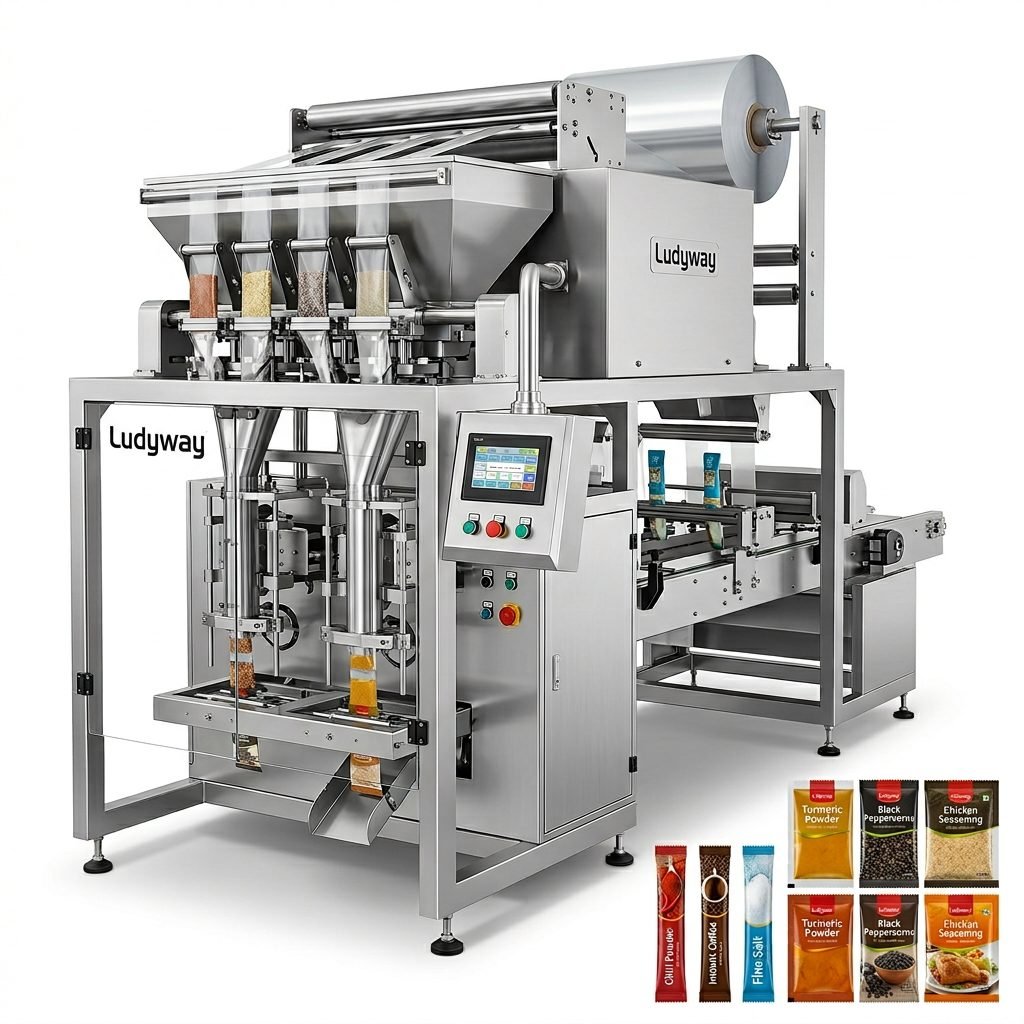
- Sachets — Perfect for spice blends, instant beverage powders, and nutritional supplements
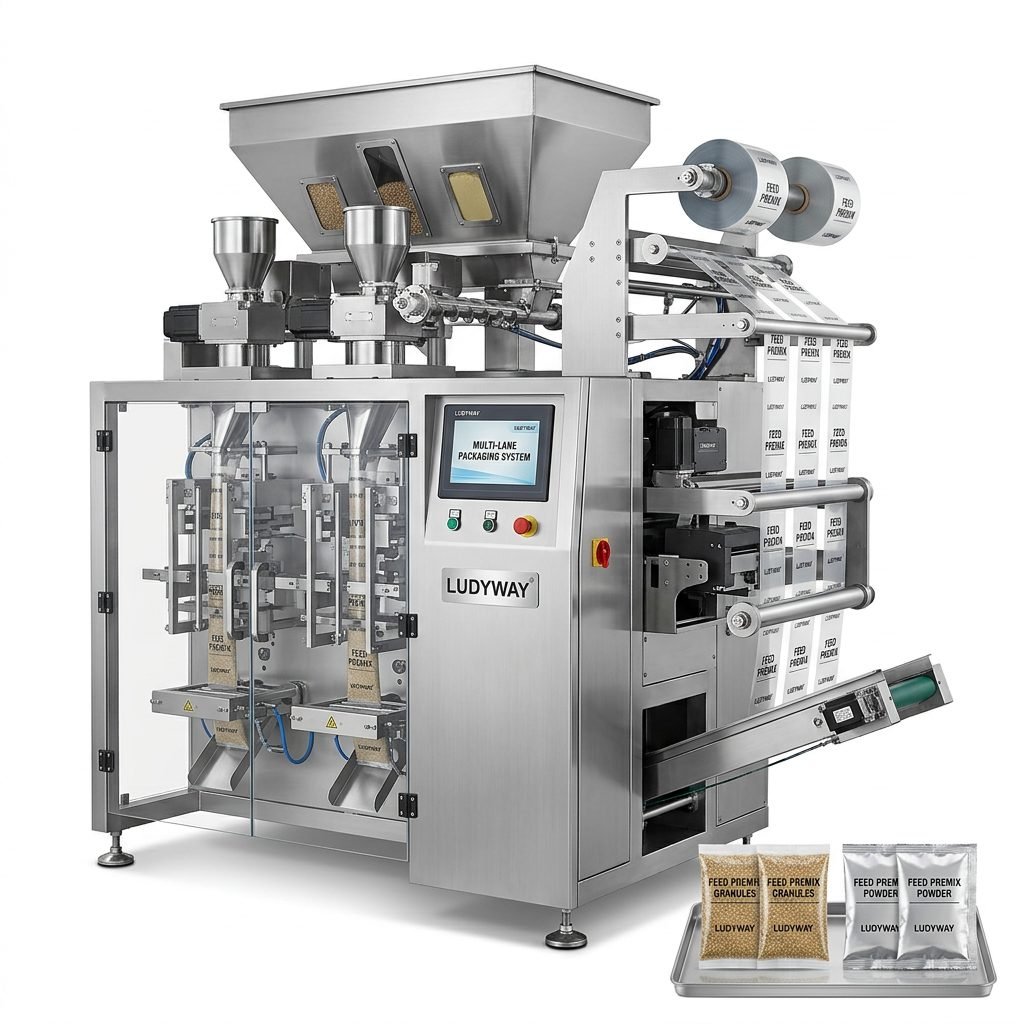
- Pillow pouches — Suitable for larger quantities of grains, pulses, and snack products
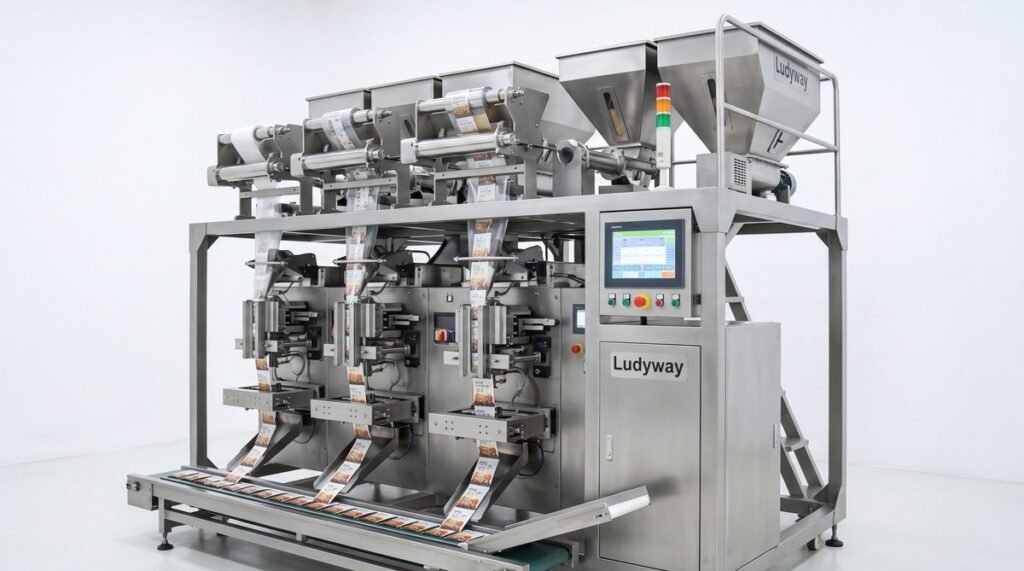
- Multi-lane configurations — Enabling high-volume output for mass-market distribution
Packaging Machine Comparison for African Food Applications
| Machine Type | Best For | Key Benefit | Ideal Product Examples |
|---|---|---|---|
| Multi-Lane Stick Pack | Single-serve portions | High-speed output, precise dosing | Coffee, sugar, milk powder, seasoning |
| Sachet Packaging Machine | Small to medium pouches | Versatile format, excellent seal integrity | Spices, beverage powders, supplements |
| Granule Pouch Machine | Bulk granular products | Handles larger fill weights efficiently | Rice, grains, beans, dried fruits |
| Powder Filling System | Fine powder products | Dust control, accurate weight filling | Flour, cocoa, milk powder, spices |
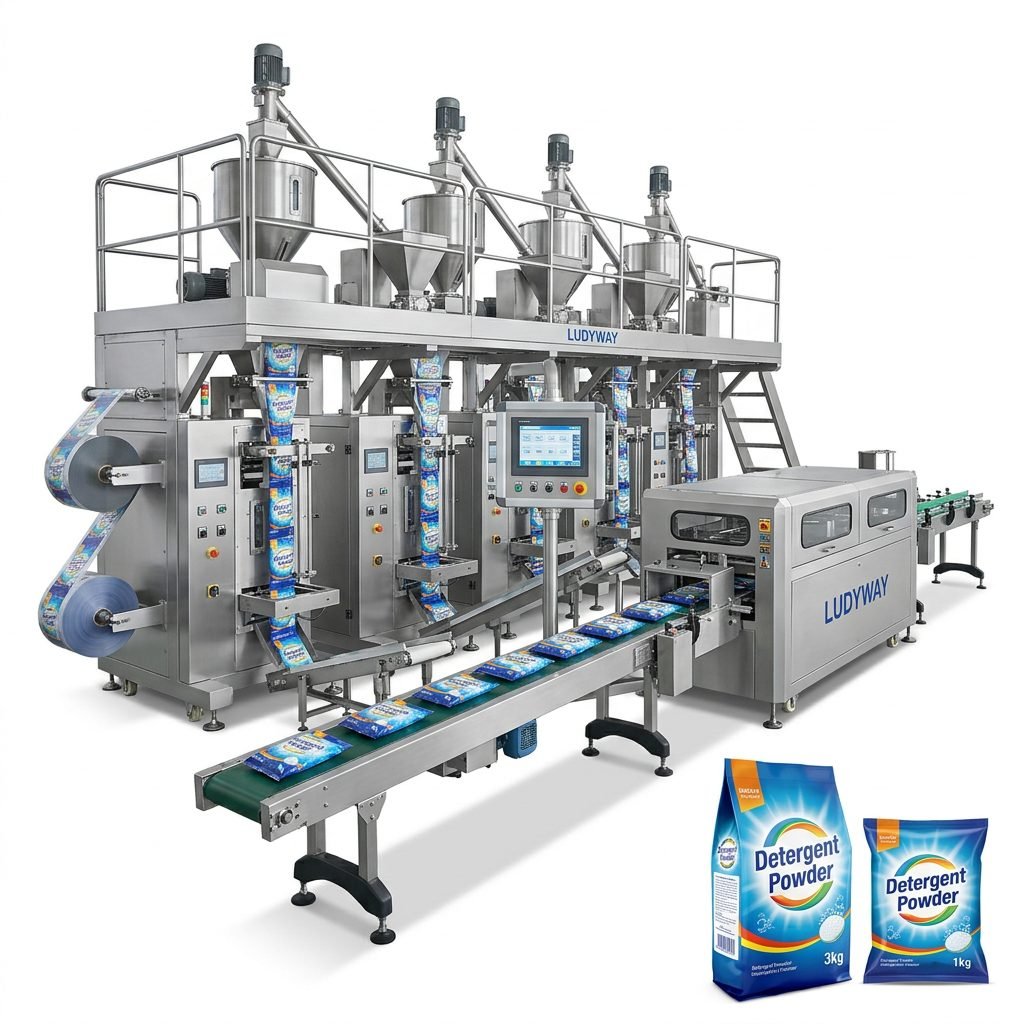
| Turnkey Packaging Line | Full-scale production | End-to-end automation from feeding to cartoning | All dry food products at industrial scale |
Types of Dry Food Packaging Machines Ideal for African Markets
Different product categories require specialized packaging approaches. Below are the most relevant machine types for African food businesses:
Granule Packaging Machines for Staple Foods
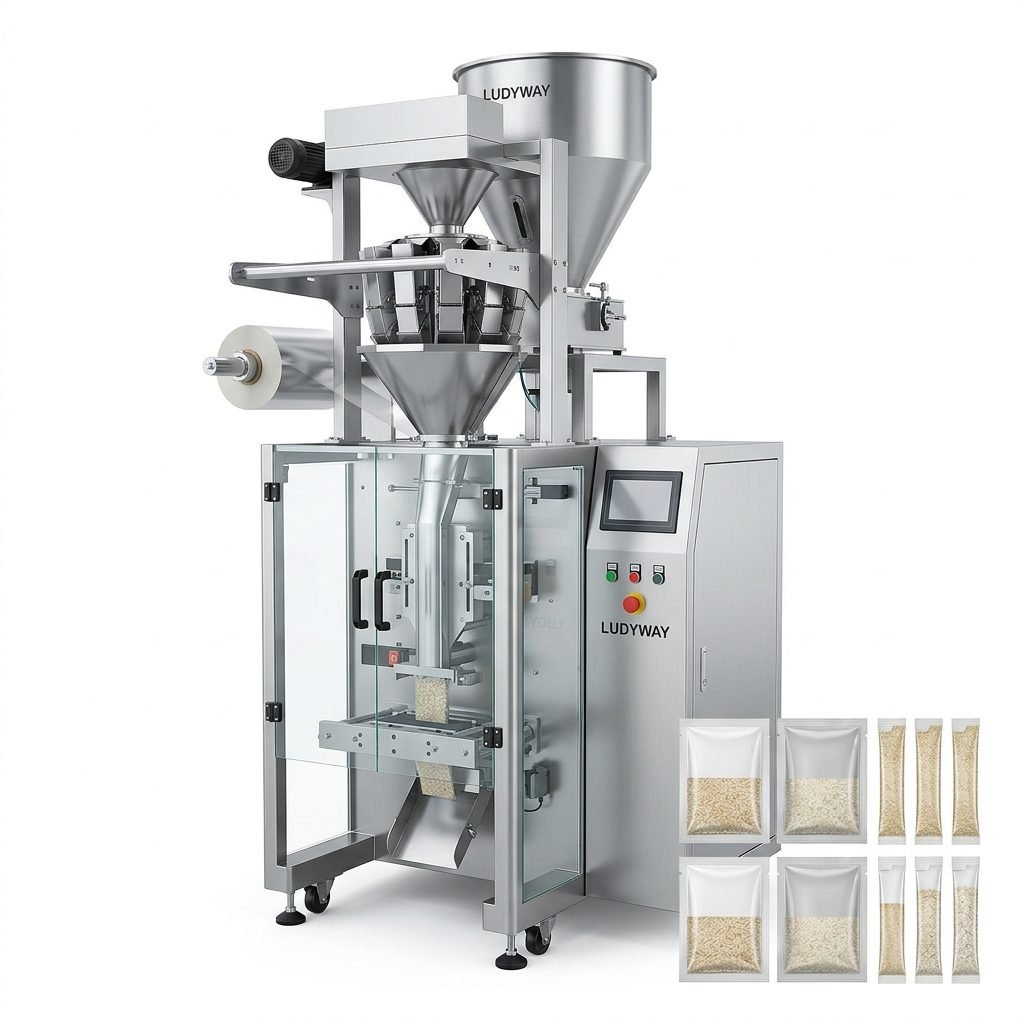
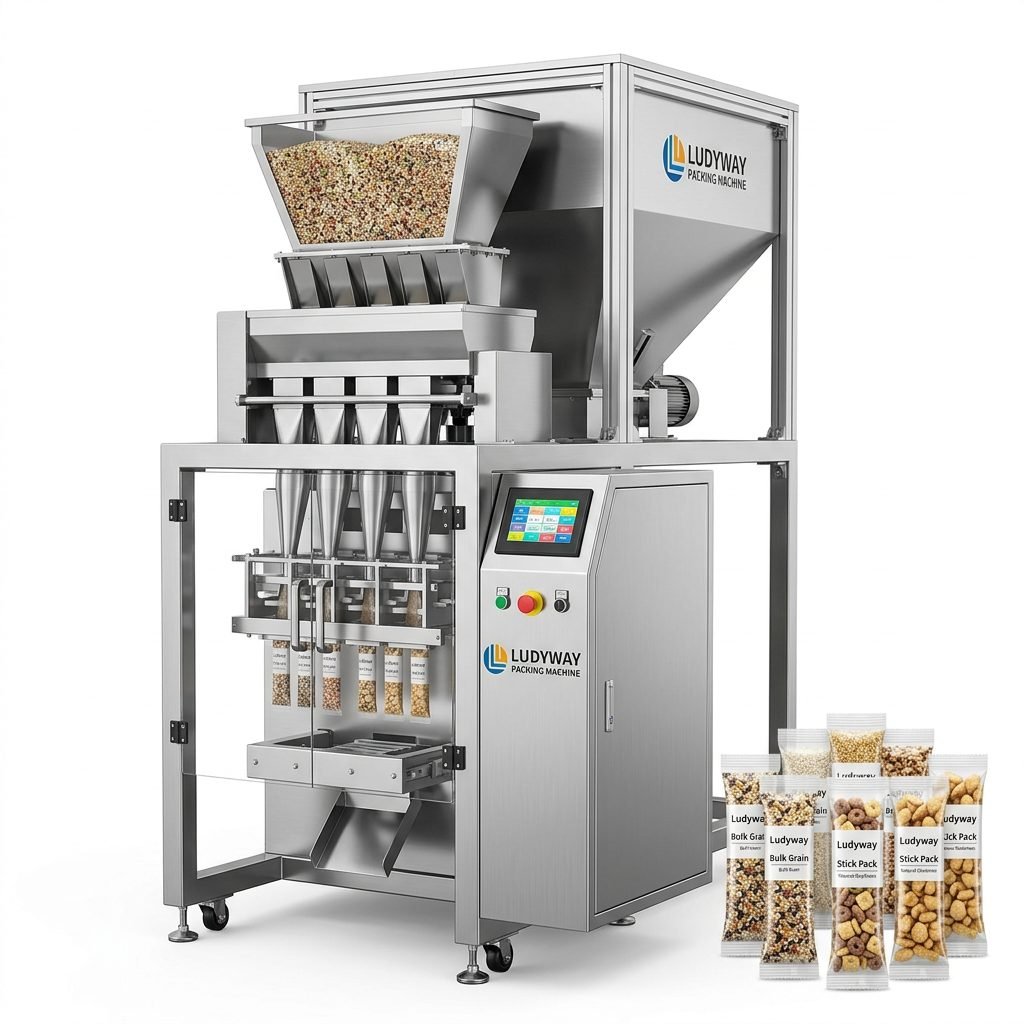
Products like rice, sugar, beans, and millet form the backbone of African diets. Granule packaging machines with multi-head weighers ensure accurate portioning and high-speed filling, reducing product giveaway and improving profitability. These machines are designed for continuous operation, making them suitable for large-scale milling and processing facilities.
Powder Packaging Systems for Value-Added Products
The market for powdered beverages, milk powder, flour, cocoa, and nutritional supplements is expanding rapidly across Africa. Advanced powder packaging systems incorporate dust extraction, anti-static features, and precision auger fillers to handle fine powders cleanly and efficiently. According to FDA food packaging guidelines, maintaining hygienic filling conditions is essential for powder products destined for both local and export markets.
Multi-Lane Stick Pack Machines for Single-Serve Convenience
Single-serve packaging is gaining popularity in African urban centers where consumers seek affordable, convenient portions. Stick pack machines running multiple lanes simultaneously can produce hundreds of packs per minute, meeting the demands of high-volume distribution channels including supermarkets, hotels, and food service providers.
Investment That Pays Off: ROI Considerations for African Food Businesses
When evaluating packaging machinery, African food producers should consider the total cost of ownership rather than just the initial purchase price. Key factors influencing return on investment include:
- Production speed — Higher output per shift directly increases revenue potential
- Product waste reduction — Precision filling minimizes costly product giveaway
- Packaging material efficiency — Advanced film tracking and sealing reduce material wastage
- Maintenance and downtime — Reliable equipment with accessible spare parts keeps production running
- Shelf life extension — Superior seal quality protects products longer, reducing returns and spoilage
Industry data from the PMMI State of the Industry report indicates that packaging machinery investments in emerging markets typically achieve payback within 18 to 36 months when properly matched to production needs.
Ensuring Compliance with International Standards
For African food businesses exporting to Europe, North America, or the Middle East, packaging equipment must support compliance with ISO packaging standards and international food safety regulations. Machines equipped with stainless steel contact parts, hygienic design features, and traceable batch coding systems help producers meet these requirements confidently.
The Importance of Local Support and Training
One often overlooked aspect of packaging machinery selection is after-sales support. African food businesses benefit significantly from suppliers who offer comprehensive training, remote troubleshooting, and readily available spare parts. This ensures that production teams can operate equipment effectively and resolve issues quickly, minimizing costly downtime.
Key Technical Specifications to Evaluate
When selecting dry food packaging equipment for African operations, decision-makers should assess:
- Fill weight range — Ensure the machine accommodates your product portfolio from small sachets to larger pouches
- Production speed — Match capacity to current and projected demand
- Changeover time — Quick format changes support flexible production scheduling
- Power requirements — Verify compatibility with local electrical supply specifications
- Film compatibility — Confirm the machine handles locally available packaging materials
Referencing resources from the Flexible Packaging Association can help businesses understand material options and sustainability considerations.
Preparing for Africa’s Food Packaging Future
The African Continental Free Trade Area (AfCFTA) is creating a single market of over 1.3 billion people, opening new trade routes for packaged food products. Businesses that invest in modern, reliable dry food packaging machinery now will be well-positioned to capture these emerging opportunities. The right packaging partner provides not just equipment, but a foundation for scalable, sustainable growth.
From industry best practices to evolving packaging regulations, staying informed helps African food businesses make confident investment decisions. With the appropriate dry food packaging solution in place, manufacturers can focus on what matters most — producing quality products and building trusted brands that resonate with consumers across the continent and beyond.