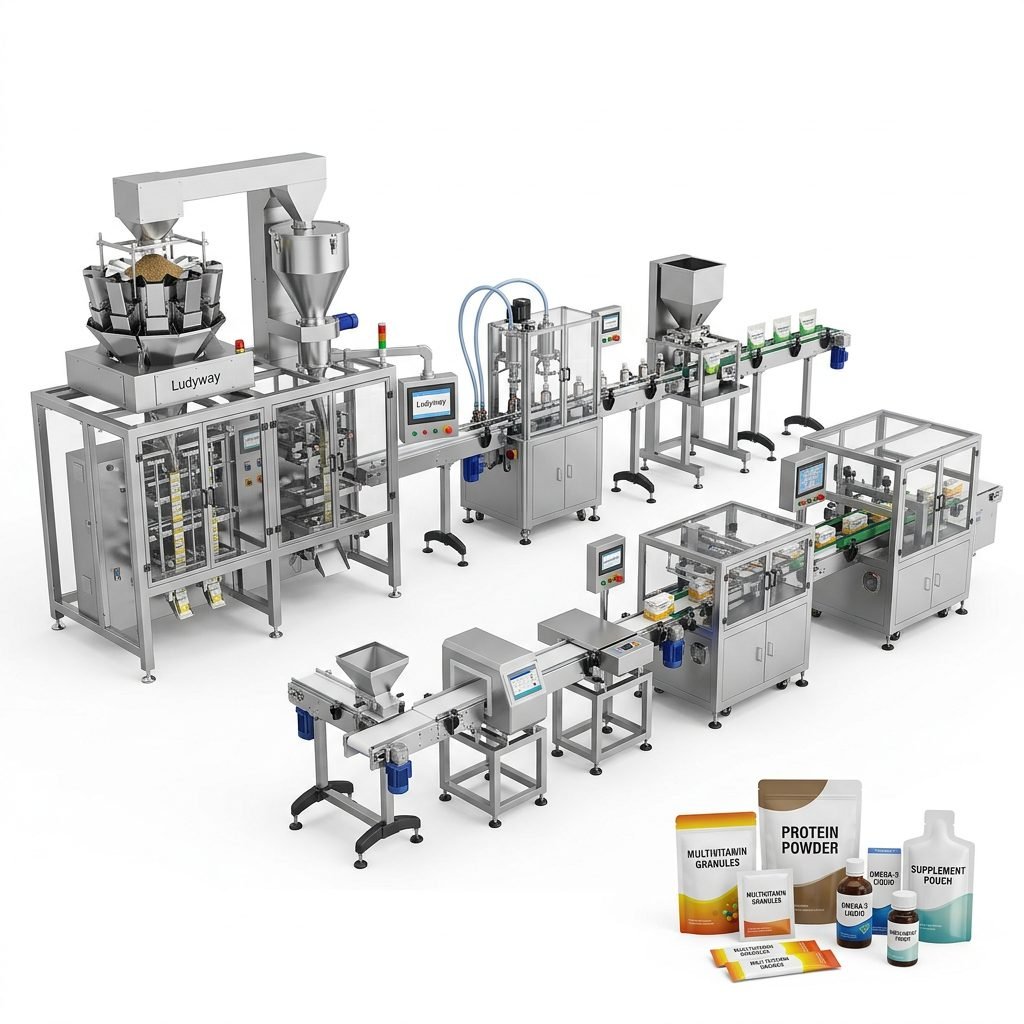
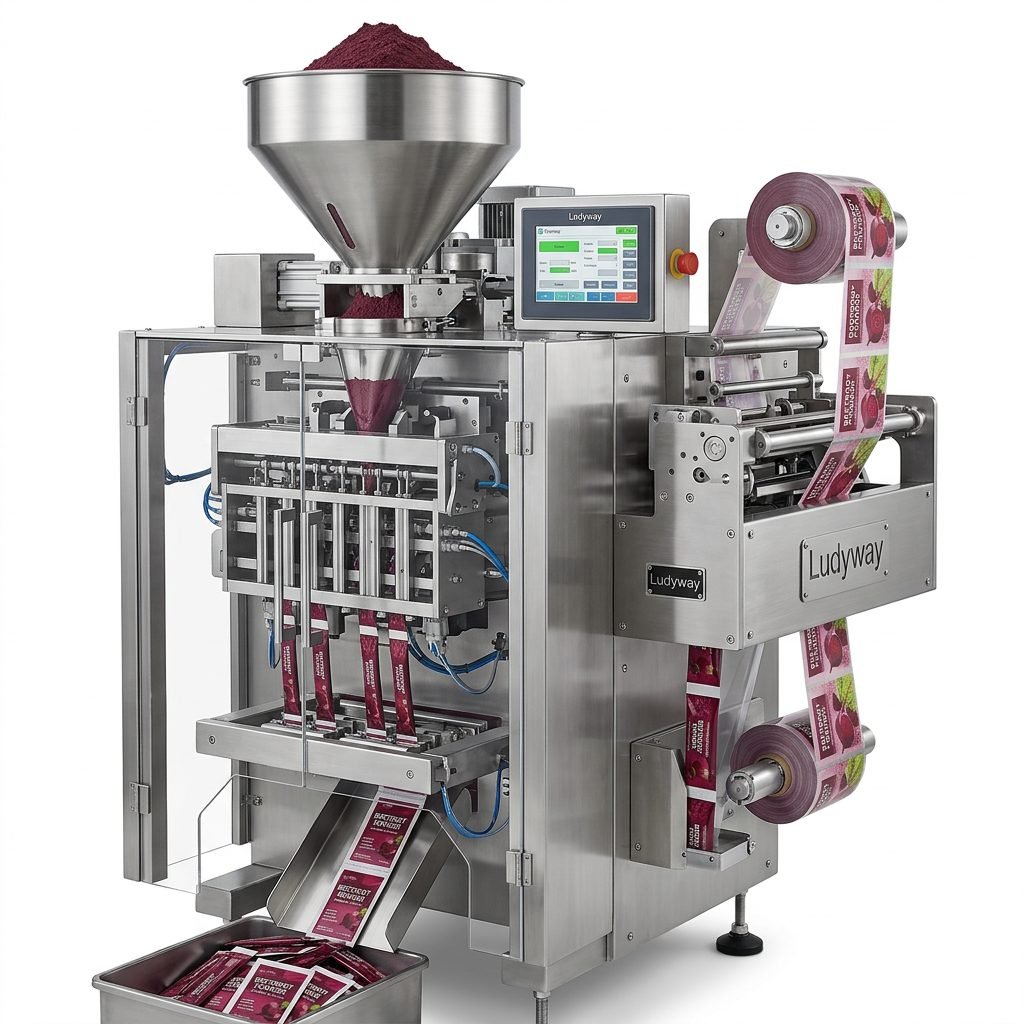
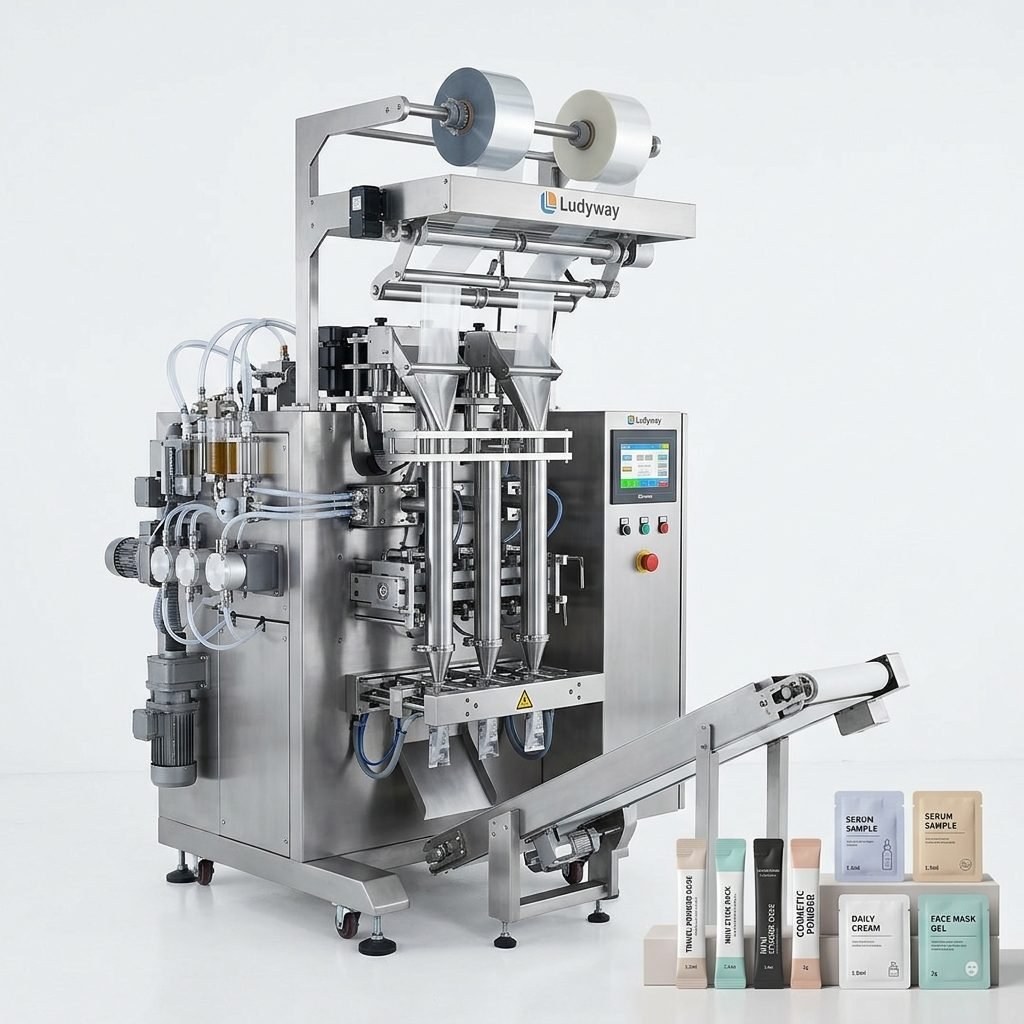
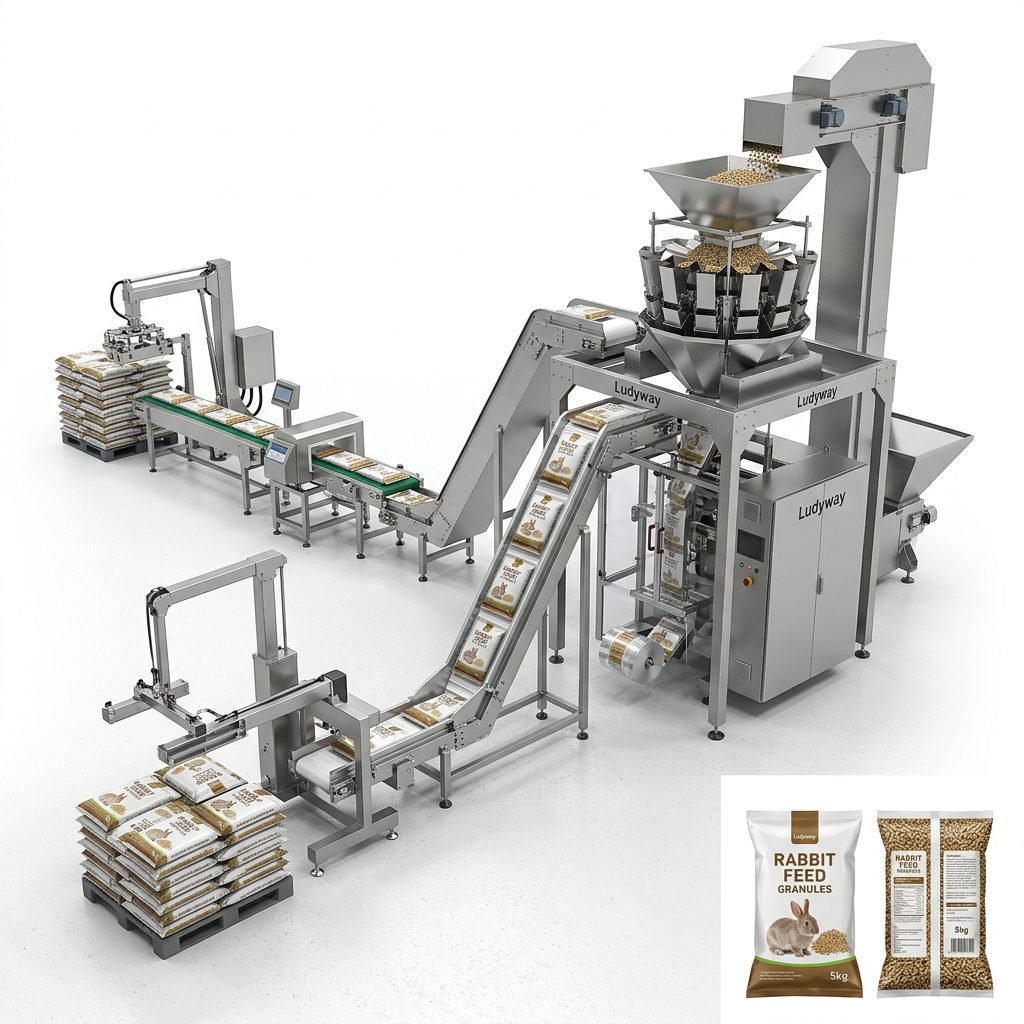
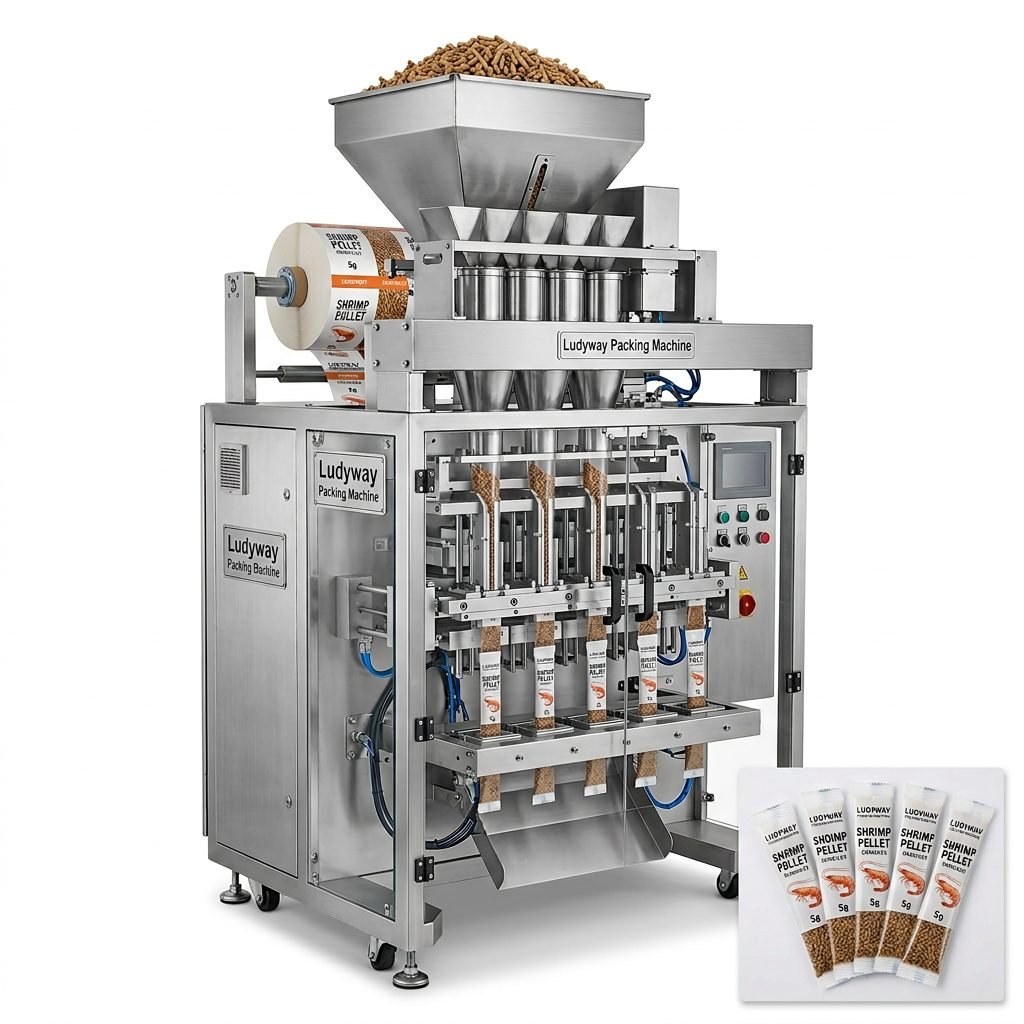
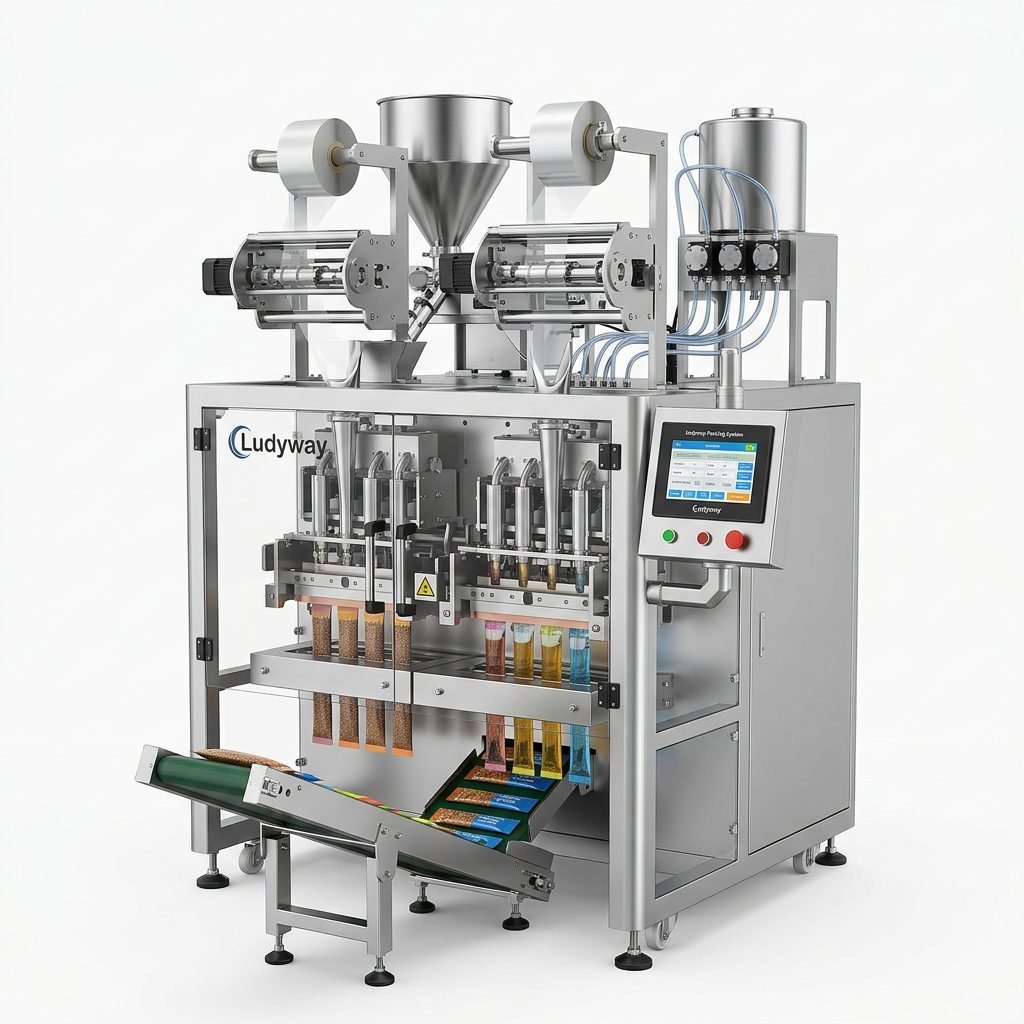
The African coffee industry is experiencing unprecedented growth, driving demand for high-efficiency coffee bean packaging machines that can withstand diverse climates, varying altitudes, and rigorous production schedules. Selecting the right equipment isn’t just about speed—it’s about hygiene, precision, and long-term reliability. This is why industry leaders are turning to integrated, automated systems that protect the rich aroma and quality of African coffee beans from farm to shelf.
Understanding the Unique Packaging Needs of the African Market
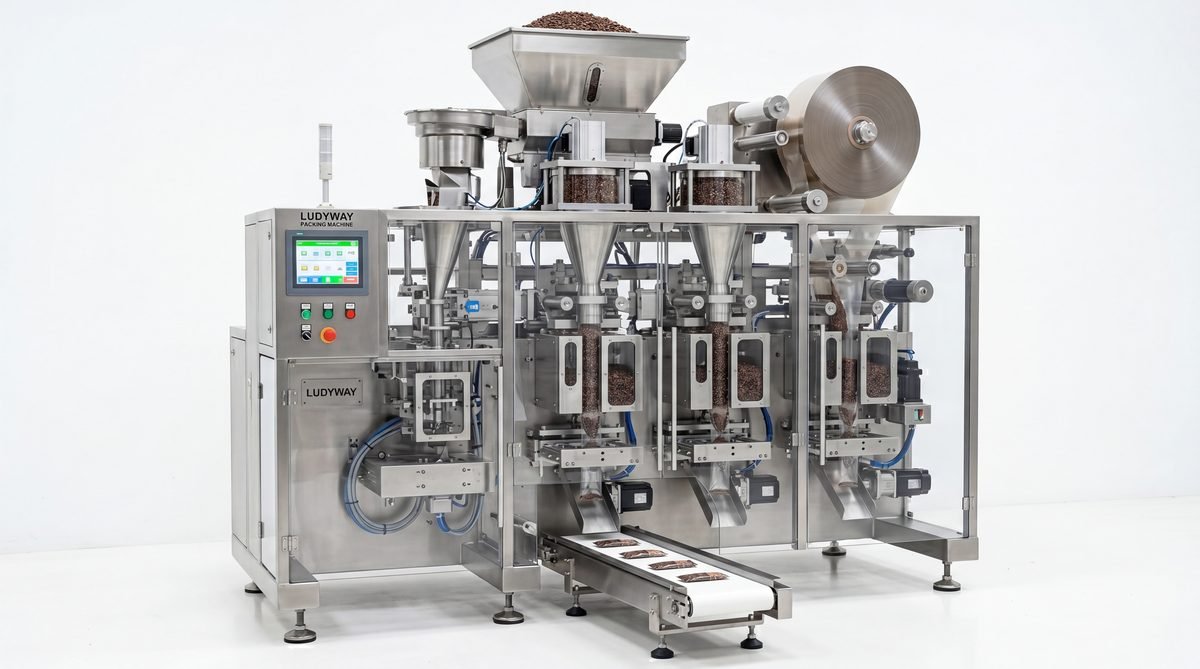
Africa is not a monolith. From Ethiopia’s highland Arabica cooperatives to Uganda’s Robusta exporters and the growing specialty sectors in Kenya and Rwanda, the requirements for a coffee packaging machine vary drastically. However, common challenges include unstable power supply, high humidity levels, and the need for flexible packaging formats. Producers require equipment that minimizes product waste while maximizing throughput. A robust auto packaging machine must deliver consistent sealing temperatures and precise weighing accuracy, ensuring that premium single-origin beans retain their value throughout the supply chain.
Key Advantages of Ludyway’s Coffee Packaging Technology
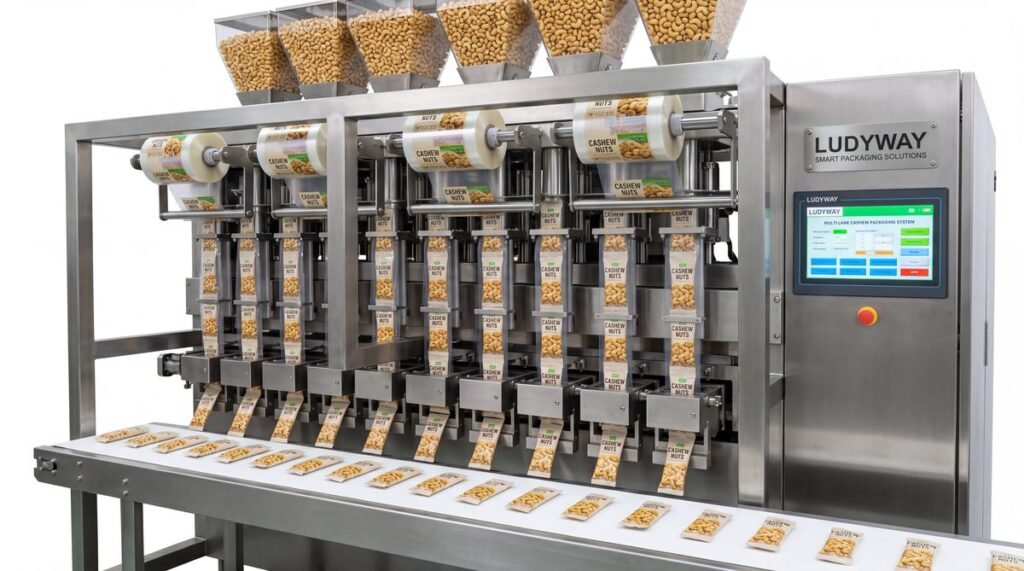
What truly makes a machine the best choice for African coffee enterprises is the synergy of durability and smart engineering. The advanced multi-lane systems offer significant advantages over traditional single-lane weighers. By integrating intelligent weighing and filling into a single high-speed frame, producers can drastically reduce floor space while increasing output. This is crucial for facilities in cities like Nairobi or Addis Ababa where industrial space comes at a premium. Thus, investing in a vertical packaging machine designed for granular products is a strategic move.
Granule Handling and Aroma Preservation
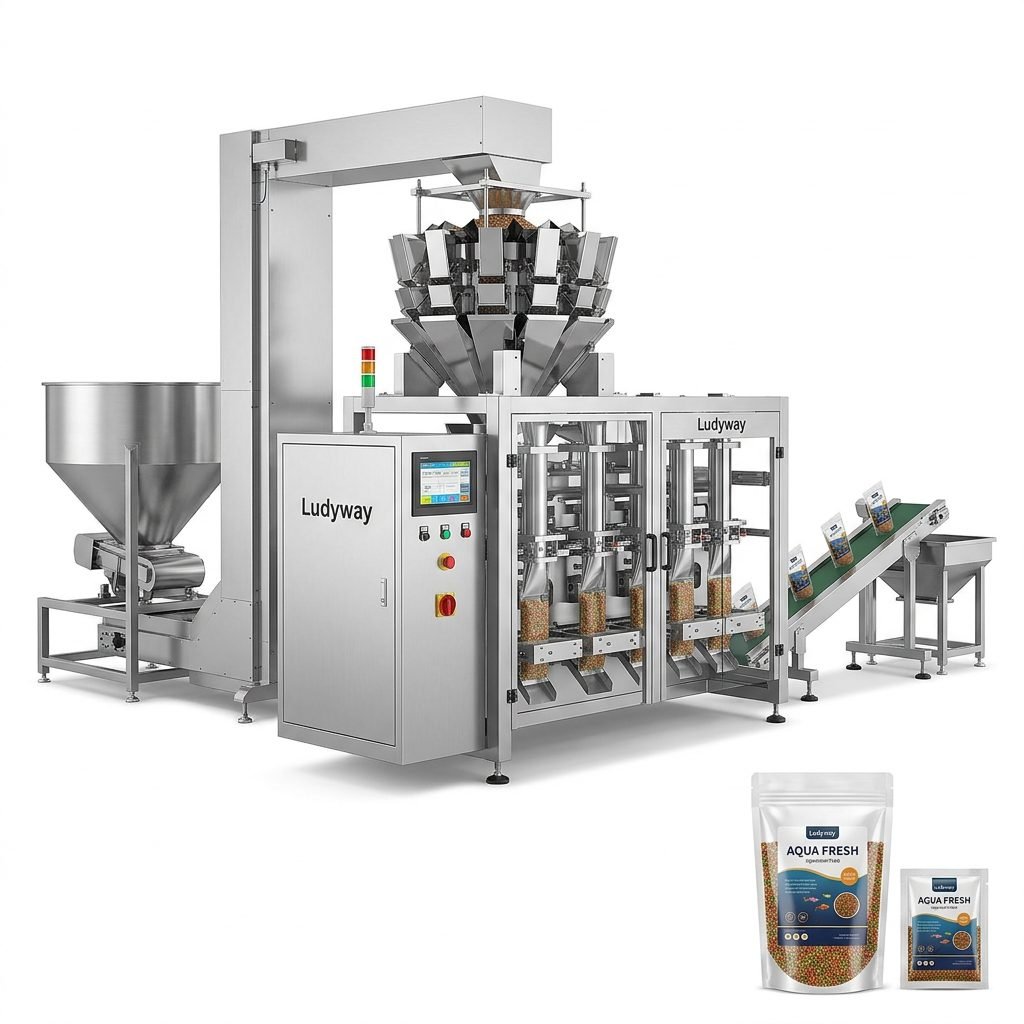
Preserving the volatile oils and aromas of coffee beans is non-negotiable. The best packaging equipment utilizes gentle sloped feeding systems and vibration-dampened hoppers to prevent bean breakage. Unlike standard auger fillers that can grind and crush, these specialized coffee bean packaging machines employ multi-head weighers or volumetric cups designed strictly for fragile granules. Additionally, integrated nitrogen flushing systems displace oxygen, extending the shelf life of roasted beans by months. This ensures that when a bag is opened in a café in Cape Town or a supermarket in Lagos, the aroma bursts as intensely as it did the day it was sealed.
- Precision Weighing: Accuracy of ±0.5g to 1g, eliminating costly product giveaway on premium coffee.
- Hermetic Sealing: Adjustable temperature controls for thicker foil laminates, preventing moisture ingress in tropical climates.
- Dust Extraction Systems: High-torque vacuum systems keep the sealing area clean from coffee chaff, ensuring consistent pouch seals.
Comparing Packaging Formats for Different Coffee Products
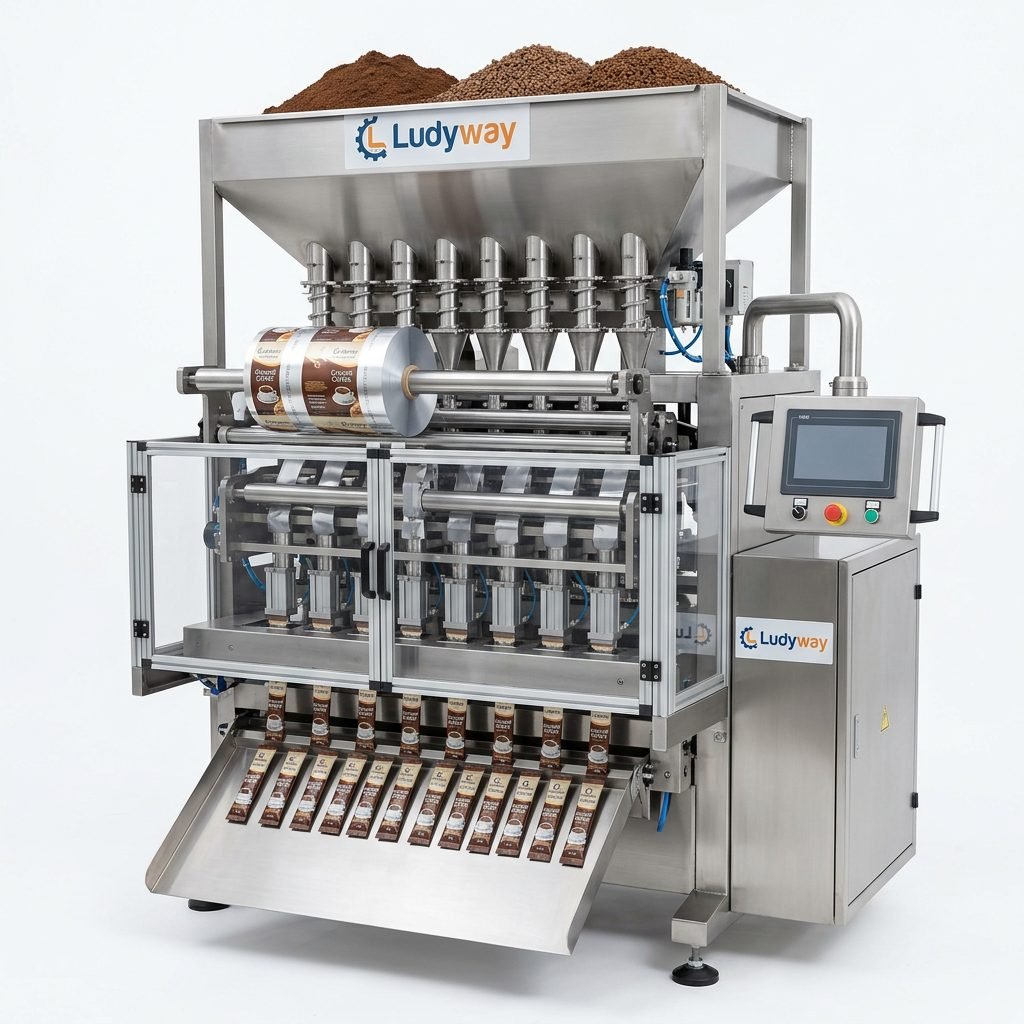
African coffee brands are diversifying beyond bulk 60kg jute bags into retail-ready formats. Whether you need single-serve sachets for hotels or premium stand-up pouches for export, the flexibility of the machine defines your market reach. Here is a breakdown of typical configurations and their target markets:
| Packaging Format | Weight Range | Ideal African Market Application |
|---|---|---|
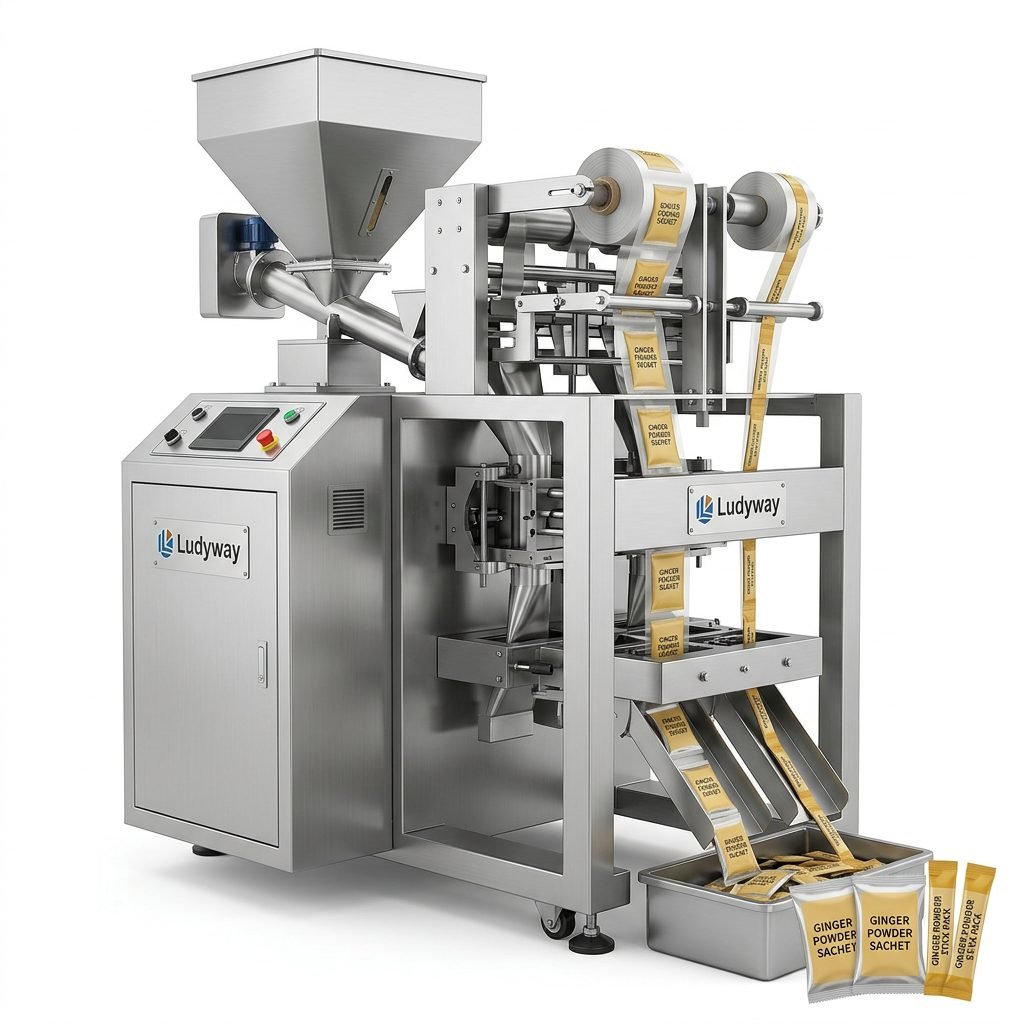
| Stick Packs | 5g – 10g | Instant coffee mixes, single-cup brewing sachets for hospitality |
| Side Gusset Pouches | 250g – 1kg | Premium roasted bean retail bags, specialty coffee exports |
| Flat Bottom Quad Bags | 500g – 2kg | Modern supermarket shelves, high-visibility branding |
Screw Conveying and Elevator Integration
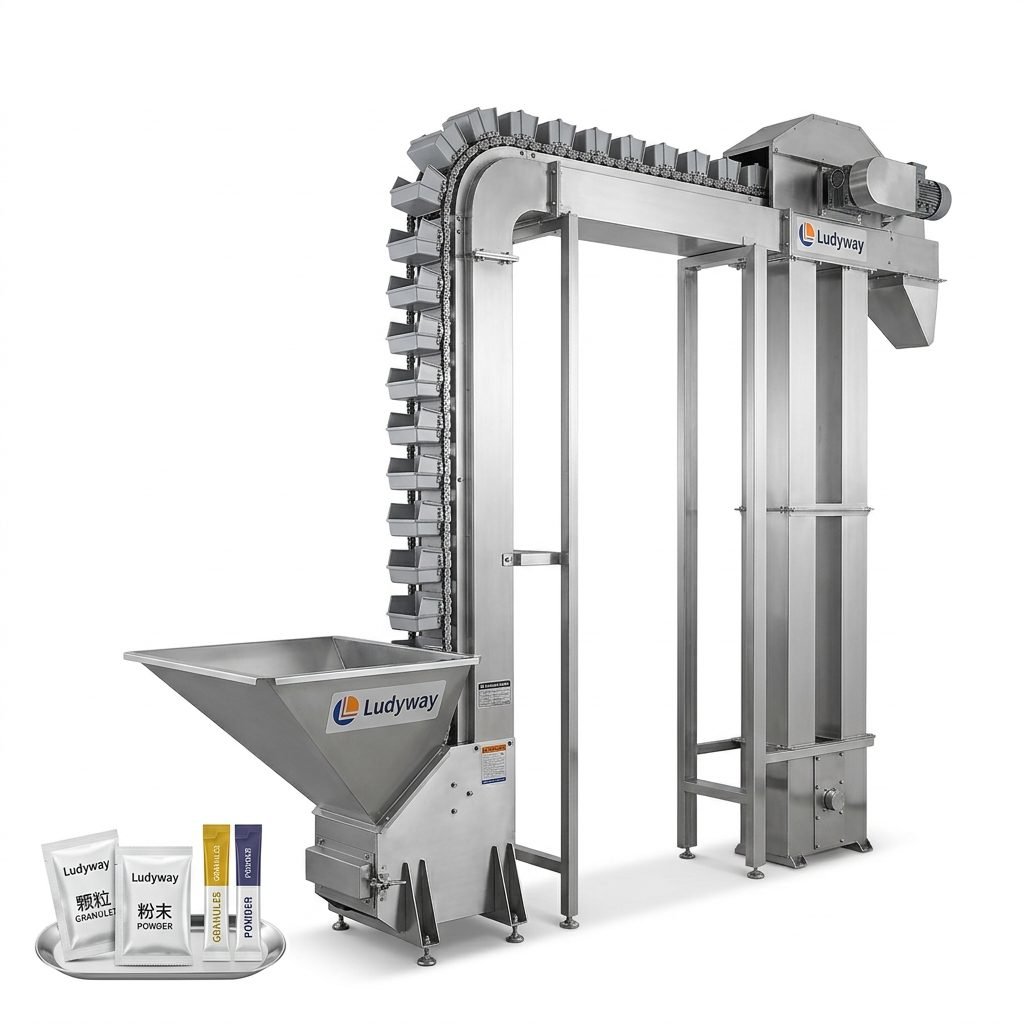
To achieve continuous production, a packaging line requires seamless infeed systems. The height of coffee hoppers and the density of beans necessitate specialized z-type bucket elevators. These conveyors gently lift roasted beans without cracking, feeding the multi-head scale consistently. When dealing with ground coffee, enclosed screw conveyors prevent the fine powder from escaping into the factory air, maintaining a clean working environment and preventing dust-related equipment failure. Such a unified system represents a true turnkey packaging solution, minimizing the need for manual labor.
Why Local Assembly and Support Matters in Africa
Importing a coffee packaging machine is only the first step. The critical factor that separates a successful operation from a stalled one is technical support and parts availability. Manufacturers with a deep understanding of the African landscape know that machines must be built with industrial-grade components that are readily serviceable. While Ludyway operates from a massive 20,000㎡ manufacturing facility in China, its engineering philosophy focuses on user-friendly maintenance, allowing local technicians to handle routine upkeep without proprietary software barriers. With exports projected to exceed RMB 500 million in 2025, the scale of manufacturing ensures that spare parts for models like the multi-lane stick pack machine are always in stock and ready to ship to African ports like Mombasa or Durban.
Hygiene and Quick Changeover for Multi-Origin Roasters
African roasters often process multiple origins back-to-back. Cross-contamination between a floral Ethiopian Yirgacheffe and an earthy Sumatran bean is unacceptable. The best powder and granule machines feature tool-less hopper removal and wash-down capable frames. The design emphasizes sloped surfaces with no hidden crevices where grinds can accumulate. Quick-release sealing jaws and automatic film tracking adjustments allow operators to switch between different packaging laminates in under 15 minutes, a feature that drastically improves Overall Equipment Effectiveness (OEE) in the bustling African coffee industry.
Calculating the Return on Investment for African Producers
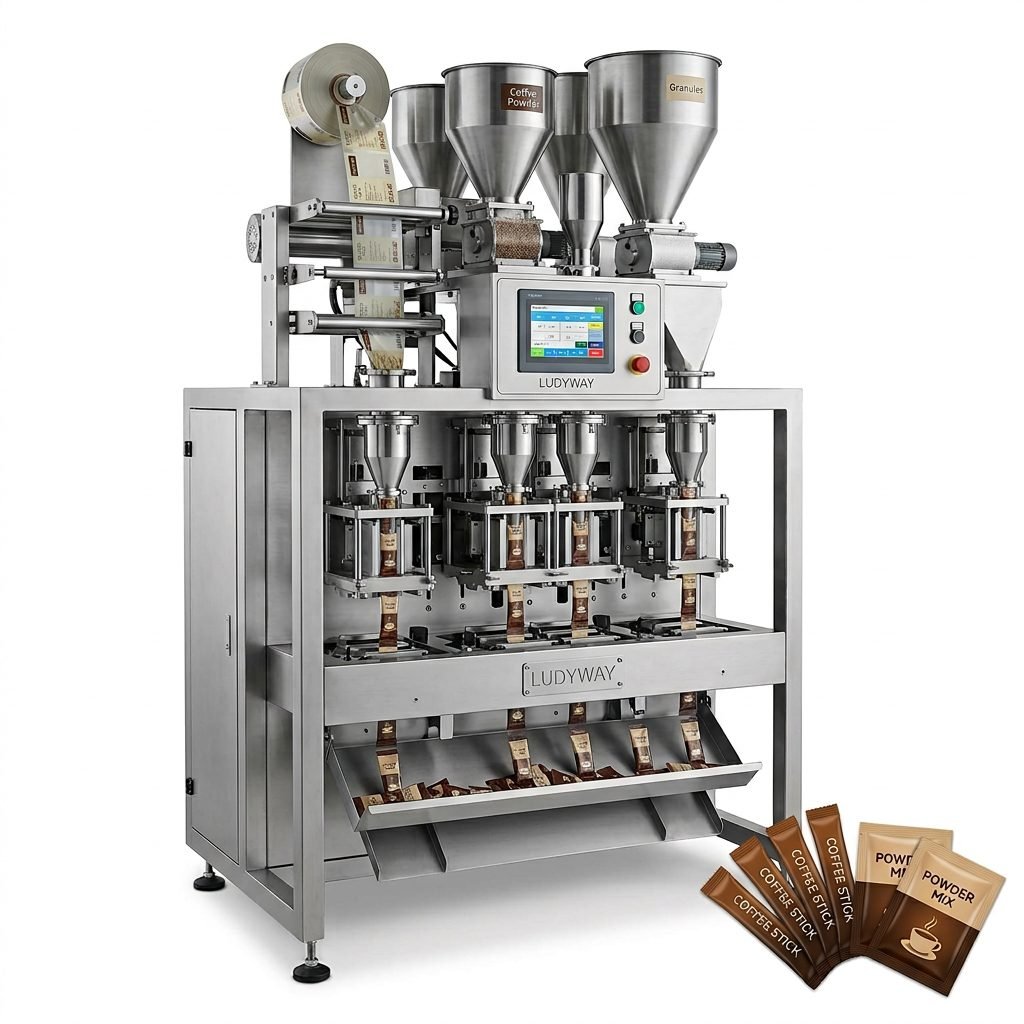
Investing in a sophisticated multi-lane system is a significant capital decision, yet the payback period is remarkably short in the coffee sector. The elimination of manual weighing errors and the speed of 60 to 120 packs per lane per minute transform production capacity. This is not simply about replacing labor; it is about accessing new export markets that demand nitrogen-flushed, hermetically sealed packages. For cooperatives and commercial farms alike, owning a reliable packaging machine enhances brand equity and ensures consistent product presentation—a vital tool for penetrating competitive markets.
- Labor Optimization: One multi-lane machine replaces 6-10 manual weighing stations, reducing long-term overhead costs.
- Waste Reduction: High-accuracy load cells prevent overfilling, turning grams of saved coffee into significant annual revenue.
- Energy Stability: Machines configured with wide-voltage inverters demonstrate resilience to the power fluctuations common in various African regions.
Selecting the Right Configuration for Your Facility
With over 50 intelligent packaging machine models available, the configuration depends heavily on your target hourly output and bag style. An entry-level vertical form fill seal machine might suit a startup roastery, while a large estate exporting hundreds of tons annually will require a fully automated line with robotic case packing. A device’s ability to handle both whole beans and ground powder adds critical versatility. For African markets, where product diversification into instant coffee and freeze-dried products is accelerating, this dual capability ensures that one capital investment covers multiple revenue streams. As one of the largest packaging machine manufacturers globally, leveraging proven engineering ensures a smooth scale-up from pilot runs to full production.