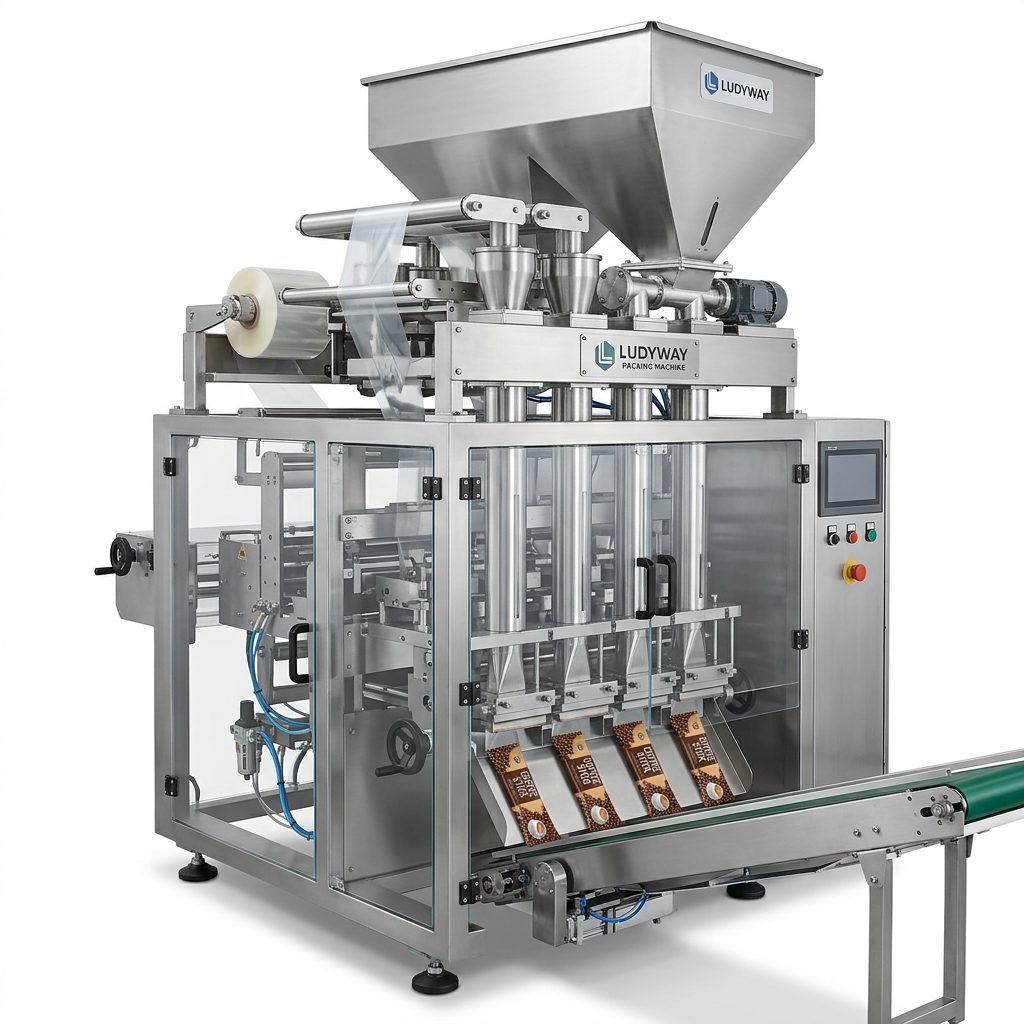
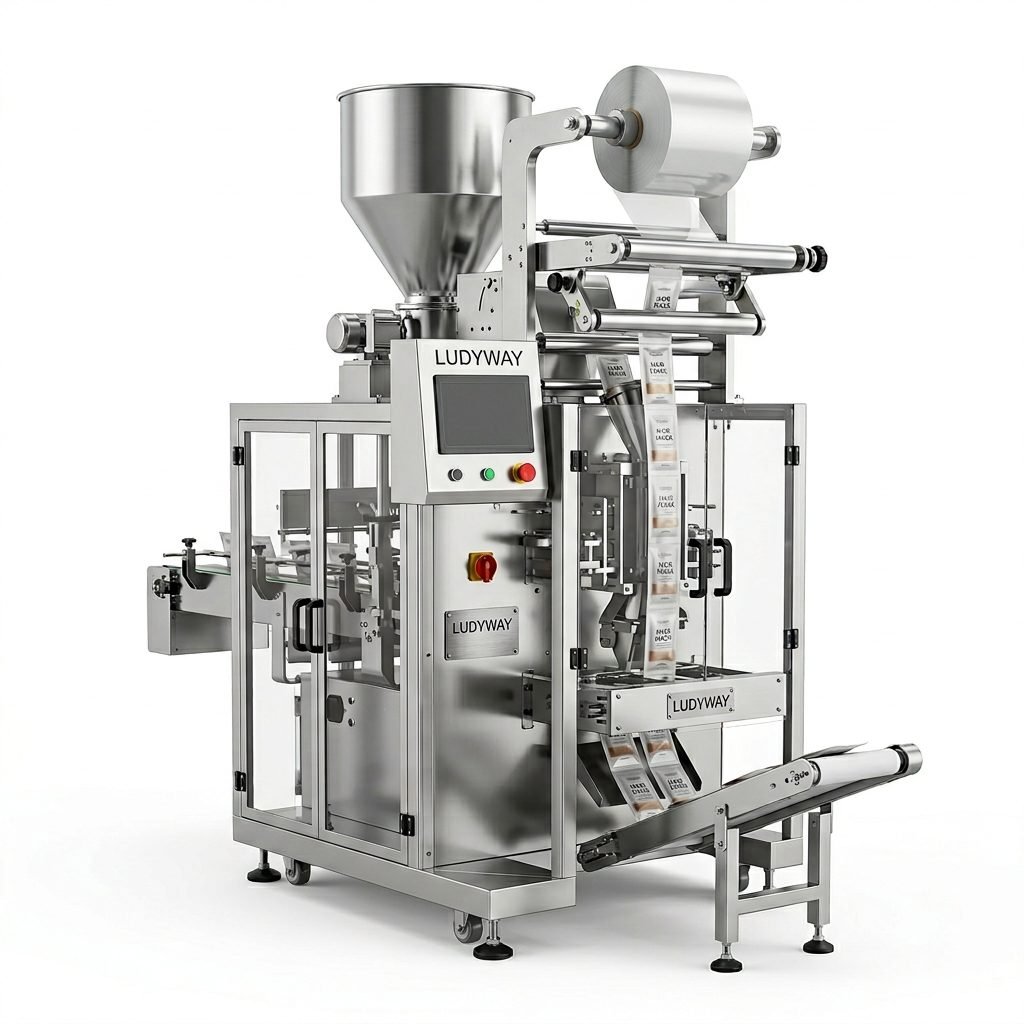
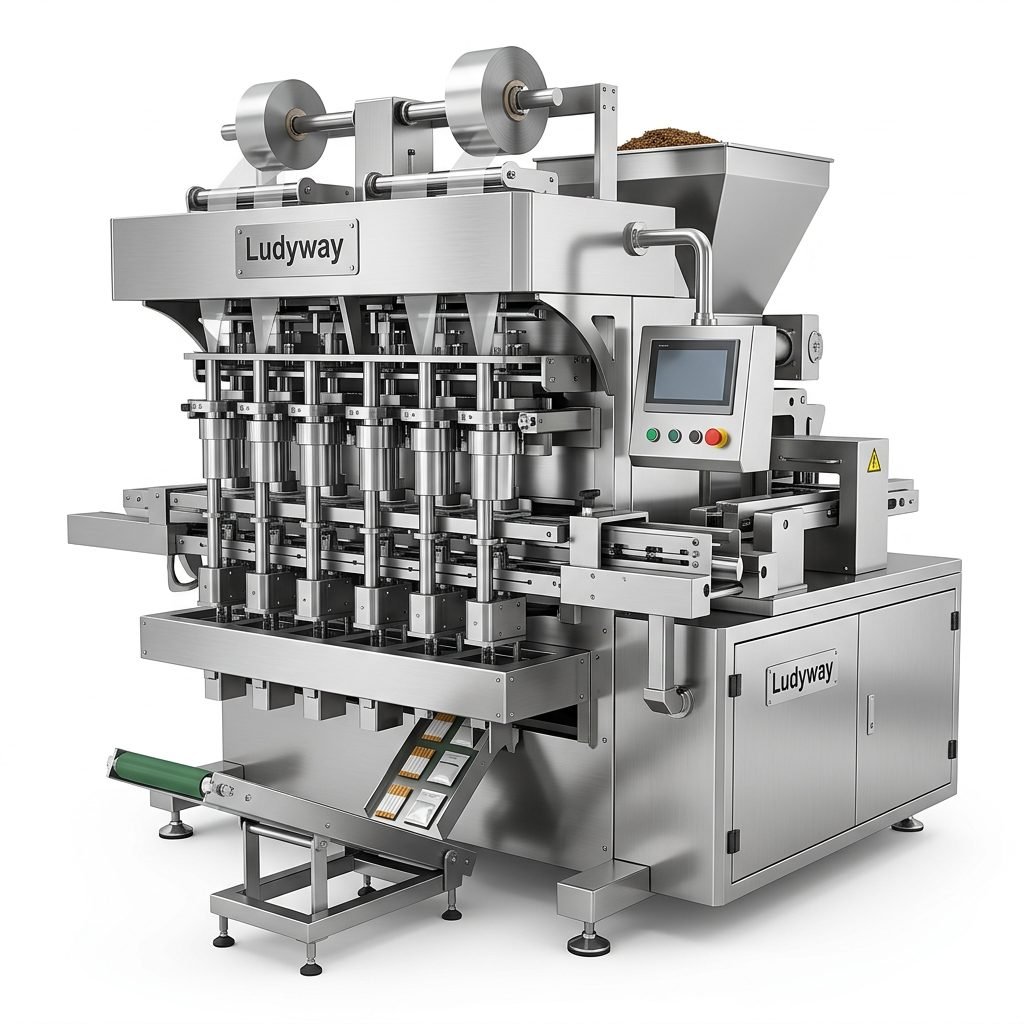
Proper cleaning and maintenance of a banana leaf packaging machine is essential to ensure consistent performance, extend equipment lifespan, and meet hygiene standards. Organic residues from banana leaves can accumulate quickly, leading to mechanical wear, contamination risks, and unexpected downtime. This guide provides practical steps for daily, weekly, and monthly maintenance routines.

Why Regular Maintenance Matters
Banana leaves contain natural moisture and sap that can stick to sealing jaws, cutting blades, and conveyor surfaces. Without routine cleaning, these residues cause uneven sealing, product jams, and potential bacterial growth. A well-maintained machine also reduces energy consumption and prevents costly emergency repairs.
Key Benefits of Consistent Care
- Extended machine lifespan through reduced component wear
- Consistent packaging quality with proper seal integrity
- Reduced downtime and fewer unplanned production stoppages
- Improved food safety compliance for leaf-based products
Daily Cleaning Checklist
Daily cleaning should be performed at the end of each shift to remove leaf debris and prevent overnight buildup. Follow this sequence for best results.
| Component | Cleaning Method | Frequency |
|---|---|---|
| Sealing jaws | Wipe with food-grade solvent and soft cloth | Every shift |
| Conveyor belts | Remove debris, wash with warm water | Every shift |
| Cutting blades | Clean with isopropyl alcohol, inspect sharpness | Every shift |
| Film unwinding rollers | Dust removal and wipe-down | Every shift |
Post-Cleaning Inspection
After cleaning, visually inspect all accessible parts for signs of buildup, corrosion, or misalignment. Pay special attention to areas where leaf sap tends to accumulate, such as the forming tube and sealing station.

Weekly and Monthly Maintenance Tasks
Beyond daily cleaning, a structured preventive maintenance schedule keeps your packaging machine operating at peak efficiency. Assign responsibilities to trained technicians for these recurring tasks.
Weekly Maintenance
- Lubricate all moving parts with food-grade grease
- Check belt tension and adjust if slipping is detected
- Inspect electrical connections for loose terminals
- Test emergency stop functions and safety sensors
- Verify temperature calibration on sealing units
Monthly Deep Maintenance
- Replace worn sealing gaskets and Teflon tapes
- Thoroughly clean film tracking sensors with compressed air
- Inspect gearboxes and drive chains for wear patterns
- Calibrate weighing and filling accuracy
- Update maintenance logs and order replacement parts proactively
Common Issues and Troubleshooting
Even with regular upkeep, operators may encounter occasional problems. Here are frequent issues with banana leaf packaging and their solutions.
| Problem | Possible Cause | Solution |
|---|---|---|
| Weak seals | Residue on heating element | Clean jaws thoroughly, recalibrate temperature |
| Film misalignment | Worn guide rollers | Replace rollers, adjust tracking |
| Irregular cutting | Blunt blades or sap buildup | Sharpen or replace blades, increase cleaning frequency |
| Unusual noise | Dry bearings or loose components | Lubricate and tighten all fittings |
Lubrication Best Practices
Using the correct lubricants is critical for food packaging environments. Always select NSF H1 certified food-grade lubricants for any part that may have incidental product contact. Over-lubrication can attract dust and debris, so apply sparingly at recommended intervals.
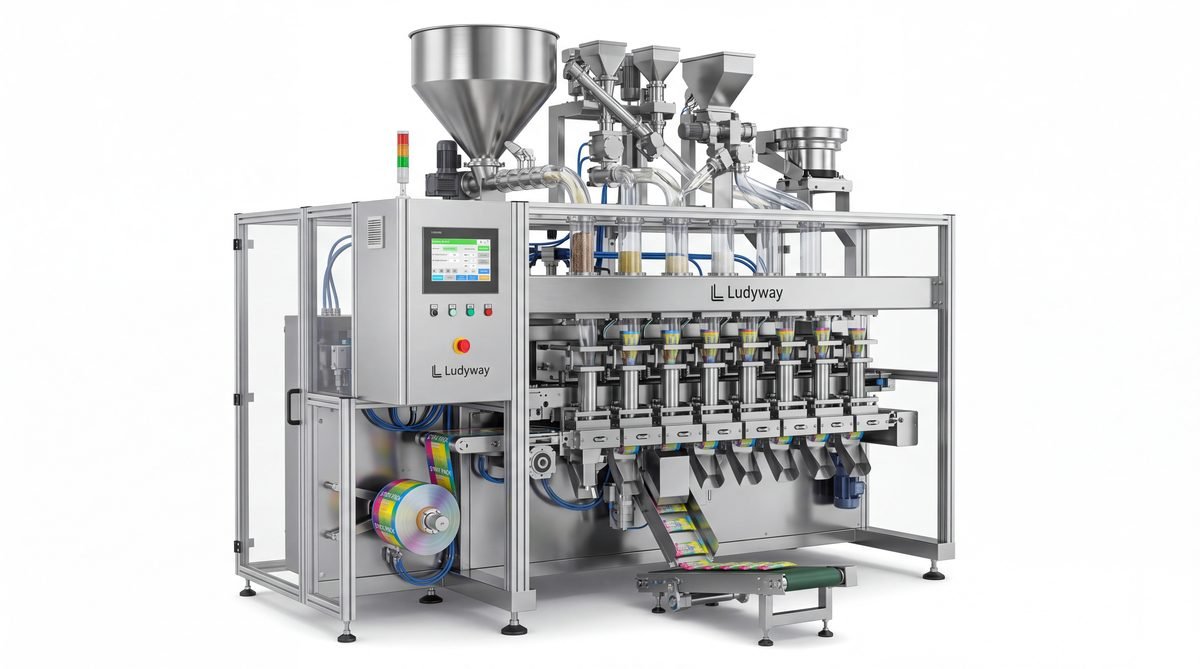
Spare Parts Management
Maintaining an inventory of critical spare parts minimizes downtime when replacements are needed. Recommended items to keep in stock include:
- Sealing bands and heating cartridges
- Cutting blades and blade holders
- Drive belts in various sizes
- Sensor units for film registration
- Teflon tapes and silicone pads for sealing areas
For businesses operating multiple packaging lines, sourcing from a reliable packaging machine manufacturer with comprehensive after-sales support is invaluable. Ludyway provides extensive spare parts catalogs and technical documentation to simplify maintenance planning.
Operator Training and Documentation
Well-trained operators are the first line of defense against machine deterioration. Ensure all personnel understand cleaning protocols, lockout/tagout procedures, and basic troubleshooting steps. Maintain a detailed maintenance logbook that records:
- Date and type of maintenance performed
- Parts replaced and lubricants used
- Observed anomalies and corrective actions taken
- Technician name and next scheduled service date
Related Resources
Explore these authoritative resources for additional packaging equipment guidance: