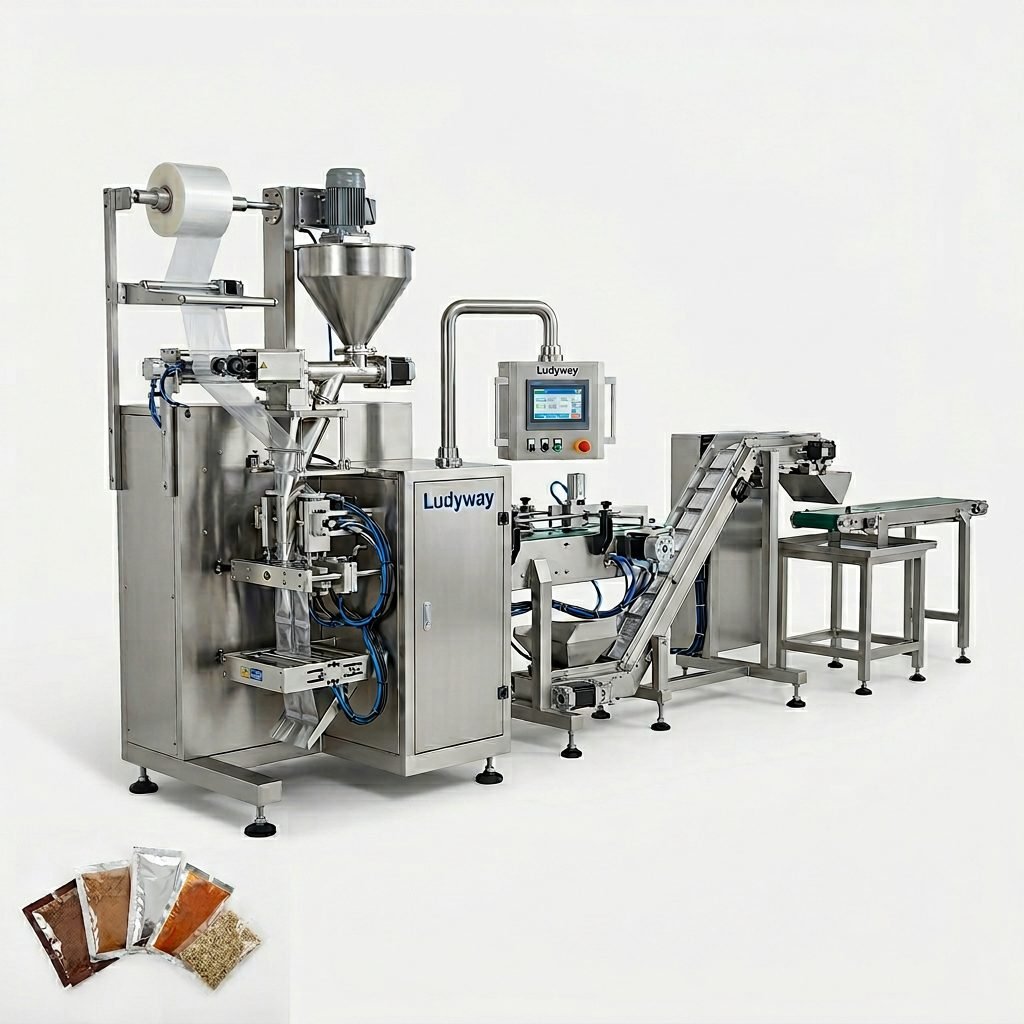
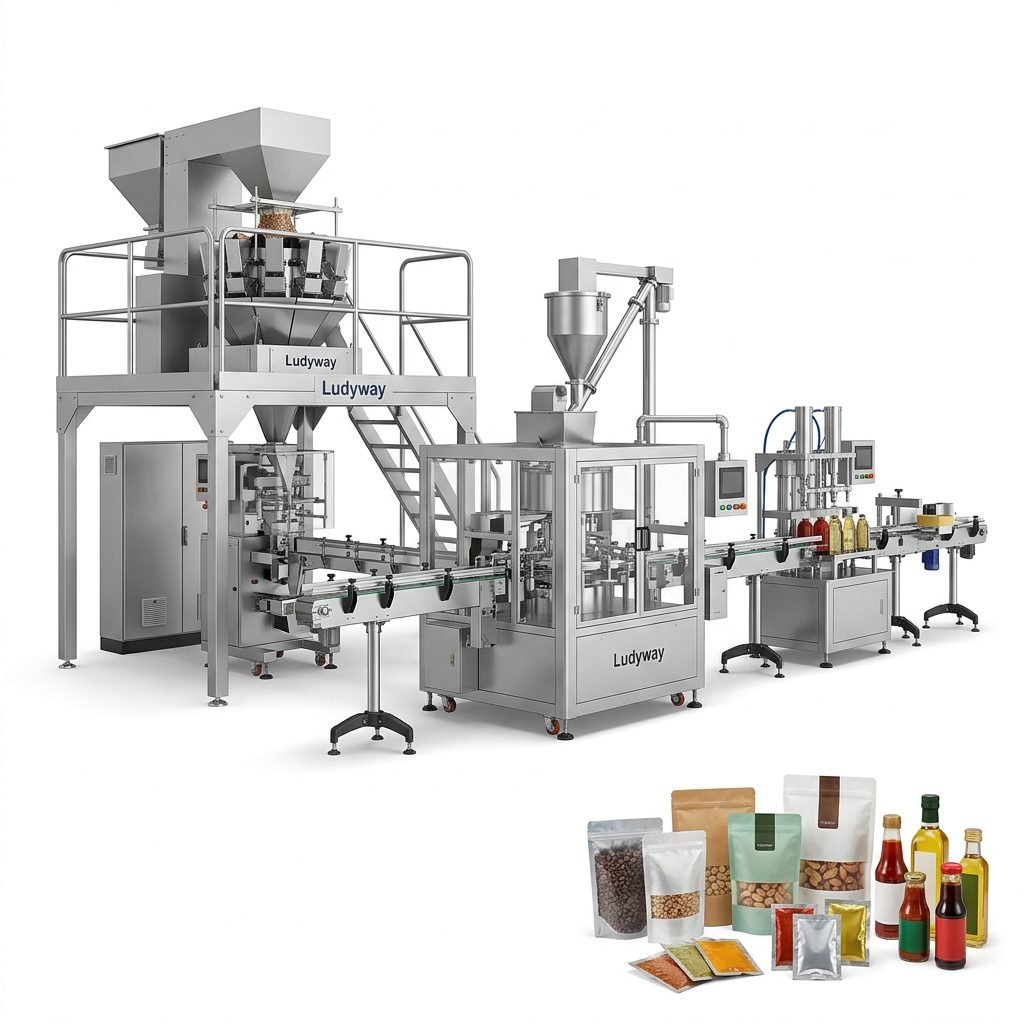
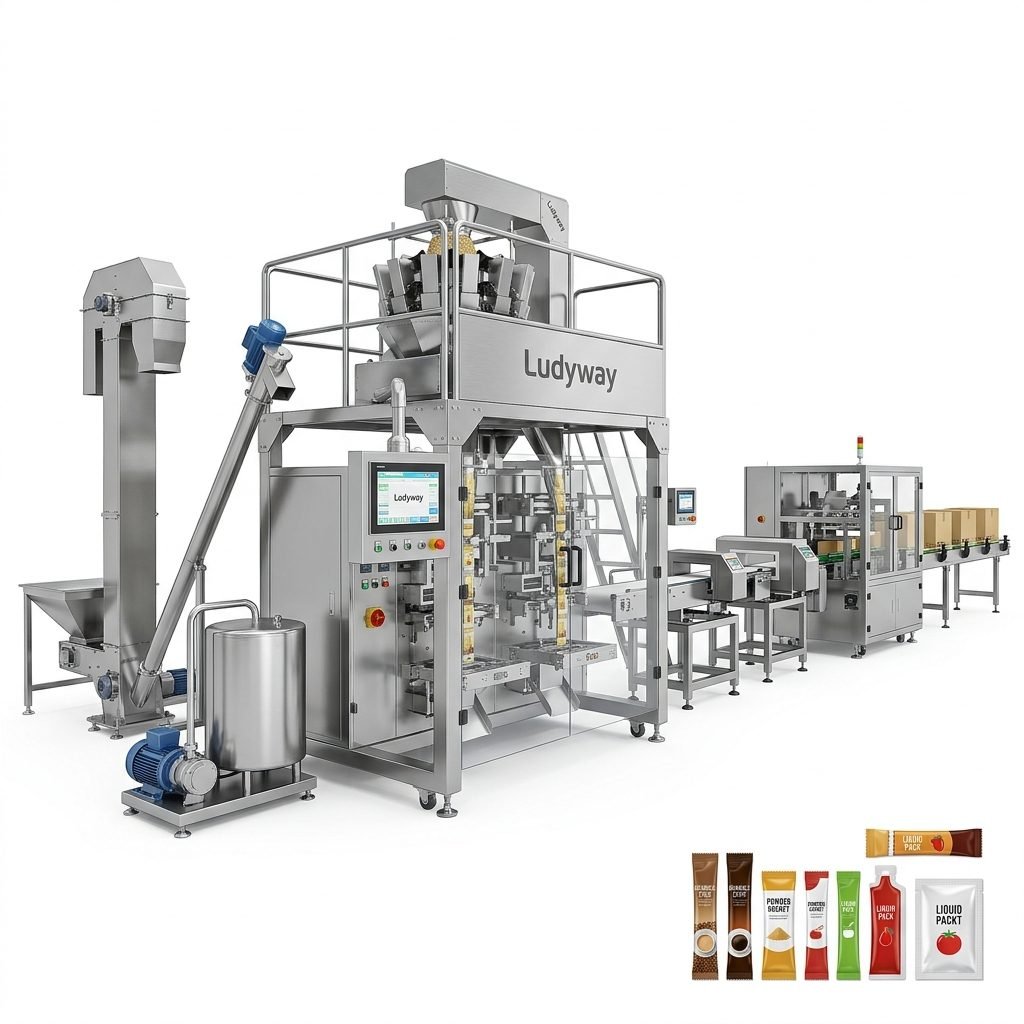
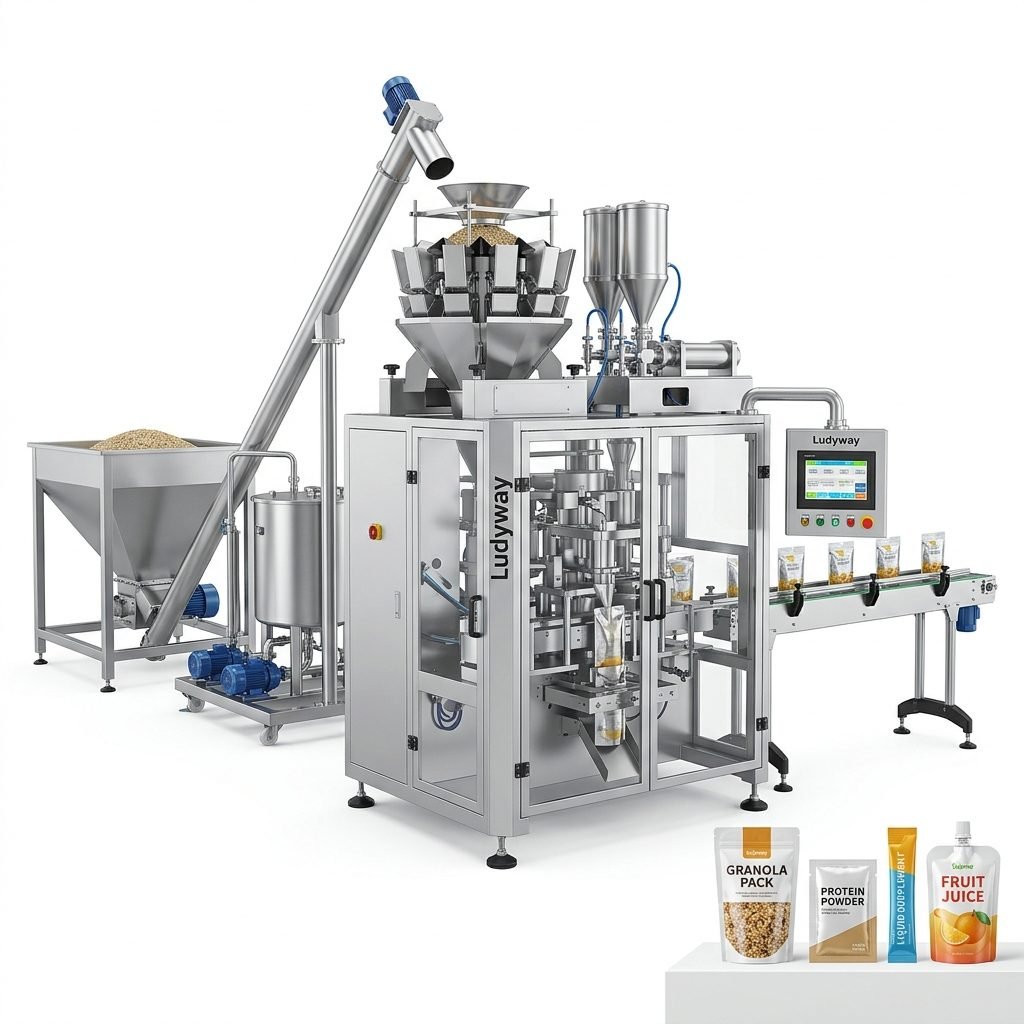
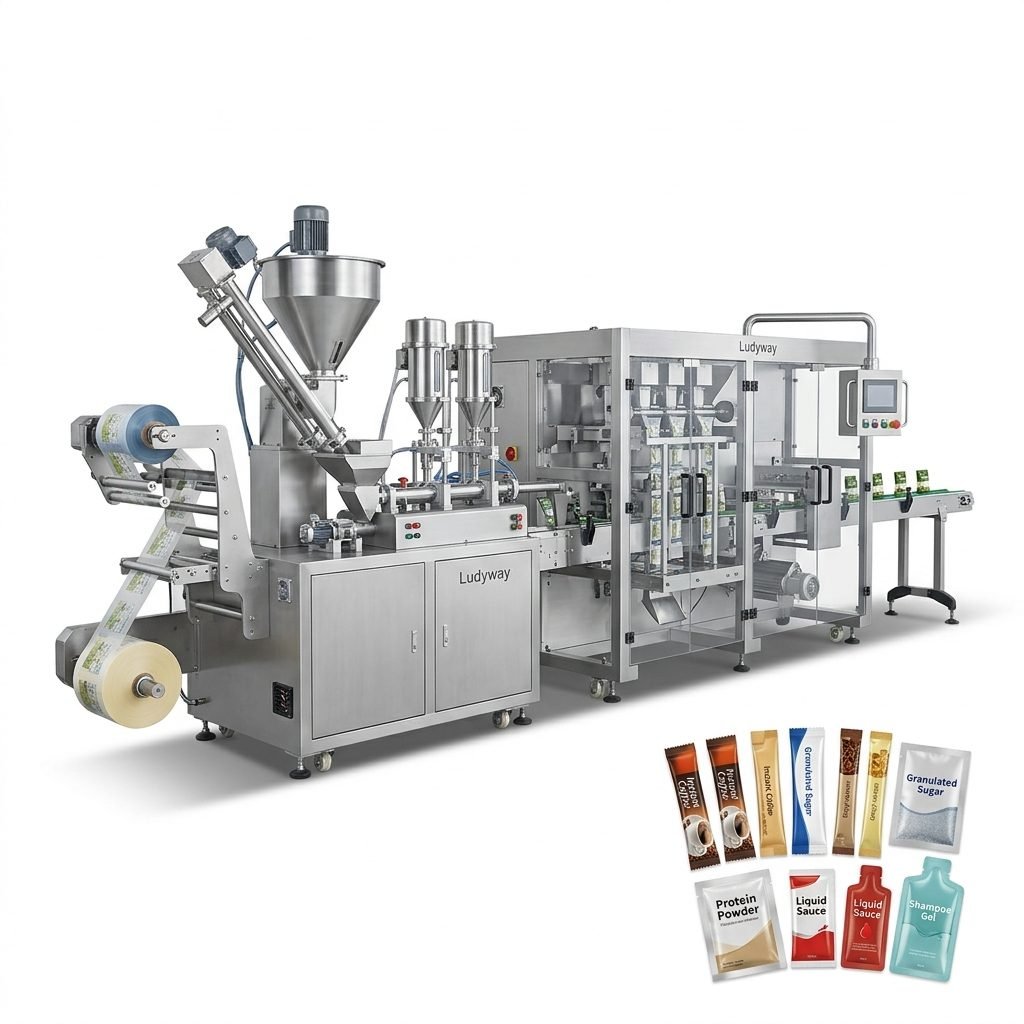
Global demand for food packaging is maintaining strong momentum in 2026, supported by rising consumption of convenience foods, stricter food safety expectations, growth in e-commerce grocery channels, and the ongoing shift toward automated manufacturing. Across developed and emerging markets alike, food brands are investing in packaging formats that can extend shelf life, improve logistics efficiency, reduce waste, and strengthen product appeal at the point of sale.

A Market Expanding on Multiple Fronts
The food packaging sector is no longer driven by volume alone. In 2026, growth is being shaped by a broader combination of consumer behavior, regulatory pressure, and factory modernization. Food producers are responding to demand for smaller pack sizes, single-serve formats, resealable pouches, and retail-ready secondary packaging. At the same time, larger bulk packaging formats remain essential for foodservice, ingredient distribution, and industrial supply chains.
This shift is creating opportunities across the full packaging value chain, from materials and flexible films to high-speed filling, sealing, coding, inspection, cartoning, and palletizing systems. Automation is becoming a strategic investment rather than a cost-control tool alone, especially as labor shortages and consistency requirements continue to affect production planning worldwide.
Key growth drivers in 2026 include:
- Expansion of ready-to-eat and ready-to-cook food categories
- Growth in powdered nutrition, beverage mixes, and functional food products
- Higher demand for travel-size, family-size, and portion-controlled packaging
- Stricter packaging hygiene and traceability standards
- Rising investment in digitalized and integrated production lines
Convenience and Shelf Stability Continue to Influence Packaging Design
Consumers increasingly expect food packaging to deliver convenience without compromising freshness. This has pushed manufacturers to expand the use of sachets, stick packs, stand-up pouches, vacuum-sealed bags, and lightweight high-barrier solutions. Products such as coffee, seasoning powders, sauces, dairy powders, snacks, cereals, frozen foods, and pet food are all seeing renewed packaging innovation in 2026.
For brand owners, the business case is clear: better packaging improves transportation efficiency, product protection, and shelf presentation. For manufacturers, that translates into growing demand for machinery that can handle granules, powders, liquids, and paste-based food products with speed and precision.
Popular food packaging formats seeing strong adoption:
- Multi-lane stick packs for beverage powders and instant mixes
- Sachets for condiments, supplements, and seasoning products
- Pouches for snacks, frozen foods, and pet nutrition
- Bulk bags for flour, grains, feed, and industrial food ingredients
- Bottles and jars for sauces, oils, and liquid food applications
Automation Becomes Central to Competitive Production
The packaging equipment market is benefiting directly from this demand surge. Food producers are increasingly upgrading from semi-automatic operations to complete packaging lines that integrate weighing, filling, sealing, coding, inspection, labeling, cartoning, and end-of-line handling. These investments help reduce manual errors, improve line uptime, and support scalable output across multiple SKUs.
In 2026, manufacturers are especially focused on flexible systems that can switch between product types and packaging sizes with minimal downtime. This flexibility matters in a market where seasonal promotions, private-label growth, and product diversification are becoming standard commercial strategies.
| Industry Need | Packaging Response | Operational Benefit |
|---|---|---|
| Shorter product launch cycles | Flexible multi-format packaging lines | Faster changeovers and SKU expansion |
| Food safety compliance | Sealed, traceable, inspection-ready packaging | Reduced contamination risk |
| Labor constraints | Automated filling and end-of-line systems | Lower labor dependency |
| Cost control pressure | Accurate dosing and material-efficient sealing | Less giveaway and packaging waste |
Sustainability Expectations Are Reshaping Purchasing Decisions
Sustainability remains one of the most important themes in packaging investment. Food companies are balancing environmental commitments with performance requirements such as barrier protection, durability, and machinability. In practical terms, this means packaging operations must adapt to recyclable structures, downgauged materials, and more precise sealing conditions.
As a result, machinery suppliers that can support stable performance with new packaging materials are gaining attention. Buyers are also prioritizing energy-efficient line design, reduced material loss, and modular systems that can be expanded rather than fully replaced.
What food producers are looking for from equipment suppliers:
- Reliable sealing performance across different material types
- Accurate filling for powders, granules, and liquid products
- Easy integration with existing production systems
- Fast maintenance access and long-term technical support
- Turnkey capabilities for complete packaging line projects
Export-Oriented Manufacturing Gains Importance
As global food trade continues to recover and diversify, export-ready packaging is becoming a major requirement for manufacturers. Packaging must now satisfy a wider range of retail standards, language requirements, transportation conditions, and shelf-life expectations. This is driving demand not only for primary packaging machines, but also for complete line integration that includes inspection, coding, labeling, case packing, and pallet handling.
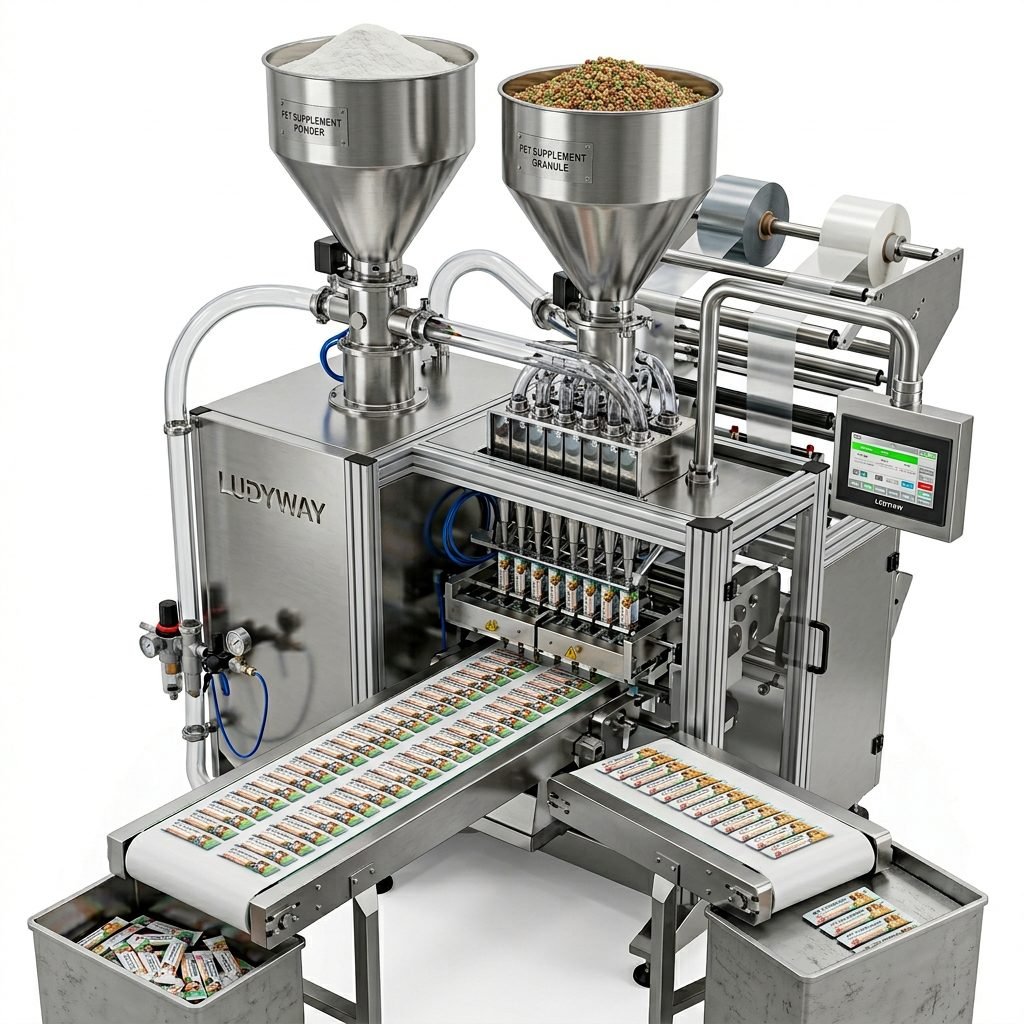
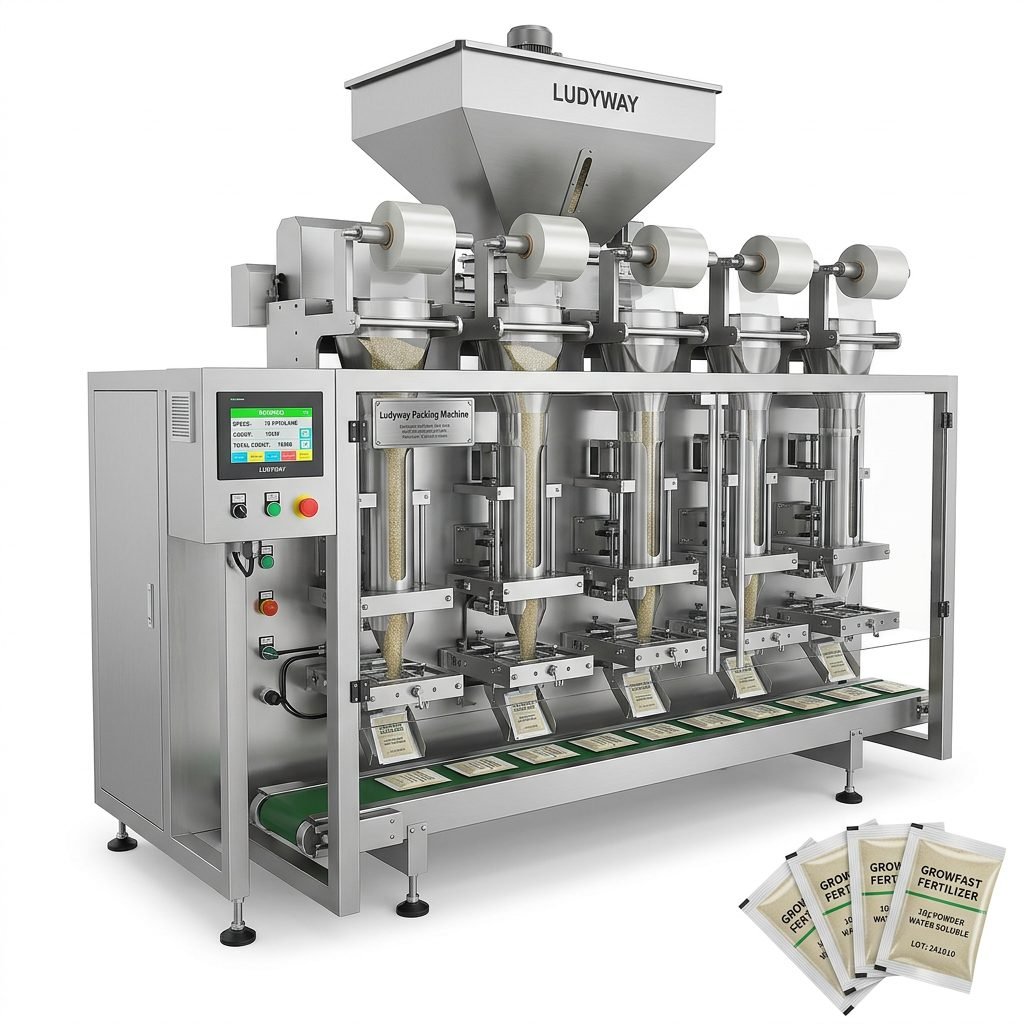
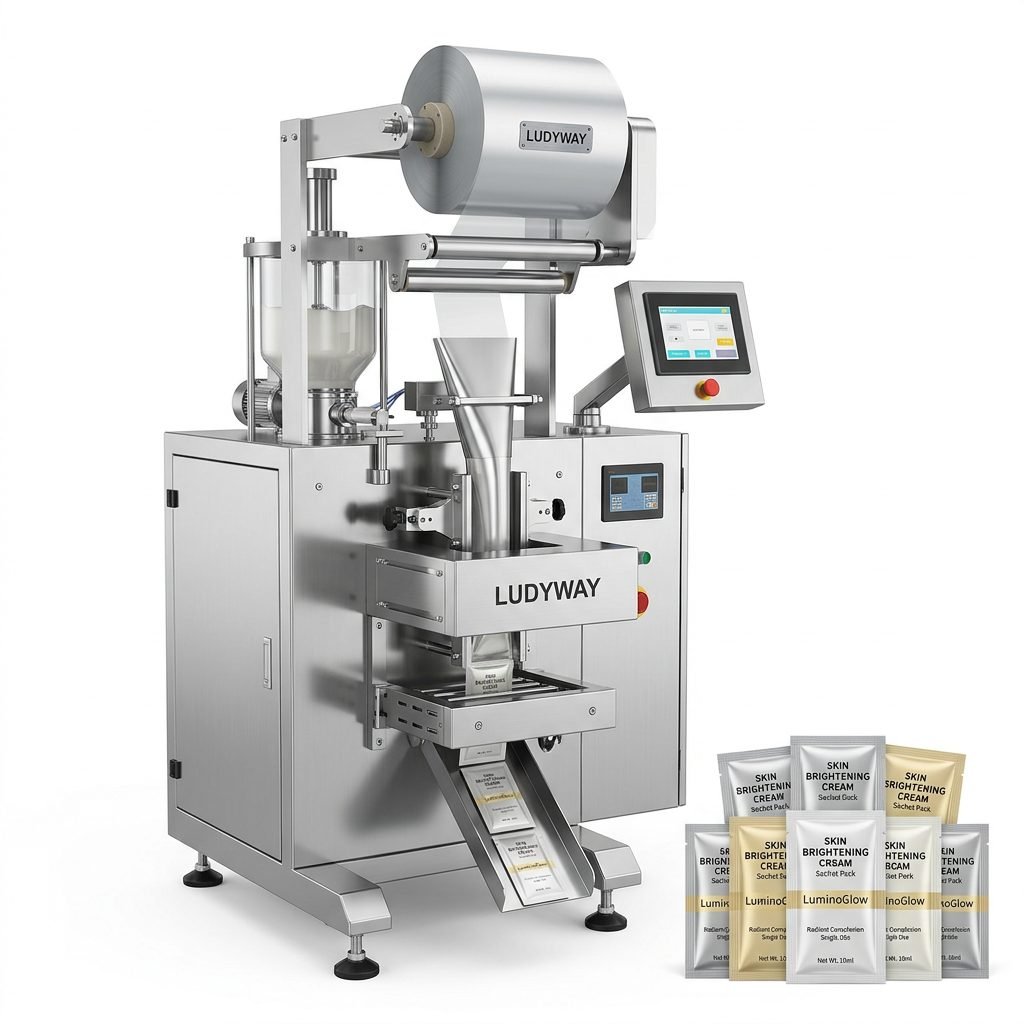
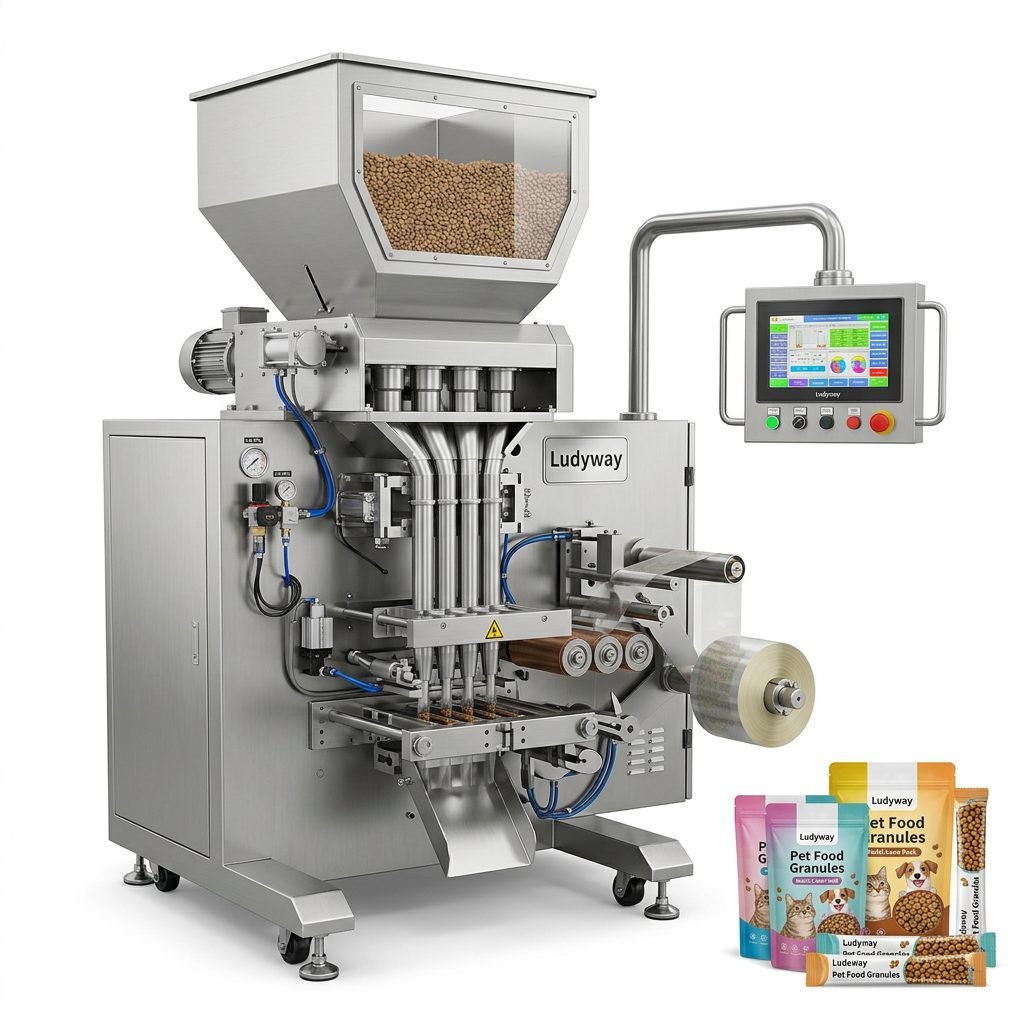
Suppliers with strong international delivery experience are therefore in a favorable position. One notable example is Ludyway packaging machine manufacturer, which has built a broad export presence through food, pharmaceutical, and health-related packaging applications. With more than 30 years of experience, over 20,000 square meters of factory space, and turnkey line capabilities, the company reflects the type of manufacturing scale buyers are increasingly seeking in 2026.
Regional Demand Patterns Support Long-Term Expansion
Demand conditions vary by region, but the overall direction remains positive. In Europe and North America, investment is centered on automation upgrades, sustainability targets, and premium retail presentation. In Southeast Asia, the Middle East, Africa, and South America, food packaging demand is being accelerated by urbanization, retail modernization, and rising local manufacturing capacity. These markets are also showing strong interest in compact, cost-efficient, and scalable packaging equipment.
This combination of mature-market modernization and emerging-market capacity growth is expected to keep the industry on an expansion track throughout the year.
| Region | Main 2026 Focus | Packaging Trend |
|---|---|---|
| Europe | Sustainable materials and compliance | Efficient flexible packaging systems |
| North America | Automation and labor reduction | High-speed integrated lines |
| Middle East & Africa | Food security and local production | Scalable pouch and bag solutions |
| Southeast Asia | Convenience foods and retail growth | Sachets, stick packs, and small-format packs |
| South America | Agrifood processing expansion | Bulk and consumer packaging upgrades |
Outlook for the Rest of 2026
The outlook for the global food packaging industry remains positive as producers continue to upgrade both packaging performance and operational efficiency. Demand is expected to stay strong in high-growth categories such as snack foods, dairy powders, instant beverages, condiments, frozen foods, health-oriented products, and pet nutrition.
For machinery suppliers, the opportunity lies in delivering systems that combine speed, flexibility, hygiene, and line integration. For food manufacturers, packaging is increasingly viewed as a core part of competitiveness, not just a final production step. That dynamic is likely to keep industry expansion moving forward through the remainder of 2026 and beyond.