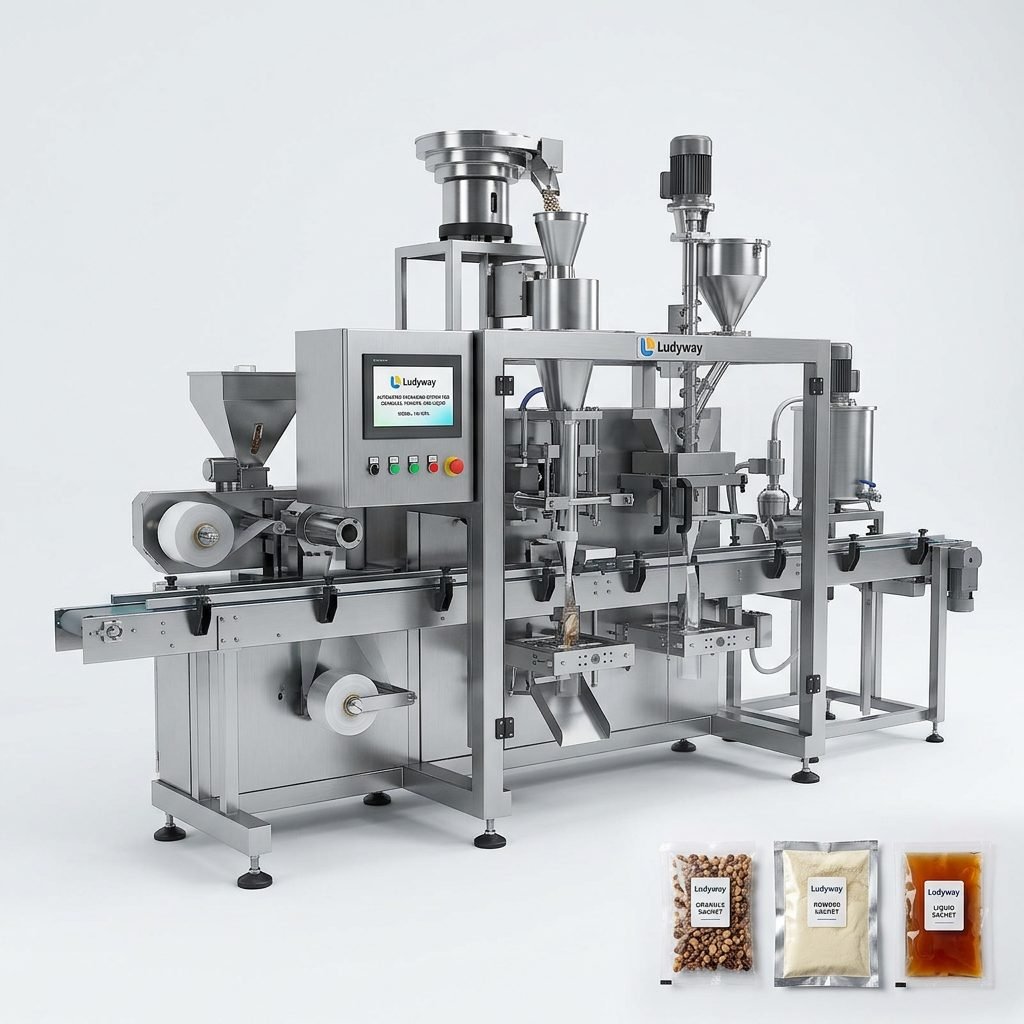
2026 is shaping up to be a defining year for smart maintenance in packaging equipment.
Across food, pharmaceutical, health supplement, cosmetic, and industrial packaging operations, manufacturers are moving beyond reactive repairs and basic preventive schedules.
The latest shift is toward predictive, data-driven, and connected maintenance strategies that improve uptime, reduce spare-parts waste, and protect product quality.
For packaging plants facing labor pressure, tighter compliance requirements, and higher output targets, smart maintenance is no longer viewed as an optional upgrade.
It is increasingly becoming a core part of production management, especially in high-speed lines where even short interruptions can lead to material loss, delayed shipments, and rising operating costs.
Why Smart Maintenance Is Advancing So Quickly
Traditional maintenance models depend heavily on operator experience, manual inspection rounds, and fixed service intervals. While these methods still play a role, they often fail to detect early wear in sealing systems, dosing units, conveyors, servo drives, coding modules, and inspection devices.
- Sensor integration is making real-time machine health monitoring more practical.
- Industrial IoT connectivity is allowing performance data to be collected continuously.
- AI-based diagnostics can identify abnormal vibration, temperature drift, or cycle inconsistencies sooner.
- Cloud dashboards help managers compare multiple lines and plants in one place.
- Remote technical support shortens response time for overseas customers.
In 2026, these tools are becoming more accessible not only to global corporations but also to medium-sized packaging businesses seeking a stronger return on automation investment.
Key Technologies Reshaping Maintenance in Packaging Lines
1. Predictive Condition Monitoring
Packaging equipment suppliers are increasingly equipping machines with sensors that monitor vibration, motor load, bearing temperature, air pressure stability, sealing temperature, and filling accuracy.
Instead of waiting for a breakdown, maintenance teams receive alerts when operating values begin to move outside their normal range.
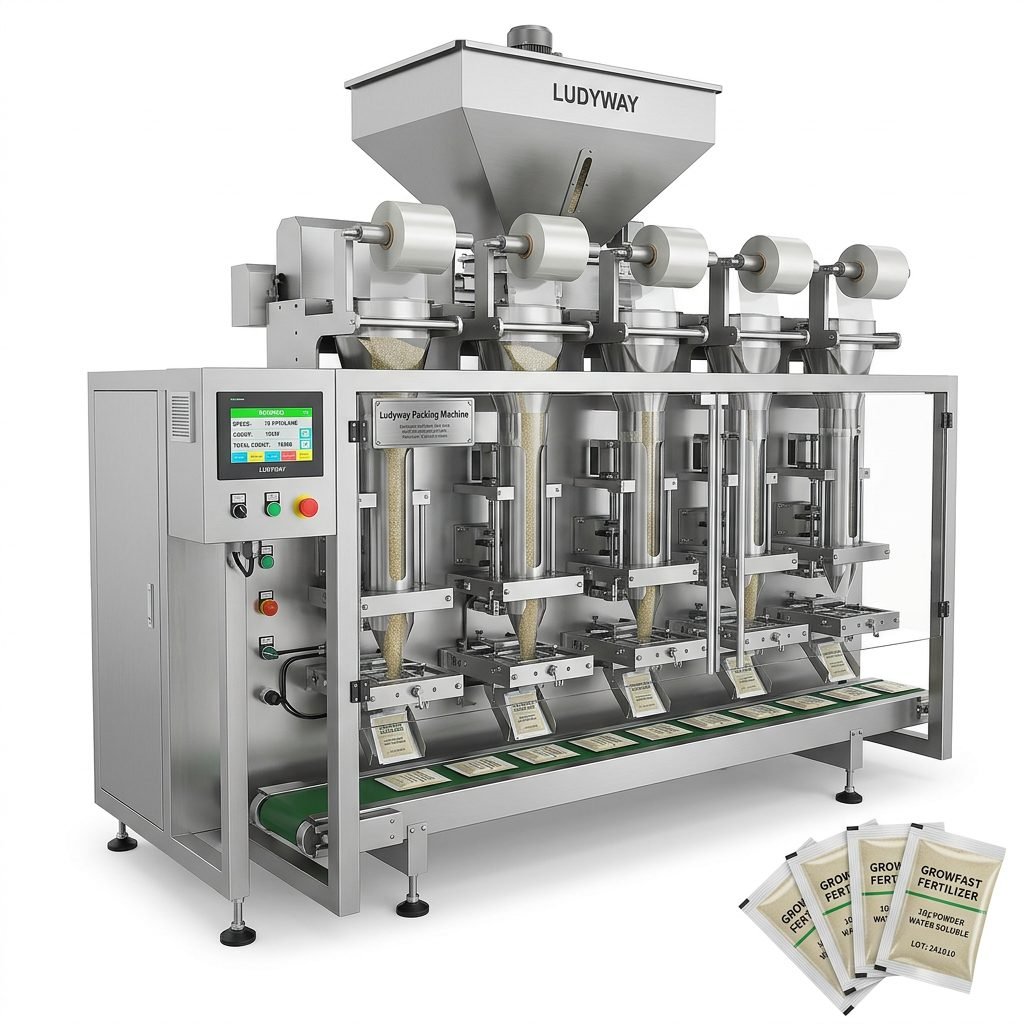
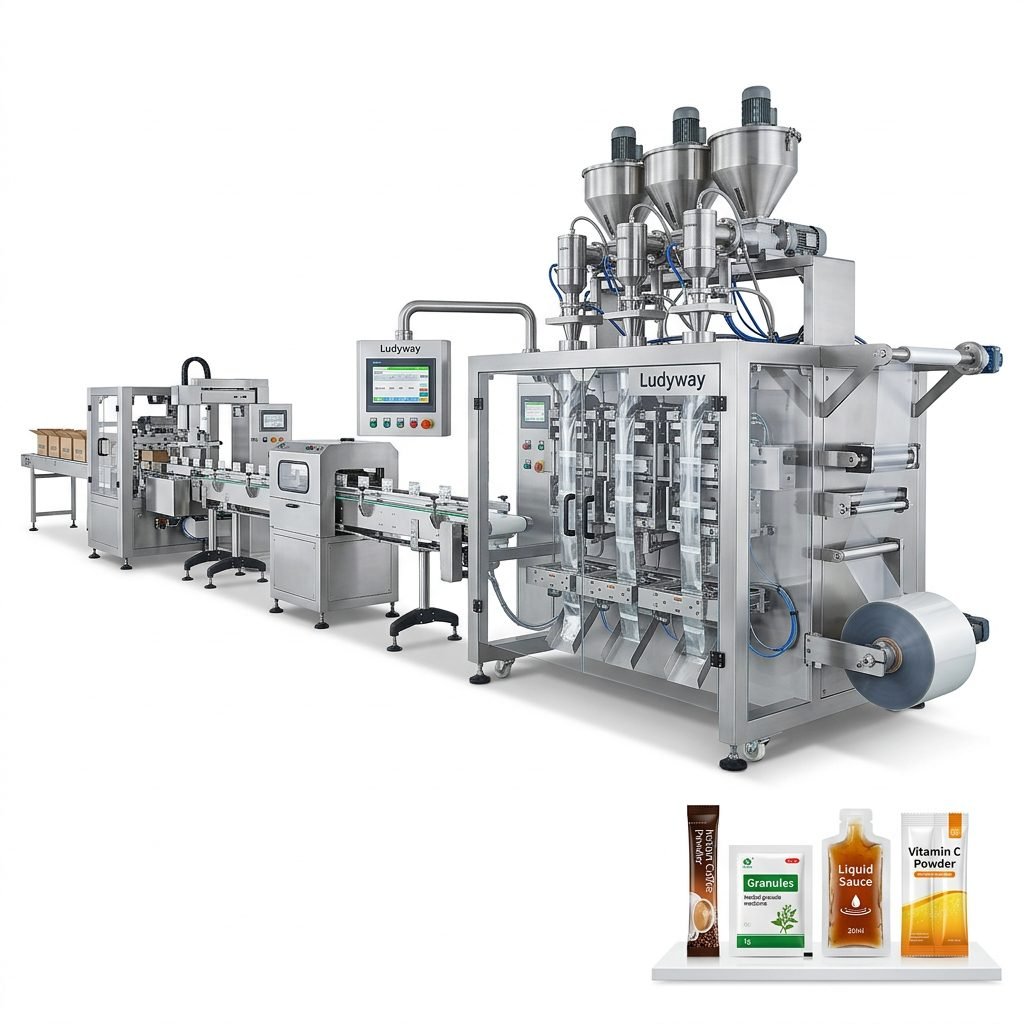
This approach is especially valuable on multi-lane sachet and stick pack systems, where a minor deviation in one lane can gradually affect output consistency across the whole machine.
2. AI-Assisted Fault Recognition
New diagnostic platforms can analyze machine behavior patterns and recommend likely fault sources. For example, repeated seal defects may be linked to heater instability, film tracking misalignment, or worn sealing jaws.
AI tools help maintenance teams move faster from symptom to root cause.
3. Digital Maintenance Dashboards
Centralized dashboards are becoming standard for advanced packaging plants. They show alarm history, downtime trends, maintenance cycles, component life, and energy consumption.
Supervisors can then prioritize actions based on risk rather than guesswork.
4. Vision-Based Inspection Support
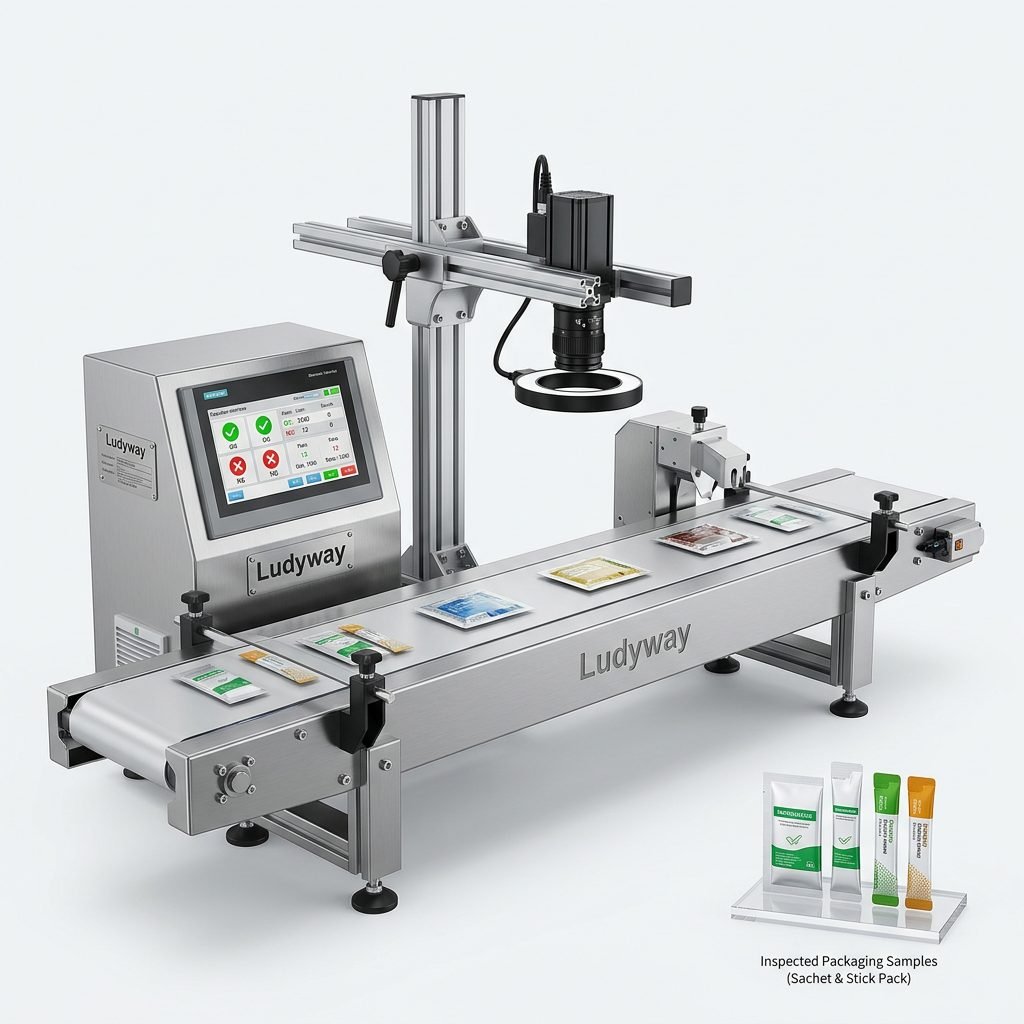
Vision systems are no longer used only for final quality checks. They now support smart maintenance by identifying changes in print registration, seal appearance, package shape, label placement, and product fill level that may indicate mechanical wear or calibration drift.
5. Remote Service and Software Updates
With secure remote access, machine builders can review alarms, assist with troubleshooting, adjust settings, and deploy software updates without always sending an engineer on-site.
This is particularly useful for international customers operating complex turnkey lines.
Operational Benefits Seen by Packaging Manufacturers
| Smart Maintenance Function | Practical Benefit | Production Impact |
|---|---|---|
| Real-time sensor monitoring | Early detection of wear and instability | Lower unplanned downtime |
| Predictive maintenance alerts | Maintenance scheduled before failure | Higher line availability |
| Remote diagnostics | Faster technical support | Reduced service delay |
| Maintenance data analysis | Improved spare-parts planning | Lower inventory and repair cost |
| Vision-assisted monitoring | Faster detection of packaging quality drift | Better consistency and compliance |
Sectors Driving the Strongest Adoption
The fastest uptake is happening in industries where packaging reliability directly affects safety, shelf life, or brand credibility.
- Pharmaceutical packaging — where validation, traceability, and precision are essential.
- Food packaging — where sealing stability and hygiene performance must remain consistent.
- Health supplement packaging — where dosing accuracy and line efficiency are closely monitored.
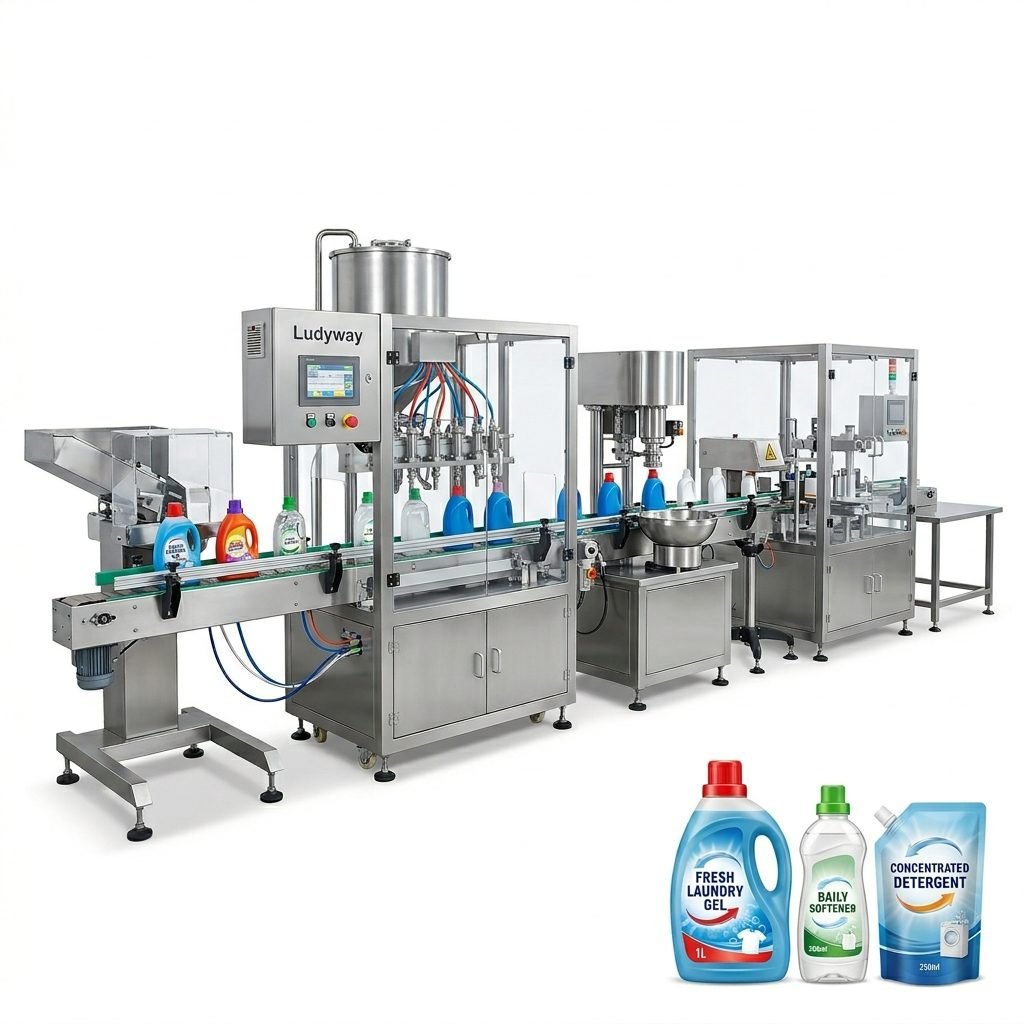
- Cosmetic sachet and liquid filling — where appearance defects quickly become customer complaints.
- Chemical and household product packaging — where corrosion, residue buildup, and wear require close control.
How Equipment Builders Are Responding
Machinery manufacturers are redesigning equipment platforms to make maintenance more intelligent from the start.
This includes modular assemblies, easier access to wear parts, digital spare-parts identification, remote diagnostic interfaces, and machine software that records operating behavior in greater detail.
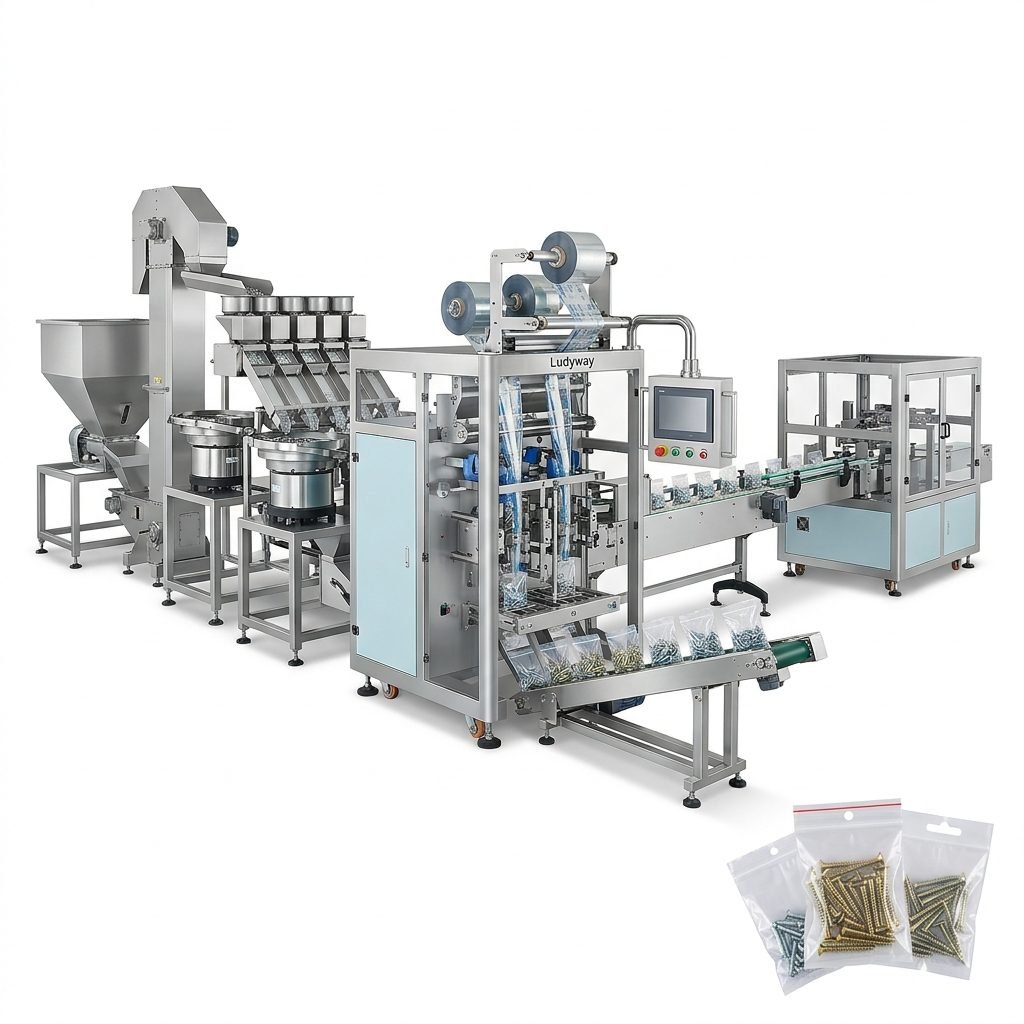
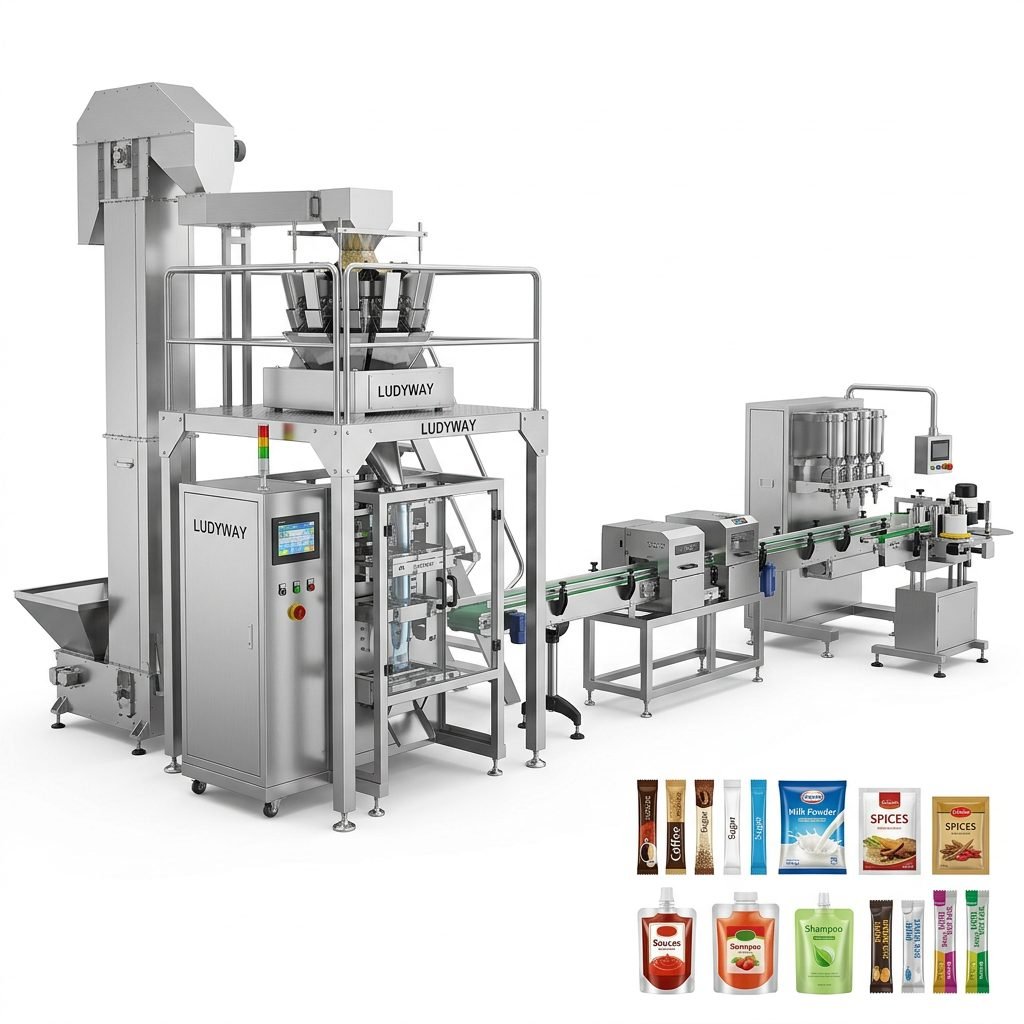
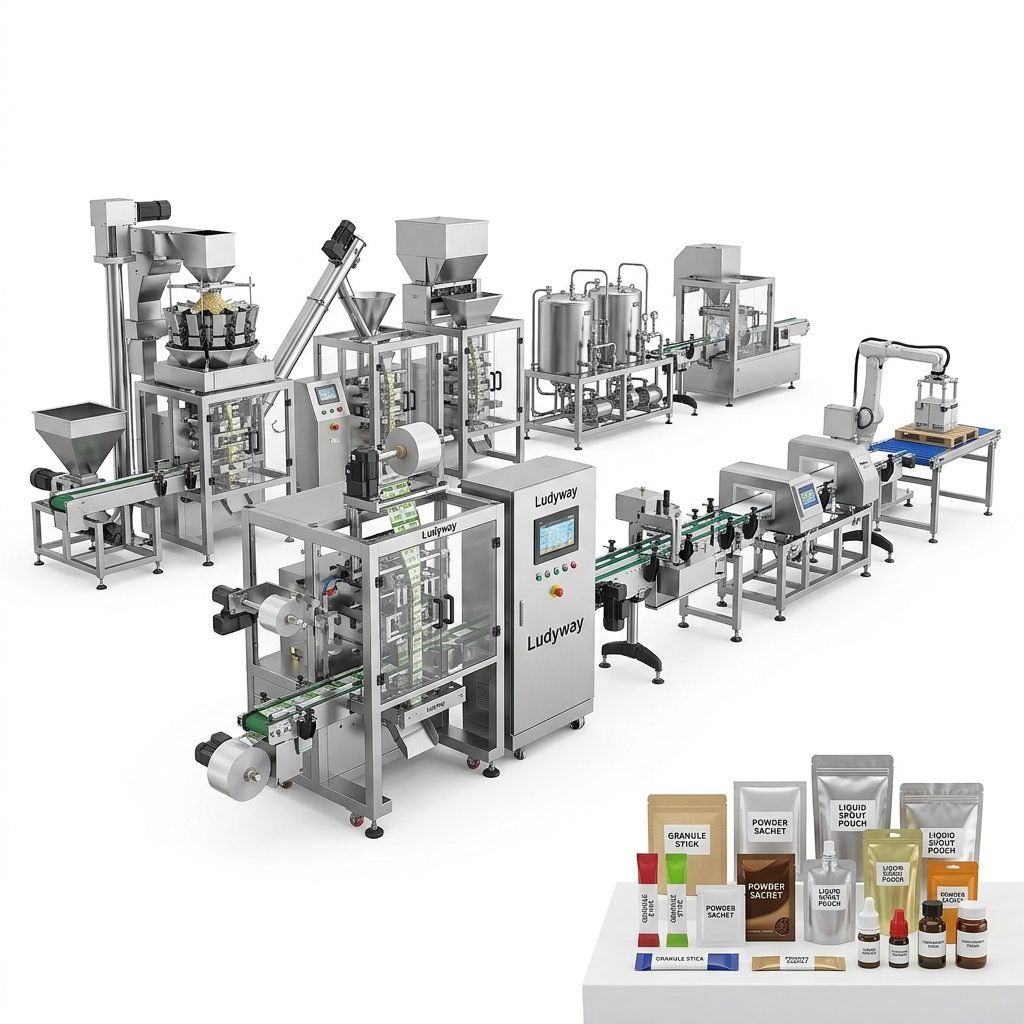
Companies with broad packaging experience are in a strong position to support this transition. For example,
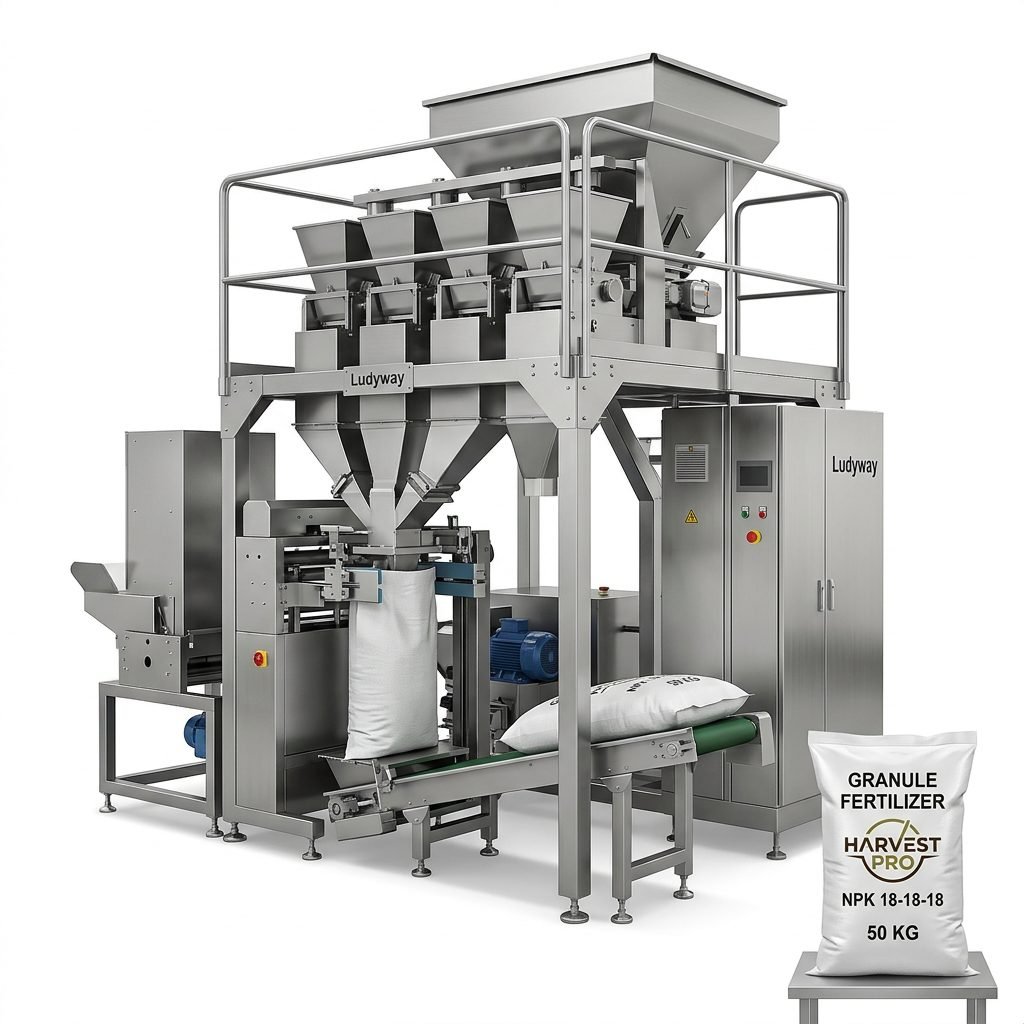
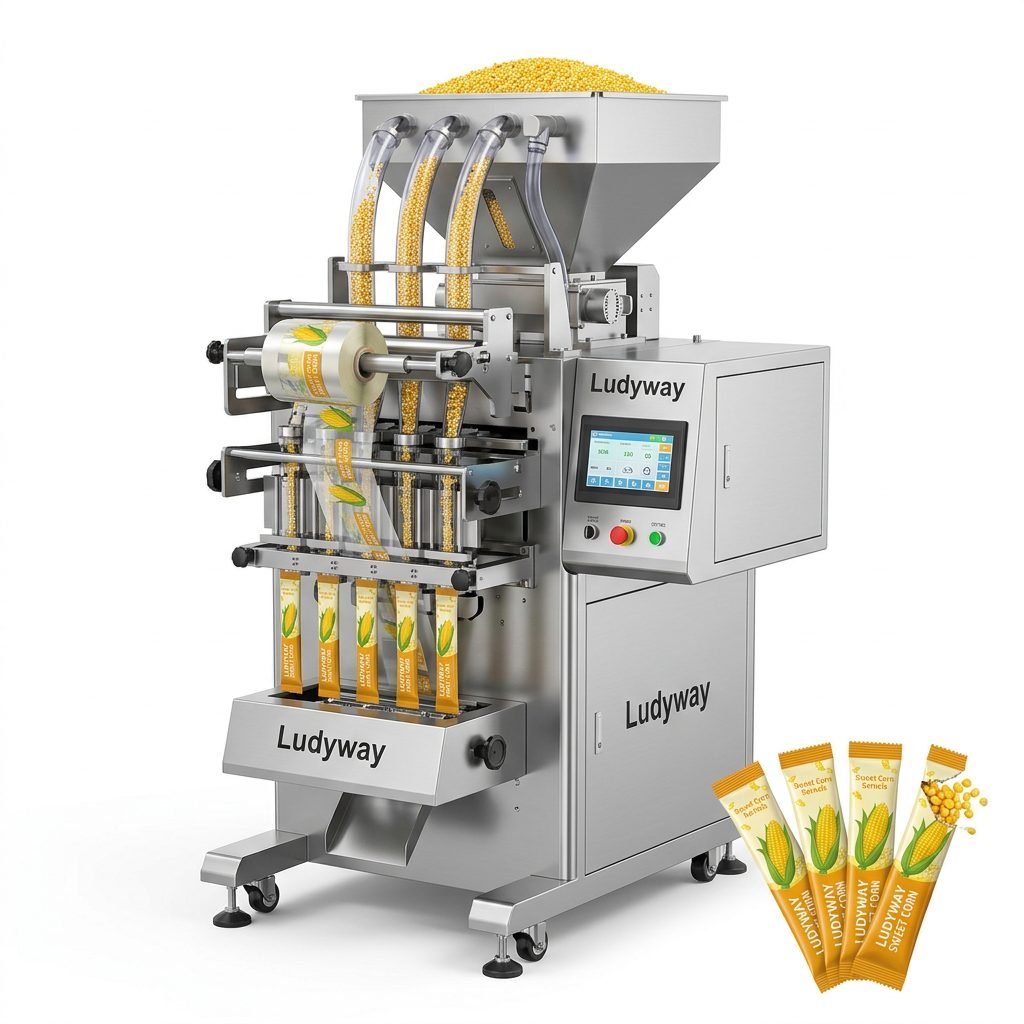
Ludyway, one of China’s leading packaging machine and turnkey packaging line manufacturers, has built a large international presence by supplying automated solutions for food, pharmaceutical, health supplement, cosmetic, and related industries.
As buyers increasingly prioritize uptime and lifecycle value, manufacturers with deep engineering capability, customization experience, and long-term technical service are gaining more attention.
What Buyers Should Evaluate in 2026
Smart maintenance features vary widely between suppliers. Buyers should look beyond simple “smart factory” claims and check whether a machine platform offers measurable maintenance value.
- Does the system provide real operational data rather than just alarm records?
- Can abnormal conditions be tracked by component, lane, or station?
- Is remote diagnosis available for international support?
- Are maintenance reminders linked to actual machine usage?
- Can the platform integrate with plant MES or ERP systems?
- Is the supplier able to support both standalone machines and full turnkey lines?
Market Outlook
Industry analysts expect smart maintenance investment in packaging to continue rising through 2026 and beyond.
The trend is being reinforced by higher automation density, stricter compliance in regulated sectors, and growing pressure to maintain output with leaner staffing structures.
In practical terms, the market is moving toward packaging equipment that can monitor itself, report issues earlier, support faster intervention, and preserve stable production quality.
For manufacturers competing on efficiency and reliability, that capability is becoming a strategic advantage rather than a technical bonus.
Conclusion
The rapid advance of smart maintenance technologies in 2026 reflects a broader shift in packaging automation: machines are expected not only to run fast, but also to help prevent their own failures.
As predictive analytics, AI diagnostics, connected sensors, and remote support continue to mature, packaging plants will be better equipped to reduce downtime, improve consistency, and extend equipment service life.
For packaging operations planning new investments or equipment upgrades, maintenance intelligence is now one of the most important factors in long-term line performance.