Industry News | 2026 Outlook
By 2026, green packaging will no longer be treated as a niche sustainability initiative or a public relations add-on. It is rapidly becoming a measurable business driver that influences consumer trust, retailer acceptance, regulatory compliance, operating efficiency, and long-term brand value. Across food, pharmaceuticals, cosmetics, personal care, and daily-use products, the packaging conversation is shifting from “How sustainable can we appear?” to “How competitive can we become through smarter packaging choices?”
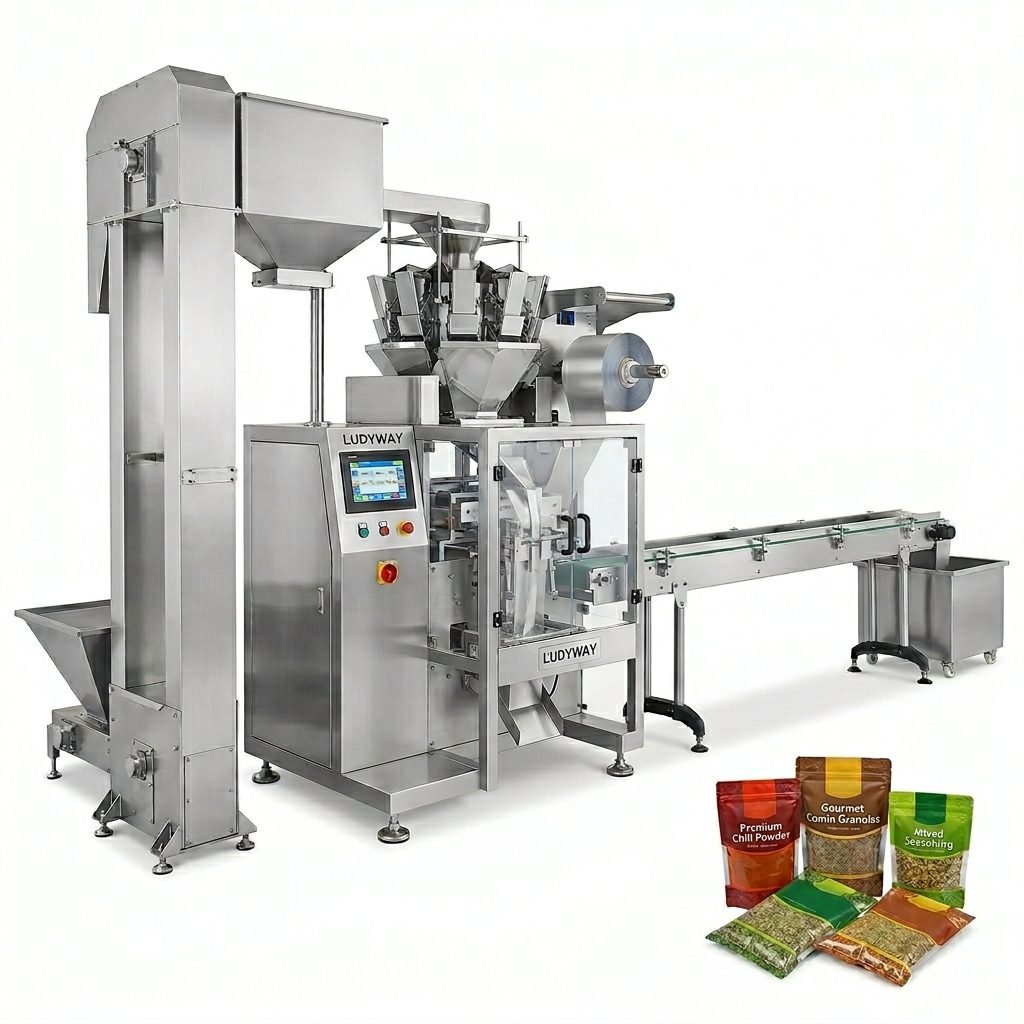
This change is being accelerated by three forces at once: tighter environmental regulations, more informed consumers, and stronger cost pressure throughout supply chains. As a result, brands that invest early in recyclable materials, reduced packaging weight, mono-material formats, refill systems, and packaging automation will gain an advantage that is difficult for slower competitors to replicate.
Why green packaging is moving from compliance to competition
For years, many companies approached sustainable packaging as a box-checking exercise. In 2026, that mindset is outdated. Packaging now sits at the intersection of brand perception, product protection, logistics cost, and ESG accountability. A packaging decision can affect shelf appeal, e-commerce durability, waste recovery, and even international market access.
- Consumers increasingly compare brands based on packaging waste and recyclability.
- Retailers are pushing suppliers toward more responsible material choices.
- Governments are setting stricter rules around plastic reduction, labeling, and producer responsibility.
- Investors are evaluating how sustainability strategy translates into operational resilience.
- Manufacturers are discovering that efficient packaging design can reduce material usage and total cost.
That means green packaging is no longer only about environmental responsibility. It is about winning on visibility, trust, speed, and margin.
What consumers will expect in 2026
Consumers are becoming more skeptical of vague sustainability claims. Simple phrases such as “eco-friendly” or “green” are losing impact unless they are supported by practical proof. In 2026, buyers are more likely to reward brands that make sustainability visible, understandable, and convenient.
What matters most to modern buyers:
- Packaging that is easy to recycle in real-life local systems
- Less unnecessary material and overpacking
- Clear disposal instructions
- Use of recycled or renewable inputs
- Product protection without excessive plastic complexity
In other words, sustainability must be practical. If a pack looks sustainable but cannot survive shipping, preserve product quality, or fit recycling streams, it will not strengthen competitive positioning.
The 2026 business case: green packaging can improve margins
One of the biggest industry shifts is that sustainable packaging is increasingly linked to cost optimization. Brands are discovering that lighter, simpler, and more standardized packaging formats can improve performance across the full value chain.
| Packaging Strategy | Business Impact | Brand Benefit |
|---|---|---|
| Lightweight packaging | Lower raw material and freight costs | Signals efficiency and environmental responsibility |
| Mono-material structures | Simplifies procurement and recycling compatibility | Improves trust through clearer sustainability claims |
| Refill or concentrated formats | Cuts packaging per use and lowers transport burden | Creates repeat purchase opportunities |
| Automated high-precision filling | Reduces waste, rework, and product giveaway | Supports consistent premium presentation |
| Right-sized e-commerce packaging | Improves cube utilization and shipping efficiency | Enhances customer unboxing experience |
When packaging teams and operations teams work together, sustainability often reveals hidden savings. Brands that optimize film thickness, sealing accuracy, carton sizing, and secondary packaging can reduce total cost while communicating stronger environmental value.
Regulation will make early movers stronger
Another major reason green packaging will become a core advantage in 2026 is regulatory pressure. More markets are introducing or expanding rules on packaging recyclability, waste reporting, plastic use, labeling standards, and extended producer responsibility. Companies that delay adaptation may face redesign costs, compliance delays, or market-entry obstacles.
Brands that move early benefit in several ways:
- They avoid sudden redesign under deadline pressure.
- They build stronger credibility with distributors and retailers.
- They create reusable packaging standards across product lines.
- They improve readiness for export markets with stricter packaging rules.
This is especially important for businesses selling internationally. A packaging format that works in one market may face restrictions in another. The brands that win in 2026 will be those that design for future compliance, not just present convenience.
Packaging machinery will be a critical enabler of green transformation
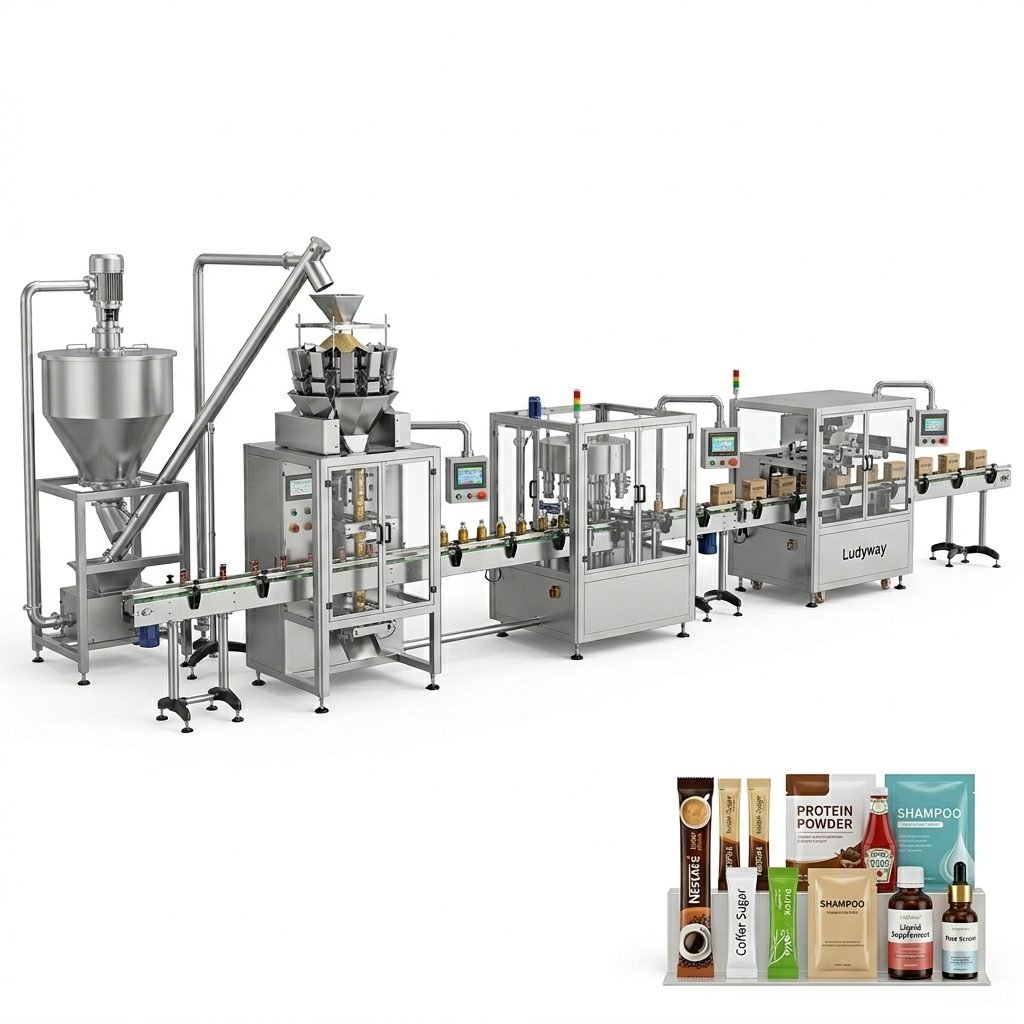
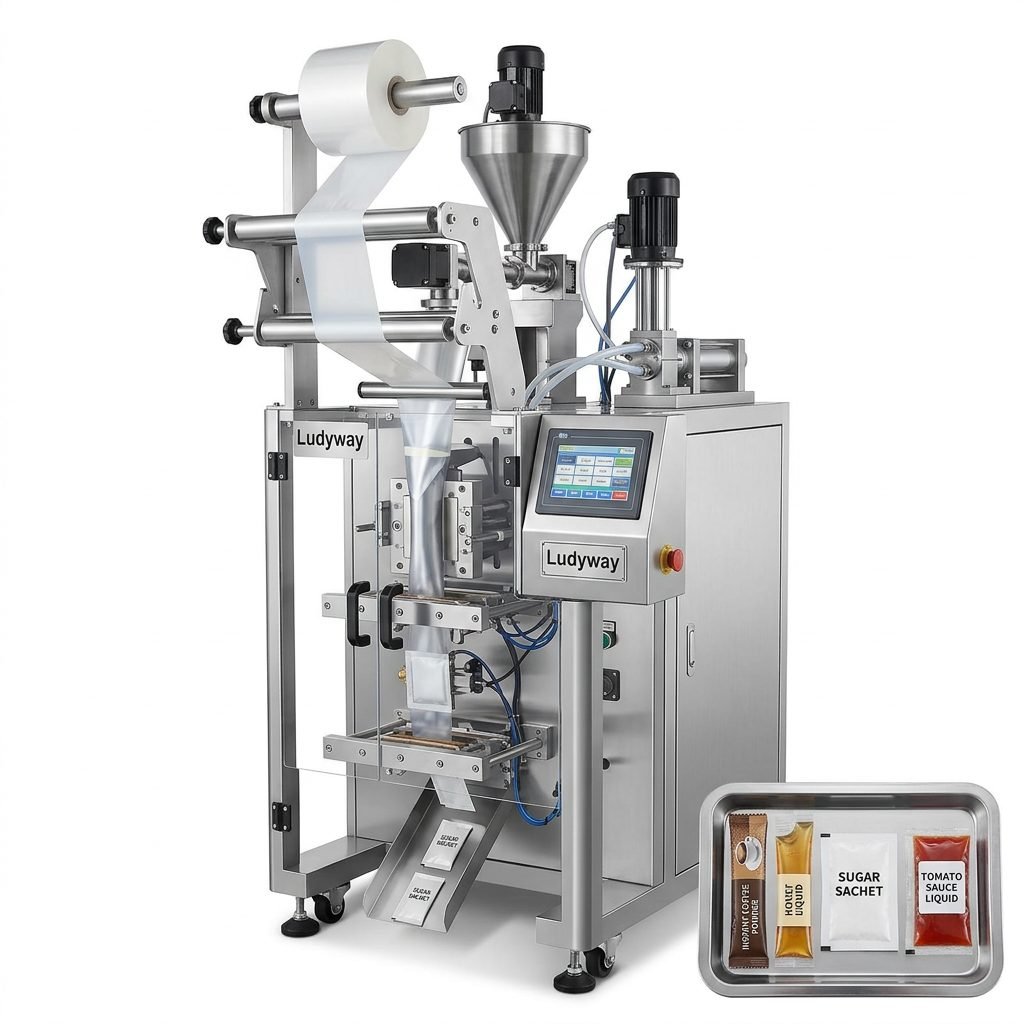
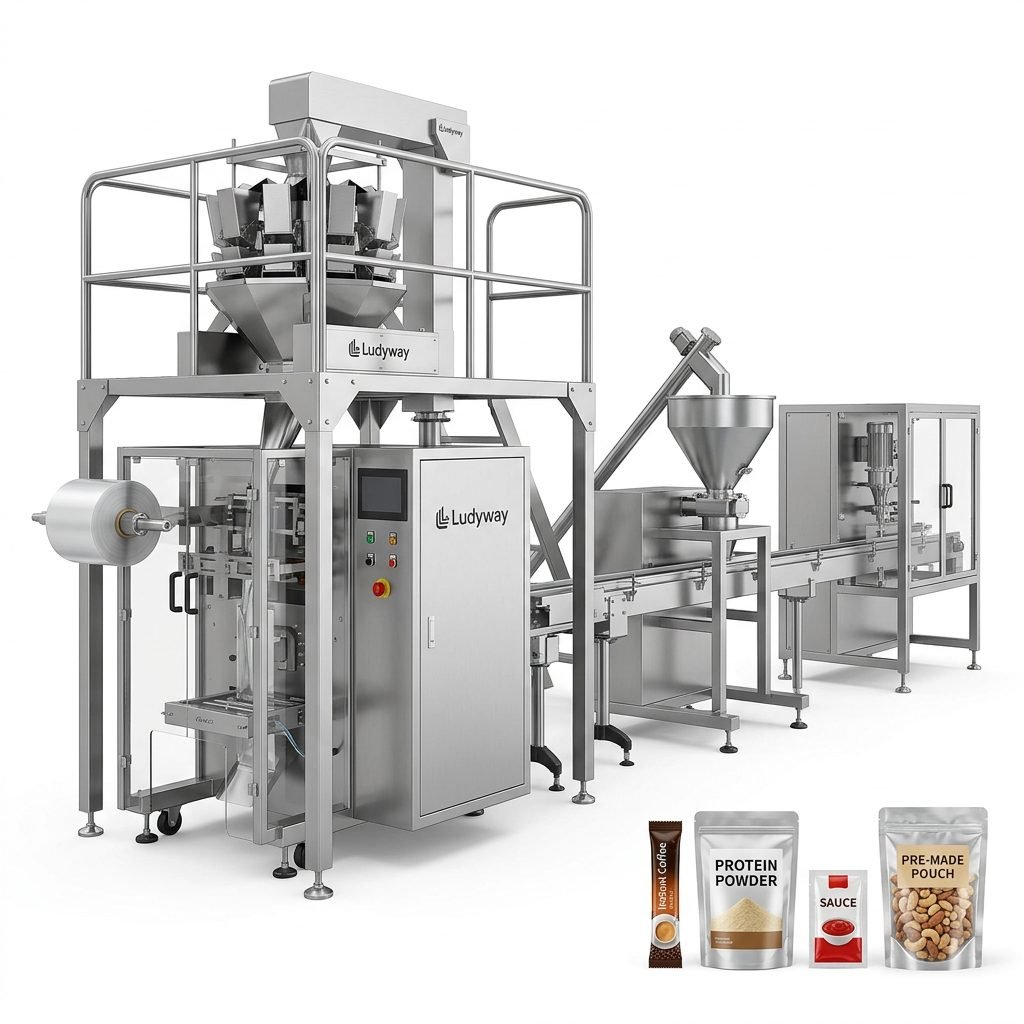
Sustainable packaging cannot scale without the right production capability. New materials and more efficient pack designs often require better filling accuracy, sealing stability, material handling, inspection, and line integration. As a result, packaging machinery is becoming central to the green packaging transition.
Manufacturers need equipment that can handle:
- Thinner films without compromising seal integrity
- Recyclable or mono-material laminates
- Flexible format changes for smaller and smarter pack sizes
- Reduced product loss during filling and sealing
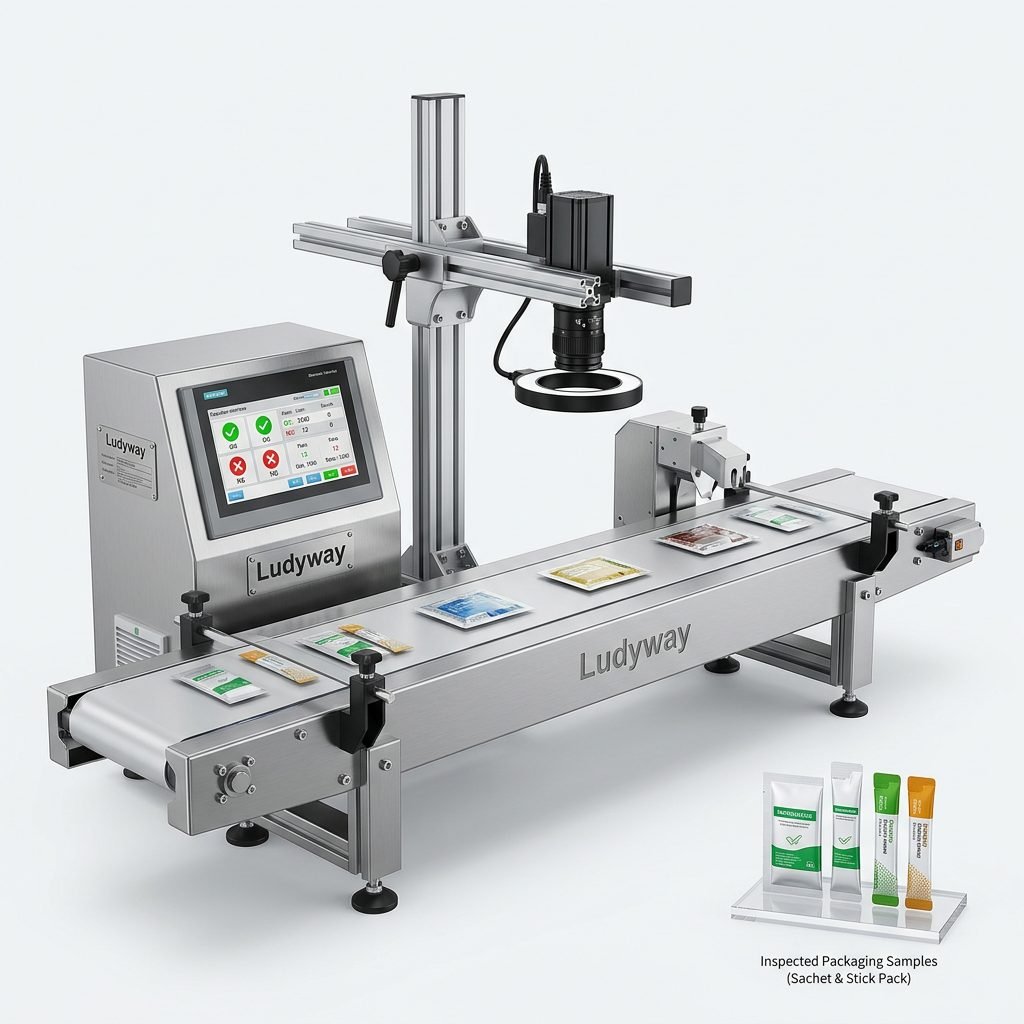
- Integrated coding, inspection, and traceability
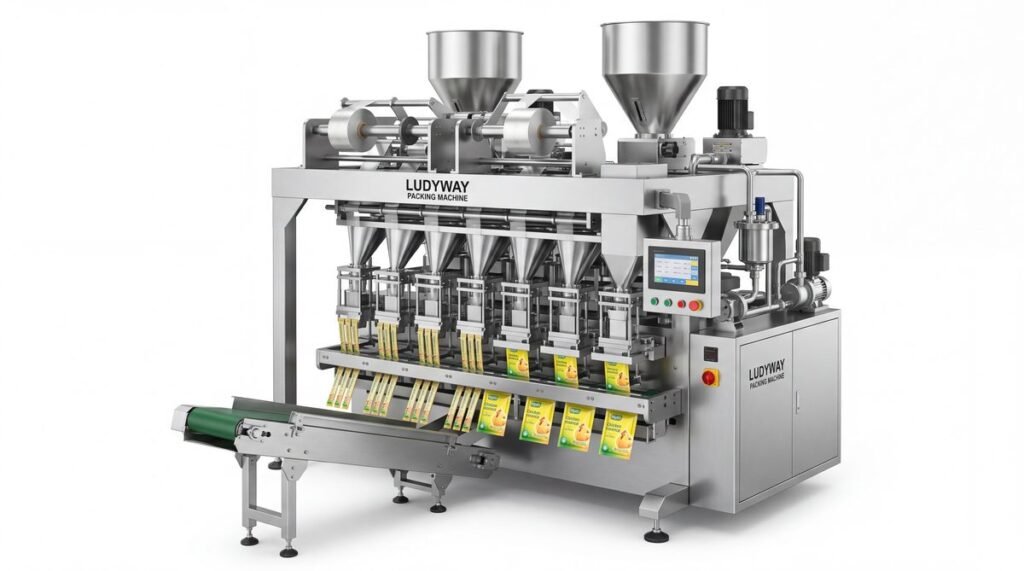
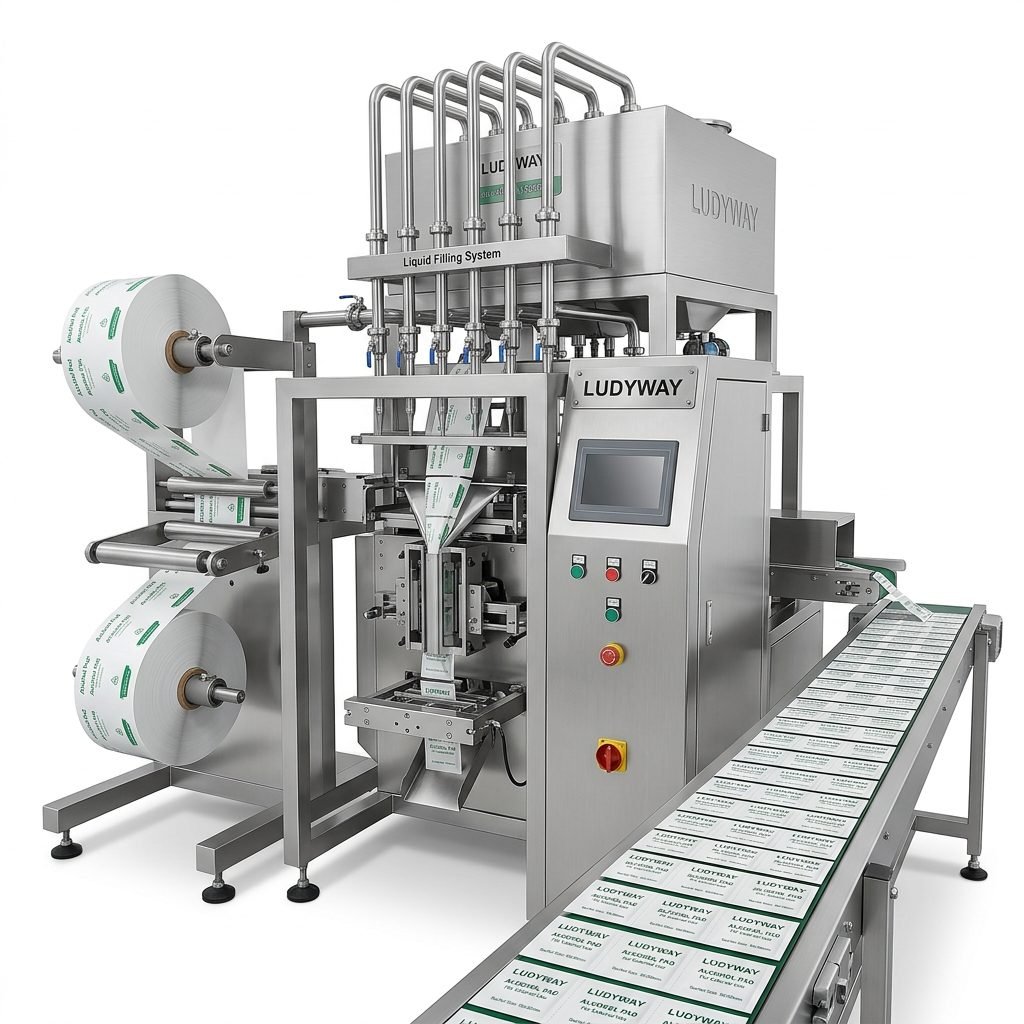
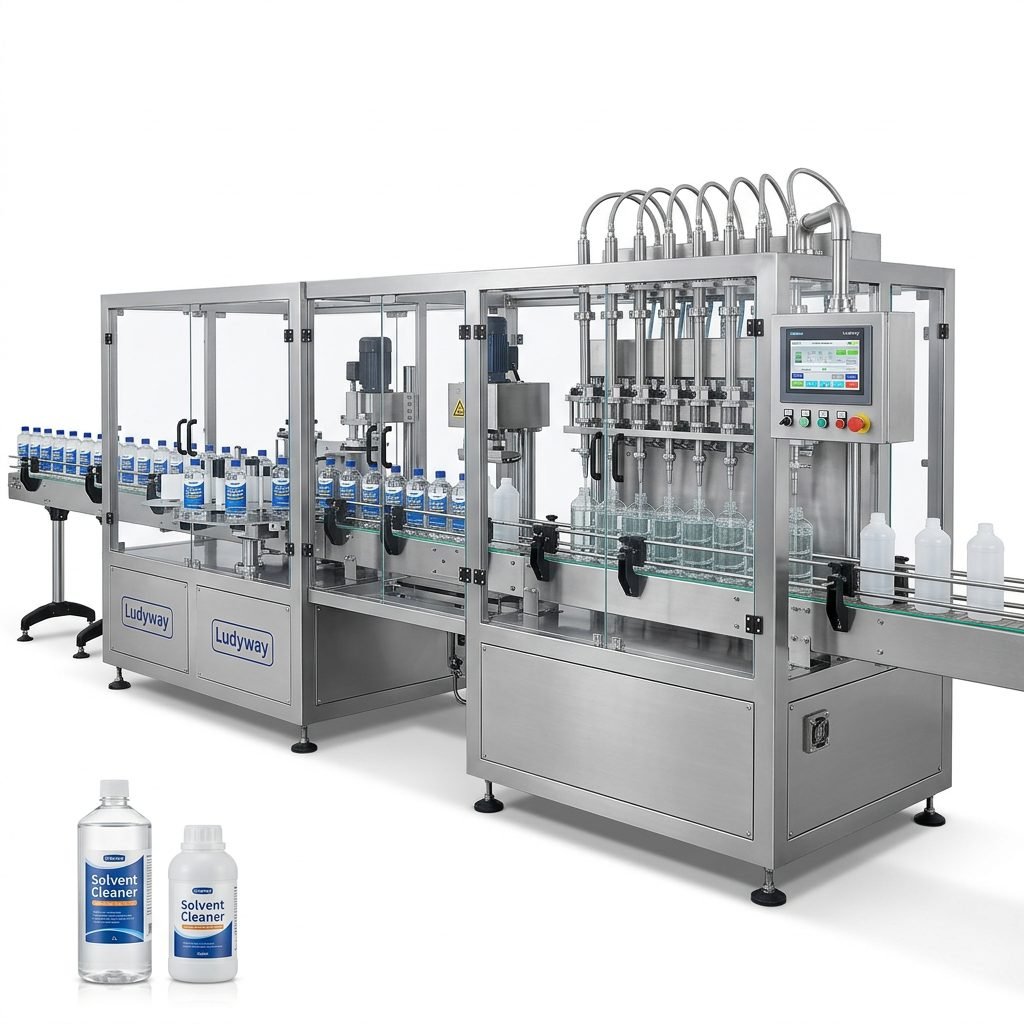
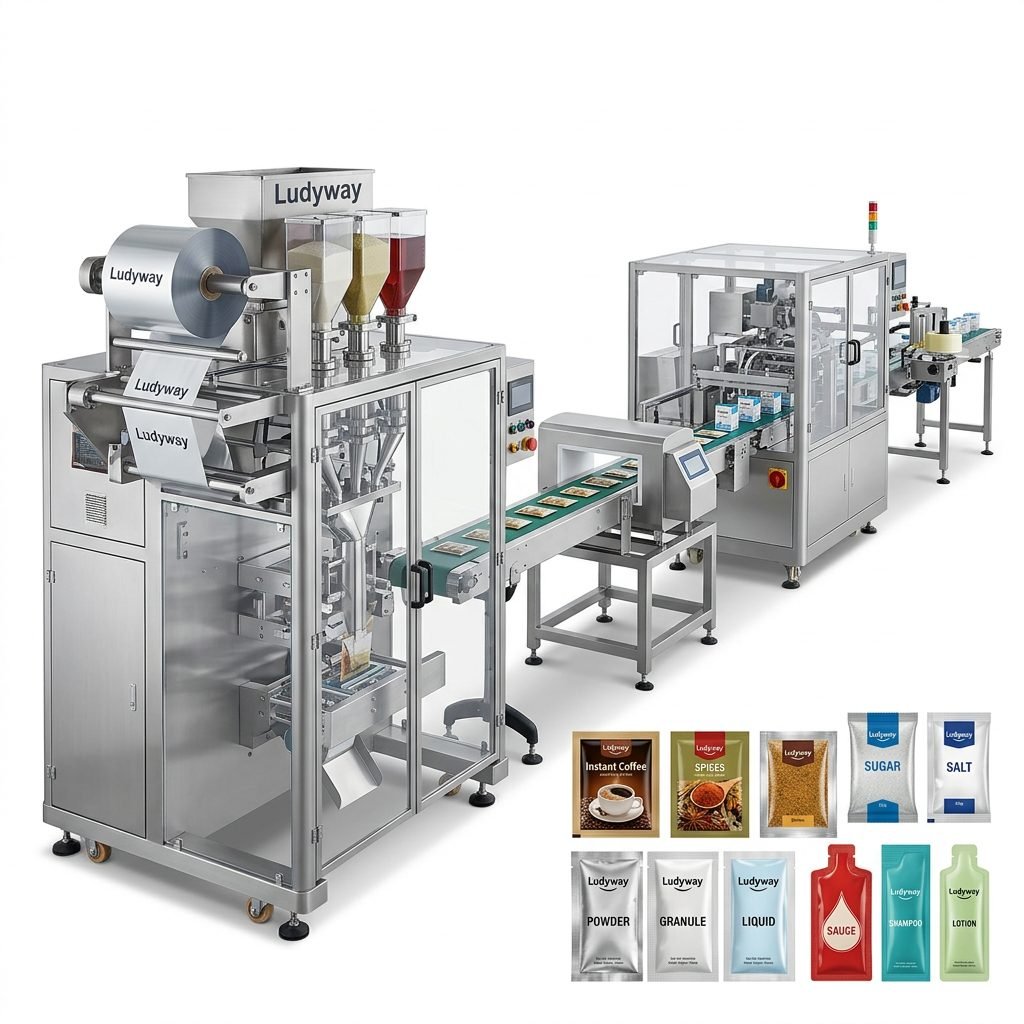
For brands looking to align sustainability with automation, working with experienced equipment suppliers becomes a strategic choice. Ludyway packaging machine manufacturer supports global customers with automated packaging machinery and turnkey packaging line solutions designed for food, pharmaceutical, health supplement, and related industries where precision, consistency, and packaging adaptability matter.
Which industries will benefit the most
While nearly every sector is affected, some industries will see green packaging become especially important in 2026 because of regulation, consumer sensitivity, and packaging volume.
Food and beverage
Food brands face strong pressure to cut waste without sacrificing freshness, shelf life, or convenience. Single-serve sachets, stick packs, pouches, and flexible films will continue to evolve toward material reduction and improved recyclability.
Pharmaceutical and health products
In regulated sectors, green packaging must balance compliance, barrier performance, traceability, and safety. The competitive edge will come from solutions that reduce excess material while maintaining strict packaging integrity.
Cosmetics and personal care
Beauty and care brands are under strong consumer scrutiny. Refill concepts, lower-plastic packaging, and sleek minimal designs can directly influence purchase decisions, especially in premium and wellness-oriented segments.
Household and chemical products
Concentrated formulas and refill packaging are reshaping how detergents, cleaners, and treatment products are sold. Here, green packaging can become both a cost-saving and loyalty-building asset.
The new definition of premium packaging
In 2026, premium packaging will not mean excessive packaging. Instead, it will mean thoughtful packaging: less waste, stronger functionality, better information, and more intelligent use of materials. Brands that understand this shift will stand out.
New premium signals include:
- Minimal but purposeful design
- Visible recyclability cues
- High-quality seals and clean pack finishing
- Convenient dispensing and reseal features
- Responsible use of material without reducing performance
This means sustainable packaging is no longer the opposite of premium branding. It is increasingly part of it.
How leading brands are preparing now
The strongest brands are not waiting for 2026 to begin. They are already reviewing packaging portfolios SKU by SKU, testing alternative materials, redesigning pack structures, and upgrading machinery to support more flexible and efficient production.
| Action for 2026 Readiness | Why It Matters |
|---|---|
| Audit current packaging waste and material complexity | Reveals quick wins and high-cost inefficiencies |
| Test recyclable and downgauged packaging formats | Builds future-proof packaging flexibility |
| Upgrade automation and sealing precision | Supports stable production with new materials |
| Align sustainability with marketing claims | Improves credibility and avoids greenwashing risk |
| Coordinate packaging, procurement, and logistics teams | Ensures savings are captured across the entire supply chain |
What will separate winners from followers
The winners in 2026 will not simply have “greener” packs. They will have packaging systems that connect sustainability with operations, product quality, and consumer value. They will treat packaging as a strategic asset rather than a downstream necessity.
Brands that lead will typically do four things well:
- Design for recovery by choosing more realistic end-of-life packaging pathways.
- Invest in adaptable automation to make sustainable formats commercially viable.
- Communicate clearly so customers understand the value without confusion.
- Measure performance in cost, waste, transport efficiency, and customer response.
Outlook for 2026 and beyond
Green packaging is becoming one of the clearest examples of how sustainability and competitiveness can reinforce each other. As regulations tighten and buyers become more selective, packaging will influence not only environmental reporting but also market share, retailer confidence, and customer retention.
By 2026, the question for brands will no longer be whether sustainable packaging is worth the effort. The real question will be how quickly they can turn it into a scalable, visible, and profitable advantage. In that environment, green packaging will not just support the brand—it will help define which brands lead their categories.