2026 is shaping up to be a pivotal year for digital twin adoption in packaging manufacturing. What was once viewed as an advanced engineering concept is rapidly becoming a practical operating tool for factories facing tighter delivery windows, labor pressure, energy costs, stricter compliance demands, and rising expectations for line flexibility.
Across food, pharmaceutical, health supplement, personal care, and chemical packaging, manufacturers are moving beyond isolated machine automation and toward connected production ecosystems. In that shift, digital twins are becoming one of the most valuable technologies for reducing commissioning risk, improving line performance, and accelerating smarter decisions on the factory floor.
What a digital twin means in a packaging factory
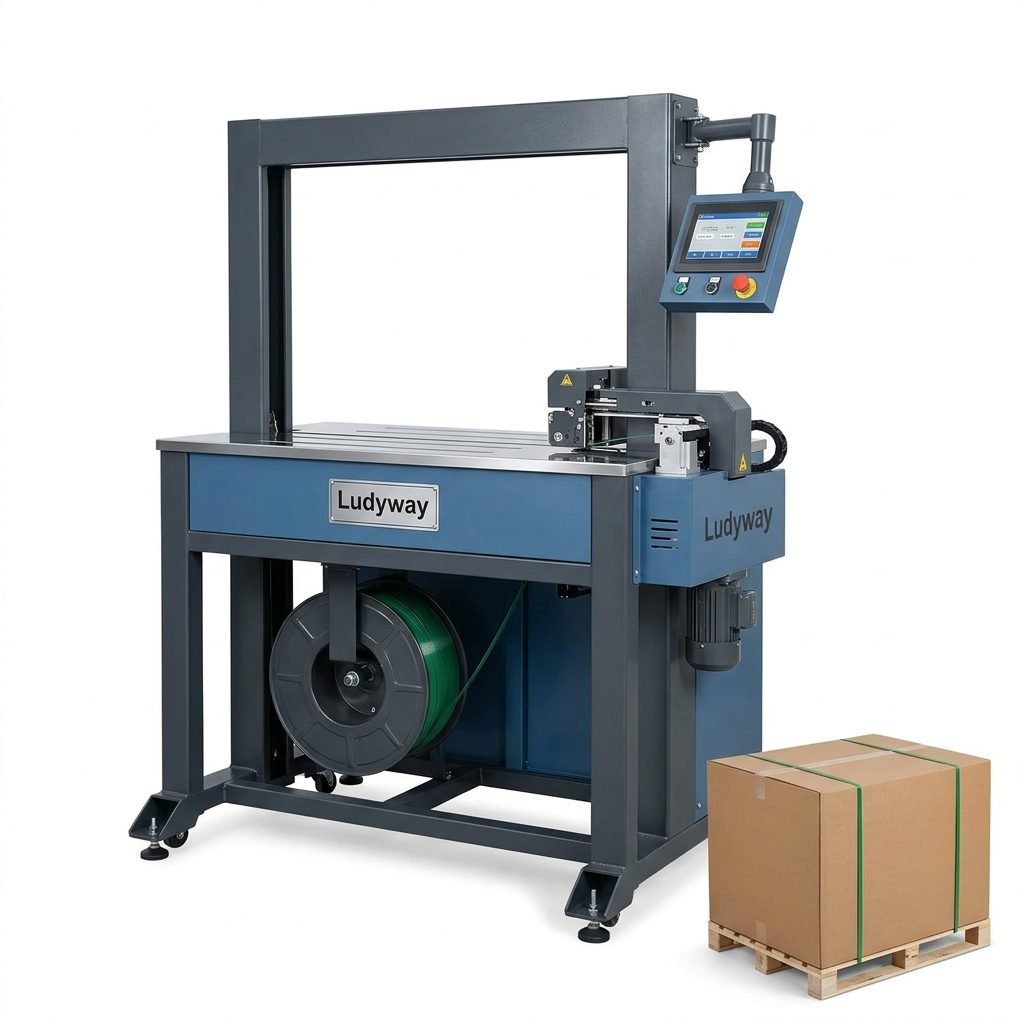
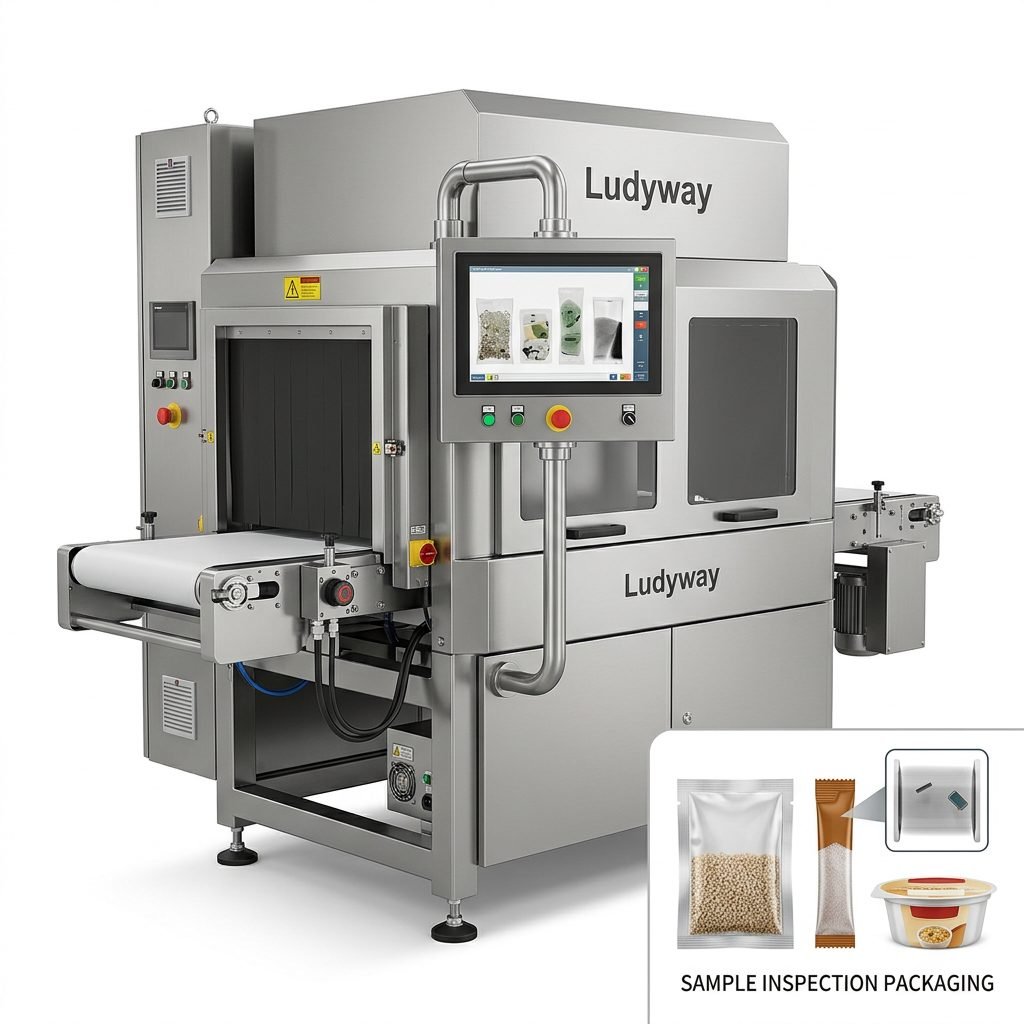
A digital twin is a virtual model of a physical production asset, machine, line, or even an entire factory. In packaging, this can include filling systems, sealing units, conveyors, cartoners, case packers, palletizers, quality inspection modules, material flow logic, and upstream or downstream integration points.
Unlike static 3D design files, digital twins are built to reflect real operating behavior. They can simulate throughput, format changeover, downtime patterns, material handling bottlenecks, maintenance intervals, sensor feedback, and production scheduling before changes are made in the real plant.
- Virtual commissioning before equipment installation
- Simulation of line speed, OEE, and bottlenecks
- Operator training in a risk-free environment
- Predictive maintenance and spare parts planning
- Continuous optimization through live production data
Why the packaging industry is reaching an inflection point in 2026
The packaging sector has always been equipment-intensive, but 2026 will likely mark a broader scaling phase for digital twins because multiple market pressures are now converging at the same time.
1. Faster product turnover is forcing more line flexibility
SKU proliferation continues to rise, especially in sachets, stick packs, pouches, bottles, and multi-format retail packaging. Food brands are launching smaller trial packs, nutraceutical brands are expanding function-specific products, and pharmaceutical manufacturers are under pressure to handle different packaging requirements with minimal downtime.
Digital twins help engineering and operations teams test changeovers, validate line layouts, and model throughput before introducing a new product. This reduces trial-and-error during actual production and helps plants move faster without sacrificing quality.
2. Greenfield and retrofit projects both need lower commissioning risk
As packaging investment grows, both new factories and existing plant upgrades must be implemented with less disruption. Traditional commissioning can consume valuable weeks due to debugging, line balancing, and integration issues between multiple machines and control systems.
With digital twin technology, packaging companies can validate logic and performance virtually before equipment arrives on site. That means fewer surprises during startup and a shorter path to stable output.
3. Labor shortages are changing plant economics
Many manufacturers are still facing shortages of experienced operators, maintenance staff, and automation engineers. Digital twins help close that gap by supporting remote diagnostics, simulation-based operator training, and better standardization of maintenance actions.
For companies running high-speed lines, especially in food and pharma packaging, these capabilities are no longer optional conveniences. They are becoming part of basic resilience planning.
4. Data visibility is finally becoming actionable
Packaging lines already generate large volumes of machine and production data. The challenge has been turning those signals into decisions. Digital twins create a structured layer where data can be interpreted against expected machine behavior, making it easier to detect drift, evaluate process changes, and forecast line outcomes.
5. ROI is becoming easier to justify
Earlier digital twin projects were often limited to large multinational manufacturers with bigger budgets and dedicated digital engineering teams. In 2026, tools are becoming more accessible, implementation methods are improving, and the cost of poor line performance is much easier to quantify.
| Key Pressure | Impact on Packaging Plants | Digital Twin Response |
|---|---|---|
| Shorter product cycles | Frequent changeovers and validation demands | Simulate new formats before production |
| Rising downtime costs | Lost output and delayed shipments | Predictive diagnostics and fault analysis |
| Complex line integration | Bottlenecks across filling, sealing, cartoning, palletizing | Virtual commissioning and throughput modeling |
| Workforce gaps | Longer troubleshooting and training cycles | Simulation-based training and guided support |
| Compliance and traceability | Higher audit and validation pressure | Better process visibility and change tracking |
Where digital twins will create the fastest value in packaging
Not every plant will begin with a full-factory digital twin. In most cases, adoption will scale first in high-impact areas where packaging companies can see measurable returns.
Virtual line design and layout optimization
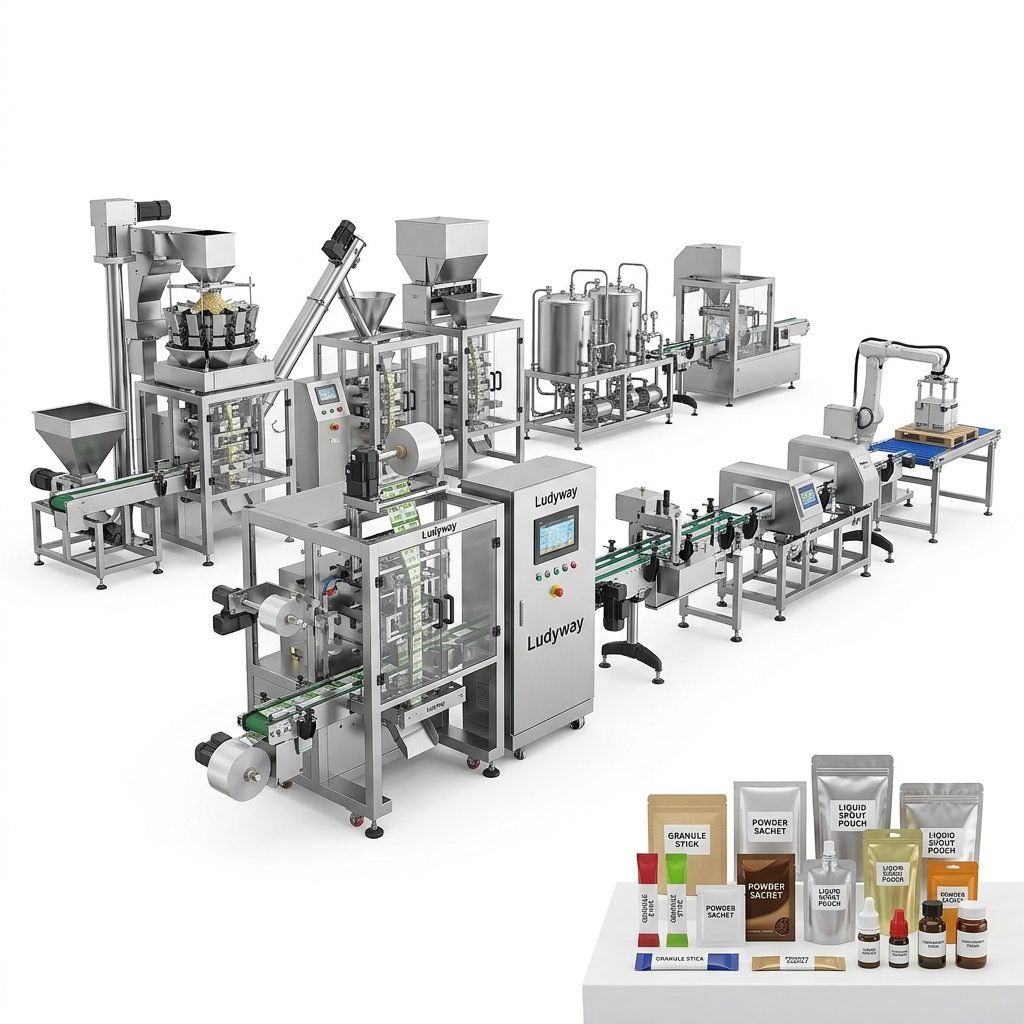
Before purchasing or relocating equipment, manufacturers can test material flow, operator access, maintenance space, and line balancing. This is especially valuable for turnkey packaging lines where multiple machine modules must work as a synchronized system.
High-speed sachet and stick pack operations
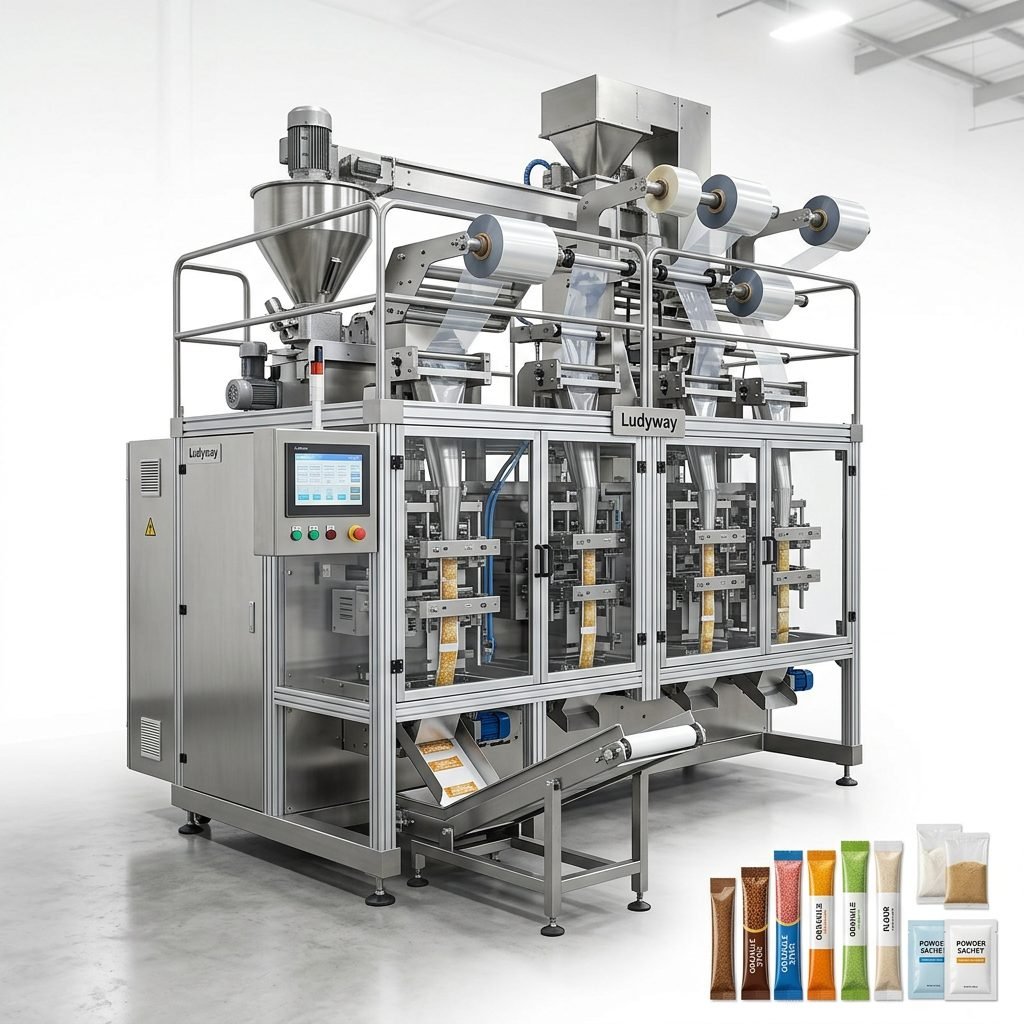
Multi-lane packaging systems often require precise coordination between feeding, dosing, sealing, coding, counting, and secondary packaging. A digital twin allows teams to analyze speed losses, synchronization issues, and reject causes without interrupting production.
Predictive maintenance for critical assets
Sealing jaws, dosing systems, servo drives, vision modules, and conveyor subsystems can be monitored against digital performance models. That supports maintenance scheduling based on actual wear patterns rather than fixed intervals alone.
Operator onboarding and process standardization
For factories with frequent staff rotation or expansion into new shifts, digital twins can support standardized training scenarios. Operators can learn startup, fault handling, and changeover procedures in a virtual environment before touching live equipment.
Why turnkey line suppliers will play a major role
Digital twin adoption in packaging will not depend only on software vendors. Equipment builders and turnkey line manufacturers will play an increasingly central role because they understand how real packaging machinery behaves under production conditions.
Suppliers with broad machine portfolios and line integration experience are in a stronger position to support digital modeling from the beginning of a project. This is especially true for companies serving industries with demanding packaging requirements such as food powders, granules, liquids, pharmaceutical sachets, supplements, and pouch-based products.
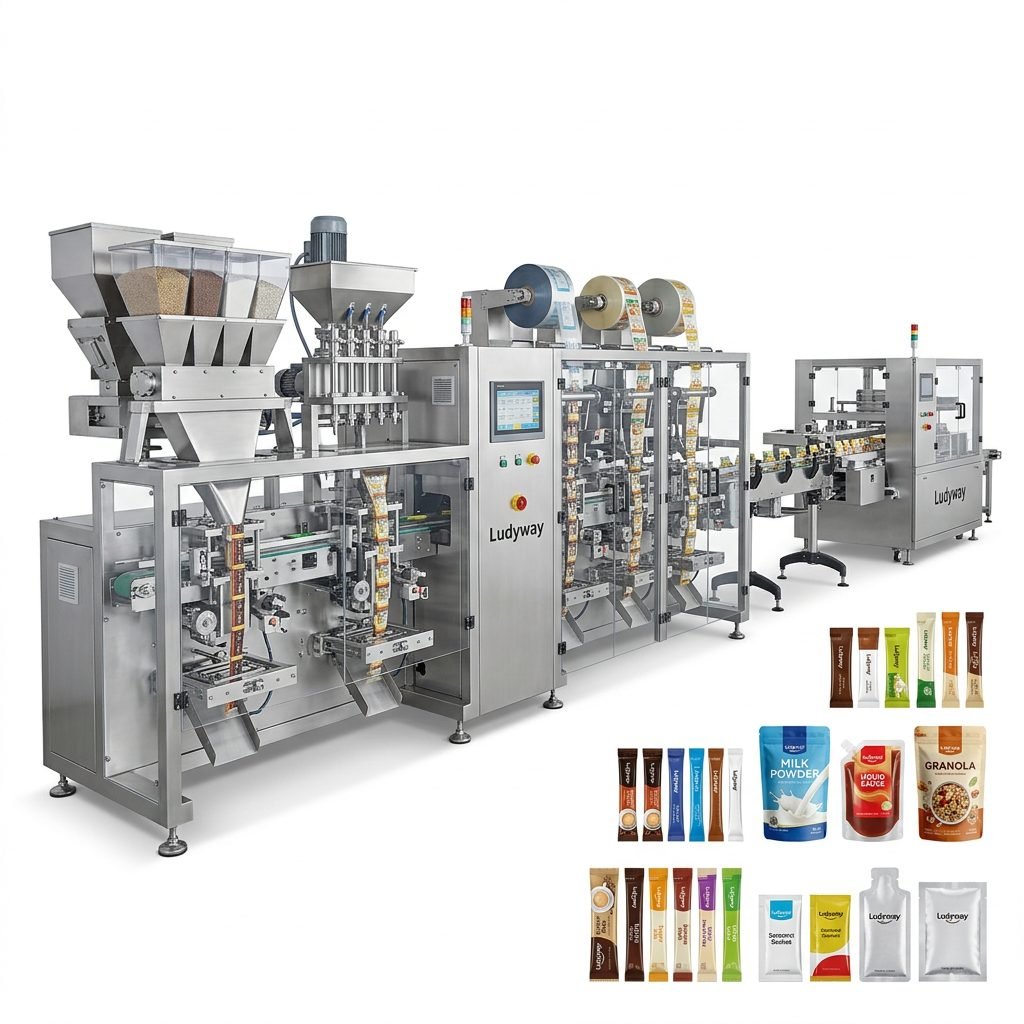
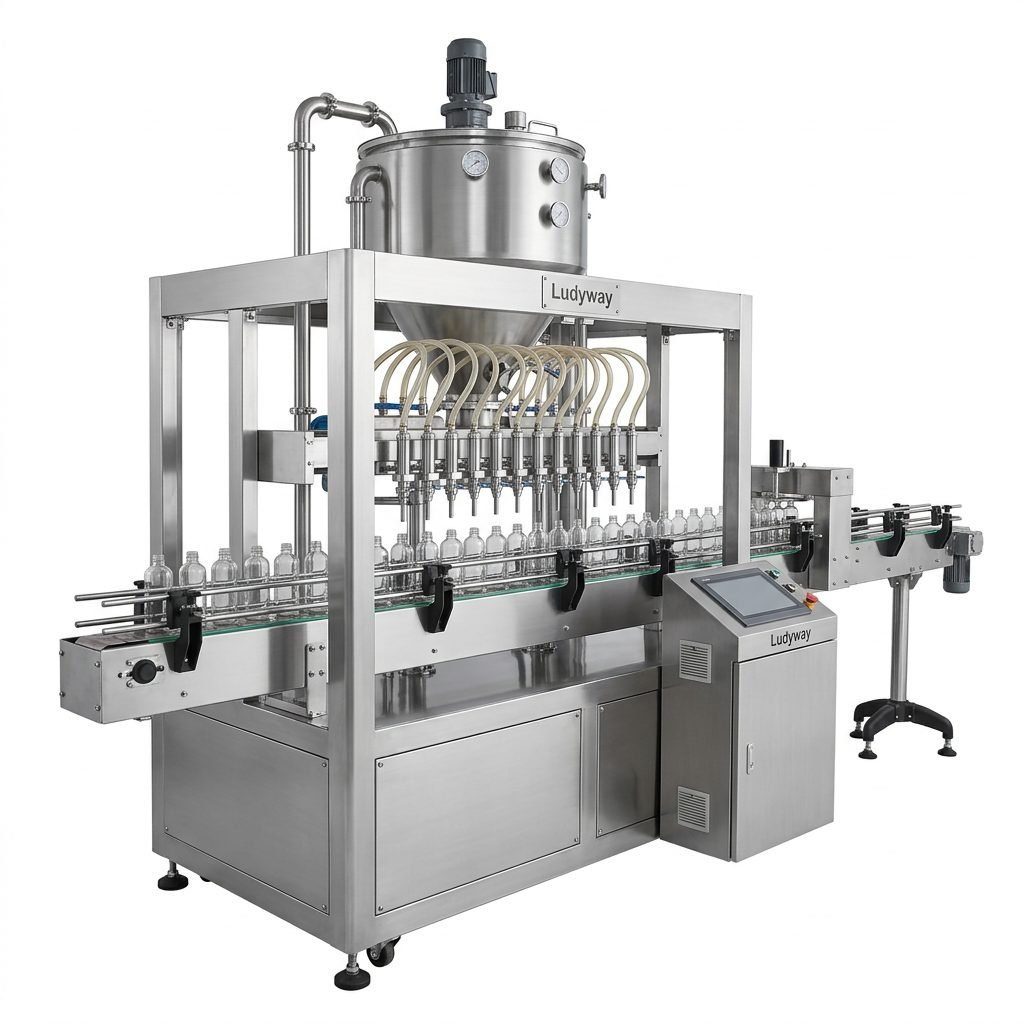
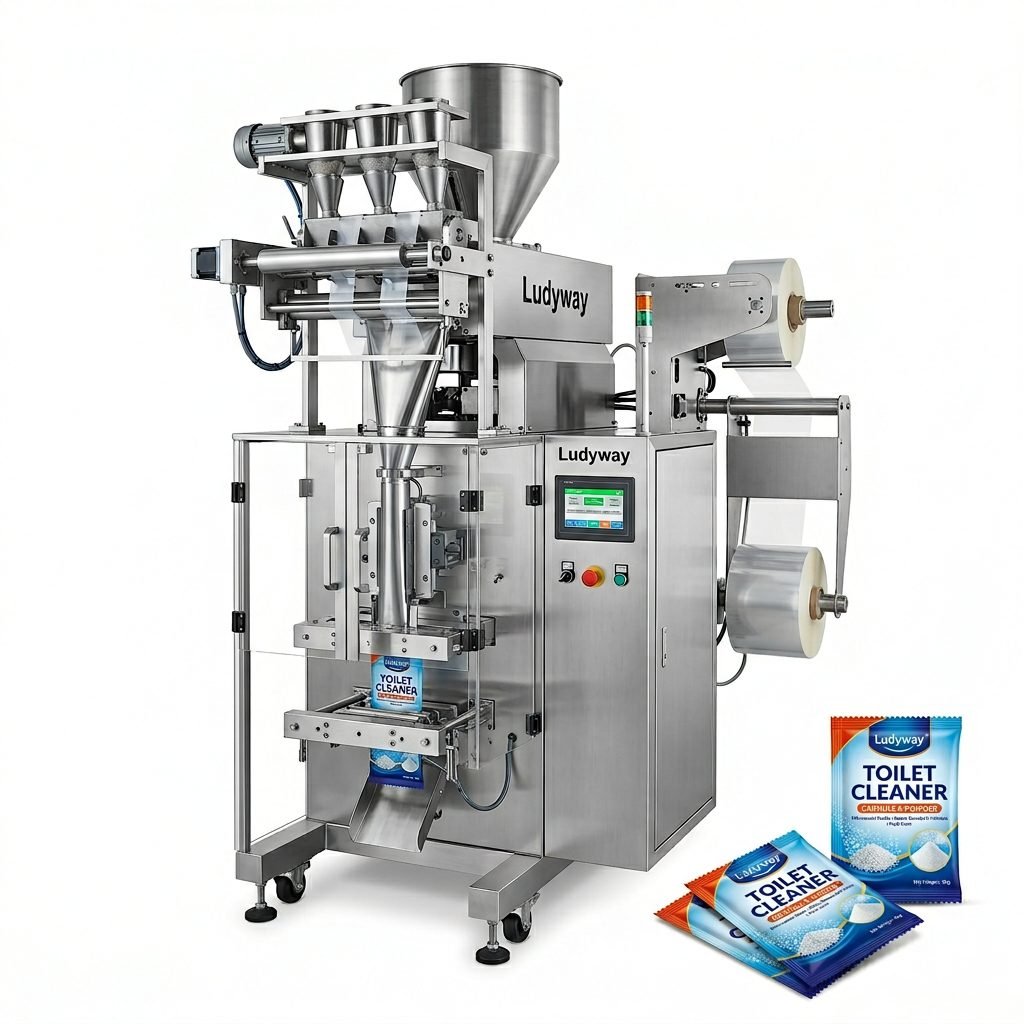
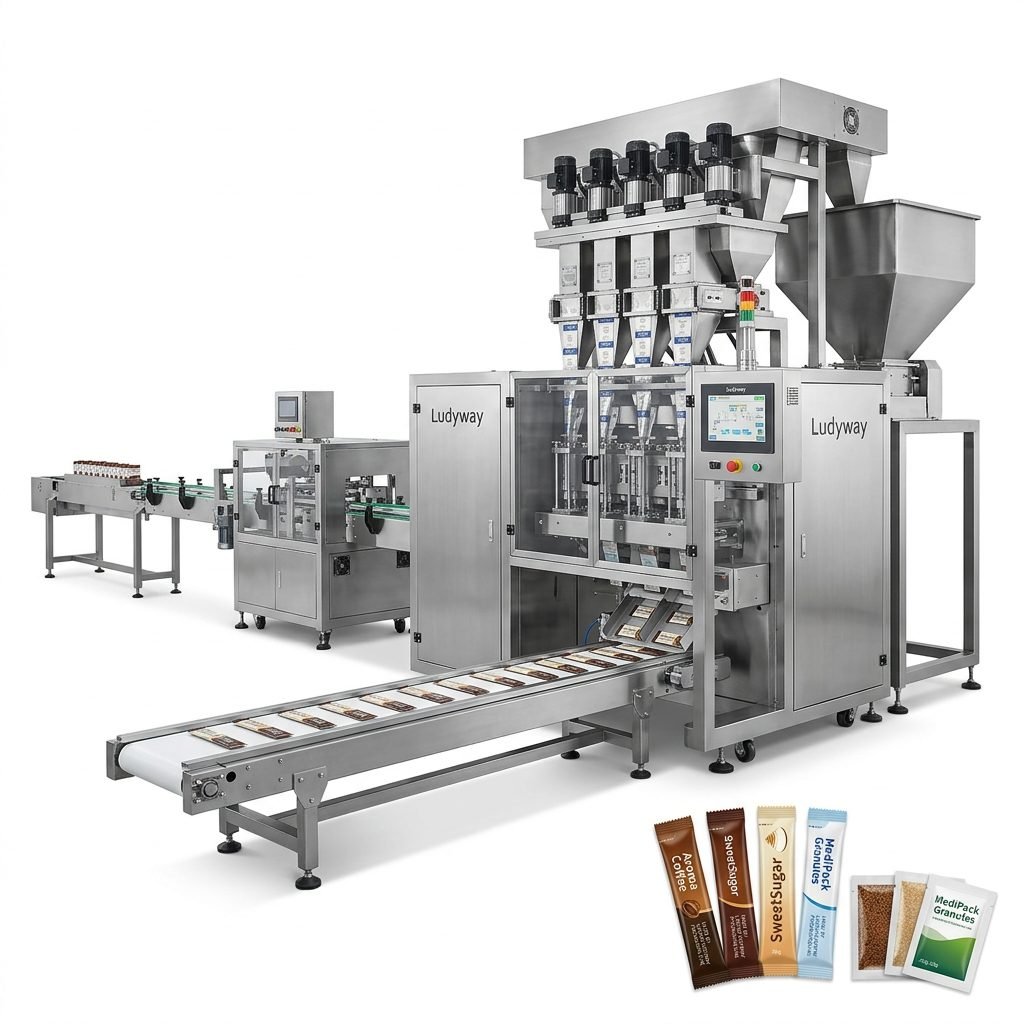
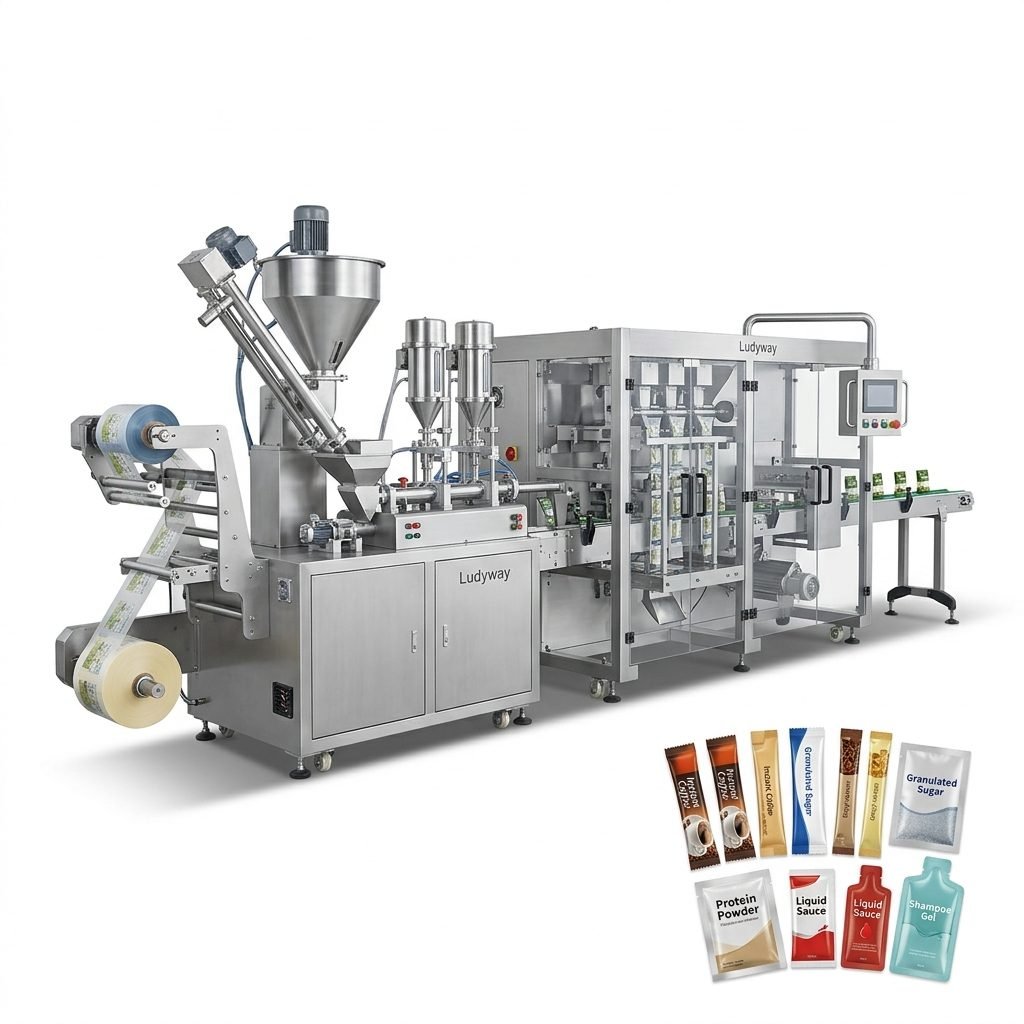
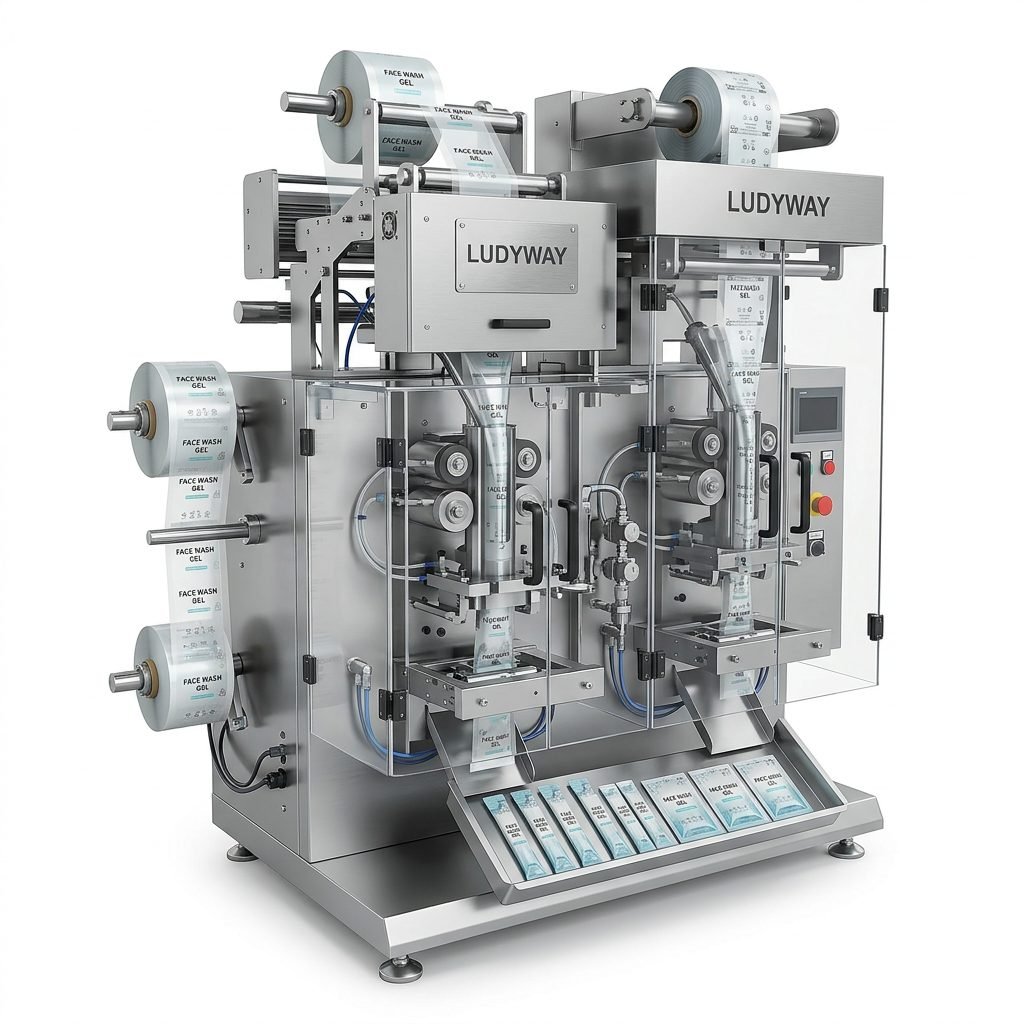
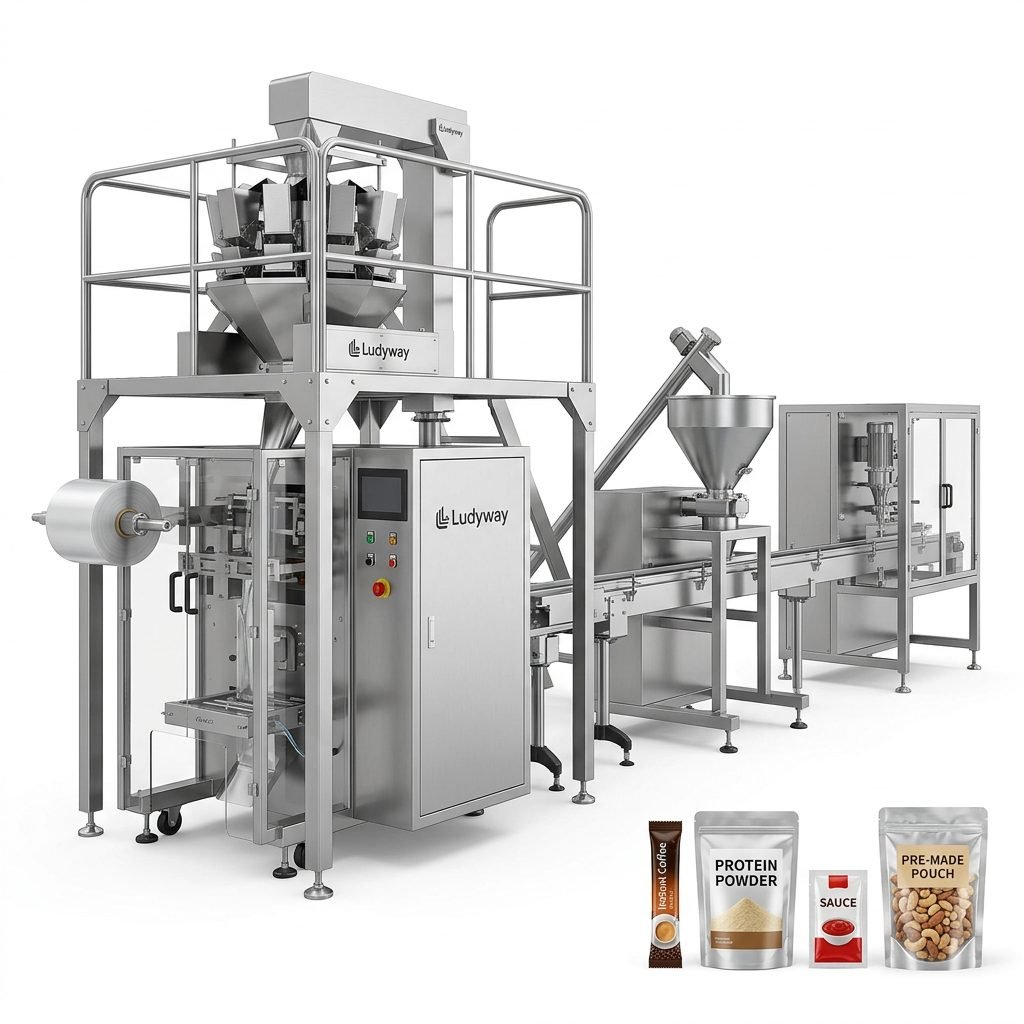
For example, Ludyway packaging machine manufacturer is positioned in a market segment where scalable automation, integrated packaging lines, and application-based customization are becoming more important to buyers evaluating future-ready production systems.
What buyers will look for in 2026
As more packaging companies evaluate digital twin readiness, purchasing criteria are shifting. Buyers are no longer focused only on machine speed and price. They are also asking whether a line can support long-term visibility, remote service, integration, and data-driven optimization.
- Compatibility with automation platforms used across the plant
- Availability of machine data for monitoring and simulation
- Turnkey integration capability across primary and secondary packaging
- Support for remote diagnostics and lifecycle service
- Scalability for future product formats and capacity expansion
Industries most likely to accelerate first
Although digital twins will spread across the broader packaging market, some sectors are positioned to scale more quickly due to stricter quality, stronger automation investment, and more complex packaging demands.
| Industry Segment | Why Adoption Will Accelerate |
|---|---|
| Food & beverage | High SKU turnover, strict shelf-life control, fast retail response |
| Pharmaceutical | Validation requirements, compliance pressure, traceability needs |
| Nutraceutical & health supplement | Rapid product launches, multi-format packaging, high quality sensitivity |
| Personal care & cosmetics | Frequent packaging innovation and demand for flexible lines |
| Chemical packaging | Safety, dosing accuracy, and efficiency in batch-driven production |
Barriers still exist, but they are weakening
Adoption will not be frictionless. Some manufacturers still face challenges around legacy equipment, fragmented control systems, limited internal engineering resources, and uncertainty about implementation strategy.
However, these barriers are weakening because the market is maturing. More packaging OEMs are offering connected machine architectures. More plants are investing in MES, SCADA, and condition monitoring layers. And more decision-makers are viewing digitalization as a productivity requirement rather than a future experiment.
The biggest shift is mindset: digital twins are moving from “nice to have” innovation projects to practical tools for improving throughput, reducing waste, and protecting capital investment.
The 2026 outlook
Digital twin factories will scale rapidly across the packaging industry in 2026 because the business case is becoming clearer, the technology is more usable, and the operational need is stronger than ever. Packaging manufacturers need to launch faster, run leaner, train quicker, and solve problems before they interrupt output. Digital twins directly support all four goals.
The companies that move early are likely to gain more than efficiency alone. They will also build stronger commissioning discipline, better cross-functional decision-making, and greater flexibility for future packaging formats. In a market where responsiveness increasingly defines competitiveness, that advantage may prove decisive.