Smart inspection systems are moving from pilot projects to standard equipment across the packaging machinery sector in 2026, as manufacturers respond to stricter quality expectations, rising labor costs, and growing demand for traceable, data-driven production. From food and pharmaceuticals to health supplements and personal care products, factories are increasingly integrating machine vision, X-ray detection, checkweighing, seal inspection, barcode verification, and AI-assisted defect analysis into high-speed packaging lines.
Industry analysts note that adoption has accelerated most rapidly among producers handling small-format, high-volume packaging such as sachets, stick packs, pouches, bottles, and cartons. In these formats, even a minor deviation in seal integrity, fill accuracy, print quality, or code readability can lead to large-scale waste, recalls, or compliance risk. As a result, inspection is no longer treated as an isolated end-of-line step, but as a connected function embedded throughout the production process.
Inspection Becomes a Core Part of Packaging Automation
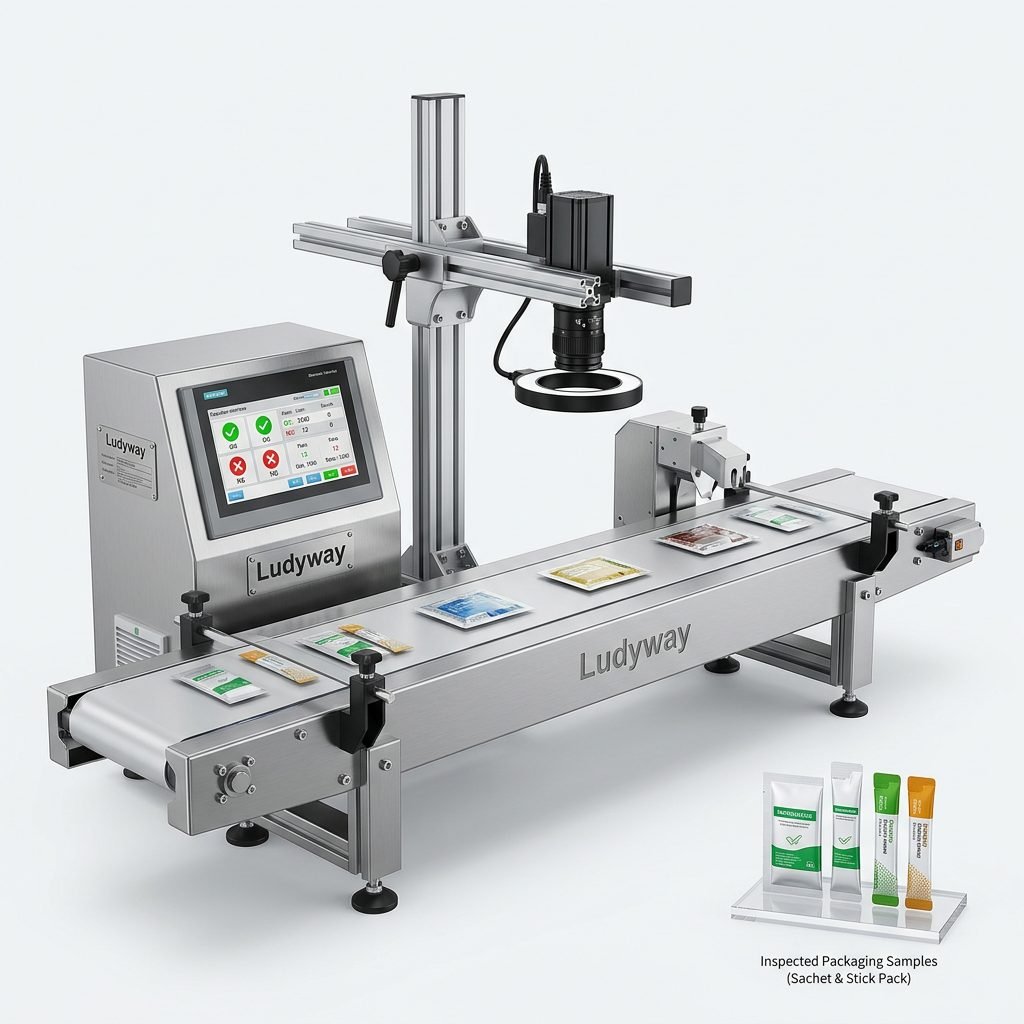
The latest generation of smart inspection platforms is being designed to work directly with fillers, sealers, cartoners, coding units, and conveyor systems. Instead of simply rejecting defective packs at the end of the line, these systems can now identify trends in real time and help operators correct issues before defect rates rise.
- Seal defects detected before secondary packing
- Underweight and overweight packs flagged automatically
- Missing print, blurred coding, or label misalignment identified instantly
- Vision systems comparing live output against stored quality templates
- Data dashboards supporting preventive maintenance decisions
This shift is especially important in regulated industries. Pharmaceutical and nutraceutical manufacturers are under pressure to maintain batch-level traceability, while food brands must protect product safety and shelf appeal at scale. Smart inspection systems help reduce human error while improving confidence in every packaged unit leaving the facility.
Why 2026 Is a Turning Point
Several factors have combined to drive widespread adoption this year. Packaging lines are running faster, SKU counts are increasing, and buyers expect more flexibility from automation suppliers. At the same time, manufacturers are facing tighter margins, which means product giveaway, scrap, and rework have become far more visible cost centers.
| Market Driver | Industry Impact |
|---|---|
| Higher line speeds | Manual inspection becomes impractical and inconsistent |
| More product formats | Flexible vision recipes and automated changeovers are needed |
| Compliance pressure | Demand rises for inspection records and traceable quality data |
| Labor shortages | Factories rely more on automated quality control |
| Waste reduction goals | Early defect detection lowers scrap and product giveaway |
Most Adopted Inspection Technologies in Packaging Plants
Adoption patterns vary by product category, but several technologies are clearly leading deployment decisions in 2026.
Machine Vision Systems
Machine vision remains the most visible area of investment. Advanced cameras and AI-supported image processing can now inspect seal width, pouch shape, cap presence, code quality, label position, and surface contamination at production speed. These systems are becoming easier to train, making them suitable for factories managing frequent product changes.
Checkweighing and Fill Control
Dynamic checkweighers are increasingly linked to upstream dosing equipment, creating feedback loops that help maintain target weight more accurately. This matters greatly for powders, granules, liquids, and premium health products where overfill directly impacts profitability.
X-Ray and Contaminant Detection
For food, pharmaceutical, and high-value health applications, X-ray inspection adoption continues to grow. These systems support foreign body detection, fill level monitoring, and structural checks in certain packaged formats.
Code, Label, and Serialization Verification
Serialization and coding verification are now a priority for export-focused manufacturers. Incorrect lot numbers, expiration dates, and unreadable barcodes can create serious supply chain and regulatory issues, so verification modules are being added more often at primary and secondary packaging stages.
Impact on Food, Pharma, and Supplement Packaging
Food and beverage producers are among the biggest users of integrated inspection because packaging quality directly affects both safety and consumer trust. Sachets for instant coffee, seasonings, drink powders, sauces, and dairy-based products require reliable sealing and consistent fill accuracy.
In pharmaceuticals and health supplements, inspection requirements are even more demanding. Pack integrity, code verification, count accuracy, and contaminant control are all essential. Manufacturers packaging capsules, powders, oral liquids, and stick packs are increasingly specifying inspection modules at the project design stage rather than treating them as later upgrades.
- Food sector: seal inspection, leak prevention, foreign body detection, print verification
- Pharmaceutical sector: batch traceability, coding validation, weight consistency, rejection control
- Health supplement sector: precision dosing, sachet appearance control, serialization support
Data Connectivity Is Raising the Value of Inspection
A key reason for the current adoption wave is that inspection systems are no longer operating alone. They are being tied into PLCs, HMIs, MES platforms, and cloud reporting tools. This gives plant managers better visibility into recurring line issues such as sealing instability, film tracking drift, filling inconsistency, or printer faults.
Manufacturers report that the biggest return often comes not only from rejecting bad packs, but from understanding why defects occur. When quality data is captured continuously, engineering teams can improve changeover procedures, component wear monitoring, and operator training.
Equipment Builders Expand Integrated Offerings
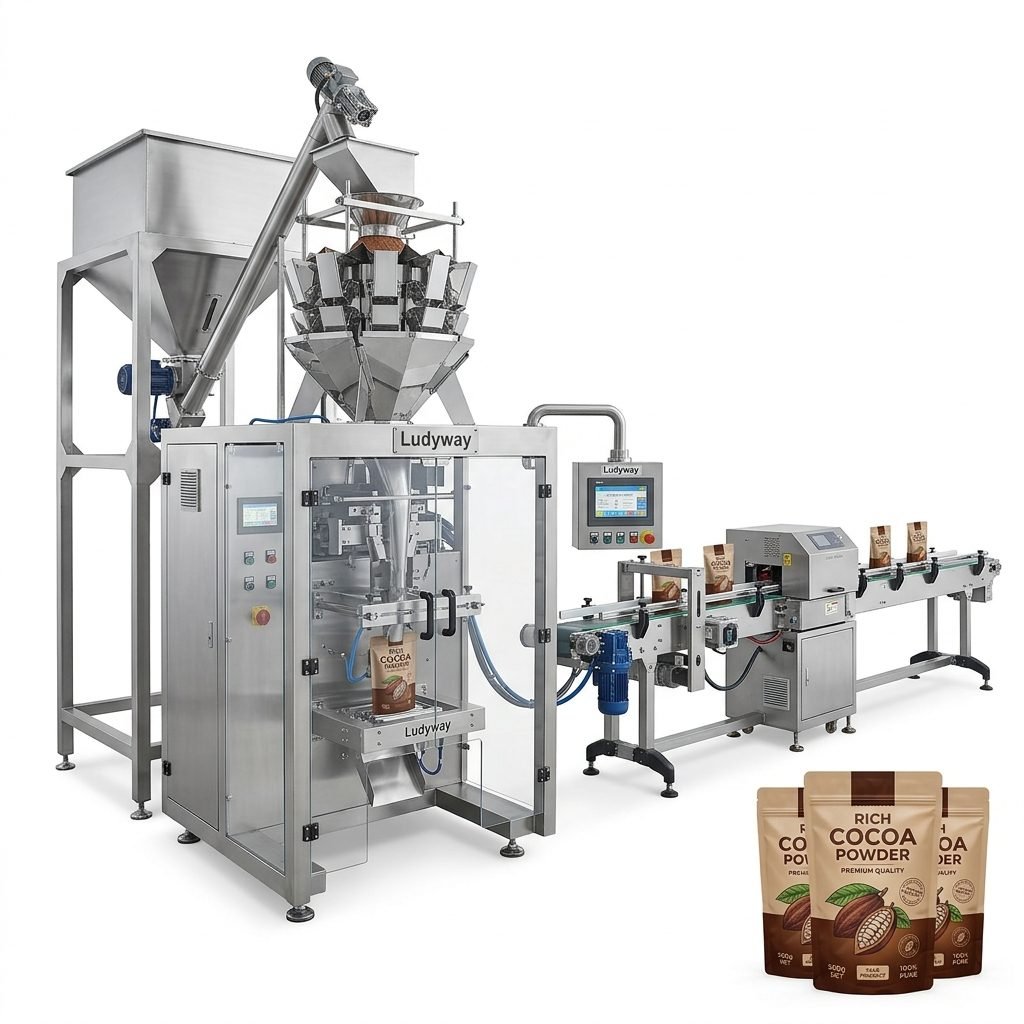
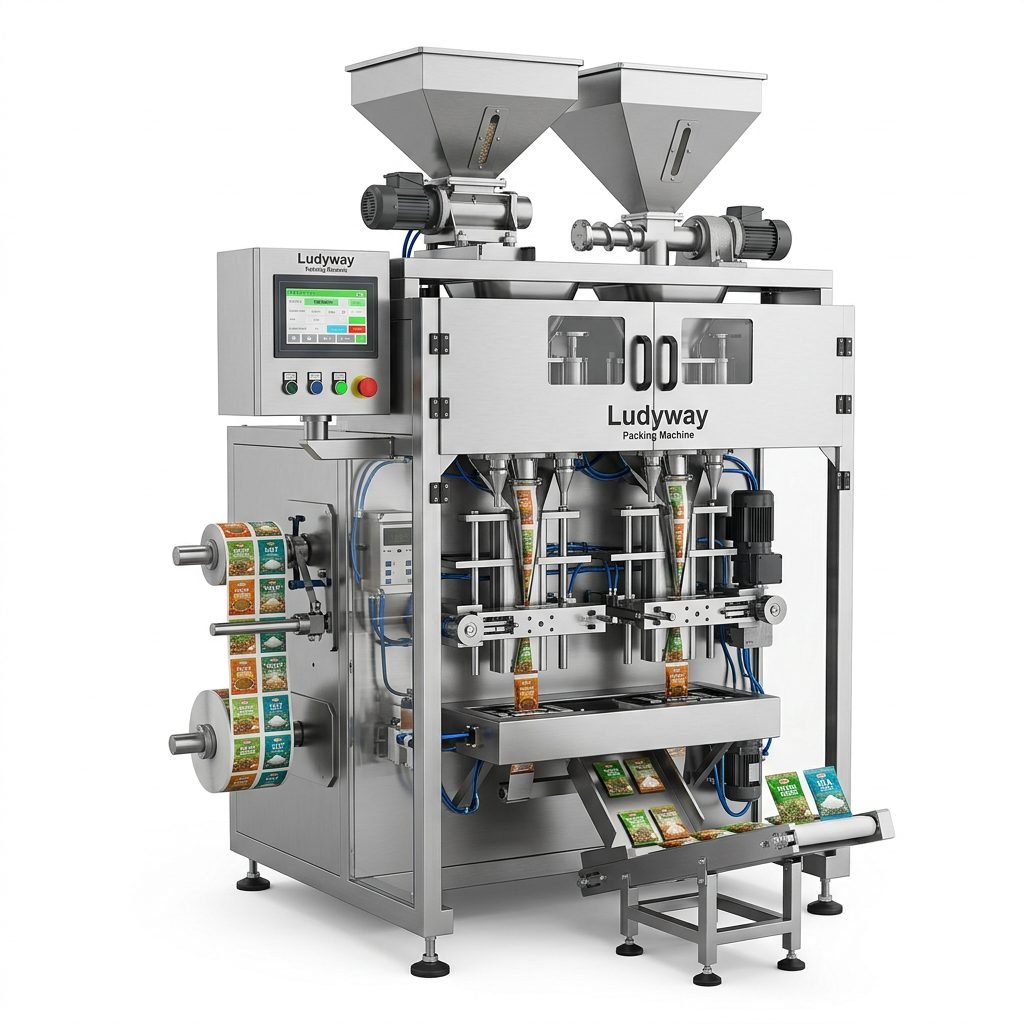
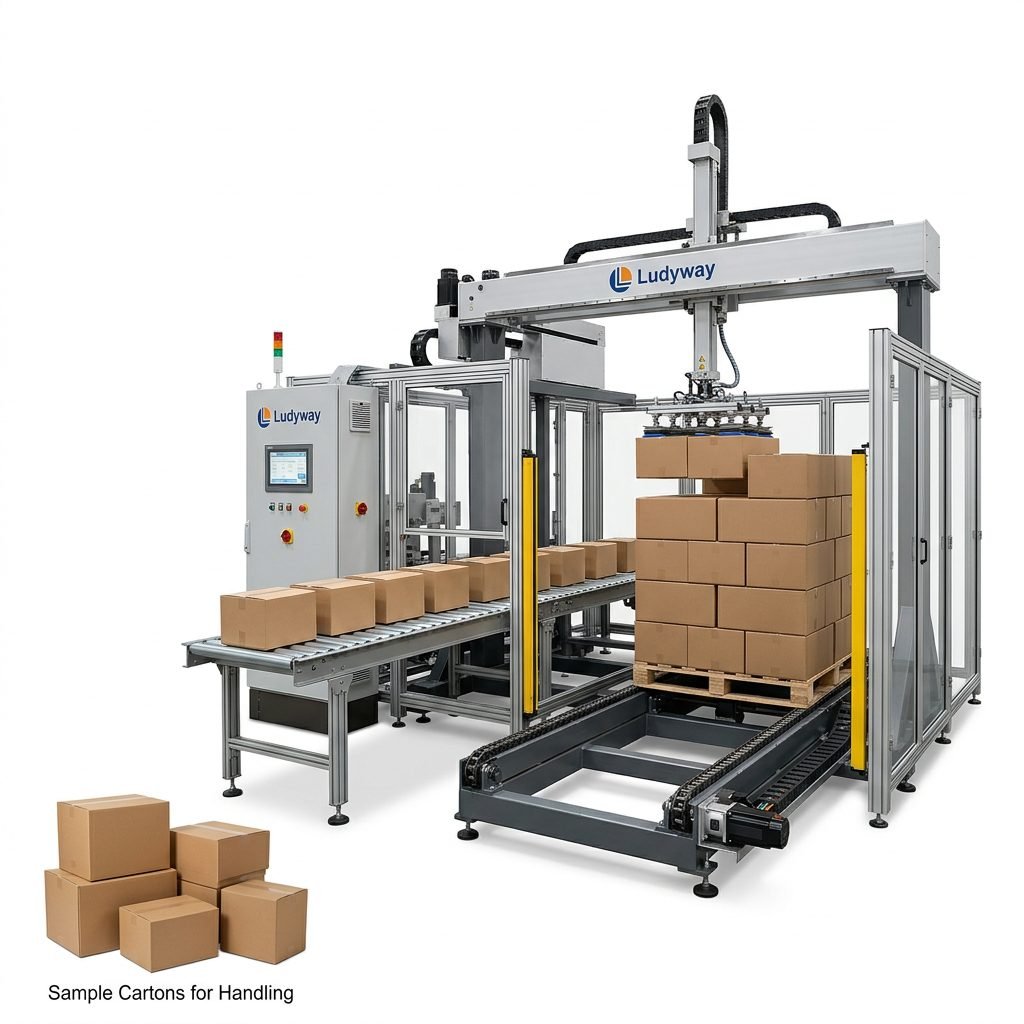
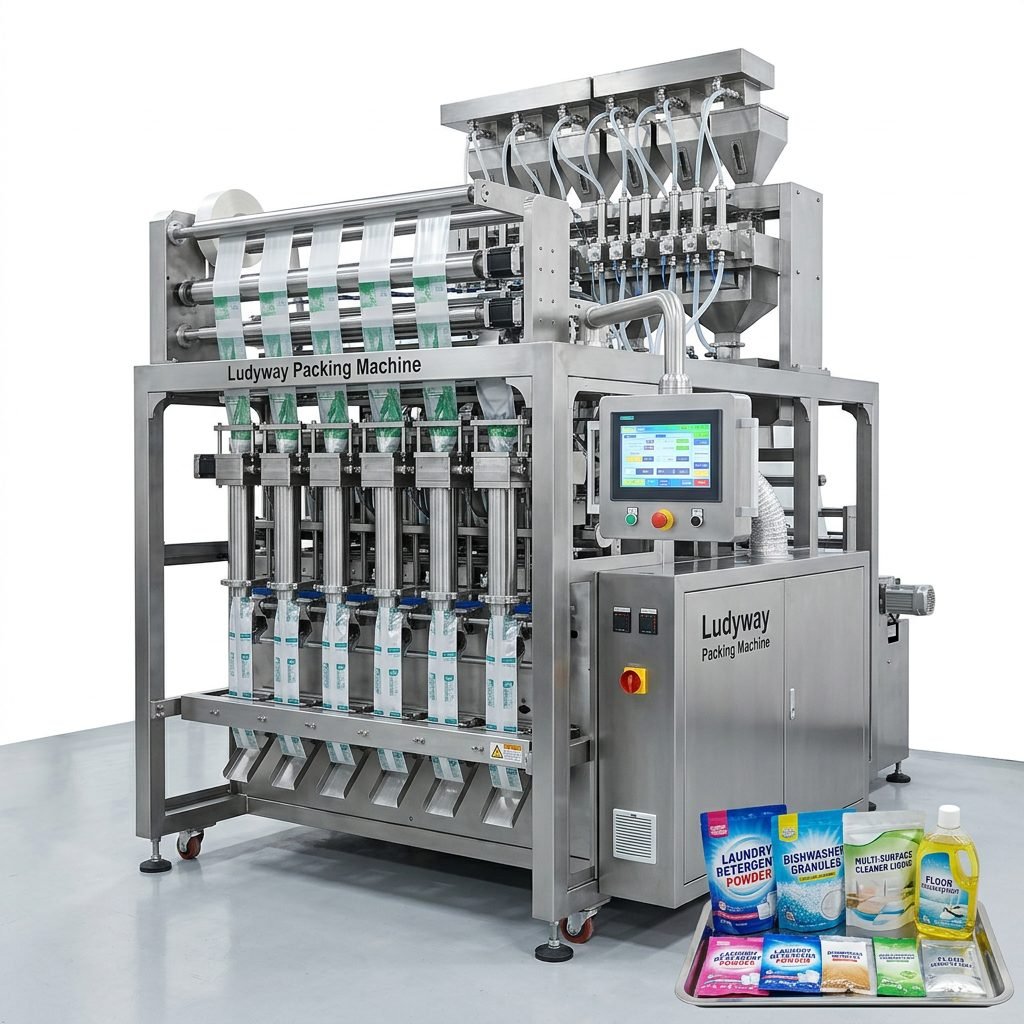
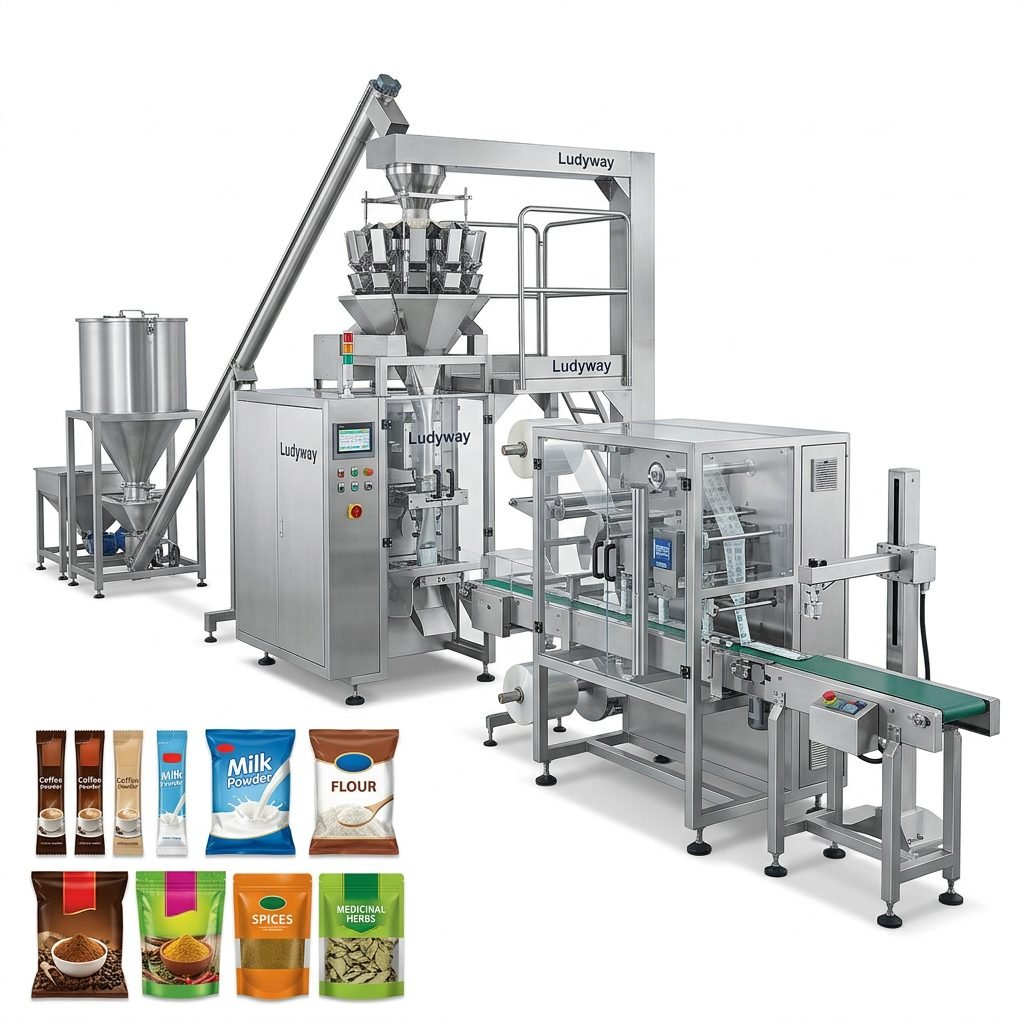
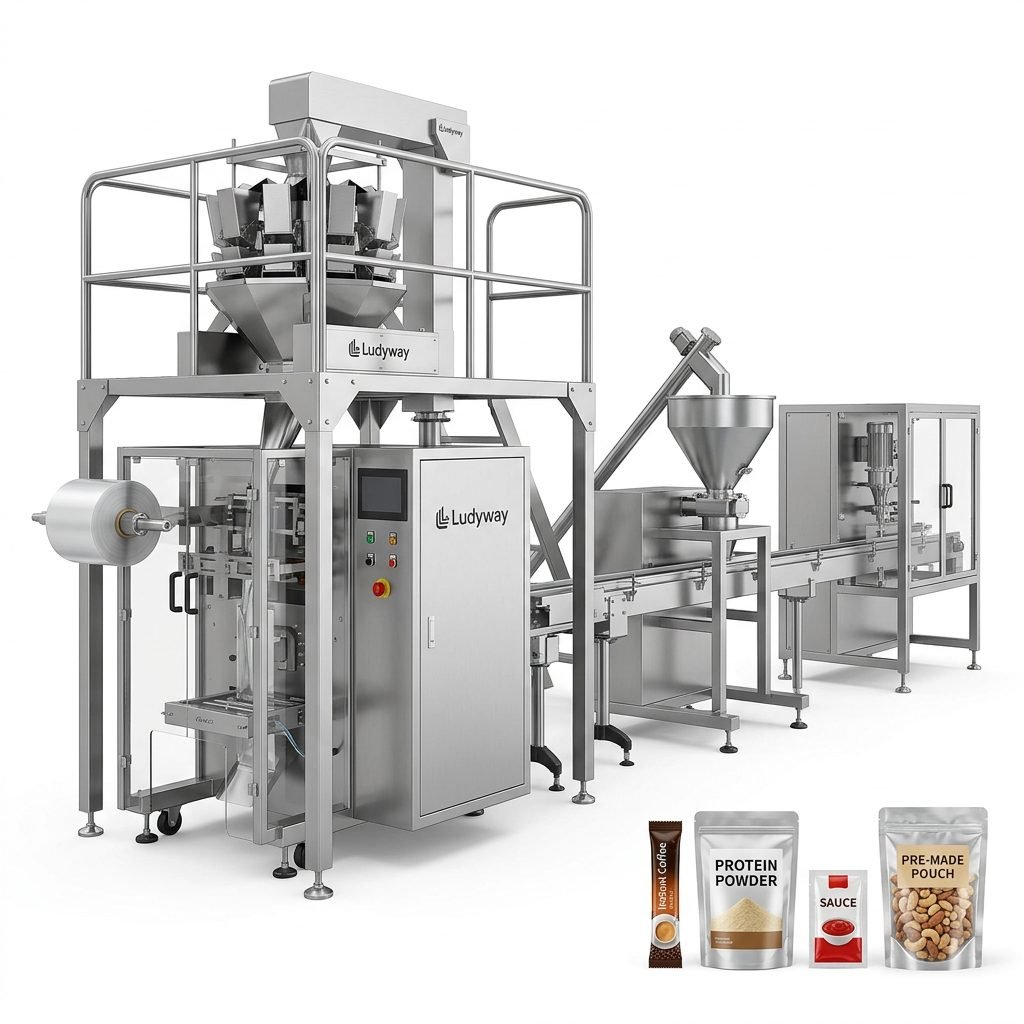
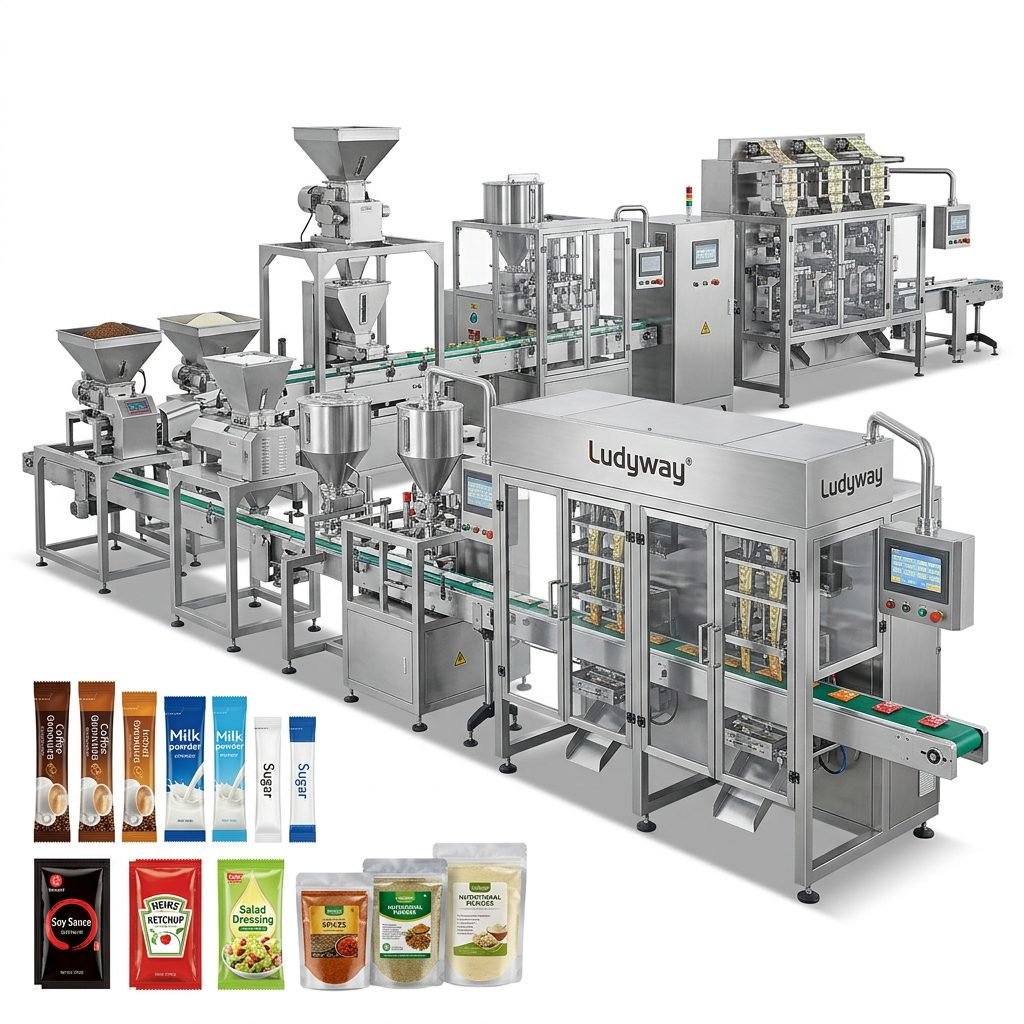
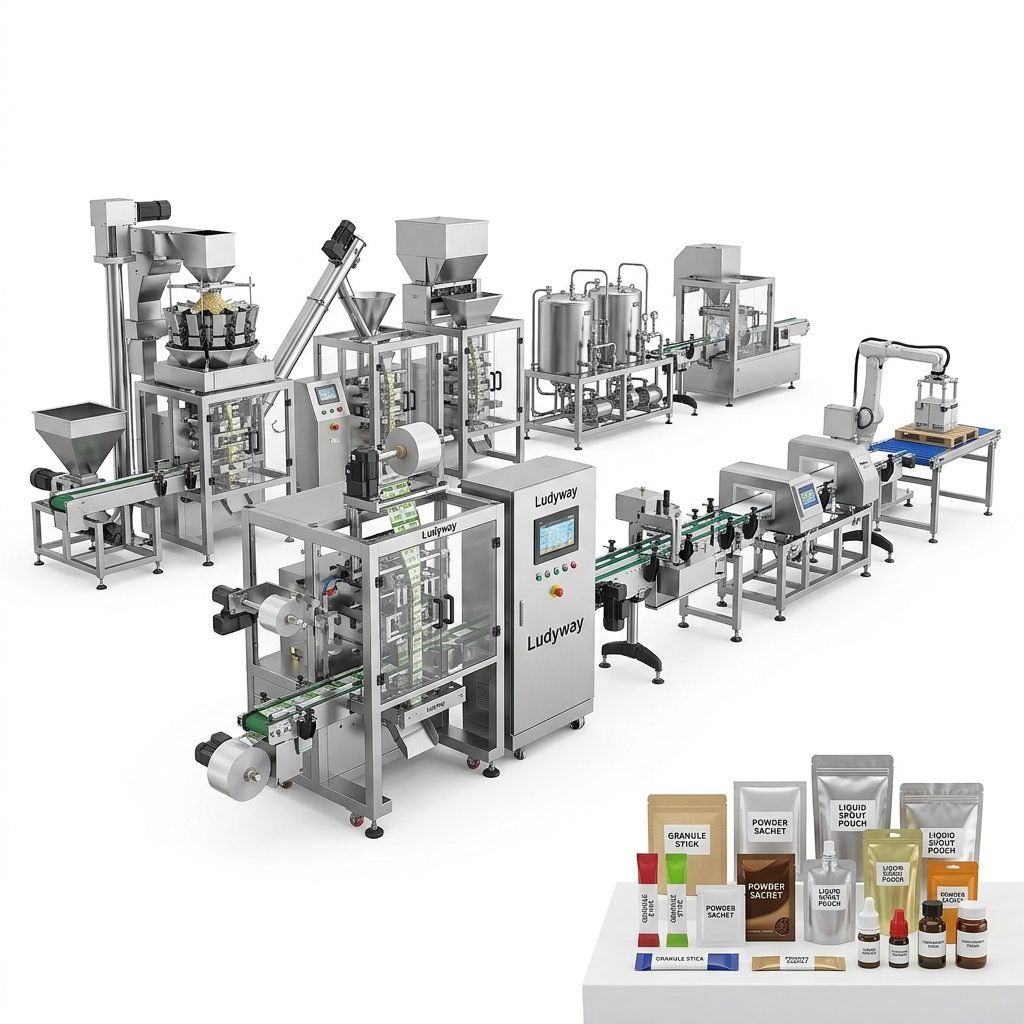
Packaging machine manufacturers are also adapting. More suppliers are offering turnkey lines that combine filling, sealing, conveying, coding, cartoning, and inspection within one coordinated platform. This reduces integration risk for buyers and shortens commissioning time.
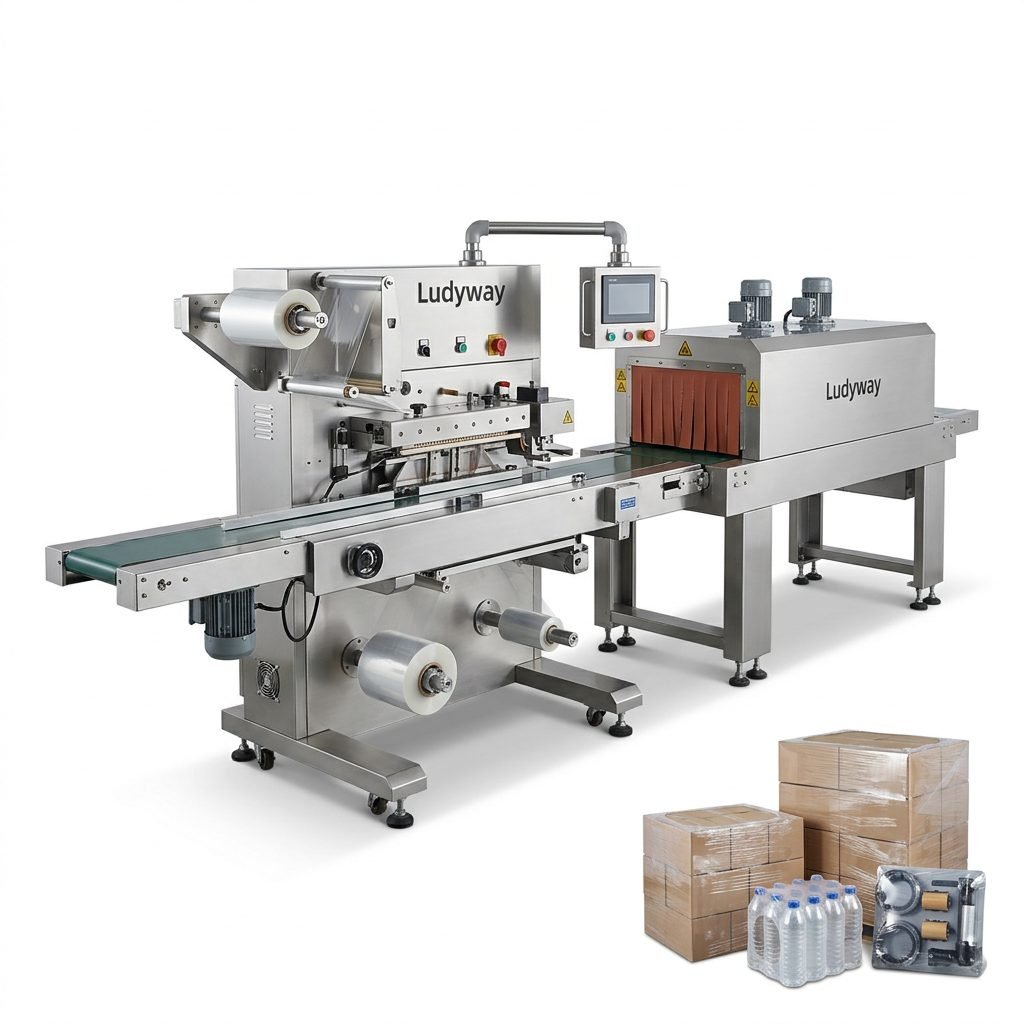
Among the companies serving this trend, Ludyway packaging machinery manufacturer continues to strengthen its position in intelligent packaging equipment and turnkey line delivery. With more than 30 years of industry experience, a manufacturing base of over 20,000 square meters, and export coverage across more than 100 countries and regions, the company is well aligned with growing market demand for packaging systems that combine production efficiency with higher inspection standards.
What Buyers Are Looking for in 2026
When sourcing new packaging lines, buyers are now asking more detailed questions about inspection architecture, not just machine speed. They want to know how systems will perform across multiple products, whether rejection logic is reliable, and how quickly new recipes can be validated.
| Buyer Priority | Preferred Capability |
|---|---|
| Fast product changeover | Recipe-based inspection settings and HMI-guided adjustments |
| Lower false rejects | Stable sensing, adaptive thresholds, and precise rejection timing |
| Audit readiness | Stored images, inspection logs, and traceable event history |
| Scalability | Modular inspection add-ons for future line expansion |
| Global service support | Remote diagnostics, spare parts access, and technical assistance |
Outlook: Inspection Will Be Standard, Not Optional
The 2026 market direction is clear: smart inspection is becoming a standard feature of modern packaging machinery rather than a premium option. As packaging operations grow more connected and compliance expectations keep rising, manufacturers that invest in integrated quality control are likely to gain measurable advantages in efficiency, traceability, and brand protection.
For machine builders, the next phase will center on deeper software integration, more adaptive AI models, and easier deployment across diverse product types. For end users, the goal is straightforward—produce faster, waste less, and ship with greater confidence. In that environment, smart inspection systems are set to remain one of the most important technologies shaping the future of packaging automation.