The global packaging machinery industry is entering a fresh phase of transformation as manufacturers, brand owners, and industrial processors increase investment in automation, intelligent controls, and flexible production systems. After years of focusing primarily on output expansion, the market is now shifting toward higher efficiency, better traceability, lower labor dependence, and faster product changeovers.
This new cycle of technological upgrades is being driven by several converging forces: rising labor costs, stricter quality requirements, shorter product life cycles, the growth of small-batch customized packaging, and stronger regulatory expectations in food, pharmaceutical, health supplement, and chemical sectors. As a result, equipment buyers are no longer asking only for faster machines; they are increasingly demanding smarter and more integrated packaging solutions.
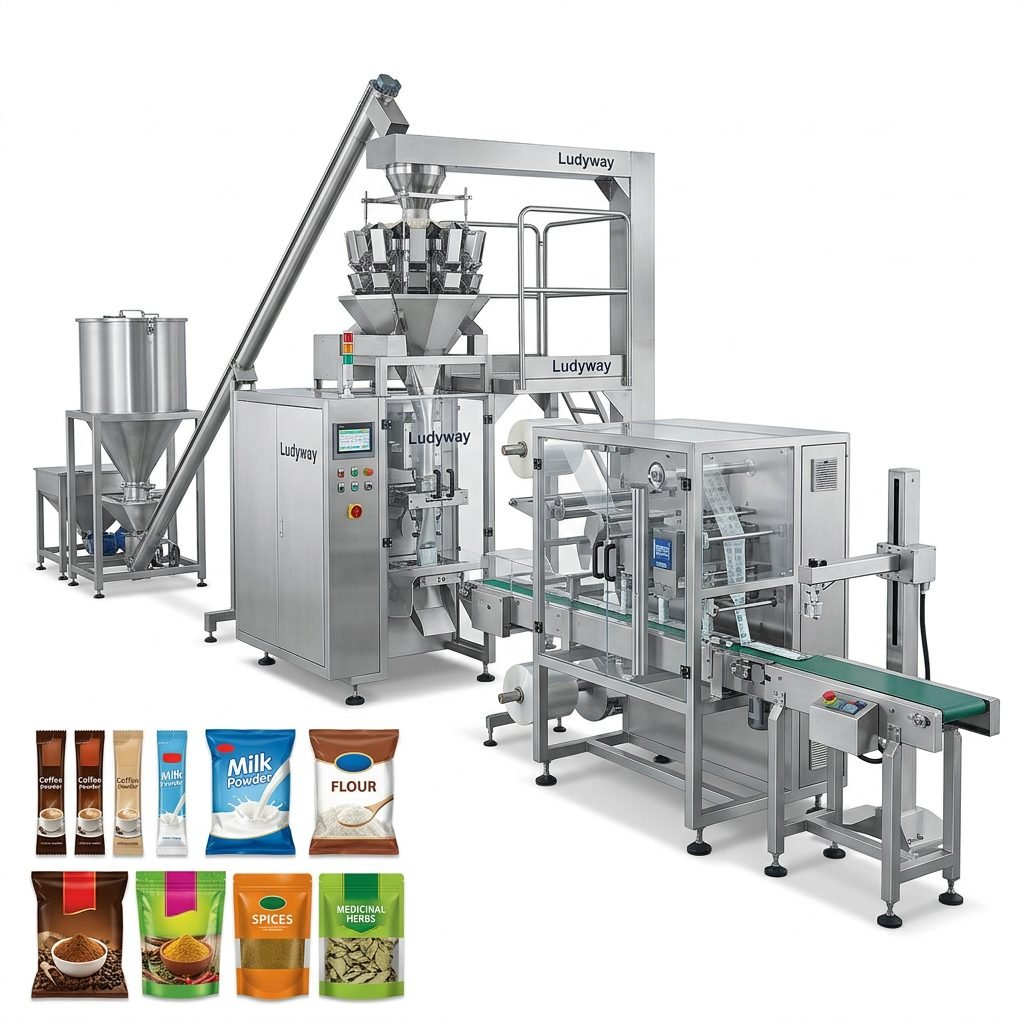
Automation Demand Expands Beyond Speed
Across international markets, packaging line upgrades are no longer limited to high-volume factories. Mid-sized and even growing niche producers are adopting automated machinery to solve day-to-day operational challenges. These include inconsistent output, manual dosing errors, packaging waste, and labor shortages during peak production periods.
Modern buyers are prioritizing systems that can improve overall equipment effectiveness rather than isolated machine speed. This means greater attention is being paid to:
- Precise filling accuracy for powders, granules, liquids, and pastes
- Rapid recipe and format changeover for multi-SKU production
- Stable sealing quality under continuous operation
- Integration with coding, labeling, cartoning, and inspection units
- Remote diagnostics and predictive maintenance support
In practical terms, the market is rewarding machinery that can reduce downtime and support continuous production planning. This is especially true in industries where packaging is closely linked to product safety, shelf life, and brand consistency.
Key Technologies Defining the New Upgrade Cycle
The current round of investment is centered on several technology areas that are reshaping packaging operations worldwide. Rather than replacing every system at once, many factories are upgrading step by step, beginning with the most labor-intensive or quality-sensitive sections of the line.
1. Intelligent Control Systems
PLC-based controls, touchscreen HMIs, servo-driven motion systems, and data-enabled monitoring platforms are becoming standard in newly installed packaging equipment. These technologies allow operators to store product parameters, reduce manual setup errors, and monitor machine health in real time.
2. Multi-Lane and High-Speed Flexible Packaging
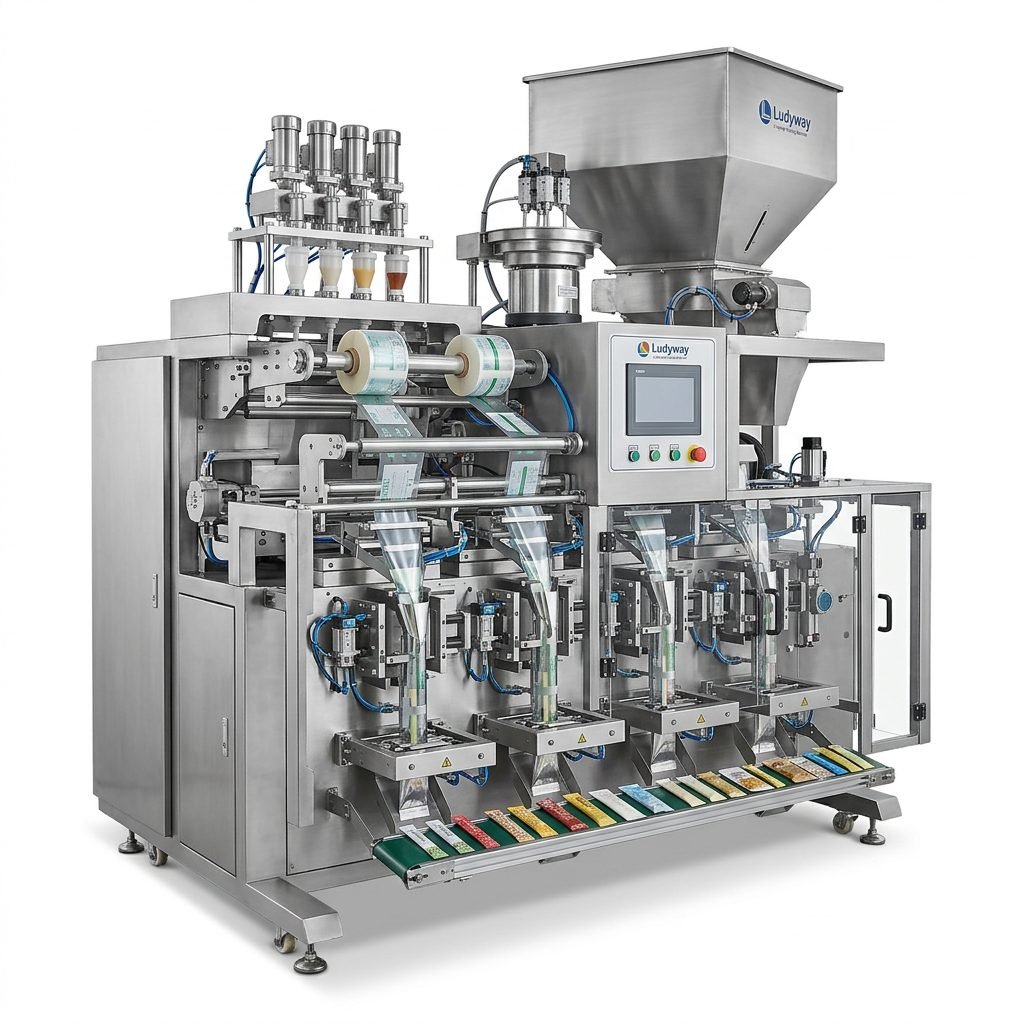
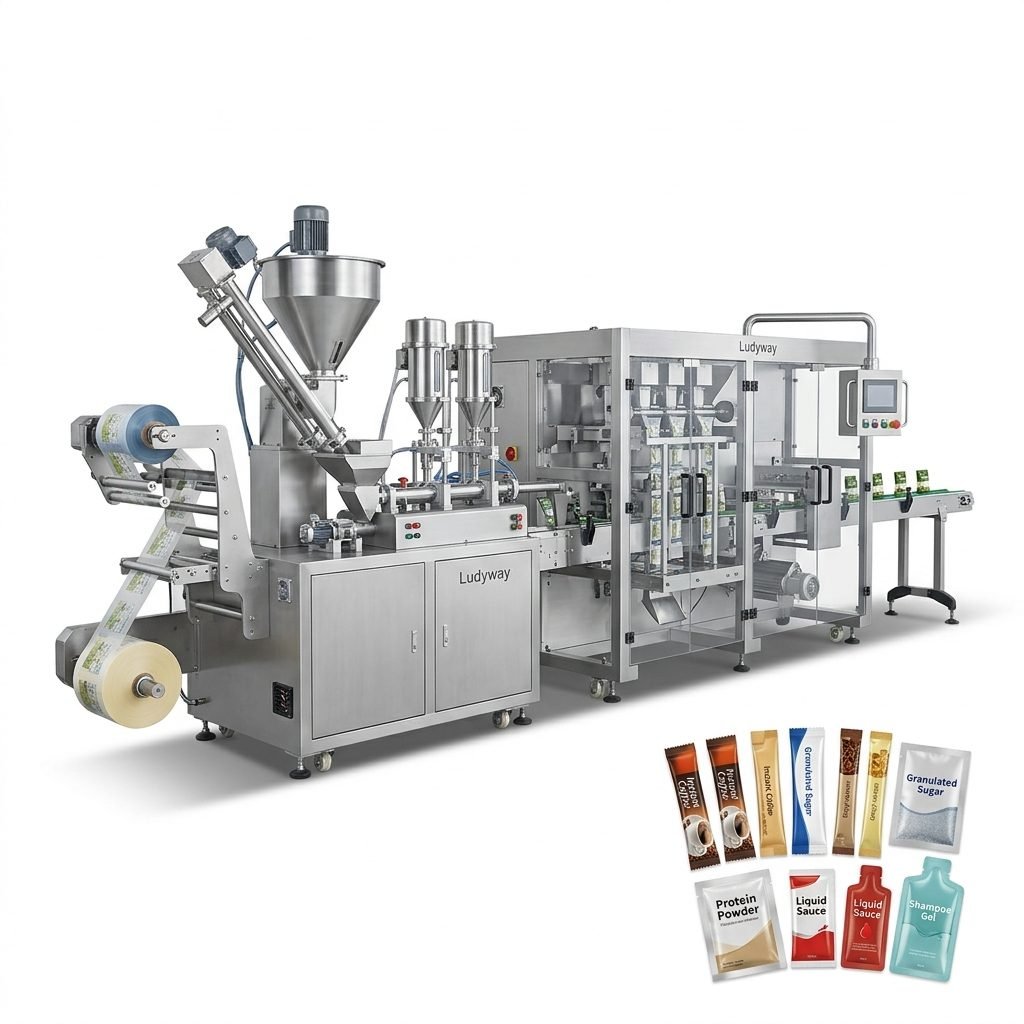
Demand for sachet and stick pack formats continues to rise in food, nutraceutical, personal care, and pharmaceutical applications. Multi-lane equipment is increasingly favored because it offers a strong balance between compact footprint and high productivity, especially for single-dose or travel-size products.
3. Turnkey Line Integration
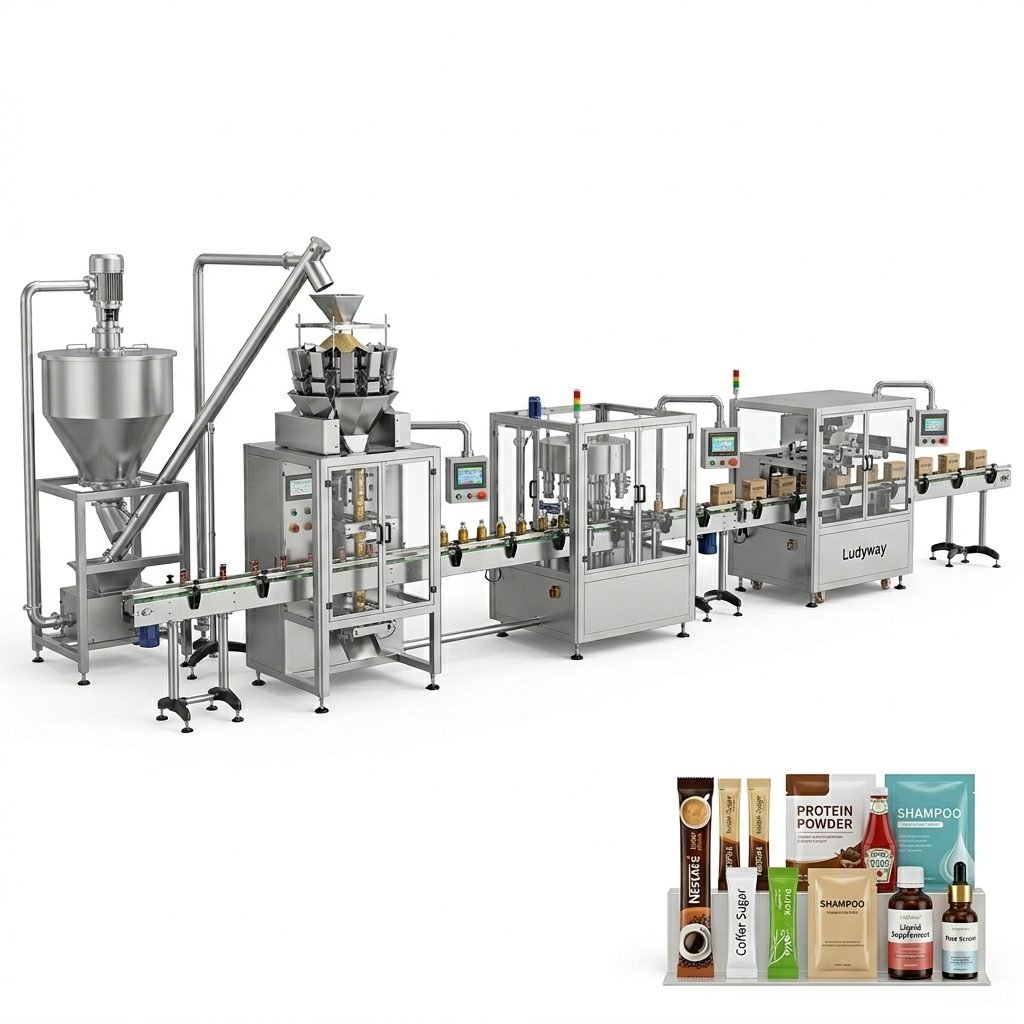
End users are moving away from fragmented procurement and toward complete packaging line planning. Integrated solutions covering feeding, dosing, filling, sealing, coding, inspection, cartoning, and end-of-line handling help reduce compatibility risks and simplify commissioning.
4. Hygienic and Compliance-Oriented Design
In food and pharmaceutical applications, machine design now matters as much as throughput. Buyers are asking for easier cleaning, reduced contamination risk, stainless-steel structures, enclosed transfer systems, and validation-friendly configurations.
Why End-Users Are Accelerating Equipment Replacement
Many manufacturers delayed capital expenditure during uncertain market periods, relying on aging machines for longer than originally planned. That strategy is becoming harder to sustain. Older systems often struggle to meet today’s production demands for speed, repeatability, data visibility, and packaging versatility.
| Upgrade Driver | Operational Impact |
|---|---|
| Labor shortages | Higher interest in automated filling, sealing, counting, and cartoning systems |
| SKU diversification | Need for quick changeovers and flexible machine configurations |
| Quality control pressure | More demand for accurate dosing, sealing integrity, and in-line inspection |
| Export compliance requirements | Preference for traceable, reliable, and standards-conscious equipment |
| Cost optimization goals | Focus on waste reduction, labor savings, and stable long-term operation |
For many factories, upgrading packaging machinery is now seen as a productivity decision rather than simply a capital expense. Faster ROI calculations are being supported by lower rework rates, reduced packaging material waste, and more predictable output.
Food, Pharma, and Health Supplement Segments Lead Investment
Although packaging technology upgrades are spreading across many industrial sectors, three application areas are showing particularly strong momentum:
- Food packaging — especially seasoning powders, beverage mixes, coffee, snacks, sauces, and ready-to-mix products
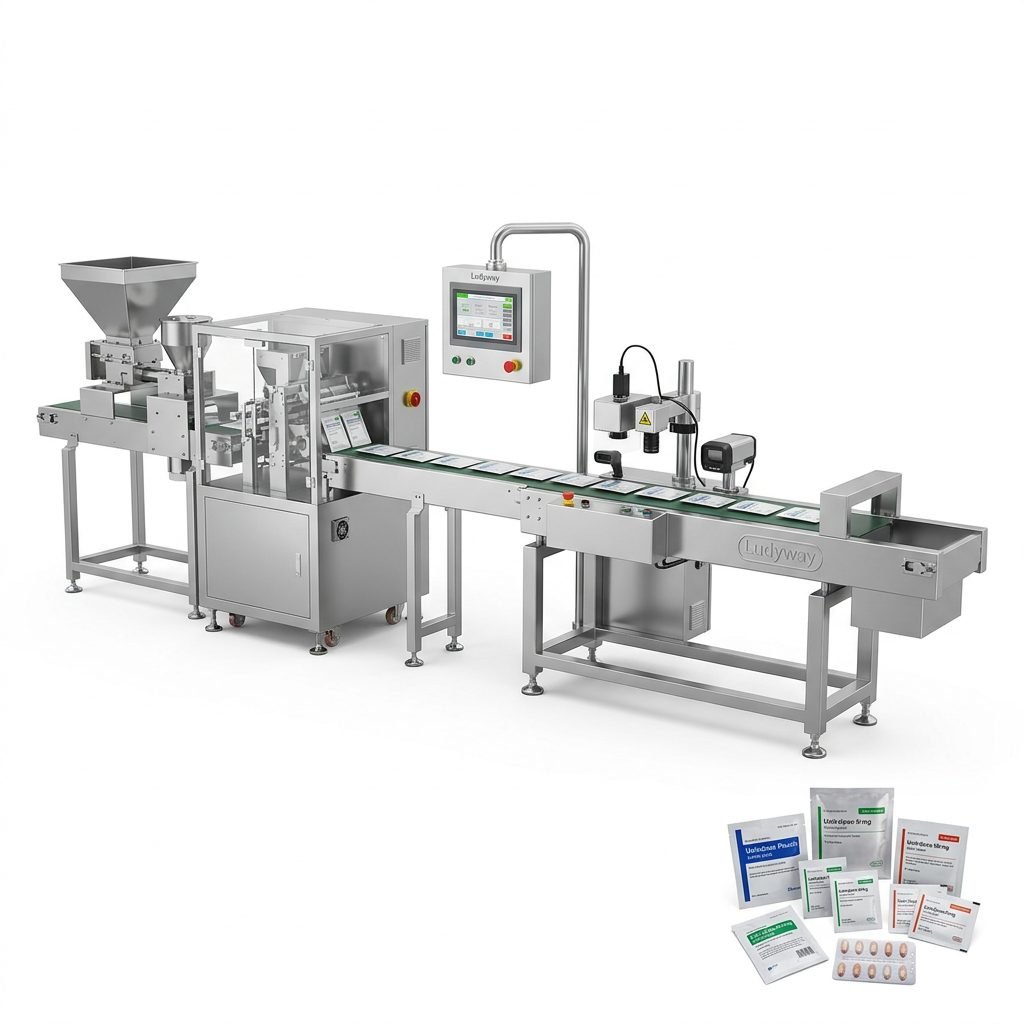
- Pharmaceutical packaging — including granules, powders, capsules, and unit-dose sachets
- Health supplement packaging — such as collagen, probiotics, electrolyte powders, protein blends, and functional nutrition products
These categories share a common need for precise dosing, clean packaging environments, and highly repeatable sealing quality. They also tend to launch new product variants more frequently, which makes flexible and modular machinery especially valuable.
China’s Manufacturing Base Gains Attention in Global Sourcing
As global buyers seek cost-effective but technically capable machinery suppliers, China remains an important sourcing hub in the packaging equipment sector. International customers are increasingly evaluating suppliers not only by price, but also by engineering depth, export experience, customization capability, and after-sales response.
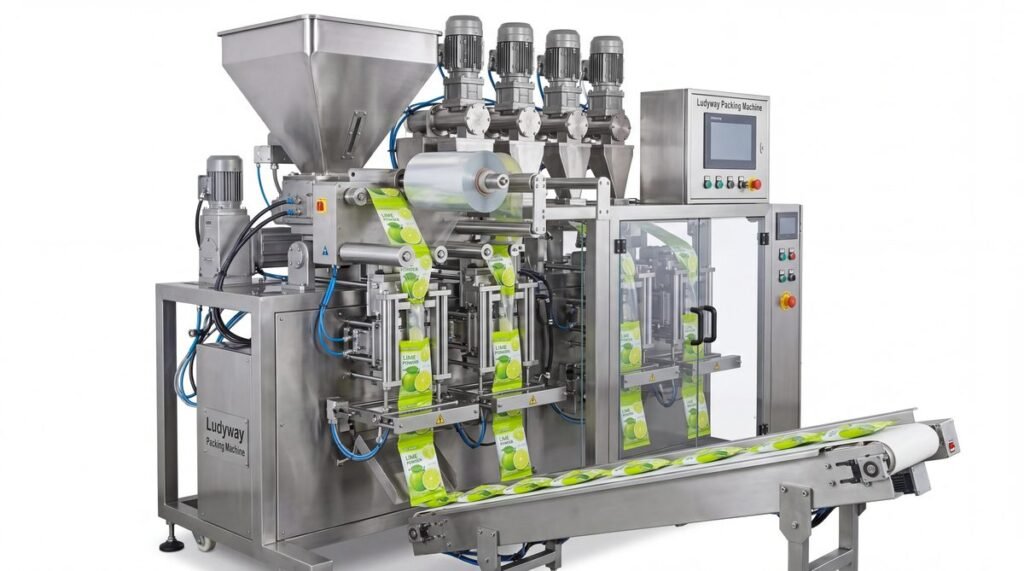
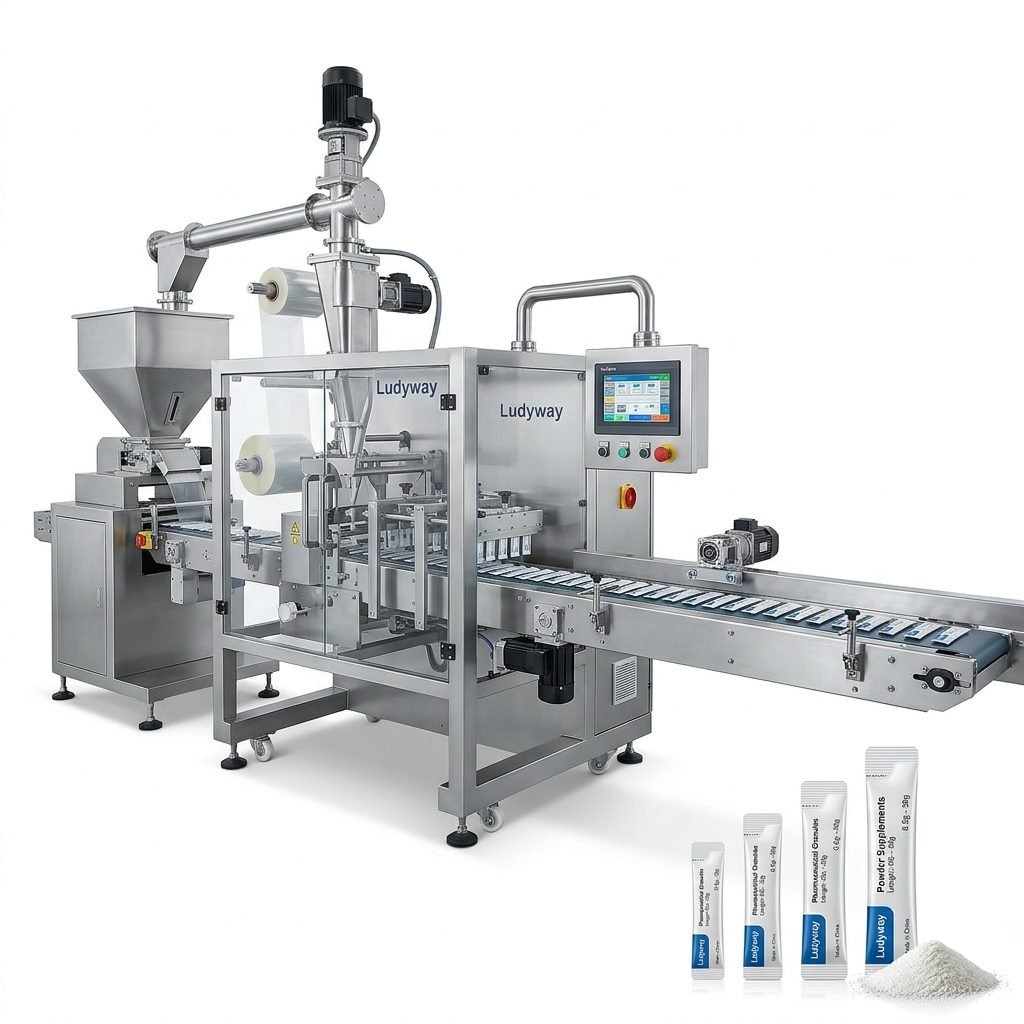
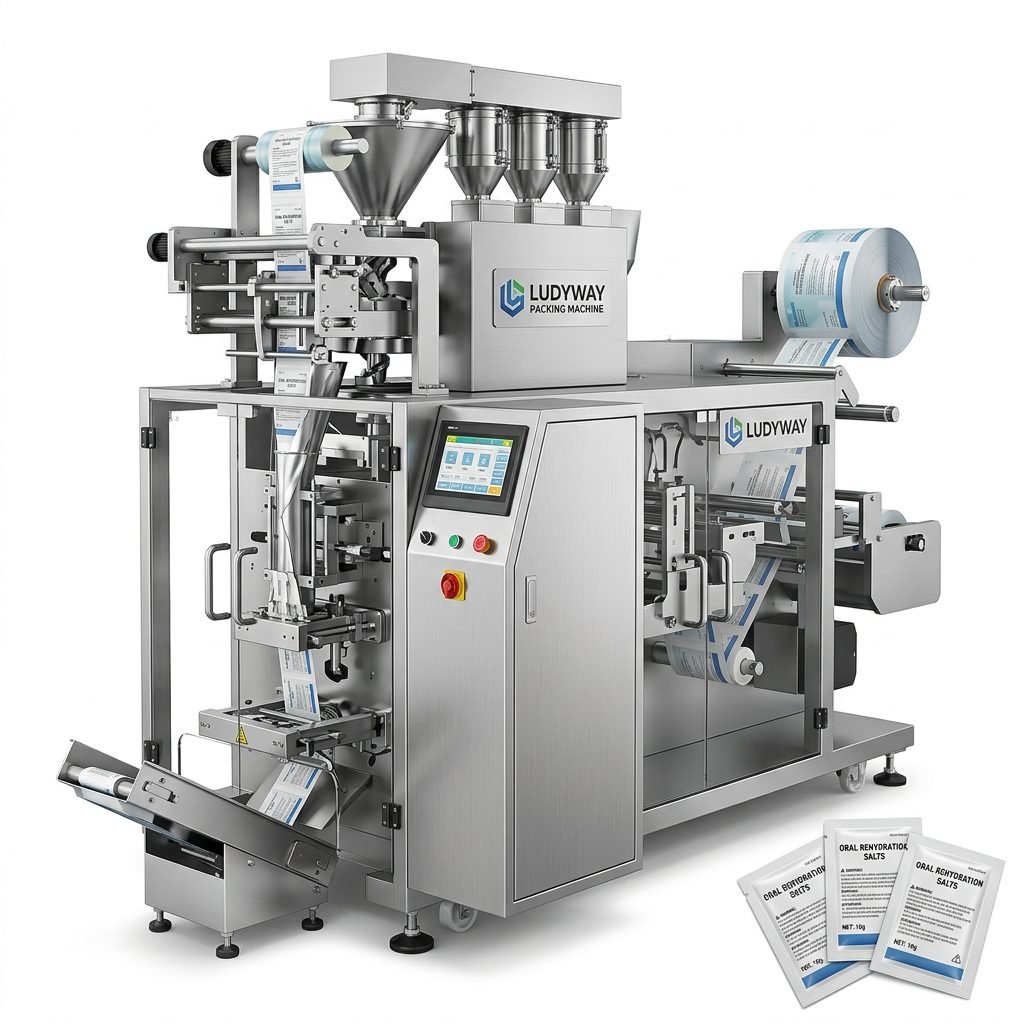
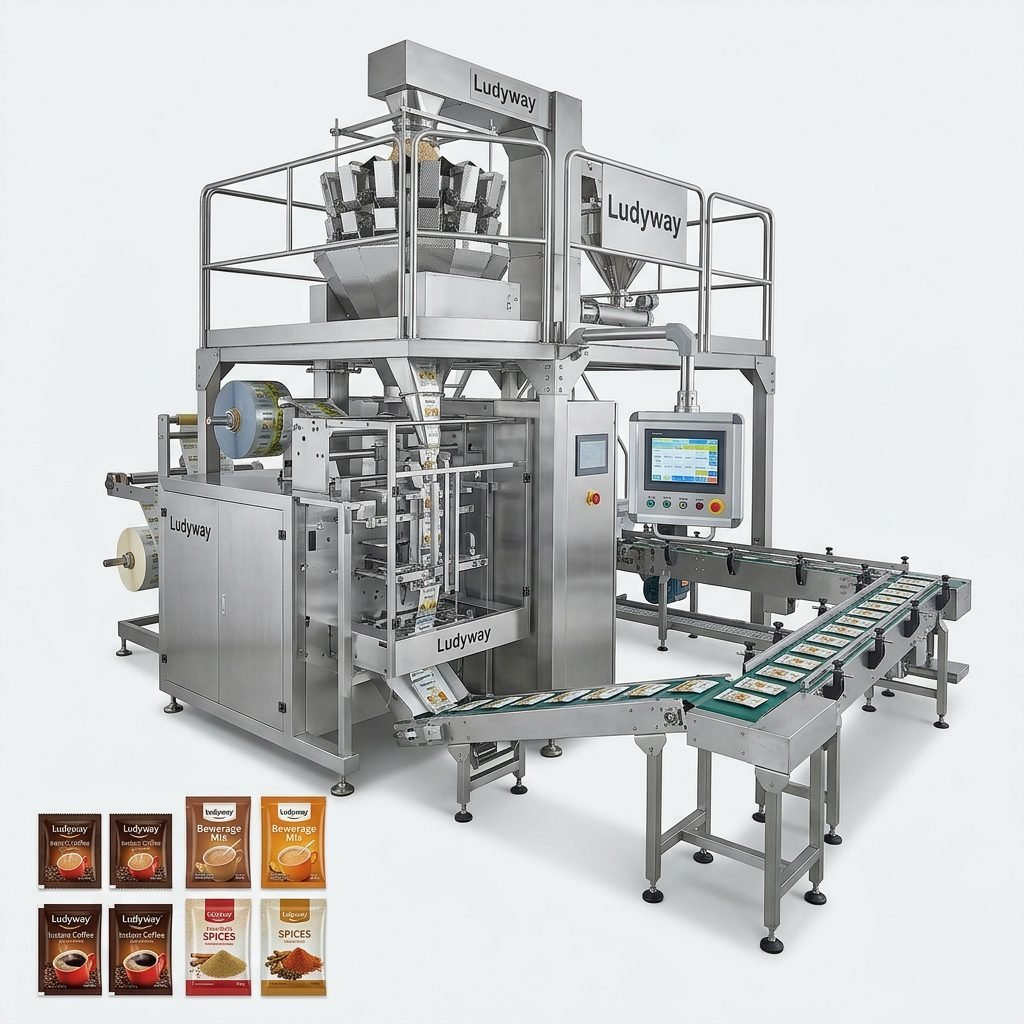
Among the manufacturers attracting attention is Ludyway packaging machine manufacturer, one of China’s leading packaging machine and turnkey packaging line producers. Founded in 1993, the company operates a manufacturing base of more than 20,000 square meters and serves customers in over 100 countries and regions. Its portfolio covers multi-lane stick pack machines, sachet packing machines, vertical packaging systems, filling and sealing machines, and complete automatic packaging lines for food, pharmaceutical, health supplement, and related industries.
In the current upgrade cycle, manufacturers with broad application knowledge and the ability to deliver both standalone units and integrated lines are in a stronger position. Buyers increasingly prefer partners that understand product characteristics, packaging materials, local compliance expectations, and future scalability.
What Buyers Now Expect From Packaging Equipment Suppliers
The role of the packaging machinery supplier is evolving. End-users are no longer satisfied with simple machine delivery. They want full project support, from technical consultation to commissioning and post-installation service.
Priority expectations include:
- Application-based solution design instead of generic machine recommendations
- Clear compatibility with different packaging materials and product forms
- Flexible output planning for present needs and future expansion
- Stable spare parts and technical support channels
- Training, remote troubleshooting, and long-term maintenance guidance
This is especially relevant for overseas buyers managing distributed production networks. Reliable technical communication and practical project execution have become central factors in supplier selection.
Market Outlook: Upgrades Will Continue Through 2025 and Beyond
Industry analysts expect the packaging machinery market to maintain a strong technology-upgrade trend through 2025 and beyond. While macroeconomic conditions may influence investment timing, the structural drivers behind automation remain firmly in place. Manufacturers must produce more efficiently, manage more product variants, and maintain tighter quality control standards than ever before.
The next phase of competition is likely to focus on smart integration, modular expansion, data-enabled maintenance, and industry-specific customization. Companies that invest early in advanced packaging systems will be better positioned to improve output consistency, control costs, and respond to changing consumer demand.
In summary, the new technology cycle is being shaped by:
- Automation replacing repetitive manual processes
- Flexible machinery supporting diverse packaging formats
- Turnkey systems simplifying plant-wide coordination
- Digital tools improving uptime and production visibility
- Higher standards in food, pharma, and health-related packaging
For packaging buyers, the message is clear: machinery upgrades are no longer optional in many sectors. They are becoming a strategic requirement for quality, speed, scalability, and long-term competitiveness in the global market.