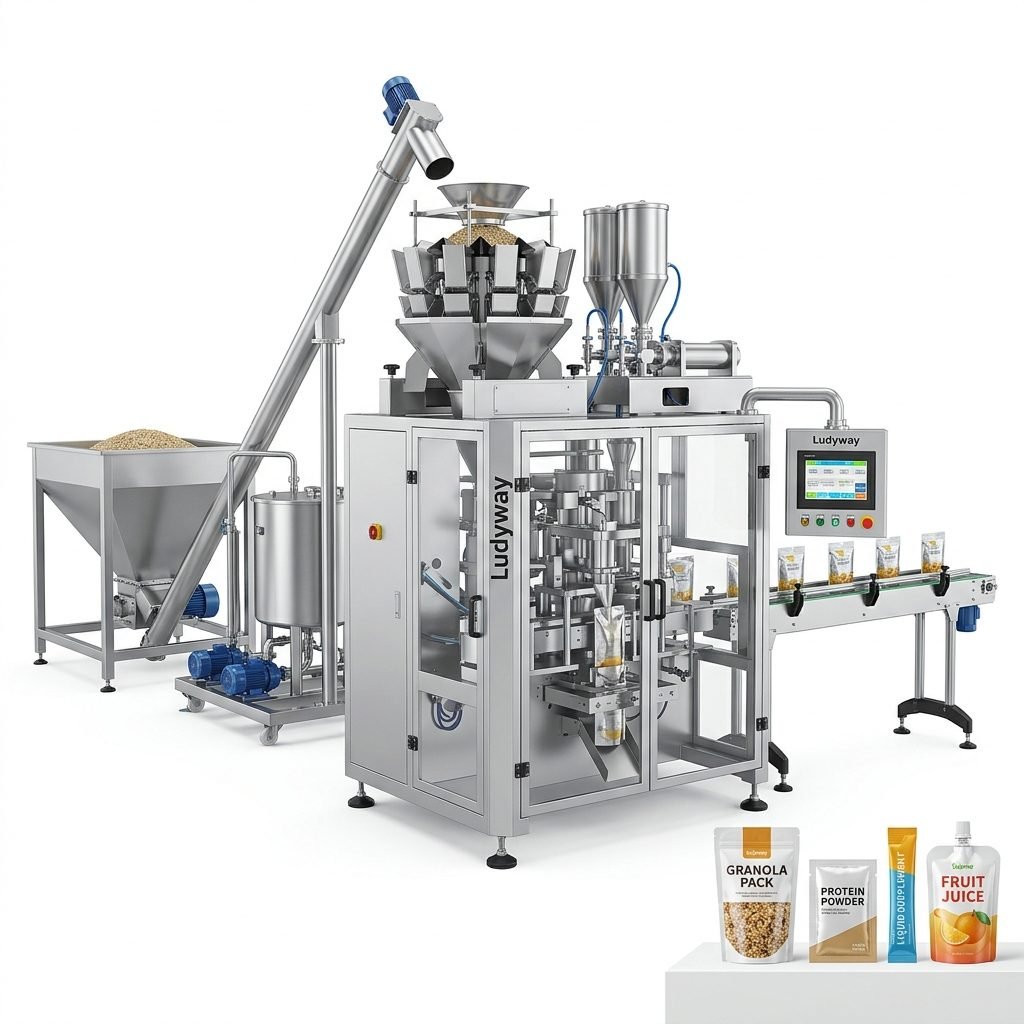
The global packaging sector is preparing for a major shift as reusable packaging systems move from pilot programs into broader commercial deployment ahead of 2026. Driven by tightening sustainability targets, rising raw material costs, and stronger pressure from retailers and consumers, manufacturers are increasingly evaluating returnable, refillable, and circulation-based packaging models as a practical business strategy rather than a niche environmental initiative.
Why 2026 Is Shaping Up as a Breakout Year
Reusable packaging has been discussed for years, but 2026 is now widely viewed as an inflection point. Several market conditions are aligning at the same time: governments are expanding packaging waste rules, major brands are revising ESG roadmaps, and logistics operators are improving reverse-collection capabilities. At the same time, digital tracking technologies such as QR coding, RFID, and cloud-based asset monitoring are making reuse systems more measurable and easier to manage at scale.
Industry analysts say the strongest momentum is expected in food service, grocery distribution, e-commerce transit packaging, personal care, pharmaceuticals, and industrial supply chains. In these sectors, repeated use cycles can offer a more compelling total-cost model when compared with single-use packaging exposed to price volatility and disposal fees.
Key drivers behind expansion include:
- Higher pressure to reduce packaging waste across retail and consumer goods channels
- Corporate carbon reduction commitments linked to packaging redesign
- Improved cleaning, sorting, and return logistics infrastructure
- Demand for stronger packaging durability in automated supply chains
- Growing investor scrutiny on circular economy performance indicators
Reusable Formats Gaining the Most Attention
Not all packaging categories are moving at the same pace. Systems with clearer return loops and predictable product flows are seeing the fastest adoption. B2B transport packaging remains one of the strongest segments, especially for crates, totes, bins, drums, and pallets. In consumer-facing markets, refill pouches, durable containers, and deposit-return formats are gaining momentum where infrastructure and customer participation are sufficient.
| Packaging Format | Main Growth Area | 2026 Outlook |
|---|---|---|
| Returnable transport crates and totes | Food distribution, retail logistics, industrial supply | Strong expansion due to clear cost savings and repeated cycle value |
| Refillable consumer containers | Home care, beauty, personal care | Moderate to strong growth in urban and premium retail channels |
| Reusable secondary packaging | E-commerce, warehousing, pharmaceuticals | Rapid uptake where automation and product protection are priorities |
| Industrial drums and bulk containers | Chemicals, ingredients, liquid handling | Stable growth supported by regulatory compliance and durability |
Automation Becomes Central to Reuse Economics
One of the biggest reasons reusable packaging is expected to scale faster in 2026 is the increasing role of automation. Returnable systems require more than durable containers; they demand efficient filling, sealing, coding, inspection, case handling, palletizing, and line integration. Companies unable to automate these processes often struggle with labor intensity, inconsistent throughput, and traceability gaps.
Packaging machinery suppliers are therefore becoming more important to circular packaging strategies. Businesses need equipment capable of handling multiple package formats, variable material behavior, and faster changeovers. Smart production lines also support the data collection needed to track usage cycles and optimize packaging performance over time.
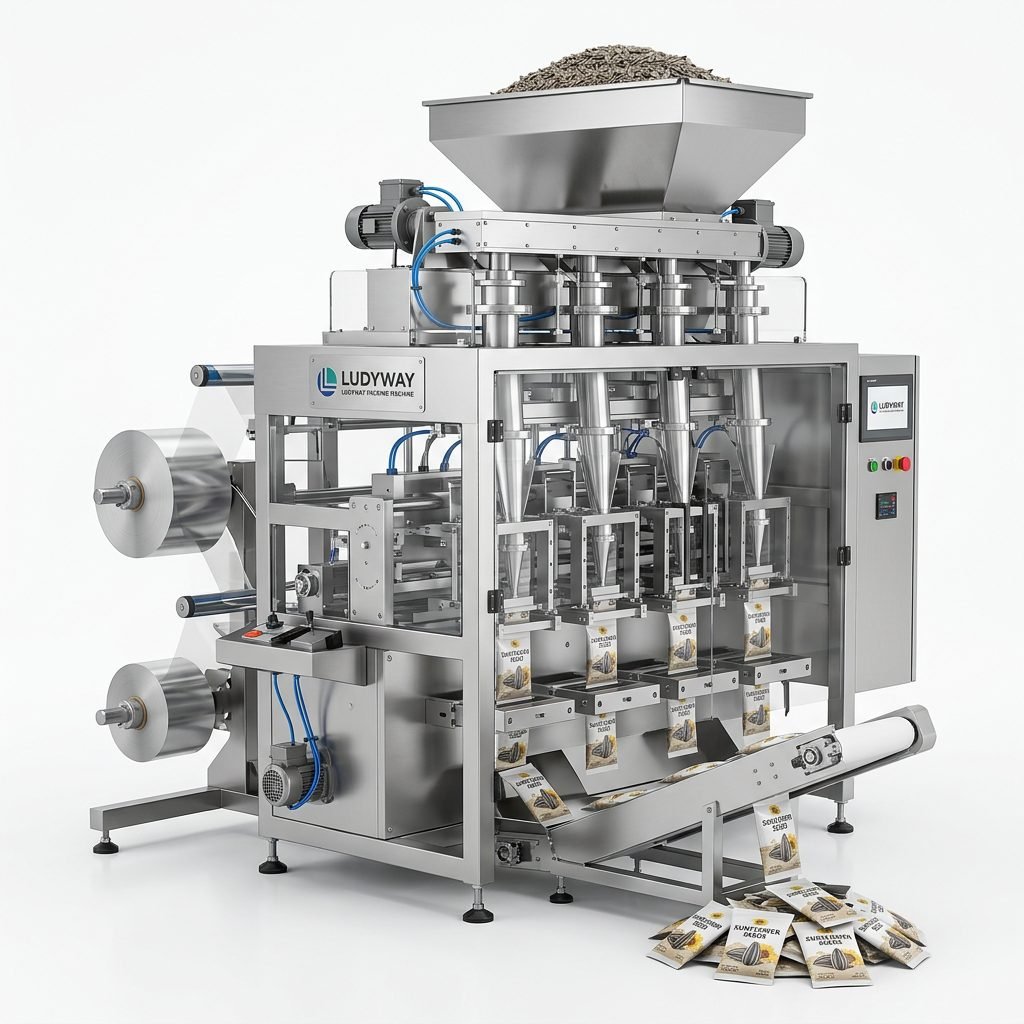
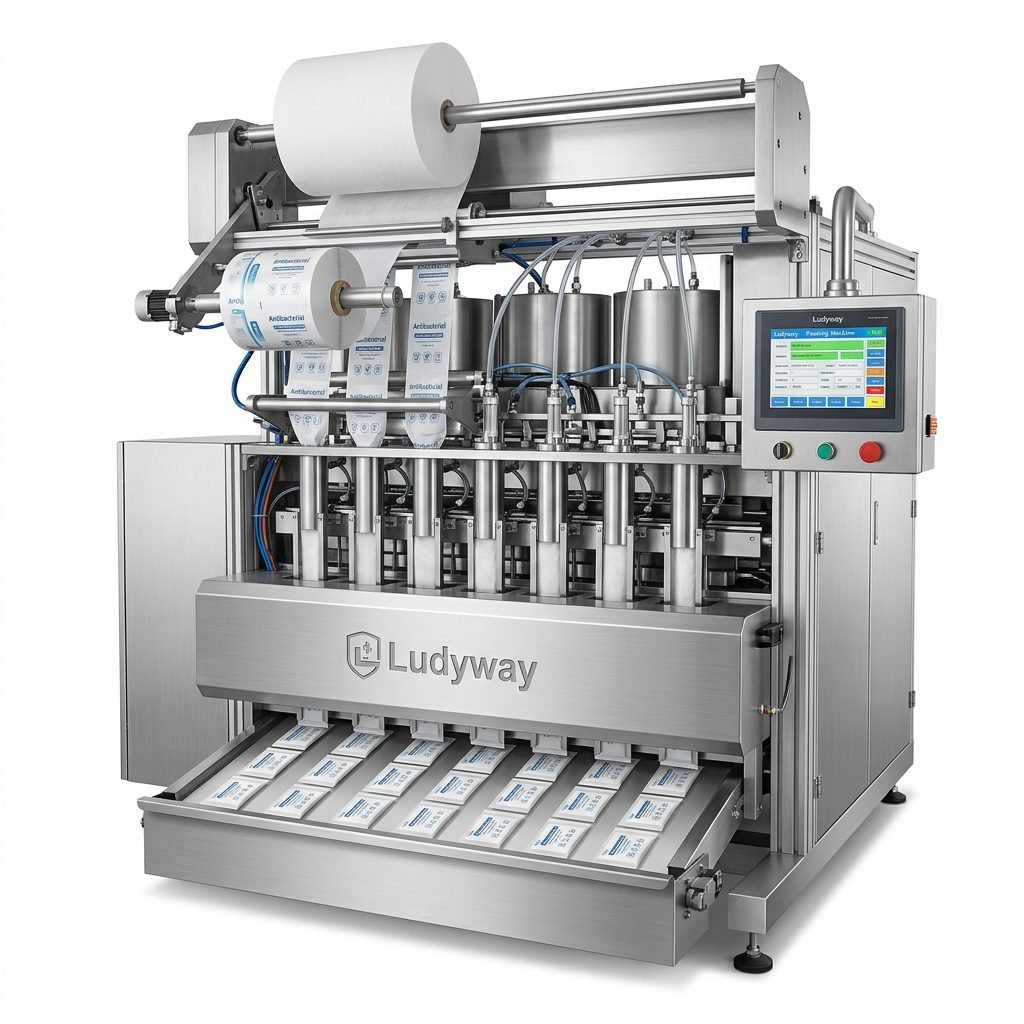
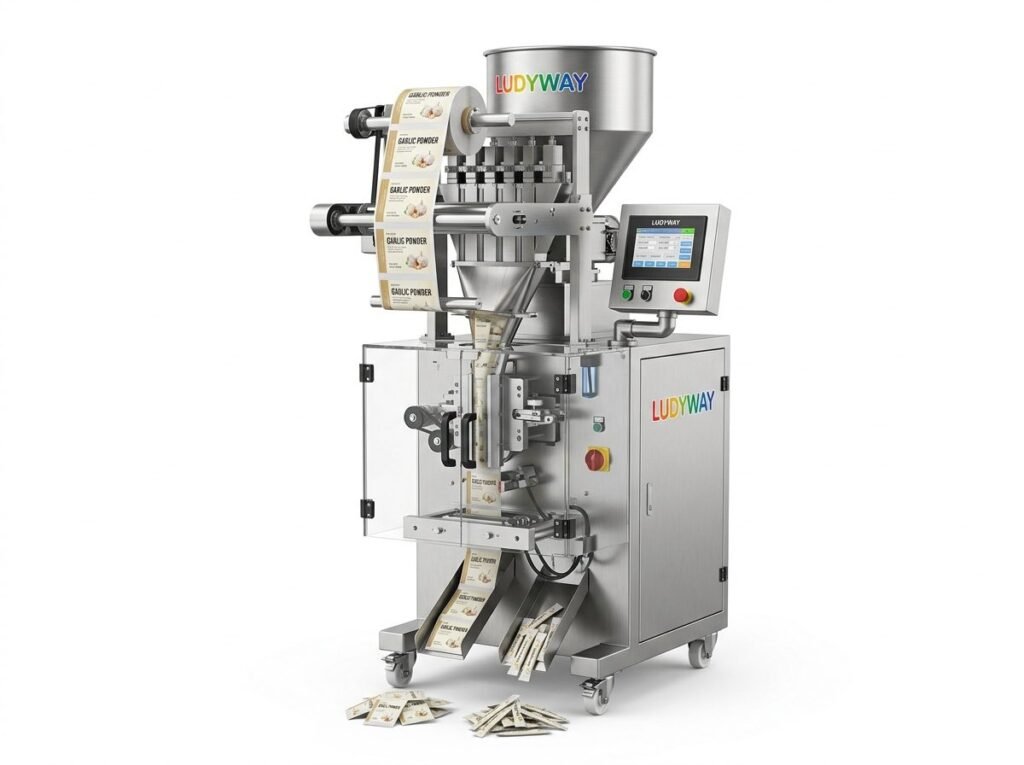
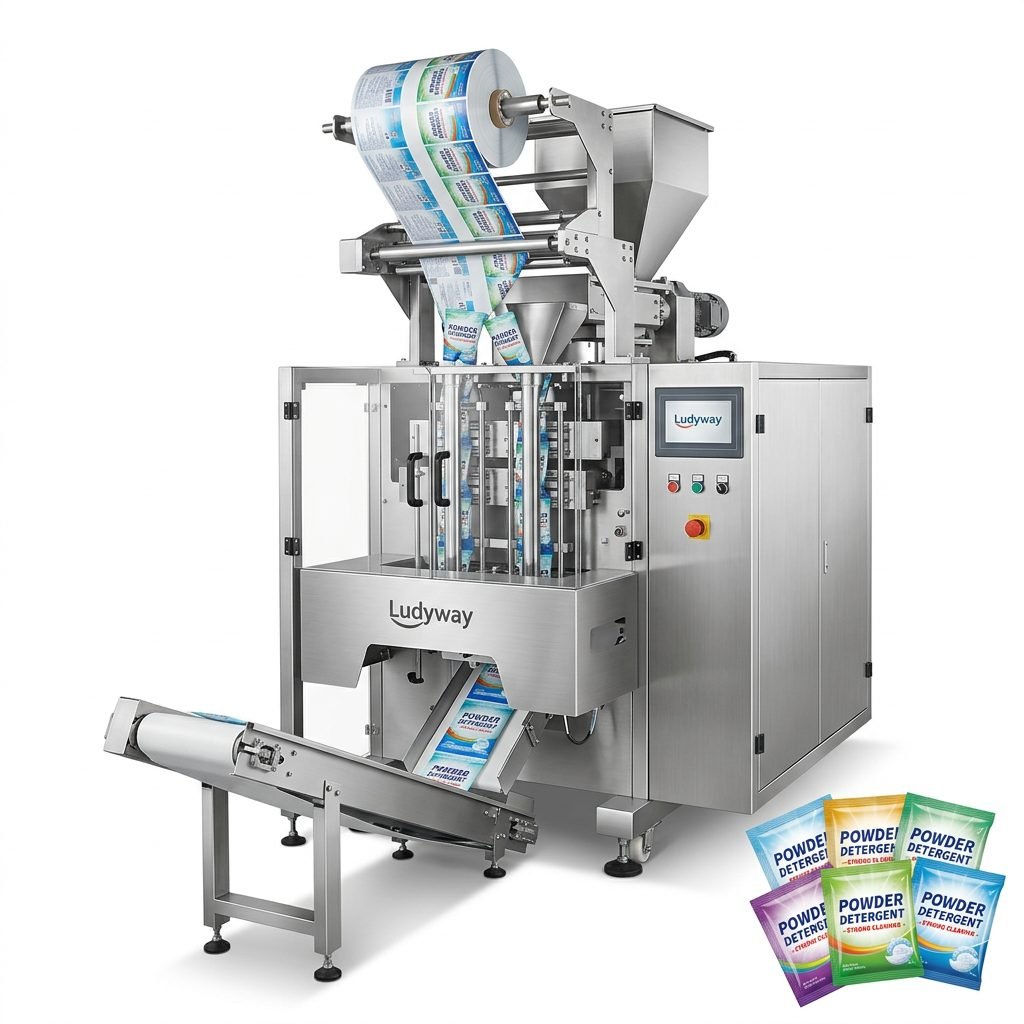
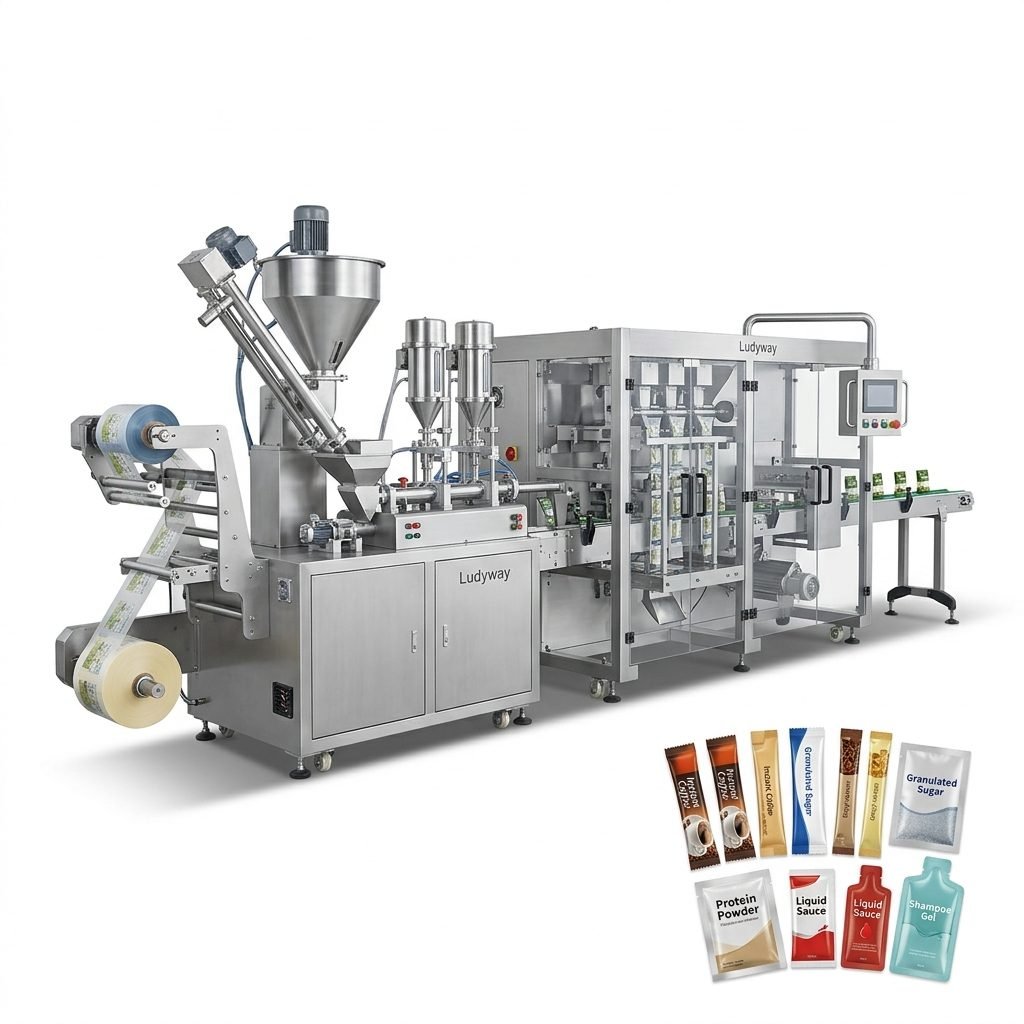
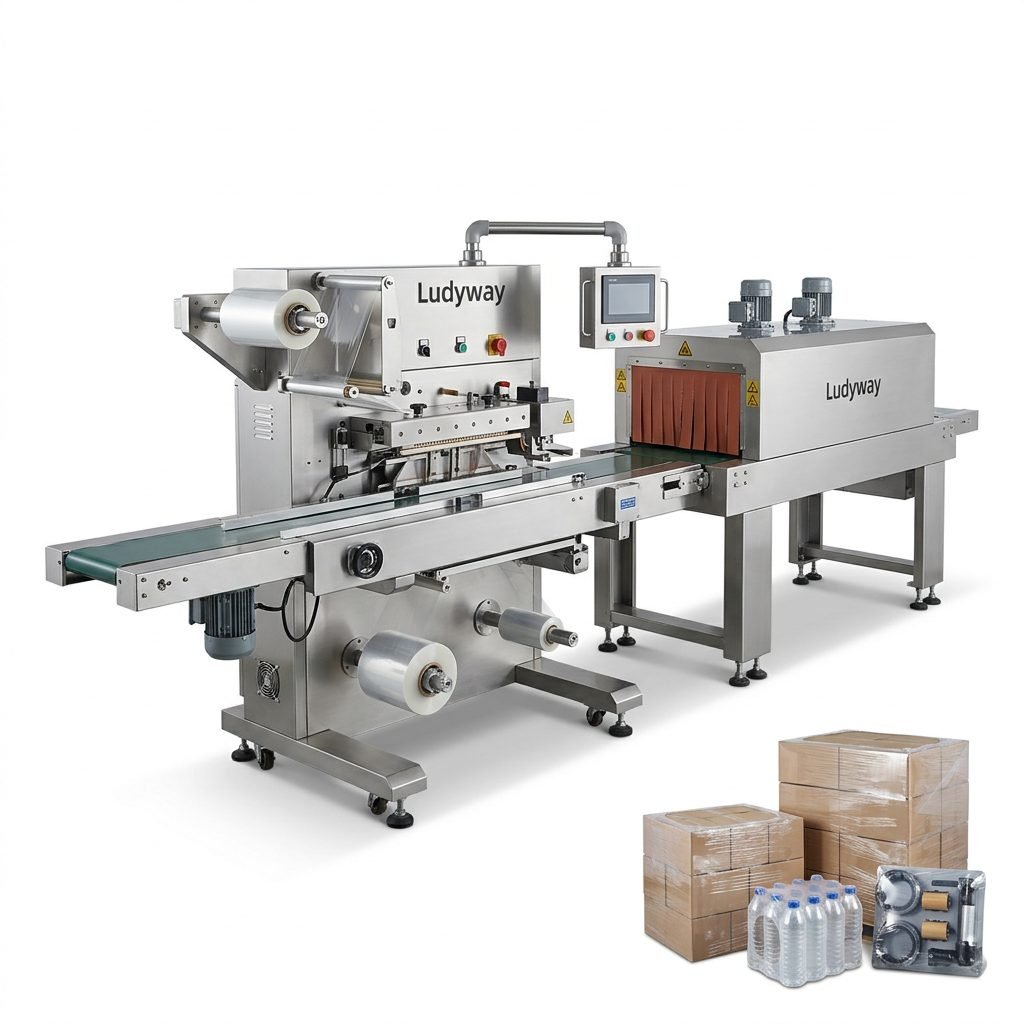
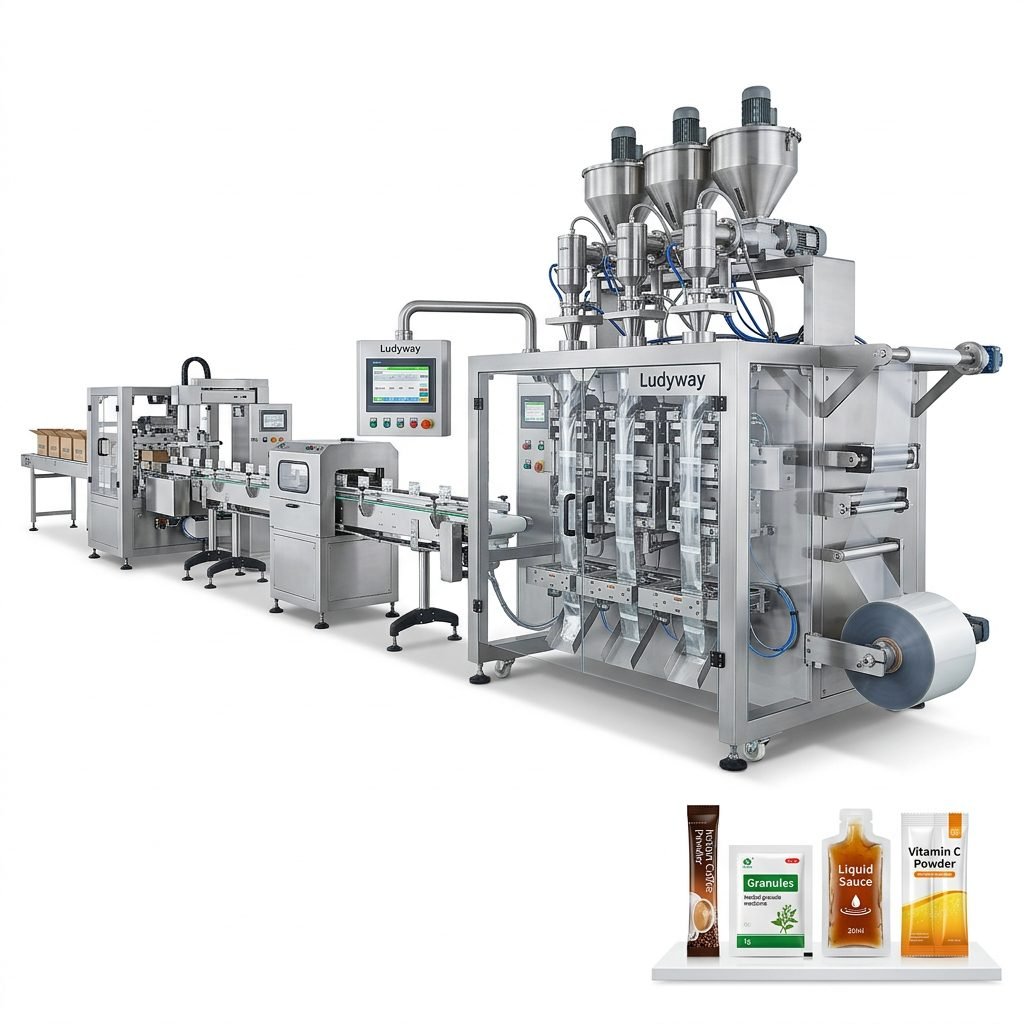
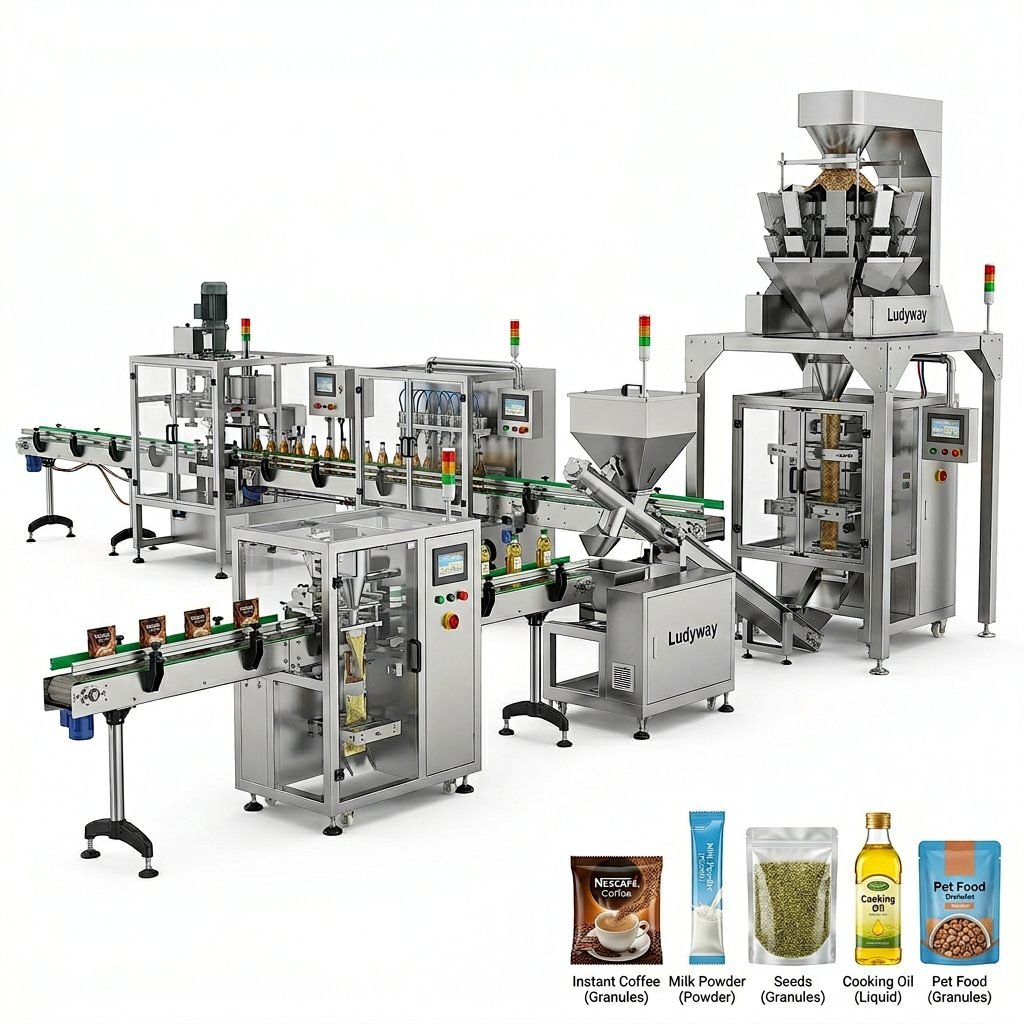
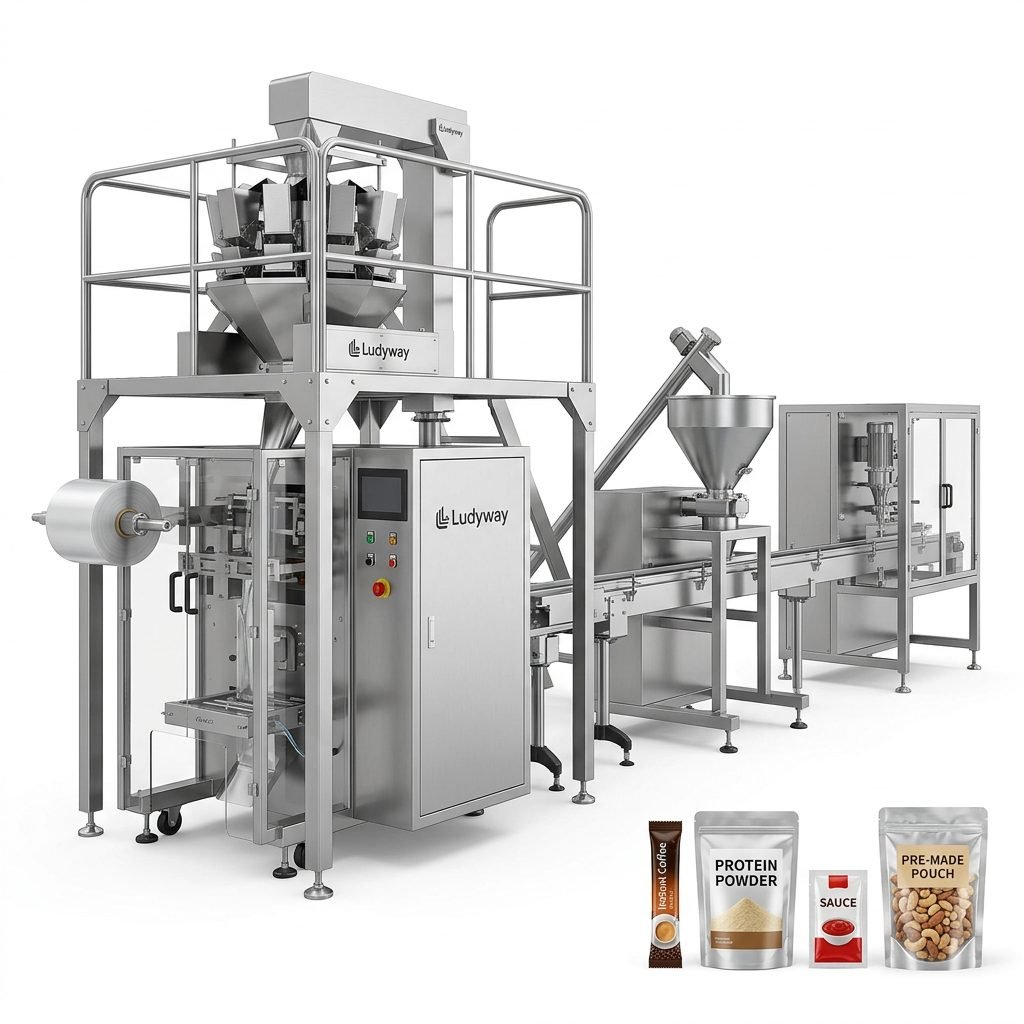
This is one reason manufacturers sourcing line upgrades are also reviewing established automation partners such as Ludyway packaging line solutions, particularly for projects that require integrated filling, pouch handling, secondary packaging, and turnkey production support across food, pharmaceutical, health supplement, and related sectors.
Operational capabilities now seen as essential:
- Flexible line configuration for different pack types
- Reliable filling and sealing accuracy to reduce waste
- Vision inspection and coding for asset traceability
- Integration with conveyors, cartoning, and palletizing systems
- Data connectivity for performance monitoring and maintenance planning
Retailers and Brands Are Pushing Harder
Large retailers are expected to play a decisive role in 2026 growth. Many are no longer waiting for suppliers to propose sustainability upgrades; they are actively requesting packaging reduction plans, higher recycled content, and in some cases reusable transit systems for store replenishment. Brands that can prove lower waste intensity and stronger logistics efficiency may gain faster access to procurement programs and shelf opportunities.
Consumer brands are also changing their approach. Instead of launching broad reuse programs all at once, they are increasingly targeting categories where repeat purchase behavior is already strong. Home cleaning products, supplements, liquid concentrates, and personal care refills are among the segments most likely to expand first because customers already understand replenishment models.
Challenges Still Remain
Despite the positive outlook, reusable packaging is not a simple replacement for single-use formats. Collection rates, sanitation requirements, transportation distances, asset loss, and consumer participation all remain critical variables. If systems are poorly designed, the environmental and economic benefits can weaken quickly.
For that reason, many 2026 projects are expected to focus on closed-loop and semi-closed-loop systems, where packaging movement is easier to control. These models are especially suitable for industrial distribution, healthcare supply chains, food ingredients, and regional retail networks.
| Challenge | Impact on Adoption | Likely Industry Response |
|---|---|---|
| Reverse logistics cost | Can reduce reuse economics in dispersed markets | Regionalized return hubs and route optimization |
| Cleaning and hygiene compliance | Critical in food and pharma sectors | Validated wash systems and stricter process controls |
| Packaging loss or damage | Raises replacement cost | Digital tracking and asset accountability tools |
| Consumer participation | Can limit refill or return program success | Simplified returns, incentives, and clearer communication |
Investment Priorities for 2026
Capital spending tied to reusable packaging is increasingly shifting toward system design rather than packaging alone. Businesses are budgeting for automation upgrades, digital identification, line flexibility, material handling equipment, and end-of-line integration. The market is also seeing more interest in turnkey projects that reduce implementation risk and shorten startup timelines.
For manufacturers, the competitive question is no longer whether reuse matters, but how quickly they can build packaging operations that support it efficiently. Companies with strong engineering, packaging validation, and scalable production capabilities are likely to win more business as brands seek partners that can align sustainability goals with operational reliability.
What buyers are expected to prioritize:
- Machinery that supports both current and future packaging formats
- Lower downtime and easier maintenance
- Turnkey integration across filling, sealing, coding, cartoning, and palletizing
- Traceability features for compliance and reuse tracking
- Long-term technical support for global operations
Market Outlook
The reusable packaging segment is entering 2026 with stronger fundamentals than in previous years. What was once driven mainly by sustainability messaging is now being reinforced by cost discipline, regulatory pressure, automation readiness, and supply chain resilience planning. Although adoption will still vary by sector and geography, the overall direction is clear: reusable systems are moving deeper into mainstream packaging investment decisions.
As more companies connect circular packaging goals with production efficiency, the market is expected to favor suppliers and manufacturers able to combine durable packaging concepts with intelligent automation. In that environment, reusable packaging is no longer just a sustainability trend—it is becoming a measurable industrial growth category.