Global demand for high-end packaging machinery is entering a strong growth cycle in 2026, supported by rising exports, production upgrades, and wider adoption of automated packaging lines across food, pharmaceutical, health supplement, cosmetic, and chemical industries. Manufacturers and buyers are increasingly prioritizing precision, speed, flexibility, and compliance as packaging becomes a key driver of product quality and international competitiveness.
Export activity has been particularly strong in regions where labor costs, regulatory pressure, and fast-moving consumer demand are pushing factories toward automation. Buyers are no longer looking only for standalone machines; many are evaluating complete line integration, digital control systems, compact footprints, and equipment that can switch efficiently between different pack formats such as sachets, stick packs, pouches, bottles, and cartons.
Export-led momentum is reshaping machinery investment decisions
The current market environment shows that export-oriented producers are investing more aggressively in advanced packaging systems to meet delivery timelines, improve shelf appeal, and maintain product consistency across markets. In sectors such as instant beverages, nutritional powders, oral care products, veterinary items, and personal care sachets, equipment performance now directly affects whether brands can scale internationally.
High-end machinery is gaining traction because it helps manufacturers solve multiple operational challenges at once:
- Higher throughput for large export volumes
- More accurate filling for powders, granules, liquids, and pastes
- Reduced material waste and improved sealing consistency
- Better compliance with hygiene and quality standards
- Faster product changeover for diversified SKUs
- Lower dependence on manual labor in repetitive packaging tasks
Why high-end packaging machinery demand is accelerating in 2026
Several structural forces are contributing to the expansion of the global packaging machinery market. Consumer brands are launching more specialized products in smaller batch sizes, while distributors expect stable packaging quality regardless of destination market. This has made modular and intelligent packaging equipment more attractive than conventional machines focused only on basic output.
Key growth drivers include:
| Driver | Market Impact |
|---|---|
| Export expansion of packaged consumer goods | Boosts demand for reliable, high-speed, standardized packaging systems |
| Labor cost pressure | Encourages automation, multi-lane formats, and integrated line design |
| Tighter quality and traceability requirements | Promotes adoption of coding, inspection, weighing, and intelligent controls |
| SKU diversification | Increases need for flexible equipment that supports multiple product formats |
| Demand for turnkey project delivery | Favors suppliers with engineering, integration, and after-sales capabilities |
Food, pharma, and health supplement sectors remain major growth engines
Among all end-use categories, food and beverage packaging continues to account for a major share of machinery purchasing activity. However, the strongest premium demand is often coming from pharmaceutical and nutraceutical applications, where filling precision, contamination control, validation, and pack integrity are essential. This trend is also visible in cosmetic sachets, serum lines, and functional wellness products sold through cross-border channels.
Popular machine configurations in 2026 include:
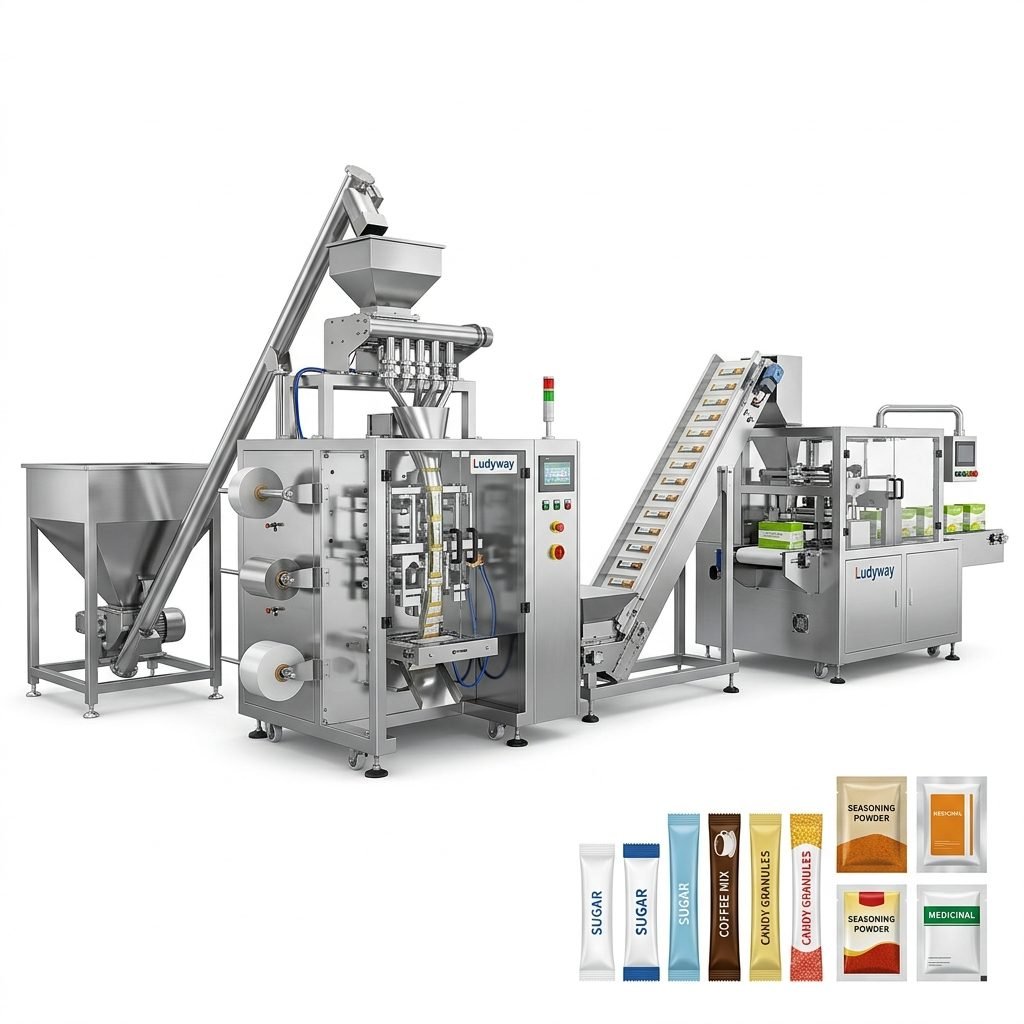
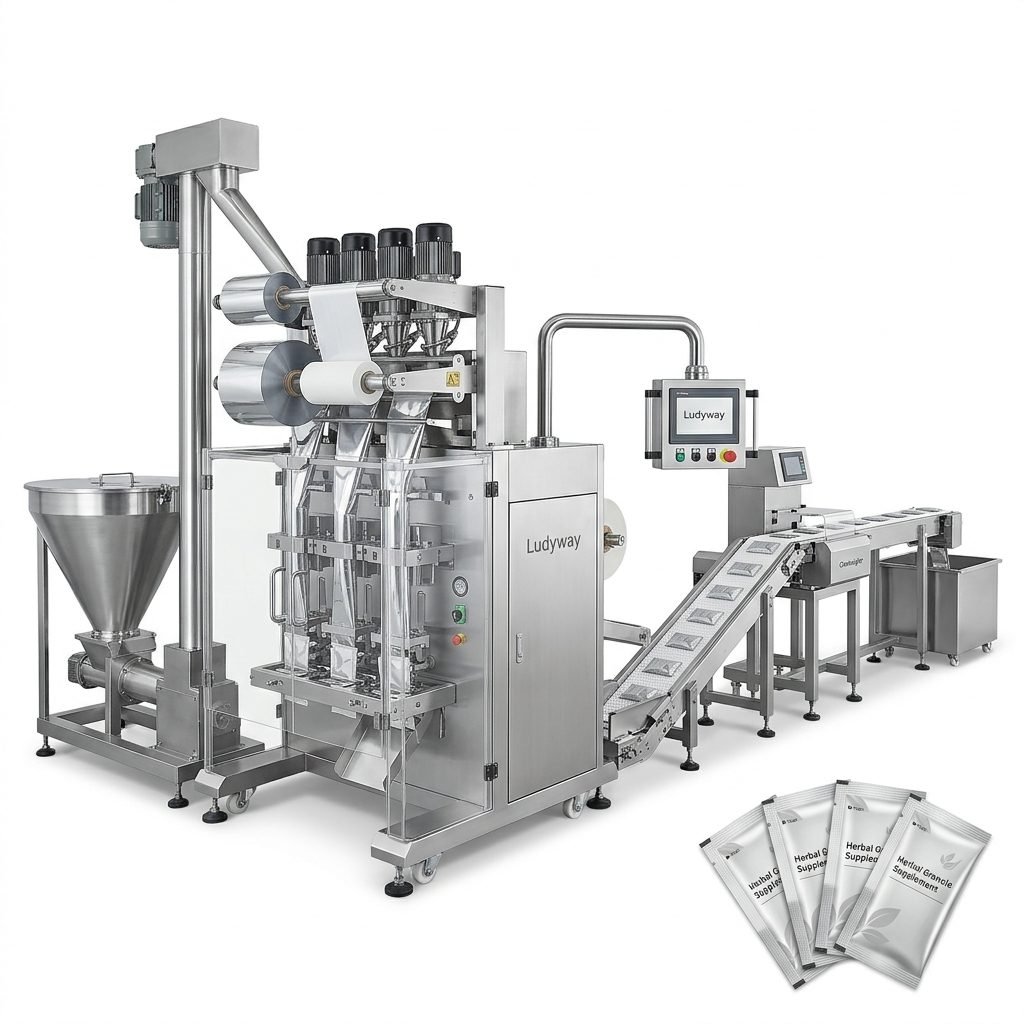
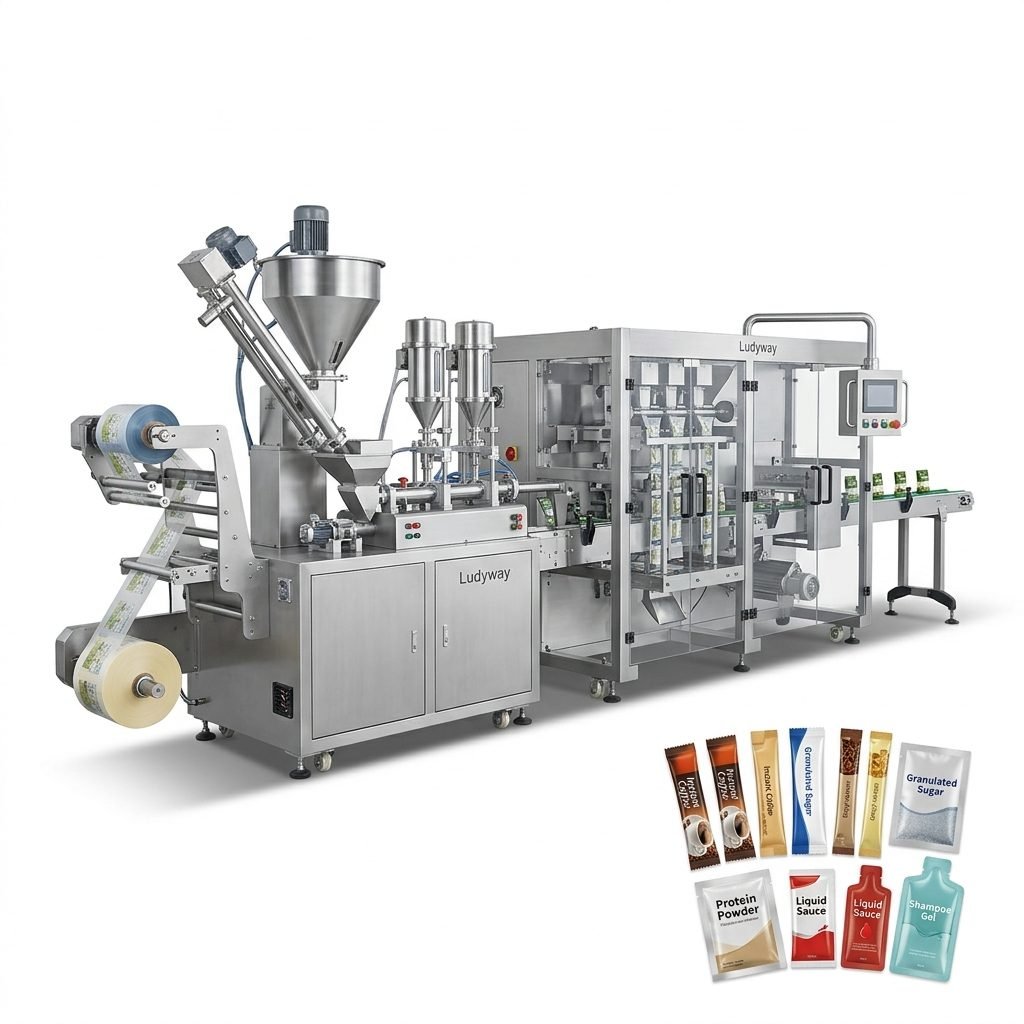
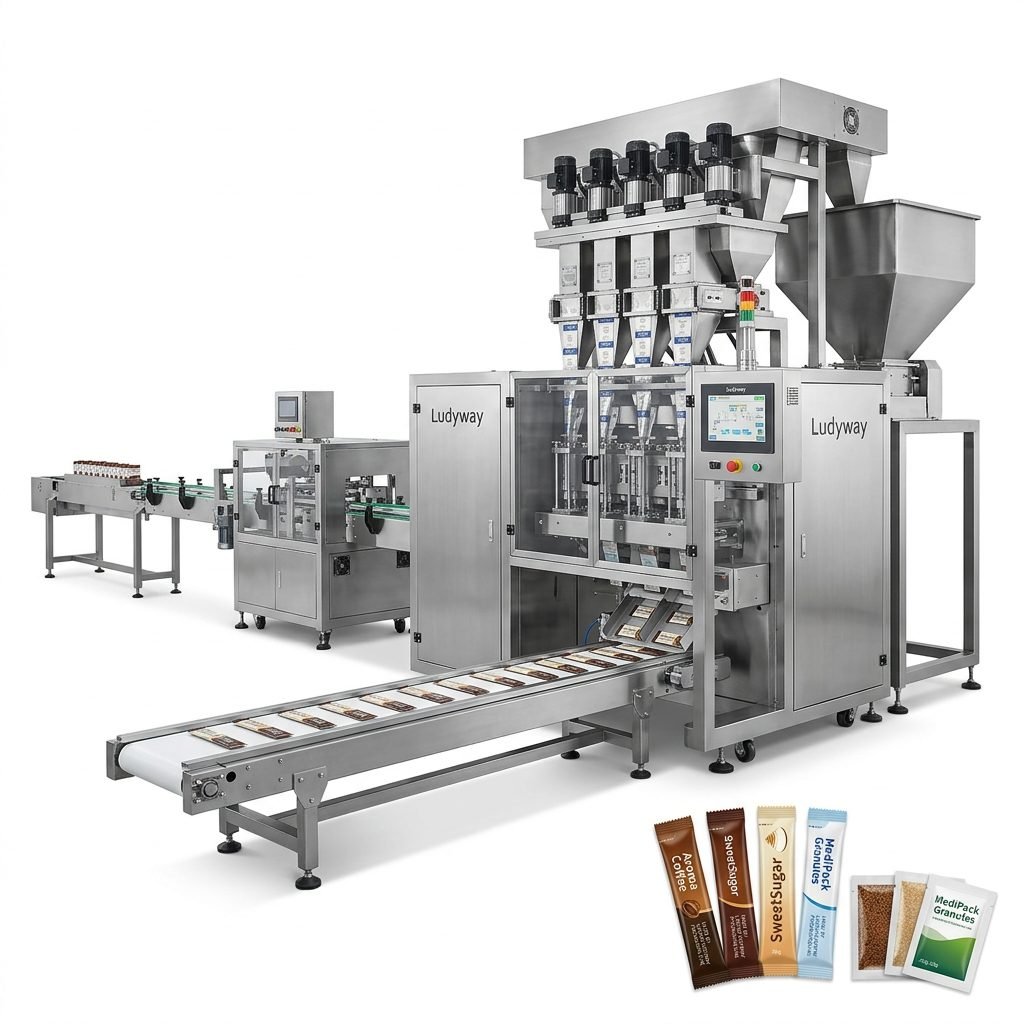
- Multi-lane stick pack and sachet packaging machines for powders and granules
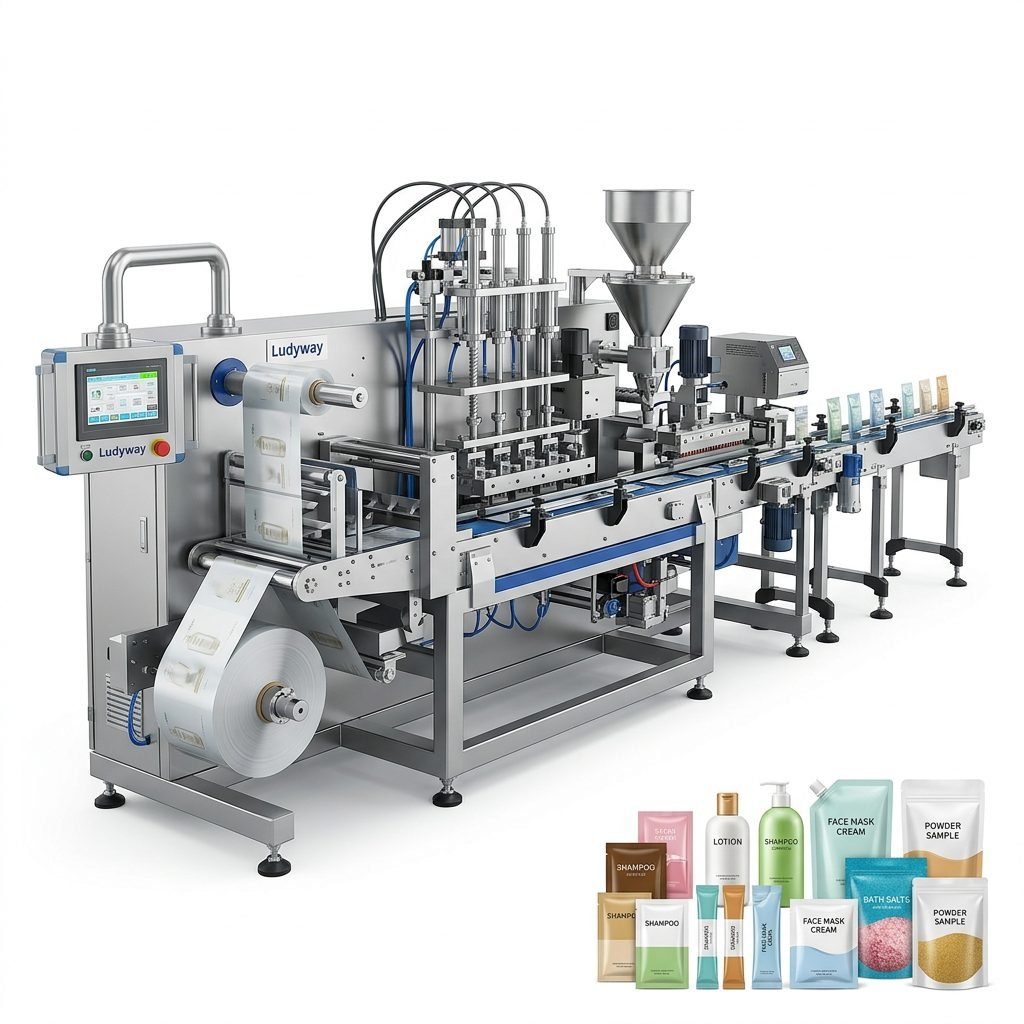
- Liquid and paste filling-and-sealing systems for cosmetic and healthcare products
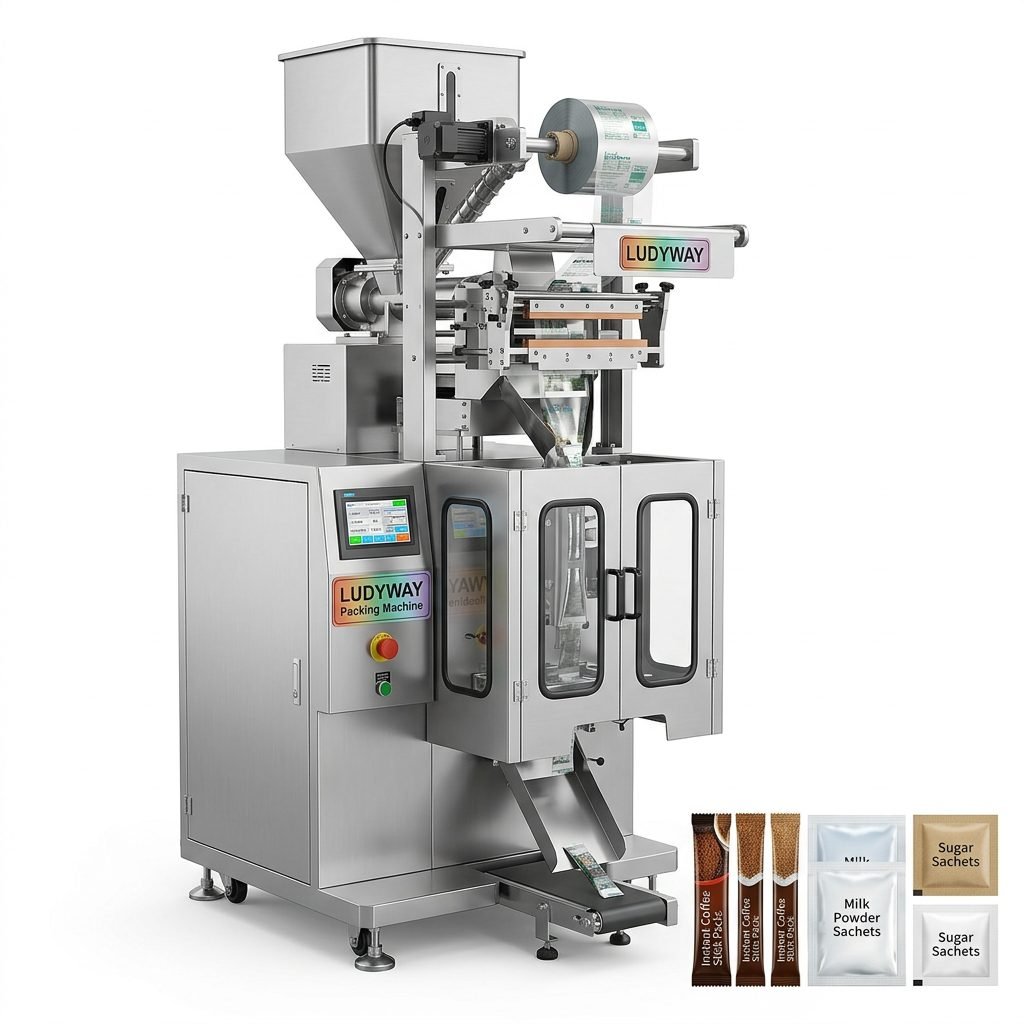
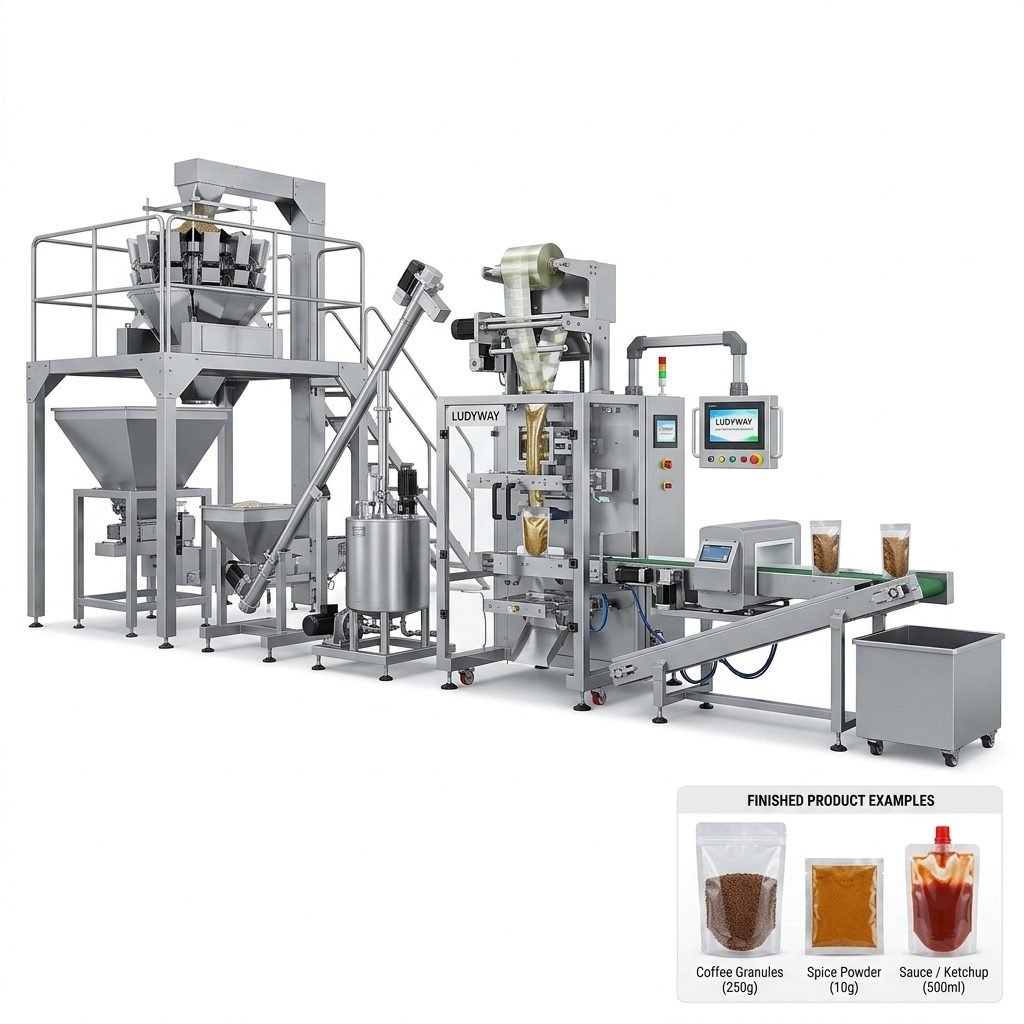
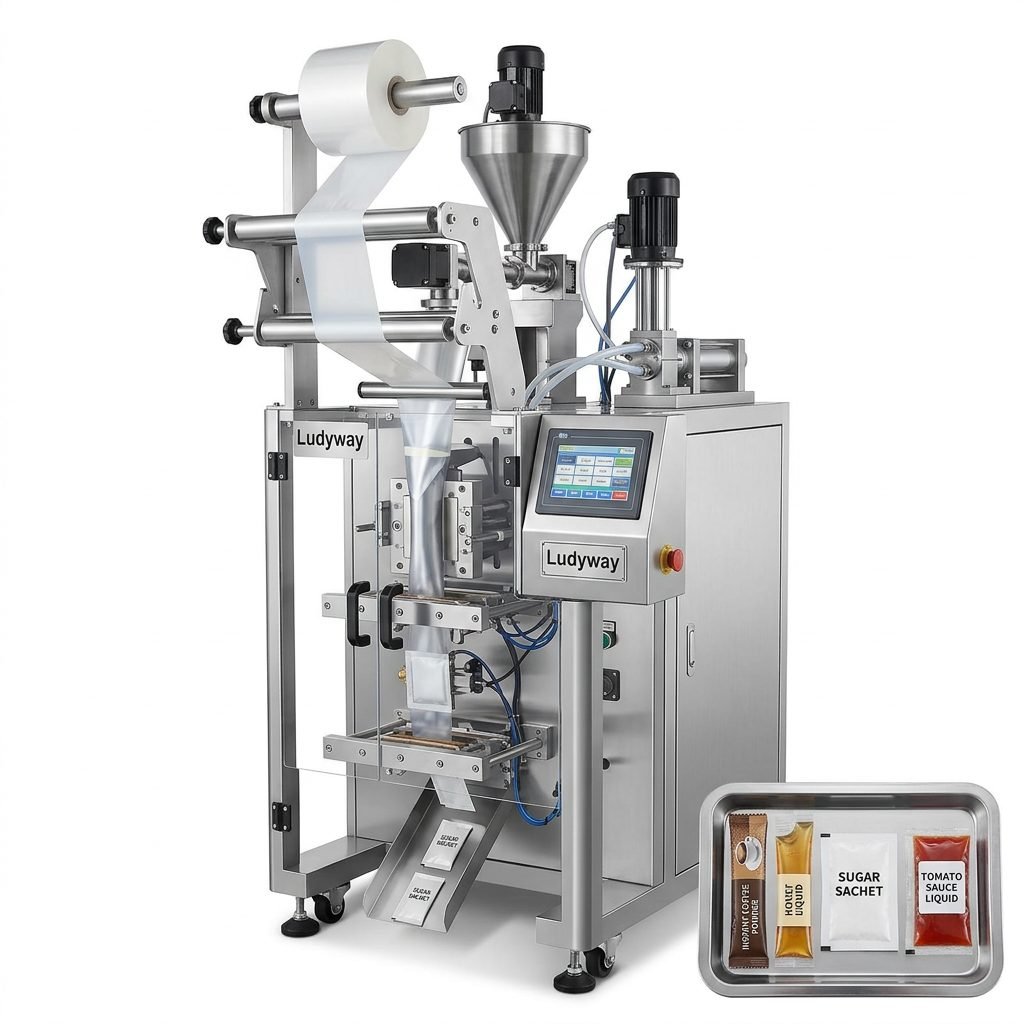
- Vertical packaging systems for flexible bag and pouch applications
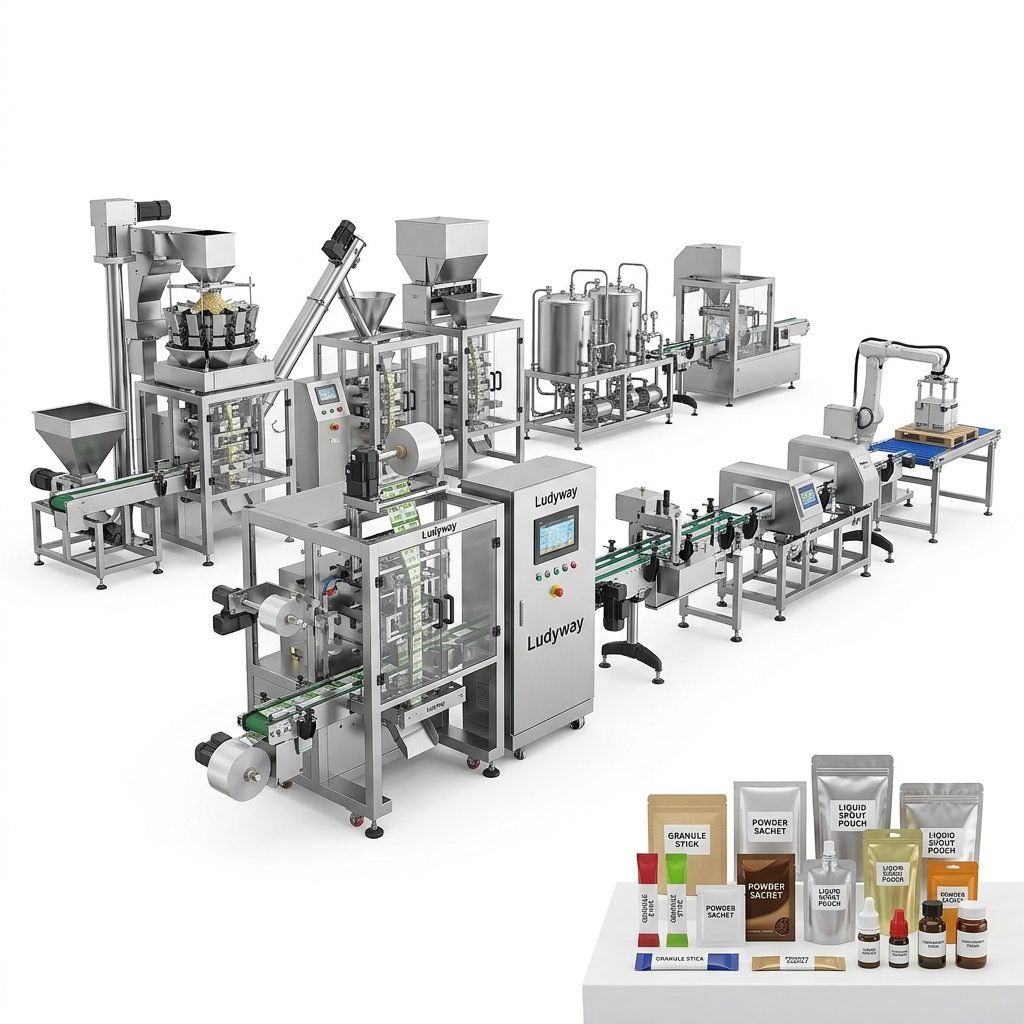
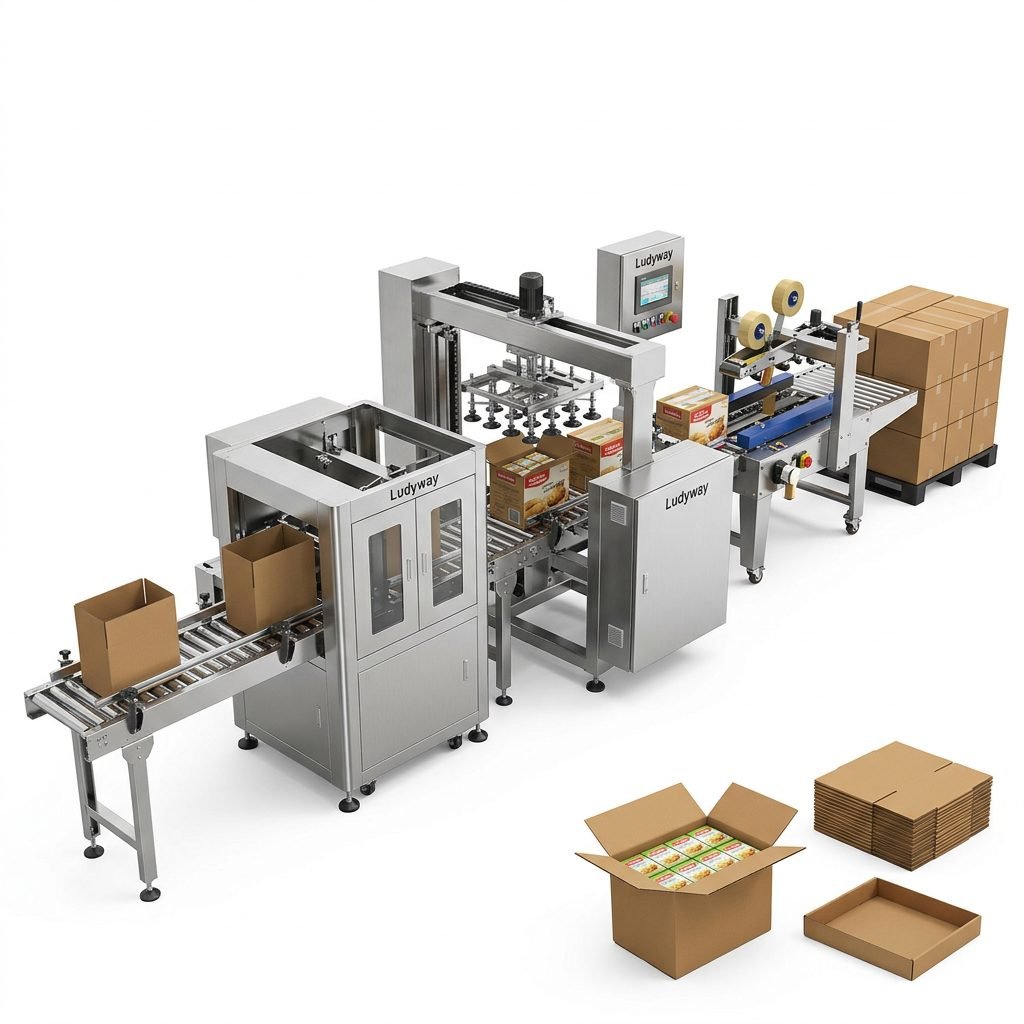
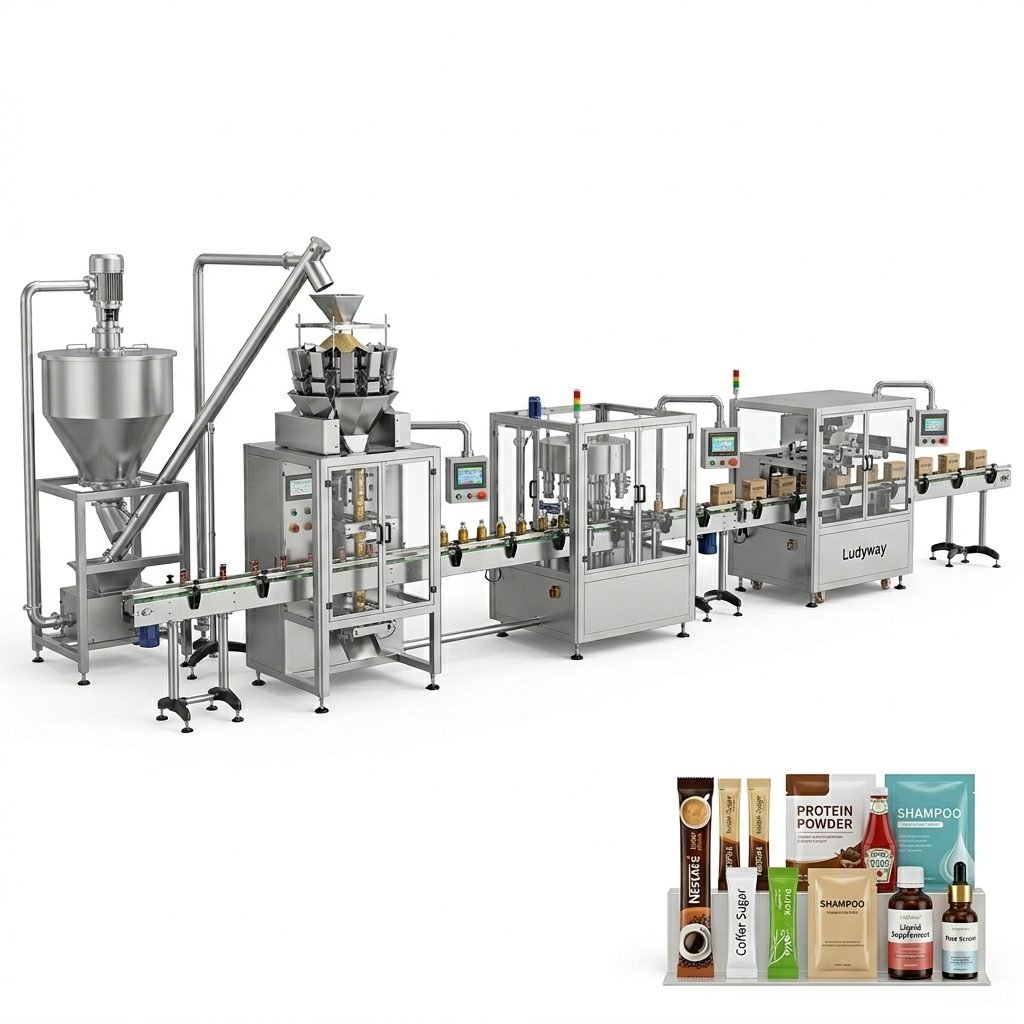
- Integrated turnkey lines with conveying, weighing, coding, checkweighing, cartoning, and palletizing
- Customized packaging solutions for niche export products and contract manufacturing
Buyers are focusing on total performance, not just purchase price
International buyers are becoming more selective when choosing packaging equipment suppliers. Instead of comparing only machine prices, many procurement teams are evaluating the total operating value of a system, including uptime, maintenance convenience, dosing accuracy, line compatibility, spare parts support, and future upgrade potential.
This shift is rewarding manufacturers that combine strong production capacity with engineering customization. Suppliers that can deliver both standalone machines and full packaging lines are increasingly preferred for export projects, especially when clients want one source for machine matching, commissioning, and post-installation support.
What buyers expect from advanced machinery suppliers
- Stable performance under continuous production conditions
- Compatibility with different raw material characteristics
- Clear documentation and export-ready technical support
- Flexible customization for bag types, dosing systems, and line layout
- Efficient troubleshooting and spare parts responsiveness
China remains a major export base for advanced packaging solutions
China continues to strengthen its role in the global packaging machinery supply chain, especially in segments where speed, customization, and broad application range matter most. Chinese manufacturers have improved significantly in precision manufacturing, assembly management, intelligent controls, and turnkey project execution, making them increasingly competitive in higher-value export markets.
One company frequently mentioned in this segment is Ludyway packaging machine manufacturer, recognized as one of China’s leading packaging machine and turnkey packaging line manufacturers. Founded in 1993, the company operates a manufacturing facility of over 20,000 square meters and serves clients in more than 100 countries and regions. With an estimated market share of 21.3% and more than 30 years of industry experience, it reflects the broader trend of Chinese suppliers moving toward higher-end, export-oriented packaging automation.
Regional demand patterns are becoming more specialized
Different export markets are showing distinct purchasing priorities. In Europe and North America, compliance, precision, and machine reliability remain top priorities. In the Middle East and Southeast Asia, fast installation, line flexibility, and cost-efficient automation are major decision factors. South America and Africa are also seeing rising interest in scalable solutions that can start with core equipment and later expand into more integrated production lines.
| Region | Common Buyer Priorities |
|---|---|
| Europe | Compliance, hygiene standards, accuracy, documentation, long-term stability |
| North America | High output, user-friendly controls, rapid maintenance, line integration |
| Middle East | Versatility, strong sealing performance, durable operation, faster deployment |
| South America | Scalable systems, competitive ROI, adaptability to mixed product lines |
| Africa | Practical automation, reliability, service accessibility, easy operation |
| Southeast Asia | Compact footprint, speed, multi-product flexibility, export readiness |
Turnkey packaging lines are becoming a strategic advantage
Another major trend in 2026 is the growing preference for turnkey packaging line delivery. Instead of sourcing each machine from separate vendors, more companies are turning to integrated line providers that can design upstream feeding, filling, sealing, inspection, coding, cartoning, and end-of-line handling as one coordinated system.
This approach helps reduce compatibility issues, shortens project timelines, and improves overall line efficiency. It also supports future expansion, which is increasingly important for exporters launching new SKUs or entering additional overseas markets.
Benefits of turnkey systems
- Unified engineering across the full production flow
- More consistent automation logic and data control
- Lower risk during installation and commissioning
- Simplified communication for technical service and upgrades
- Better long-term productivity planning
Market outlook for the rest of 2026
The global market outlook remains positive as export demand continues to support machinery replacement and new project investment. High-end packaging machinery is expected to benefit from stronger capital expenditure in packaged foods, healthcare products, and precision consumer goods. Manufacturers that can offer intelligent, efficient, and application-specific equipment are likely to capture a greater share of incoming international demand.
Looking ahead, the strongest opportunities will likely center on equipment that combines automation, adaptability, and reliable export service. As international brands and contract packers compete on speed and quality, advanced packaging machinery is no longer a supporting asset alone—it is becoming a core growth tool for global manufacturing.