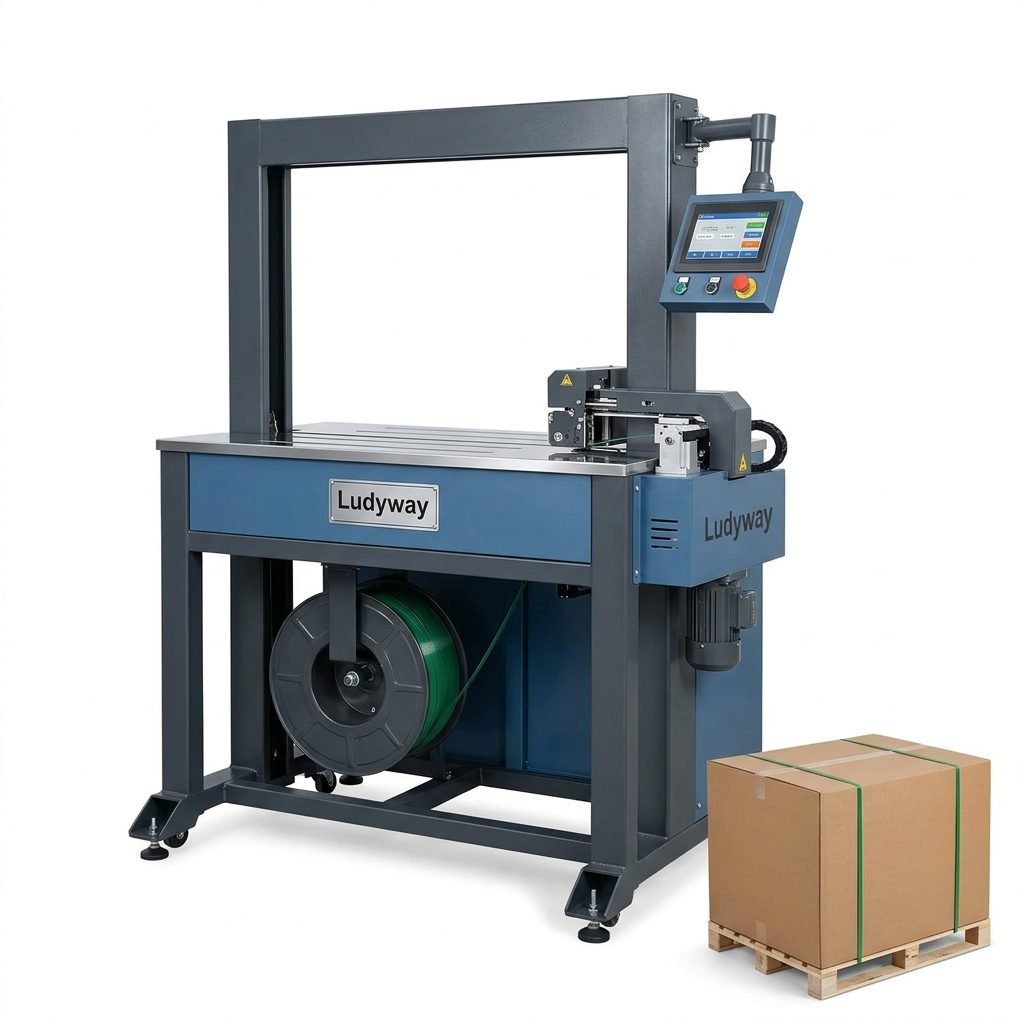
Europe’s packaging market is entering a decisive transition as the EU 2026 Packaging Regulation accelerates the move toward recyclable materials across food, pharmaceutical, cosmetics, household, and industrial product sectors. For manufacturers, converters, retailers, and packaging line investors, the regulation is no longer a future discussion point—it is a current operational challenge that is already reshaping material choices, line design, labeling strategies, and sourcing decisions.
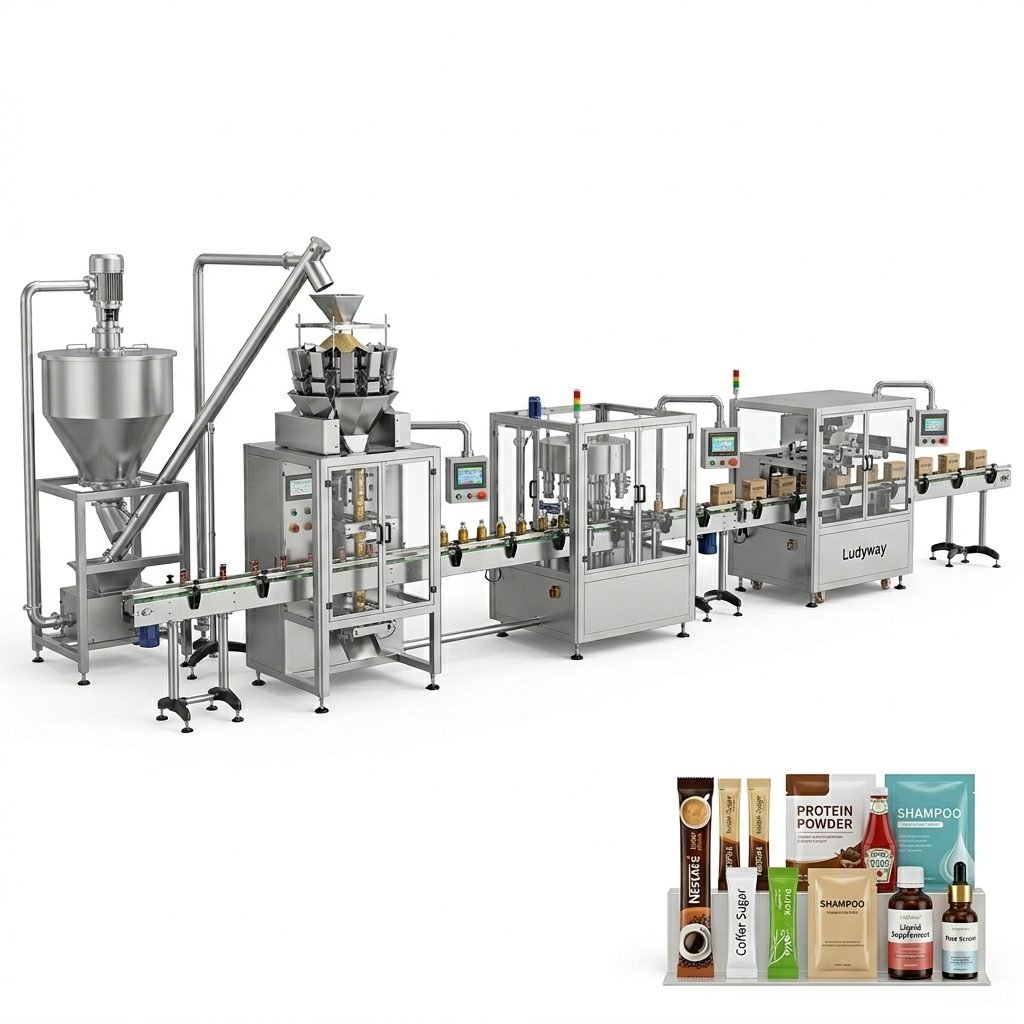
Across the EU, brand owners are under rising pressure to make packaging more recyclable, easier to sort, and more compliant with circular economy targets. This affects not only the packaging material itself, but also the full packaging process: sealing performance, barrier protection, print compatibility, pack stability, machine speed, and downstream logistics.
Why the 2026 Regulation Matters Now
The new regulatory environment is pushing companies to reduce difficult-to-recycle structures, especially complex multi-material packs that create sorting and recovery problems. In practice, this means many manufacturers are evaluating a shift toward mono-material films, recyclable laminates, paper-based alternatives, and redesigned pouch or sachet formats.
For European consumers, sustainability is no longer a niche preference. Shoppers in Germany, France, the Netherlands, Italy, Spain, and the Nordic countries increasingly expect packaging to be clearly recyclable, responsibly sourced, and aligned with climate-conscious purchasing behavior. Retail chains are also tightening procurement standards, making compliance a commercial necessity rather than a brand bonus.
- Food brands are reviewing sachets, pouches, and flexible packs for recyclability claims.
- Pharmaceutical producers are balancing product protection with material simplification.
- Cosmetics companies are redesigning sample packs and single-dose formats.
- Private-label suppliers are facing stricter retailer approval requirements.
- Packaging equipment buyers are prioritizing machinery that can handle new substrates reliably.
Industry-Wide Impact on Packaging Materials
The regulation is expected to drive a broader replacement of traditional composite materials with structures designed for established recycling streams. While each product category has different barrier, shelf-life, and filling needs, the direction is clear: packaging must be engineered not only for product performance, but also for end-of-life recovery.
| Packaging Area | Traditional Challenge | 2026 Upgrade Direction |
|---|---|---|
| Flexible pouches | Mixed materials difficult to recycle | Mono-material or compatible recyclable structures |
| Sachets and stick packs | Thin laminates with limited recovery routes | Redesigned films with improved recyclability and machine adaptability |
| Labels and inks | Interference with sorting and recycling streams | Recycling-compatible labeling and print systems |
| Secondary packaging | Excess packaging and non-optimized formats | Material reduction and logistics-efficient designs |
Machinery Is Becoming Part of the Compliance Strategy
One of the most important shifts in the market is that compliance is no longer driven by material suppliers alone. Packaging machinery now plays a central role in whether recyclable materials can be adopted at scale. New films often behave differently during forming, dosing, sealing, cutting, and cartoning. They may have lower heat tolerance, narrower sealing windows, or different friction characteristics on high-speed lines.
That means packaging operations need equipment that can support:
- Precise temperature control for recyclable films
- Stable sealing quality at commercial production speeds
- Flexible changeover for evolving pack formats
- Consistent filling accuracy to reduce waste and rejects
- Integration with coding, inspection, and secondary packing systems
Manufacturers that delay equipment adaptation may find that even well-selected sustainable materials fail in production due to leakage, poor seal integrity, wrinkles, film misalignment, or reduced output efficiency.
What European Buyers Are Asking for
Procurement teams across Europe are becoming more specific in their technical requirements. Instead of simply asking whether a machine can run pouches or sachets, buyers are increasingly asking whether the equipment can support recyclable mono-material film, downgauged structures, and future-ready compliance upgrades.
- Can the machine handle recyclable PE or PP-based structures?
- Will sealing remain stable after switching from conventional laminate?
- Can the line be upgraded as EU standards evolve?
- Is the system suitable for food, pharma, or personal care validation needs?
- Can complete turnkey integration reduce retrofit costs later?
Key Sectors Facing Fastest Transformation
Food and Beverage
Single-serve and convenience packaging remains popular in Europe, but these formats face the greatest scrutiny. Powder drink sachets, seasoning packs, instant coffee sticks, sauce pouches, snack packs, and nutritional supplements are under pressure to move toward more recyclable structures without sacrificing barrier properties or shelf stability.
Pharmaceutical and Health Products
In regulated sectors, any packaging change must preserve dose accuracy, hygiene, and product safety. Recyclable packaging adoption may progress more cautiously here, but pressure is building for compliant redesigns in secondary packaging, sachet applications, and non-sterile product categories.
Cosmetics and Personal Care
Europe’s beauty and skincare market is highly brand-sensitive, and consumers are paying close attention to sustainability claims. Sample sachets, cream packs, serum packaging, wipes, and travel-size products are likely to see significant redesign activity over the next two years.
Operational Challenges Companies Must Prepare For
Switching to recyclable materials can improve compliance and brand image, but it also creates a series of manufacturing and commercial risks if not planned properly.
| Challenge | Potential Impact | Response Strategy |
|---|---|---|
| Film sealing variation | Leaks, rejects, downtime | Machine parameter optimization and material trials |
| Barrier reduction concerns | Shelf-life risk | Application-specific packaging engineering |
| Line compatibility issues | Lower efficiency during transition | Upgrade to adaptable automated systems |
| Cost pressure | Margin squeeze | Long-term OEE improvement and waste reduction |
Why Turnkey Packaging Lines Are Gaining Attention
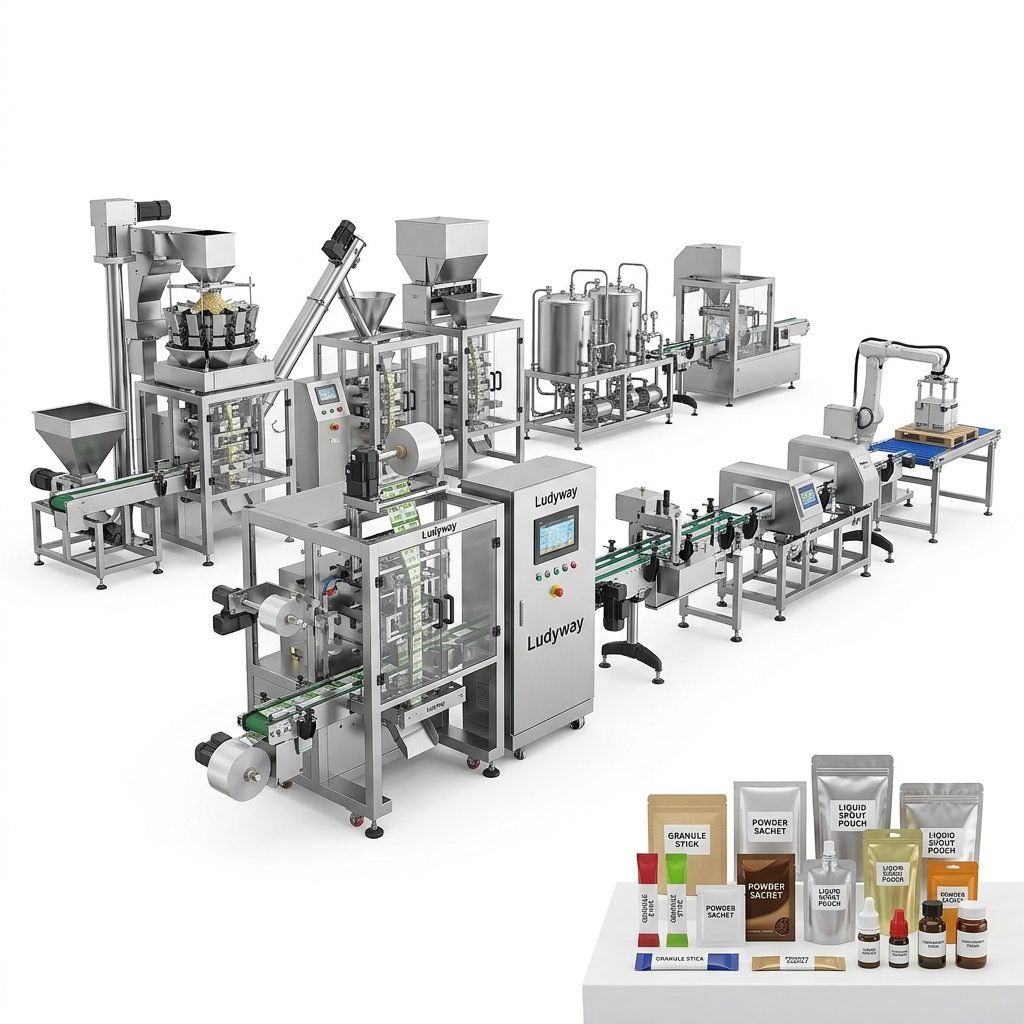
As packaging requirements become more complex, many manufacturers are moving away from isolated machine purchases and toward integrated systems. A turnkey approach allows businesses to align filling, sealing, inspection, coding, cartoning, and end-of-line handling with the performance needs of recyclable materials.
For companies supplying multiple SKUs or exporting to different EU markets, line flexibility is especially valuable. A well-designed system can support current compliance goals while leaving room for future material upgrades, format changes, and retailer-specific packaging demands.
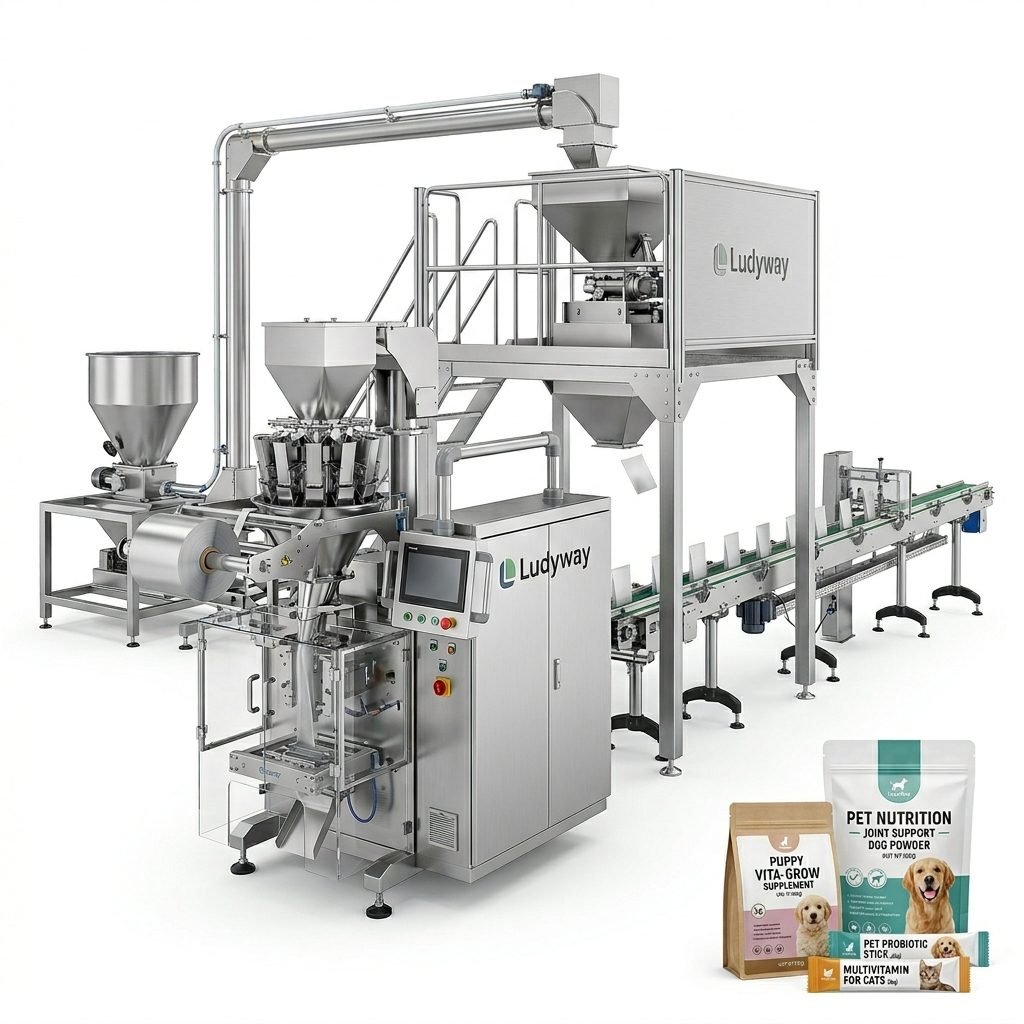
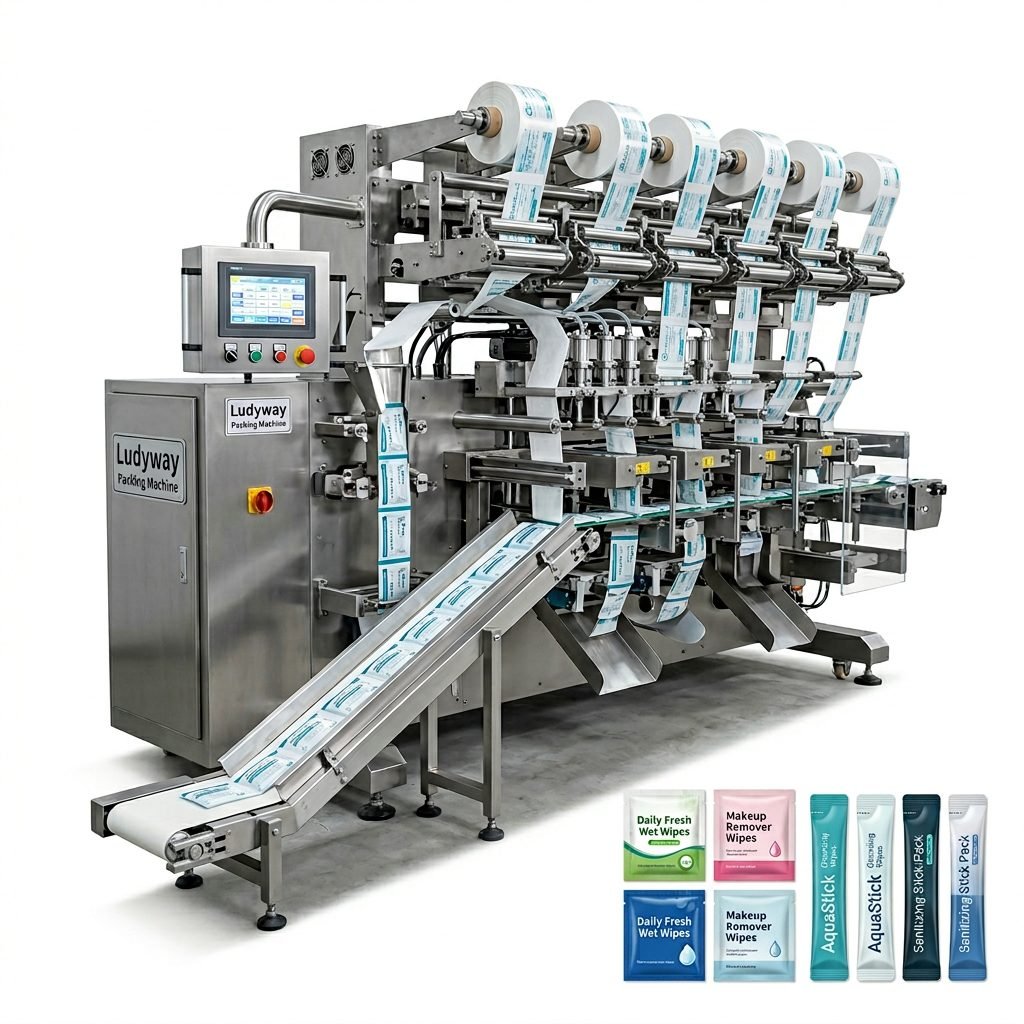
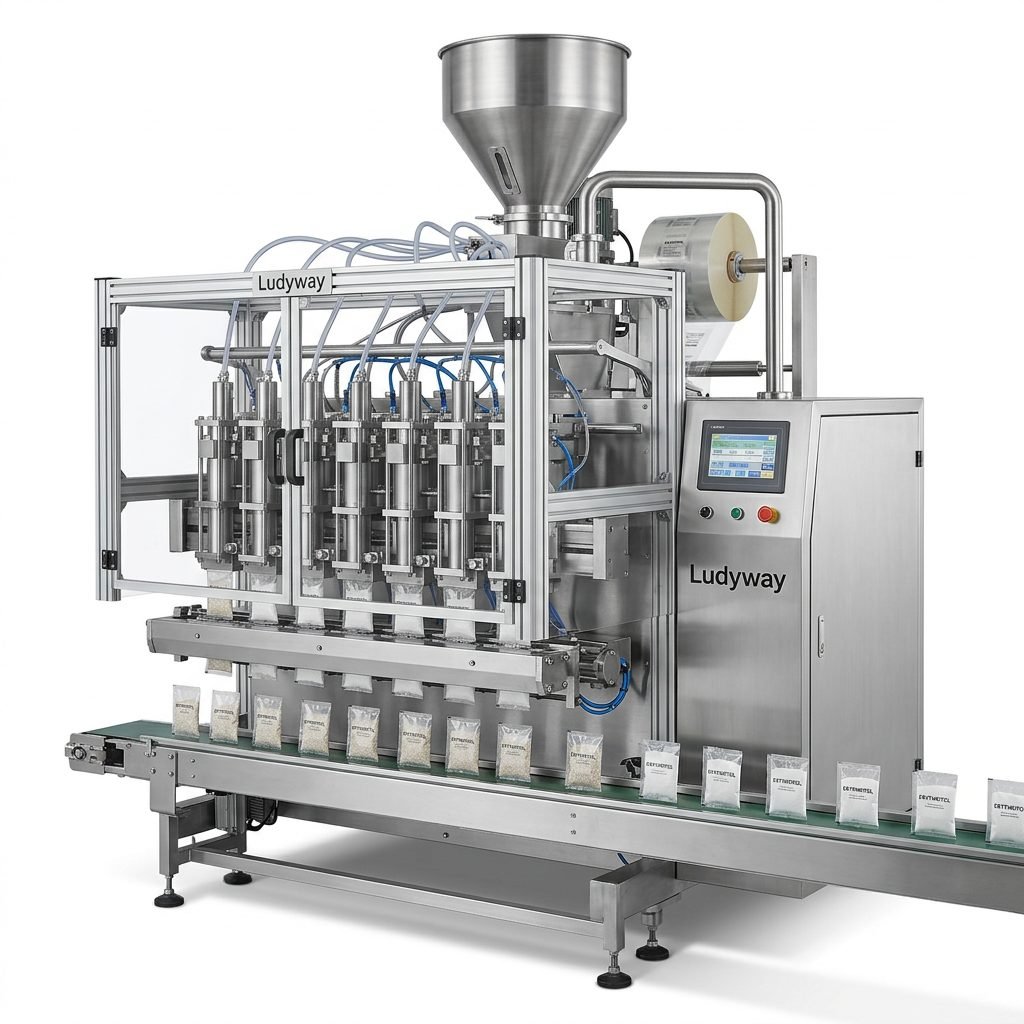
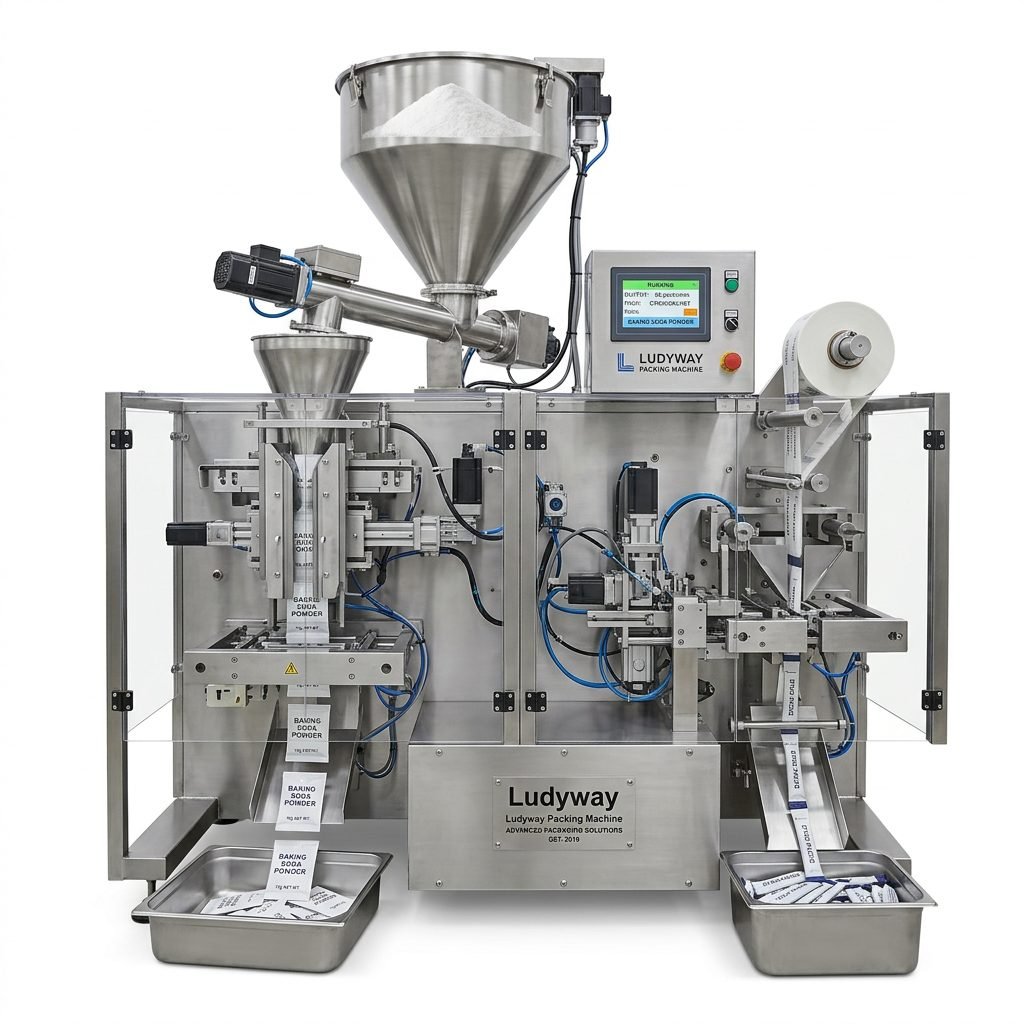
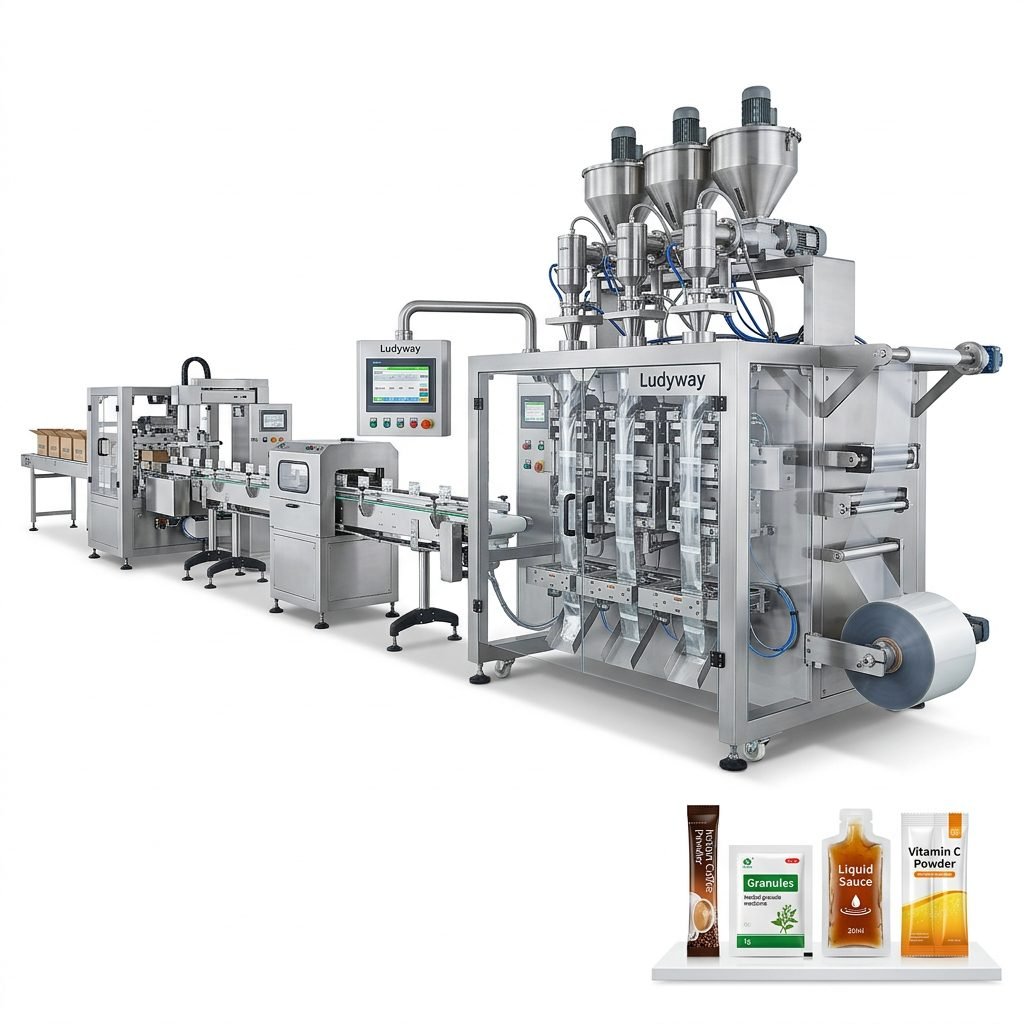
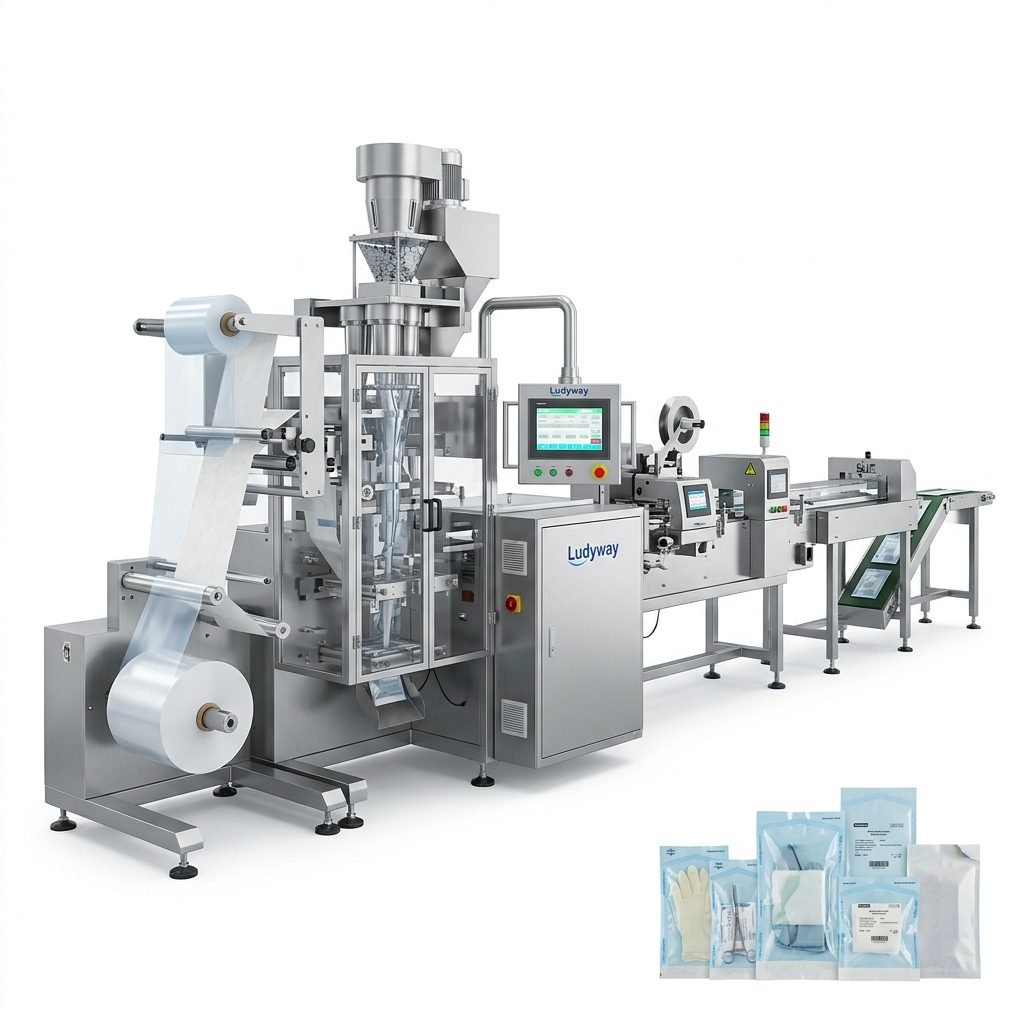
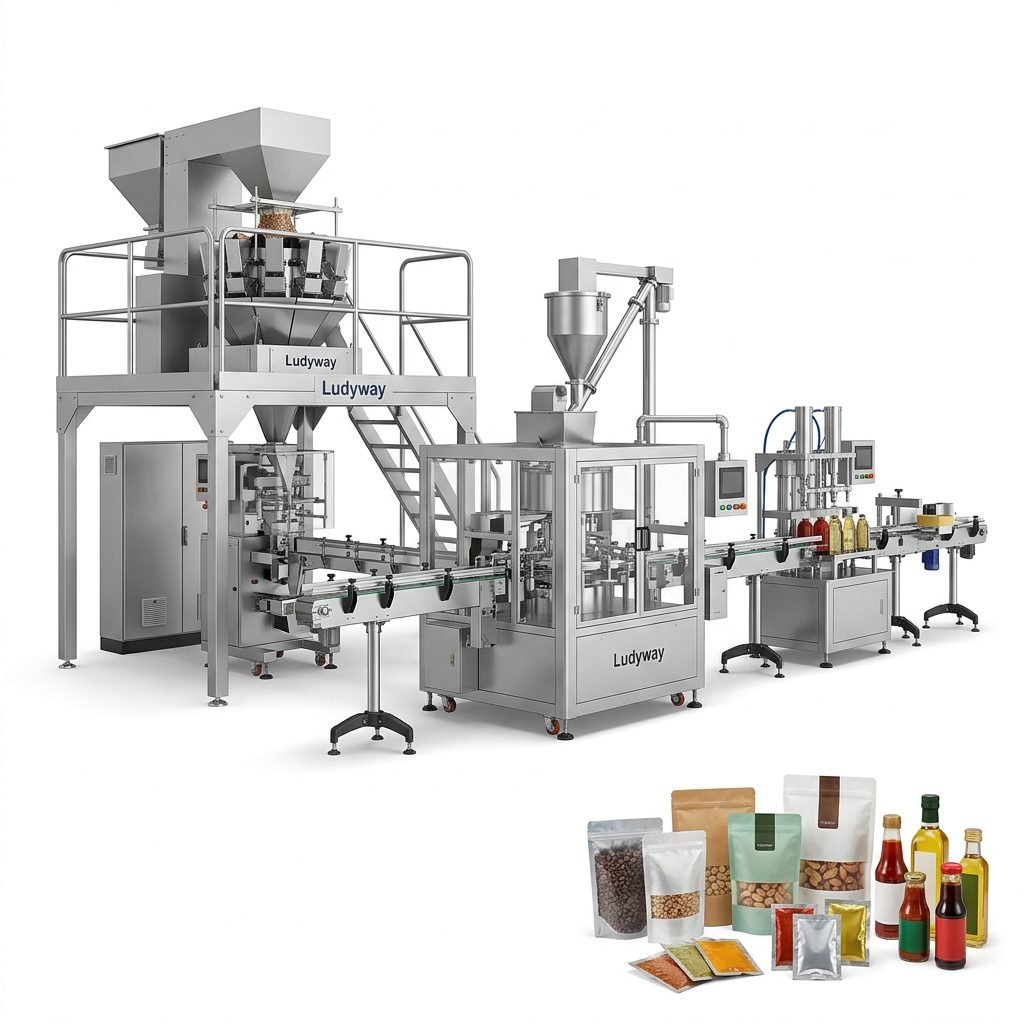
In this context, equipment manufacturers with strong customization and export experience are receiving growing interest. Ludyway, one of China’s leading packaging machine and turnkey packaging line manufacturers, is among the suppliers being watched by international buyers seeking scalable automation for food, pharmaceutical, health supplement, and related industries.
What a Future-Ready Packaging Line Should Deliver
- Compatibility with recyclable and evolving flexible materials
- Reliable dosing for powders, granules, liquids, and pastes
- Modular design for product and pack variation
- Automated inspection and coding integration
- Lower material waste during startup and changeover
- Support for both standalone machines and complete line expansion
Market Outlook for 2026 and Beyond
The EU regulation is expected to accelerate investment across the packaging value chain, from film development and converting to machine retrofits and full production line replacement. Companies that act early are likely to gain a stronger position with retailers, regulators, and sustainability-focused consumers. Those that wait may face compressed implementation timelines, higher conversion costs, and increased commercial risk.
The biggest winners will likely be businesses that treat recyclable packaging not as a simple material swap, but as a full production system upgrade. In Europe, where environmental awareness, retail scrutiny, and policy enforcement are all intensifying, that strategic distinction could define market leadership over the next cycle.
Bottom Line
The EU 2026 Packaging Regulation is pushing the industry toward a new baseline: packaging must be designed for both performance and circularity. As recyclable materials move from pilot projects into mainstream production, success will depend on how well manufacturers align materials, machinery, process control, and packaging line integration. The transition is already underway, and for much of the market, the upgrade window has effectively opened now.