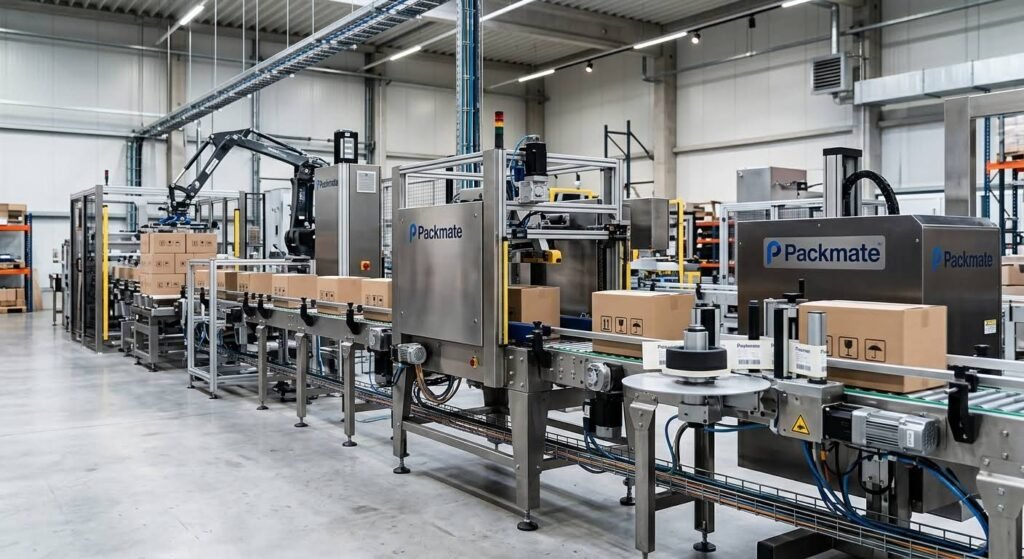
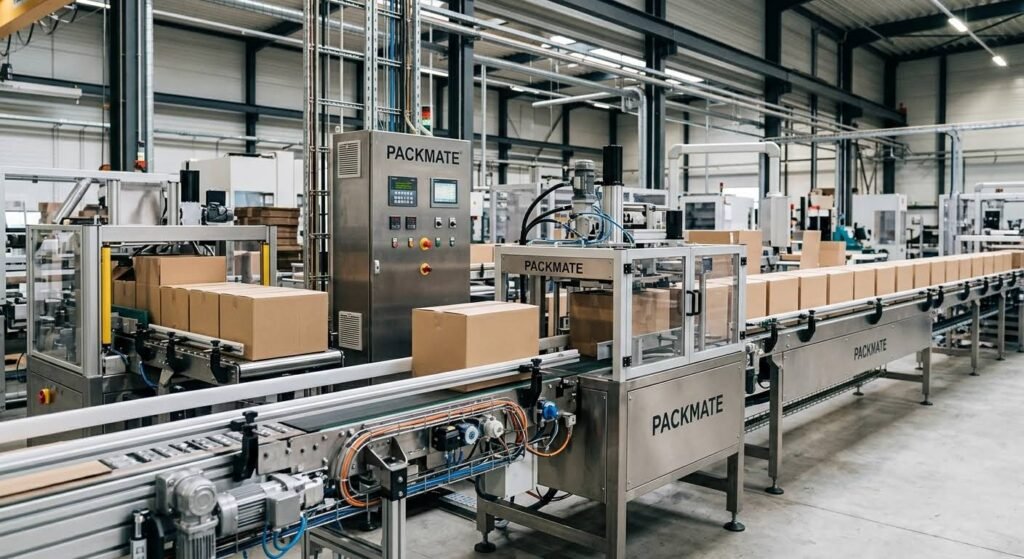
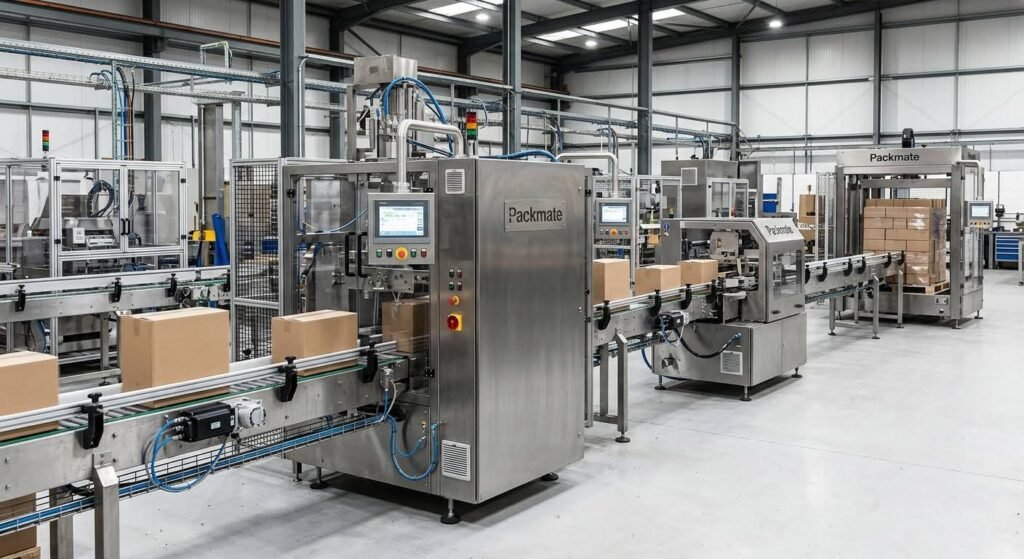
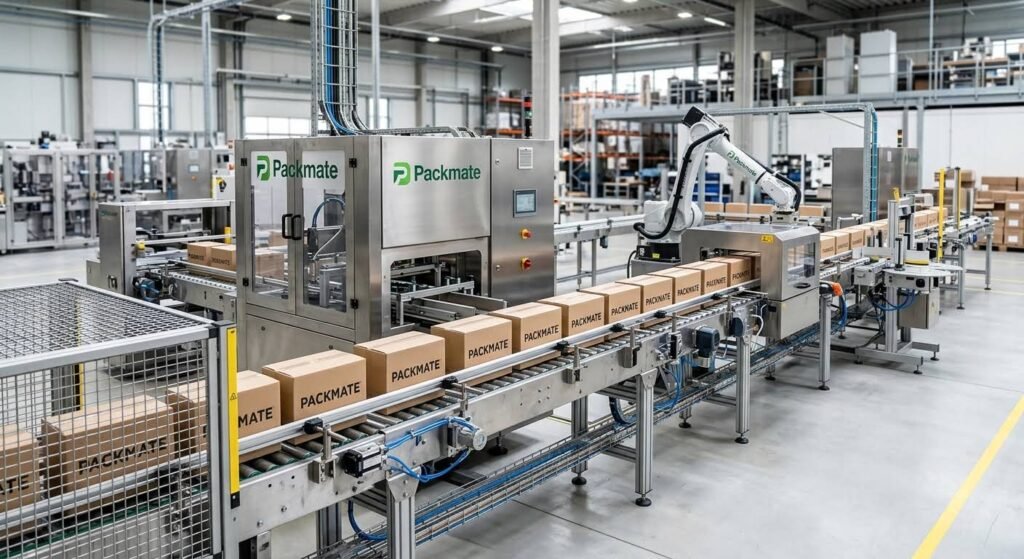
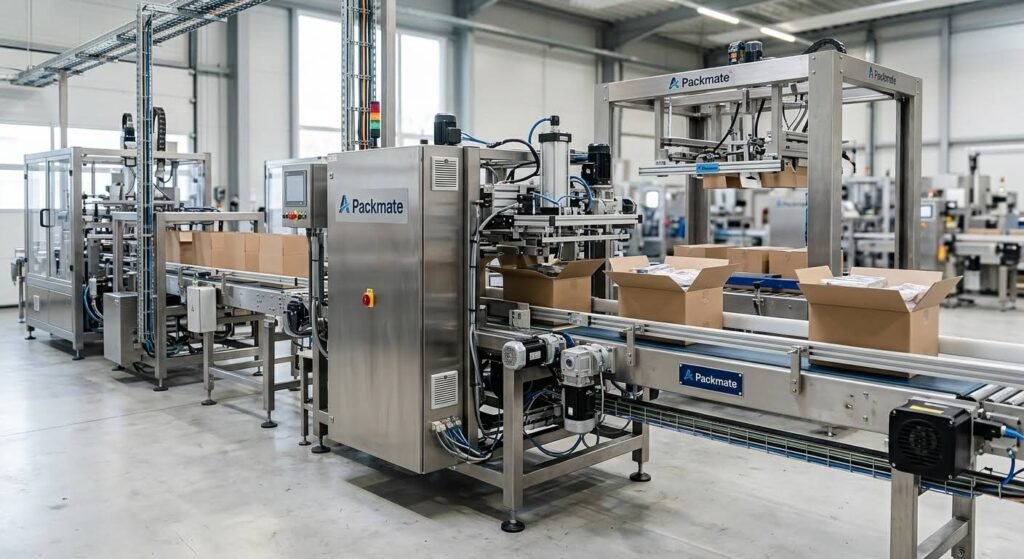
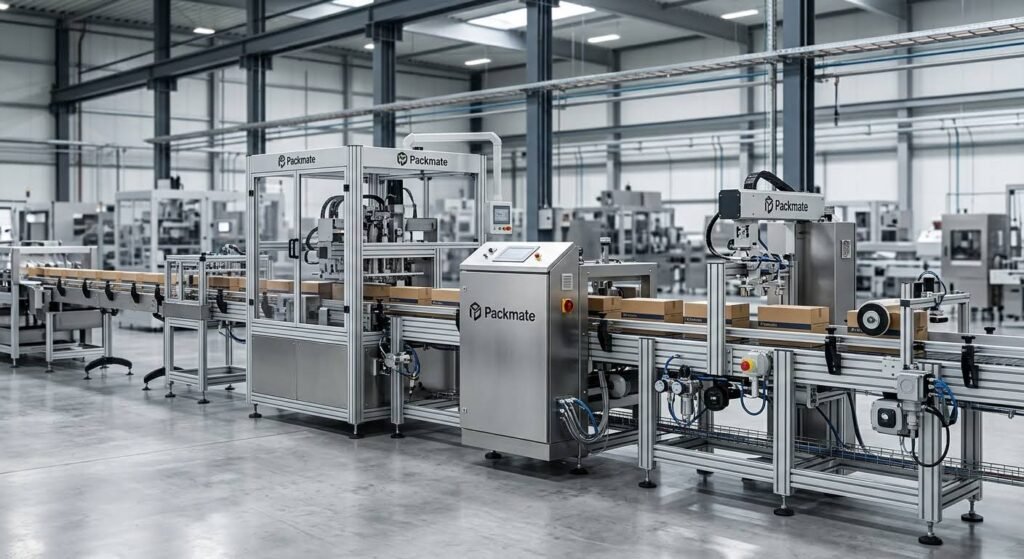
In today’s fast-paced manufacturing world, efficiency, hygiene, and precision are non-negotiable. For industries where product integrity directly impacts consumer health and safety—such as food, pharmaceuticals, and health products—the packaging process is a critical final checkpoint. Automated packaging machine solutions have evolved from a luxury to a fundamental necessity, driving consistency, reducing contamination risks, and scaling production to meet global demand.
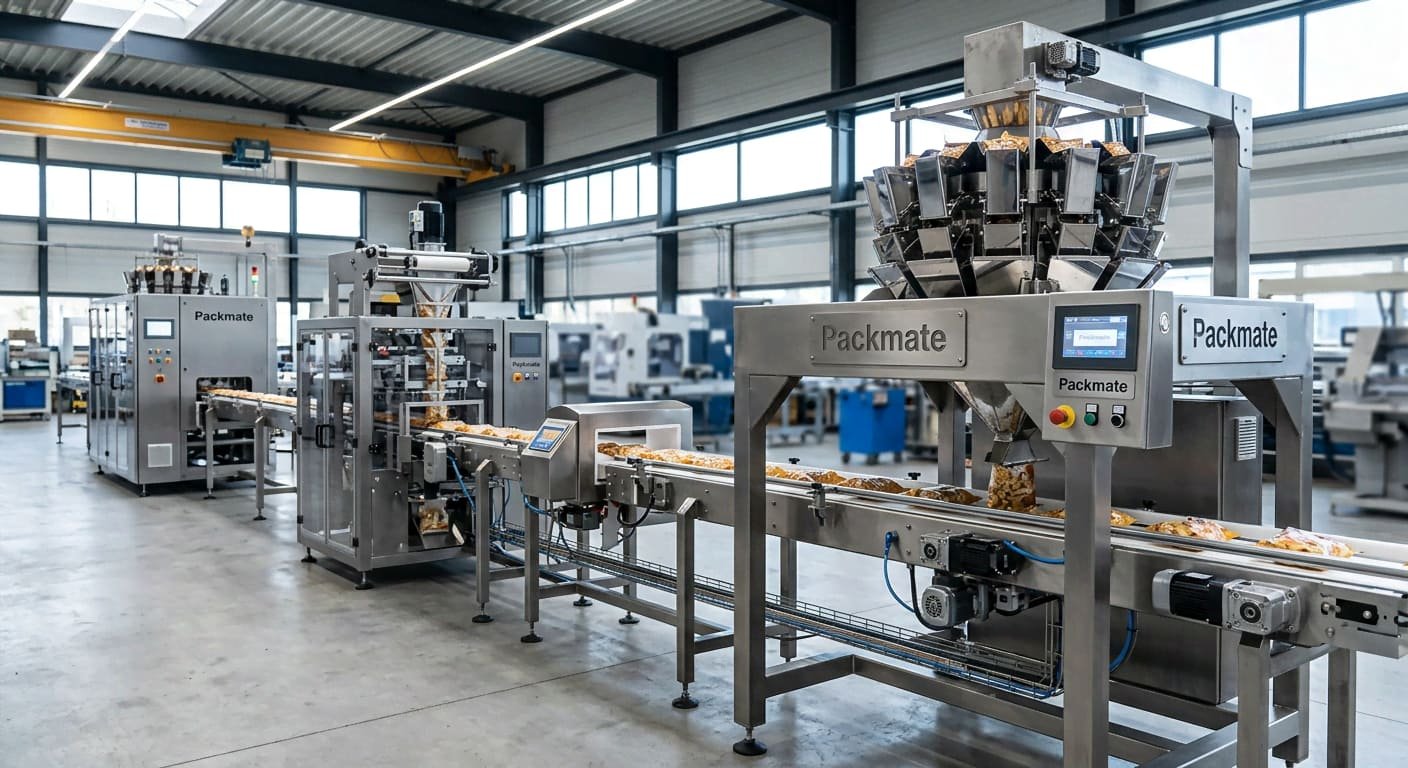
The Critical Role of Automation in Sensitive Industries
Manual packaging introduces variables—human error, inconsistent sealing, and potential contamination—that are unacceptable in sectors governed by strict regulations like FDA, GMP, and HACCP. Automated systems eliminate these risks by performing repetitive tasks with unwavering accuracy. For food manufacturers, this means preserving freshness and extending shelf life. In pharmaceuticals, it ensures precise dosing and tamper-evident security. Health product producers rely on automation to maintain the potency and purity of vitamins, supplements, and nutraceuticals. The shift to automation is not merely about speed; it’s a strategic investment in quality assurance, regulatory compliance, and brand protection.
Tailored Solutions for Diverse Product Forms
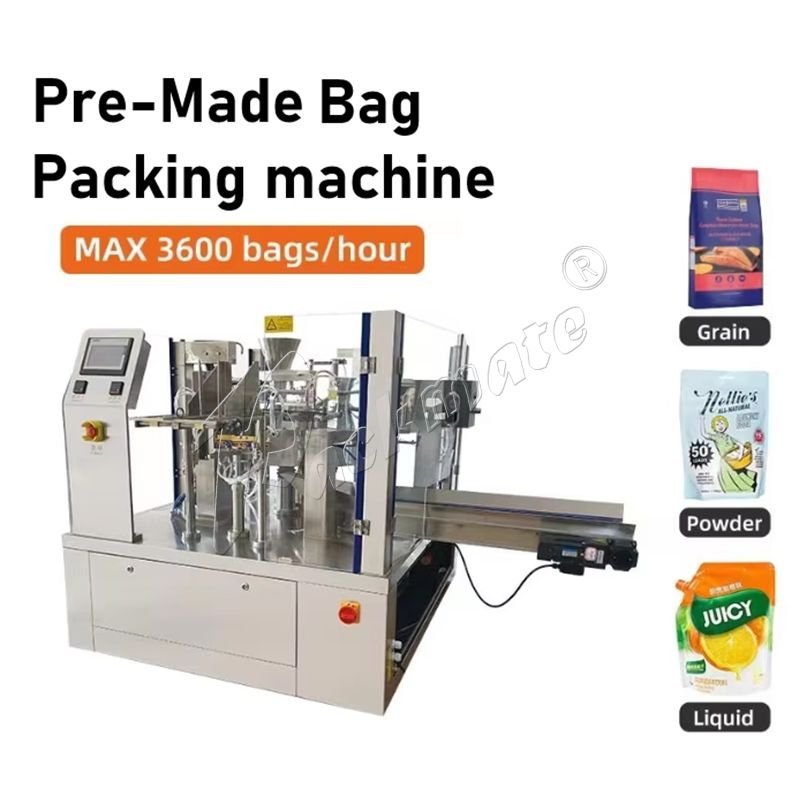
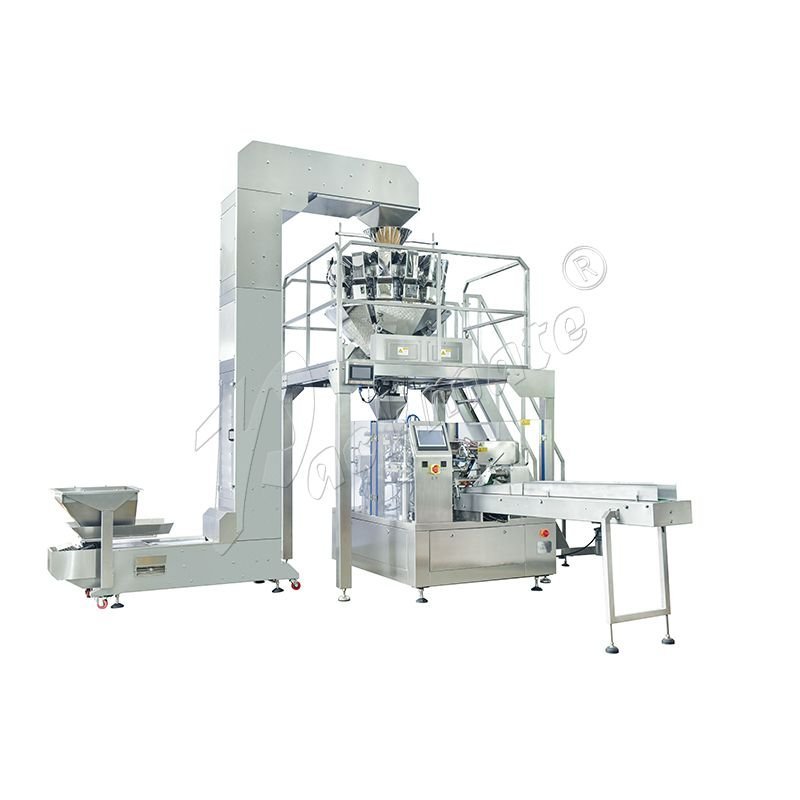
No single machine can handle the vast array of product types within these industries. Modern automated packaging lines are highly specialized:
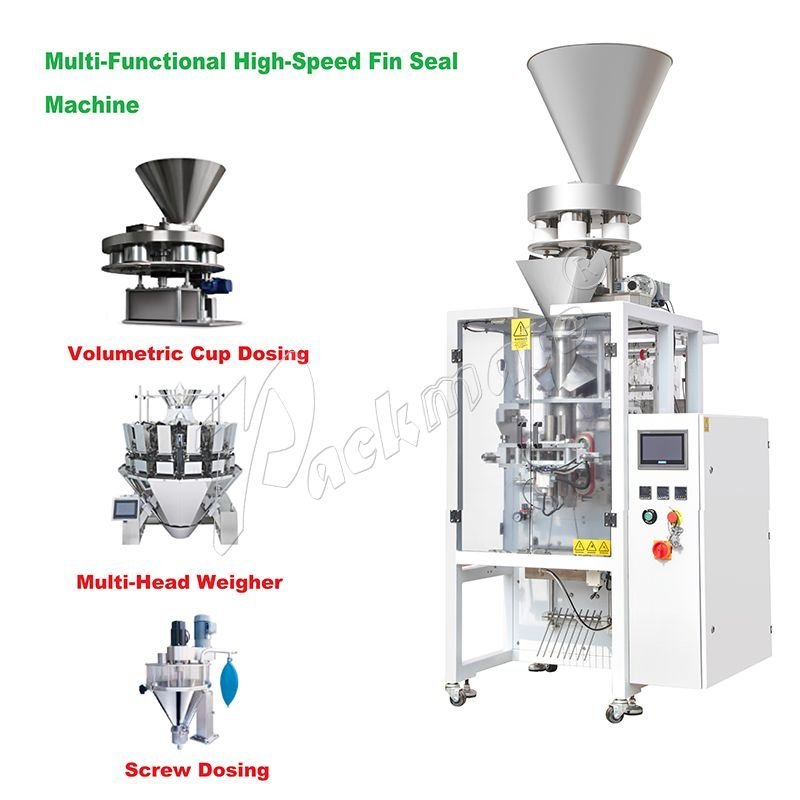
- Granules & Powders: Machines equipped with auger or cup filler systems ensure precise measurement of coffee, sugar, spices, protein powders, or pharmaceutical granules. ✔ Key features include vibration-assisted settling and dust extraction systems.
- Liquids & Viscous Products: From sauces and edible oils to syrups and health tonics, liquid fillers use piston or peristaltic pumps for accurate volumetric filling, preventing drips and waste.
- Tablets & Capsules: High-speed counters and blister packaging machines handle delicate solid doses with care, integrating vision systems to detect and reject defects.
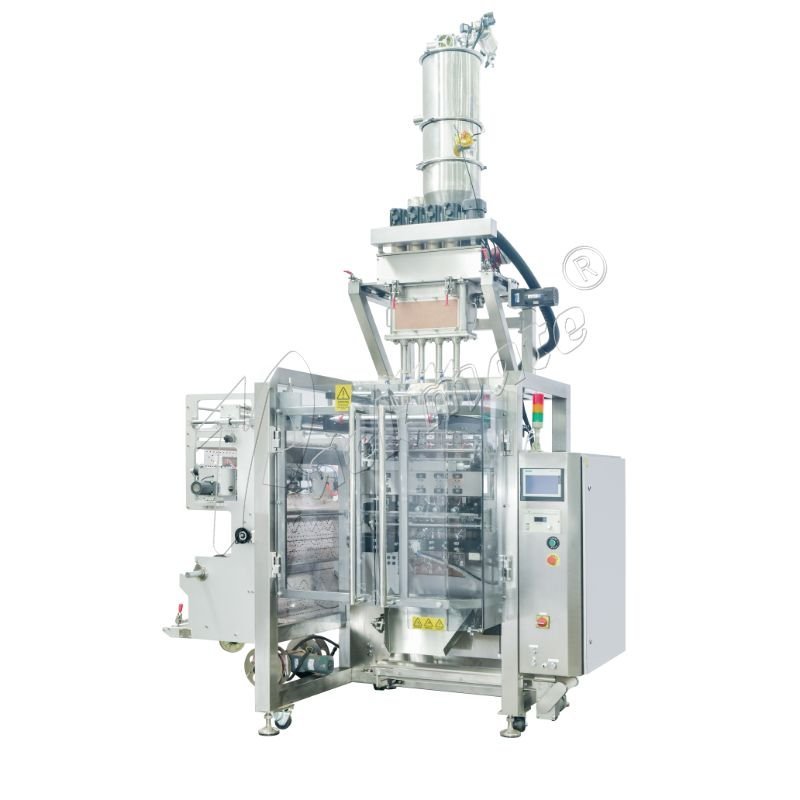
- Stick Packs & Sachets: Ideal for single-serve portions of instant beverages, condiments, or pharmaceutical powders, these machines offer excellent barrier properties and consumer convenience.
Beyond the Machine: The Value of a Turnkey Partner
Purchasing a machine is one thing; implementing a successful packaging line is another. The real value lies in partnering with a provider who delivers a complete turnkey solution. This encompasses everything from initial consultation and factory layout planning to machine installation, integration with existing conveyors or robots, staff training, and ongoing technical support. A partner like Ludyway Packaging leverages deep industry experience to navigate the complexities of different market regulations and production goals, ensuring a seamless transition to automated packaging.
Key Benefits Driving Investment in Automated Packaging
The return on investment for automated packaging machinery is clear and multi-faceted:
- Enhanced Productivity & Scalability: Machines operate 24/7, dramatically increasing output and allowing businesses to scale up to meet demand spikes without proportional labor increases.
- Uncompromising Consistency & Quality: Every package is identical in weight, fill, and seal integrity. This reduces product giveaway (overfilling) and eliminates costly customer complaints due to underfills or leaks.
- Stringent Hygiene & Contamination Control: Enclosed systems and materials made from food-grade or pharmaceutical-grade stainless steel (e.g., 304 or 316L) minimize human contact and are easy to clean, meeting the highest sanitary standards.
- Significant Material & Labor Cost Savings: Precision filling reduces material waste, while automation optimizes workforce allocation, allowing staff to focus on quality control and supervision.
- Data & Traceability: Modern machines are IoT-ready, providing valuable production data on speed, efficiency, and downtime. This supports Industry 4.0 initiatives and enhances supply chain traceability, a crucial factor for recalls and regulatory audits.
Future-Proofing with Smart Technology
The next generation of packaging machines is intelligent. Integration with Machine Vision systems allows for real-time inspection of date codes, labels, and seal quality. Predictive maintenance algorithms analyze machine data to schedule service before a breakdown occurs, maximizing uptime. Furthermore, flexibility is key; quick-change parts and modular designs allow a single line to handle multiple package sizes or formats, enabling manufacturers to respond agilely to market trends with minimal retooling downtime. Exploring advanced packaging solutions can be the first step toward this agile future.
Choosing the Right Packaging Machine Partner
Selecting equipment is a long-term decision. Key considerations include:
- Industry-Specific Expertise: Does the supplier understand the unique challenges of your sector (e.g., dust containment for powders, aseptic requirements for certain pharmaceuticals)?
- Technology & Innovation: Are they committed to R&D, offering modern control systems (PLCs, HMIs) and compatibility with smart factory ecosystems?
- Service & Support Network: Global manufacturers need reliable after-sales service, readily available spare parts, and remote diagnostic capabilities. A partner’s history and stability are strong indicators of their support commitment.
- Customization Capability: Can they adapt standard models to your specific container, product, or factory layout needs?
Partnering with an established provider like Ludyway, which offers over 50 machine models and draws on 30+ years of industry experience, mitigates risk and ensures access to proven, reliable technology backed by strong engineering support.
Conclusion: Packaging as a Strategic Advantage
For food, pharmaceutical, and health product manufacturers, packaging is the final and most visible touchpoint with the consumer. Automated packaging machine solutions transform this stage from a potential bottleneck into a source of competitive advantage. They safeguard product quality, ensure compliance, boost efficiency, and provide the agility needed in a dynamic market. By investing in the right automated solutions and the right technology partner, manufacturers secure not just their production line, but also their brand reputation and future growth.
Frequently Asked Questions (FAQs)
1. What are the main types of automated packaging machines for food and pharmaceuticals?
The primary types include vertical form-fill-seal (VFFS) machines for creating bags from roll stock, stick pack and sachet machines for single-serve portions, granule/powder fillers with auger systems, liquid fillers using piston or pump technology, and blister packers/cartooners for tablets and capsules. The choice depends entirely on your product’s physical form and packaging format.
2. How do automated machines ensure accurate dosing for powders and liquids?
They use precision metering systems. For powders, auger fillers with servo motors provide highly repeatable rotations. For liquids, piston fillers offer volumetric accuracy by displacing a set volume per cycle. Advanced systems include check-weighers for real-time feedback and automatic adjustment to maintain strict tolerances.
3. Can one packaging line handle different products or package sizes?
Yes, through modular design and quick-change parts. Many modern machines allow for rapid switching of forming tubes, filling nozzles, and sealing jaws. This flexibility is essential for manufacturers producing multiple SKUs, minimizing changeover time and maximizing line utilization.
4. What sanitary standards are required for pharmaceutical packaging machines?
Machines must be designed for easy cleaning and sterilization, often constructed from 316L stainless steel with polished, crevice-free surfaces. They should comply with cGMP (Current Good Manufacturing Practice) guidelines, potentially featuring clean-in-place (CIP) systems and enclosed areas to protect the product from environmental contamination.
5. What should I look for in a packaging machine supplier’s after-sales service?
Key aspects include the availability of a comprehensive spare parts inventory, access to trained technicians (onsite or remotely), detailed documentation (manuals, schematics), and software support. A strong service agreement with defined response times is crucial for minimizing production downtime.