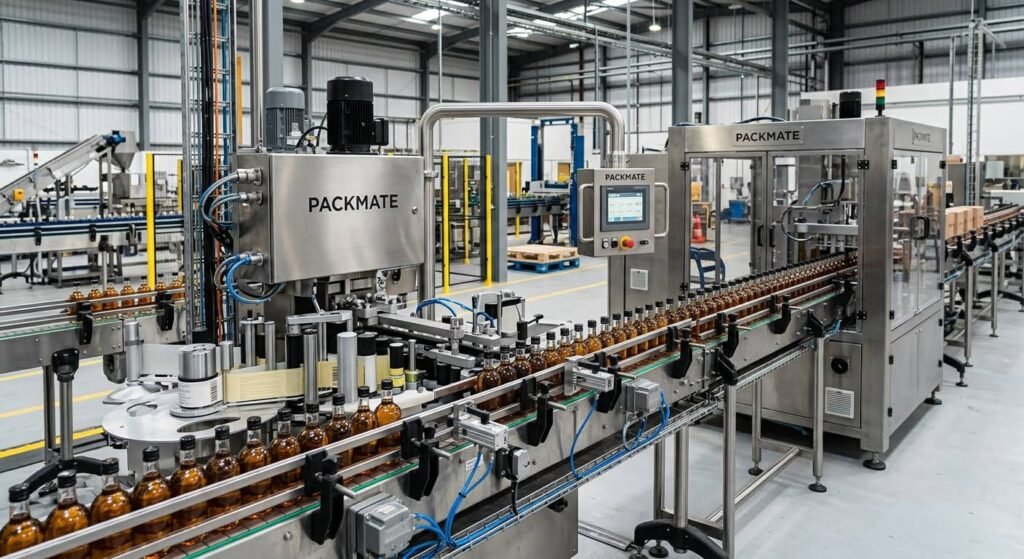
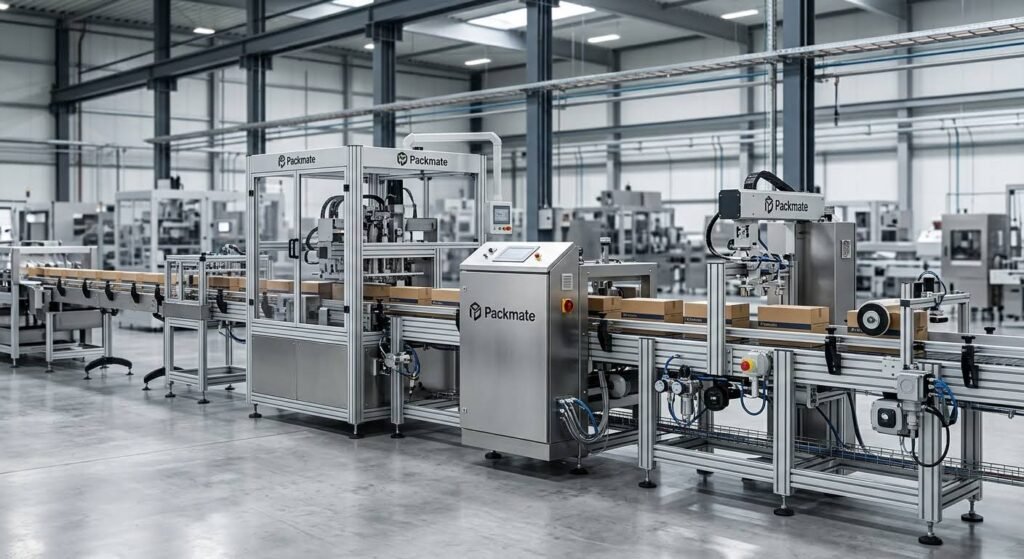
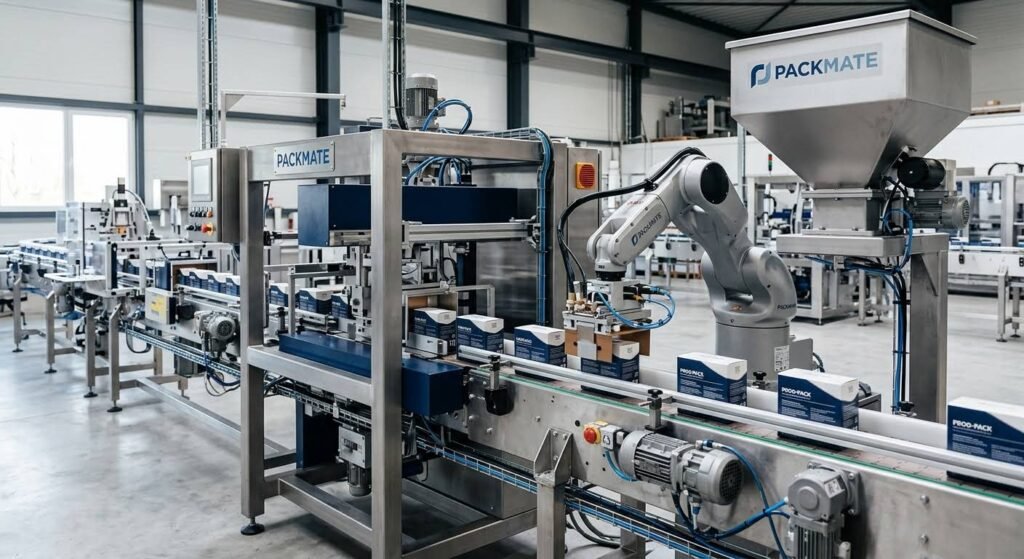
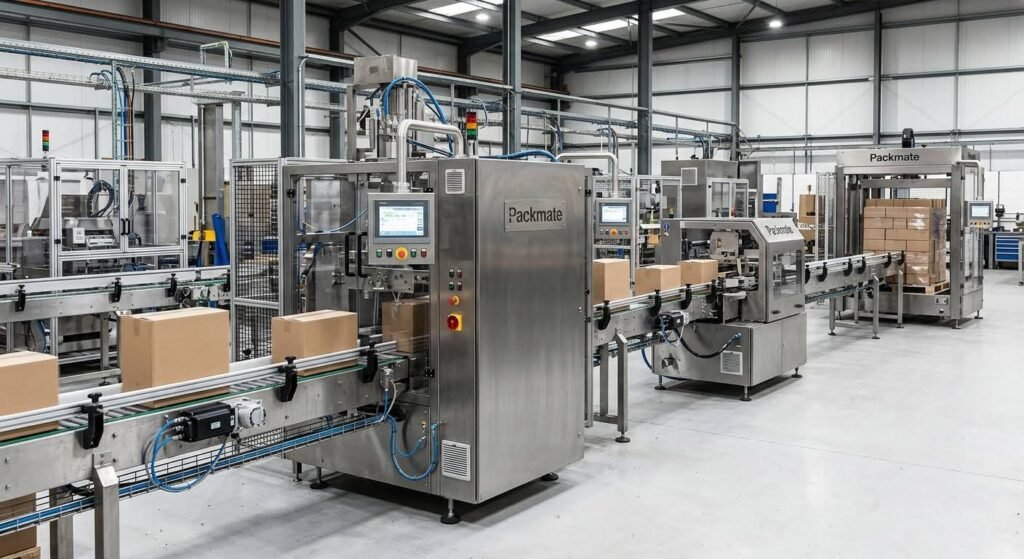
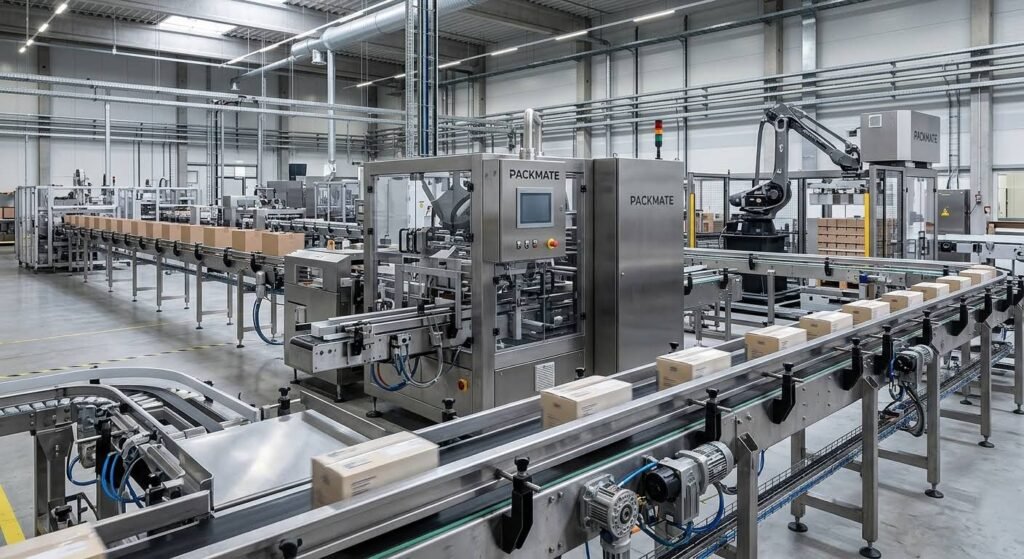
In today’s fast-paced food industry, efficient and reliable packaging is not just a final step—it’s a critical component of product quality, shelf life, and brand presentation. From single-serve condiments to nutritional supplements, the demand for versatile, high-speed, and precise packaging solutions continues to grow. This article explores advanced packaging equipment solutions, focusing on sachet, stick pack, granule, powder, and liquid packing machines that meet modern production challenges.
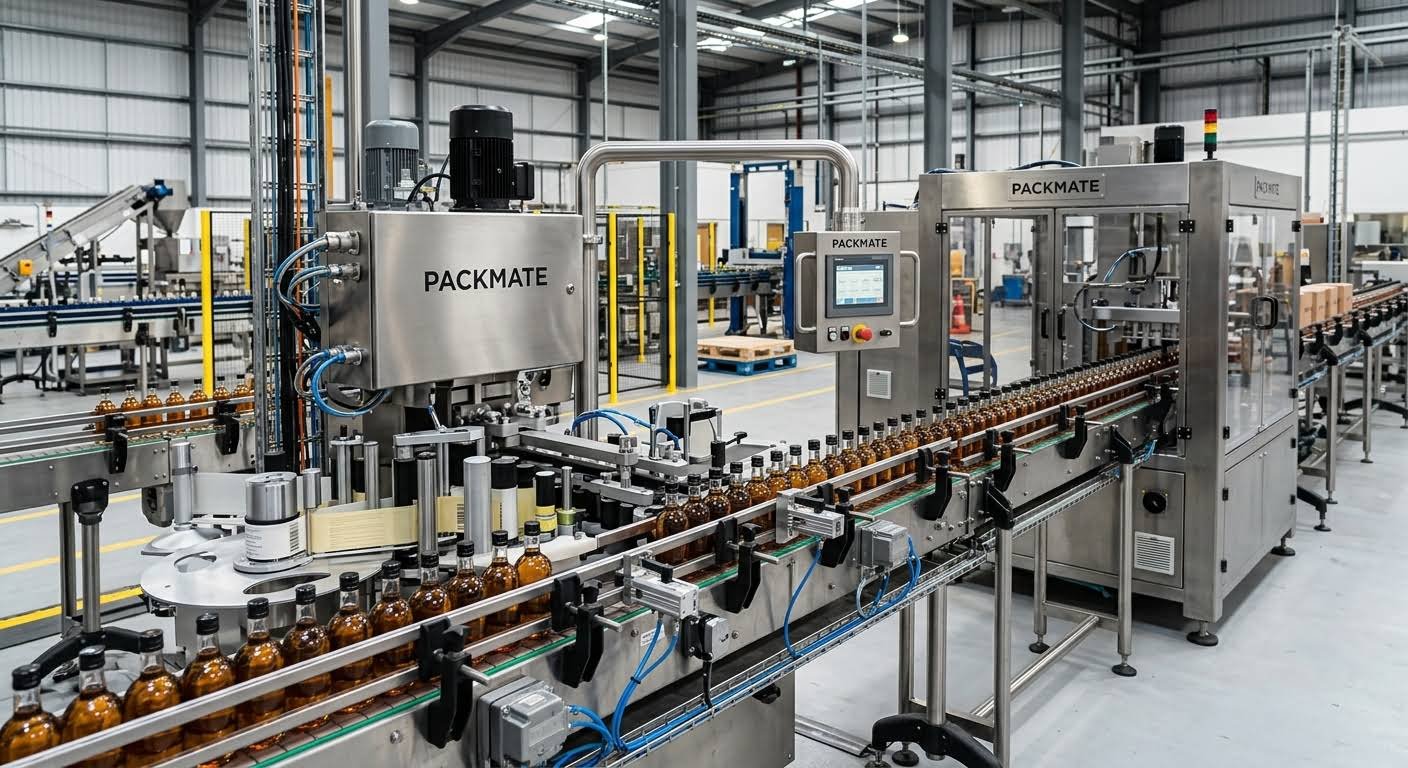
The Evolution of Food Packaging Machinery
Packaging technology has transformed significantly, moving from manual operations to fully automated, intelligent systems. Early packaging was labor-intensive and inconsistent, but today’s machines offer remarkable speed, accuracy, and flexibility. This evolution is driven by consumer demand for convenience, manufacturers’ need for efficiency, and strict regulatory standards for hygiene and safety. Modern equipment integrates advanced servo motors, PLC controls, and touch-screen HMIs, allowing for quick changeovers, minimal waste, and real-time monitoring.
Why Automation Matters in Packaging
Automated packaging lines reduce human error, increase output, and lower long-term operational costs. They ensure consistent package weight, sealing integrity, and labeling accuracy—key factors for customer satisfaction and regulatory compliance. For businesses scaling production, automation is no longer a luxury but a necessity to stay competitive.
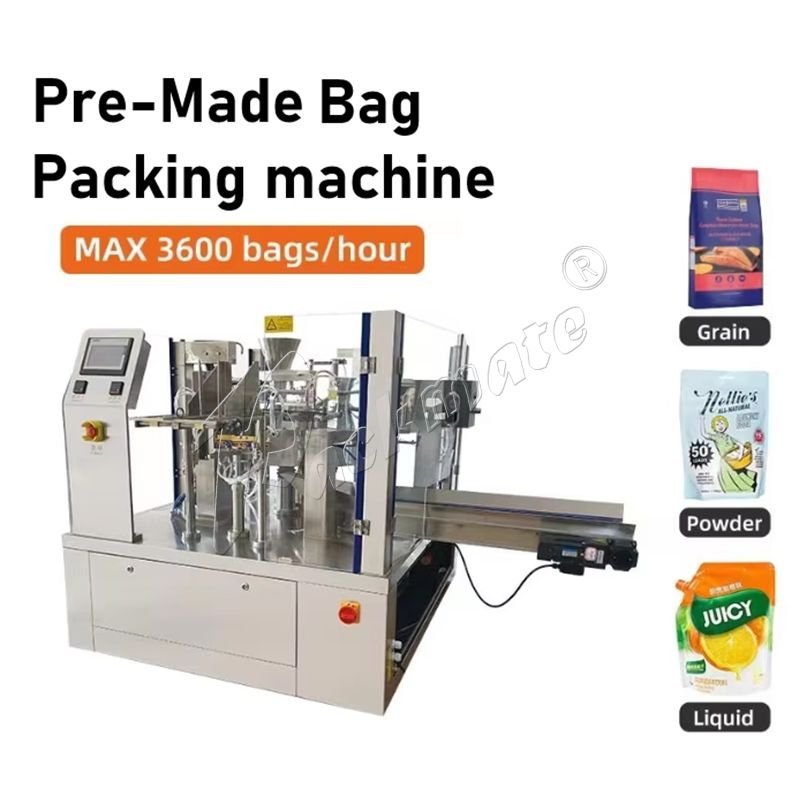
Sachet Packaging Machines: Versatility for Every Product
Sachet packaging is ideal for single-use portions of sauces, dressings, powders, and liquids. Modern sachet machines handle a wide range of materials, including laminated films and eco-friendly substrates. Key features include:
- ✔ High-Speed Operation: Capable of producing hundreds of sachets per minute.
- ✔ Precision Dosing: Ensures accurate fill volumes for both viscous and free-flowing products.
- ✔ Flexible Design: Supports various sachet styles (pillow, gusseted, stand-up).
These machines are widely used in food service, hospitality, and retail sectors, providing convenient, hygienic, and cost-effective packaging solutions. For more details on sachet packaging technology, visit our Company Profile.
Stick Pack Machines: Sleek and Portable Solutions
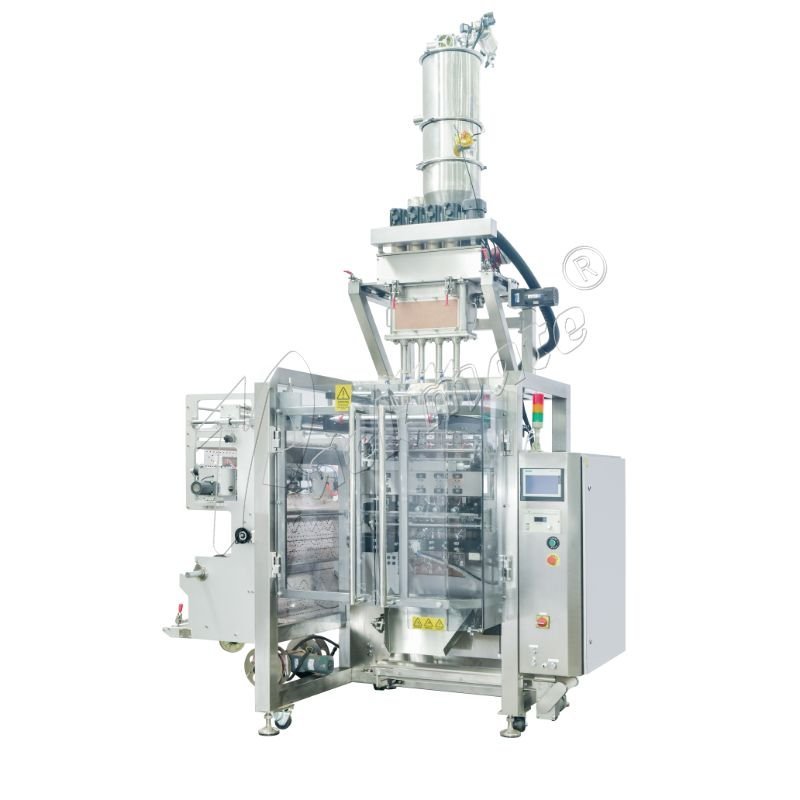
Stick packs have gained popularity for products like instant coffee, protein powders, and drink mixes due to their slim, portable design. Stick pack machines offer:
Core Advantages of Stick Pack Technology
Space Efficiency: Their compact shape reduces storage and shipping costs.
Consumer Appeal: Easy to tear open and use, enhancing user experience.
Multi-Lane Capability: Advanced models feature multiple lanes for simultaneous production, dramatically boosting output.
These systems are perfect for brands targeting on-the-go consumers who value convenience without compromising product quality.
Granule and Powder Packaging: Handling Dry Products with Precision
Packaging granular and powdered foods—such as sugar, spices, instant soups, and nutritional supplements—requires equipment that prevents contamination, ensures accurate filling, and maintains product integrity. Key machine types include:
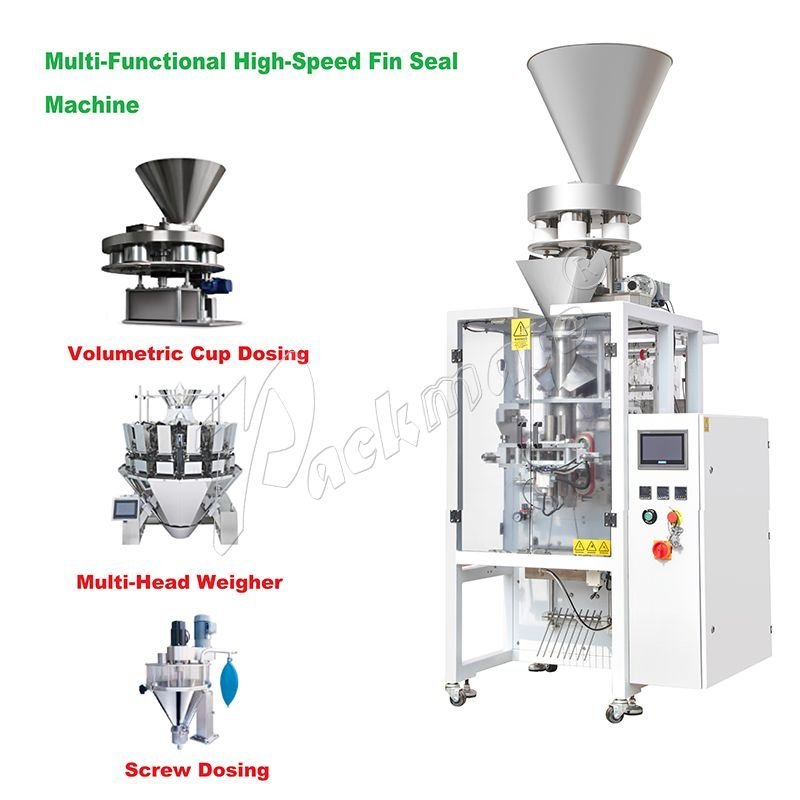
- Vertical Form-Fill-Seal (VFFS) Machines: Create bags from a roll of film, fill them with product, and seal them in one continuous process. Ideal for a wide range of bag sizes.
- Auger Fillers: Use a rotating screw to dispense precise amounts of product, excellent for consistent dosing of powders and granules.
- Weighing Systems: Net weighers or combination weighers ensure each package meets exact weight specifications, crucial for compliance and cost control.
Modern systems often include dust extraction units and nitrogen flushing capabilities to extend shelf life and protect product quality.
Liquid Packaging Machines: From Viscous Sauces to Thin Beverages
Liquid packaging presents unique challenges, such as preventing leaks, maintaining hygiene, and handling products of varying viscosities. Solutions range from small sachet machines for condiments to large-volume filling lines for beverages. Technologies include:
Piston Fillers: Highly accurate for thick products like yogurt, sauces, and creams.
Gravity/Pressure Fillers: Suitable for thin liquids like juices, oils, and water.
Aseptic Filling Systems: Sterilize both product and packaging material, essential for long-shelf-life dairy and beverage products.
These machines are constructed with food-grade stainless steel and feature CIP (Clean-in-Place) systems for easy maintenance and sanitation. Learn about our capabilities in this area on our Company History page.
Choosing the Right Packaging Partner
Selecting equipment is only part of the equation. Partnering with a reliable supplier who offers comprehensive support—from initial consultation and custom engineering to installation, training, and after-sales service—is vital for long-term success. A partner with deep industry experience can help you navigate technical specifications, regulatory requirements, and future scalability needs.
Integration and Turnkey Solutions
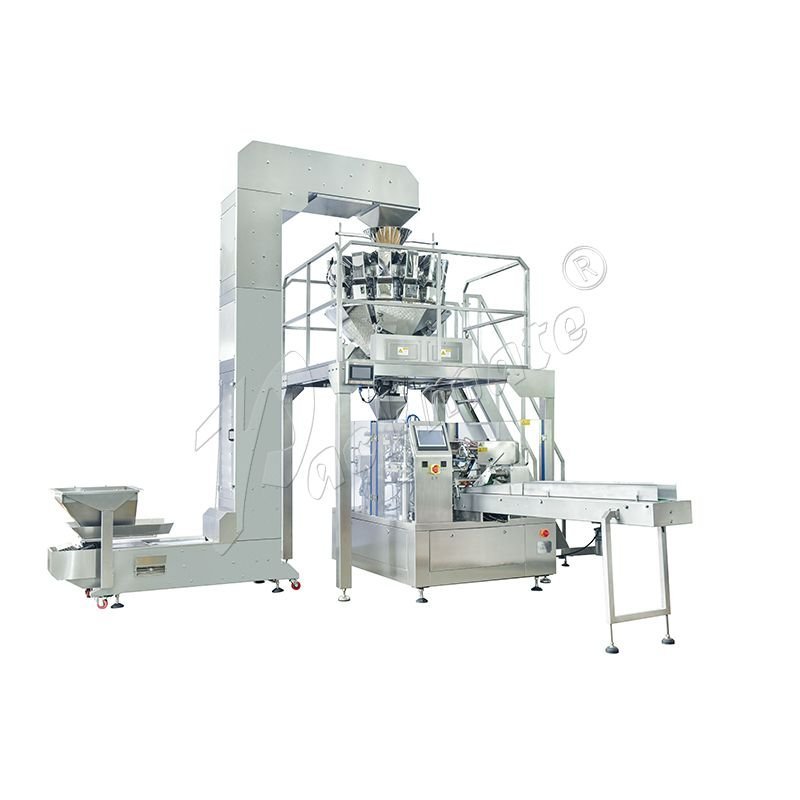
The highest level of efficiency is achieved through integrated, turnkey production lines. This involves seamlessly connecting packaging machines with upstream and downstream processes like mixing, conveying, cartoning, and palletizing. Benefits include:
Reduced Labor: A cohesive line minimizes manual handling.
Optimized Flow: Synchronized equipment speeds prevent bottlenecks.
Data Centralization: Integrated control systems provide a holistic view of production metrics for better decision-making.
Suppliers like Ludyway Machinery specialize in designing these complete solutions, ensuring all components work in harmony to maximize your return on investment.
Future Trends in Food Packaging Equipment
The future points toward even greater smart automation and sustainability. Expect increased adoption of IoT sensors for predictive maintenance, AI-driven optimization of machine settings, and more machinery designed to handle recyclable and biodegradable materials. Flexibility will remain key, as producers demand equipment that can quickly adapt to new products, package sizes, and market trends.
Frequently Asked Questions (FAQs)
What is the main difference between a sachet and a stick pack machine?
While both are types of small-portion packaging, sachet machines typically produce wider, pillow-style packets, often used for sauces or thicker products. Stick pack machines create long, narrow tubes ideal for free-flowing powders and granules. The choice depends on your product characteristics and desired package format.
Can one machine handle both powder and liquid products?
Some advanced multi-purpose machines are designed with interchangeable filling systems (e.g., switching from an auger for powder to a piston pump for liquid). However, for optimal speed, accuracy, and cleanliness, dedicated machines for specific product types are often recommended for high-volume production.
How important is after-sales service when investing in packaging equipment?
Extremely important. Reliable technical support, readily available spare parts, and prompt maintenance services are crucial for minimizing downtime and ensuring the long-term productivity of your investment. Always choose a supplier with a proven track record of strong customer support.
What should I consider for packaging hygroscopic (moisture-sensitive) powders?
For products like instant drink mixes or certain spices, you need equipment that supports nitrogen gas flushing before sealing to displace oxygen and moisture. Additionally, using high-barrier packaging materials and ensuring a climate-controlled production environment are essential steps.
Are custom-engineered solutions available for unique products or production layouts?
Yes, reputable packaging machine manufacturers often provide custom engineering services. This can include modifying standard machines, creating special feeding mechanisms, or designing a complete line to fit within a specific factory footprint. Discuss your specific requirements during the consultation phase.