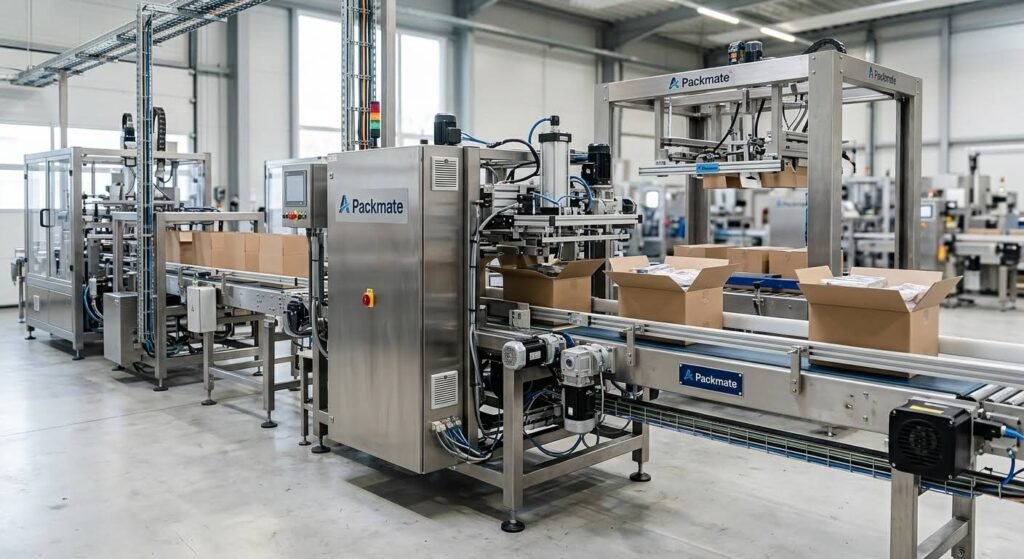
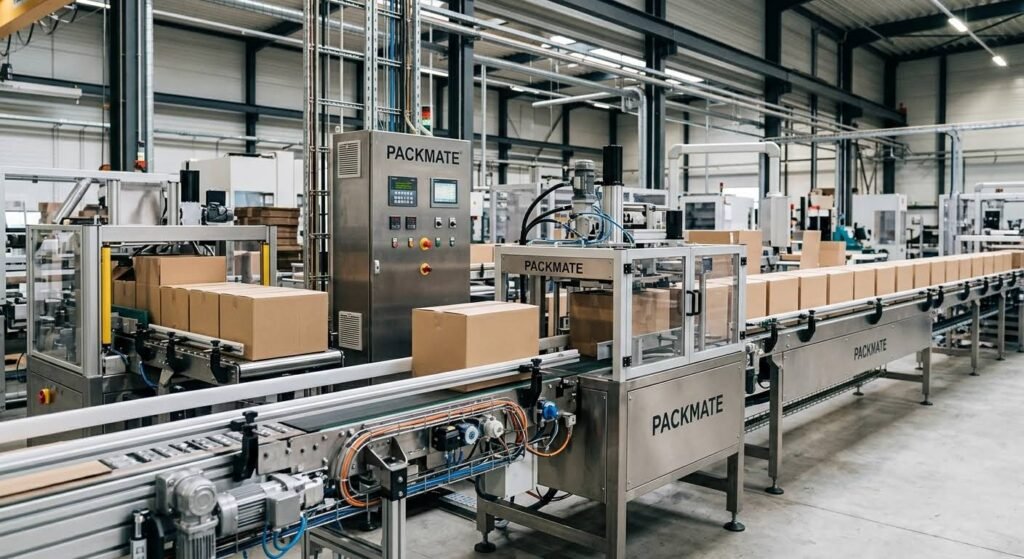
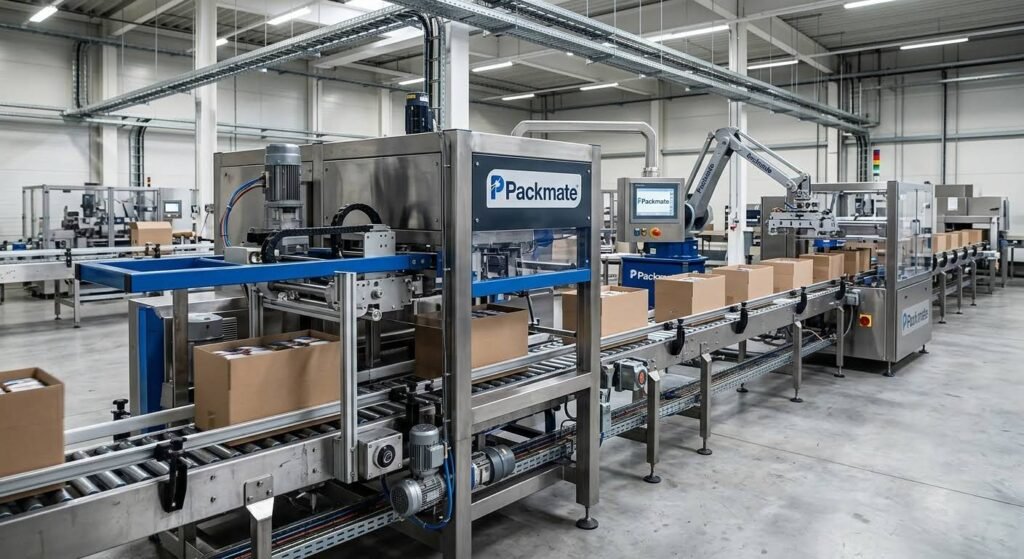
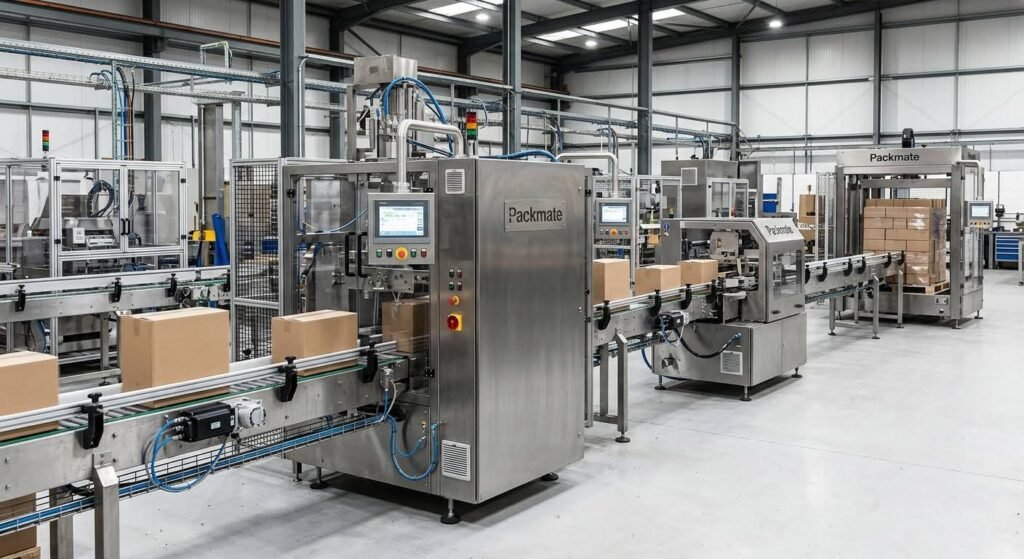
Choosing the right vacuum packaging machine is a critical decision for any food business, from small-scale producers to large manufacturing plants. The right equipment not only preserves the freshness, flavor, and nutritional value of your products but also enhances shelf appeal, reduces waste, and streamlines your operations. With a myriad of options available, navigating the market can be daunting. This comprehensive guide will walk you through the key factors to consider, ensuring you select the best food sealing and preservation solution for your specific needs.
Understanding Vacuum Packaging Technology
At its core, vacuum packaging removes air from a package before sealing it. This process significantly slows down oxidation and inhibits the growth of aerobic bacteria and fungi, which are the primary causes of food spoilage and degradation. By creating a low-oxygen environment, vacuum sealing extends the shelf life of products by 3 to 5 times compared to conventional storage methods. The technology is versatile, applicable to a wide range of products including fresh meats, cheeses, prepared meals, dried goods, and even delicate items like coffee and nuts.
→ Key Benefit: Beyond preservation, vacuum packaging provides a barrier against moisture, dust, and contaminants, making it ideal for both storage and transportation. It also allows for compact packaging, saving valuable space in freezers, refrigerators, and on retail shelves.
Core Machine Types: Chamber vs. External (Nozzle) Sealers
The first major choice you’ll face is between two primary machine designs, each suited for different applications and production volumes.
Chamber Vacuum Machines
These machines feature a sealed chamber where the entire bag is placed. The lid closes, a vacuum pump removes air from the entire chamber, and then the bag is heat-sealed. They are excellent for packaging liquid-rich, moist, or pulpy products (like soups, sauces, or marinated meats) because the vacuum is applied evenly around the bag, preventing liquids from being sucked out.
- Best for: Medium to high-volume production, wet products, irregular shapes.
- Consideration: The bag size is limited by the chamber dimensions.
External (Nozzle) Vacuum Sealers
Also known as suction sealers, these devices use a nozzle that is inserted into the bag. Air is extracted directly through the nozzle before sealing. They are typically more affordable and faster for dry products but struggle with liquids or fine powders.
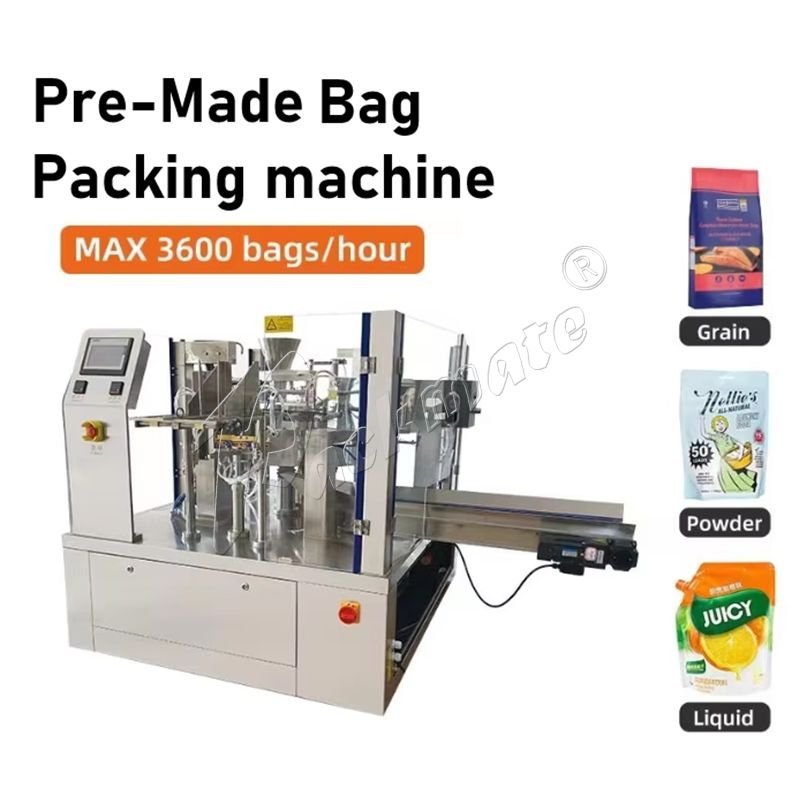
- Best for: Low to medium volume, dry goods (nuts, grains, dried fruits), pre-made bags.
- Consideration: Not suitable for liquid or moist items.
Critical Factors for Choosing Your Machine
Selecting a machine goes beyond just the type. Here are the essential specifications and features to evaluate.
1. Production Volume & Speed (Cycles Per Hour)
Your required output is the most significant driver of cost and machine type. A small deli might manage with a single-chamber machine doing 2-3 cycles per minute, while a large-scale processor needs a double-chamber or rotary chamber system for near-continuous operation. Calculate your average daily/weekly packaging needs to determine the necessary cycle speed.
2. Bag Size and Material Compatibility
Machines are designed for specific bag dimensions (width and length). Ensure the machine can handle the range of bag sizes you plan to use. Furthermore, verify its sealing capabilities with your chosen bag material—whether it’s standard polyethylene, multi-layer barrier films, or specialized materials for products like coffee or cheese. A strong, consistent seal is non-negotiable for product safety.
3. Vacuum Pump Performance
The pump is the heart of the machine. Its power, measured in cubic meters per hour (m³/h) or cubic feet per minute (CFM), determines how quickly and deeply a vacuum can be pulled. A more powerful pump achieves a higher vacuum level faster, which is crucial for efficiency and optimal preservation. Oil-sealed rotary vane pumps are robust for industrial use, while oil-less pumps reduce maintenance but may have slightly less ultimate vacuum strength.
Pro Tip: Look for Advanced Features
Gas Flushing (Modified Atmosphere Packaging – MAP): For extremely sensitive products like fresh red meat or snack chips, the ability to replace air with a protective gas mix (like nitrogen or carbon dioxide) after vacuuming is a game-changer for color and texture preservation.
Programmable Memory: Stores settings for different products, ensuring consistency and saving operator time.
Easy-Clean Design: Sanitation is paramount in food processing. Machines with smooth surfaces, removable seals, and accessible components simplify cleaning and meet hygiene standards.
4. Durability, Support, and Total Cost of Ownership
An industrial vacuum packer is a long-term investment. Prioritize machines built with food-grade stainless steel and industrial-grade components. The real cost includes not just the purchase price but also maintenance, energy consumption, and downtime. Partnering with a reputable supplier like Ludyway Packing Machine, which offers comprehensive technical support, readily available spare parts, and service training, protects your investment and ensures continuous operation.
Integrating into Your Production Line
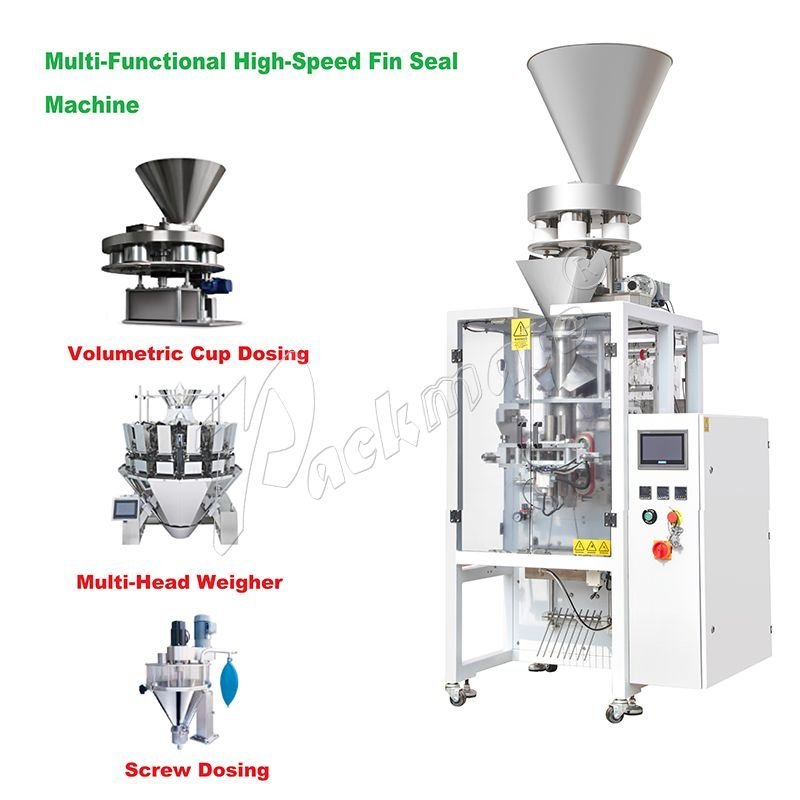
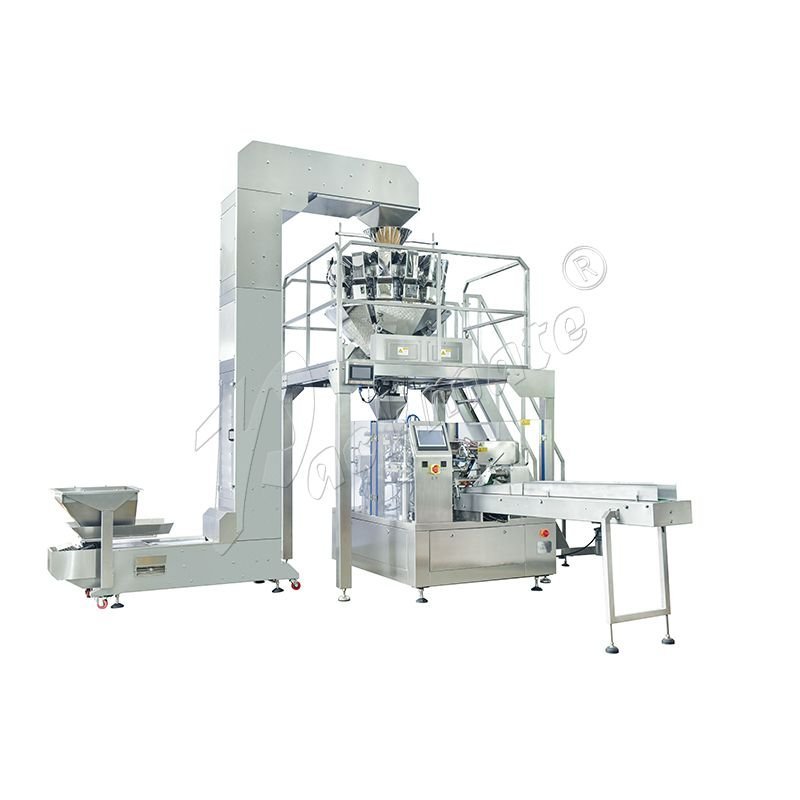
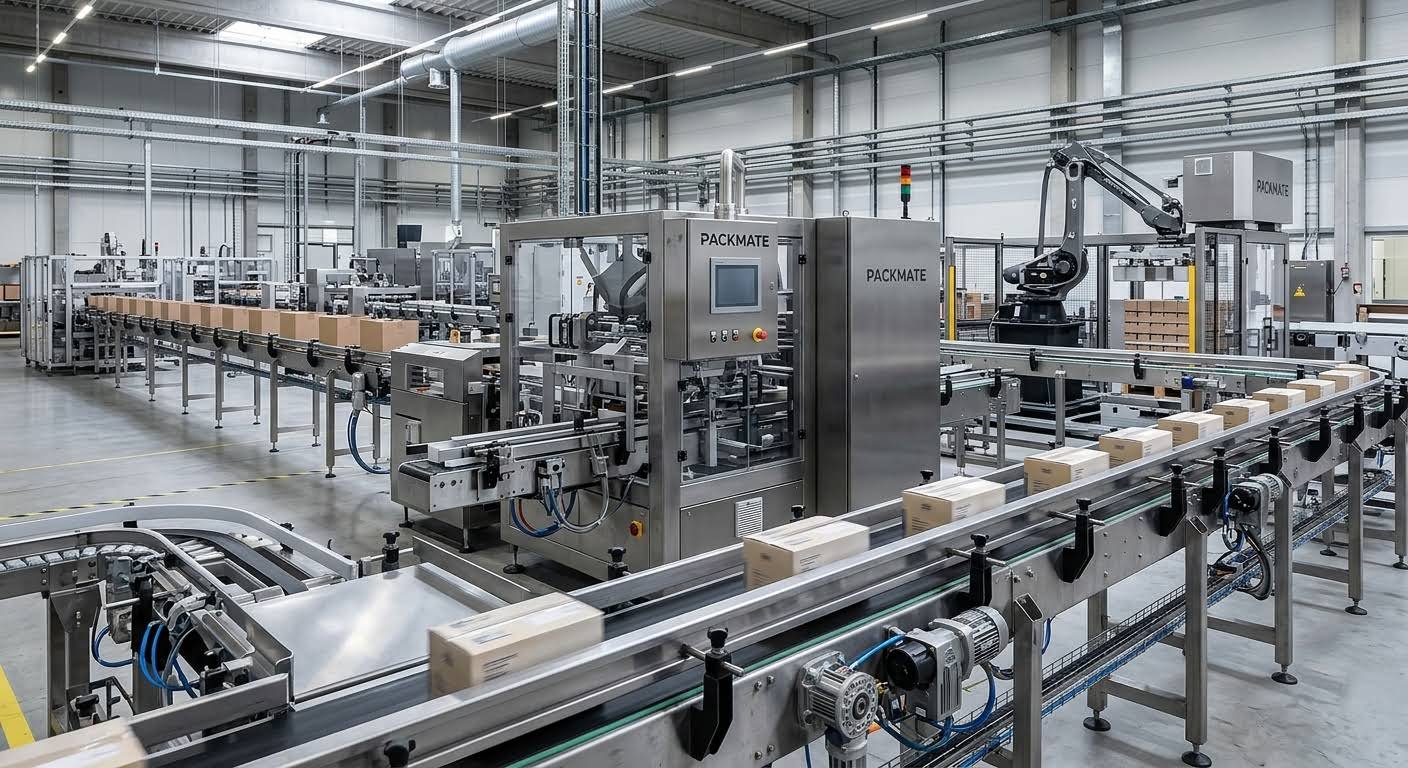
For automated, high-output facilities, a standalone vacuum sealer is just one component. Consider how it will integrate with upstream and downstream equipment. For granular or powder products, a granule packing machine can portion product directly into the bags before sealing. For liquids and pastes, a compatible liquid filler is essential. Leading suppliers like Ludyway specialize in providing complete turnkey packaging solutions, ensuring all components—from filling and weighing to sealing and coding—work together seamlessly for maximum efficiency.
Frequently Asked Questions (FAQs)
1. What is the main difference between vacuum packaging and modified atmosphere packaging (MAP)?
Vacuum packaging removes almost all air from the package. MAP removes air and replaces it with a specific mixture of gases (like nitrogen or carbon dioxide) tailored to the product. MAP is often used for products where a complete vacuum might crush or distort the item (e.g., potato chips, fresh salads).
2. Can I vacuum package liquids?
Yes, but you must use a chamber vacuum machine. The external nozzle type will suck the liquid out of the bag and potentially damage the machine. Chamber machines apply vacuum evenly, allowing liquids to boil at room temperature (due to low pressure) and then re-condense, without being pulled out.
3. How do I choose the right bag material for my product?
The bag must have barrier properties against oxygen and moisture. Multi-layer laminated films (e.g., PET/PE, NY/PE) are common. For fatty, oily, or aromatic products, you need a high-barrier film to prevent flavor loss or rancidity. Your machine supplier or a packaging film specialist can recommend the optimal material based on your product’s characteristics and desired shelf life.
4. How much maintenance does an industrial vacuum sealer require?
Regular maintenance is simple but critical. Daily cleaning of the sealing bar and chamber, weekly checking of the oil level (for oil pumps) and filter cleanliness, and periodic replacement of the sealing gasket and Teflon tape on the heat bar will ensure longevity and consistent seal quality. Always follow the manufacturer’s maintenance schedule.
5. Is vacuum packaging safe for all foods?
Vacuum packaging is not a substitute for proper refrigeration, cooking, or hygiene. It inhibits aerobic spoilage bacteria but can create an environment for anaerobic bacteria like Clostridium botulinum (which causes botulism) in low-acid, moist foods. Perishable vacuum-packed foods must be kept refrigerated or frozen, and certain products require specific safety protocols. Always follow food safety guidelines for your product category.