Selecting the right coffee packaging machine is a critical decision for any coffee business, from small-batch roasters to large-scale producers. The packaging process directly impacts product freshness, shelf appeal, operational efficiency, and ultimately, your bottom line. This comprehensive guide will walk you through the different types of coffee packaging machines, their key features, and the essential factors to consider when choosing the best solution for your specific business needs.
Understanding the Different Types of Coffee Packaging Machines
The first step in your selection journey is understanding the landscape of available equipment. Coffee packaging machines are categorized primarily by the type of package they form and fill.
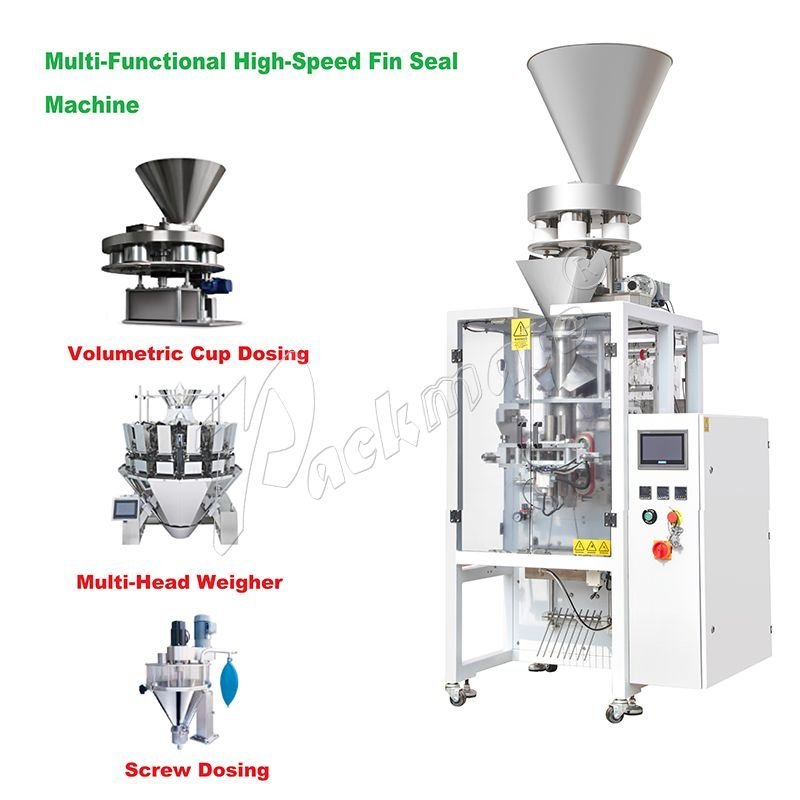
Vertical Form-Fill-Seal (VFFS) Machines
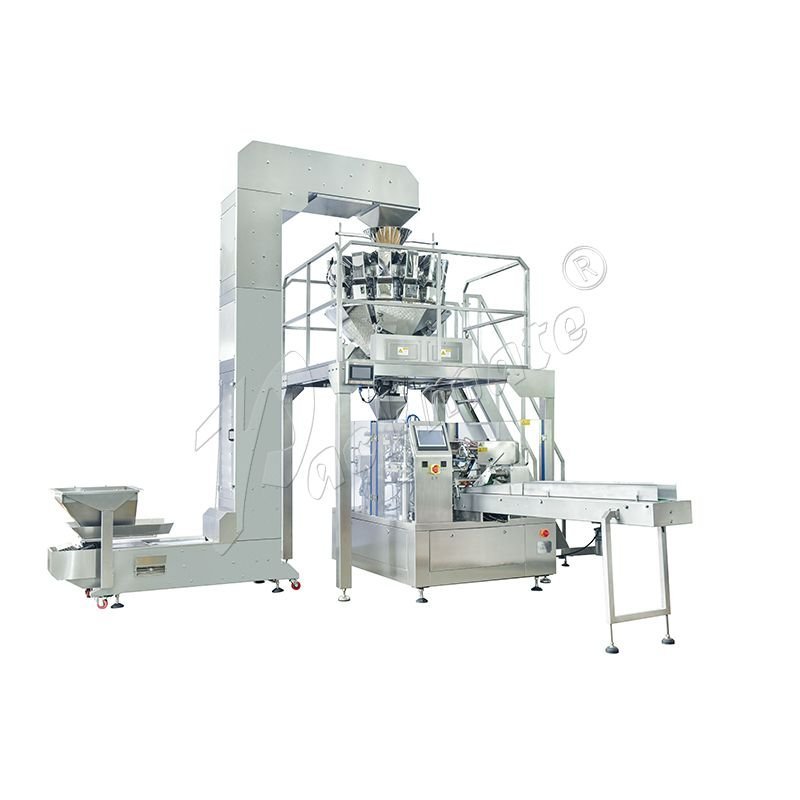
These are the workhorses of the industry for packaging roasted whole bean or ground coffee into pillow-style bags or flat-bottom bags (when equipped with a bag forming box). A roll of flat packaging film is formed into a tube, filled with coffee, and then sealed vertically and horizontally. VFFS machines are highly versatile and efficient for medium to high-volume production.
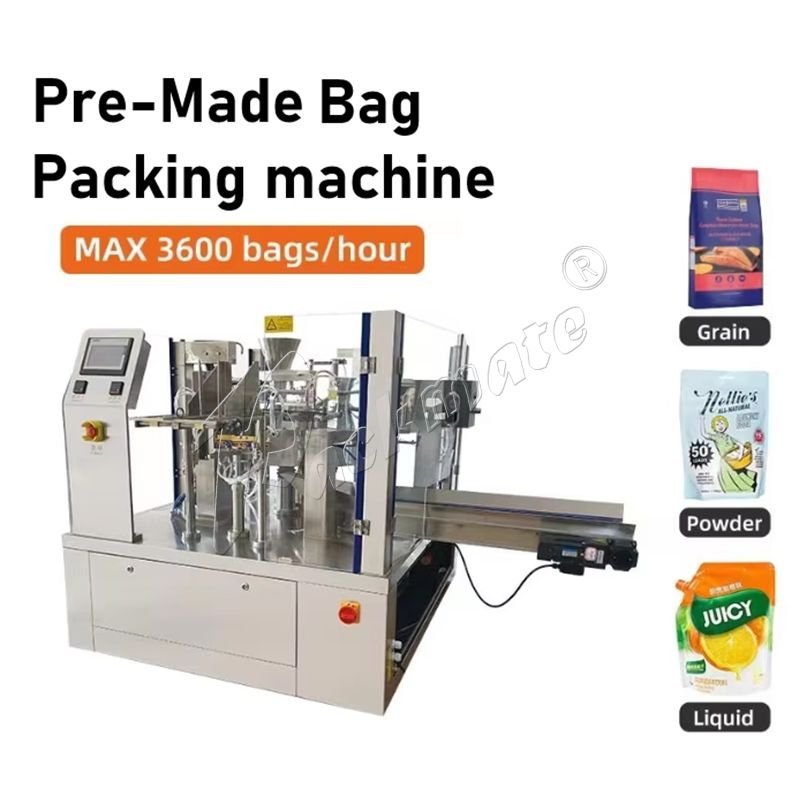
Pre-Made Pouch Machines
This type of machine handles bags that are already pre-formed, often with gussets, stand-up features (doypack), or unique shapes. The machine opens the pouch, fills it with product, and then seals it. This is an excellent choice for businesses that prioritize premium bag aesthetics, use complex multi-layer barrier films, or have lower to medium production volumes.
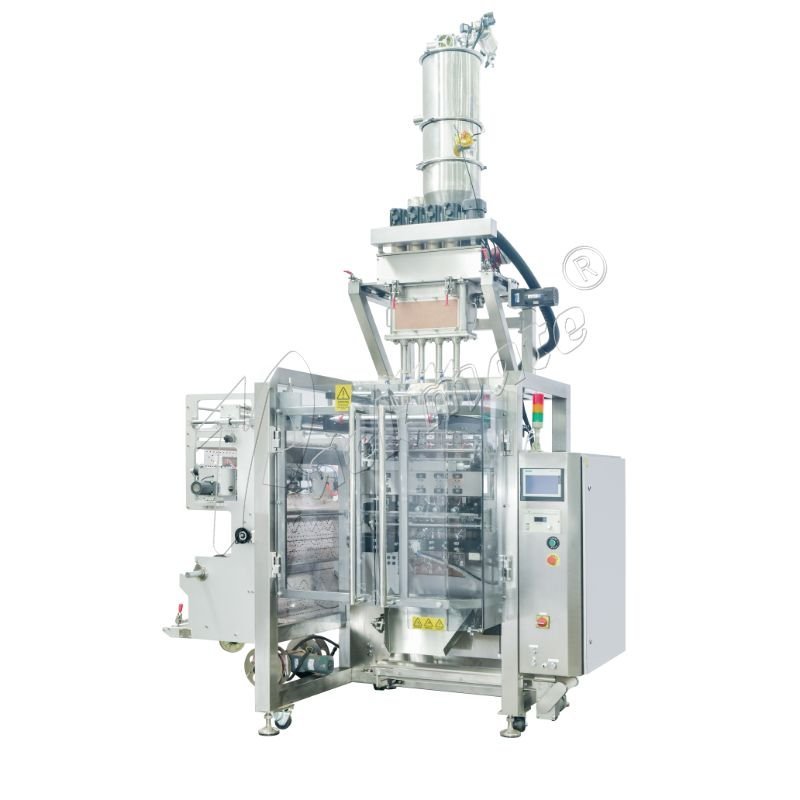
Stick Pack and Sachet Machines
Ideal for single-serve instant coffee, coffee mixes, or specialty ground coffee samples. These machines form, fill, and seal small, elongated stick packs or rectangular sachets from roll stock. They are perfect for creating convenient, portable servings and can run at very high speeds with multiple lanes.
Canister and Tin Sealing Machines
For businesses packaging coffee into rigid containers like tins, jars, or composite cans, these machines handle the capping, lidding, or sealing process after the container is filled. They often integrate with filling systems to create a complete line.
Key Features and Technologies to Look For
Beyond the basic type, modern coffee packaging machines offer a range of features that enhance performance, product quality, and ease of use.
Critical Performance Features
• Weighing System Accuracy: The heart of any coffee packer. Look for multi-head weighers or precision auger fillers with ±0.1-0.5g accuracy to minimize giveaway and ensure consistent product weight, which is crucial for cost control and regulatory compliance.
• Gas Flushing & Degassing Valve Application: For whole bean coffee, a nitrogen gas flushing system is essential to displace oxygen and preserve freshness. The machine should also reliably apply one-way degassing valves to allow CO2 to escape without letting air back in.
• Seal Integrity & Quality: Robust, temperature-controlled sealing jaws are non-negotiable. They must create strong, airtight seals on a variety of laminated films (e.g., PET/AL/PE) to prevent staleness and ensure a long shelf life.
Operational and Control Features
Ease of operation and maintenance directly affects your uptime and labor costs.
User-Friendly HMI (Human-Machine Interface): A color touchscreen PLC allows for easy recipe storage, quick changeovers between different coffee products or bag sizes, and clear diagnostics.
Quick Changeover Capability: For businesses running multiple SKUs, look for machines with tool-less or minimal-tool adjustments for bag size, allowing you to switch production in minutes, not hours.
Integrated Checkweigher & Reject System: An inline checkweigher automatically weighs each finished pack and rejects any under or overweight bags, ensuring 100% weight compliance and reducing manual QC labor.
How to Choose the Best Solution for Your Business
With the types and features in mind, making the final choice requires a careful analysis of your own business parameters.
1. Assess Your Production Requirements
Be realistic about your current and near-future (3-5 year) needs.
- Output Speed (Bags/Minute or Hour): Match the machine’s speed to your required daily/weekly volume. Don’t overpay for excessive speed you won’t use, but ensure there is some capacity for growth.
- Bag Size Range: Define the minimum and maximum weight and physical dimensions of the bags you plan to produce. Ensure the machine can handle this range comfortably.
- Product Form: Whole beans, coarse grind, fine grind, or instant powder? Each may require a different feeding and filling mechanism (e.g., weigh cup vs. auger).
2. Evaluate Your Packaging Materials
The machine and the packaging material must be perfectly compatible.
Discuss your desired film structure (e.g., matte finish, metallized, transparent window) with the machine supplier. The machine must be able to handle the film’s thickness (gauge) and sealing layer reliably. If you plan to use compostable or biodegradable films, this is a critical point to address upfront, as they often require different sealing parameters.
3. Consider Your Budget and Total Cost of Ownership (TCO)
Look beyond the initial purchase price. The TCO includes:
• Installation & Training: Costs for technician commissioning and operator training.
• Maintenance & Spare Parts: Regular maintenance costs and the availability/price of wear parts like sealing jaws, augers, and filters.
• Energy & Consumable Efficiency: How much compressed air and electricity does it use? How efficient is the gas flushing system (N2 consumption)?
• Uptime & Support: The value of reliable equipment with accessible, responsive technical support to minimize costly downtime.
4. Prioritize Supplier Support and Reliability
Your relationship with the machine manufacturer or distributor is a long-term partnership. Choose a supplier with a proven track record in the coffee industry. They should offer comprehensive after-sales support, including readily available spare parts, detailed documentation, and responsive technical assistance. Consider suppliers who can provide a complete turnkey solution, integrating the packaging machine with upstream equipment like grinders or blenders and downstream systems like case packing.
For businesses seeking robust and scalable solutions, partnering with an experienced provider like Ludyway Packing Machine can be advantageous. With deep industry expertise, they can guide you through the selection of machinery—from versatile VFFS units to high-speed stick pack systems—ensuring it aligns with your production goals for whole bean, ground, or instant coffee.
Conclusion: Investing in Your Coffee’s Future
The ideal coffee packaging machine is not the one with the most features or the highest speed, but the one that best aligns with your specific product, volume, budget, and growth trajectory. It is an investment that protects your product quality, enhances your brand presentation, and optimizes your operational efficiency. By thoroughly understanding the machine types, critically evaluating key features, and carefully analyzing your own business needs against the criteria outlined above, you can make a confident, informed decision that will support your business for years to come.
Frequently Asked Questions (FAQs)
1. What is the main difference between a VFFS machine and a pre-made pouch machine?
VFFS machines create the package from a roll of flat film, making them faster and more cost-effective for simple bag styles at high volumes. Pre-made pouch machines use bags that are already fabricated, allowing for more complex, premium bag designs (like stand-up pouches with spouts) but typically at a lower speed and higher per-bag material cost.
2. Is gas flushing necessary for all coffee packaging?
Gas flushing (usually with nitrogen) is highly recommended for whole bean coffee to drastically reduce oxygen levels and preserve freshness and aroma. For ground coffee, it is also very beneficial. For single-serve instant coffee sachets, it may be less critical due to the product’s stability, but a good seal remains essential.
3. How important is a degassing valve, and can any machine apply one?
A one-way degassing valve is crucial for whole bean coffee packages, as it allows the CO2 released by the beans (degassing) to escape without letting oxygen in. Not all packaging machines have this capability. You must specify you need a valve applicator attachment when purchasing the machine.
4. What are the key maintenance tasks for a coffee packaging machine?
Daily cleaning to remove coffee oils and fines, regular lubrication of moving parts, inspection and cleaning of sealing jaws, and calibration of the weighing system are fundamental. Always follow the manufacturer’s preventative maintenance schedule to ensure longevity and consistent performance.
5. Can one machine handle both whole bean and finely ground coffee?
It depends on the filling system. A machine with a multi-head weigher can typically handle both, as it uses weigh buckets. A machine with only an auger filler is better suited for powders and fine grounds but may struggle with whole beans. Many machines offer both systems or a combination to provide maximum flexibility.