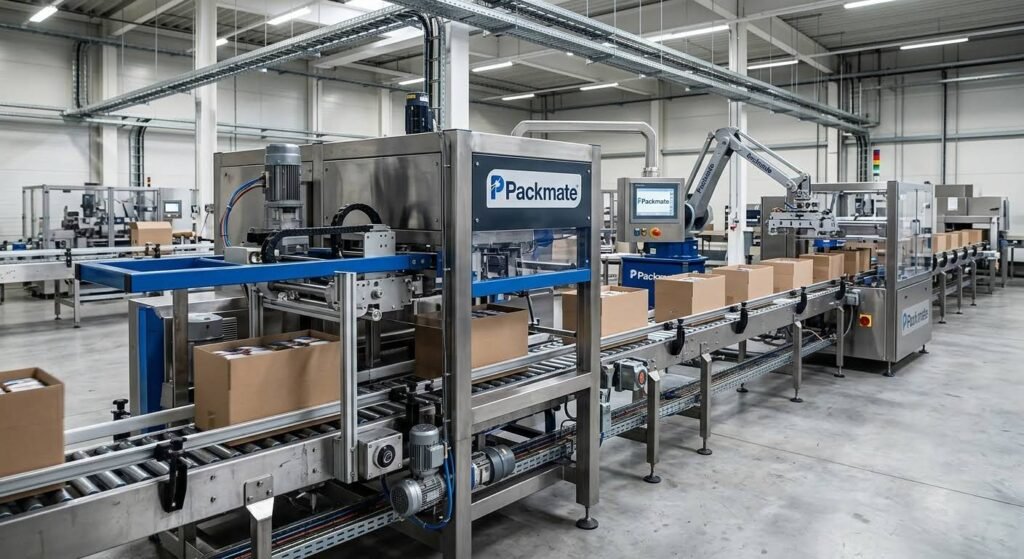
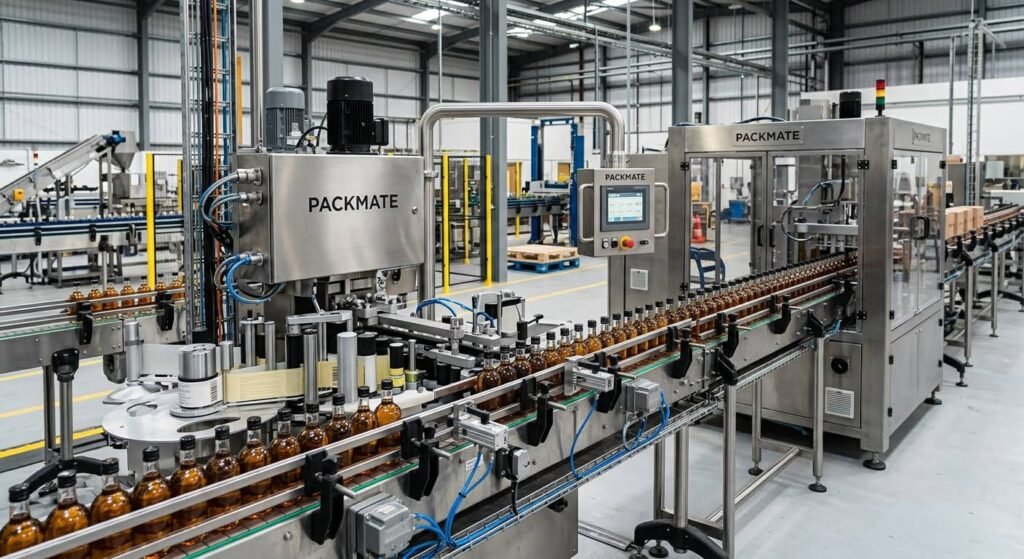
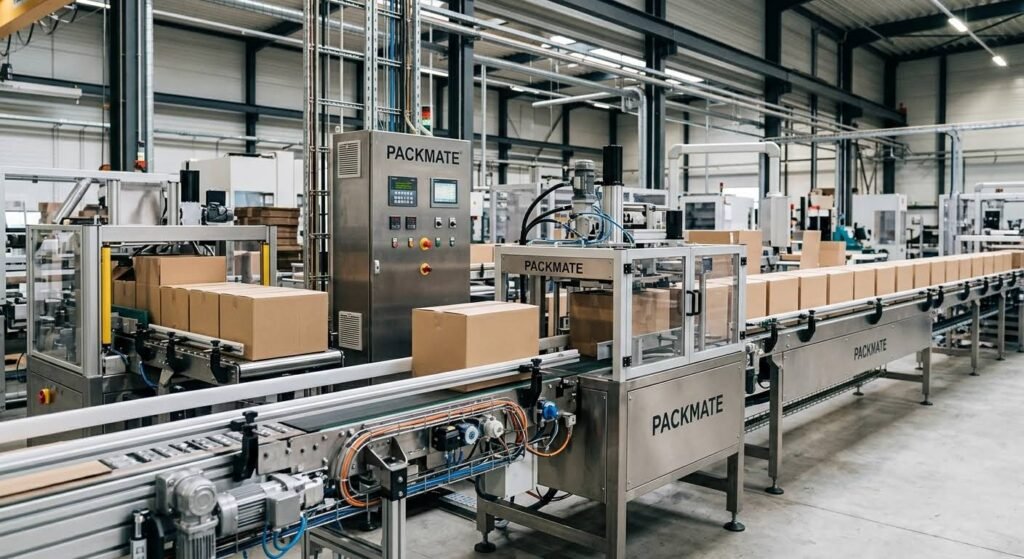
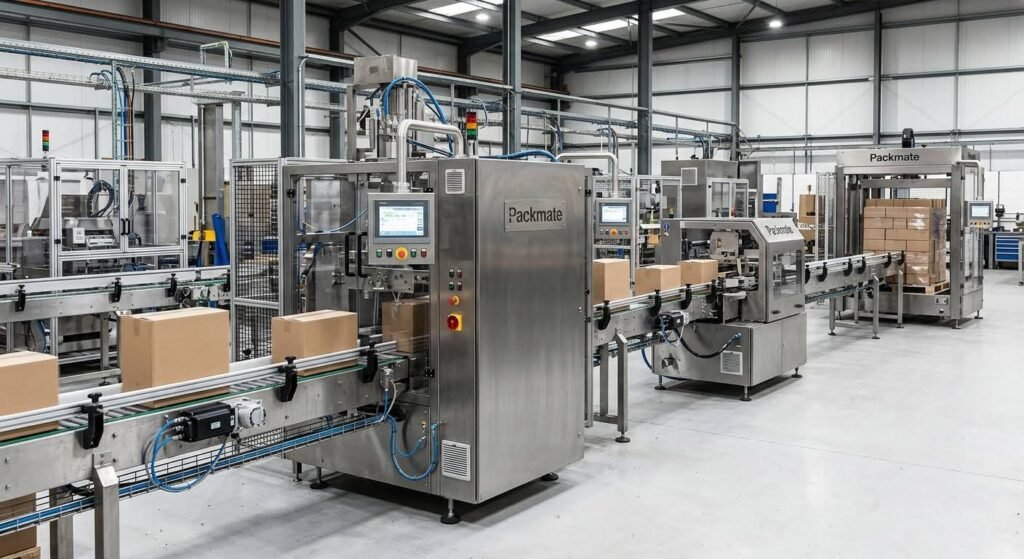
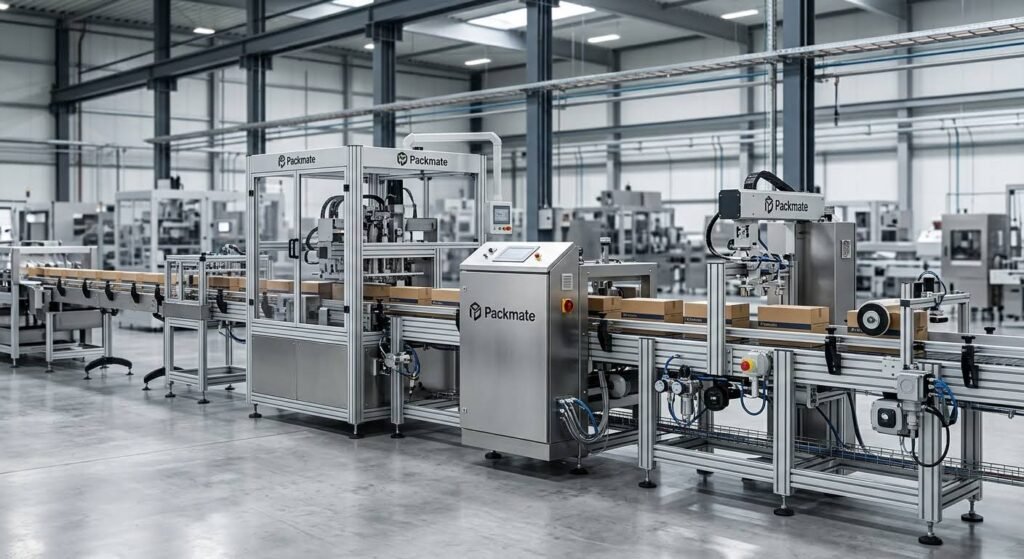
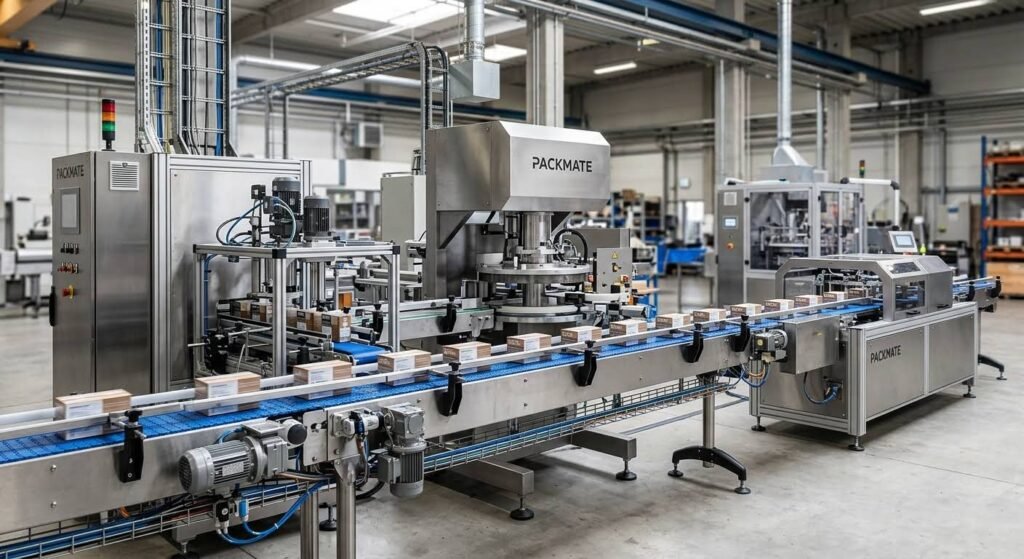
In today’s fast-paced manufacturing world, efficiency, hygiene, and precision are non-negotiable. For industries dealing with consumable products—food, pharmaceuticals, and daily chemicals—the packaging process is as critical as the product itself. This is where specialized liquid packaging machine solutions come into play, transforming production lines into models of speed, safety, and consistency.
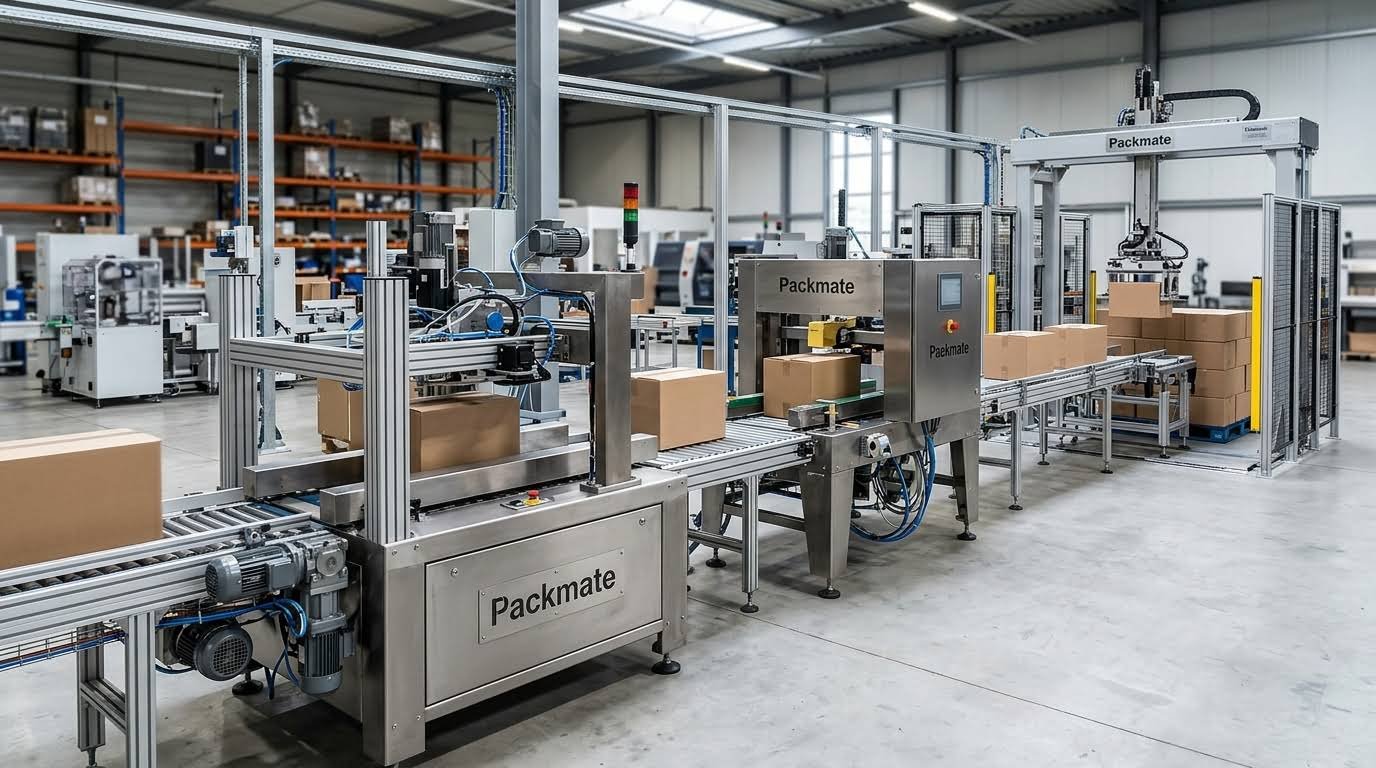
The Critical Role of Packaging in Key Industries
Packaging is far more than just a container; it’s the final guardian of product integrity. Each industry presents unique challenges that demand tailored solutions from their packaging machinery.
Food & Beverage Industry
Here, packaging must ensure freshness, prevent contamination, and often facilitate convenient consumption. Machines handle everything from viscous sauces and edible oils to dairy products and juices, requiring easy-clean designs and robust hygiene protocols.
Pharmaceutical & Healthcare
This sector operates under the strictest regulations. Packaging machinery must guarantee sterility, precise dosage, and tamper-evidence for syrups, suspensions, disinfectants, and sterile solutions. Traceability and compliance with GMP standards are paramount.
Daily Chemical Products
From shampoos and liquid soaps to detergents and fabric softeners, packaging needs to be leak-proof, durable for transport, and visually appealing on retail shelves. Machines often need to handle a wide range of viscosities and bottle shapes.
Core Technologies in Modern Liquid Packaging
Advanced liquid packaging machines integrate several key technologies to meet these diverse demands.
1. Precision Filling Systems
The heart of any liquid packager. Modern systems use volumetric piston fillers, gravity-based flow, or advanced peristaltic pumps to achieve accuracies within fractions of a milliliter. This is especially crucial for pharmaceuticals and high-value food products.
2. Automated Sealing & Capping
After filling, containers must be sealed immediately to preserve contents. Technologies include induction sealing for tamper-proof liners, screw capping, snap capping, and press-on crimping. High-speed lines integrate vision systems to inspect every seal.
3. Integrated Cleaning & Sterilization (CIP/SIP)
To minimize downtime and cross-contamination, many machines feature Clean-in-Place (CIP) and Sterilize-in-Place (SIP) systems. These allow for thorough internal cleaning and sterilization without disassembly, a vital feature for pharmaceutical and aseptic food packaging.
Choosing the Right Solution: Key Considerations
Selecting a liquid packaging machine is a strategic investment. Here are the critical factors to evaluate:
- Product Characteristics: Viscosity, acidity, particulates, and foaming tendency.
- Production Volume & Speed: Required output in bottles, pouches, or sachets per minute.
- Container Type & Material: Glass bottles, plastic bottles, flexible pouches, stick packs, or ampoules.
- Regulatory Compliance: Must meet industry-specific standards (FDA, GMP, ISO, etc.).
- Flexibility & Changeover: How quickly can the machine switch between different products or container sizes?
- Integration & Support: Does it integrate with existing lines? What is the supplier’s technical support and spare parts availability?
The Advantage of Partnering with an Experienced Provider
Implementing a successful packaging line goes beyond buying a machine. It requires partnership. A provider like Ludyway Packing Machine brings immense value. With over 30 years of industry experience, they understand the nuanced needs of food, pharma, and chemical producers. Their expertise spans from single machines to complete turnkey production solutions.
Their approach involves deep consultation to match technology with your specific product and output goals, ensuring the solution is not just advanced, but appropriate. Furthermore, a global service network, like the one supporting Ludyway’s clients, is essential for minimizing downtime and ensuring long-term operational success.
Future Trends in Liquid Packaging Automation
The future is intelligent and sustainable. Emerging trends include:
- IoT & Industry 4.0 Integration: Machines that provide real-time data on OEE (Overall Equipment Effectiveness), predictive maintenance alerts, and seamless integration with factory MES/ERP systems.
- Advanced Vision Inspection: AI-powered cameras detecting fill levels, seal integrity, label placement, and even cosmetic defects at high speeds.
- Sustainable Packaging Formats: Machinery adapted for mono-material recyclable pouches, paper-based containers, and efficient designs that reduce material waste.
- Hyper-Flexibility: Modular machines that can handle an ever-wider array of container types and sizes with rapid, automated changeovers to support smaller batch production runs.
Investing in the right liquid packaging machine solution is a decisive step toward securing product quality, optimizing production costs, and building a resilient, future-ready operation. By focusing on precision, hygiene, and flexibility, and by partnering with a knowledgeable equipment provider, manufacturers in the food, pharmaceutical, and daily chemical sectors can achieve a significant competitive advantage.
Frequently Asked Questions (FAQs)
1. What types of liquids can your packaging machines handle?
Our machines are engineered to handle a vast spectrum, from low-viscosity water and juices to highly viscous pastes, oils, creams, and products with particulates. The filling technology (piston, pump, gravity) is selected based on your product’s specific characteristics to ensure accuracy and speed.
2. How do you ensure the machine meets pharmaceutical GMP or food safety standards?
We design machines with hygiene-first principles: using 316L stainless steel contact parts, sanitary fittings, CIP/SIP capabilities, and smooth, crevice-free surfaces. Our documentation and validation support packages are tailored to help you meet FDA, GMP, and ISO standards.
3. Can one machine package different container sizes and shapes?
Yes, most of our modern machines are built with flexibility in mind. They feature quick-change tooling kits for format parts like filling nozzles, capping heads, and conveyor guides. Changeover time can range from a few minutes to under an hour, depending on the complexity.
4. What kind of production speed can I expect?
Speed is highly dependent on the container type, fill volume, and product. Speeds can range from dozens of containers per minute for large, complex fills to several hundred per minute for small sachets or stick packs. We conduct thorough trials with your product to determine and guarantee the optimal output.
5. What support do you offer after the machine is installed?
Our partnership extends far beyond delivery. We provide comprehensive on-site installation, operator training, and commissioning. This is backed by a global network for spare parts, remote technical support via phone/video, and scheduled maintenance services to ensure your line runs smoothly for years.