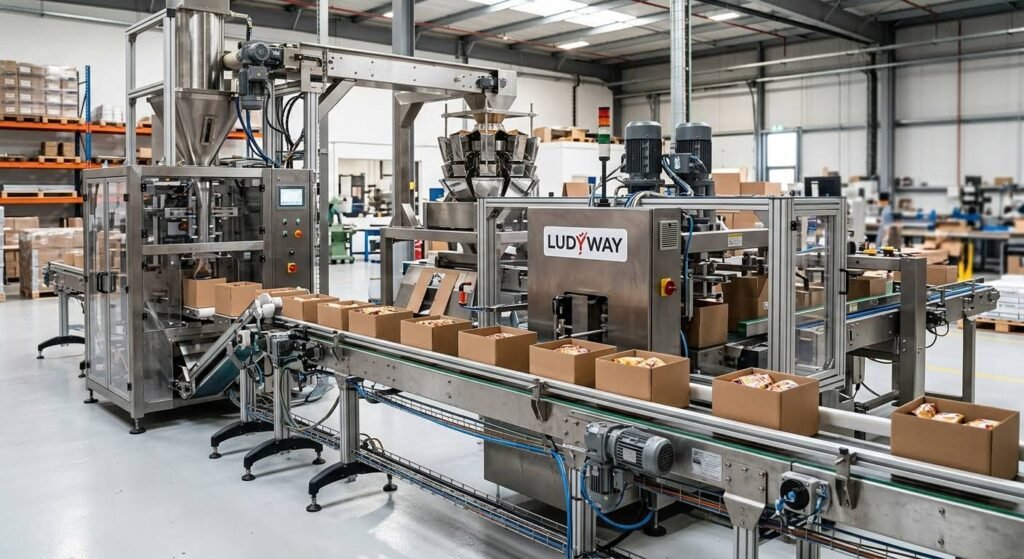
In today’s competitive coffee market, the quality and presentation of your final product are paramount. While sourcing premium beans and perfecting roasts are essential, the final step—packaging—can significantly impact freshness, shelf appeal, and operational efficiency. Modern coffee packaging is more than just a container; it’s a critical component of brand identity and product preservation. For producers looking to scale, improve consistency, and reduce costs, investing in the right packaging machinery is not an option but a necessity. This guide explores comprehensive coffee packaging machine solutions, focusing on automatic baggers, fillers, and sealing equipment designed to integrate seamlessly into your production line.
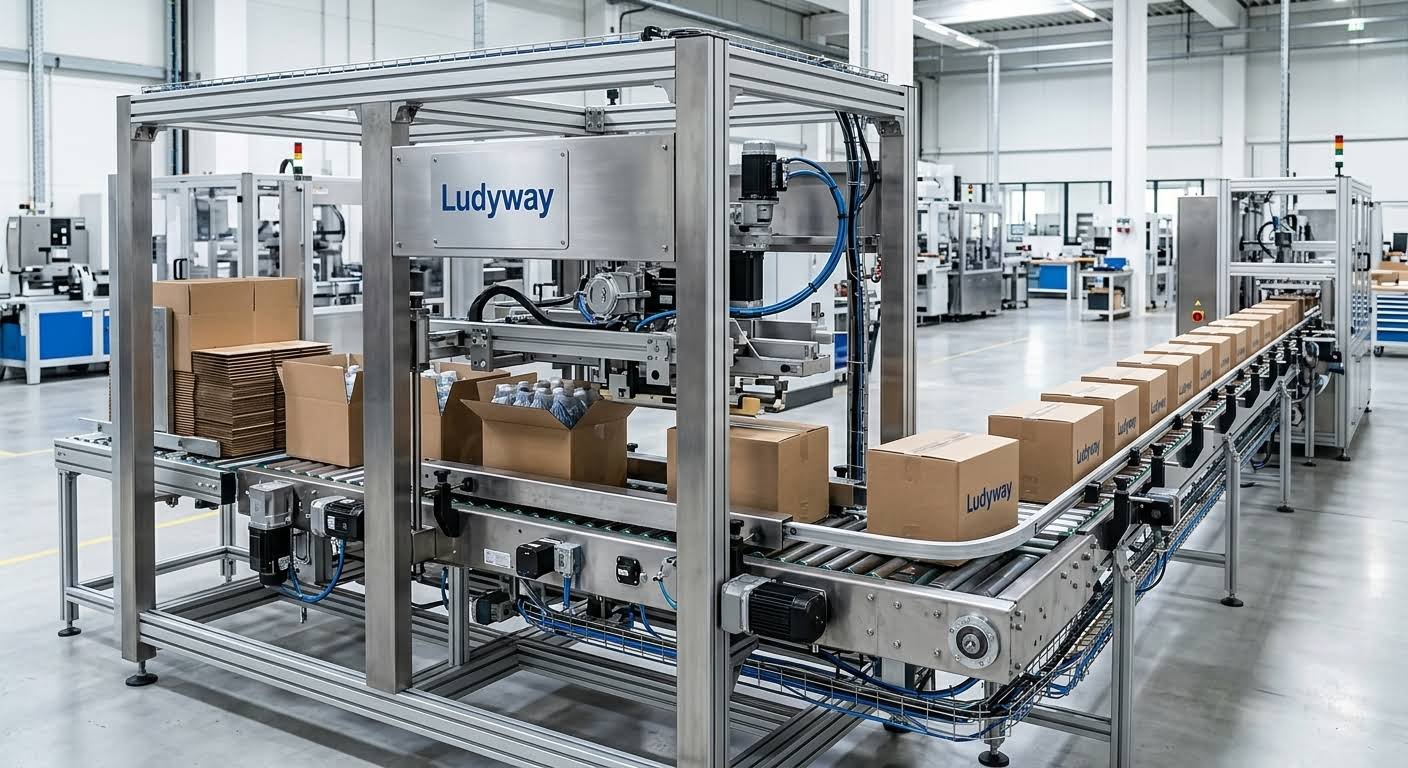
The Core of Your Coffee Line: Automated Packaging Systems
An efficient packaging line is the heartbeat of a productive coffee operation. It transforms bulk roasted and ground coffee into the consumer-ready packages found on shelves worldwide. A typical automated system for coffee involves three primary functions: forming the bag, filling it with precise amounts of product, and hermetically sealing it to lock in freshness. Integrating these steps into a synchronized, automated flow eliminates bottlenecks, minimizes human error, and ensures every bag meets your exact quality standards.
Key Benefits of Automation:
- Enhanced Freshness & Shelf Life: Automated sealers provide consistent, airtight closures that protect coffee from oxygen, moisture, and contaminants far better than manual methods.
- Remarkable Speed & Scalability: Machines can fill and seal dozens, even hundreds, of bags per minute, allowing you to meet growing demand without proportionally increasing labor.
- Unmatched Precision & Consistency: Computer-controlled fillers dispense the exact weight of coffee every time, reducing giveaway and ensuring compliance with regulatory net weight requirements.
- Significant Labor & Cost Savings: Automation reduces reliance on manual packing, lowering long-term operational costs and reallocating human resources to more skilled tasks.
- Improved Hygiene & Safety: Closed, automated systems minimize product contact with operators, adhering to strict food safety standards like GMP and HACCP.
Automatic Coffee Baggers: Forming the Perfect Pouch
The journey begins with the bagger. Automatic bag-forming machines take rolls of flexible packaging film—whether laminated polypropylene, polyester, or sustainable materials—and create the pouches right on the production line. This process, known as form-fill-seal (FFS), is highly efficient for coffee packaging.
Types of Bagging Systems for Coffee:
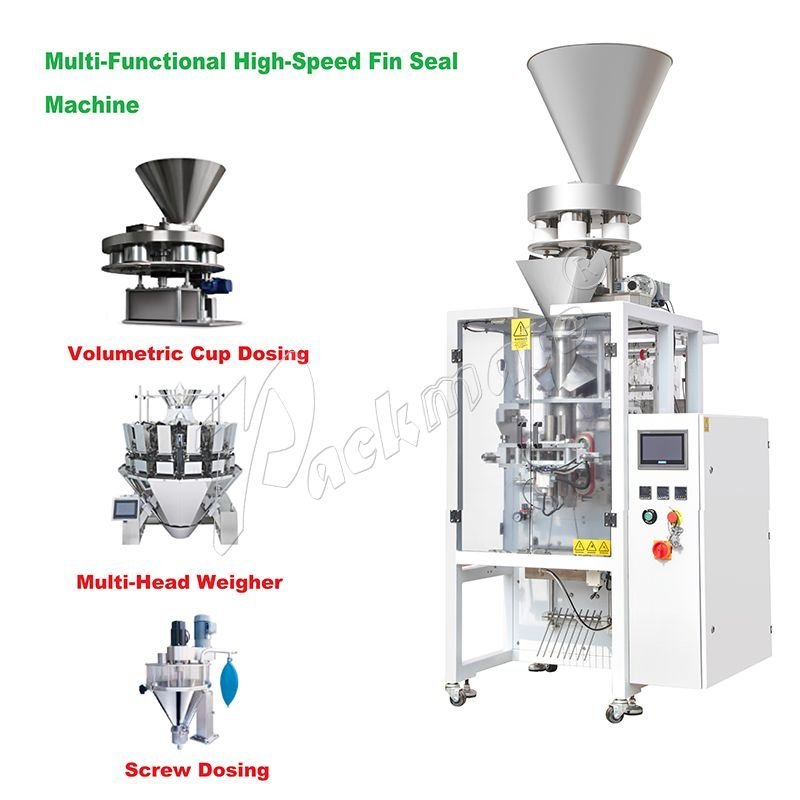
Vertical Form-Fill-Seal (VFFS) Machines: The most common solution for granular products like whole bean or ground coffee. Film is drawn downward, formed into a tube around a filling spout, sealed vertically to create the back seal, filled with coffee, and then sealed horizontally to close the top, creating individual pillow bags or gusseted bags.
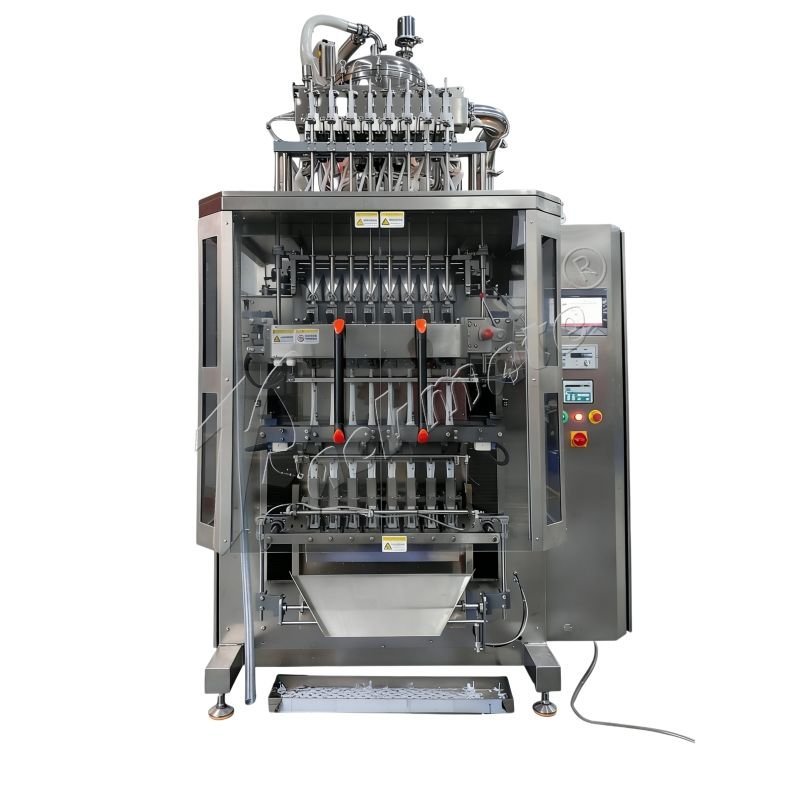
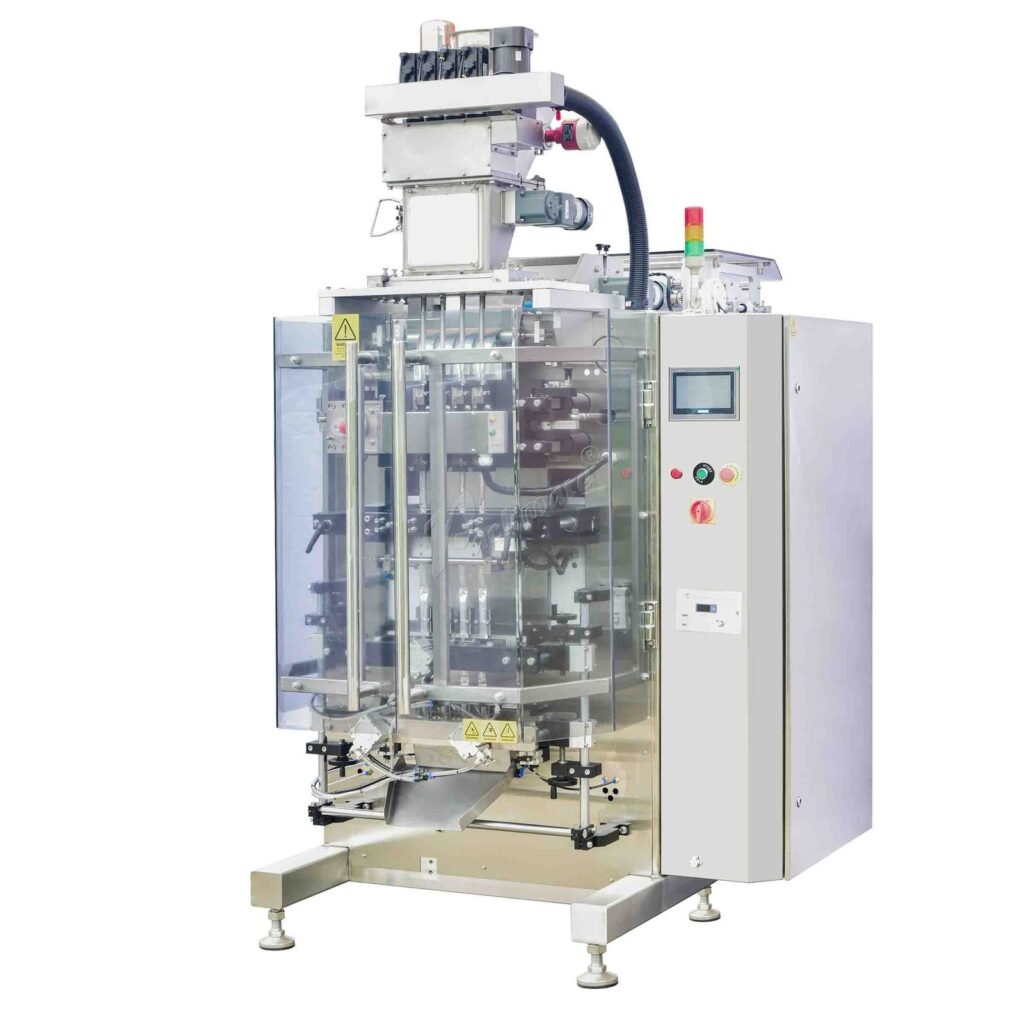
Horizontal Form-Fill-Seal (HFFS) Machines: Often used for stick packs or single-serve sachets of instant or micro-ground coffee. Film is fed horizontally, product is placed on the lower web, and the upper web is sealed over it before being cut into individual units. This is ideal for high-speed, portion-controlled packaging.
Precision Fillers: Delivering Accurate Weight Every Time
At the heart of any coffee packaging line is the filler. Accuracy is non-negotiable, as under-filling violates trade laws and over-filling erodes profits. Modern fillers for coffee come in several types, suited to different product forms.
Primary Filling Technologies:
➜ Auger Fillers: The industry standard for ground coffee and fine powders. A rotating auger (screw) inside a hopper meters out product with exceptional accuracy. They are versatile, easy to clean, and can handle a wide range of bulk densities.
➜ Weighing Fillers (Multi-Head Weighers): The ultimate choice for whole bean coffee where precision is critical. These systems use multiple weigh buckets to combine small amounts rapidly, achieving target weights with pinpoint accuracy, minimizing giveaway.
➜ Volumetric Cup Fillers: A cost-effective solution for consistent, free-flowing products like whole beans. They use measuring cups to dispense a set volume, which translates to a relatively consistent weight.
Sealing Equipment: The Final Guard of Freshness
The seal is the final, crucial barrier protecting your coffee’s aroma and flavor. Reliable sealing equipment must create a strong, impermeable bond that can withstand handling, transportation, and sometimes, gas flushing for modified atmosphere packaging (MAP).
Heat Sealers are predominantly used for flexible coffee packages. They apply precise heat and pressure to the inner thermoplastic layer of the packaging film, creating a fusion weld. Modern sealers feature adjustable temperature, pressure, and dwell time controls to accommodate various film materials and thicknesses. For bags containing degassing valves, precision sealing around the valve is essential to maintain its functionality without compromising the package integrity.
Integrating Equipment into a Cohesive Production Line
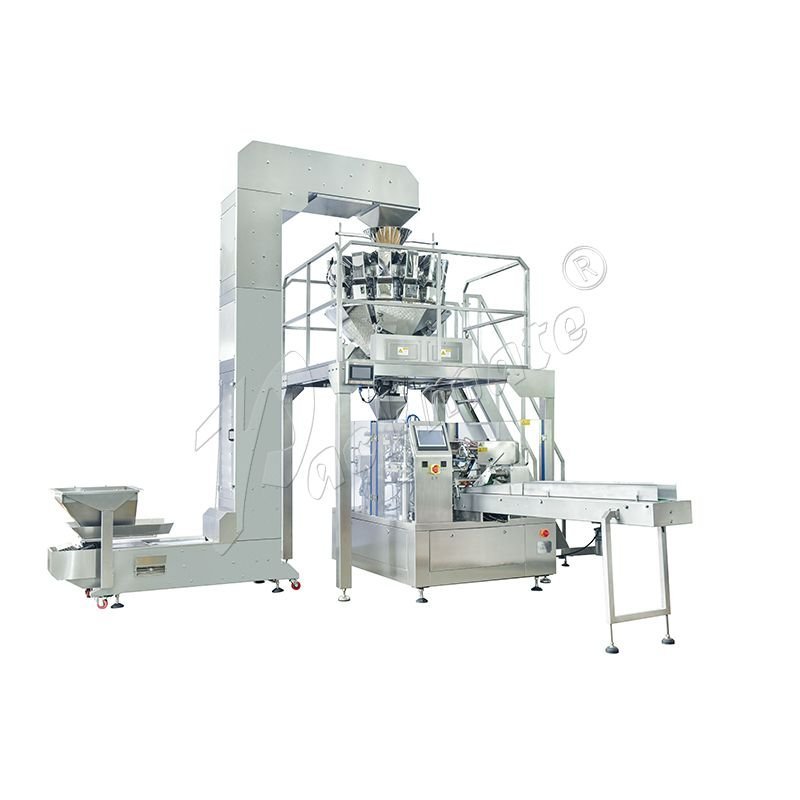
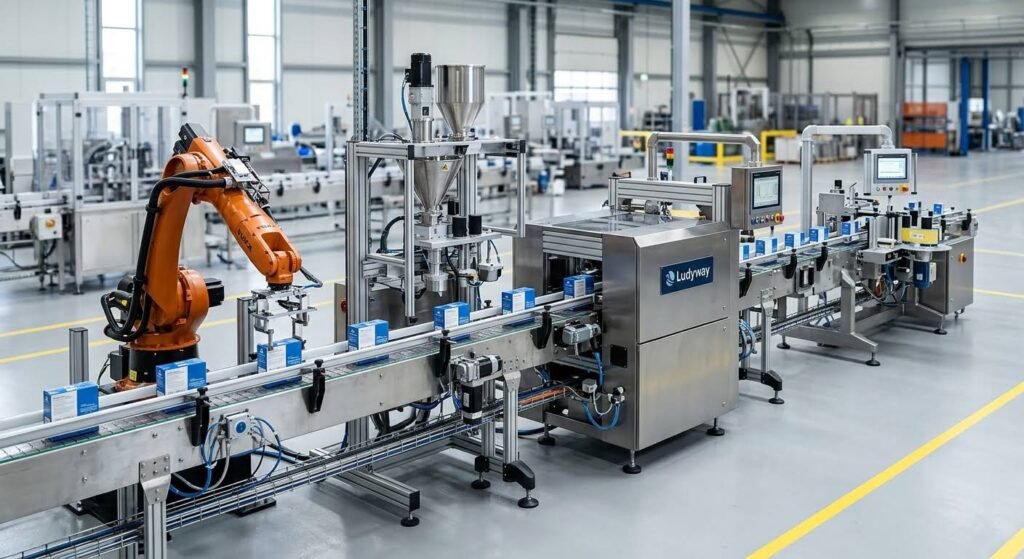
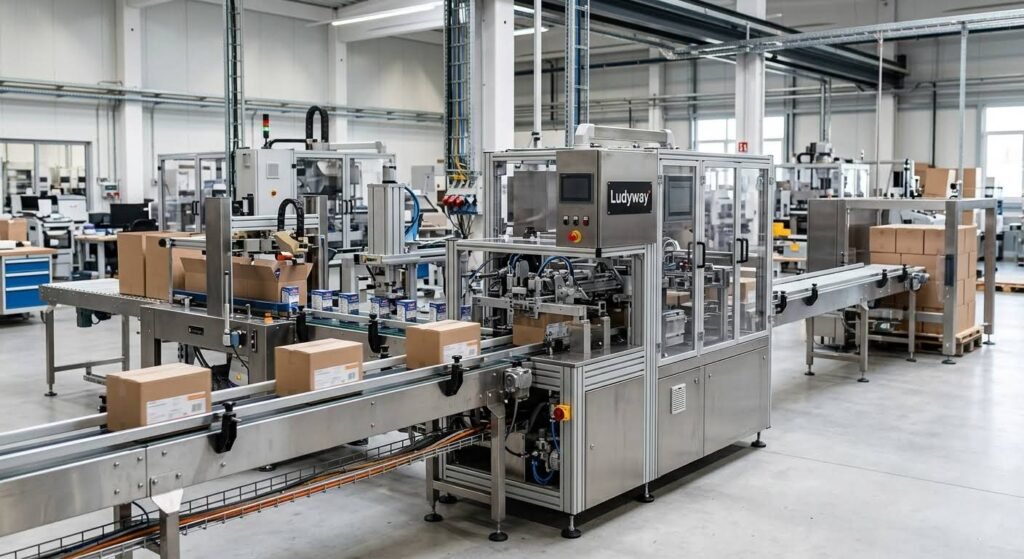
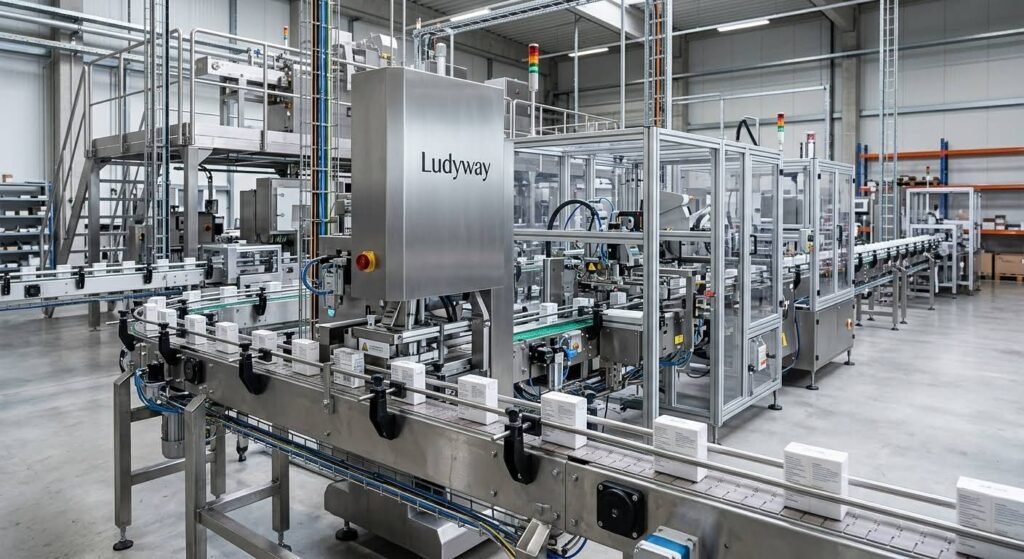
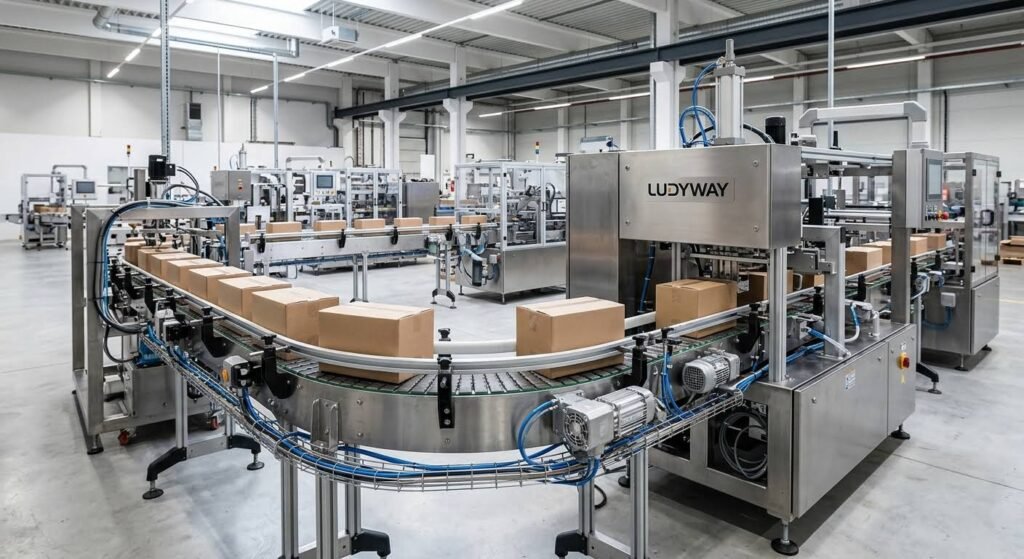
The true power of these machines is realized when they are integrated into a seamless system. A typical automated coffee packaging line might include: 1) A bag depalletizer or film unwinder, 2) A VFFS bagger with integrated auger filler, 3) A high-precision checkweigher to verify fill accuracy, 4) A gas flushing system for MAP (if applicable), 5) A heat sealer/cooling station, and 6) A final conveyor leading to cartoning or case packing. Choosing a supplier that can provide this turnkey integration ensures compatibility between components, reduces engineering headaches, and guarantees optimal line performance.
Choosing the Right Partner for Your Packaging Solutions
Selecting machinery is just one part of the equation. Partnering with an experienced and reliable supplier is critical for long-term success. A trustworthy partner brings deep industry knowledge, robust engineering support, and a commitment to your production goals. For over a decade, Ludyway Machinery has been at the forefront of providing intelligent packaging solutions. With a foundation built on 30+ years of collective industry experience and a modern 20,000㎡ production facility, we understand the intricate needs of coffee producers. We offer more than 50 models of packaging machines and specialize in creating customized, turnkey production lines that are efficient, reliable, and designed to grow with your business. Our global service network ensures you have the support needed to keep your line running smoothly, maximizing your investment and protecting your brand’s reputation for quality.
Future-Proofing Your Coffee Business
The trends in coffee packaging are clear: a demand for greater freshness, sustainable materials, and innovative single-serve formats. The right automated packaging solutions provide the flexibility to adapt to these trends. Whether you’re launching a new specialty roast, expanding into single-origin subscriptions, or meeting the demand for compostable pods, a versatile and well-designed packaging line is your most valuable asset. By investing in automated baggers, precision fillers, and reliable sealing equipment today, you are not just solving current production challenges—you are building a scalable foundation for future growth and innovation in the dynamic world of coffee.
Frequently Asked Questions (FAQs)
1. What type of packaging machine is best for whole bean coffee?
For whole bean coffee, a Vertical Form-Fill-Seal (VFFS) machine coupled with a multi-head weigher is often the optimal choice. The multi-head weigher provides the extreme weight accuracy needed for whole beans, which vary in size and density, while the VFFS system creates sturdy, high-quality bags suitable for retail. This combination maximizes precision and minimizes product giveaway.
2. Can one machine handle both ground coffee and whole beans?
While some machines are versatile, it’s generally more efficient to have dedicated systems or significant changeover capabilities. A machine configured with an auger filler is ideal for ground coffee, while one with a weigher is best for whole beans. Some advanced lines are designed for quick changeover between product types, but this depends on your specific production requirements and volume.
3. How important is Modified Atmosphere Packaging (MAP) for coffee?
MAP, which involves flushing the bag with an inert gas like nitrogen before sealing, is highly beneficial for extending shelf life and preserving freshness. It removes oxygen that causes oxidation and staling. For premium whole bean or ground coffee, especially for brands focusing on peak flavor delivery, integrating a gas flushing system into your packaging line is a valuable investment.
4. What should I consider when switching to sustainable packaging materials?
Switching to compostable or recyclable films requires careful planning. You must ensure your heat sealers can adjust to the different sealing temperatures and characteristics of these materials. The film’s machinability (how it runs on form-fill-seal equipment) is also crucial. It’s advisable to work closely with both your material supplier and machinery partner to test run the new material on your specific equipment before full-scale implementation.
5. What kind of after-sales support should I expect from a machinery supplier?
Comprehensive support is vital. Look for a supplier that offers detailed installation guidance, thorough operator training, readily available spare parts, and responsive technical support. The best partners provide remote diagnostics and have a global service network to minimize downtime. Ensuring your supplier, like Ludyway, is committed to long-term partnership and support protects your production continuity and equipment investment.