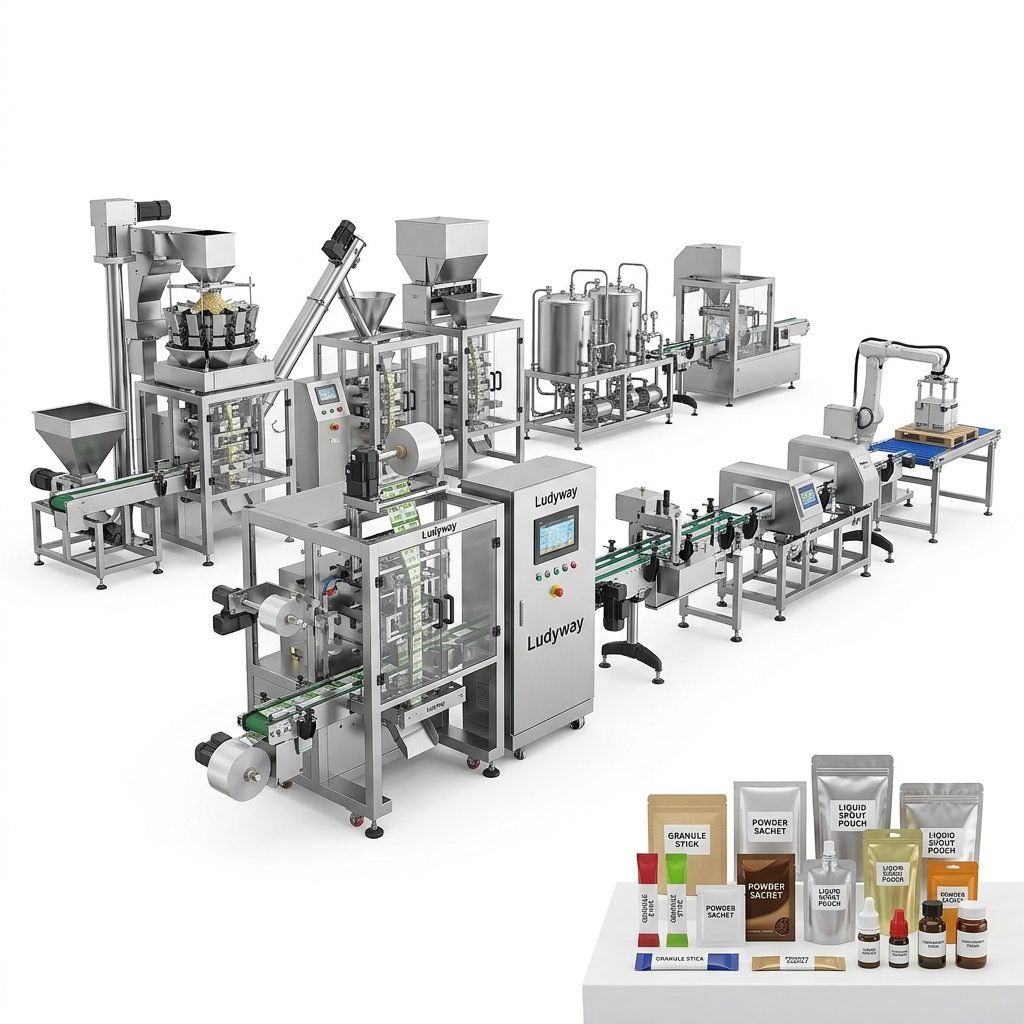
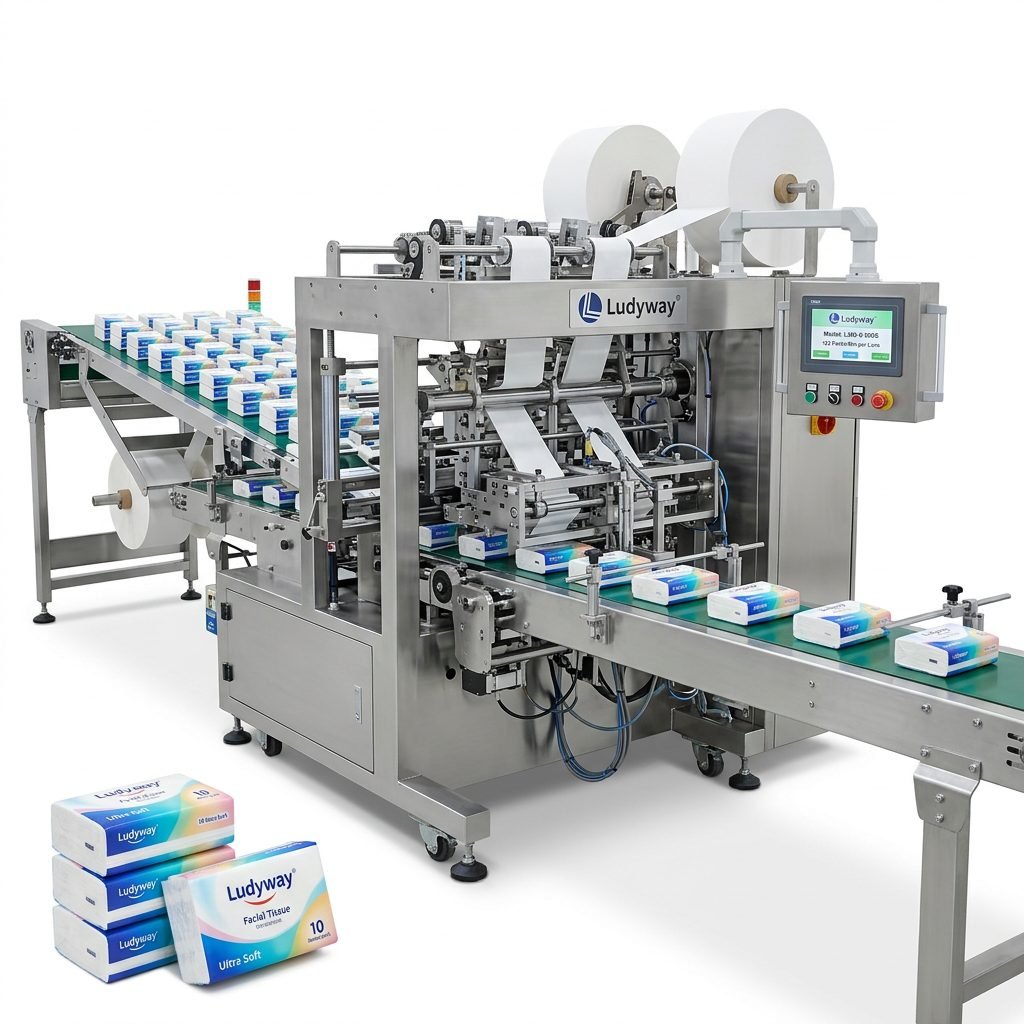
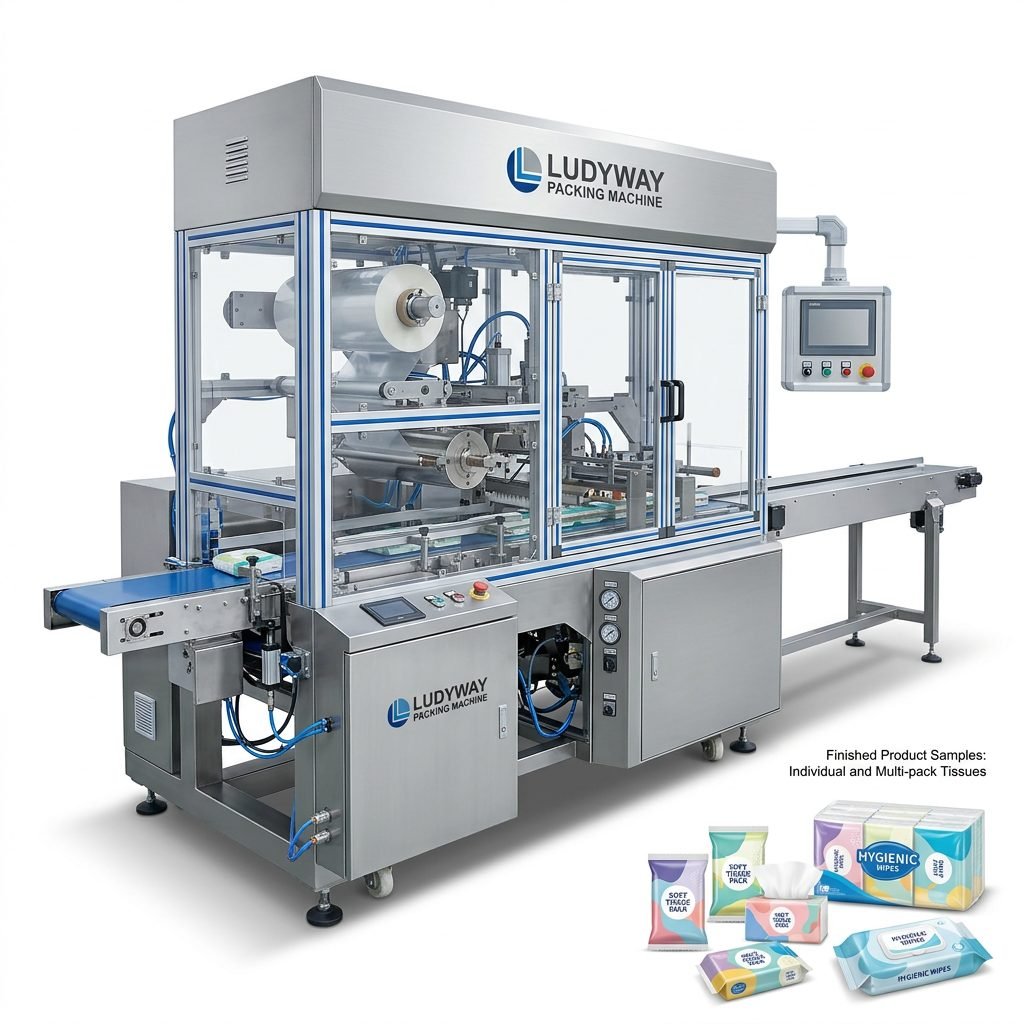
Packaging machinery forms the backbone of modern production lines, automating the process of placing products into containers, wrappers, or other protective materials for distribution, sale, and use. It encompasses a wide range of equipment designed to handle different materials, product types, and output requirements. From filling and sealing to labeling and cartoning, these machines are critical for ensuring efficiency, consistency, hygiene, and cost-effectiveness in manufacturing. This article delves into the core aspects of packaging machinery, exploring its various types, fundamental working principles, and key considerations for selecting the right equipment for your operation.
Understanding the Core Function of Packaging Machinery
At its essence, packaging machinery is designed to perform one or more specific functions in the packaging process with minimal human intervention. The primary goals are to increase production speed, ensure product safety and integrity, reduce labor costs, and maintain consistent quality. Whether it’s a simple semi-automatic sealer or a fully integrated robotic palletizing line, these machines transform loose products into market-ready units.
Key Driver: Efficiency & Compliance
The adoption of automated packaging is driven by the need for higher throughput and strict adherence to industry regulations, especially in sectors like food and pharmaceuticals. Machines provide the precision and repeatability required for tasks like accurate filling, tamper-evident sealing, and batch code printing, which are difficult to achieve manually at scale.
Major Types of Packaging Machinery
The landscape of packaging equipment is vast, categorized primarily by the function they perform in the packaging line. Here are the most common types:
1. Filling Machines
These machines measure and dispense a specific volume or weight of product into containers. The technology varies based on product characteristics.
- Volumetric Fillers: Use cups, pistons, or augers to measure by volume. Ideal for granules, powders, and consistent liquids.
- Gravimetric Fillers (Net Weighers): Highly accurate scales that fill by weight. Essential for high-value products or where weight compliance is critical.
- Liquid Fillers: Include gravity, pressure, pump, and vacuum fillers for handling beverages, oils, chemicals, and cosmetics.
2. Sealing Machines
Once filled, containers must be securely closed. Sealers apply closures like caps, lids, or heat seals.
- Heat Sealers: Use heated jaws to melt and fuse thermoplastic layers on bags, pouches, or blister packs.
- Capping Machines: Apply and torque screw caps, snap-on lids, or press-on caps onto bottles and jars.
- Induction Sealers: Create a hermetic, tamper-evident foil seal under plastic caps using electromagnetic induction.
3. Form-Fill-Seal (FFS) Machines
These are highly integrated systems that form packaging from a roll of film, fill it with product, and seal it in one continuous operation. They are extremely efficient for flexible packaging.
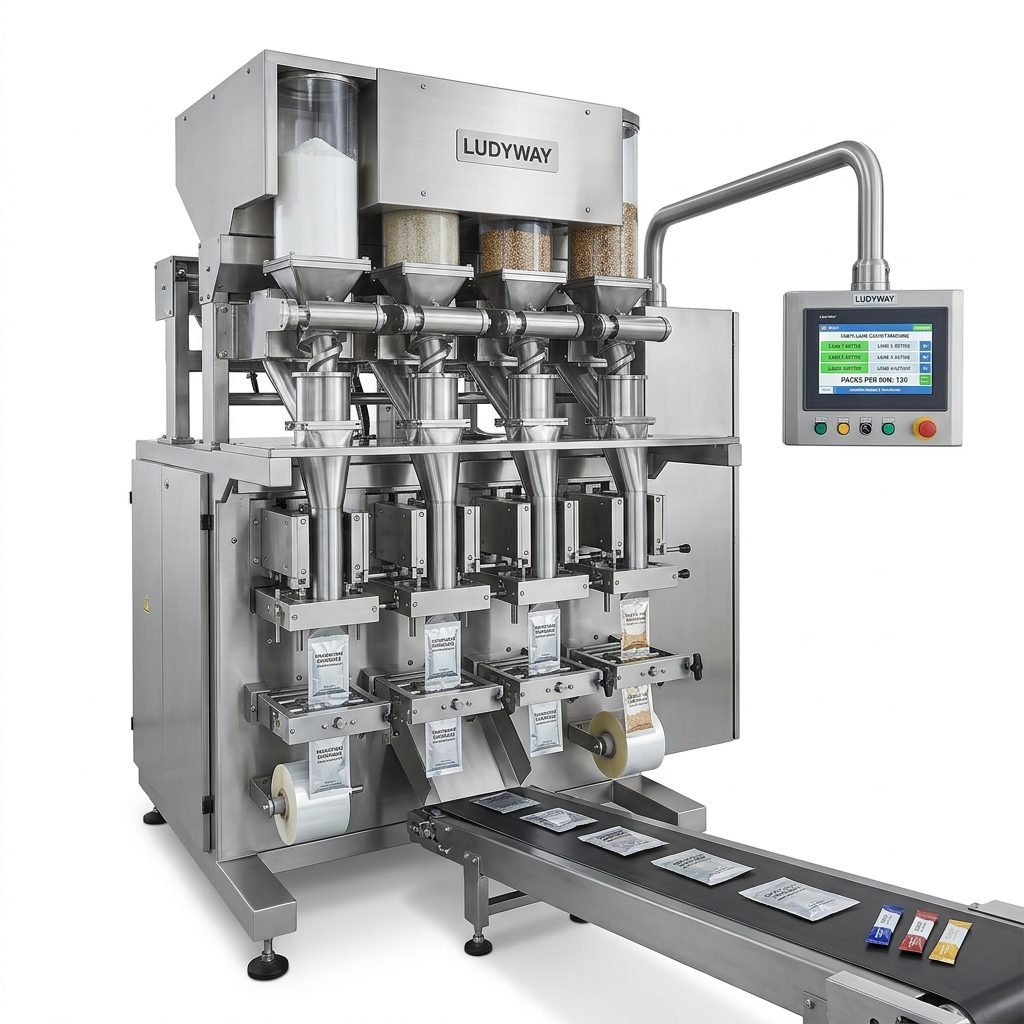
- Vertical Form-Fill-Seal (VFFS): Creates bags that are filled vertically. Common for snacks, coffee, and frozen foods.
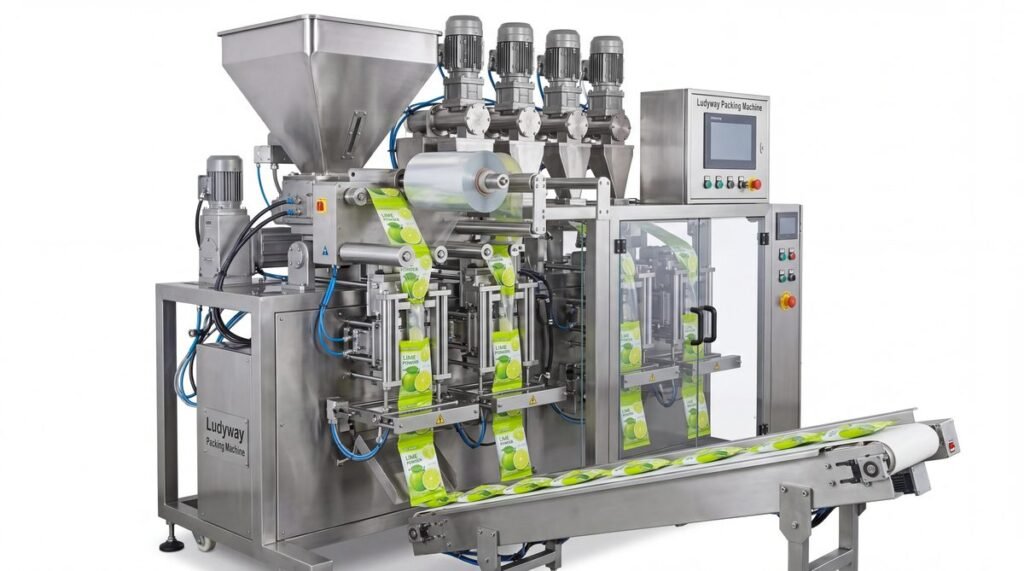
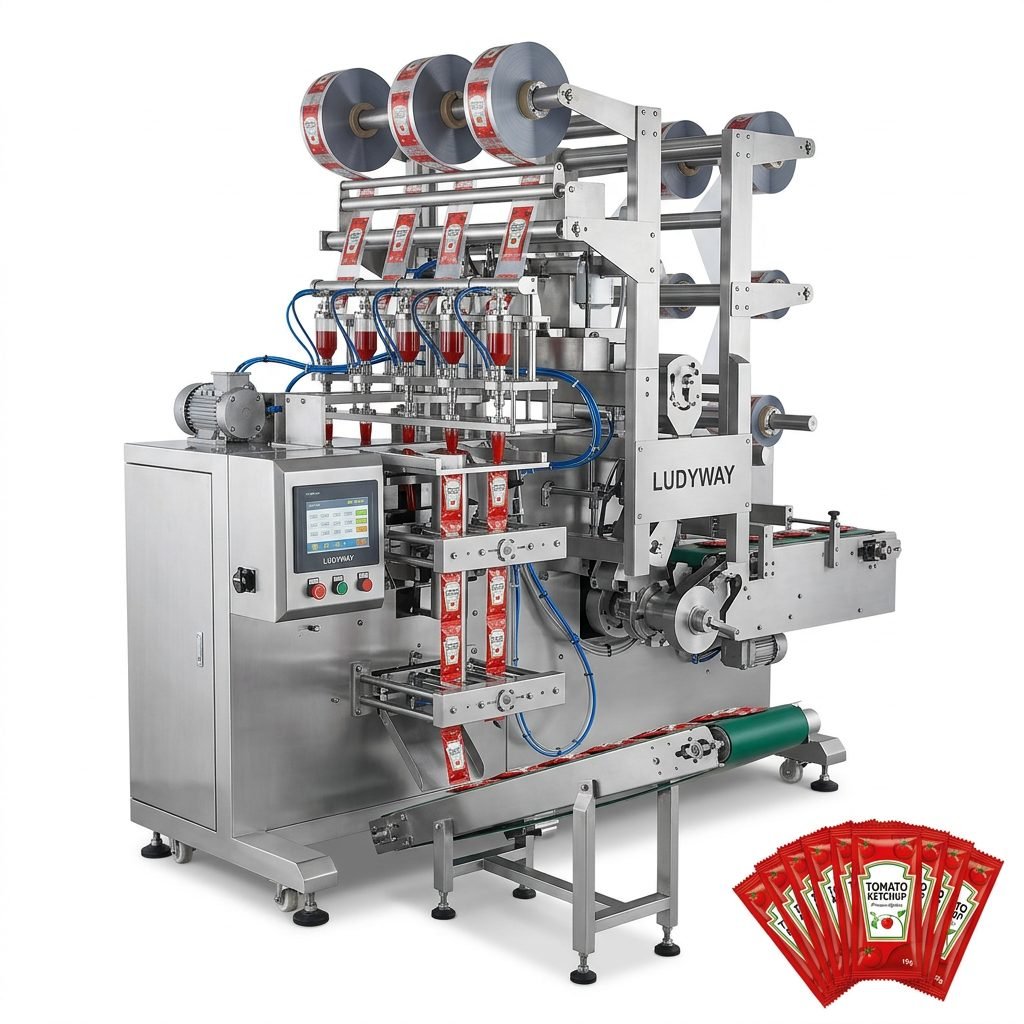
- Horizontal Form-Fill-Seal (HFFS): Forms pouches or sachets in a horizontal plane. Ideal for liquids, sauces, and single-serve portions.
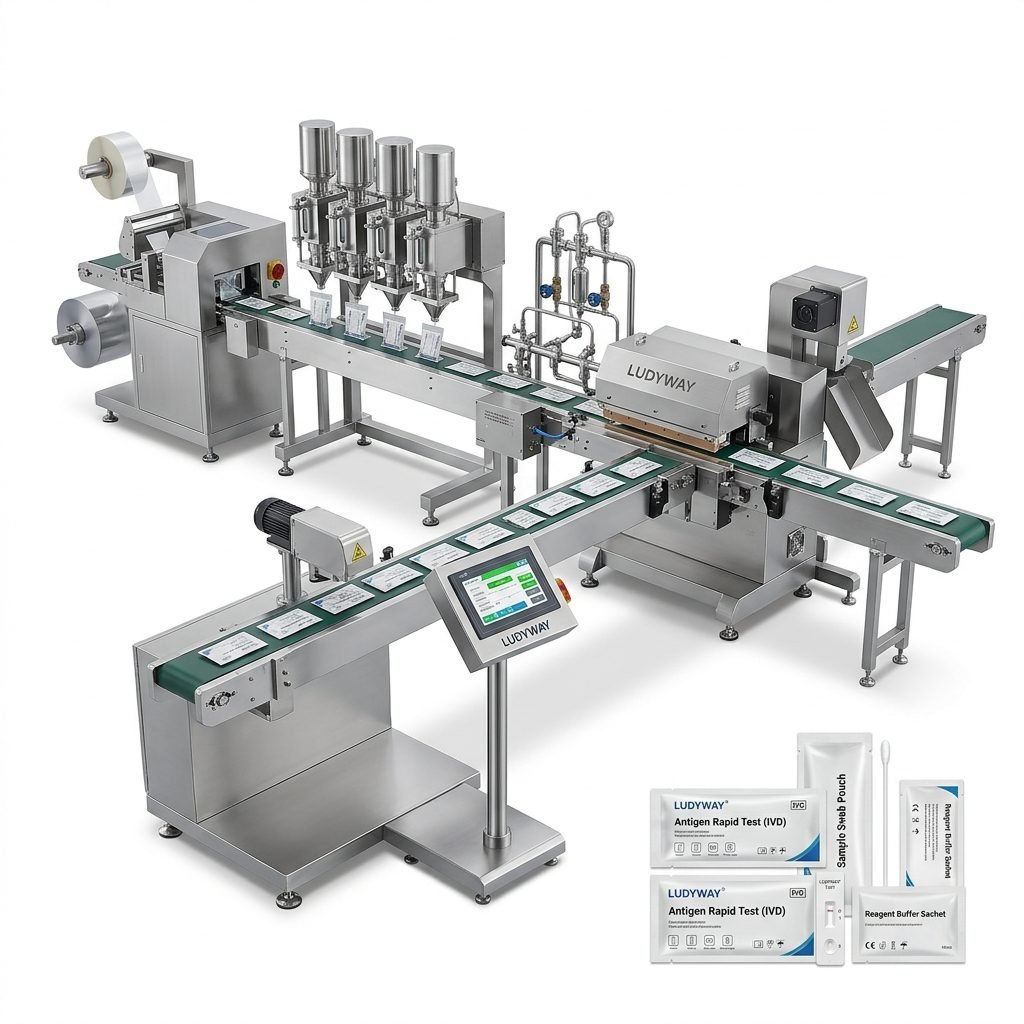
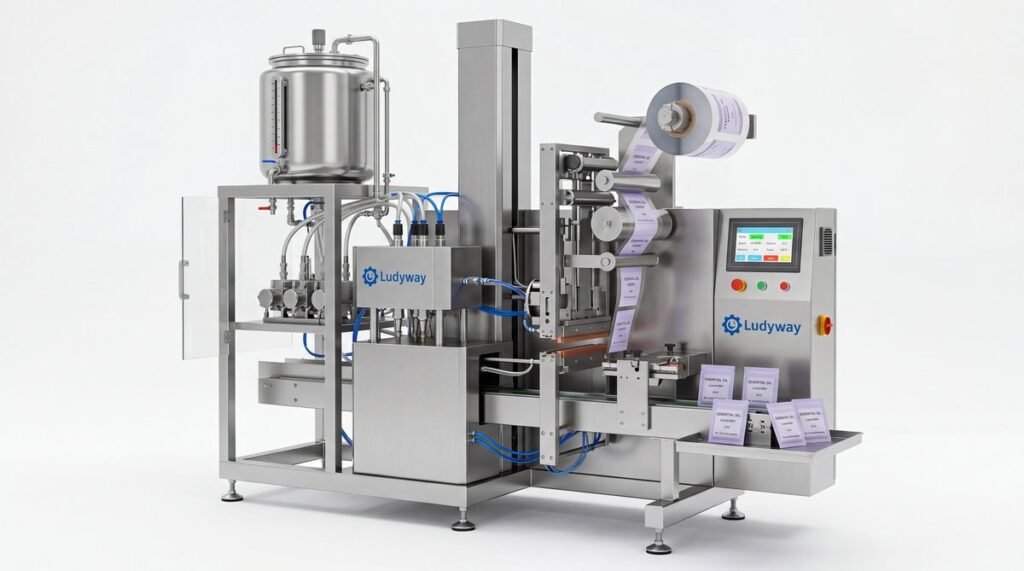
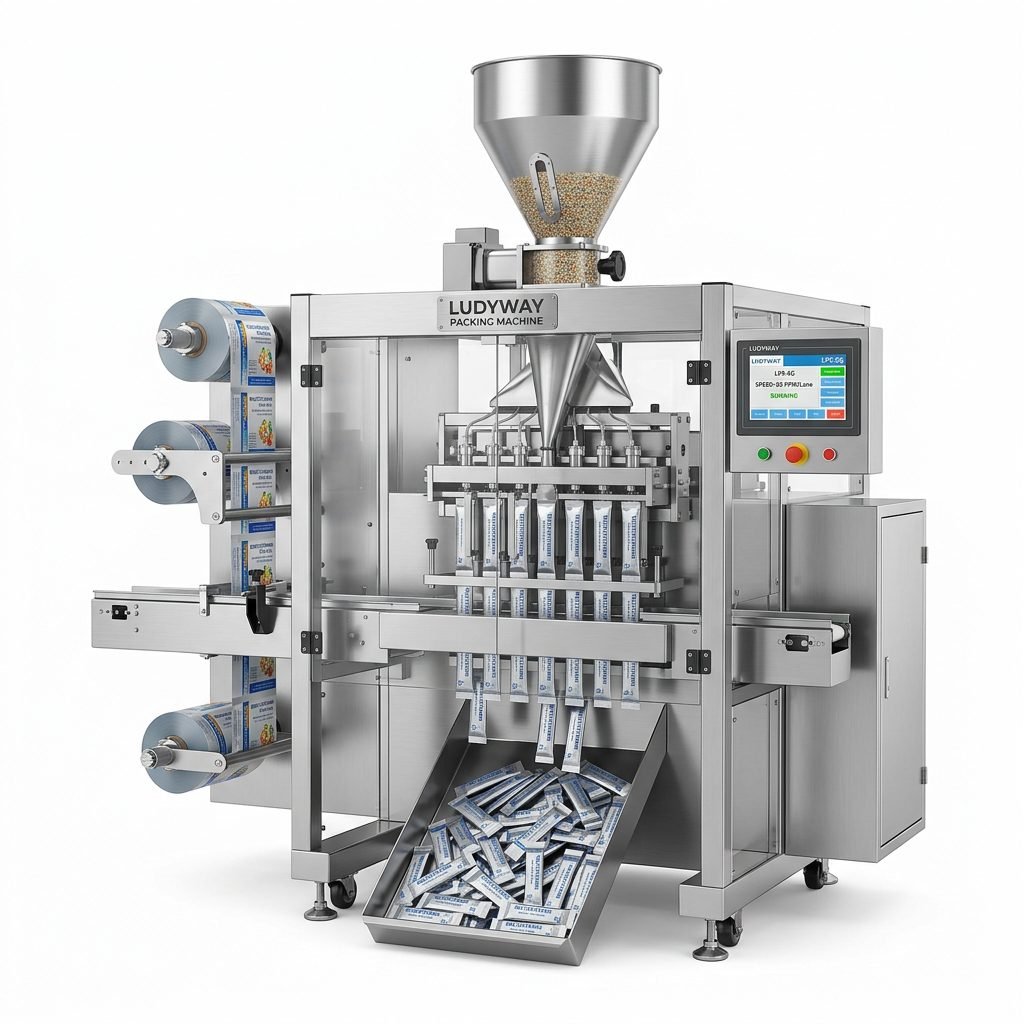
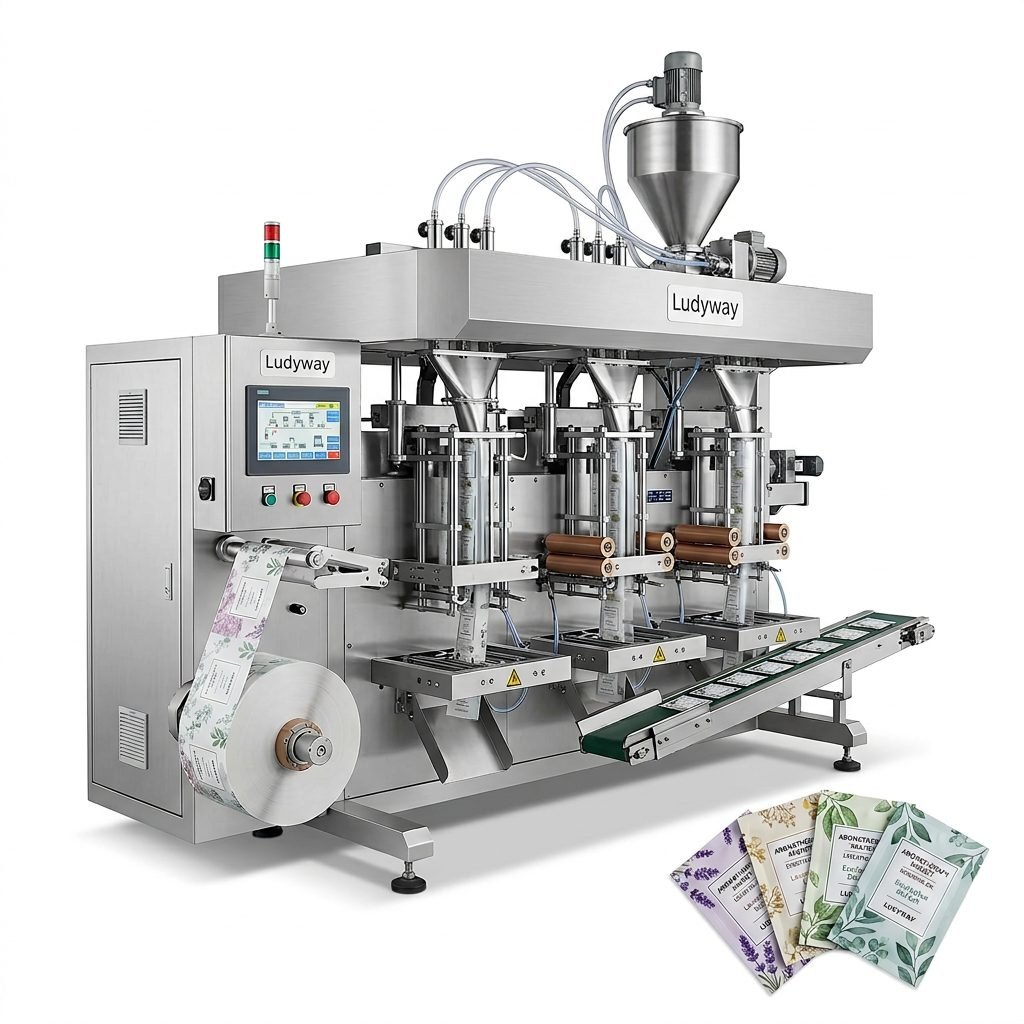
For businesses looking for efficient single-serve solutions, advanced sachet packaging machines and multi-lane stick pack machines offer high-speed, precise packaging for powders, granules, and liquids.
4. Labeling and Coding Machines
These apply product identification, branding, and regulatory information.
- Labelers: Apply pressure-sensitive, glue-based, or shrink sleeve labels to containers.
- Inkjet and Laser Coders: Print variable data like expiry dates, batch codes, and barcodes directly onto packaging.
5. Cartoning and Case Packing Machines
They handle secondary packaging, placing primary packages into cartons or cases.
Fundamental Working Principles
While machine designs differ, most automated packaging systems operate on a few core mechanical and control principles:
The Automated Cycle: Indexing, Action, and Ejection
A typical machine operates in a controlled cycle. Products or containers are indexed (moved into position), the packaging action (filling, sealing, labeling) is performed, and the finished package is ejected to the next station. This is often managed by a Programmable Logic Controller (PLC) ensuring synchronization.
Product Handling & Metering: This is the heart of filling. Augers rotate to dispense powder, pumps measure precise liquid volumes, and weigh cells control granular product discharge. Accuracy here defines product give-away and compliance.
Web & Film Handling (for FFS): A roll of packaging film is precisely fed, formed over a shaping tube or mandrel, and longitudinally sealed. The cross-sealer jaws then create the bottom and top seals, simultaneously cutting individual packages.
Thermodynamics in Sealing: Heat sealing relies on precise temperature, pressure, and dwell time control to melt the polymer layers without burning. Consistent heat distribution across the sealing jaws is critical for strong, leak-proof seals.
Motion Control: Servo motors and drives have revolutionized packaging machinery, allowing for complex, programmable motion profiles. This enables gentler product handling, faster changeovers, and higher precision than traditional mechanical systems.
How to Choose the Right Packaging Equipment
Selecting the optimal machinery is a strategic decision. Here is a structured approach to guide your evaluation:
1. Define Your Product and Packaging Specifications
This is the foundational step. Clearly document:
- Product Characteristics: Physical state (granule, powder, liquid, solid), viscosity, density, abrasiveness, fragility.
- Packaging Format & Material: Bag, pouch, bottle, sachet, stick pack? Material type (PET, PE, foil, paper) and its gauge.
- Required Output Speed (Packages Per Minute – PPM): Calculate based on current and forecasted demand.
2. Assess Machine Capabilities and Technology
Match your specs to machine features. For granule and powder packaging applications, a VFFS with an auger filler might be ideal, while a liquid requires a pump filler in an HFFS machine. Evaluate the filling technology’s accuracy and the sealing system’s reliability with your specific film material.
🔍 Pro Tip: Always request a product sample test run at the manufacturer’s facility. This is the most reliable way to verify machine performance, speed, and package quality with your actual product and materials.
3. Evaluate Flexibility and Changeover Time
If you run multiple products or package sizes, how quickly can the machine switch between them? Look for features like tool-less changeovers, servo-driven adjustments, and recipe storage in the PLC. Faster changeovers mean less downtime and higher overall equipment effectiveness (OEE).
4. Consider Integration and Support
Will the machine stand alone or integrate into a full line? Ensure it has compatible interfaces (e.g., PLC I/O, Ethernet). Crucially, investigate the supplier’s reputation for after-sales support, spare parts availability, training, and technical service. A reliable partner like Ludyway Machinery, with decades of industry experience, can provide not just equipment but complete turnkey production solutions and long-term support.
5. Analyze Total Cost of Ownership (TCO)
Look beyond the initial purchase price. TCO includes installation, maintenance, energy consumption, spare parts, and potential downtime costs. A robust, well-supported machine from a reputable brand may have a higher upfront cost but a significantly lower TCO due to greater reliability and productivity over its lifespan.
Conclusion
Packaging machinery is a pivotal investment that directly impacts production efficiency, product quality, and operational costs. Understanding the different types—from fillers and sealers to sophisticated Form-Fill-Seal systems—and their underlying working principles is the first step. The selection process must be meticulous, focusing on a perfect match between product requirements, machine capabilities, operational flexibility, and manufacturer support. By prioritizing these factors, businesses can implement automated packaging solutions that drive growth, ensure compliance, and deliver a strong return on investment for years to come.
Frequently Asked Questions (FAQs)
Q1: What is the main advantage of a Form-Fill-Seal machine over separate filling and sealing machines?
A: The primary advantage is space and efficiency. An FFS machine integrates three steps into one compact system, reducing floor space, minimizing product handling (which improves hygiene), and typically enabling higher speeds with fewer operators. It also uses packaging film from rolls, which is often more cost-effective than pre-made bags.
Q2: How do I choose between a volumetric filler and a weigh scale filler?
A: The choice hinges on required accuracy and product characteristics. Volumetric fillers (auger, piston) are excellent for free-flowing granules and powders where high speed is key and minor weight variance is acceptable. Gravimetric (weigh scale) fillers are mandatory for high-value products, items sold by net weight to regulatory standards, or products with inconsistent density where volumetric filling would be too inaccurate.
Q3: What are the key maintenance requirements for packaging machinery?
A: Regular maintenance is crucial. Key tasks include daily cleaning to prevent product buildup, lubrication of moving parts as per the manual, inspection and replacement of wear parts (like sealing jaws, gaskets, and feed augers), and regular calibration of weighing and metering systems. Following the manufacturer’s preventive maintenance schedule is the best way to avoid unplanned downtime.
Q4: Can one machine handle different packaging materials, like both paper and plastic laminates?
A: Many machines, especially FFS systems, offer flexibility, but there are limits. The key is the sealing system</span. A machine with a versatile heat sealer can often handle different thermoplastic layers. However, switching from a material that requires heat sealing (like plastic) to one that requires ultrasonic or glue sealing (like some paper composites) may require significant component changes or a different machine model altogether. Always confirm material compatibility with the supplier.
Q5: What should I look for in a packaging machinery supplier beyond the machine itself?
A: Evaluate their industry experience, technical support network, and project capability. A good supplier like Ludyway offers comprehensive services: in-depth application analysis, sample testing, installation supervision, operator training, readily available spare parts, and responsive after-sales service. They should act as a long-term partner, not just a vendor, helping you optimize your packaging operations.