In today’s competitive food industry and bustling commercial kitchens, preserving freshness, extending shelf life, and maintaining product quality are paramount. The right packaging technology is not just a convenience; it’s a critical business investment. Among the various methods available, vacuum sealing stands out for its effectiveness. This brings us to the core tool for this task: the sealer vacuum packaging machine. Selecting the best sealer vacuum packaging machine for your specific needs—whether for meticulous home food storage or demanding commercial use—requires careful consideration of features, performance, and durability.
Understanding Vacuum Sealer Technology
At its heart, a vacuum sealer removes air from a specially designed bag or pouch before hermetically sealing it. This process, known as Modified Atmosphere Packaging (MAP), drastically slows down spoilage caused by oxidation and aerobic bacteria. For businesses, this translates to reduced waste, longer product shelf life for display and distribution, and preserved flavor and texture. For households, it means buying in bulk, meal prepping efficiently, and protecting seasonal harvests.
Key Benefits of Vacuum Sealing
Extended Shelf Life: Can increase the freshness of foods by 3 to 5 times compared to conventional storage.
Prevents Freezer Burn: Creates an airtight barrier that locks in moisture and protects against frost.
Space Efficiency: Removes air, making bags compact and optimizing storage in freezers, pantries, or refrigerators.
Marination Acceleration: Vacuum-sealing marinades with food allows for deeper, faster flavor penetration.
Protection from Elements: Guards against moisture, odors, and contaminants.
Features of a Top-Tier Sealer Vacuum Packaging Machine
Not all vacuum sealers are created equal. The best machines distinguish themselves through a combination of power, intelligence, and robustness.
1. Pump Power and Vacuum Strength
The vacuum pump is the machine’s engine. Measured in horsepower (HP) or by its ability to achieve a specific vacuum level (often in millibar or inches of mercury), a more powerful pump removes air faster and more thoroughly. Commercial-grade machines feature robust, oil-lubricated or high-performance dry pumps designed for continuous operation, ensuring consistent, deep vacuum levels even with moist or powdery products.
2. Seal Bar Quality and Dual Seal Assurance
The seal bar is responsible for creating a permanent, airtight weld on the bag. Look for wide, heated seal bars made from durable materials like nickel-chrome. Many premium machines offer a “double” or “impulse seal” feature, which creates two parallel seals for redundancy. This is crucial for packaging liquids or fine powders, as it provides a fail-safe against leakage.
3. Versatility and Customization
The best machines offer multiple modes:
- Dry/Moist Mode: Adjusts vacuum speed and seal timing to handle dry goods versus moist or liquid-containing items.
- Pulse Vacuum Function: Allows manual control for delicate items like soft bread or chips.
- Seal-Only Mode: For sealing pre-filled bags or bags with zippers.
- Gas Flush (MAP) Capability: Essential for commercial use, this feature replaces air with a protective gas mix (like nitrogen) before sealing, ideal for preserving the color and texture of products like red meat or crispy snacks.
4. Construction and Durability
For commercial use, a stainless steel exterior and interior components are non-negotiable. They withstand rigorous cleaning, resist corrosion from food acids, and endure the high-volume demands of a production environment. Home models should still feature solid construction with easy-to-clean surfaces.
5. Bag Compatibility and Chamber vs. External Sealers
Chamber Vacuum Sealers
✅ The professional choice. The entire bag is placed inside a chamber. Ideal for liquids and powders.
✅ Uses cost-effective, gusseted chamber bags.
✅ Often includes gas flushing.
❌ Larger footprint, higher initial investment.
External (or Suction) Vacuum Sealers
✅ Common for home and light commercial use. The machine sucks air out from the bag’s open end.
✅ More compact and affordable.
❌ Can struggle with liquids. Uses more expensive pre-made bags or rolls.
Selecting the Right Machine: Food Storage vs. Commercial Use
For Optimal Home Food Storage
Home users should prioritize ease of use, cleaning, and value. A reliable external sealer with dry/moist settings, an integrated bag cutter and storage for rolls, and a clear control panel is often sufficient. Look for machines from brands known for reliable customer support and warranty. The ability to create custom-sized bags from a roll is a significant advantage for storing diverse items.
For Demanding Commercial Use
Commercial operations—from cafes and butchers to large-scale food producers—require industrial-grade performance. Here, a chamber vacuum sealer is typically the best investment. Key commercial considerations include:
- Cycle Speed: How many bags can be sealed per minute? This directly impacts throughput.
- Chamber Size: Must accommodate your largest common product or batch.
- Duty Cycle: Built for 8+ hours of continuous daily operation.
- Hygienic Design: Smooth surfaces, minimal crevices, and easy disassembly for cleaning.
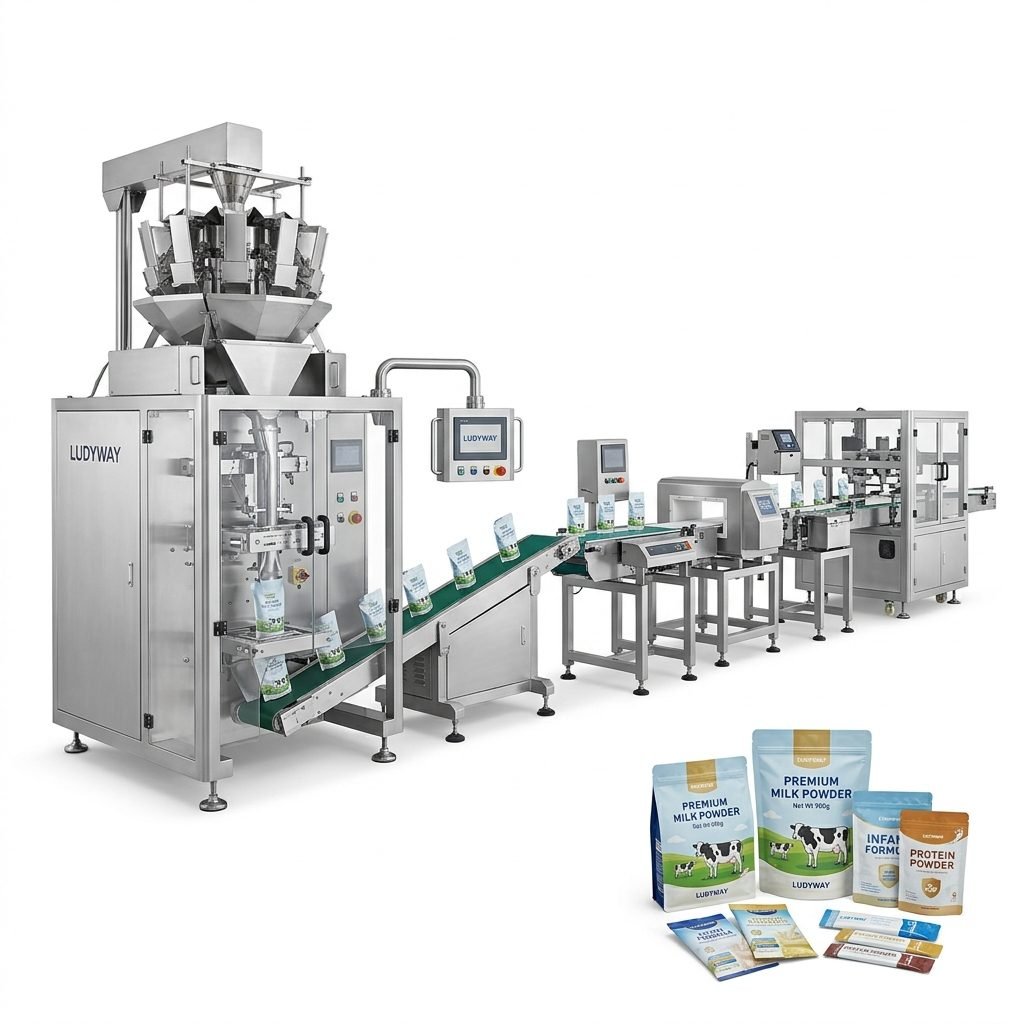
- Integration: Potential to connect to automated filling and labeling systems for a complete production line.
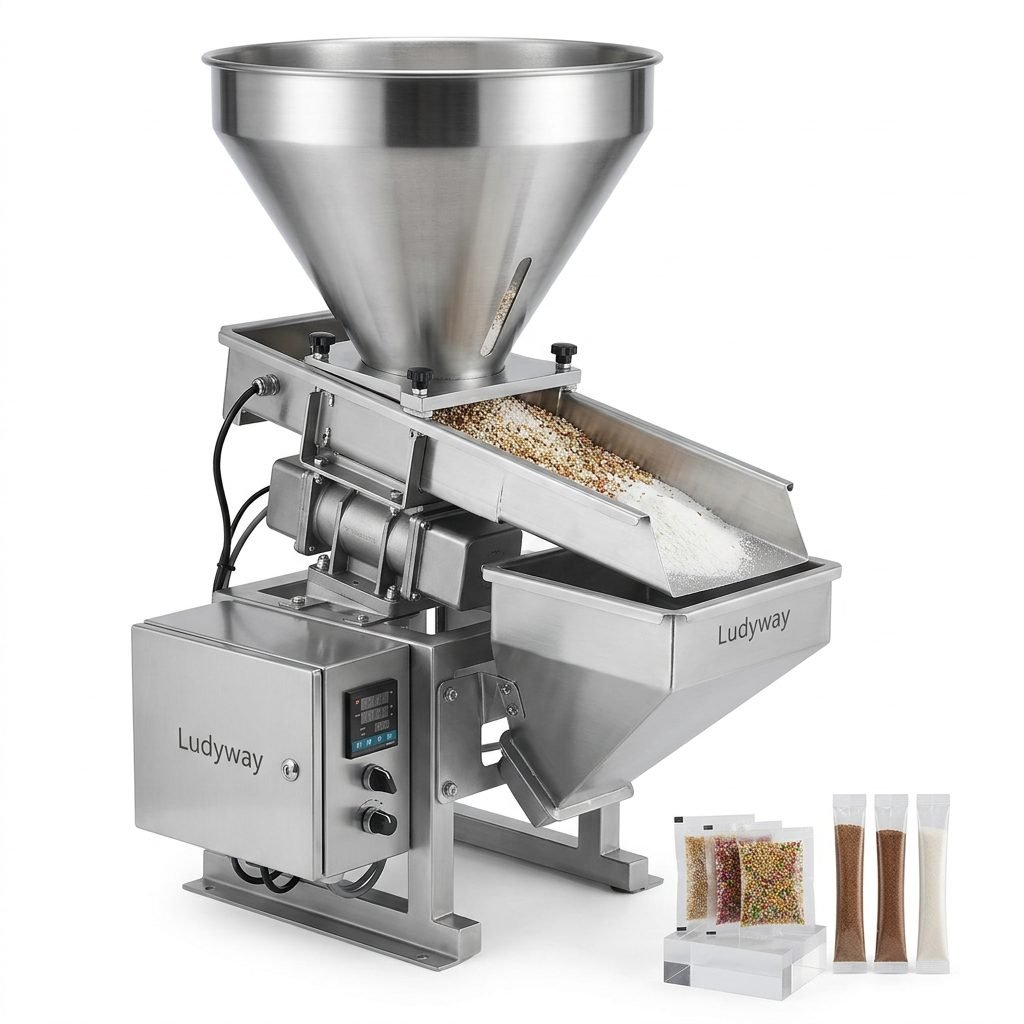
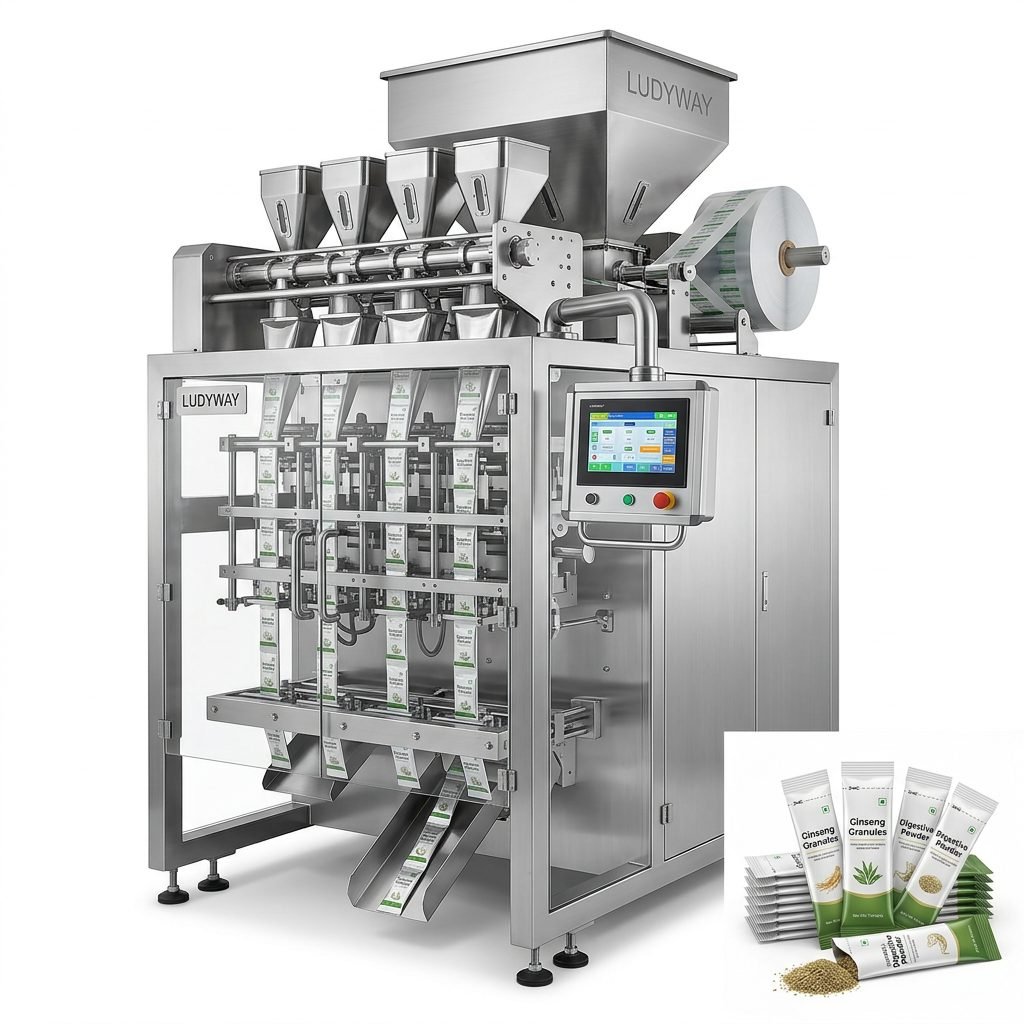
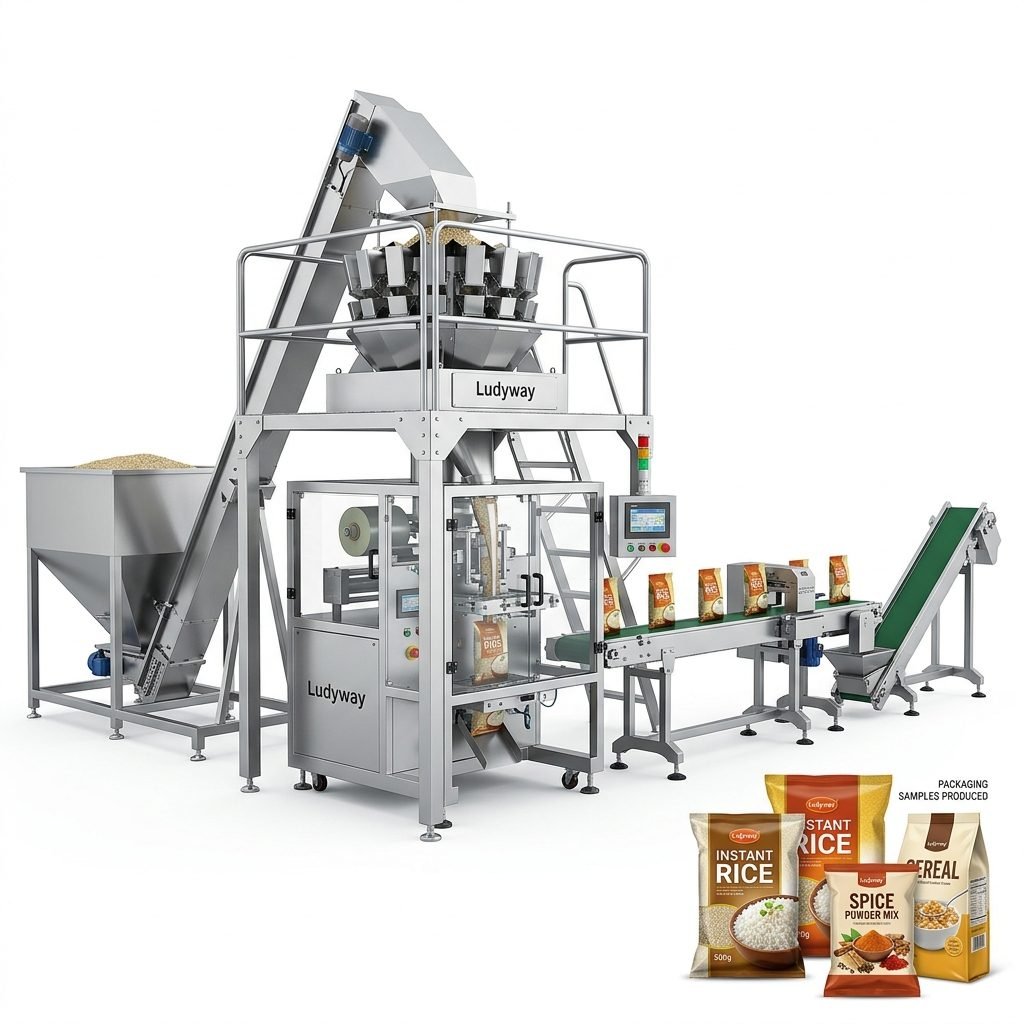
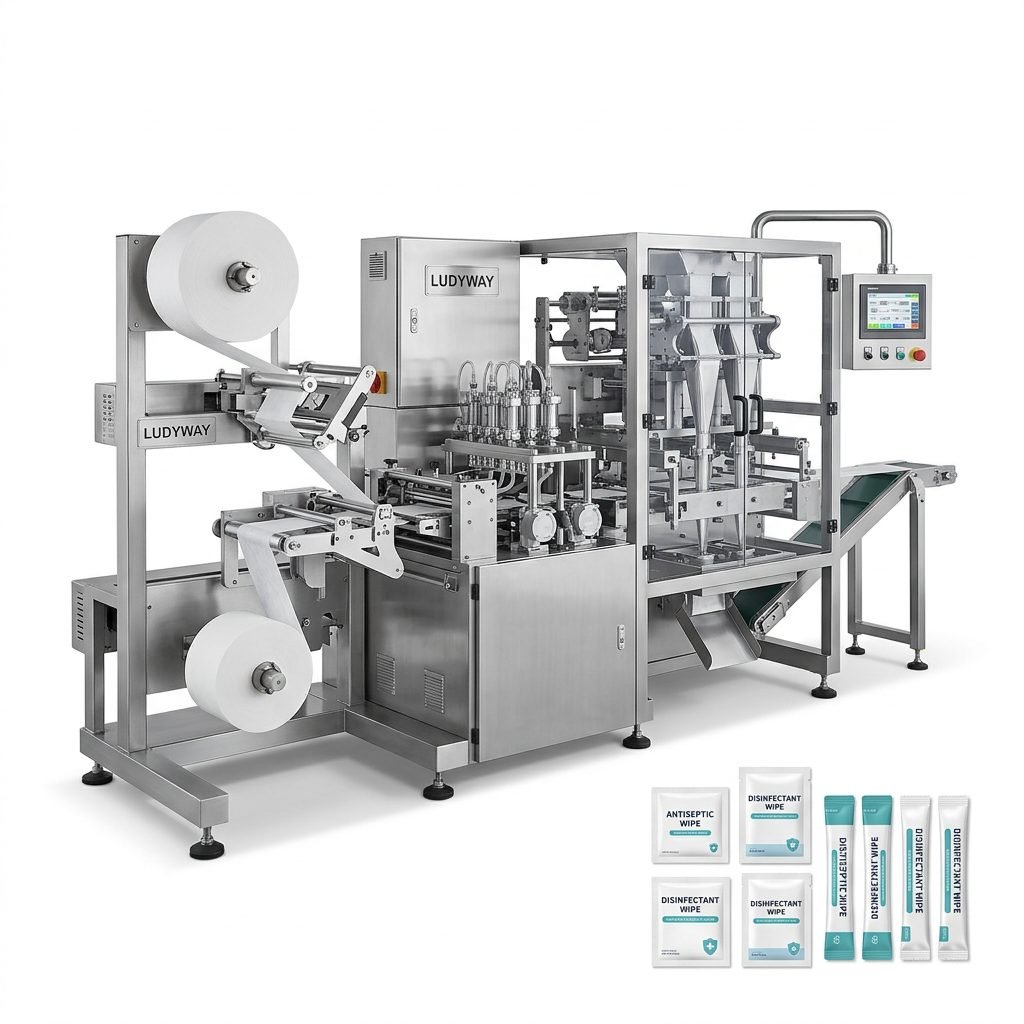
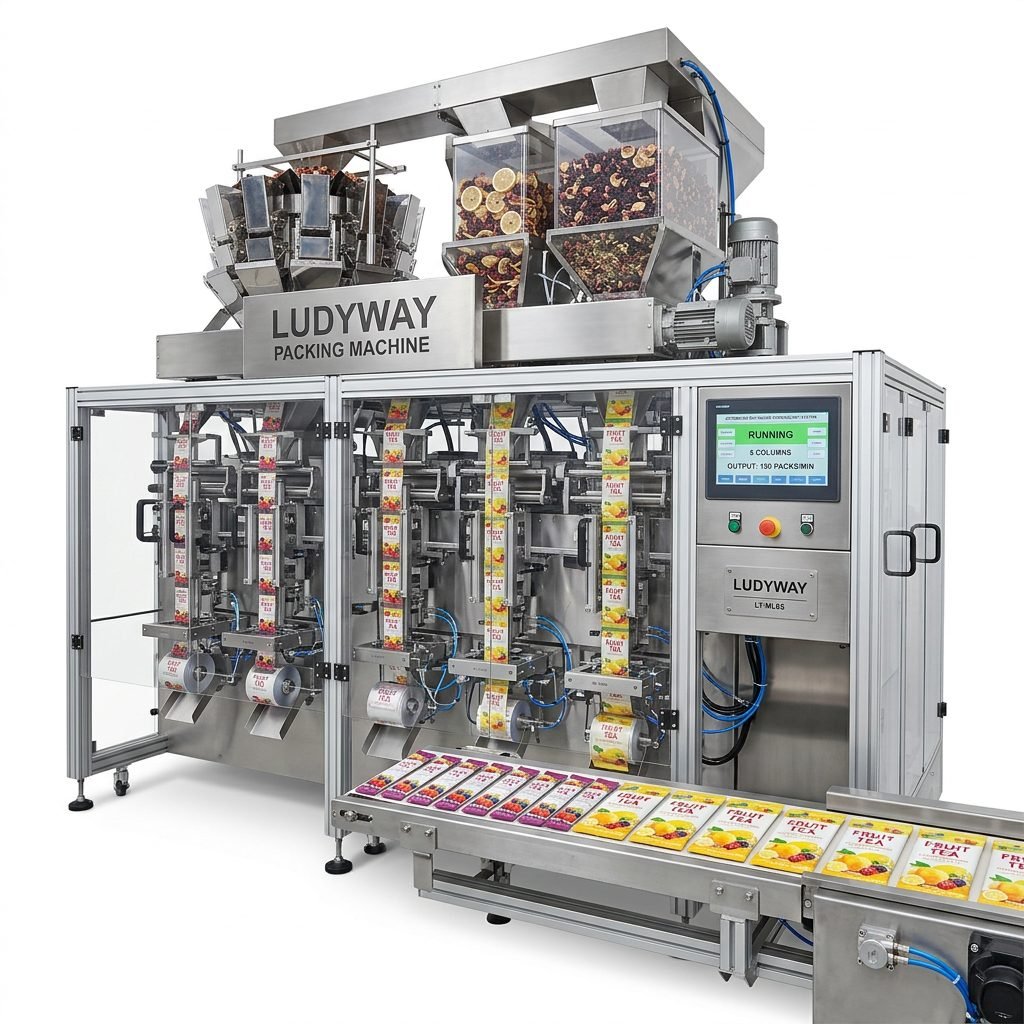
Partnering with a specialist provider like Ludyway Machinery, which offers over 50 intelligent packaging models and turnkey solutions, can ensure you get a machine tailored to your specific product type (granules, powder, liquid) and production volume.
Maximizing Your Investment: Maintenance and Best Practices
To ensure your sealer vacuum packaging machine delivers longevity and consistent results, proper care is essential.
Essential Maintenance Tips
➤ Daily Cleaning: Wipe down the seal bar, gaskets, and chamber after each use to prevent residue buildup, which can compromise seal integrity.
➤ Gasket Inspection: Regularly check the chamber lid gasket for cracks or wear. A damaged gasket prevents a proper vacuum.
➤ Seal Bar Care: Clean the seal bar with a soft cloth and non-abrasive cleaner. Pitted or dirty bars cause weak seals.
➤ Oil Changes (for oil pumps): Follow the manufacturer’s schedule for changing the pump oil in chamber machines to maintain optimal performance.
➤ Use Recommended Bags: Using low-quality or incompatible bags is a leading cause of seal failure and machine jams.
Conclusion
Choosing the best sealer vacuum packaging machine is a strategic decision that impacts food quality, operational efficiency, and bottom-line profitability. By understanding the critical differences between home and commercial models, focusing on core features like pump strength and seal quality, and committing to proper maintenance, you can secure a solution that preserves freshness, enhances presentation, and safeguards your investment for years to come. Whether you are a home enthusiast aiming to reduce waste or a business scaling production, the right vacuum packaging technology is a cornerstone of modern food preservation.
Frequently Asked Questions (FAQs)
1. What is the main difference between a chamber vacuum sealer and an external one?
Chamber sealers place the entire bag inside a sealed chamber before removing air, making them excellent for liquids and fine powders. External sealers suck air out through the bag’s open end; they are more common for home use and dry goods but can struggle with liquid content.
2. Can I use any plastic bags with my vacuum sealer?
No. You must use bags specifically designed for vacuum sealing. They are made from multi-layer, puncture-resistant materials with a textured surface on one side to allow air channels for evacuation. Using improper bags will result in poor seals and potential machine damage.
3. How does vacuum sealing extend the shelf life of food?
It removes oxygen from the package, which is the primary element that causes oxidation (spoilage, color change) and supports the growth of aerobic bacteria and molds. By creating an oxygen-depleted environment, it dramatically slows down these degradation processes.
4. Is a vacuum sealer worth it for home use?
Absolutely. If you buy food in bulk, hunt or fish, have a garden, or like to meal prep, a vacuum sealer pays for itself by drastically reducing food waste. It also saves freezer space and helps preserve flavors and nutrients much longer than traditional storage methods.
5. What should I look for in a commercial vacuum sealer?
Prioritize durability (stainless steel construction), a high-duty cycle for continuous operation, a powerful pump for fast evacuation, versatile functions like gas flushing, and a chamber size that fits your product range. Support and service from the manufacturer or supplier, such as comprehensive technical assistance, is also critical.