Choosing the right packaging machine manufacturer is a critical decision that directly impacts your production efficiency, product quality, and bottom line. With numerous suppliers in the market, identifying the top manufacturer that aligns with your specific needs requires careful evaluation beyond just price.
Key Factors for Selecting Your Packaging Machine Supplier
The ideal supplier acts as a long-term partner. Here are the core areas to assess during your selection process.
1. Technical Expertise and Industry Experience
A manufacturer’s depth of knowledge is paramount. Look for a company with a proven track record in your specific sector, whether it’s food, pharmaceuticals, or health products. Experience translates into understanding regulatory requirements, material sensitivities, and unique production challenges.
Pro Tip: A supplier like Ludyway Packing Machine, with over 30 years of collective industry experience, can provide invaluable insights during the machine specification phase, helping you avoid costly design flaws.
2. Range of Machinery and Customization Capabilities
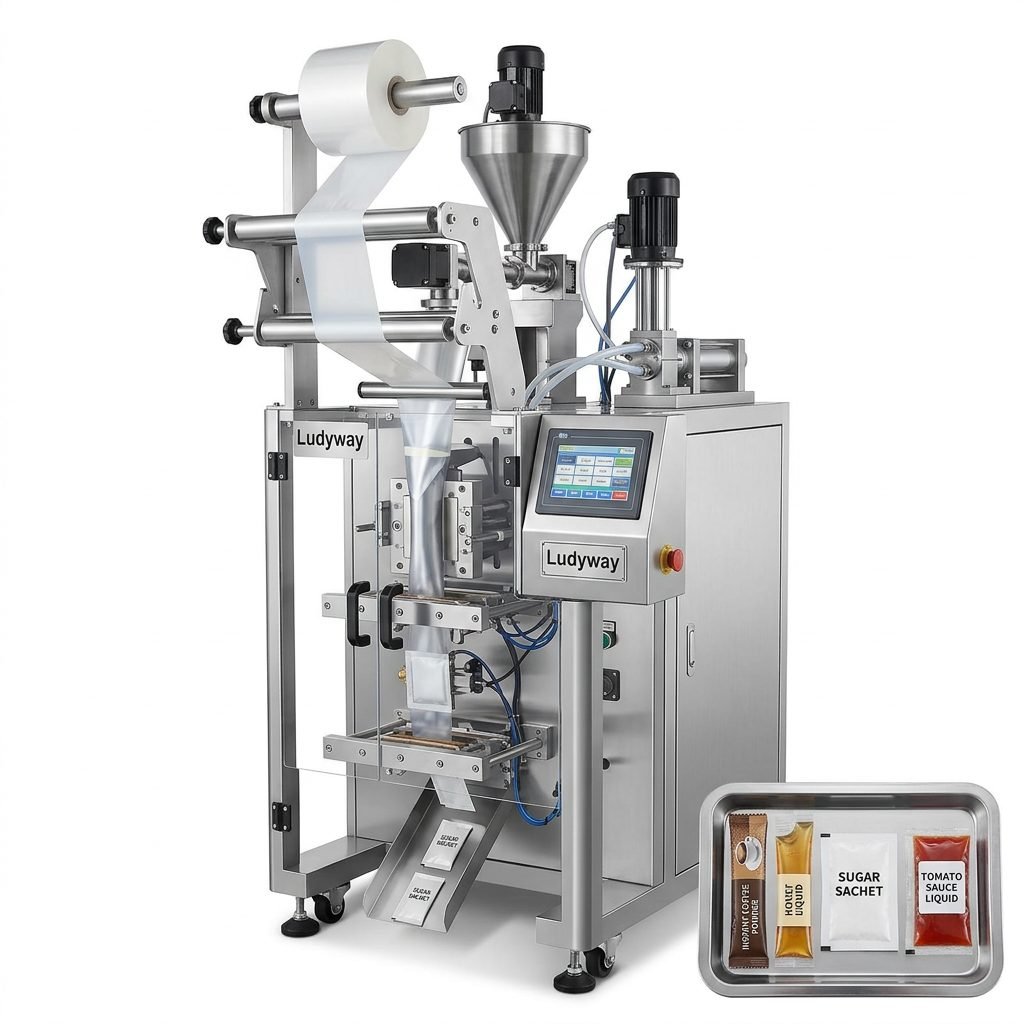
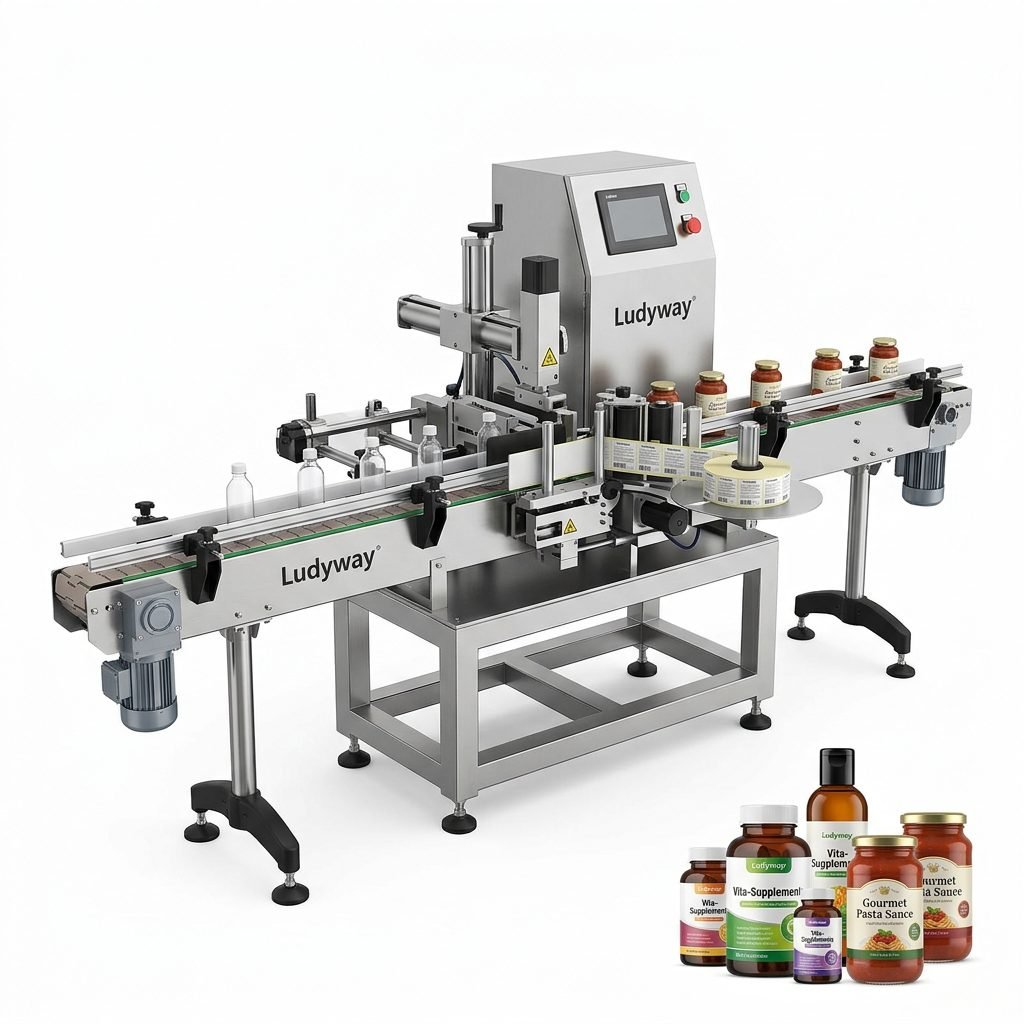
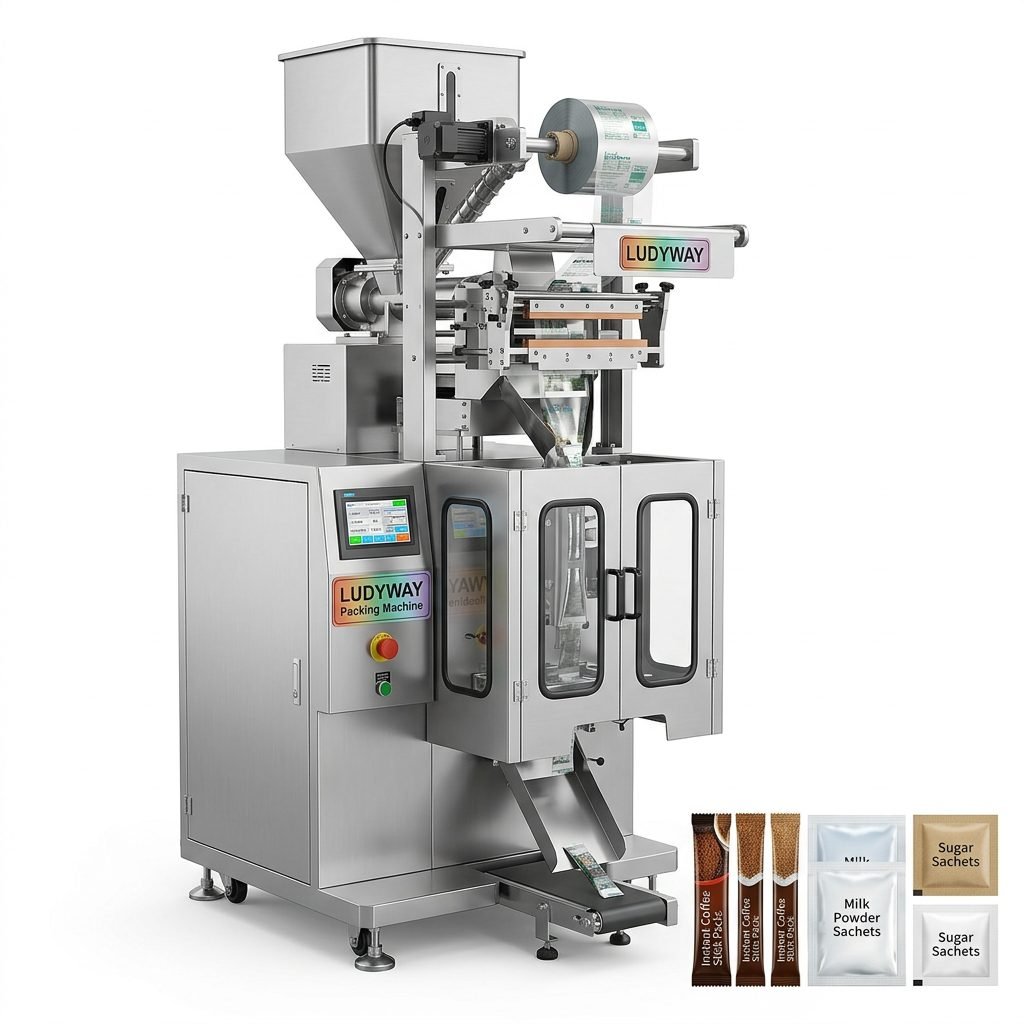
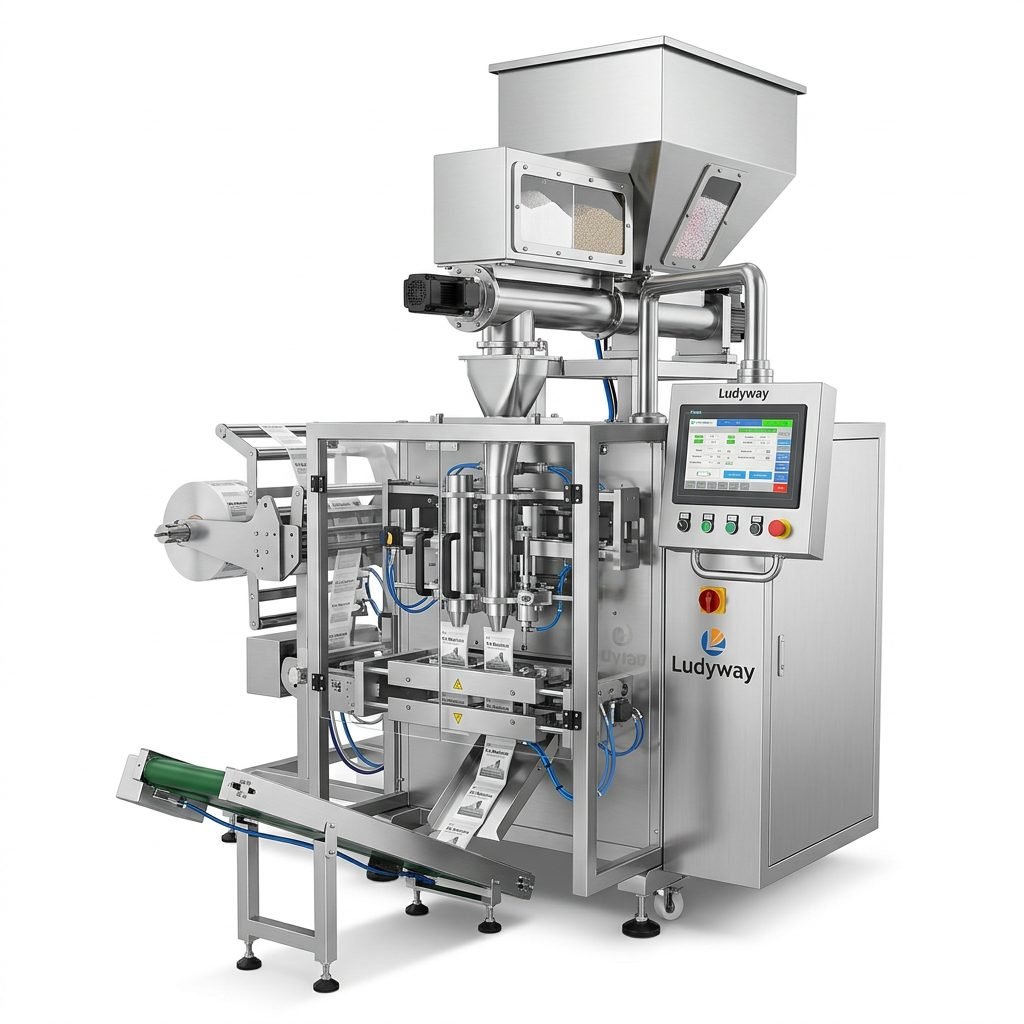
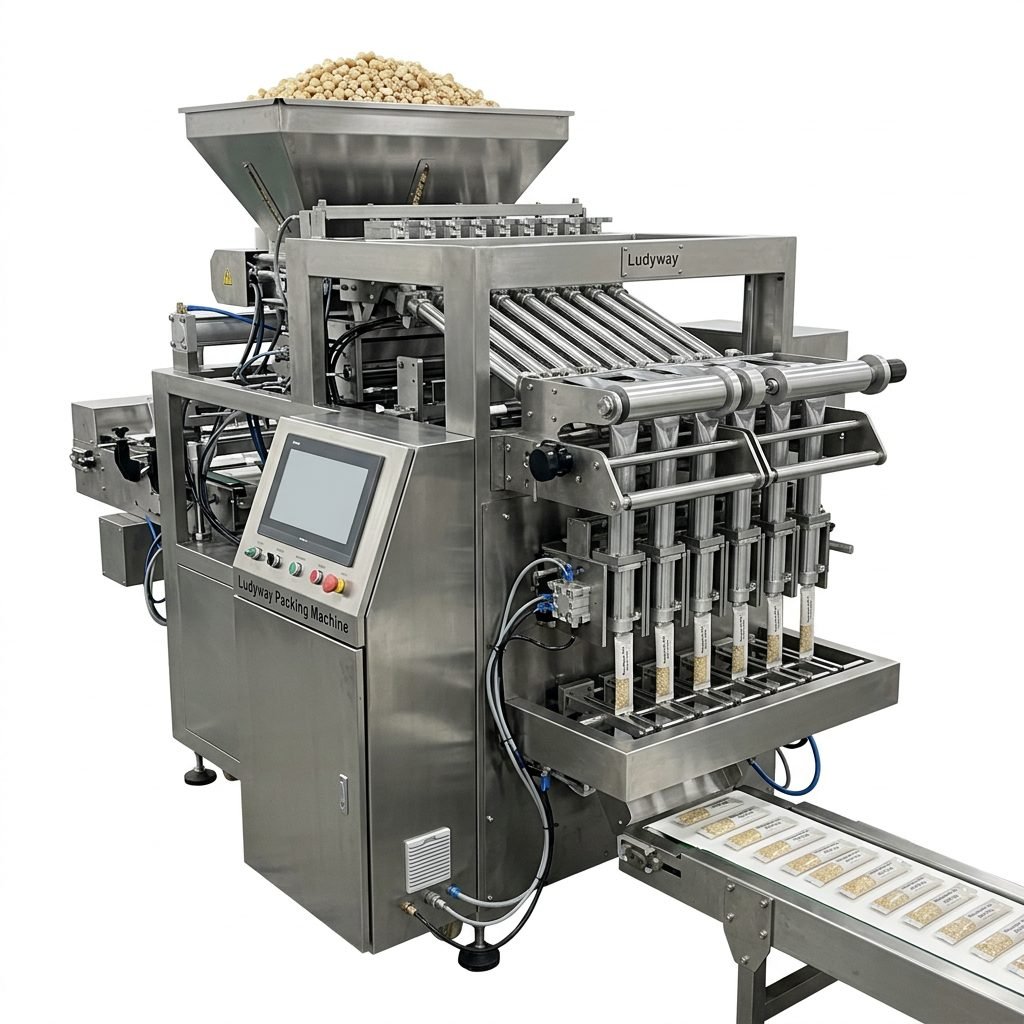
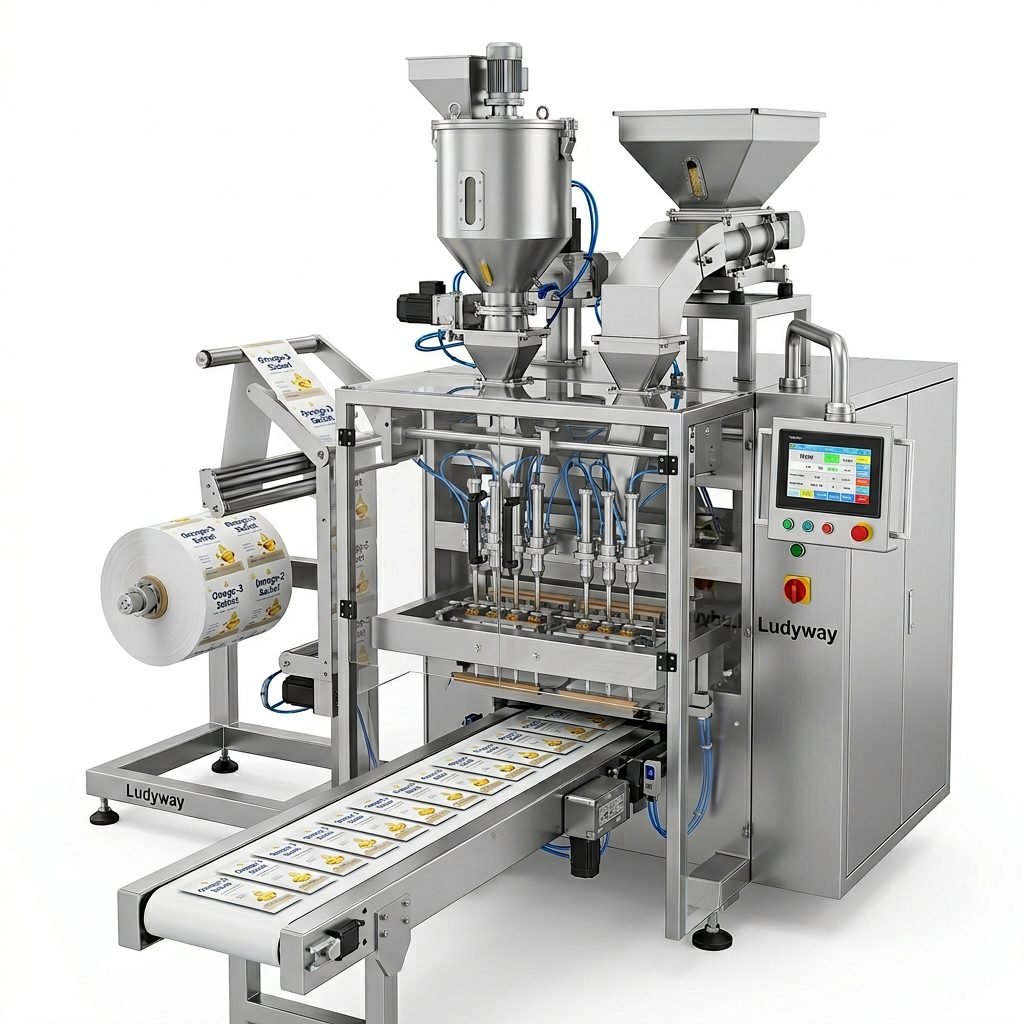
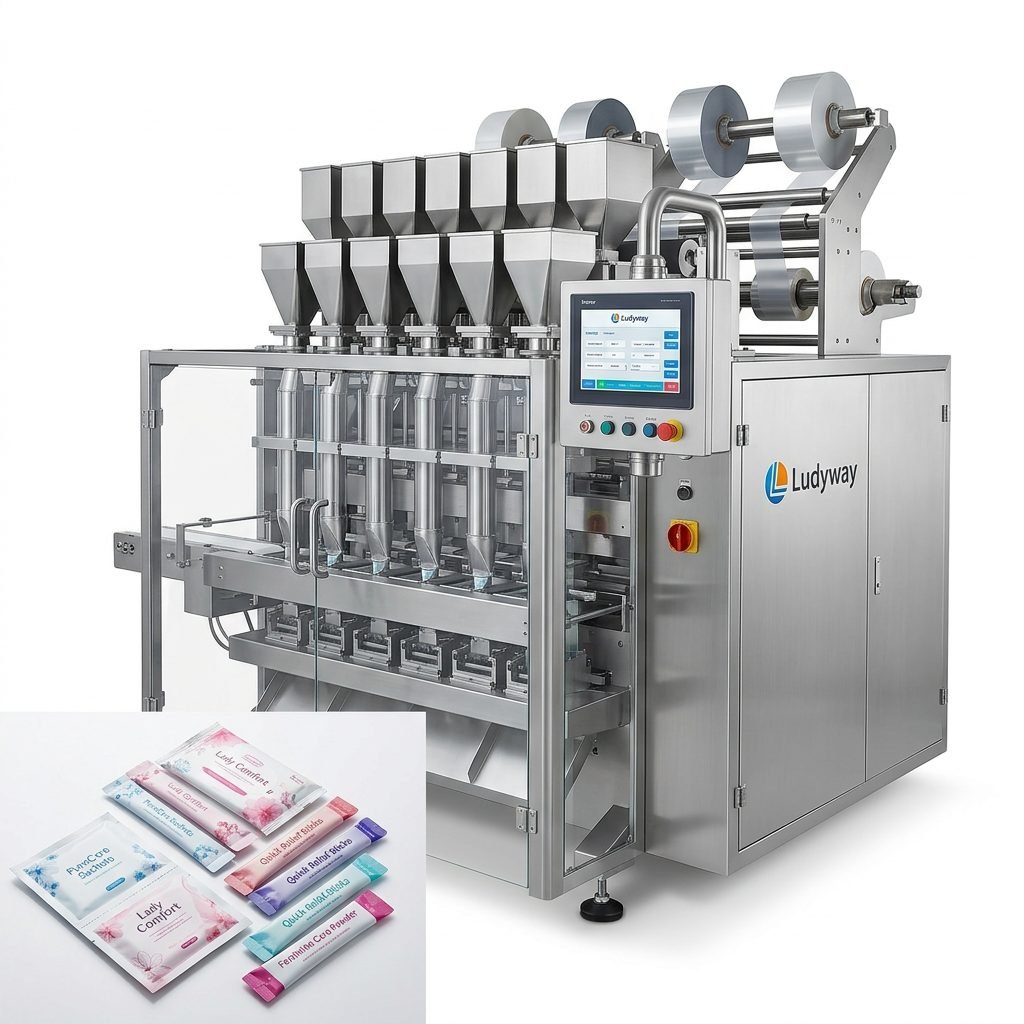
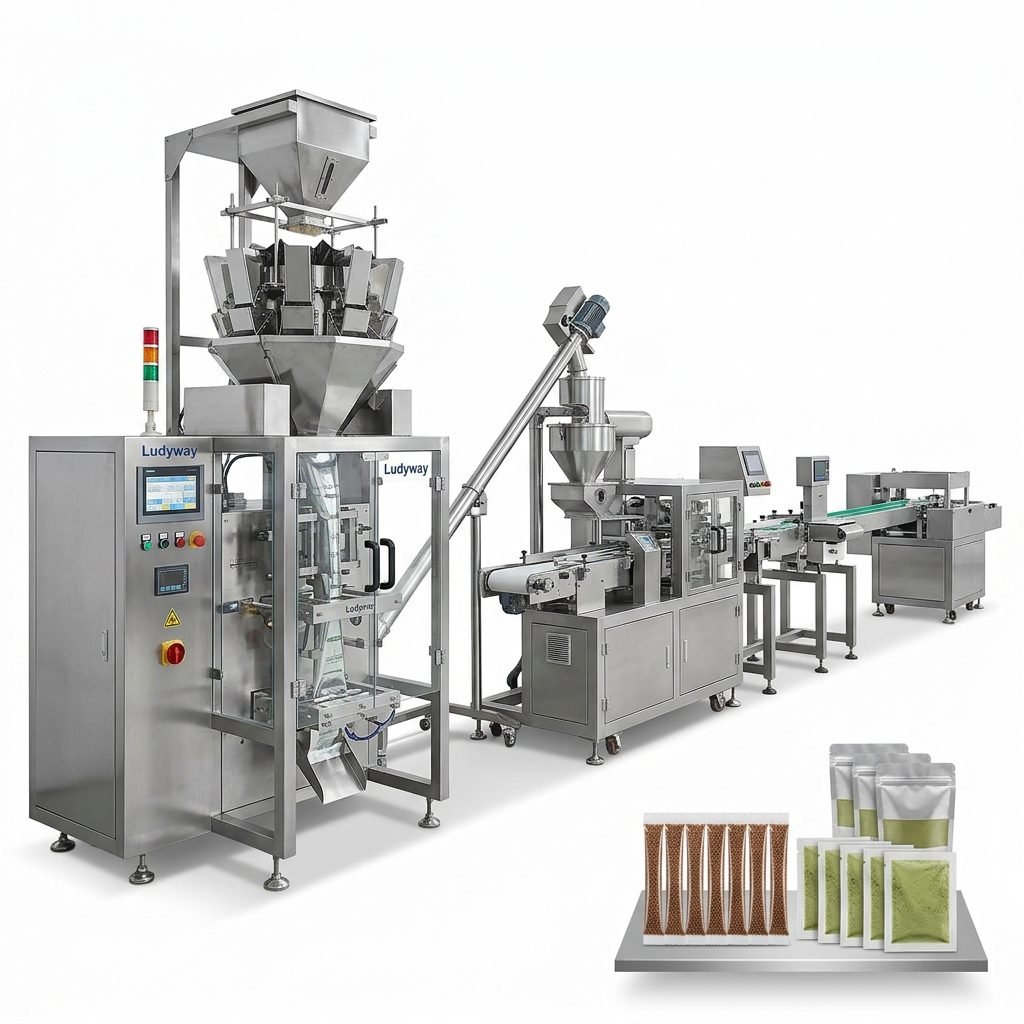
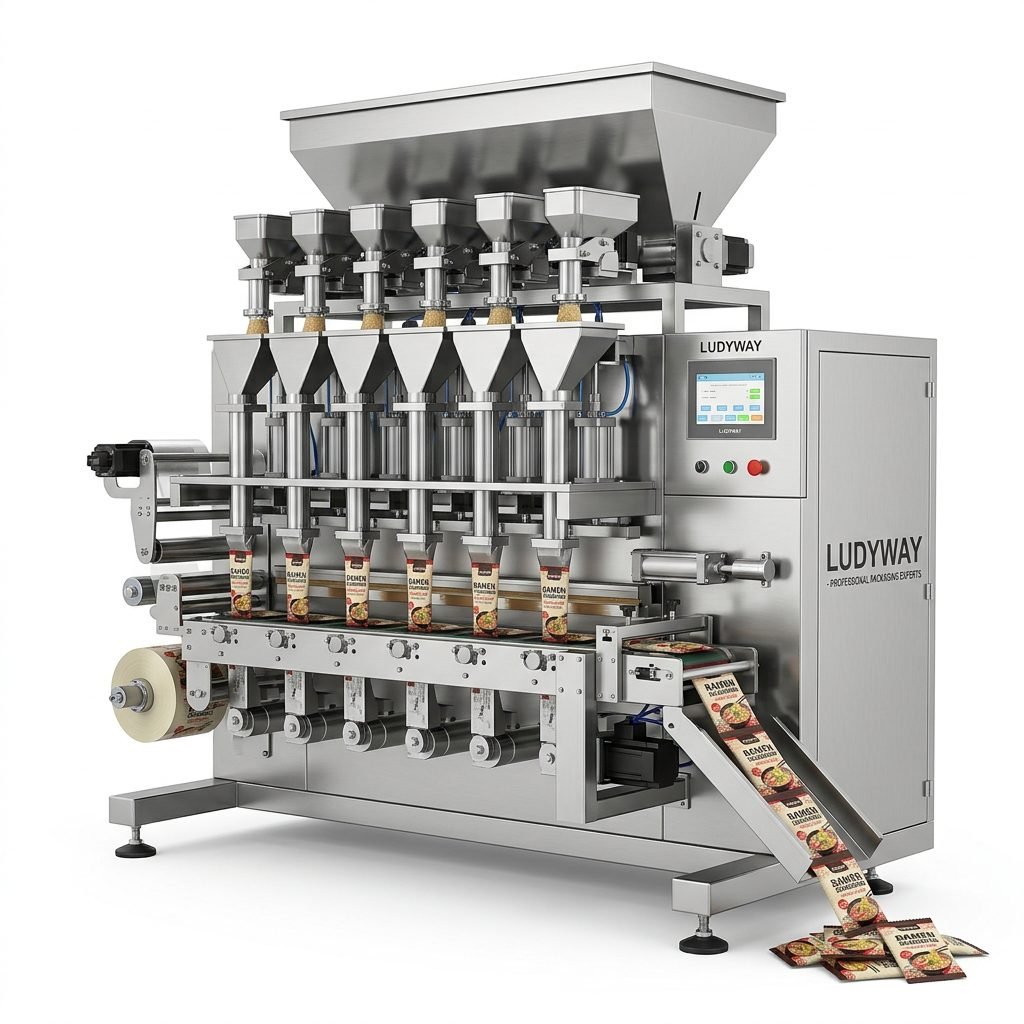
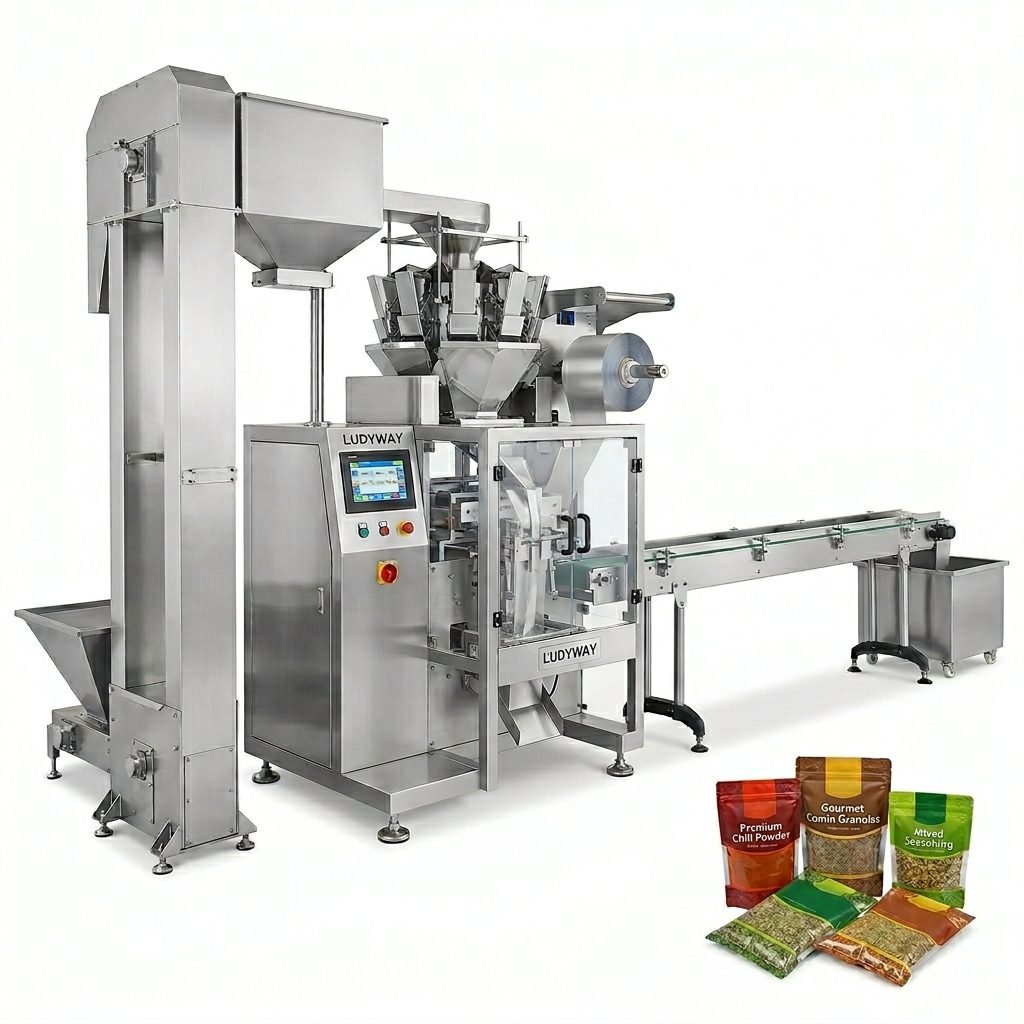
Your production needs are unique. A top manufacturer should offer a comprehensive portfolio—from multi-lane stick pack and sachet machines to granule, powder, and liquid packaging systems. More importantly, they must demonstrate the engineering capability to customize standard models to fit your exact container, speed, and integration requirements.
3. Manufacturing Quality and Facility Scale
The build quality of the machine determines its longevity and reliability. Inquire about the manufacturing facility’s scale and quality control processes. A modern, sizable facility (e.g., 20,000+ m²) often indicates advanced production equipment, standardized processes, and the capacity for consistent, high-quality output.
🔍 Inspection Checklist:
- Component Quality: Are industry-standard PLCs, drives, and sensors used?
- Build Precision: What is the tolerance level for machined parts?
- Testing Protocols: Is every machine fully assembled and tested before shipment?
4. After-Sales Support and Service Network
Machinery requires maintenance. A supplier’s commitment after the sale is as crucial as the sale itself. Evaluate their technical support structure, availability of spare parts, training programs for your operators, and the responsiveness of their service team. A global service network is essential for international operations.
5. Project Execution and Turnkey Solutions
For complex projects, you need more than a machine vendor. The ability to provide a complete turnkey production line solution—including design, integration, installation, and commissioning—signals a high level of project management expertise and reduces coordination headaches on your end.
Evaluating a Manufacturer’s Credibility
Beyond brochures and websites, take concrete steps to verify a supplier’s claims.
Request Detailed Case Studies
Ask for specific examples of projects similar to yours. Case studies should detail the client’s challenge, the solution provided, and the results achieved (e.g., efficiency gain, waste reduction).
Arrange a Factory Visit
If possible, visit the manufacturing facility. This allows you to inspect build quality, meet the engineering team, and gauge the company’s operational professionalism firsthand.
Check Client References
Speak directly to existing clients, especially those in your region or industry. Inquire about machine performance, reliability, and the quality of the ongoing partnership.
💡 Remember: A credible manufacturer like Ludyway Machinery will be transparent and eager to facilitate these verification steps, as their reputation is built on successful, long-term client relationships.
The Strategic Advantage of a True Partnership
Selecting a top manufacturer is not a mere transaction. The right partner invests in understanding your business goals, offers innovative solutions to future-proof your line, and provides reliable support to ensure continuous operation. This collaborative approach minimizes downtime, optimizes your total cost of ownership, and gives you a competitive edge in the market.
Frequently Asked Questions (FAQs)
What is the typical lead time for a custom packaging machine?
Lead times vary significantly based on complexity and customization. For standard models, it can range from 8-12 weeks. For fully custom packaging systems or complete lines, the timeline can extend to 20 weeks or more. A detailed project plan from the supplier should outline all milestones.
How do I ensure the machine will work with my specific packaging materials?
Material testing is crucial. Reputable manufacturers will request samples of your exact film, pouch, or product for trials in their testing lab. This process validates machine settings, seals integrity, and dosing accuracy before final assembly, de-risking the investment.
What after-sales support should I expect?
Comprehensive support includes detailed operational and maintenance manuals, on-site or virtual training for your team, a readily available inventory of common spare parts, and access to remote and on-call technical support for troubleshooting. Clarify warranty terms and response time guarantees.
Can the machine be integrated into my existing production line?
Yes, most professional manufacturers design machines with integration in mind. They will require detailed specifications of your current line (conveyor heights, control systems, data interfaces) to ensure compatibility. Some suppliers specialize in providing seamless integration solutions.
What are the key operational costs beyond the initial purchase?
Total cost of ownership includes energy consumption, preventive maintenance, spare parts, potential tooling changes for new products, and operator labor. A high-quality, energy-efficient machine from a reliable supplier often has a lower total cost over 5-10 years than a cheaper, less reliable alternative.