In today’s fast-paced manufacturing landscape, automated packaging equipment is no longer a luxury but a necessity for businesses aiming to stay competitive. This technology streamlines the final stages of production, ensuring products are sealed, labeled, and prepared for distribution with minimal human intervention. From food and pharmaceuticals to consumer goods, the right packaging system can dramatically enhance efficiency, consistency, and overall operational throughput.
The evolution from manual to automated packaging represents a significant leap in industrial capability. It addresses critical challenges such as labor shortages, stringent hygiene standards, and the demand for higher output with impeccable precision.
Core Types of Automated Packaging Systems
The market offers a diverse array of automated packaging machines, each designed for specific product types and production goals. Understanding these categories is the first step toward selecting the ideal system.
1. Filling and Sealing Machines
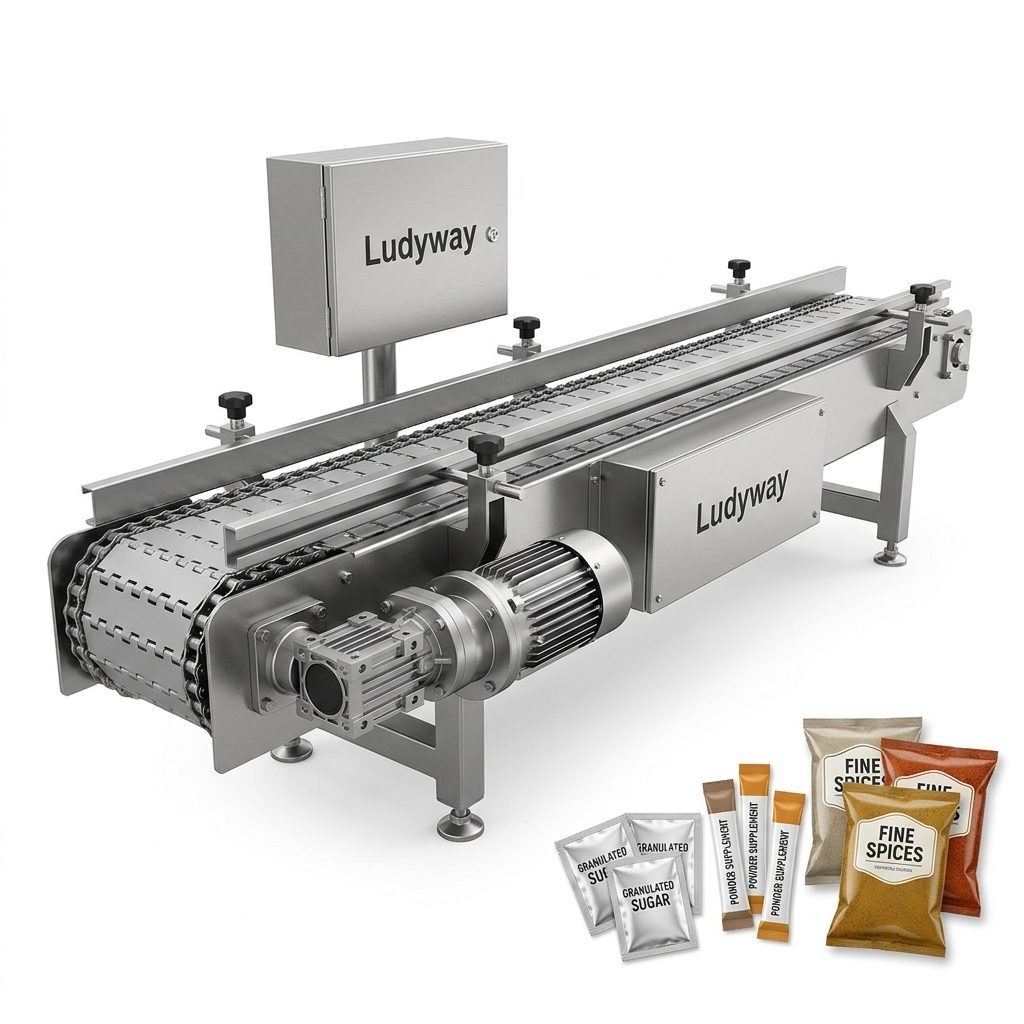
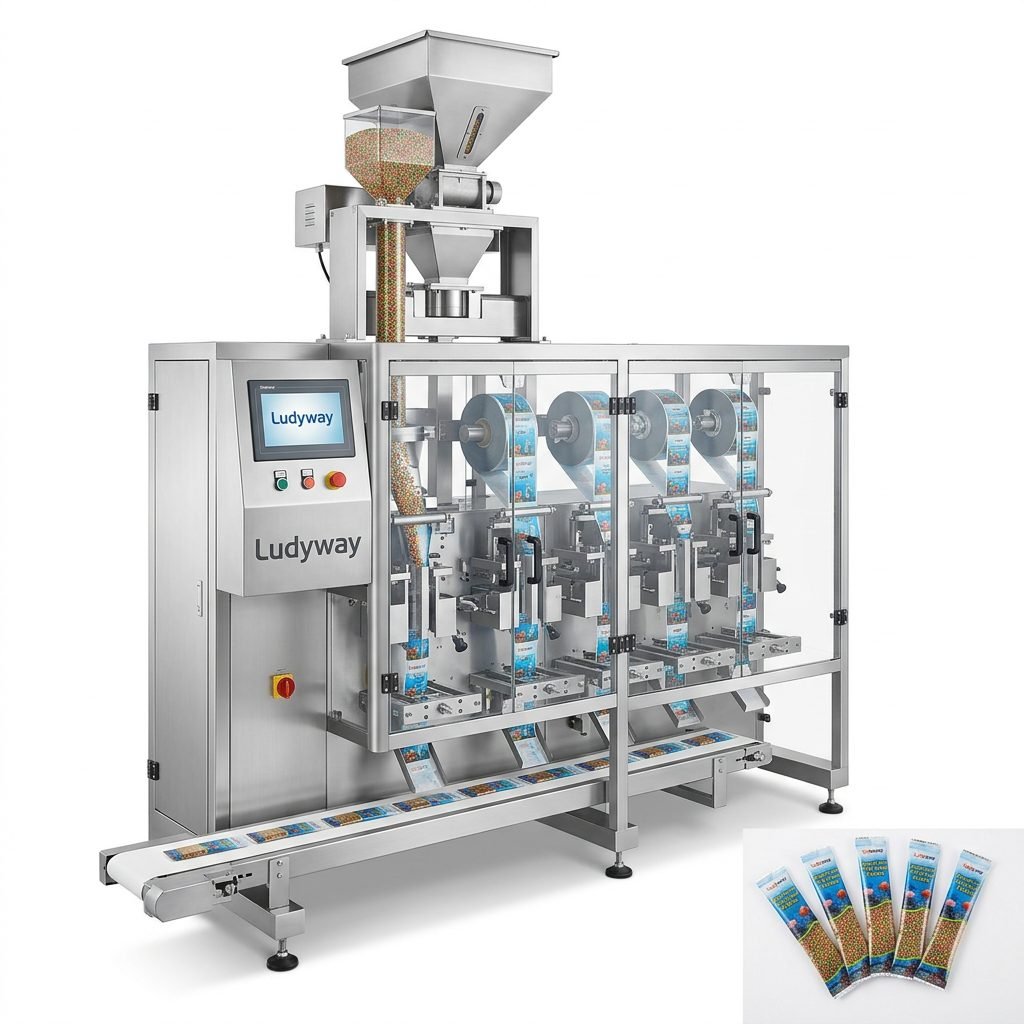
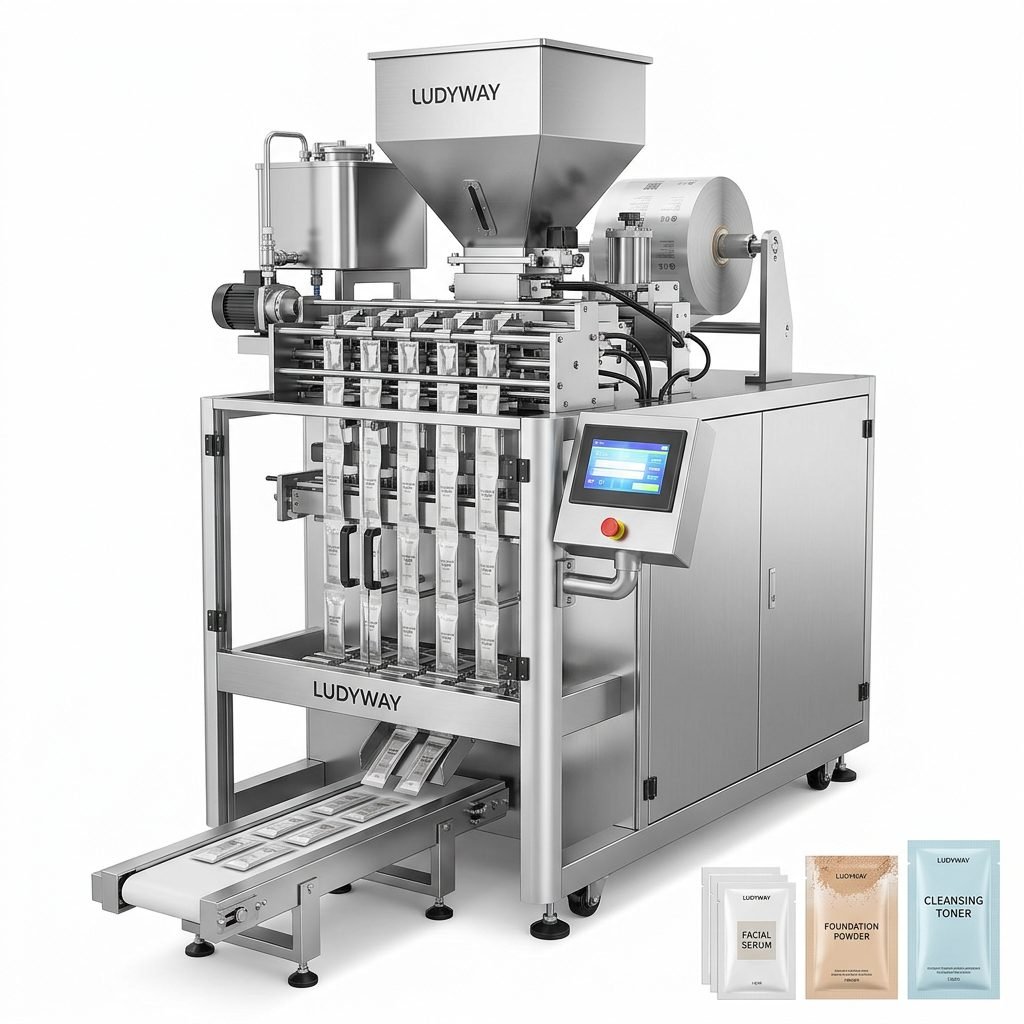
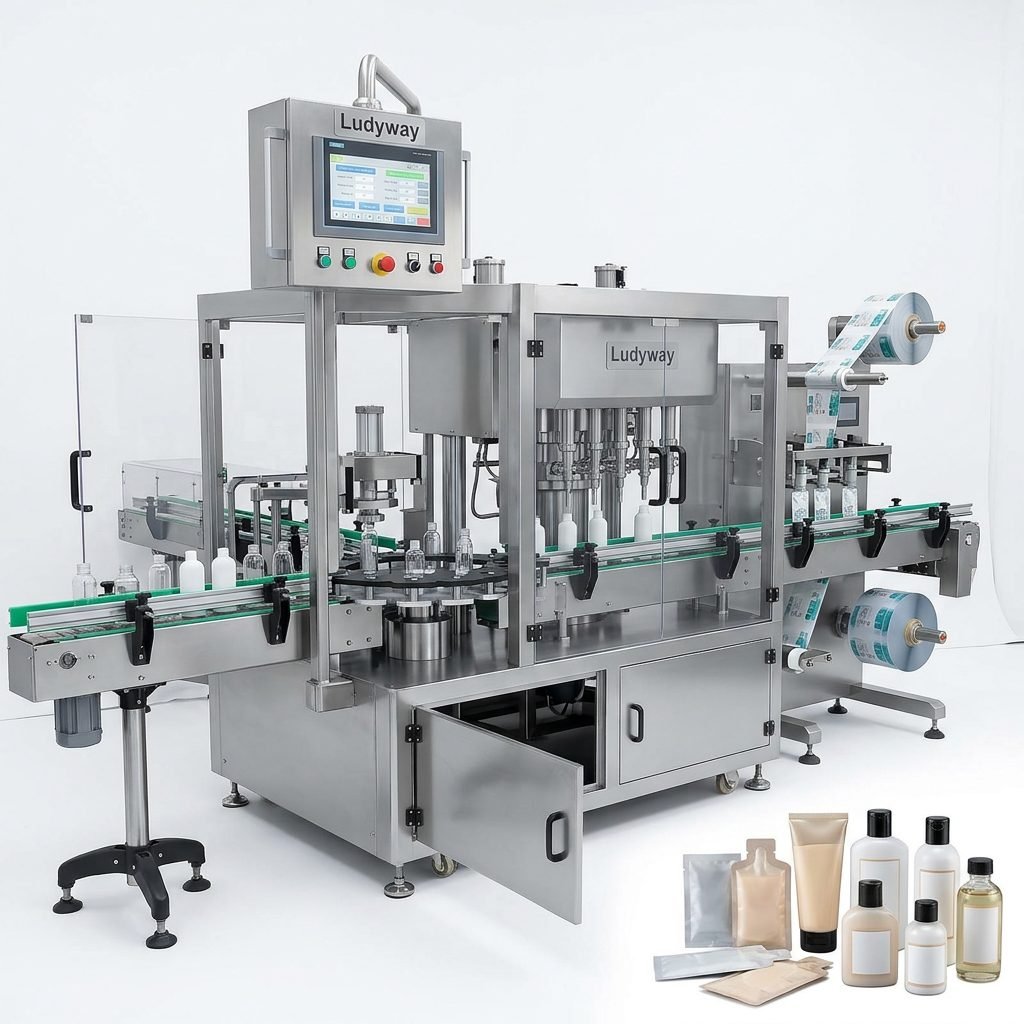
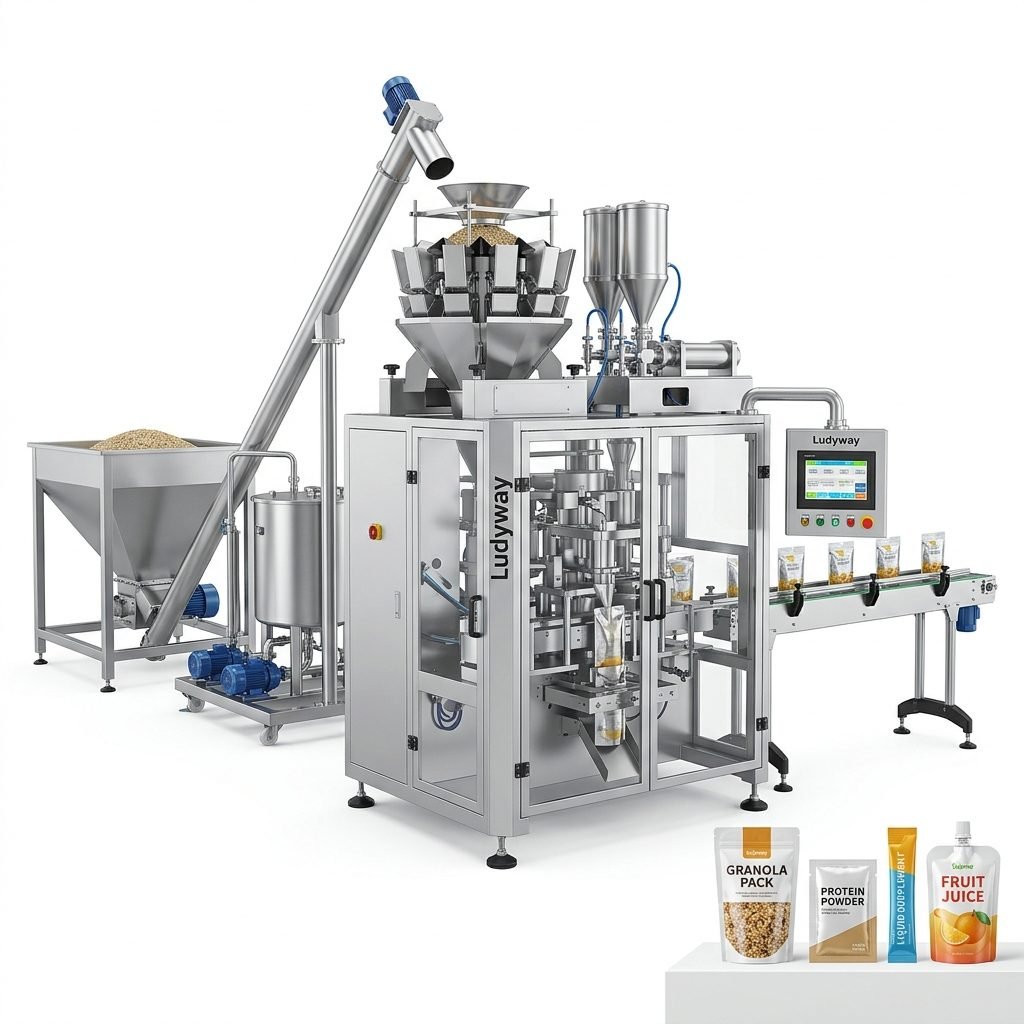
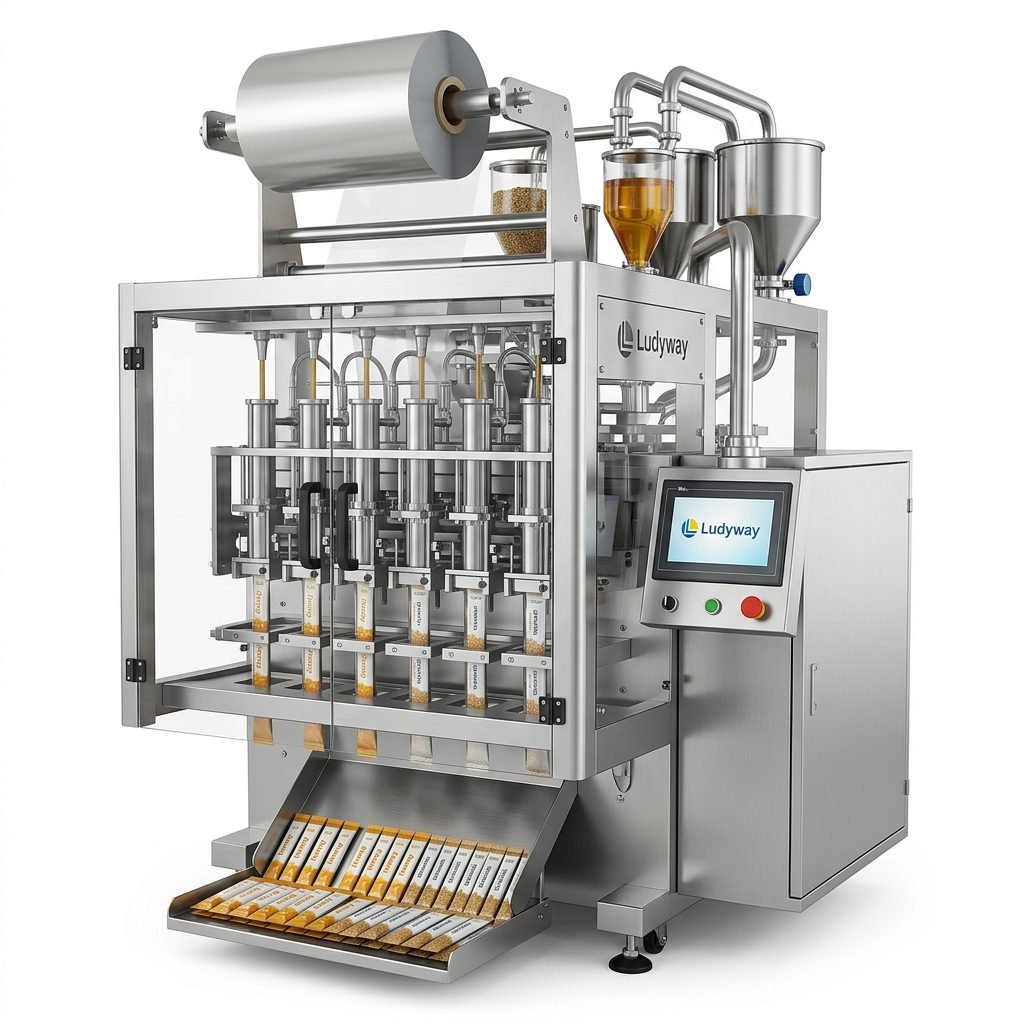
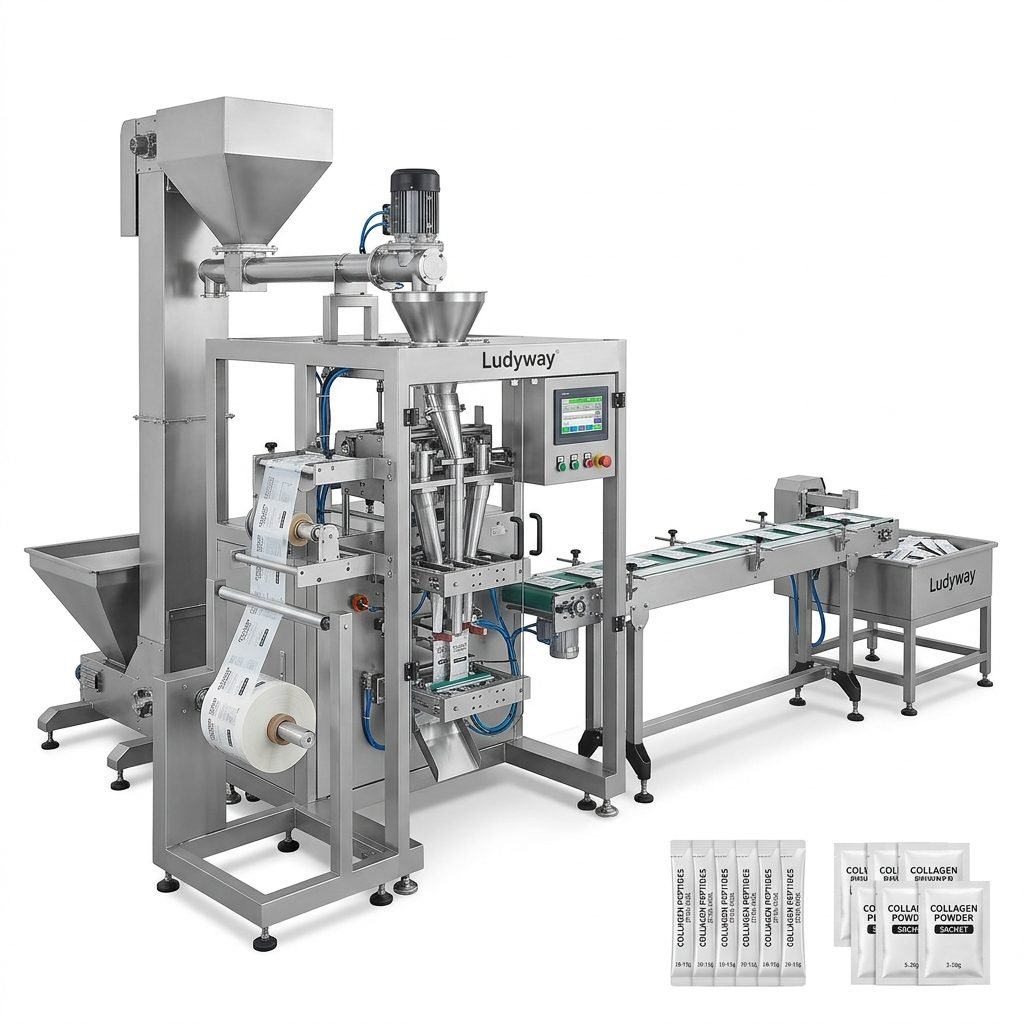
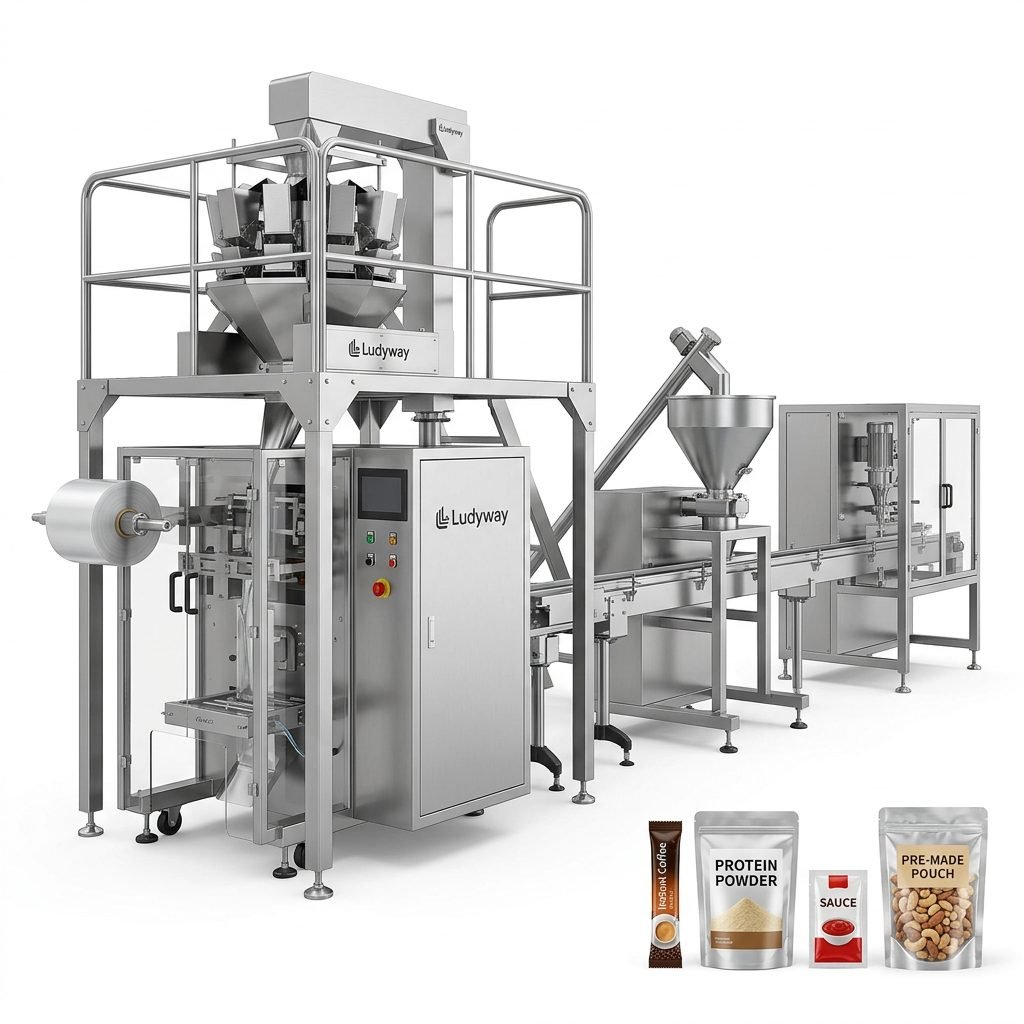
These are the workhorses of packaging, handling products in various forms. Liquid fillers use precise volumetric or gravimetric technology for beverages, oils, and chemicals. Powder fillers are essential for products like flour, spices, and protein powders, often employing auger systems for accuracy. Granule fillers manage items such as coffee beans, nuts, and hardware, utilizing weigh scales or cup fillers. Sealing is typically integrated, using heat, pressure, or ultrasonic methods to create airtight pouches, sachets, or stick packs.
2. Form-Fill-Seal (FFS) Machines
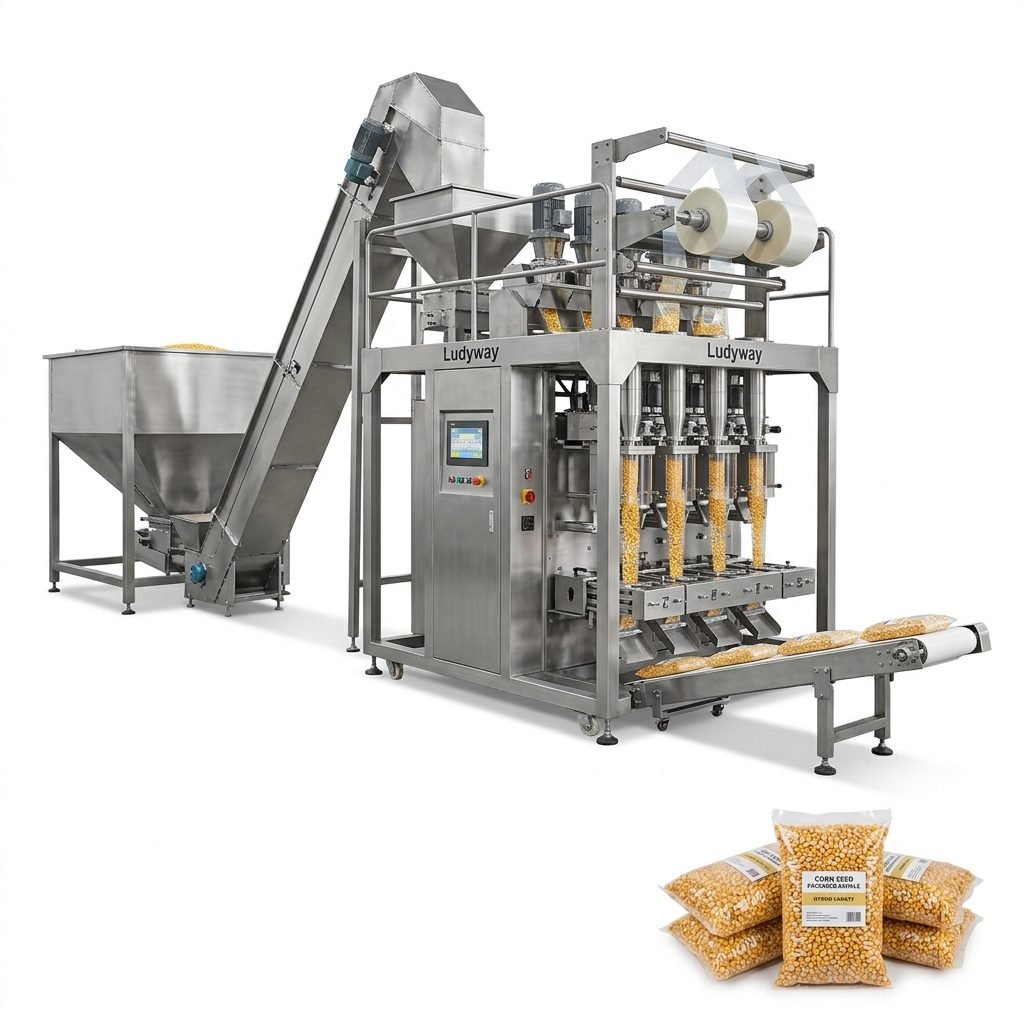
FFS systems represent high-level automation by creating the package from a roll of film, filling it with product, and sealing it—all in one continuous operation. Vertical Form-Fill-Seal (VFFS) machines are ubiquitous for packaging snacks, frozen foods, and granular products into bags. Horizontal Form-Fill-Seal (HFFS) machines are often used for blister packs, portion packs, and more complex shapes. These systems offer remarkable material savings and flexibility in package design.
3. Cartoning and Case Packing Equipment
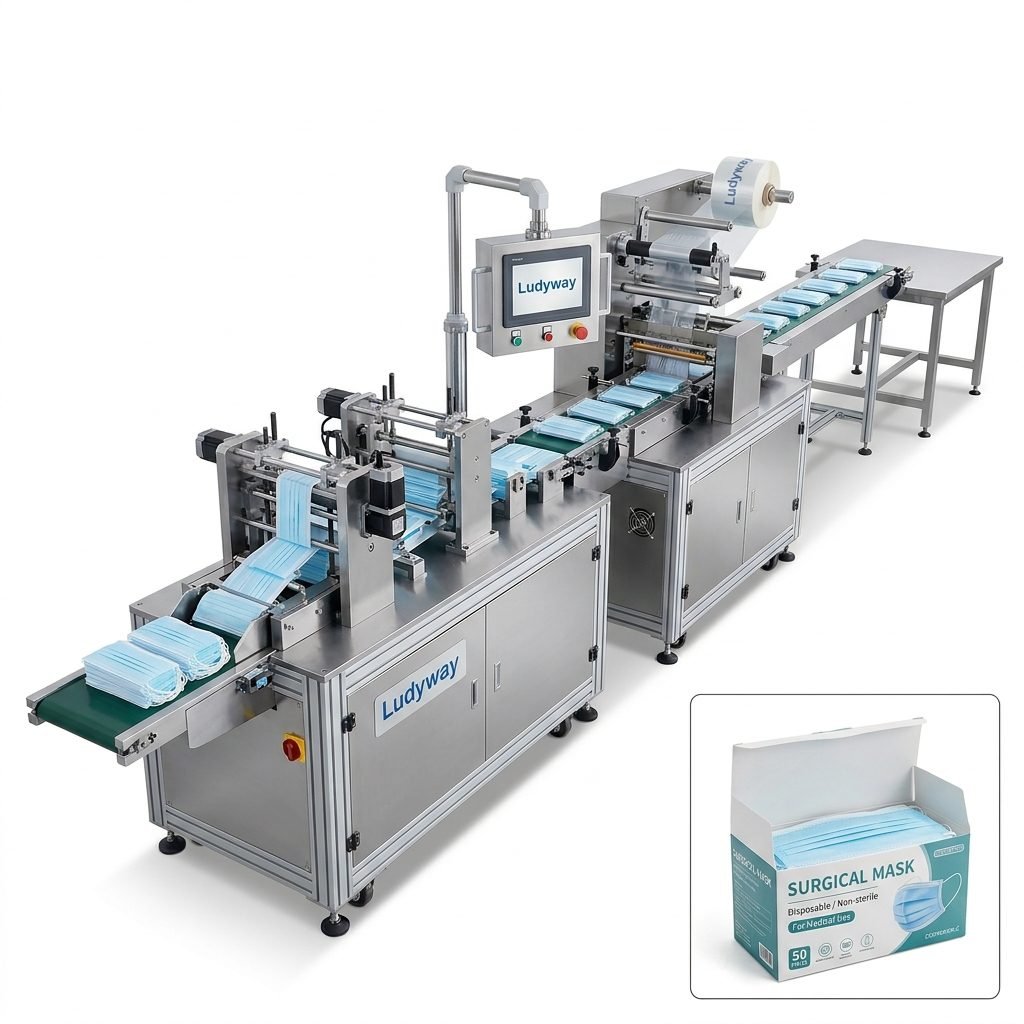
After primary packaging, products often need secondary containment. Automated cartoners erect, load, and seal folding cartons at high speeds. Case packers and palletizers then group these cartons into shipping cases and stack them onto pallets for distribution. This end-of-line automation is crucial for handling high volumes and reducing physical strain on workers.
4. Specialized Packaging Solutions
Certain industries require tailored equipment. The pharmaceutical sector relies on blister packers, vial fillers, and cappers that meet strict GMP standards. The food industry uses vacuum sealers, modified atmosphere packaging (MAP) machines, and tray sealers to extend shelf life. For more insights into industry-specific solutions, you can explore our detailed company profile which highlights our expertise across sectors.
Tangible Benefits of Automation
Investing in automated packaging equipment delivers a strong return on investment through multiple channels, impacting both the bottom line and product quality.
📈 Key Performance Indicators
Speed & Output: Machines operate 24/7, significantly boosting production capacity and order fulfillment rates.
Accuracy & Consistency: Automated dosing and sealing eliminate human error, ensuring every package has the exact weight and a perfect seal.
Material Savings: Precise control reduces product giveaway and minimizes film or cardboard waste due to misfires.
Beyond productivity, automation enhances workplace safety by handling repetitive, heavy, or hazardous tasks. It also ensures superior hygiene and contamination control, a non-negotiable factor in food and pharmaceutical packaging. Furthermore, modern machines offer data collection capabilities, providing valuable insights into production efficiency, downtime, and material usage for continuous improvement. Learn more about the engineering behind these benefits in our company history section.
How to Choose the Right System for Your Operation
Selecting packaging equipment is a strategic decision. A methodical approach ensures the investment aligns with both current needs and future growth.
Step 1: Define Your Product and Requirements
Start with a crystal-clear understanding of what you are packaging. Analyze the product’s physical state (liquid, powder, granule, solid), its abrasiveness, hygroscopicity, and flow characteristics. Determine your required output speed (packages per minute), the types of materials you will use (films, laminates, paper), and any specific regulatory standards (FDA, EU) that must be met.
Step 2: Evaluate Machine Capabilities and Flexibility
Scrutinize the technical specifications of shortlisted machines. Key factors include filling accuracy (tolerance range), changeover time between different products or package sizes, and the user-friendliness of the Human-Machine Interface (HMI). Consider if you need a dedicated machine for a single SKU or a flexible system that can handle a family of products. A partner with a broad portfolio, like one offering over 50 intelligent packaging models, can provide unbiased guidance.
Step 3: Assess Integration and Support
The machine must integrate seamlessly with your existing production line. Consider footprint, utility requirements (power, air, vacuum), and connectivity for data exchange. Crucially, evaluate the supplier’s post-sales support. Reliable technical service, availability of spare parts, and comprehensive operator training are vital for minimizing downtime and ensuring long-term success. A supplier’s commitment to partnership is often reflected in their company story and values.
Step 4: Analyze Total Cost of Ownership (TCO)
Look beyond the initial purchase price. Calculate the TCO by factoring in energy consumption, maintenance costs, expected lifespan, and potential costs for future upgrades or modifications. A slightly higher upfront investment in a robust, efficient, and serviceable machine often yields a much lower TCO over a decade of operation.
⚠ Final Checklist Before Purchase
✔ Have you conducted a product test on the actual machine?
✔ Does the supplier offer a performance guarantee?
✔ Are the control system and software future-proof?
✔ Is the maintenance plan clear and cost-effective?
Frequently Asked Questions (FAQs)
What is the typical lead time for a new automated packaging machine?
Lead times vary significantly based on machine complexity, customization level, and manufacturer backlog. For standard models, it can range from 12 to 20 weeks. Highly customized or turnkey systems may require 6 months or more. Always confirm timelines with your supplier during the quoting process.
How much maintenance does automated packaging equipment require?
Regular preventive maintenance is essential. Daily cleaning and visual checks, weekly lubrication of moving parts, and monthly inspections of critical components like seals, sensors, and drives are standard. The supplier should provide a detailed maintenance schedule. Well-maintained equipment can operate reliably for 15+ years.
Can one machine handle multiple different product types?
Yes, many machines are designed for flexibility. The key is the changeover process. Look for machines with quick-change parts (like augers, funnels, and film assemblies) and recipe storage in the PLC. Changeover time can range from a few minutes to an hour, impacting overall equipment effectiveness (OEE).
What training is provided for our operators and maintenance staff?
Reputable suppliers offer comprehensive training programs. This typically includes on-site installation and commissioning training, detailed operation manuals, and often the option for advanced training courses at their facility. Ensure training is documented and covers troubleshooting common faults.
Is it better to buy a standalone machine or a complete integrated line?
This depends on your starting point and goals. A standalone machine suits adding automation to an existing process. A complete integrated line (e.g., from product feeding to case packing) is ideal for new greenfield projects or major upgrades, as it ensures seamless compatibility and single-source accountability for performance.