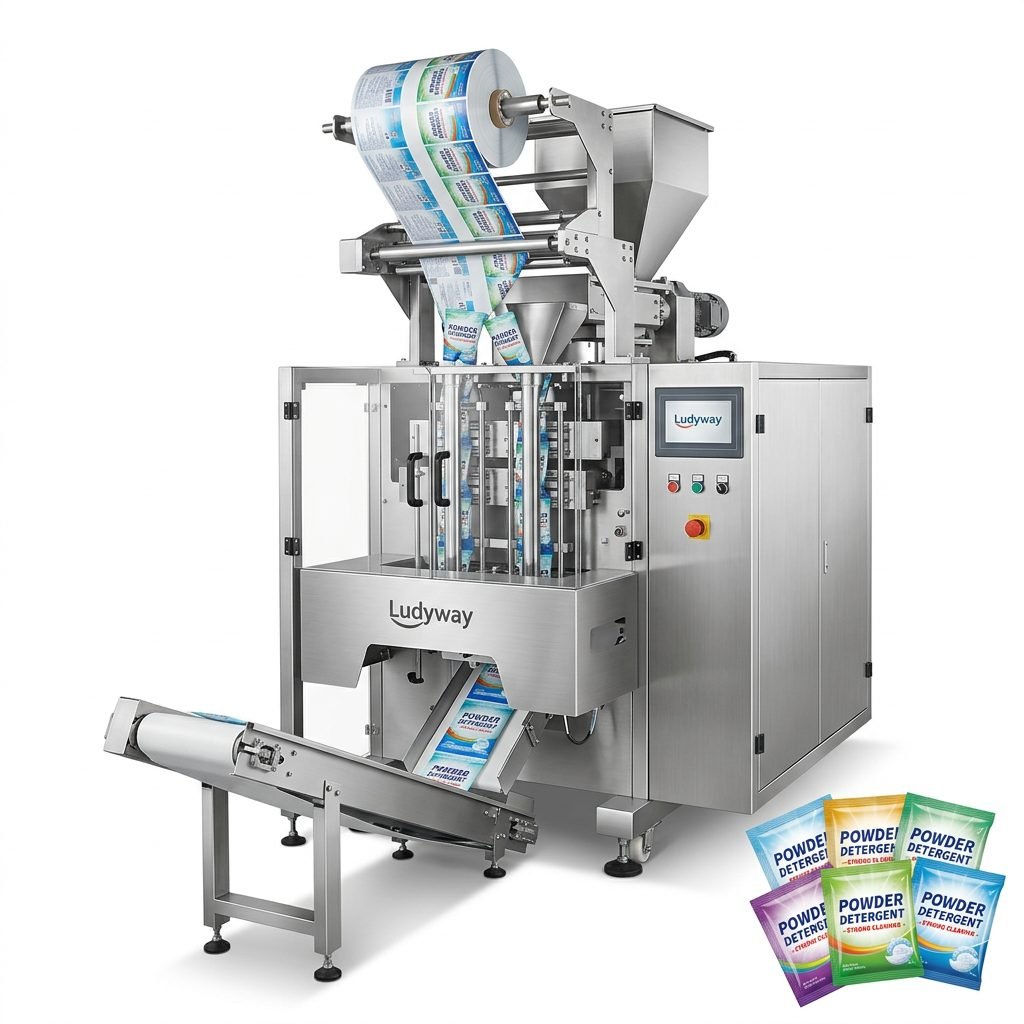
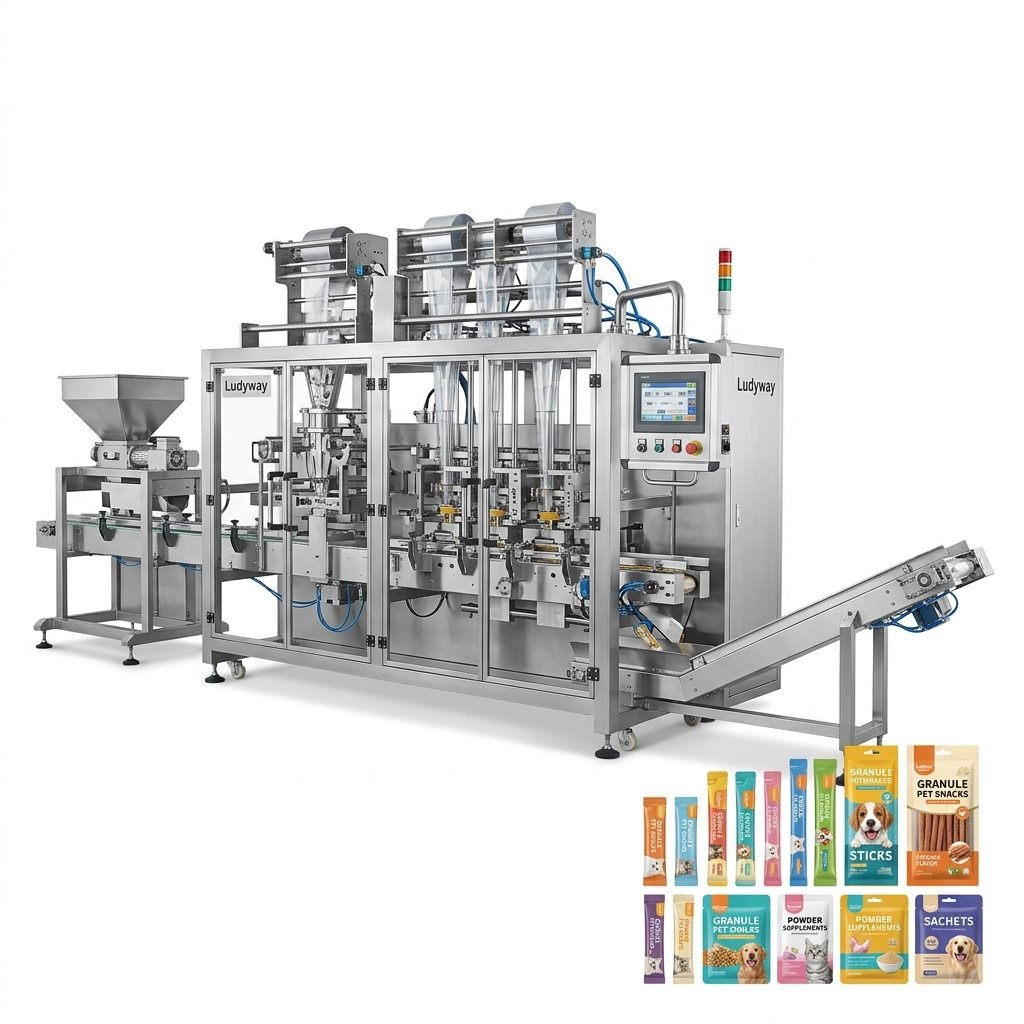
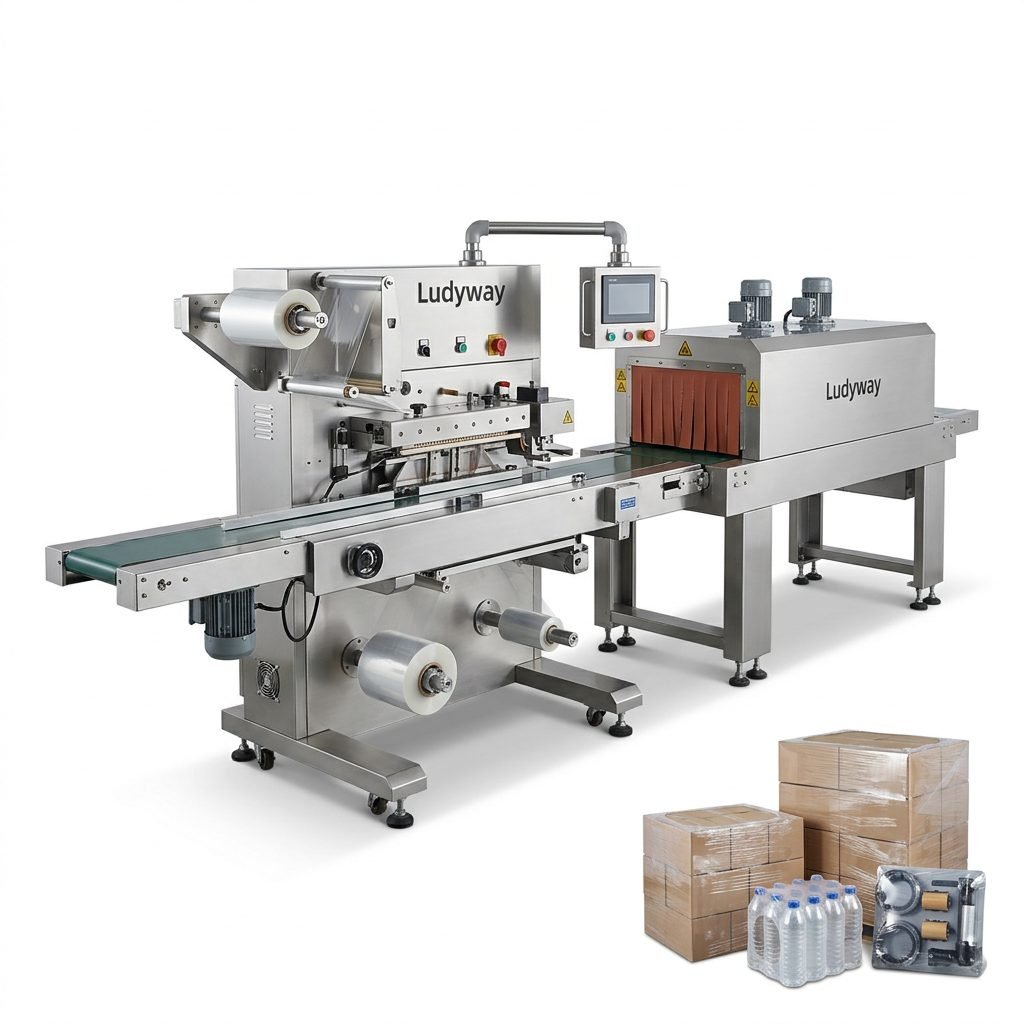
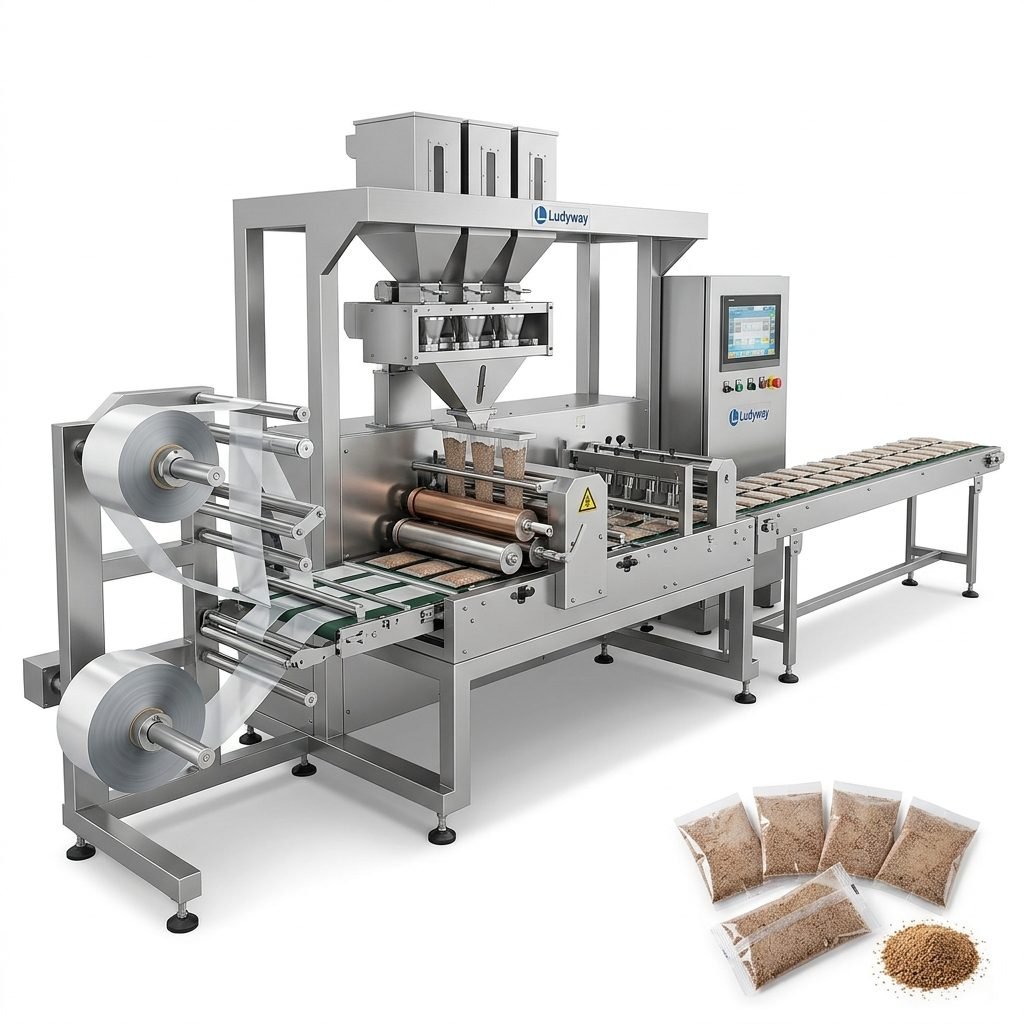
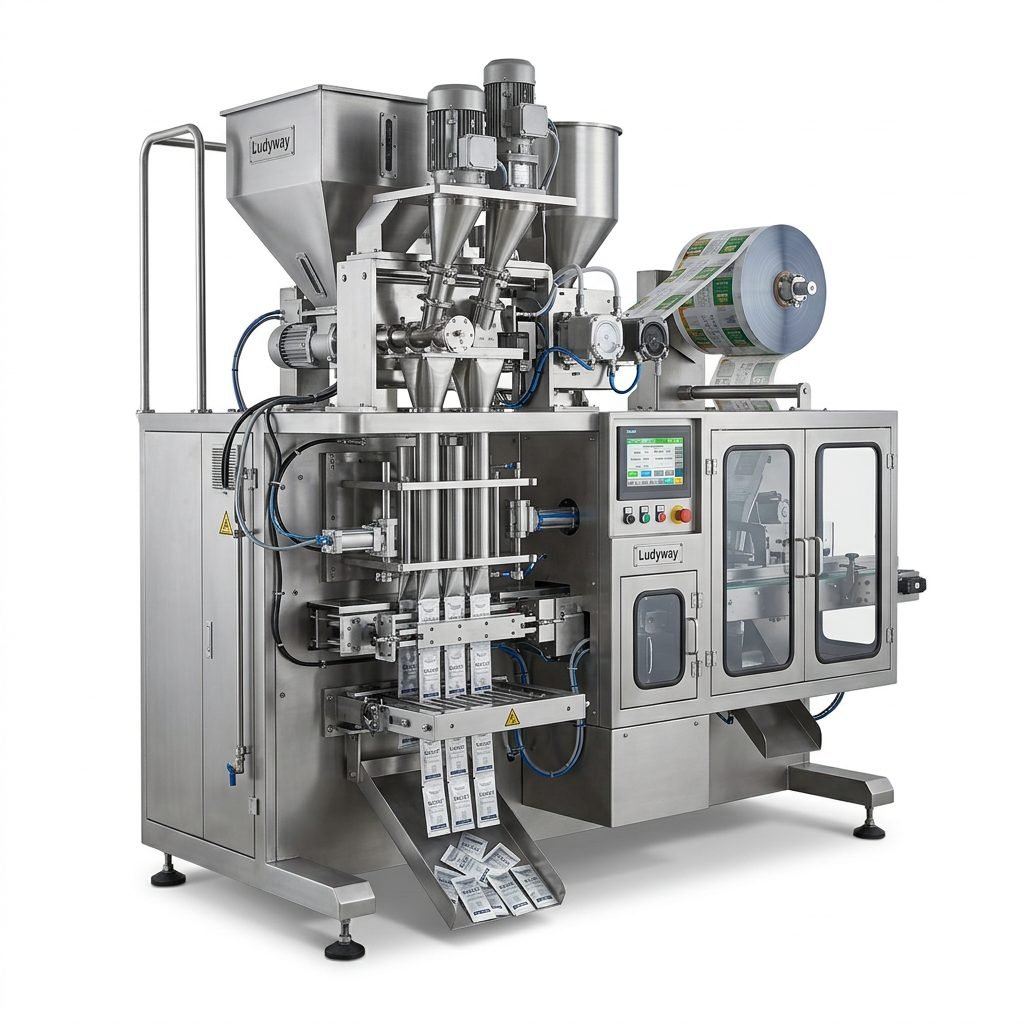
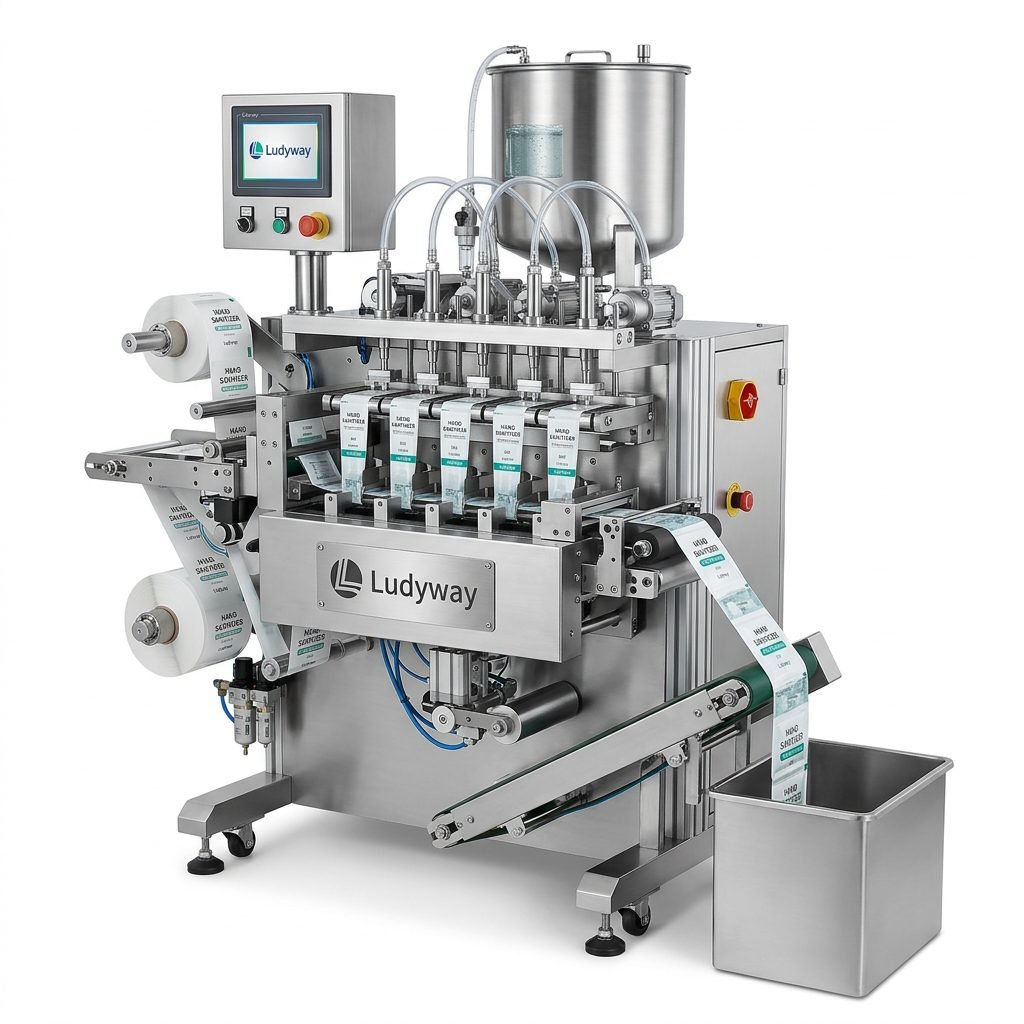
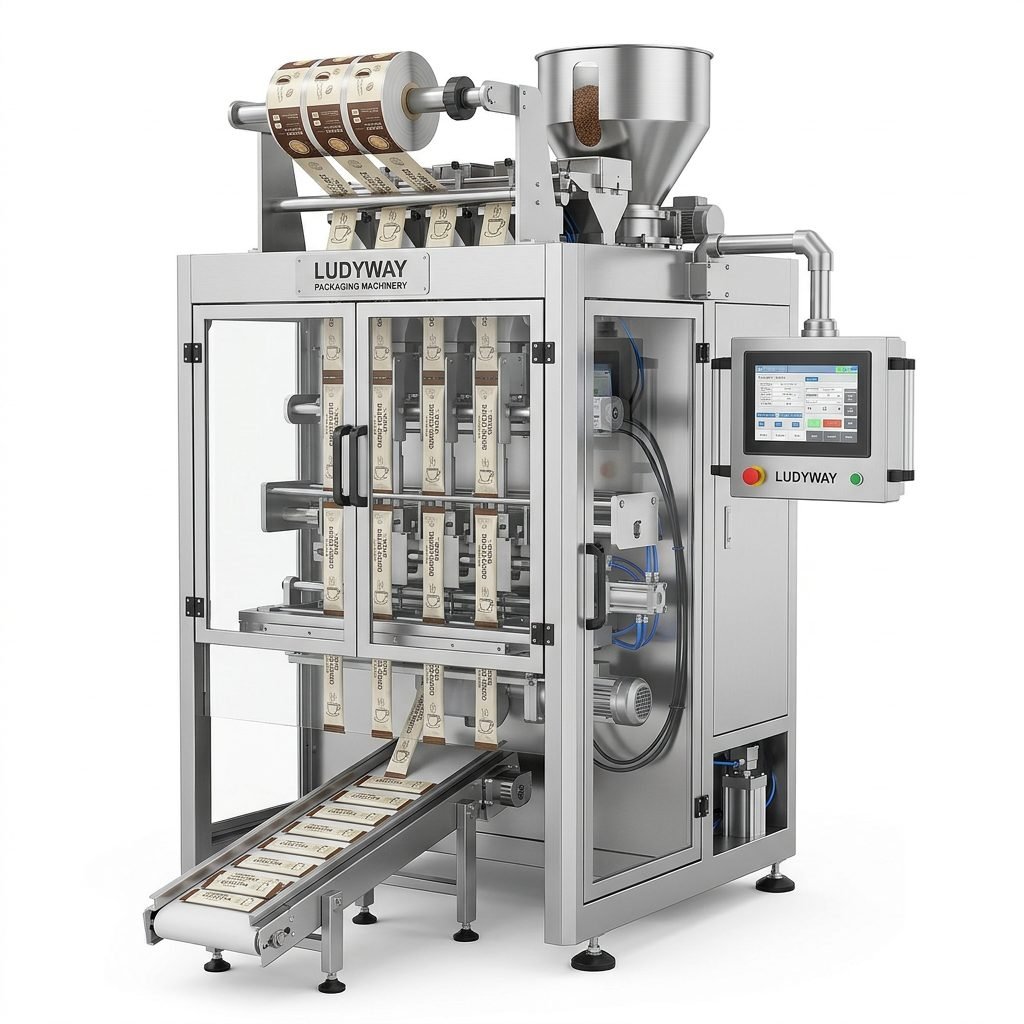
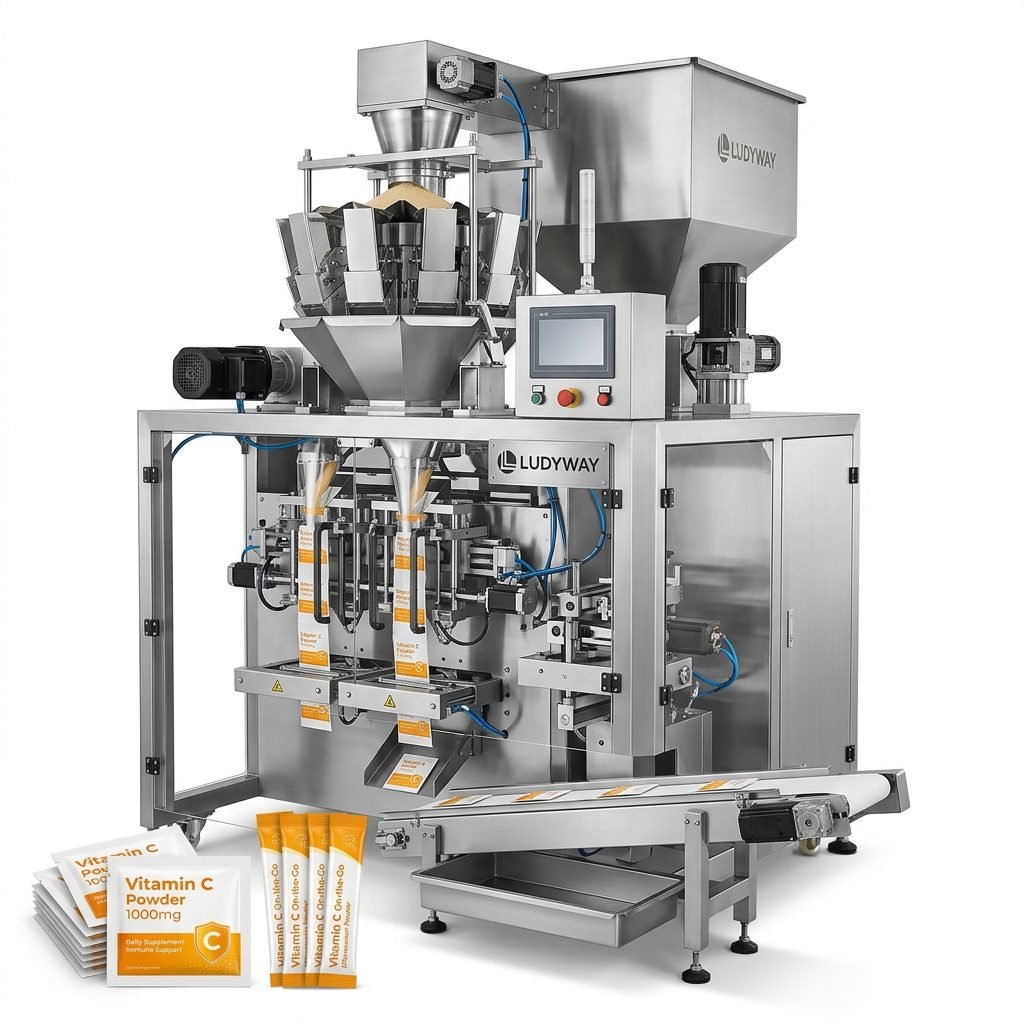
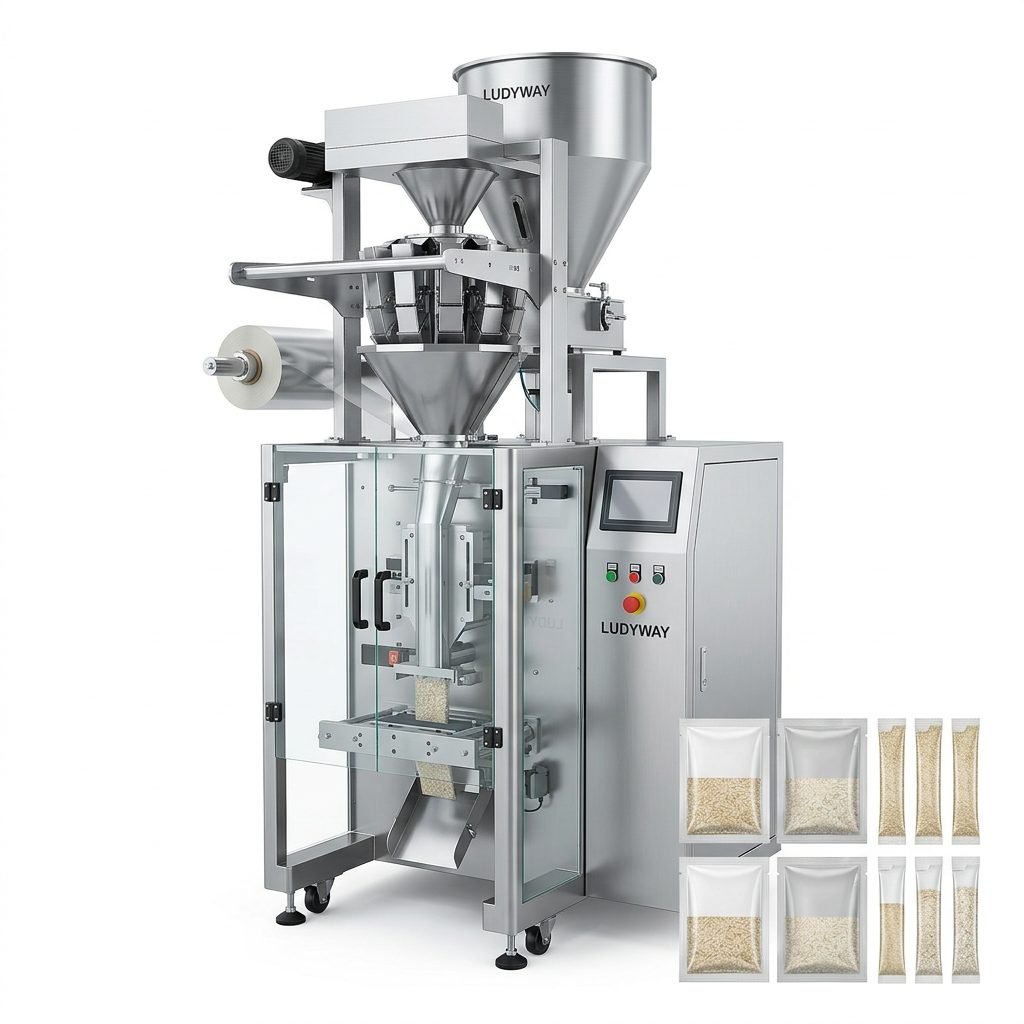
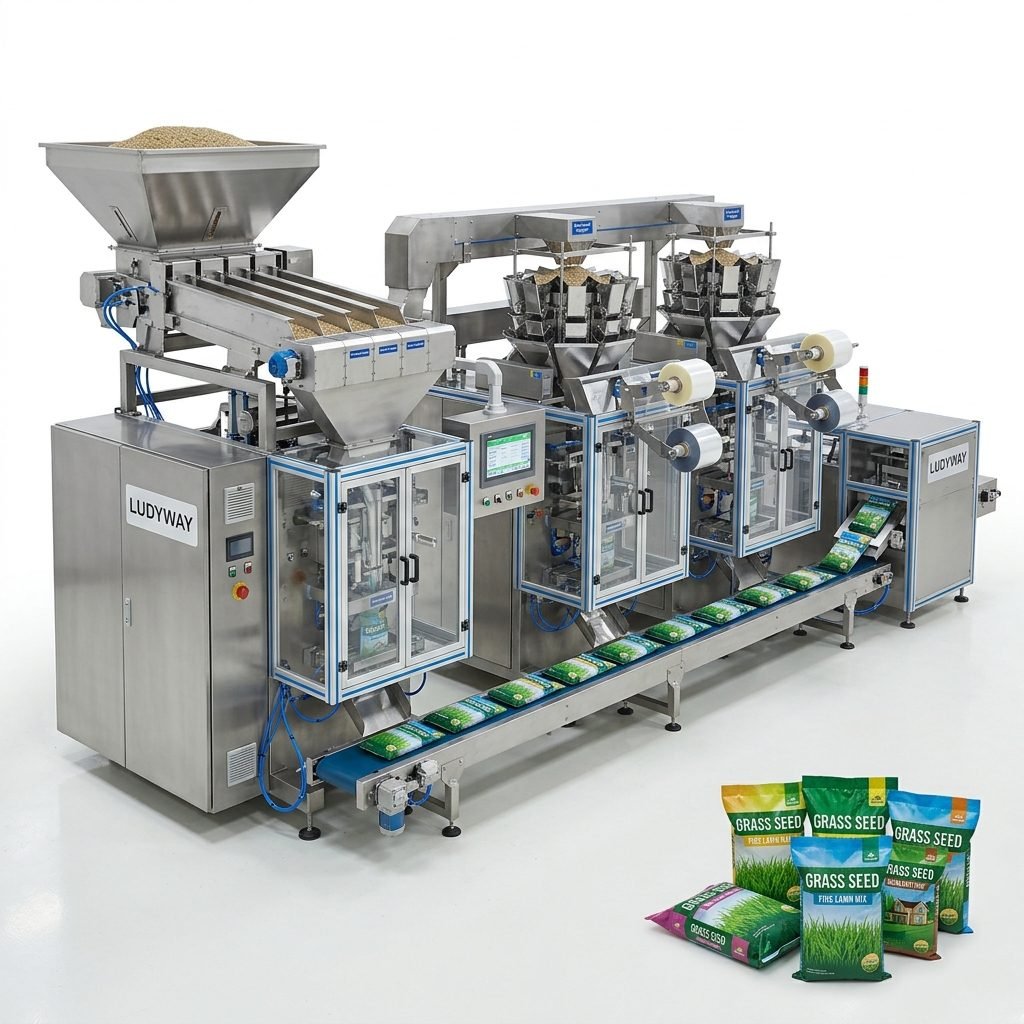
Choosing the right packaging equipment manufacturer is a critical decision that directly impacts your production efficiency, product quality, and overall business profitability. With numerous suppliers in the market, each claiming to offer the best solutions, the selection process can be daunting. This guide will walk you through the essential factors to consider when evaluating top packaging equipment manufacturers and how to select the ideal supplier for your specific production line needs.
Key Factors in Evaluating Packaging Equipment Manufacturers
Before diving into specific manufacturers, it’s crucial to understand what makes a supplier reliable and suitable for long-term partnership. The right manufacturer should not only provide quality machinery but also offer comprehensive support and solutions tailored to your industry.
1. Industry Experience and Specialization
Look for manufacturers with substantial experience in your specific sector. A company that has served the food, pharmaceutical, or health industries for decades will understand the unique regulatory requirements, hygiene standards, and production challenges you face. For instance, Ludyway Machinery brings over 30 years of focused industry experience, developing specialized knowledge in granule, powder, and liquid packaging applications that directly benefits clients in these sensitive sectors.
Pro Tip:
Ask potential suppliers about their project history in your specific product category. Manufacturers with experience in similar products will anticipate challenges and provide more reliable solutions.
2. Manufacturing Capabilities and Facility Scale
The physical scale and technological capabilities of a manufacturer’s facility directly impact equipment quality and delivery reliability. A substantial manufacturing base indicates stability and the capacity to handle large orders while maintaining quality control.
Production Facility
20,000㎡
Modern manufacturing space
Equipment Models
50+
Intelligent packaging systems
Production Units
200+
Manufacturing equipment
3. Product Range and Technological Innovation
A diverse product portfolio indicates a manufacturer’s ability to address various packaging needs. Look for suppliers offering multiple packaging formats (stick packs, sachets, pouches) and capable of handling different materials. Technological innovation is equally important—modern packaging lines should incorporate automation, precision controls, and energy-efficient operations.
Leading manufacturers typically offer comprehensive solutions including:
- Multi-lane stick pack machines for high-volume production
- Sachet packaging systems for portion-controlled products
- Granule and powder fillers with precision weighing
- Liquid packaging equipment with leak-proof sealing
- Complete turnkey lines from filling to cartoning
4. Customization and Engineering Support
Off-the-shelf solutions rarely fit perfectly with existing production lines or unique product characteristics. The best manufacturers provide engineering support to customize equipment for specific applications. This includes adapting machine speeds, modifying filling mechanisms, or integrating with existing conveyor systems.
⚠️ Critical Consideration:
Evaluate the manufacturer’s engineering team size and expertise. Companies with strong technical departments can provide better after-sales support and faster response to operational issues. Ludyway Machinery maintains dedicated engineering teams that work directly with clients to develop customized solutions, ensuring equipment integrates seamlessly with existing production environments.
5. Global Service and Support Network
For international operations, consider the manufacturer’s global presence and support capabilities. Time zone differences, language barriers, and local regulations can complicate equipment maintenance and troubleshooting. Manufacturers with worldwide service networks provide significant advantages through local technicians, spare parts availability, and regional training facilities.
The Supplier Selection Process: A Step-by-Step Approach
Step 1: Define Your Requirements Clearly
Before contacting manufacturers, document your specific needs including production speed, package types, materials, floor space, budget, and future expansion plans. Clear requirements help manufacturers provide accurate proposals and prevent misunderstandings during project implementation.
Step 2: Research and Shortlist Potential Suppliers
Utilize industry directories, trade shows, and professional networks to identify potential suppliers. Look for companies with verifiable track records in your industry. Review their company profiles and case studies to assess their experience with similar projects.
Step 3: Evaluate Technical Proposals
Request detailed proposals from shortlisted suppliers. Compare not only prices but also technical specifications, delivery timelines, warranty terms, and training offerings. Pay special attention to energy consumption rates, changeover times, and maintenance requirements—these significantly impact long-term operating costs.
Step 4: Conduct Factory Audits and Reference Checks
Whenever possible, visit the manufacturer’s facility to assess their production processes, quality control systems, and organizational culture. Additionally, contact their existing clients—especially those with similar applications—to verify performance claims and after-sales service quality.
Step 5: Negotiate Comprehensive Agreements
Finalize agreements that clearly define equipment specifications, performance guarantees, payment terms, delivery schedules, training programs, and after-sales support. Ensure the contract includes provisions for testing, acceptance criteria, and remedies for performance shortfalls.
Common Challenges and How to Avoid Them
Even with careful planning, packaging equipment projects can encounter obstacles. Being aware of common pitfalls helps you navigate the selection process more effectively.
Challenge 1: Underestimating Future Needs
Many companies purchase equipment based solely on current requirements without considering future growth or product diversification. Solution: Select modular equipment that can be upgraded or reconfigured as needs evolve. Discuss scalability options with manufacturers during the selection process.
Challenge 2: Overlooking Total Cost of Ownership
Focusing only on purchase price while ignoring operating costs, maintenance expenses, and potential downtime. Solution: Request detailed lifecycle cost analyses from manufacturers, including energy consumption, spare parts pricing, and recommended maintenance schedules.
Challenge 3: Inadequate Training and Documentation
Poorly trained operators and insufficient documentation lead to suboptimal performance and frequent breakdowns. Solution: Ensure training programs are included in your purchase agreement. Verify that manuals are available in your language and cover troubleshooting procedures comprehensively.
Leveraging Manufacturer Partnerships for Long-Term Success
The relationship with your packaging equipment manufacturer shouldn’t end with the equipment delivery. The most successful production operations treat manufacturers as strategic partners, collaborating on continuous improvement, technology upgrades, and process optimization.
Established manufacturers like Ludyway Machinery emphasize long-term cooperation, providing ongoing technical support, regular maintenance services, and updates on technological advancements. This partnership approach ensures your packaging line remains efficient, compliant, and competitive throughout its operational life.
When reviewing a manufacturer’s company story, pay attention to their philosophy regarding customer relationships. Companies founded on principles of innovation and partnership—such as those beginning with focused engineering teams dedicated to solving specific industry challenges—often provide more sustainable support structures than those purely transaction-focused.
Frequently Asked Questions
What’s the typical lead time for packaging equipment delivery?
Lead times vary significantly based on equipment complexity, customization requirements, and manufacturer capacity. Standard machines may deliver in 8-12 weeks, while highly customized or turnkey lines can require 16-24 weeks. Always confirm delivery schedules during negotiations and include penalty clauses for delays in critical projects.
How do I evaluate equipment quality without visiting the factory?
Request detailed videos of the equipment running similar products, ask for certification documents (CE, ISO, etc.), review material specifications for critical components, and conduct virtual factory tours via video conference. Most importantly, speak directly with multiple existing customers about their experience with equipment reliability and manufacturer support.
What maintenance support should I expect from the manufacturer?
Reputable manufacturers provide comprehensive maintenance support including detailed manuals, online troubleshooting guides, remote diagnostic capabilities, spare parts availability guarantees, and emergency technical support. Many offer service contracts covering regular maintenance, with response time guarantees for critical breakdowns.
Can packaging equipment be integrated with my existing production line?
Most professional manufacturers offer integration services, adapting their equipment to interface with your existing conveyors, control systems, and material handling equipment. This requires detailed engineering assessment during the quotation phase. Share complete layout drawings and specifications with potential suppliers to ensure compatibility.
What training is typically provided with new packaging equipment?
Standard training packages usually include operator training (basic operation, cleaning, routine maintenance), mechanic training (troubleshooting, adjustment, component replacement), and sometimes supervisor training (production planning, efficiency optimization). Training may occur at your facility, the manufacturer’s location, or both. Ensure training scope and duration are specified in your purchase agreement.