In today’s fast-paced manufacturing world, automating the packaging process is no longer a luxury but a necessity for efficiency, consistency, and cost-effectiveness. An auto packaging machine is at the heart of this automation, performing tasks from filling and sealing to labeling and boxing with minimal human intervention. This comprehensive guide delves into the types, working principles, applications, and crucial selection criteria for auto packaging machines, empowering you to make an informed investment for your production line.
Understanding the Core Types of Auto Packaging Machines
The market offers a diverse range of auto packaging machines, each designed for specific product forms and packaging styles. Understanding these types is the first step toward choosing the right equipment.
1. By Product Form
Machines are primarily categorized based on the physical state of the product they handle.
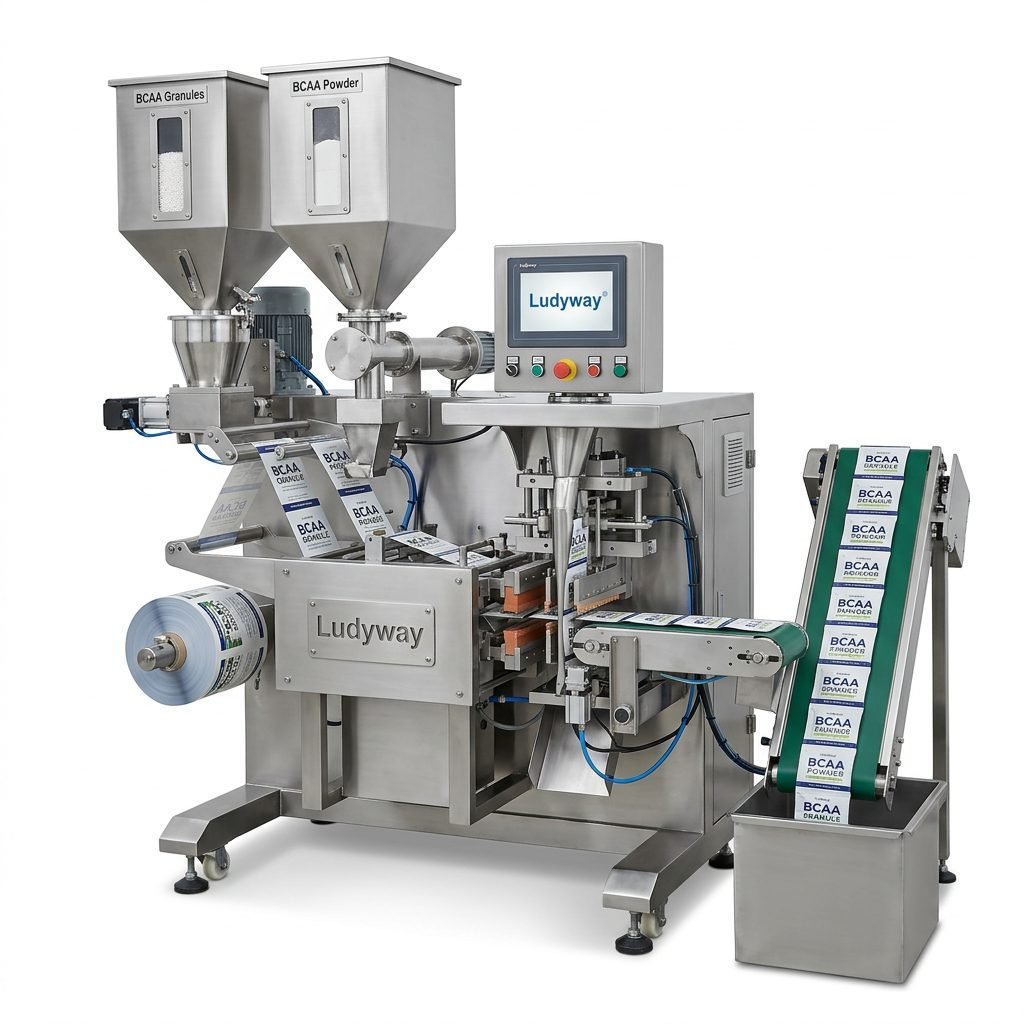
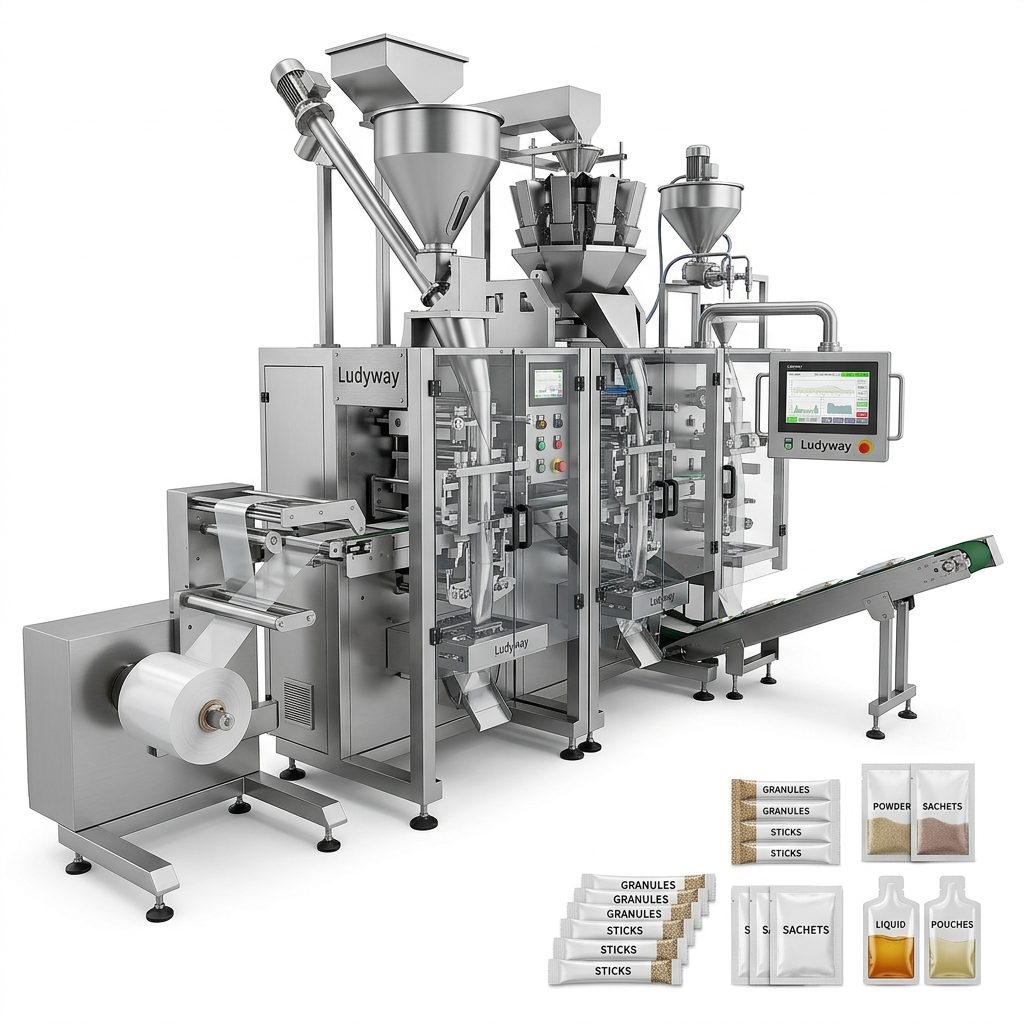
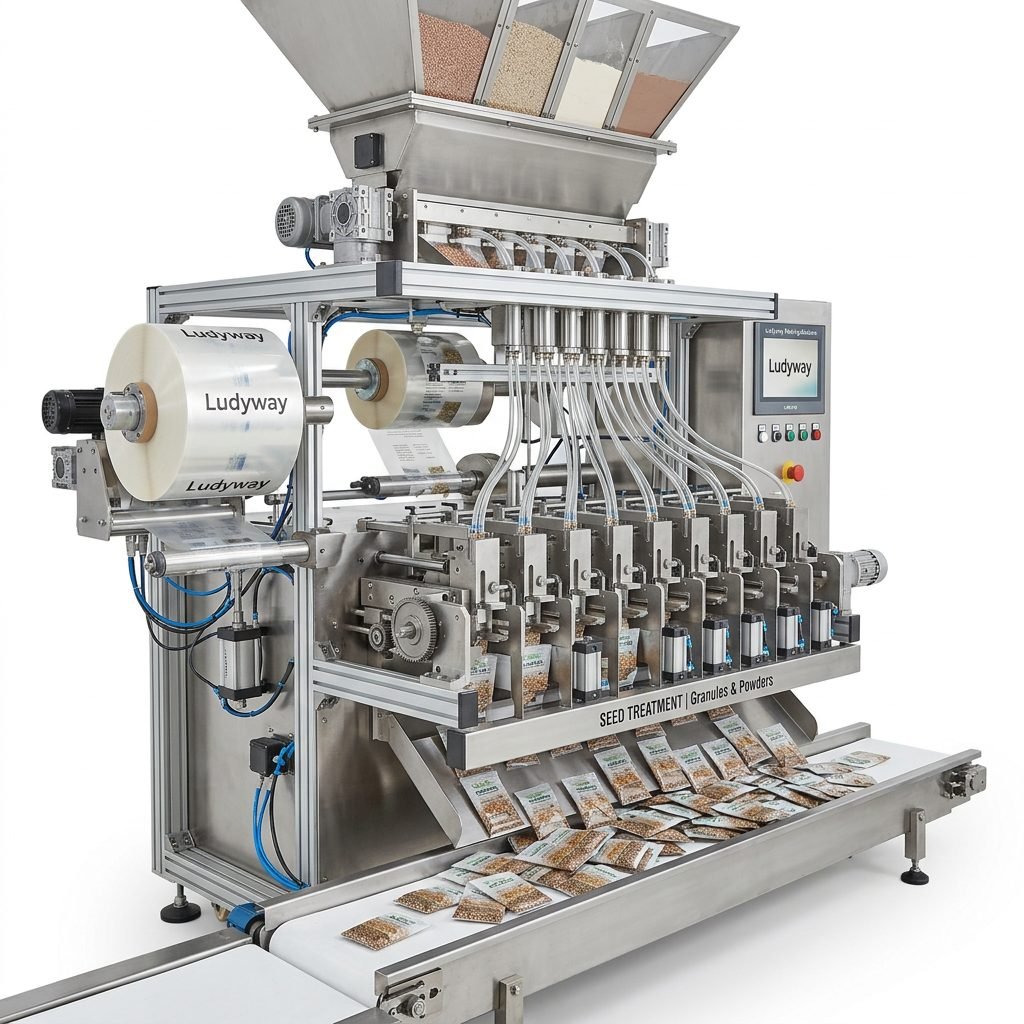
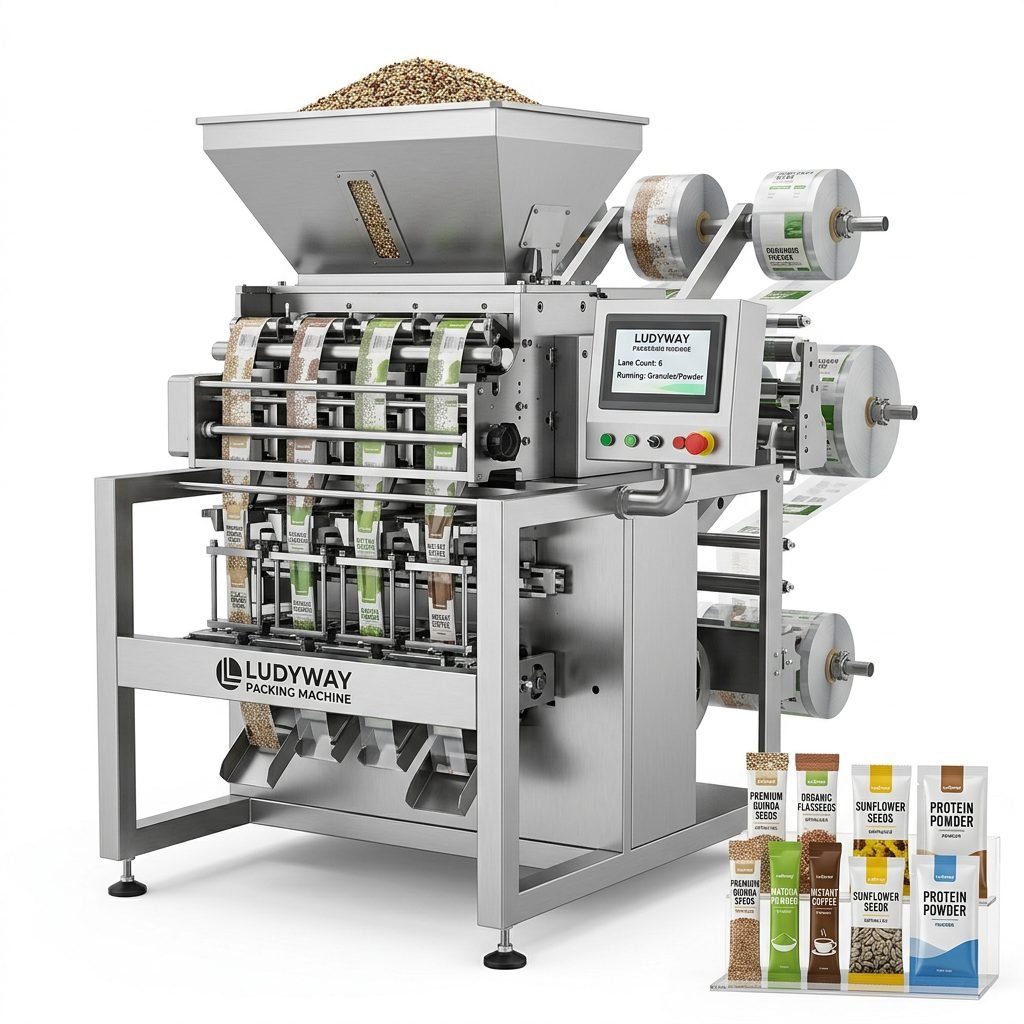
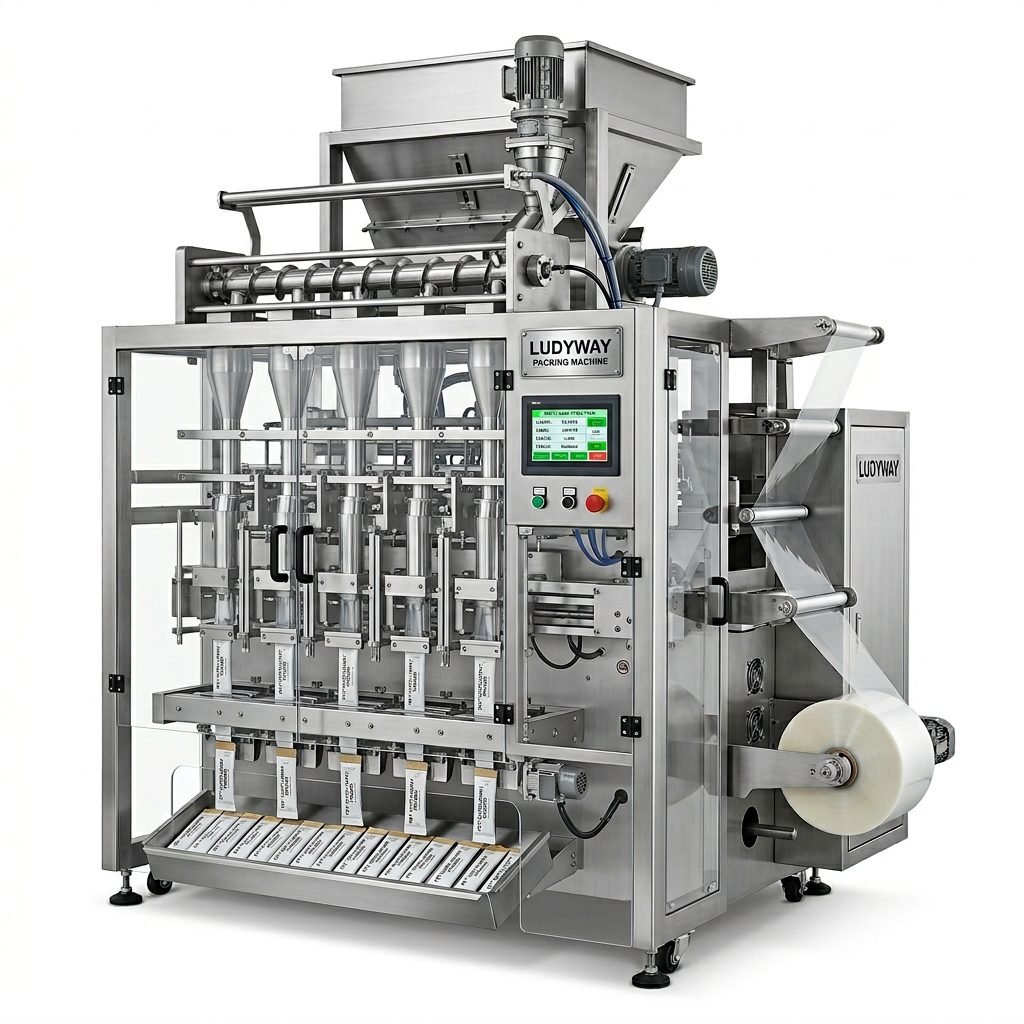
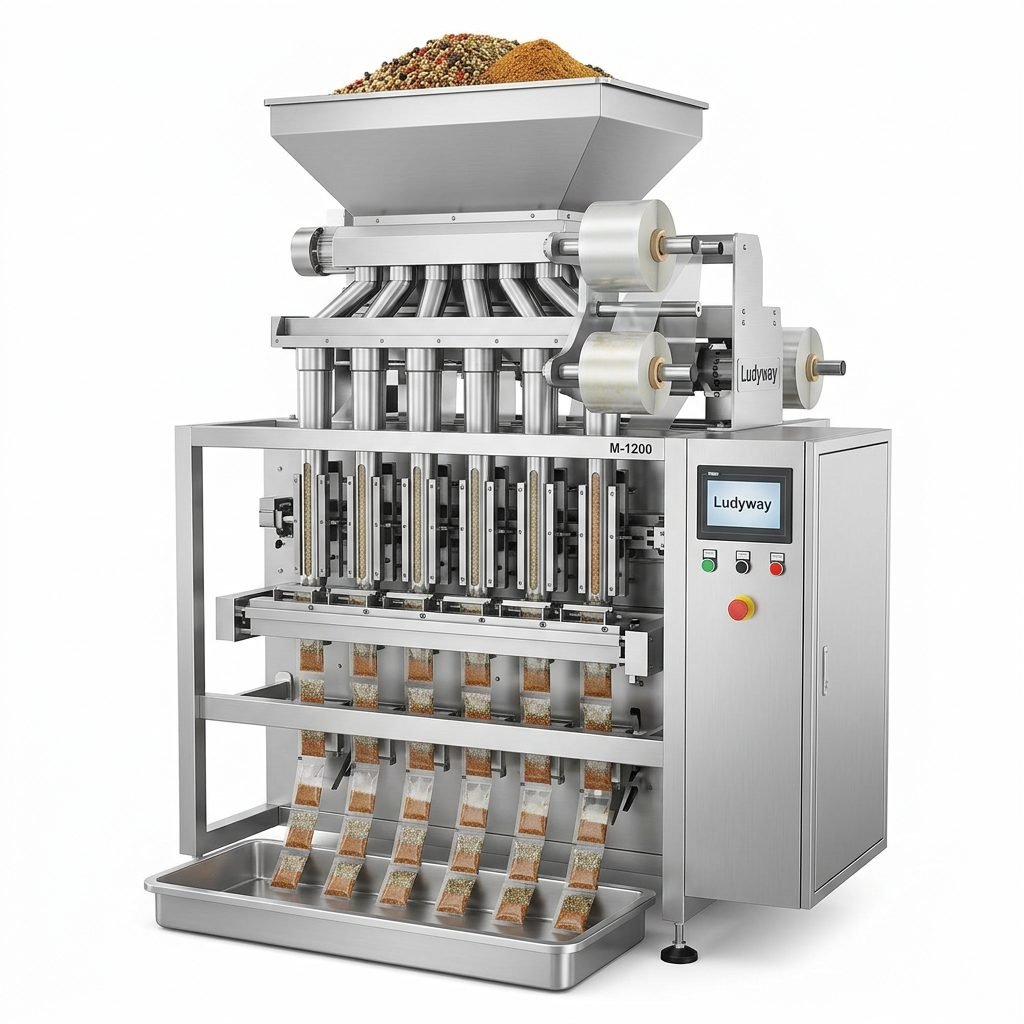
Granule & Powder Packers: These machines are engineered for free-flowing materials like coffee, spices, sugar, or protein powder. They typically use auger filler systems for precise volumetric dosing, ensuring accurate weight control. Advanced models feature touch-screen PLC controls and vibration systems to settle the product for consistent fill levels.
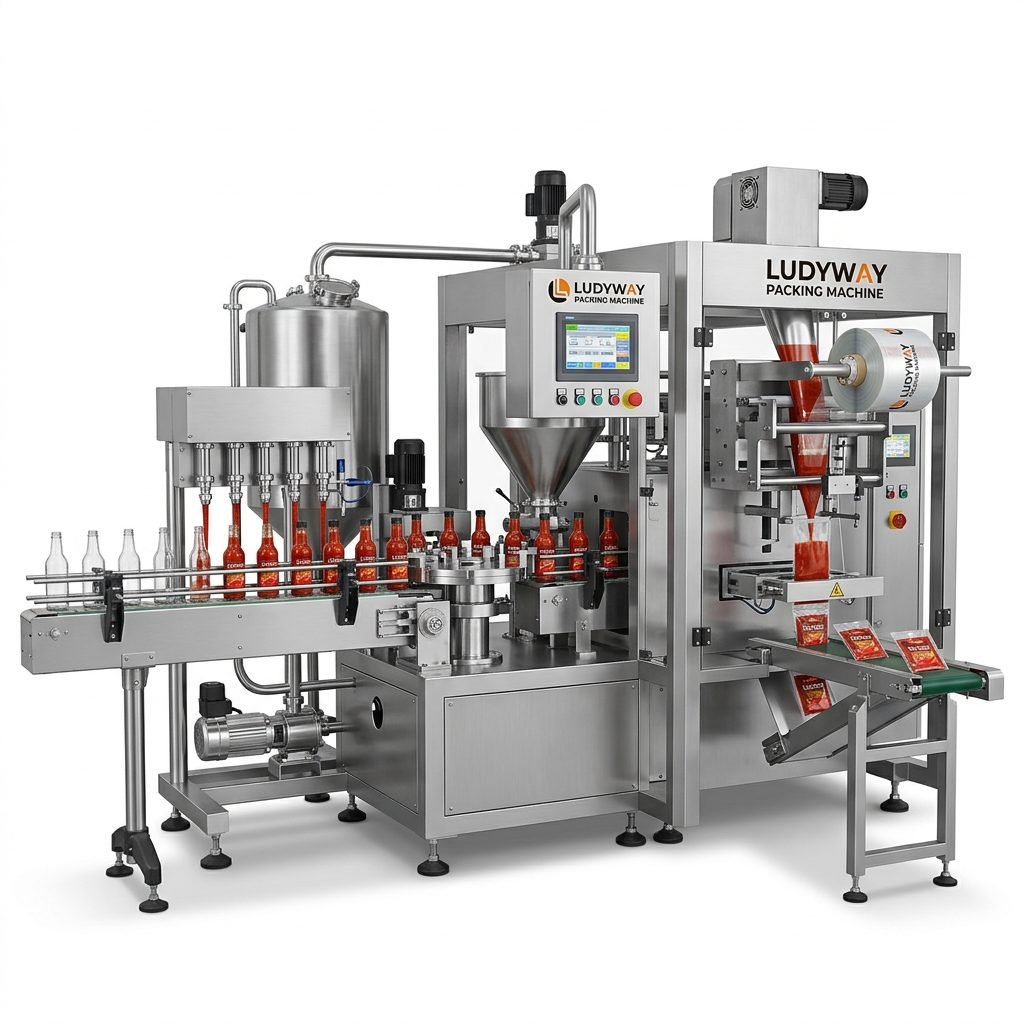
Liquid & Paste Fillers: Designed for viscous products such as sauces, shampoos, creams, or oils. They employ piston pump, gravity, or vacuum filling mechanisms. Key considerations include no-drip nozzles and sanitary, easy-clean designs, especially crucial for the food and pharmaceutical industries.
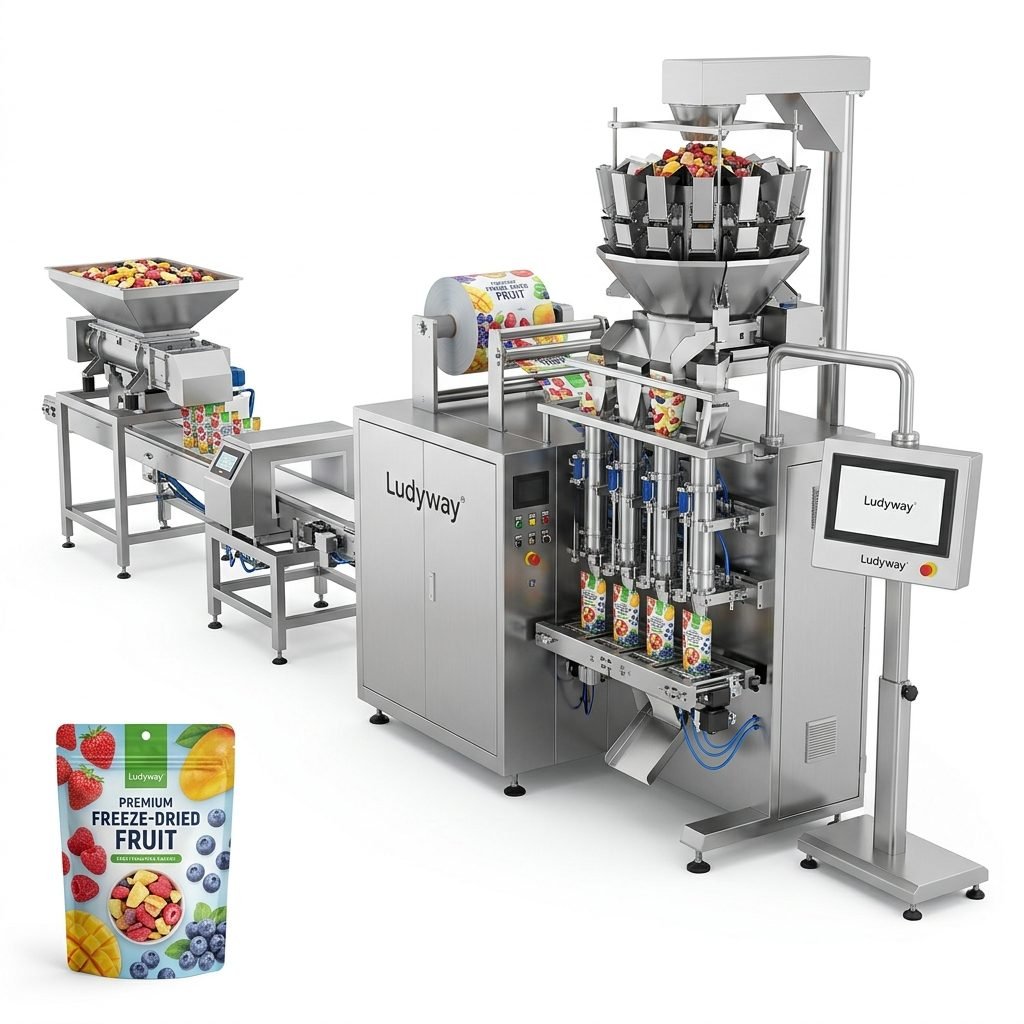
Solid & Piece Packers: Used for items like candies, tablets, hardware, or tea bags. These machines often utilize counting or weighing systems. Multi-lane configurations are common to achieve high output speeds for small items.
2. By Packaging Style
This classification defines the final package format created by the machine.
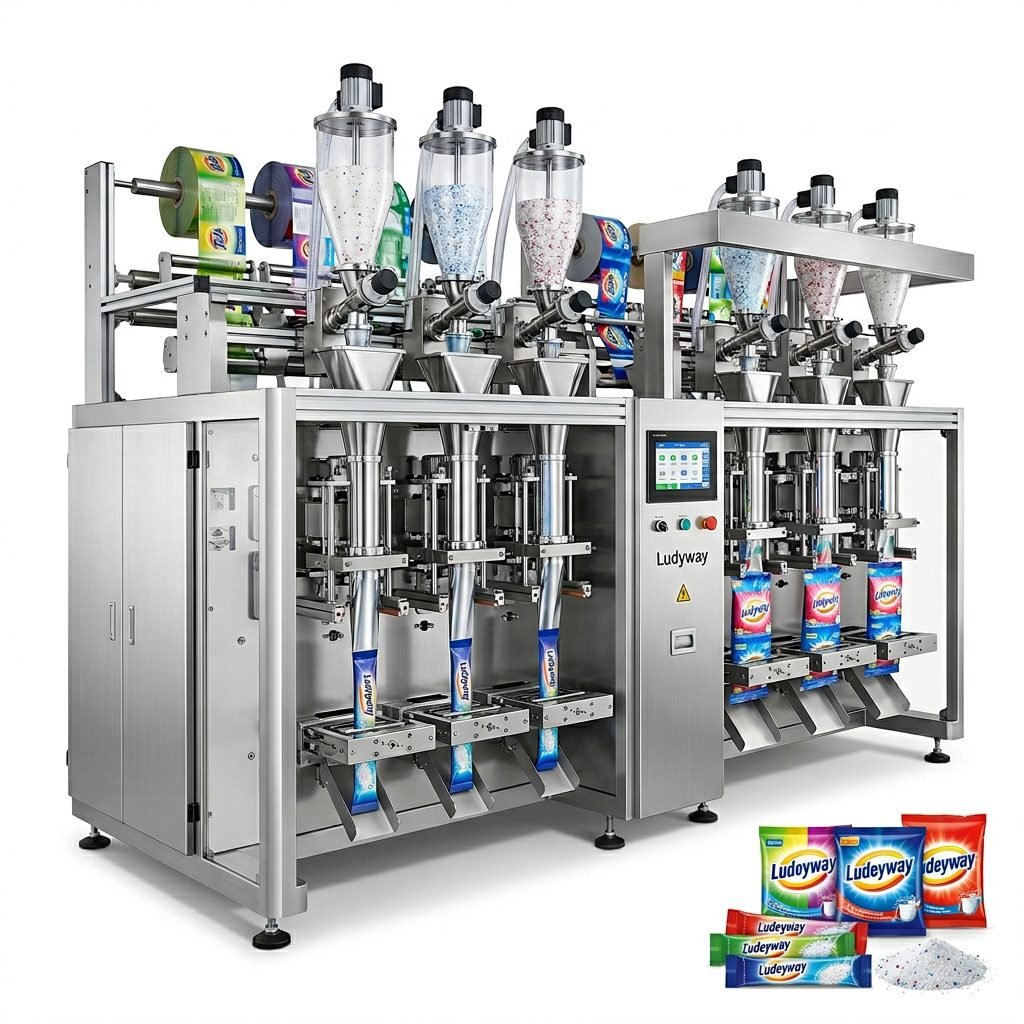
Vertical Form-Fill-Seal (VFFS) Machines: The most common type, using a roll of flat film to form a bag, fill it with product, and then seal it. Ideal for granules, powders, and snacks.
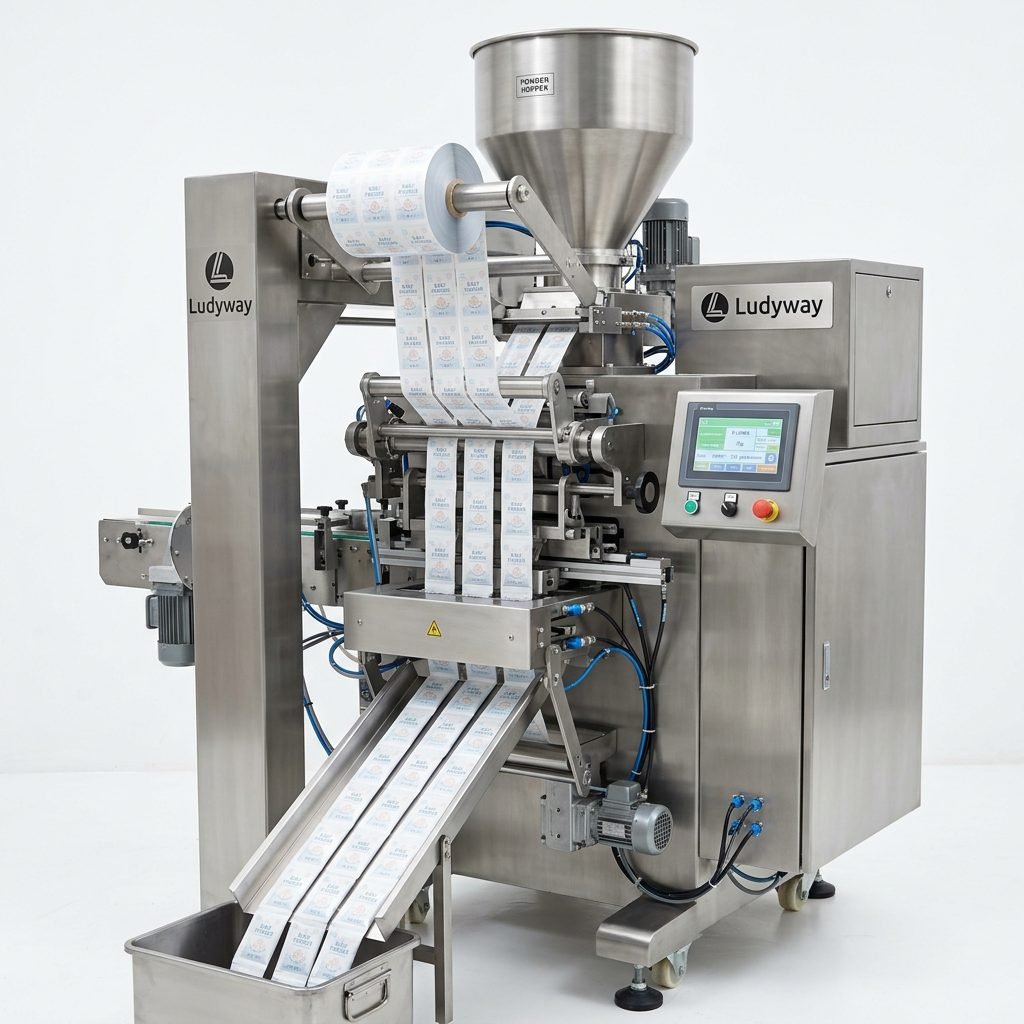
Horizontal Form-Fill-Seal (HFFS) Machines: Often used for more rigid or complex packaging, like sachets for condiments or stick packs for supplements. They offer excellent graphics presentation.
Pre-Made Bag/Pouch Machines: These machines automate the opening, filling, and sealing of pre-manufactured bags or pouches, offering high flexibility for various bag styles and materials.
Cartoning Machines: Automate the erection, loading, and closing of carton boxes. They can be integrated with upstream bagging or bottling lines.
How Do Auto Packaging Machines Work? The Fundamental Principles
While operations vary by type, most auto packaging machines follow a synchronized sequence of core functions.
- Film/Bag Feeding: For VFFS/HFFS machines, packaging film from a roll is fed into the forming section. For pre-made bag systems, bags are picked from a magazine.
- Package Forming: The film is shaped into a tube (VFFS) or wrapped around a product (HFFS) using forming collars and sealers.
- Product Dosing & Filling: This is the critical accuracy stage. Measured product is dispensed into the formed package via augers, pumps, scales, or counters.
- Sealing: Heated jaws (for thermoplastic films) or crimp sealers create airtight seals. This includes making the back seal, top seal, and sometimes creating a gusset.
- Cutting & Discharge: Individual packages are cut from the film web or separated, then discharged onto a conveyor for collection or secondary packaging.
This entire process is governed by a Programmable Logic Controller (PLC) and human-machine interface (HMI), allowing for precise control over speed, temperature, and fill weight.
Broad Applications Across Key Industries
Auto packaging machines are indispensable in sectors where hygiene, speed, and precision are paramount.
Food & Beverage Industry
From single-serve sugar sachets and instant coffee sticks to bagged snacks and frozen vegetables. Machines must often comply with food-grade safety standards (e.g., FDA, EU regulations) and handle a variety of materials, including metallized films for barrier protection.
Pharmaceutical & Healthcare
Packaging of powder supplements, herbal teas, effervescent tablets, and medical salts. Here, precision dosing is critical. Machines for this sector prioritize contamination control and often feature easy-clean, stainless-steel construction.
Daily Chemicals & Cosmetics
Filling shampoo sachets, detergent pods, cream packets, and cosmetic samples. Resistance to corrosive chemicals and the ability to handle viscous liquids or pastes are key requirements.
Industrial & Agricultural
Packaging seeds, fertilizers, small hardware components, and chemicals. Durability and the ability to handle abrasive or dusty materials are important factors.
A Strategic Guide: How to Choose the Right Auto Packaging Machine
Selecting the wrong machine can lead to production bottlenecks, product waste, and lost revenue. Consider these essential factors.
1. Define Your Core Requirements
- Product Characteristics: Form (granule, liquid, solid), abrasiveness, viscosity, density, and sensitivity (to heat, moisture, light).
- Packaging Specifications: Desired bag/pouch size, material (PET/PE, laminate, aluminum foil), and required seal type.
- Production Output: Required speed (packages per minute) to meet your current and near-future demand.
2. Evaluate Machine Capabilities & Features
→ Accuracy & Consistency: Look for machines with high-precision filling systems (e.g., servo-driven augers, multi-head weighers) and reliable temperature control for consistent seals.
→ Flexibility & Changeover: How quickly can you switch between different package sizes or products? Machines with tool-less changeover and recipe memory on the HMI save valuable time.
→ Durability & Construction: The frame and contact parts should be robust. Stainless steel (especially grade 304 or 316) is preferred for food and pharmaceutical use due to its corrosion resistance and cleanability.
3. Consider Integration and Support
Will the machine work standalone, or does it need to integrate with existing conveyors, checkweighers, or cartoners? Furthermore, assess the supplier’s reputation. A provider like Ludyway Machinery, with over 30 years of industry experience, offers not just reliable equipment but also crucial technical support, training, and spare parts availability, ensuring your line runs smoothly for years.
Budget Analysis: Look beyond the initial purchase price. Consider the total cost of ownership, including maintenance, energy consumption, and potential downtime costs. A slightly higher investment in a more reliable and efficient machine often leads to greater long-term savings.
Frequently Asked Questions (FAQs)
1. What is the typical speed range for an auto packaging machine?
Speeds vary dramatically by machine type and package size. A standard single-lane VFFS machine for granules might run at 40-80 bags per minute, while a multi-lane stick pack machine for powders can achieve 300-1000 sticks per minute. The required output is a primary factor in selection and cost.
2. How do I ensure the machine meets food safety or pharmaceutical standards?
Specify your industry compliance needs (e.g., FDA, cGMP) to the supplier. Machines for these sectors should be constructed with food-grade stainless steel, have smooth surfaces without crevices, and often feature washdown capabilities. Always request documentation of material certifications.
3. Can one machine handle different types of products?
Many machines offer a degree of flexibility, but significant changes (e.g., from fine powder to large granules) usually require different filling systems and possibly change parts. Discuss your full product range with the supplier to find a machine that can handle your required changeovers efficiently.
4. What are the most common maintenance requirements?
Regular daily cleaning is essential. Periodic maintenance includes lubricating moving parts (with food-grade oil if applicable), checking and replacing sealing jaws or bands, inspecting filters, and calibrating the weighing system. A good supplier will provide a detailed maintenance schedule.
5. How important is after-sales service and technical support?
Extremely important. Even the best machines may require troubleshooting or spare parts. Choose a supplier with a proven track record of responsive technical support, readily available spare parts, and operator training programs to minimize potential downtime.