Choosing the right bakery packaging machine is a critical decision that impacts your product’s shelf life, presentation, operational efficiency, and ultimately, your bottom line. Whether you’re packaging artisan bread, delicate pastries, croissants, or bagels, the ideal machine must protect freshness, enhance visual appeal, and integrate seamlessly into your production flow. This comprehensive guide will walk you through the key factors to consider when selecting the best bread and pastry packing solution for your business.
Understanding Your Bakery Packaging Needs
Before diving into machine specifications, a thorough analysis of your specific requirements is essential. Start by cataloging your product range. Are you packaging soft sandwich bread that requires gentle handling, or crusty artisan loaves that need a different approach? Perhaps your focus is on fragile items like eclairs, muffins, or layered pastries. Each product type has unique demands for protection, sealing, and presentation.
Key Consideration: Volume is the next crucial factor. A small boutique bakery with low output has vastly different needs from a large-scale industrial plant supplying supermarket chains. Your required speed, measured in packages per minute (PPM), will directly dictate the machine’s capability and automation level.
Finally, define your packaging materials. Are you using pre-formed bags, roll stock film, or rigid trays? The choice between materials like polypropylene, polyethylene, or biodegradable films affects the type of machine you need—whether it’s a form-fill-seal (FFS) system, a tray sealer, or a flow wrapper.
Types of Bakery Packaging Machines
The market offers several primary types of machines, each suited for different applications:
Vertical Form-Fill-Seal (VFFS) Machines
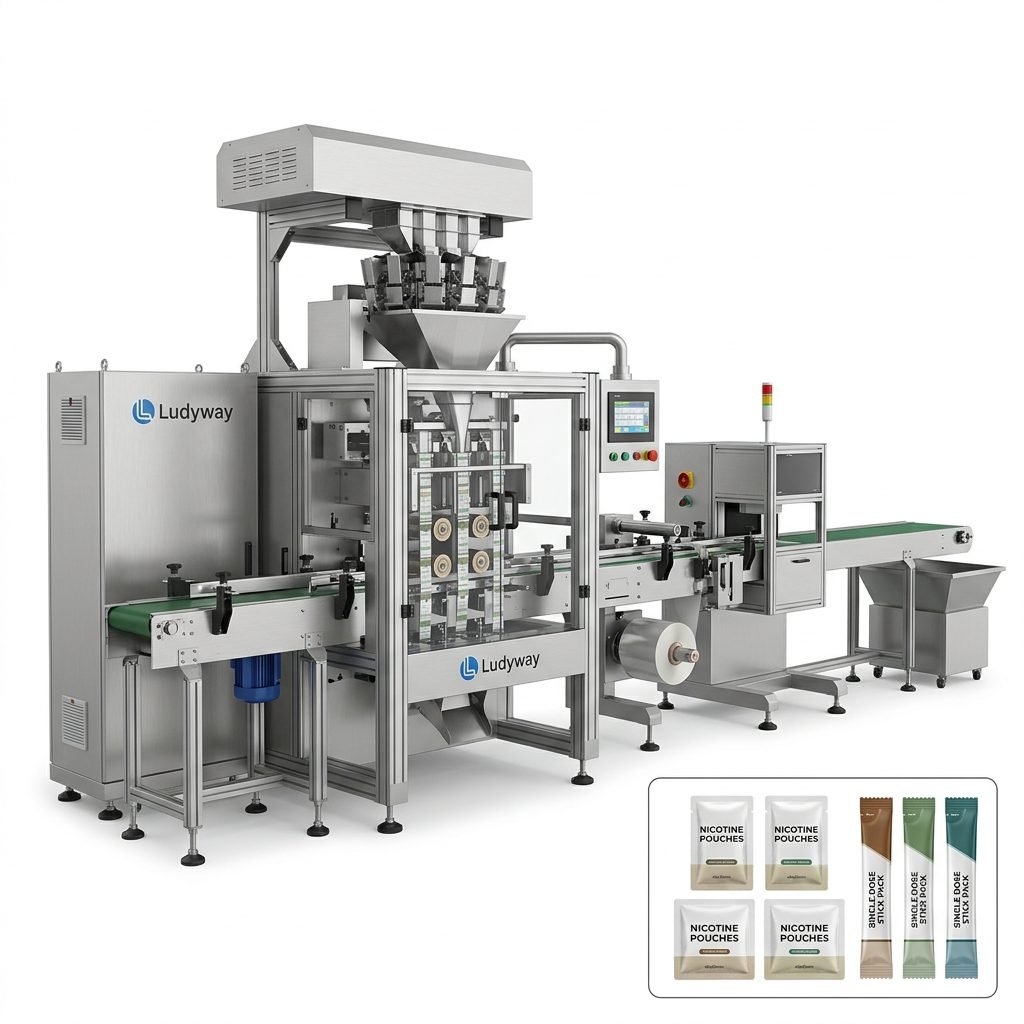
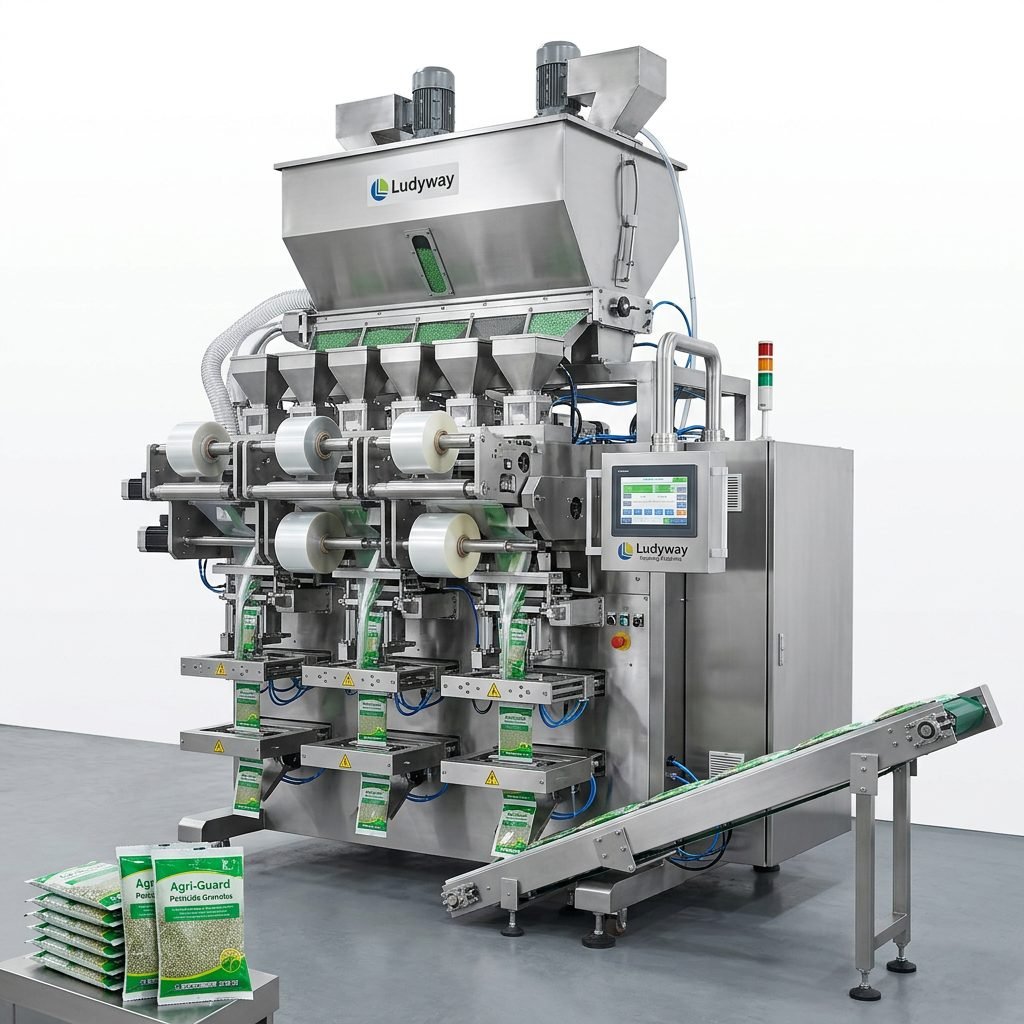
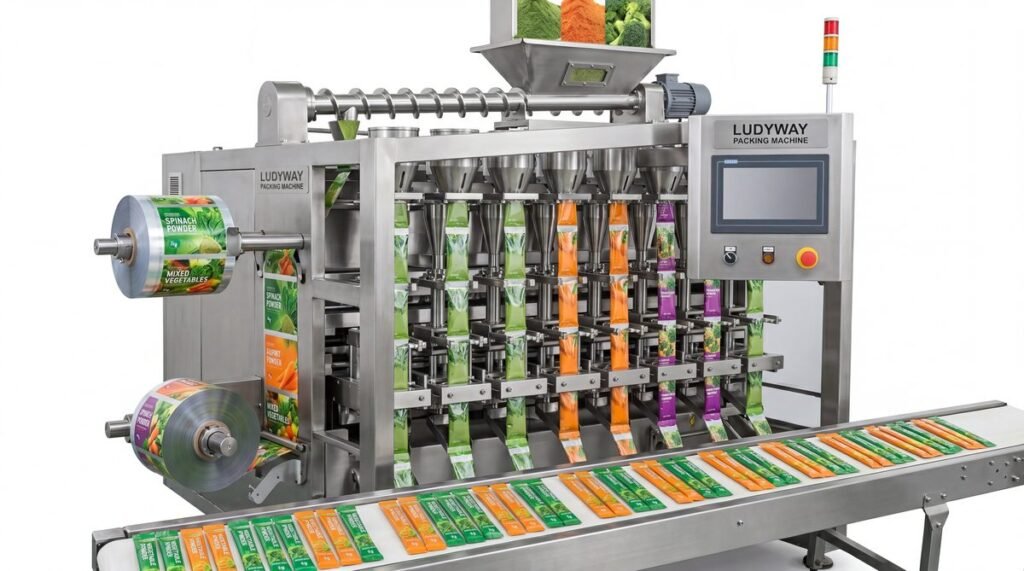
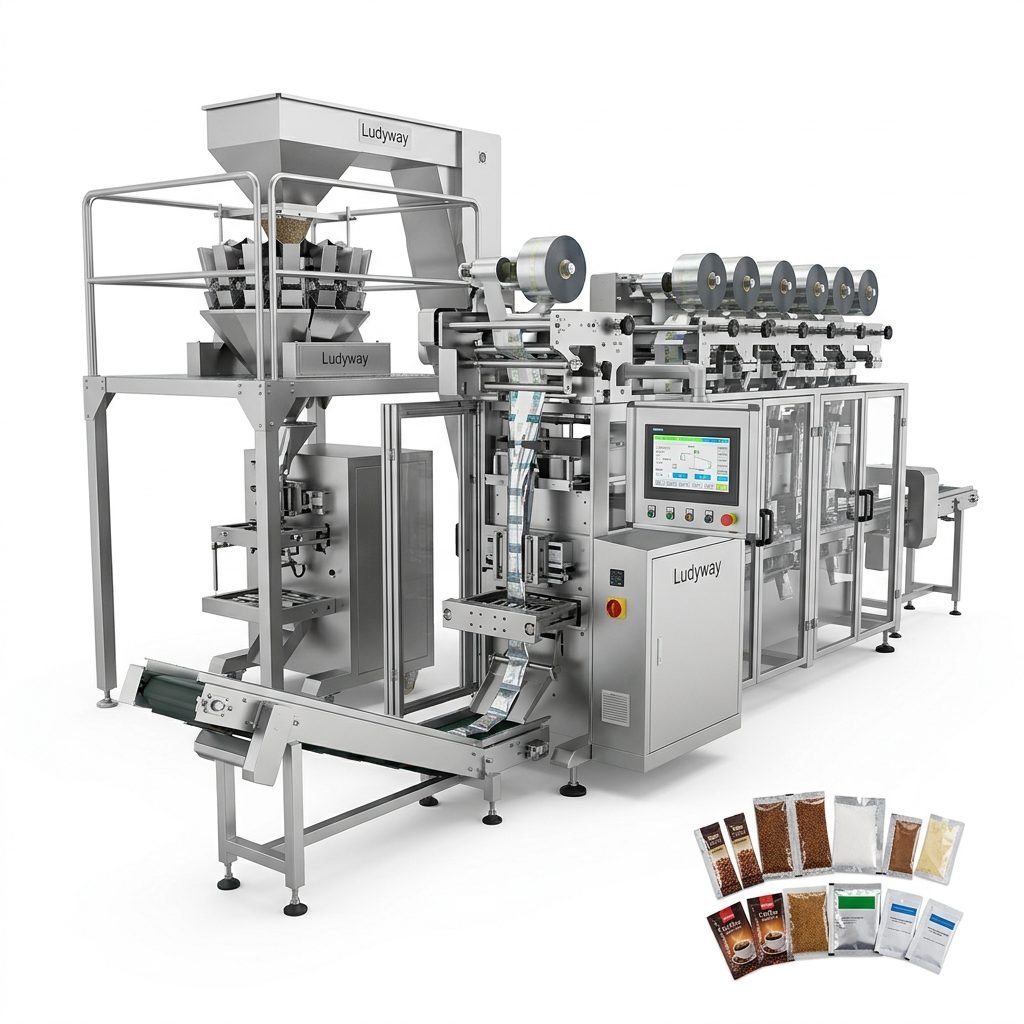
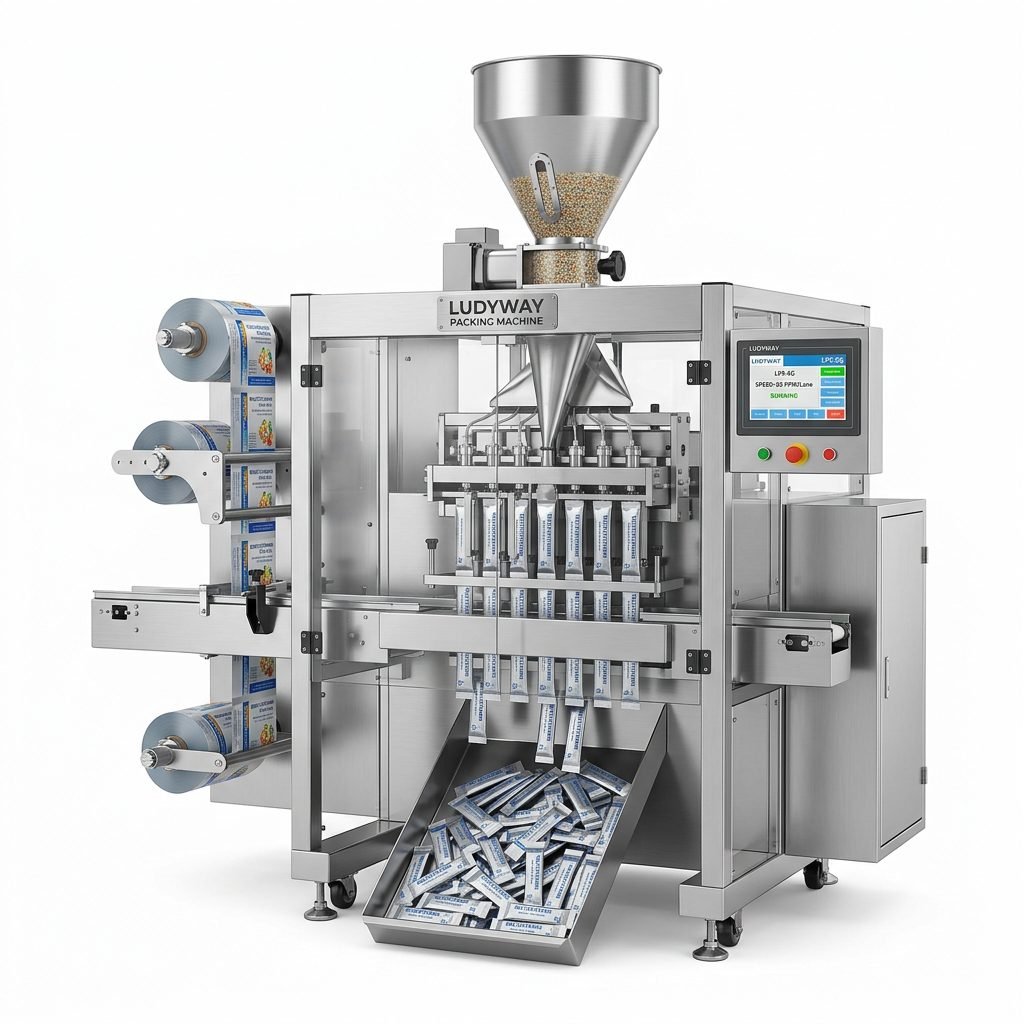
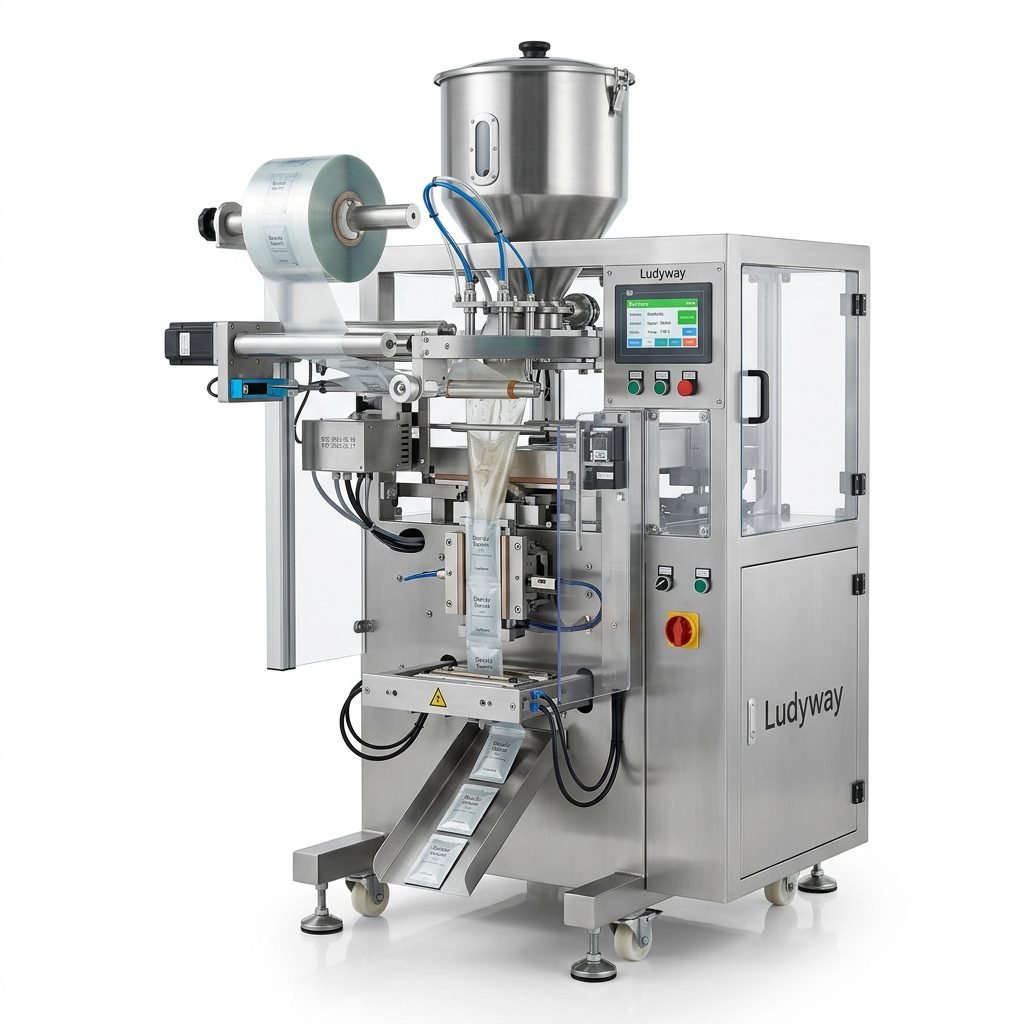
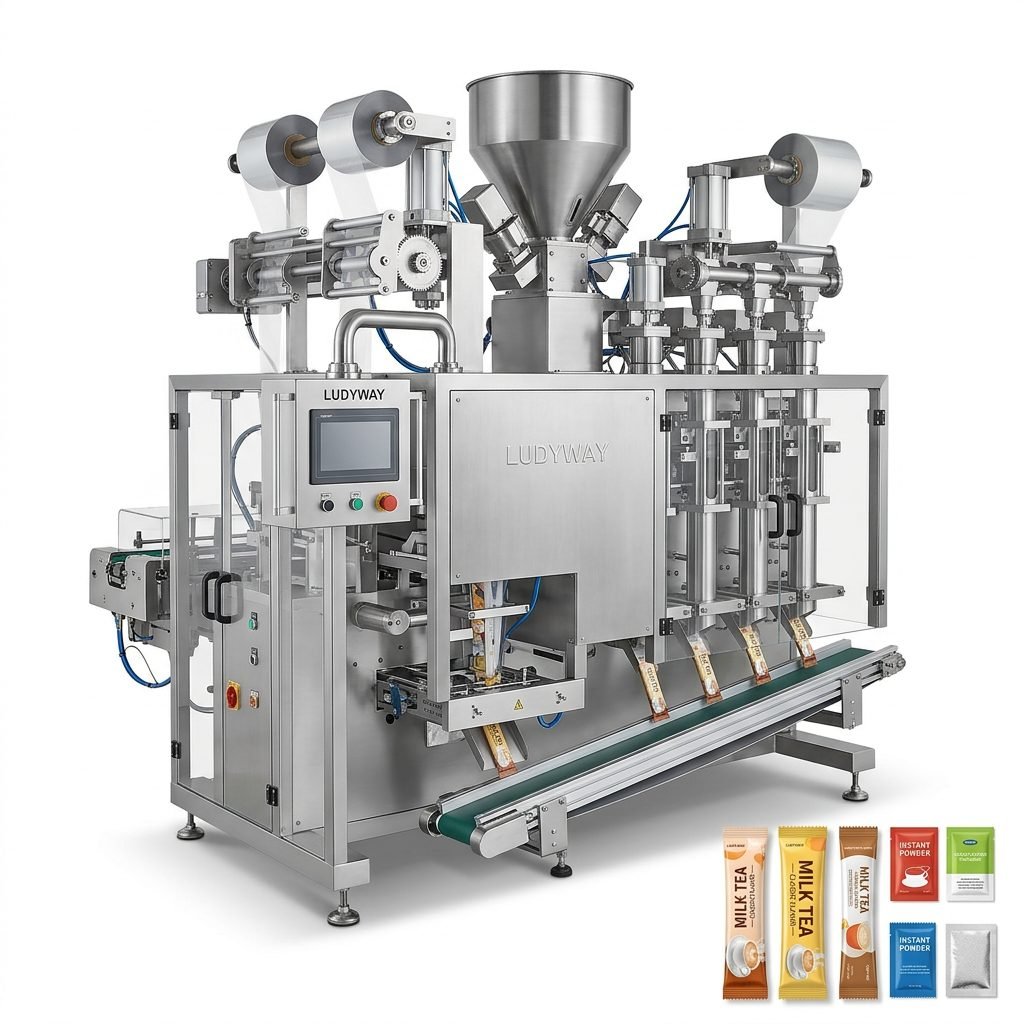
These are highly versatile and common for free-flowing or semi-rigid items. A VFFS machine forms a bag from a roll of film, fills it with product, and seals it. It’s excellent for packaging dinner rolls, breadsticks, or smaller pastries in pillow-style bags. Modern VFFS systems offer impressive speed and can incorporate gas flushing for modified atmosphere packaging (MAP) to extend shelf life.
Horizontal Flow Wrappers
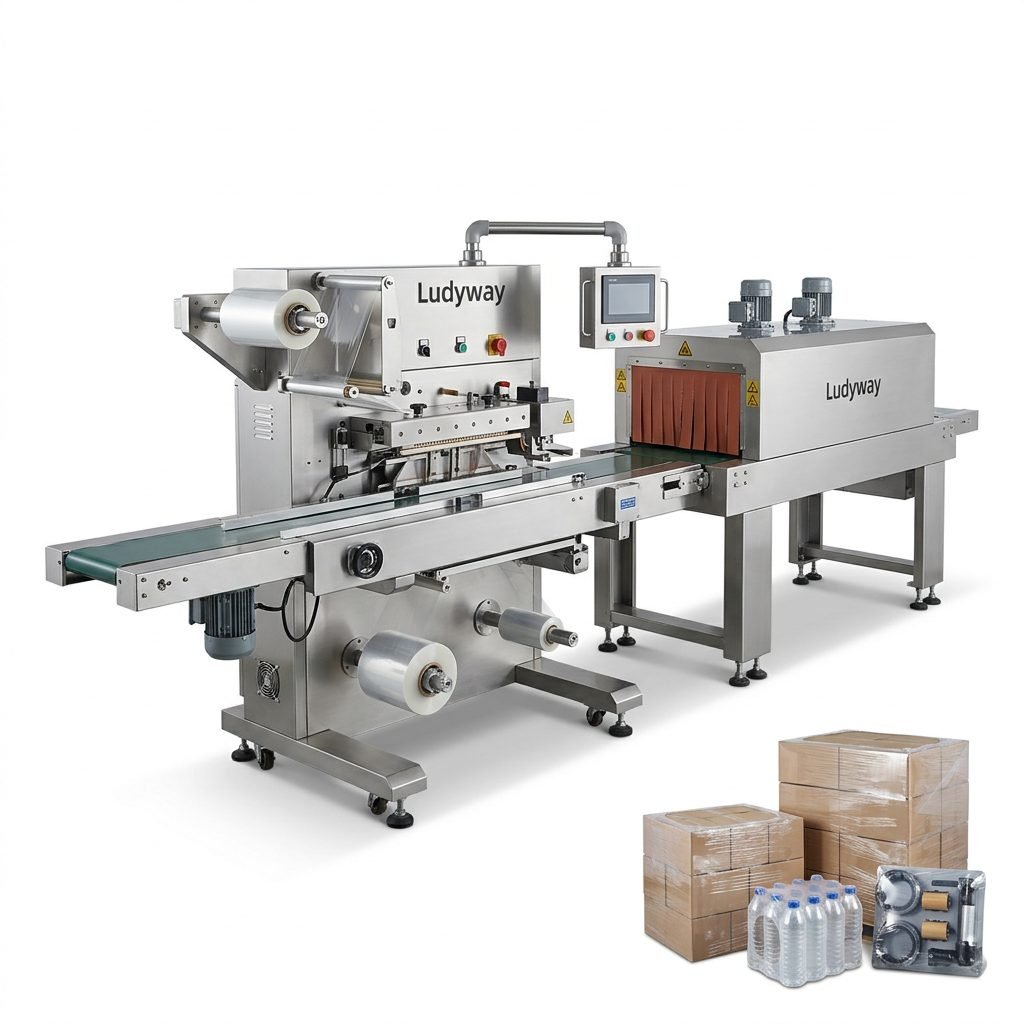
Ideal for wrapping individual items or multi-packs of bread and pastries. The product is placed on a sheet of film which is then folded around it and sealed. This method provides a neat, tight wrap that is perfect for croissants, danishes, and sliced bread loaves, offering excellent product visibility and a professional finish.
Tray Sealing Machines
Used for packaging bakery goods in pre-formed plastic or pulp trays, often with a clear film lid. This is a popular choice for muffins, cupcakes, and delicate desserts where product protection and an upscale presentation are paramount. The seal provides a strong barrier against moisture loss and contamination.
Automatic Bagging Machines
These systems automate the process of placing products into pre-made bags. They are often used for larger, irregularly shaped items like whole loaves of bread or large baguettes. They can include features like twist-tying, clipping, or heat sealing the bag opening.
🔍 Pro Tip: Integration Potential
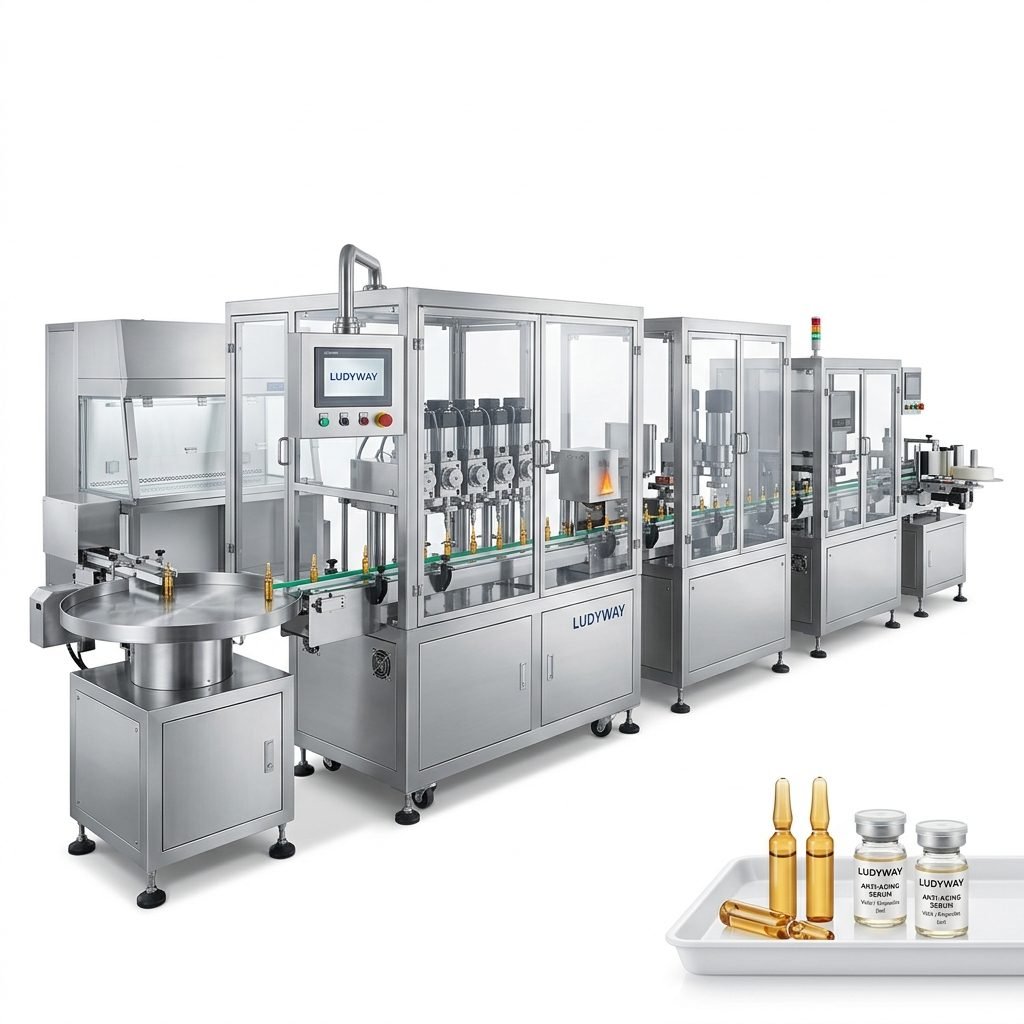
Consider not just the standalone machine, but its potential to be integrated into a full automated packaging line. Linking your packer with upstream equipment like slicers, conveyors, and metal detectors, and downstream systems like cartoners or case packers, can create a seamless, high-efficiency production cell.
Critical Features for Optimal Performance
Beyond the machine type, specific features determine its suitability and return on investment.
Gentle Product Handling: Bakery items are often delicate. Look for machines with soft-touch belts, gentle pushers, and vibration-dampening technology to prevent crushing, deforming, or damaging delicate crusts and layers.
Precision Weighing & Filling: Accuracy is non-negotiable for cost control and compliance. Modern machines use multi-head weighers or volumetric cup fillers to ensure each package contains the exact weight advertised, minimizing giveaway.
Advanced Sealing Technology: A consistent, hermetic seal is vital for freshness. Look for robust sealing jaws with precise temperature and pressure control. For MAP applications, ensure the machine has a reliable gas flushing system with accurate gas mixture control.
User-Friendly HMI & Controls: The operator interface should be intuitive, often featuring a touchscreen PLC. Easy changeover between different product sizes and packaging formats is essential for bakeries with diverse SKUs. Quick-change parts can drastically reduce downtime.
Hygienic Design & Easy Cleaning: Food safety is paramount. Machines should be constructed with food-grade stainless steel in product contact zones, feature smooth surfaces without crevices, and allow for easy access and disassembly for thorough cleaning and sanitation.
The Role of Modified Atmosphere Packaging (MAP)
For extended shelf life, MAP technology is a game-changer. By replacing the air inside the package with a protective gas mix (usually a combination of nitrogen and carbon dioxide), MAP inhibits mold growth and oxidative staleness. When selecting a machine, verify its MAP capabilities—look for features like an efficient gas flushing system, precise gas mix proportioning, and leak detection to ensure package integrity.
Selecting a Reliable Machinery Partner
The manufacturer or supplier you choose is as important as the machine itself. A partner like Ludyway Machinery, with decades of focused experience in food packaging, brings invaluable expertise. Evaluate potential partners on several fronts:
Experience & Specialization: Do they have a proven track record in the bakery sector? Can they provide case studies or references from similar businesses?
Technical Support & Training: Comprehensive installation, training, and responsive after-sales service are critical for smooth operation and minimal disruption.
Customization Ability: Can they tailor the machine to handle your unique product shapes, sizes, or special packaging materials? A flexible partner can provide a customized packaging solution that off-the-shelf models cannot.
Always request a product test using your actual goods and packaging materials. This live demonstration is the best way to verify the machine’s performance, speed, and handling gentleness before making a commitment.
Conclusion: Investing in Your Bakery’s Future
Selecting the optimal bakery packaging machine is a strategic investment that safeguards product quality, boosts brand perception, and drives operational efficiency. By meticulously assessing your product portfolio, production volume, and shelf-life goals, you can identify the right machine type. Prioritizing features like gentle handling, precise sealing, and hygienic design will ensure long-term reliability. Partnering with an experienced and supportive supplier provides the technical backbone for success. The right packaging solution not only protects your delicious creations but also packages your brand for growth in a competitive marketplace.
Frequently Asked Questions (FAQs)
Q1: What is the most important factor when choosing a bread packaging machine?
The most critical factor is matching the machine’s capabilities to your specific product characteristics (size, fragility, shape) and your required output speed. A machine perfect for crusty baguettes may destroy soft sandwich bread, and a low-speed machine will bottleneck a high-volume line.
Q2: How can I extend the shelf life of my packaged pastries?
Implementing Modified Atmosphere Packaging (MAP) is the most effective method. By flushing the package with an inert gas mixture before sealing, you can significantly inhibit mold growth and oxidation, extending shelf life by days or even weeks compared to air packaging.
Q3: Are automated packaging machines suitable for small bakeries?
Yes, absolutely. The market offers a range of semi-automatic and compact fully automatic machines designed for lower to medium volumes. These can dramatically improve packaging consistency, hygiene, and labor efficiency even for smaller operations, providing a strong return on investment.
Q4: What maintenance does a bakery packaging machine require?
Regular daily cleaning is essential. Scheduled maintenance typically includes lubrication of moving parts, inspection and replacement of wear items like sealing jaws and belts, and calibration of scales and sensors. Always follow the manufacturer’s maintenance schedule provided in the manual.
Q5: Can one machine handle multiple different bakery products?
Many machines are designed for quick changeover. The key is to look for models with tool-less adjustments, interchangeable forming tubes or buckets, and programmable recipes that save settings for different products. This flexibility is crucial for bakeries with a diverse product range.