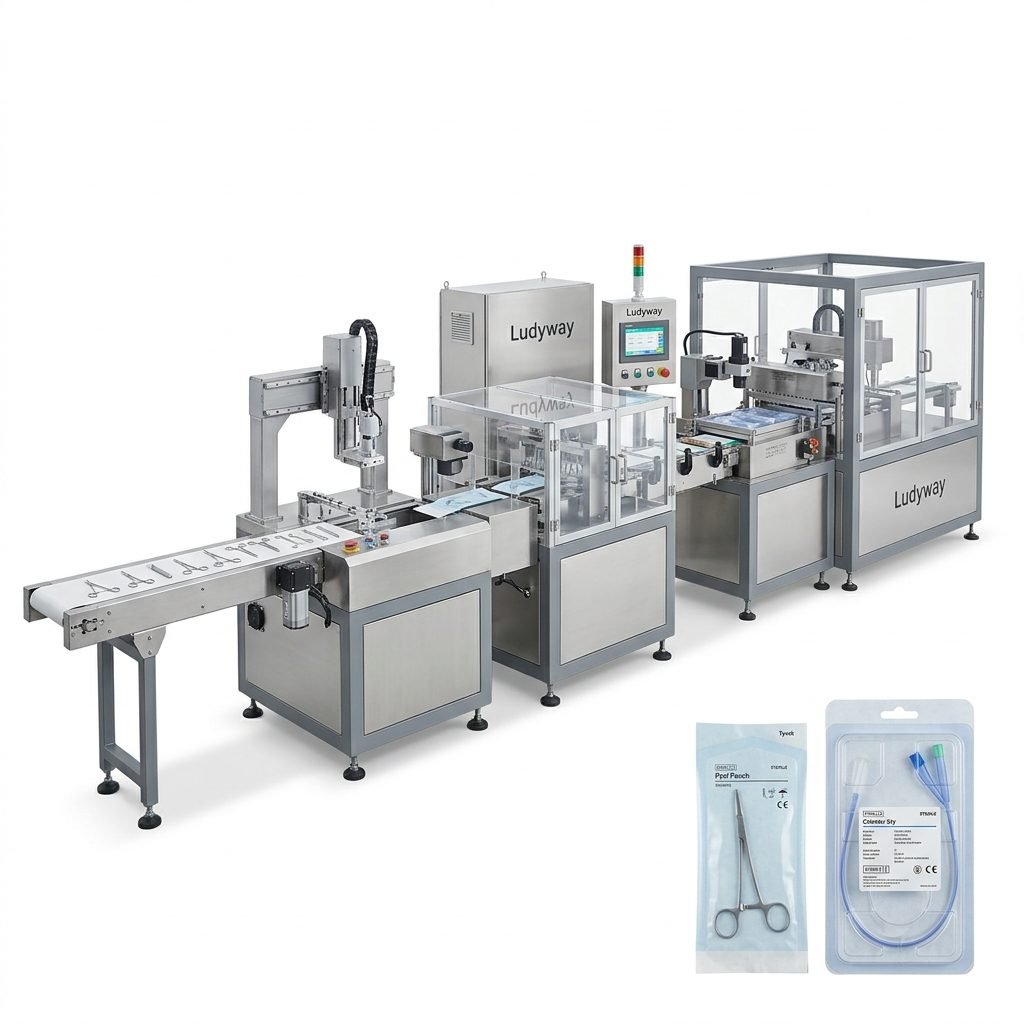
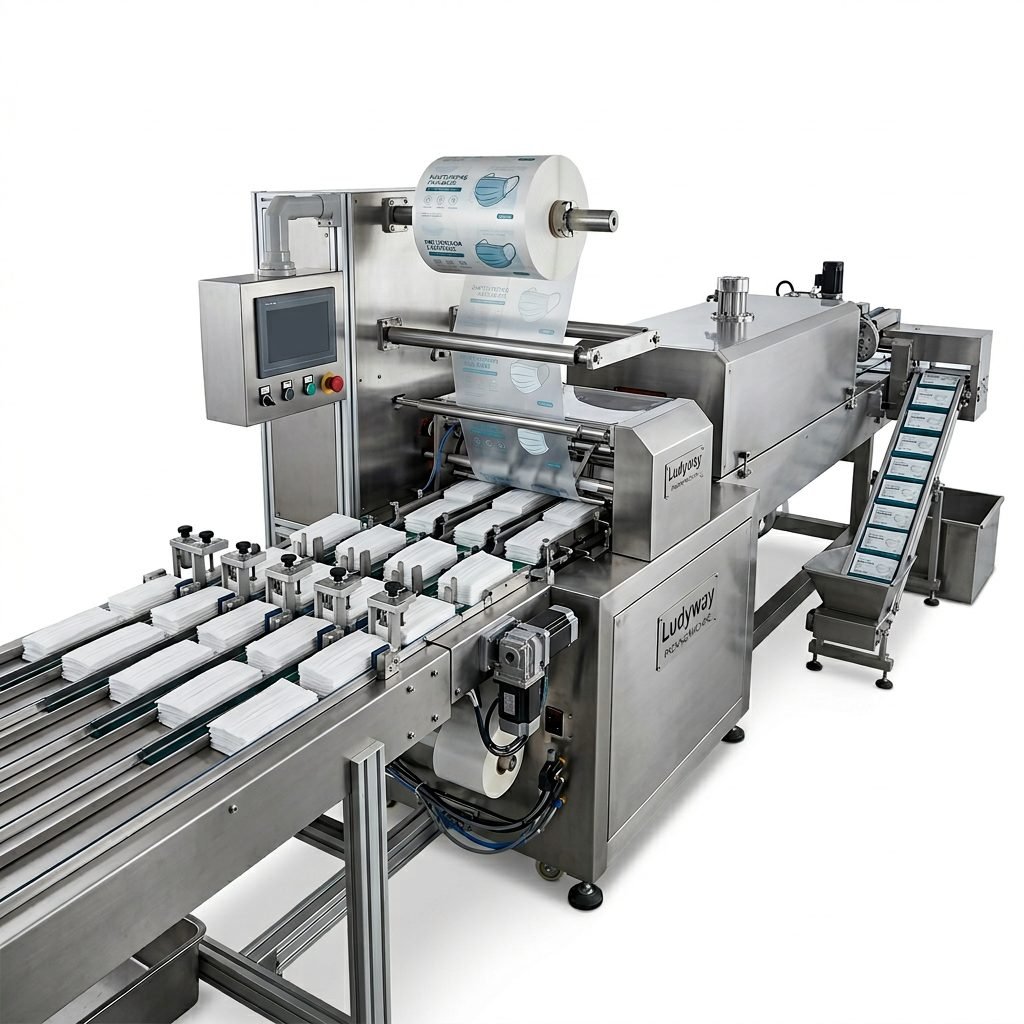
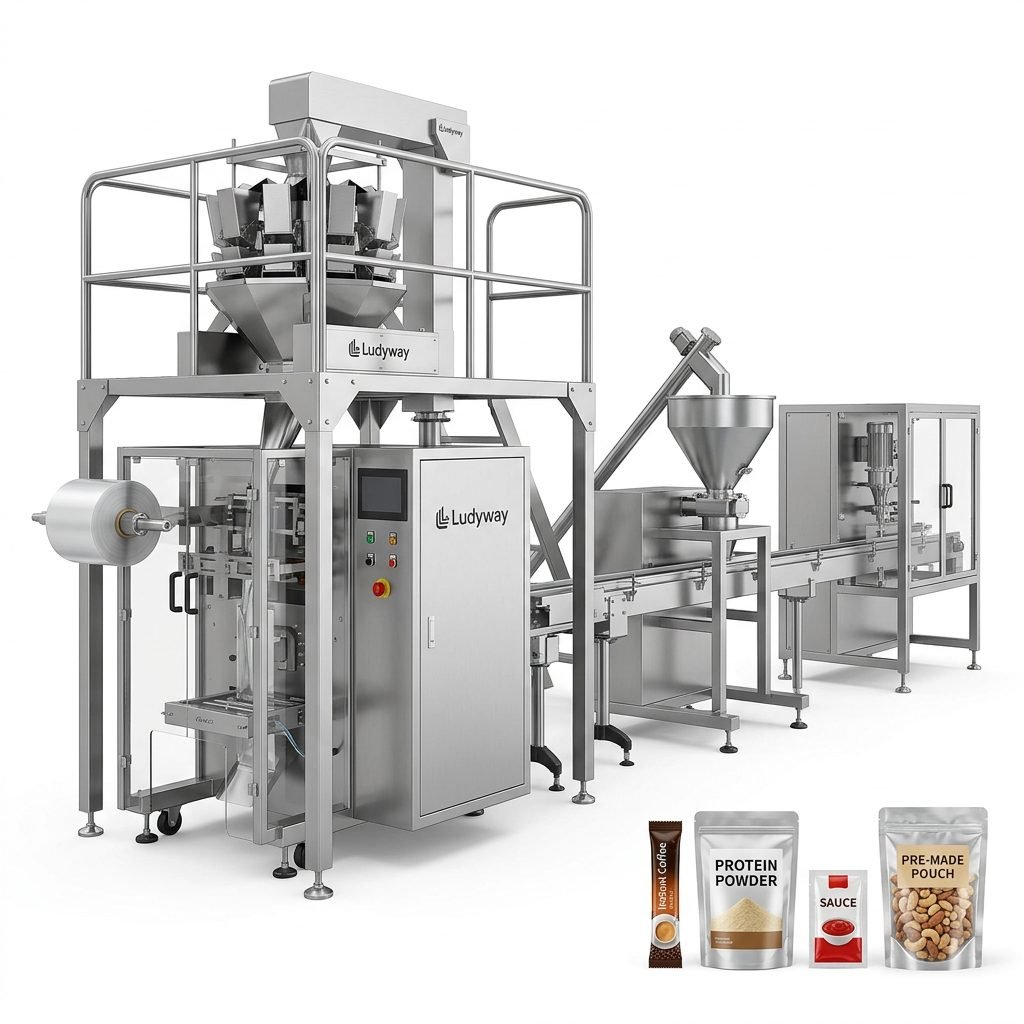
Selecting the right meat packaging machine is a critical decision for any food processing business. The correct equipment not only preserves product quality and extends shelf life but also optimizes production efficiency, reduces waste, and ensures compliance with stringent food safety regulations. This comprehensive guide will walk you through the different types of meat packaging machines, their key benefits, and the essential factors to consider when choosing the perfect equipment for your operational needs.
Understanding Different Types of Meat Packaging Machines
The meat packaging landscape features a variety of machines, each designed for specific packaging formats and production scales. Understanding these types is the first step toward making an informed investment.
Vacuum Packaging Machines
These machines remove air from the package before sealing, creating a tight, protective barrier around the meat. This process significantly slows down oxidation and inhibits the growth of aerobic bacteria, which are primary causes of spoilage. Vacuum packaging is ideal for fresh cuts, processed meats like sausages, and bulk primal cuts destined for further processing or extended storage. It helps maintain the meat’s natural color, texture, and juiciness for much longer than traditional packaging methods.
Key Advantage:
Vacuum packaging is unparalleled for maximizing shelf life and preventing freezer burn, making it a cornerstone technology for meat preservation and distribution.
Modified Atmosphere Packaging (MAP) Machines
MAP machines replace the air inside a package with a controlled mixture of gases, such as carbon dioxide (CO2), nitrogen (N2), and oxygen (O2). The specific gas blend is tailored to the type of meat—for example, a low-oxygen mix for red meat to retain its bright red color, or a different blend for poultry. This controlled environment dramatically slows microbial growth and enzymatic decay. MAP is commonly used for tray-packed retail products like steaks, ground meat, and sliced deli meats, where product presentation is crucial.
Thermoforming Packaging Machines
These are highly automated systems that form a plastic cavity (or “pocket”) from a roll of film, fill it with the meat product, apply a top lidding film, and seal it under vacuum or MAP conditions. They are incredibly versatile and efficient for high-volume production of portion-controlled items. Thermoformers are perfect for creating skin-tight packages for bacon, sliced ham, sausages, and ready-to-cook meal components. The result is a rigid, attractive package that offers excellent product visibility and protection.
Flow Wrap / Horizontal Form-Fill-Seal (HFFS) Machines
Flow wrappers encase products in a flexible film that is formed around the item and sealed on the bottom and ends. This is a fast and cost-effective method for packaging individual or grouped items. In the meat industry, they are extensively used for wrapping frankfurters, smoked sausage links, jerky sticks, and pre-formed meat patties. The packaging can be simple or include sophisticated features like easy-tear notches and high-quality graphics for branding.
Core Benefits of Automated Meat Packaging
Investing in modern meat packaging equipment delivers a multitude of advantages that directly impact your bottom line and brand reputation.
Extended Shelf Life & Enhanced Food Safety: The primary benefit. By removing oxygen (vacuum) or controlling the gaseous environment (MAP), these machines drastically reduce the rate of spoilage and growth of pathogenic bacteria. This translates to longer sell-by dates, reduced product returns, and, most importantly, safer food for consumers.
Improved Product Presentation & Reduced Leakage: Modern machines create tight, neat, and professional-looking packages. Vacuum and skin packaging conforms tightly to the product’s shape, eliminating excess bagging and preventing purge (meat juice) leakage in the case, which is a common complaint with traditional packaging. Attractive presentation is vital for influencing consumer purchase decisions at the retail level.
Increased Operational Efficiency & Labor Savings: Automation speeds up the packaging process exponentially compared to manual methods. A single automated machine can often replace several workers, reducing labor costs and minimizing human error. This allows your workforce to focus on more value-added tasks like quality control and process oversight.
💡 Production Insight:
Automated packaging lines provide consistent seal quality and package integrity. This consistency is key to maintaining brand trust, as consumers expect every package they buy to be perfectly sealed and protected.
Material Optimization & Sustainability: Advanced machines are designed to use packaging films and materials with high precision, minimizing waste. Some systems allow for the use of thinner, yet stronger, barrier films, reducing the overall plastic consumption per package—a significant step toward more sustainable operations.
How to Choose the Right Meat Packaging Equipment
Selecting a machine is not a one-size-fits-all process. It requires a careful analysis of your specific products, production goals, and facility constraints.
1. Analyze Your Product Portfolio
Start by defining what you need to package. Consider the physical form (whole cuts, ground, sliced, linked), size, weight, and fat/ moisture content. A machine perfect for vacuum-packaging large sub-primal cuts will be very different from one designed for high-speed flow-wrapping of hot dogs. Also, plan for future product diversification to ensure the machine has the flexibility to handle potential new lines.
2. Determine Your Production Volume & Speed Requirements
Assess your current and projected output. Are you a small butcher shop needing a few dozen packages per hour, or a large-scale processor requiring thousands? The machine’s cycles-per-minute (CPM) rating must align with your throughput needs. Remember to factor in efficiency—a machine that runs at 90% efficiency at a high speed is better than one that runs at 100% efficiency but is too slow.
3. Evaluate Packaging Materials & Formats
The machine and the packaging material are a system. Decide on your desired package format: vacuum bags, MAP trays, flow-wrap pouches, or skin packs. Then, ensure the machine is compatible with the specific films, laminates, or pre-formed trays you plan to use. The barrier properties of the material (oxygen transmission rate, moisture barrier) must be suitable for your meat product and desired shelf life.
4. Prioritize Hygiene, Durability & Ease of Maintenance
In food processing, hygiene is non-negotiable. Look for machines constructed with food-grade stainless steel on all product-contact surfaces, with smooth, crevice-free designs that are easy to clean and sanitize. Robust construction ensures durability in a demanding production environment. Also, consider how easy it is to access parts for routine maintenance and how readily available spare parts and service support are from the supplier, such as the technical teams at Ludyway Machinery.
5. Consider Integration & Automation Potential
Think beyond a single machine. Can it be easily integrated into an existing line with conveyors, checkweighers, or labelers? Does it offer options for automation like automatic film loading, product feeding systems, or rejection systems for bad seals? Investing in a machine with “future-proof” automation capabilities can save significant costs and disruptions down the line as you scale.
6. Assess Supplier Expertise and Support
Your relationship with the equipment supplier is crucial. Choose a partner with proven experience in the meat industry, like Ludyway Packing Machine, which specializes in food industry solutions. Evaluate their ability to provide comprehensive support: installation, operator training, reliable after-sales service, and readily available spare parts. A knowledgeable supplier can be an invaluable resource for optimizing your packaging process.
Frequently Asked Questions (FAQs)
Q1: What is the main difference between vacuum packaging and MAP for meat?
A: Vacuum packaging removes almost all air, creating a tight shrink around the product. It’s best for long-term storage and preventing freezer burn. MAP replaces air with a gas mix to preserve color and texture, ideal for fresh red meat on retail display. The choice depends on your product and sales channel.
Q2: Can one machine handle different types of meat products?
A: Many machines offer versatility. For instance, some vacuum sealers can be adjusted for different bag sizes and product densities. However, switching between vastly different formats (e.g., from vacuum bags to MAP trays) typically requires different specialized machines or significant module changes.
Q3: How important is the packaging film quality compared to the machine itself?
A: Extremely important. They are two halves of a whole. Even the best machine will fail if used with low-quality film that has poor sealant layers or barrier properties. Always use films recommended or certified by your machine manufacturer to ensure optimal performance and seal integrity.
Q4: What are the key maintenance routines for a meat packaging machine?
A: Daily cleaning and sanitization of all product-contact zones are mandatory. Regular maintenance includes checking and cleaning the sealing bar/ wire, inspecting the vacuum pump oil and filters, lubricating moving parts as per the manual, and checking for wear on seals and gaskets. Consistent maintenance is key to uptime and consistent package quality.
Q5: Where can I get professional advice for setting up a new meat packaging line?
A: Consulting with an experienced packaging machinery provider is the best course. Companies with deep industry knowledge, like Ludyway Machinery, can assess your specific needs, recommend the right combination of equipment, and provide turnkey solutions that include installation, training, and ongoing support to ensure your success.