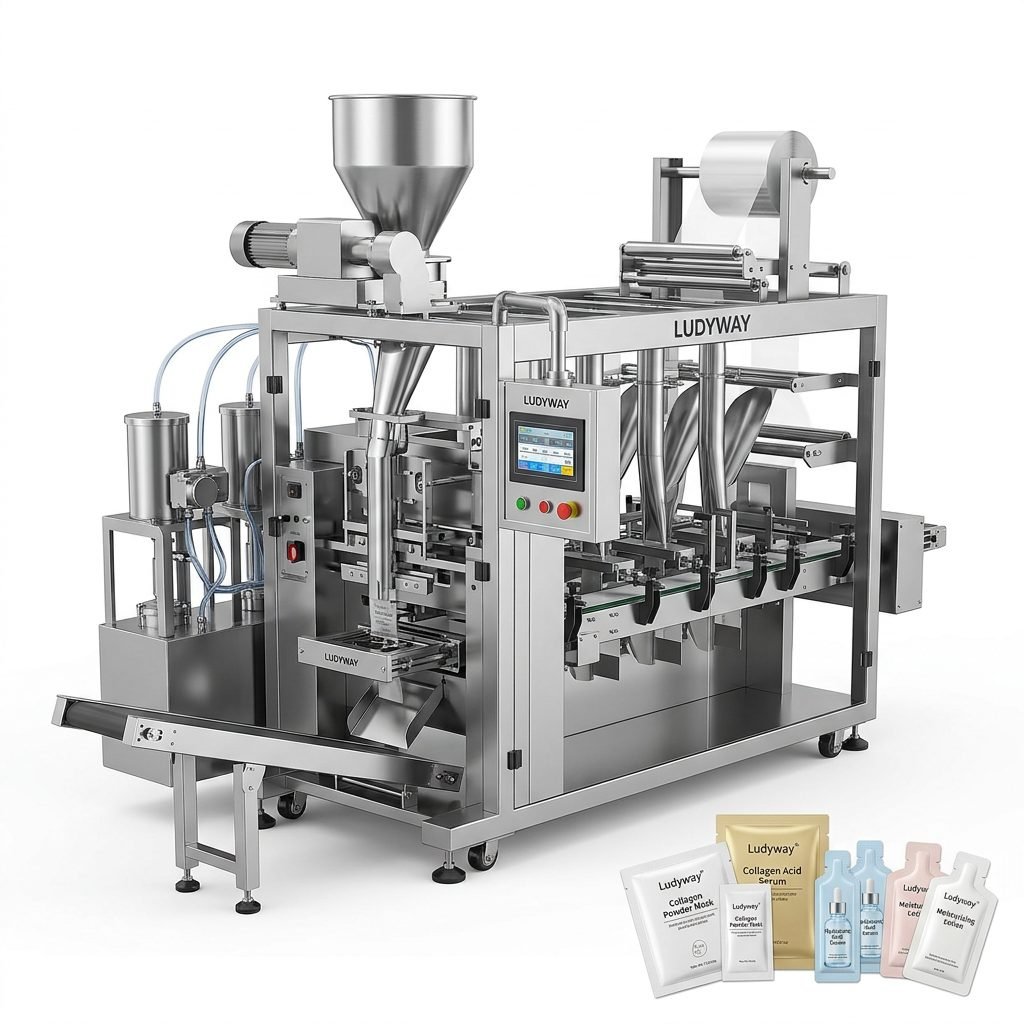
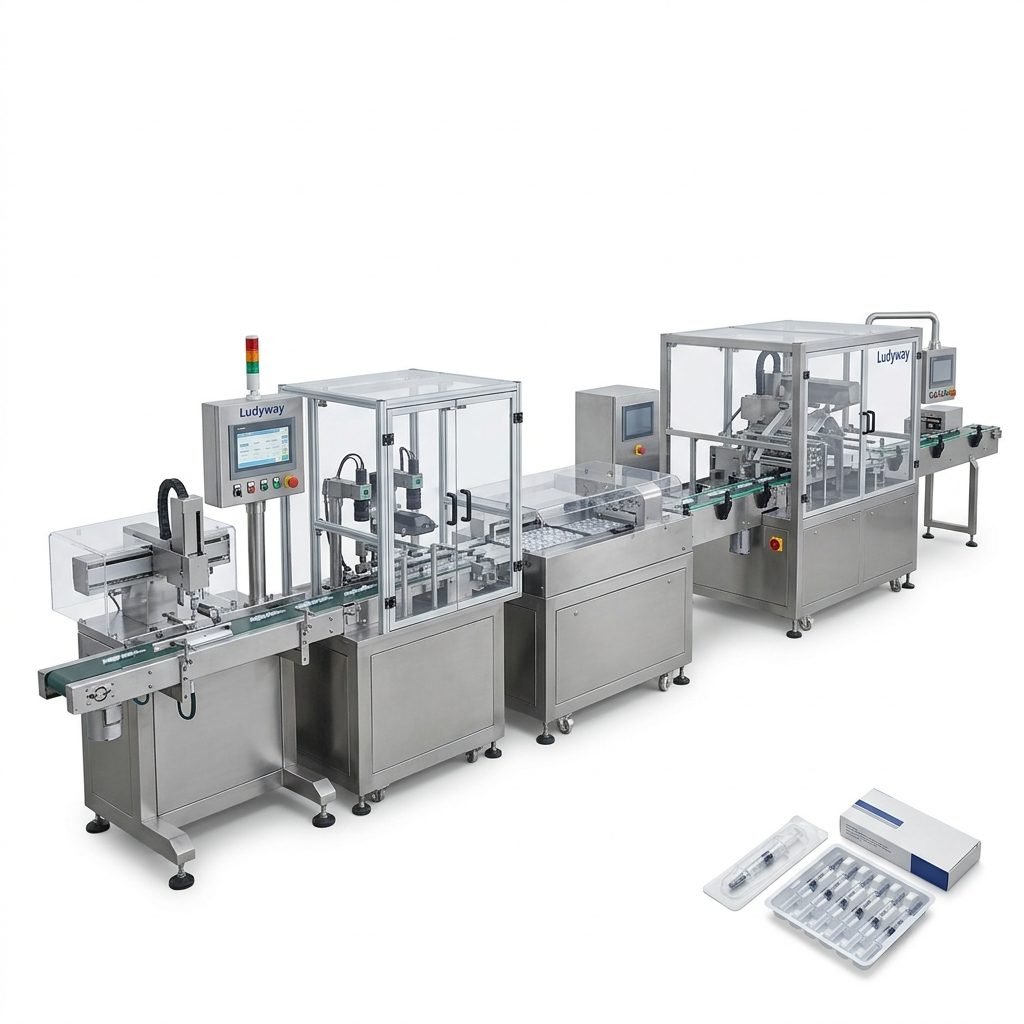
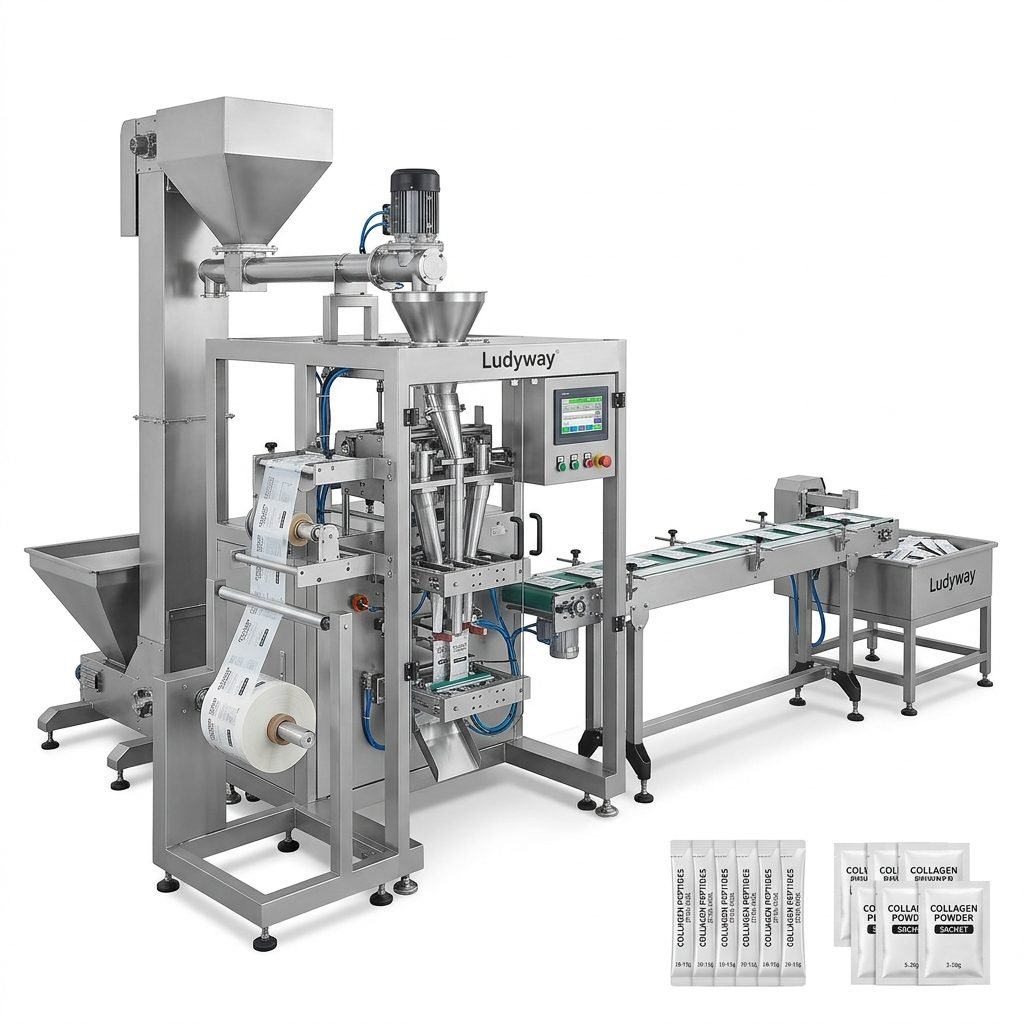
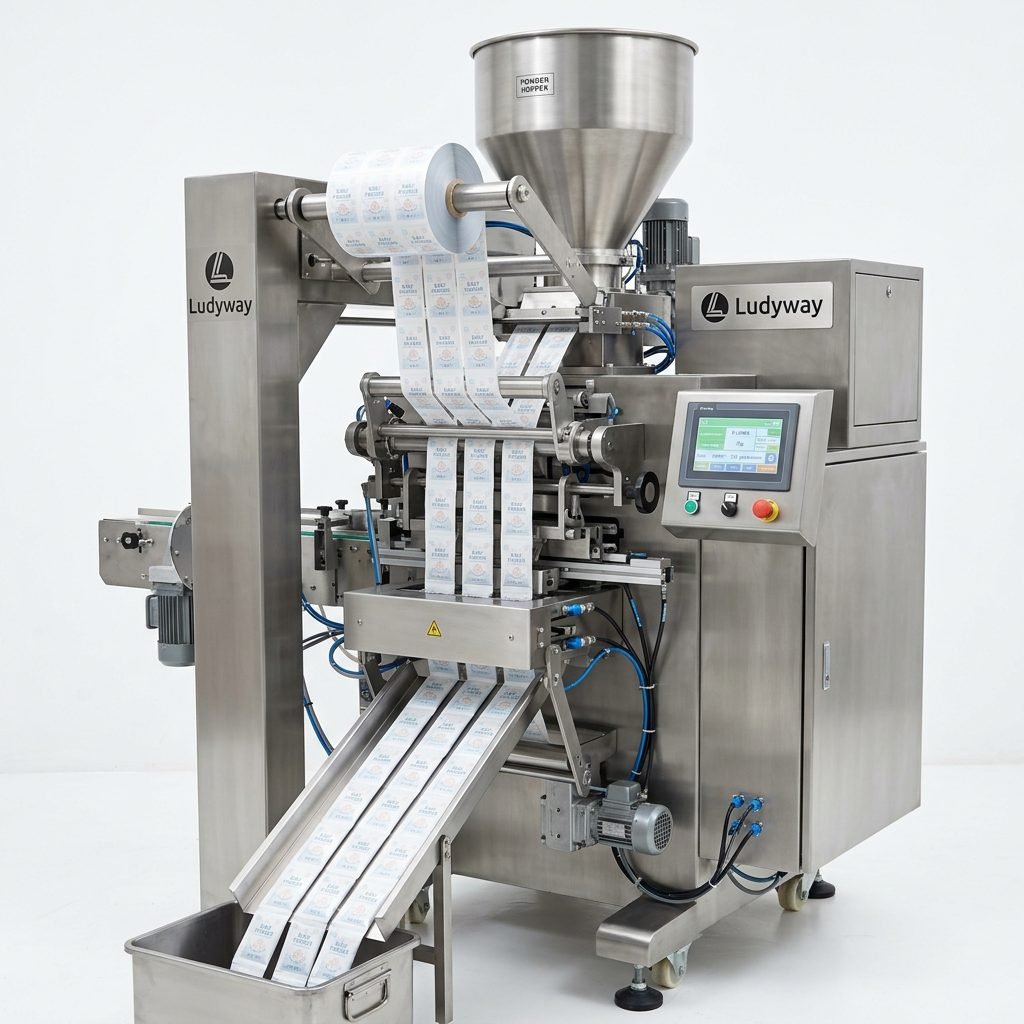
Selecting the right bottle packaging machine is a critical decision for any production facility. It directly impacts efficiency, product quality, and overall operational costs. This comprehensive guide will walk you through the different types of machines, their key features, and the essential factors to consider when choosing the best solution for your specific needs.
Understanding Bottle Packaging Machines
Bottle packaging machines are automated systems designed to fill, cap, seal, and label bottles with precision and speed. They are essential in industries such as food and beverage, pharmaceuticals, cosmetics, and chemicals, where hygiene, accuracy, and high throughput are paramount. Investing in the right equipment can streamline your production line, reduce waste, and ensure consistent product presentation.
Key Takeaway: A bottle packaging machine is more than just a filler; it’s an integrated system that automates multiple packaging steps, transforming loose product into a market-ready, sealed container.
Core Components of a Packaging Line
A complete bottle packaging line typically integrates several machines that work in unison:
- Bottle Unscrambler: Orients and feeds empty bottles onto the conveyor.
- Filling Machine: Precisely dispenses the product (liquid, powder, granules) into the bottles.
- Capping or Sealing Machine: Applies screw caps, snap-on lids, corks, or induction seals.
- Labeling Machine: Applies product labels, barcodes, or batch information.
- Inspection Systems: Check for fill level, cap placement, and label accuracy.
- Conveyor System: Transports bottles smoothly between each station.
Types of Bottle Packaging Machines
The market offers various machines categorized by their function, automation level, and technology. Choosing the right type depends on your product characteristics and production volume.
1. By Function: Filling Machines
This is the heart of the packaging line. The filling technology must match your product’s viscosity and properties.
- Gravity Fillers: Ideal for free-flowing, thin liquids like water or juice. Product flows by gravity into the bottle.
- Piston Fillers: Excellent for viscous products like sauces, creams, or pastes. A piston draws a precise volume from a cylinder and dispenses it.
- Pump Fillers: Use rotary pumps or peristaltic pumps to handle a wide range of liquids, from oils to shampoos.
- Auger Fillers: Designed for powders, granules, and flakes (e.g., coffee, spices, protein powder). A rotating auger screws the product into the container.
- Volumetric Cup Fillers: Suitable for uniform-sized granules or small pieces. Cups of a set volume scoop and deposit the product.
2. By Automation Level
Automation level dictates labor requirements and output speed.
- Semi-Automatic Machines: Require an operator to place bottles and sometimes trigger the fill cycle. Perfect for low-volume production, pilot runs, or custom packaging.
- Fully Automatic Lines: Integrated systems that handle the entire process from bottle feeding to casing with minimal human intervention. Essential for high-volume manufacturing.
Choosing Between Semi-Automatic and Automatic
Consider your budget, required output (bottles per minute), and available floor space. While automatic lines have a higher initial cost, they offer significantly lower cost-per-unit at high volumes. Semi-automatic machines provide flexibility and a lower entry point for smaller businesses.
Key Features to Evaluate
Beyond the basic type, several features differentiate machines and impact long-term performance.
Material of Construction
Contact parts should be made of food-grade or pharmaceutical-grade stainless steel (e.g., SS304 or SS316) for hygiene, corrosion resistance, and ease of cleaning. The frame should be robust and vibration-resistant.
Changeover Flexibility
How quickly and easily can you switch between different bottle sizes or products? Look for machines with tool-less changeover features, adjustable guides, and digital settings memory to minimize downtime.
Control System and User Interface
A modern, intuitive PLC-based touchscreen interface allows for easy operation, recipe storage, and monitoring of production counts, speed, and diagnostics.
Accuracy and Speed
Fill accuracy is non-negotiable to avoid “giving away” product or facing regulatory issues. Speed (bottles per minute) must meet your production targets. Remember, consistent accuracy is often more important than maximum speed.
Safety and Compliance
The machine should have appropriate safety guards, emergency stops, and comply with relevant industry standards (e.g., CE, FDA, GMP for pharmaceuticals).
How to Choose the Best Solution: A Step-by-Step Guide
Follow this structured approach to make an informed investment decision.
Step 1: Define Your Product and Bottle
Start with the basics. What are you packaging? Define its viscosity, acidity, particulate content, and foaming tendency. Simultaneously, finalize your bottle specifications: material (glass, PET, HDPE), shape, neck finish, and size range.
Step 2: Analyze Your Production Requirements
Calculate your current and projected future output. Determine your required speed in bottles per hour/shift. Also, assess your available factory space, utilities (air pressure, electrical specs), and in-house technical skill level.
Step 3: Research and Shortlist Suppliers
Look for reputable manufacturers with proven experience in your industry. Review case studies and client lists. A supplier like Ludyway Machinery, with over 30 years of industry experience, can offer valuable insights from serving diverse global markets. Evaluate their range of packaging equipment and their ability to provide a complete line, not just a single machine.
Step 4: Request a Product Test
Never buy a machine untested with your actual product and containers. A credible supplier will offer a live demonstration or a trial run at their facility. This is the only way to verify fill accuracy, speed, and compatibility.
Step 5: Evaluate Total Cost of Ownership (TCO)
Look beyond the initial purchase price. Factor in:
✓ Installation and training costs.
✓ Cost and availability of spare parts.
✓ Energy and compressed air consumption.
✓ Expected maintenance and service support costs.
✓ Potential for future upgrades or integration.
Step 6: Assess After-Sales Support
Reliable technical support, availability of spare parts, and comprehensive operator training are crucial for minimizing downtime. Ensure the supplier offers clear warranty terms and has a responsive service network.
Pro Tip: Think Long-Term
Choose a machine and supplier that can grow with your business. Consider modular designs that allow you to add a capper or labeler later. Partnering with a supplier focused on innovation and long-term cooperation ensures your packaging line remains efficient and competitive for years to come.
Frequently Asked Questions (FAQs)
What is the most important factor when choosing a bottle filler?
The compatibility between your specific product’s physical characteristics (viscosity, foaming, acidity) and the filling technology. An incorrect match will lead to poor accuracy, spillage, and product waste. Always conduct a product test.
How much does a bottle packaging machine cost?
Costs vary widely from a few thousand dollars for a basic semi-automatic filler to several hundred thousand for a high-speed, fully automatic turnkey line. The price depends on automation level, technology, materials of construction, and brand. Focus on the Total Cost of Ownership (TCO) rather than just the initial price.
Can one machine handle different bottle sizes and products?
Yes, most modern machines are designed for changeover. However, the ease and time required vary significantly. Look for “tool-less” or “quick-change” features if you run frequent, short batches. Digital preset memories for different recipes are a major advantage.
What kind of maintenance do these machines require?
Regular daily cleaning and lubrication as per the manual are essential. Periodic maintenance includes seal replacement, calibration checks, and wear-part inspection. A reliable supplier will provide a maintenance schedule and training. Choosing a machine with a simple, accessible design simplifies upkeep.
Why is supplier reputation more important than a slightly lower price?
Packaging machinery is a long-term investment. A reputable supplier ensures proper machine selection, installation, training, and provides accessible technical support and spare parts for the machine’s lifespan. This reduces costly downtime and operational headaches, far outweighing a small initial savings from an unreliable source.