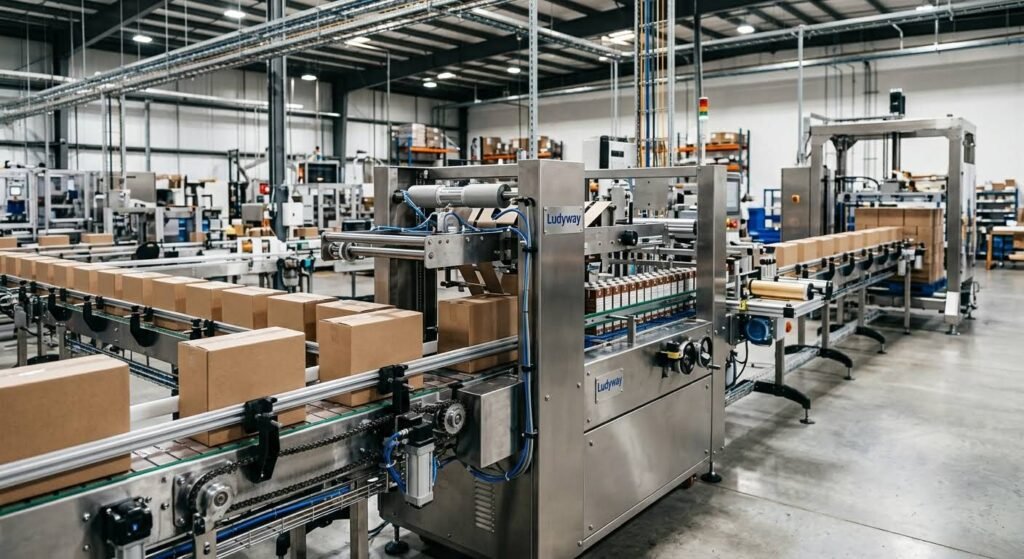
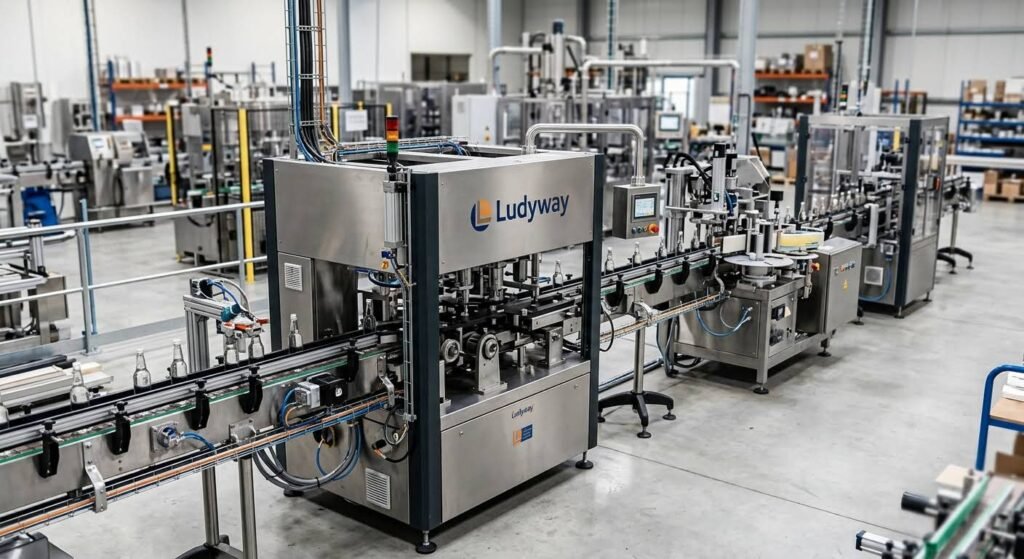
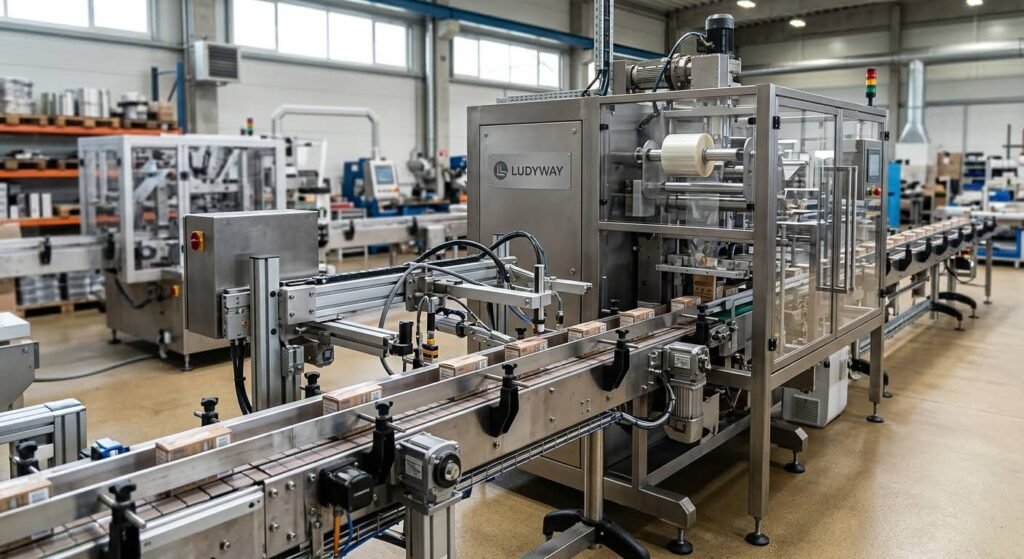
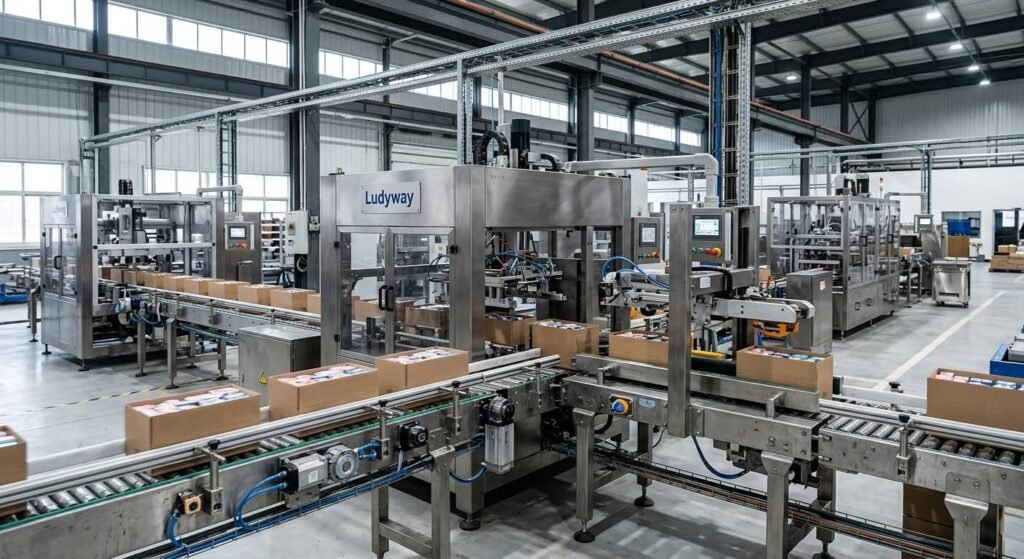
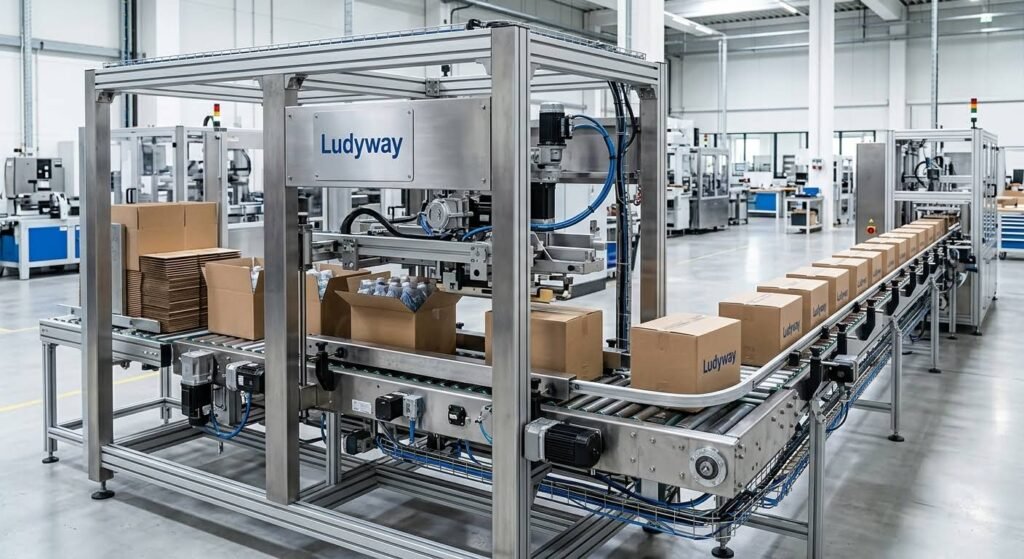
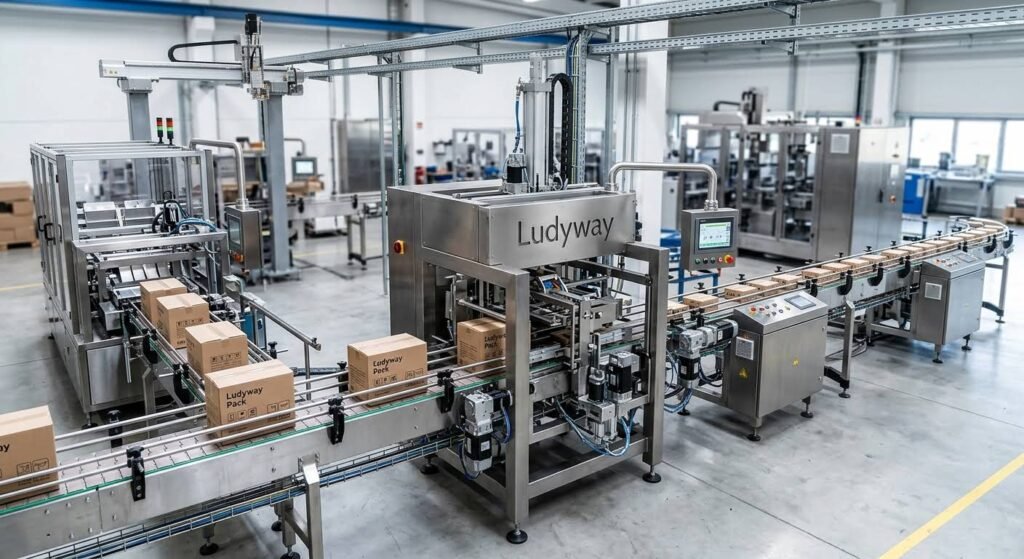
In today’s fast-paced manufacturing landscape, efficiency, hygiene, and precision are non-negotiable. For industries where product integrity is paramount—such as food, pharmaceuticals, and general industrial production—the right packaging machinery is not just an asset; it’s a critical component of the supply chain. Automated packaging solutions have evolved from simple bagging machines to sophisticated, intelligent systems that handle everything from delicate powders to viscous liquids, ensuring speed, consistency, and compliance with stringent global standards.
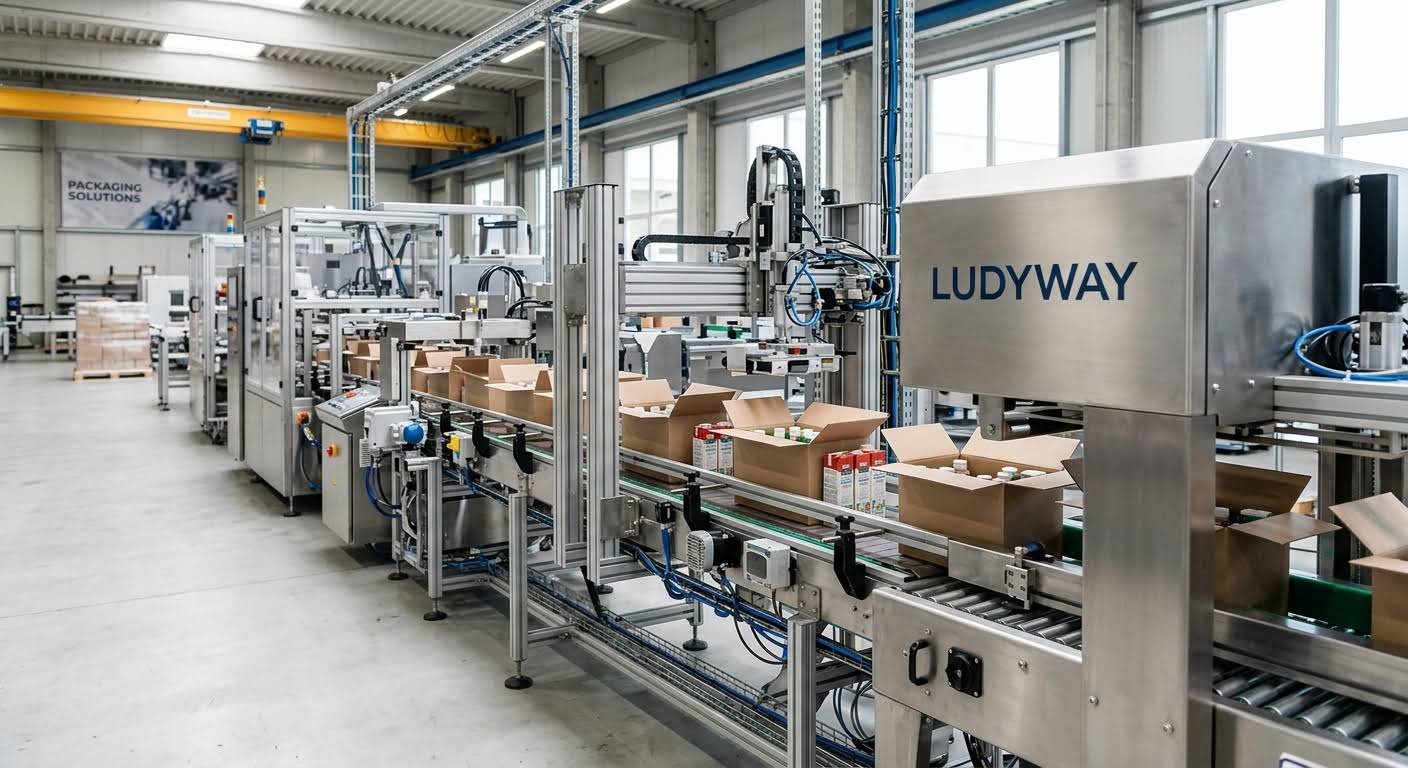
The Core Advantages of Automation in Packaging
Transitioning from manual or semi-automatic processes to fully automated packaging lines offers a multitude of benefits that directly impact the bottom line and product quality.
Unmatched Speed and Productivity
Automatic packaging machines operate continuously at high speeds, dramatically increasing output. This allows manufacturers to meet large-scale demand and tight deadlines without compromising on the packaging quality.
Superior Consistency and Accuracy
Human error in filling weights, seal integrity, or labeling is virtually eliminated. Automated systems provide precise, repeatable results for every single unit, ensuring product uniformity and reducing giveaway.
Enhanced Hygiene and Safety
Especially crucial for food and pharmaceutical applications, automated systems minimize human contact with the product. Many machines are constructed with stainless steel and designed for easy cleaning, meeting GMP and FDA requirements.
Significant Cost Reduction
While the initial investment is notable, automation reduces long-term labor costs, material waste from errors, and downtime. The return on investment is realized through higher efficiency and lower operational expenses.
Tailored Solutions for Key Industries
The one-size-fits-all approach does not work in packaging. Each sector has unique challenges that require specialized machinery.
Food Industry Packaging
From snacks and spices to dairy and sauces, food packaging demands versatility. Solutions include:
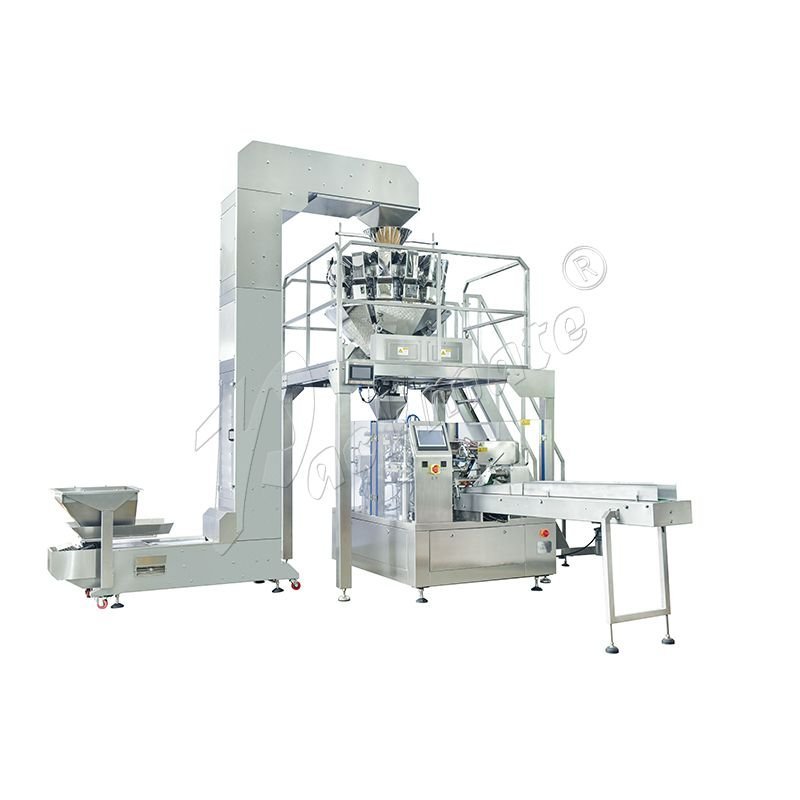
• Vertical Form-Fill-Seal (VFFS) Machines: For packaging granules, powders, and liquids into pouches.
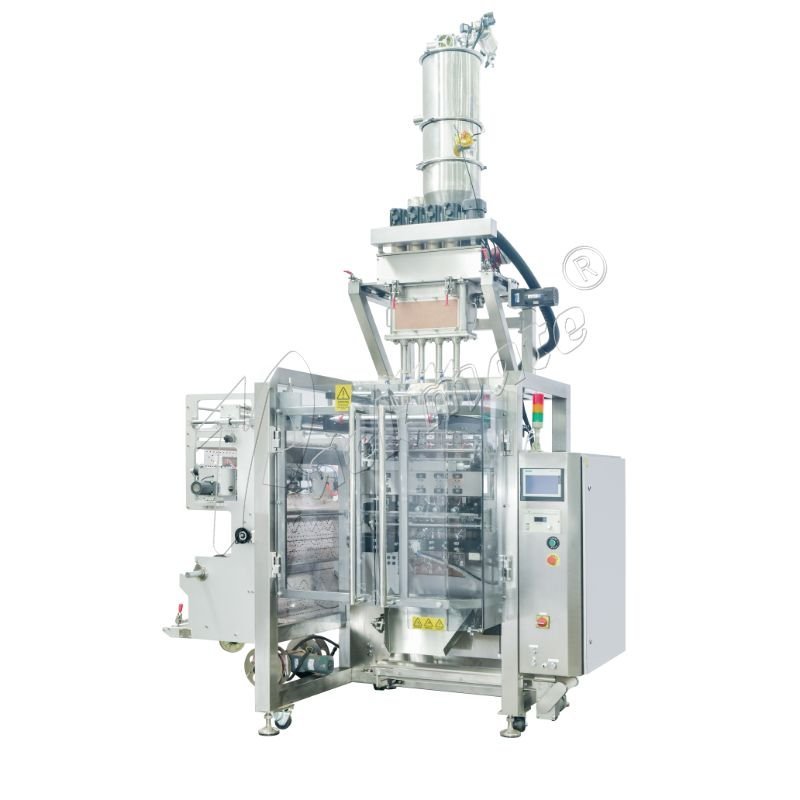
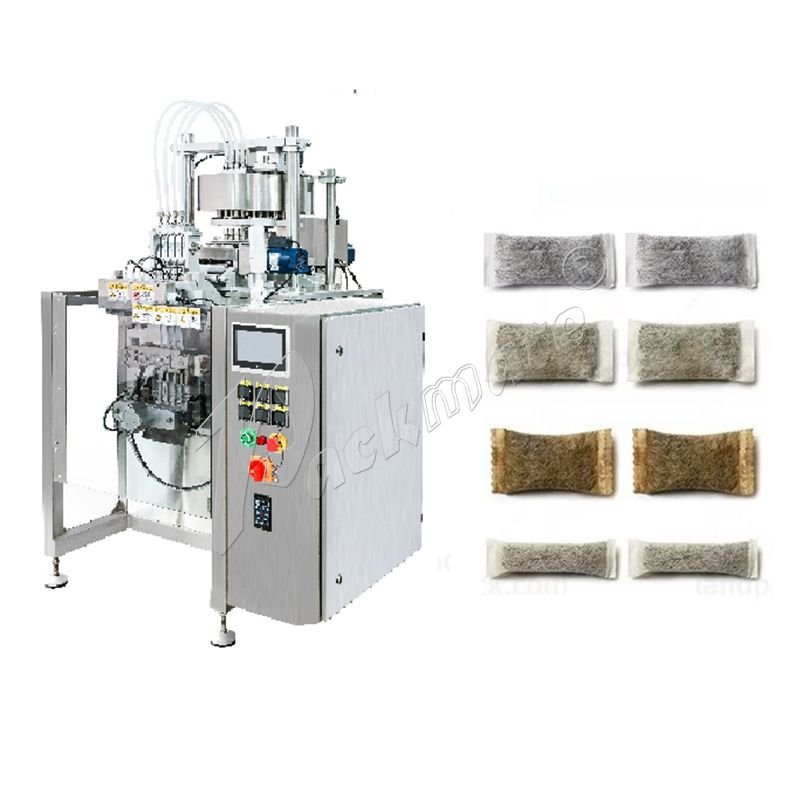
• Multi-Lane Stick Pack Machines: Ideal for single-serve portions of coffee, sugar, or drink mixes.
• Liquid Filling and Capping Lines: For sauces, oils, and beverages.
The focus is on preserving freshness, preventing contamination, and creating appealing retail-ready packages.
Pharmaceutical & Healthcare Packaging
This sector requires the highest levels of precision and sterility. Key machinery includes:
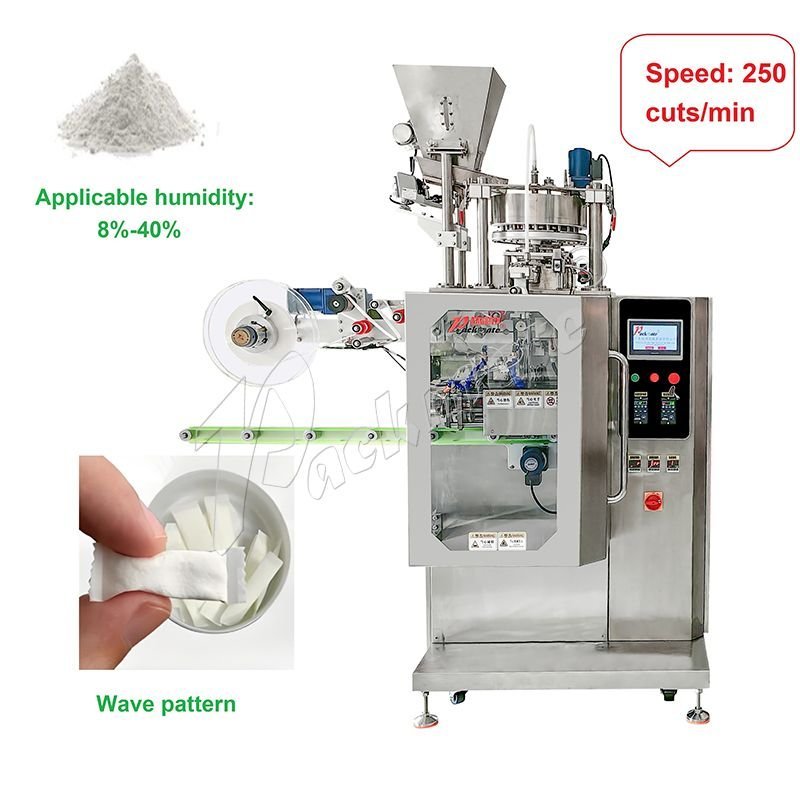
• High-Speed Sachet Packers: For powders, granules, or liquids in precise medicinal doses.
• Blister Packaging Machines: For tablets and capsules.
• Tamper-Evident and Serialization Solutions: Ensuring patient safety and regulatory compliance.
Machines must be validated and often require clean-room compatibility.
Industrial & Chemical Production Packaging
Durability and safety take precedence here. Equipment is built to handle abrasive powders, corrosive chemicals, or heavy granules. Common solutions are heavy-duty baggers, valve bag packers, and drum filling lines, often integrated with dust collection systems and constructed from specialized, resistant materials.
Choosing the Right Packaging Partner
Selecting machinery is only half the battle. Partnering with the right supplier ensures long-term success. A reliable partner should offer:
- ● Deep Industry Experience: Look for a provider with a proven track record in your specific sector.
- ● Customization Capability: The ability to tailor machine functions, speeds, and interfaces to your unique production line is invaluable.
- ● Comprehensive Support: This includes installation, operator training, readily available spare parts, and responsive technical service.
- ● Future-Proof Technology: Machines should be adaptable and capable of integrating with Industry 4.0 systems for data collection and analysis.
Companies like Ludyway Machinery exemplify this approach, bringing decades of engineering expertise to deliver turnkey packaging solutions that are both robust and intelligent.
Implementing Your Automated Line: Key Considerations
Successful implementation goes beyond purchasing a machine. It involves a holistic view of your production ecosystem.
1. Thorough Needs Analysis
Define your product types, required output speed, packaging materials, and floor space. A detailed analysis prevents under- or over-specifying equipment.
2. Integration with Upstream/Downstream Processes
The packaging machine must seamlessly connect with your existing mixers, conveyors, or labeling systems. A skilled supplier can design the entire line workflow.
3. Operator Training and Maintenance Planning
Invest in comprehensive training for your team. Establish a proactive maintenance schedule to maximize machine uptime and lifespan.
The Future: Smart and Sustainable Packaging
The next wave of innovation is already here. Smart packaging systems equipped with IoT sensors can monitor machine health, predict maintenance needs, and optimize energy consumption in real-time. Simultaneously, there is a growing demand for machinery that can handle biodegradable or recyclable materials, supporting corporate sustainability goals without sacrificing performance.
Adopting automatic packaging machinery is a strategic decision that drives quality, efficiency, and growth. By understanding the specific solutions for your industry and partnering with an experienced provider, you can build a packaging operation that is not only productive today but also adaptable for the challenges of tomorrow.
Frequently Asked Questions (FAQs)
What are the main types of automatic packaging machines?
The primary types include Vertical Form-Fill-Seal (VFFS) machines, horizontal flow wrappers, blister packers, cartoners, liquid fillers, and multi-lane stick pack/sachet machines. The choice depends on your product form and packaging format.
How do I determine the right speed/capacity for my needs?
Calculate your current and projected daily/weekly output. Choose a machine with a rated speed 15-20% higher than your peak requirement to allow for efficiency loss over time and future demand growth.
Can one machine handle different products or package sizes?
Many modern machines are designed with quick-changeover features. With adjustable forming tubes, servo-driven drives, and programmable recipes, switching between similar products or sizes can take minutes, enhancing line flexibility.
What is the typical lead time for a custom packaging solution?
Lead times vary based on complexity. A standard machine may take 8-12 weeks, while a fully customized turnkey line can require 4-6 months from design to delivery and installation. Discuss timelines in detail with your supplier early in the process.
How important is after-sales service and support?
It is critical. Reliable technical support, availability of genuine spare parts, and access to training resources are essential for minimizing downtime and ensuring your investment delivers value for years. Always inquire about the supplier’s service network and support structure before purchasing.