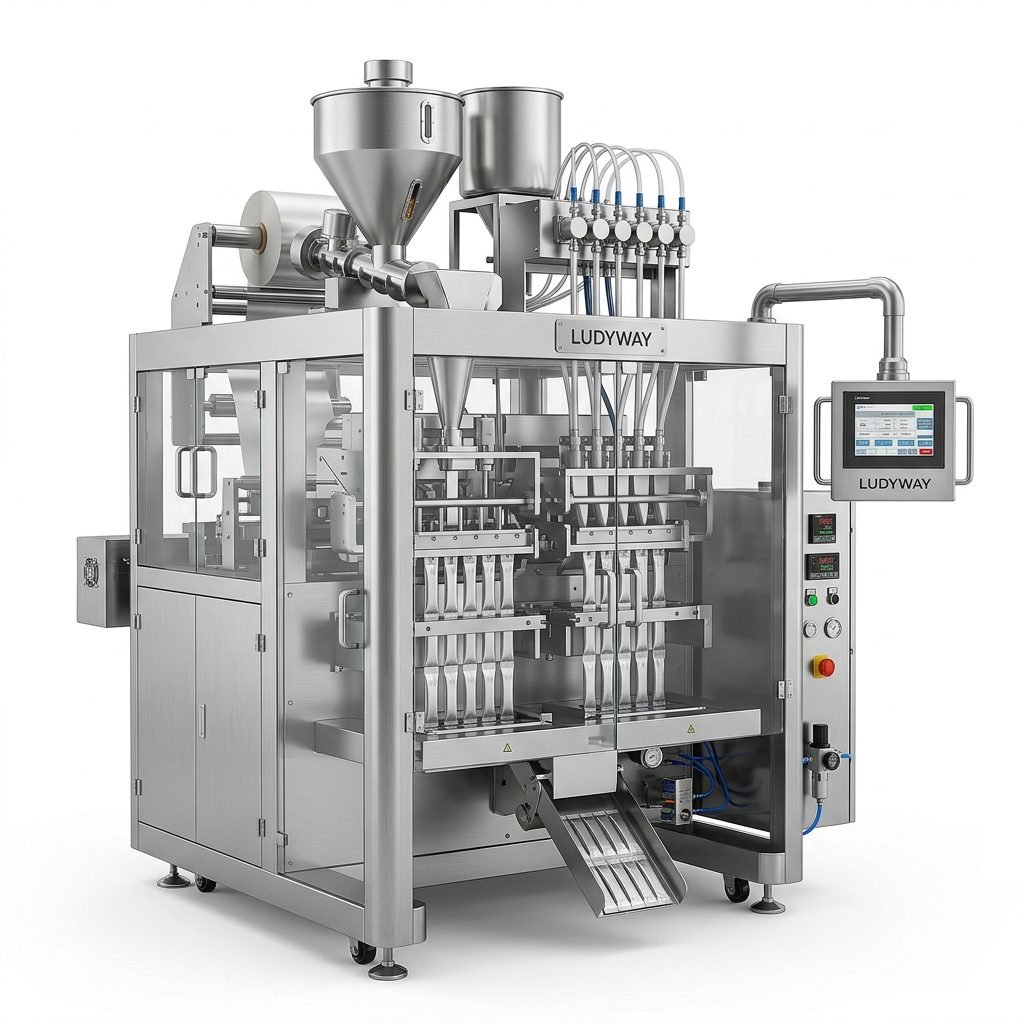
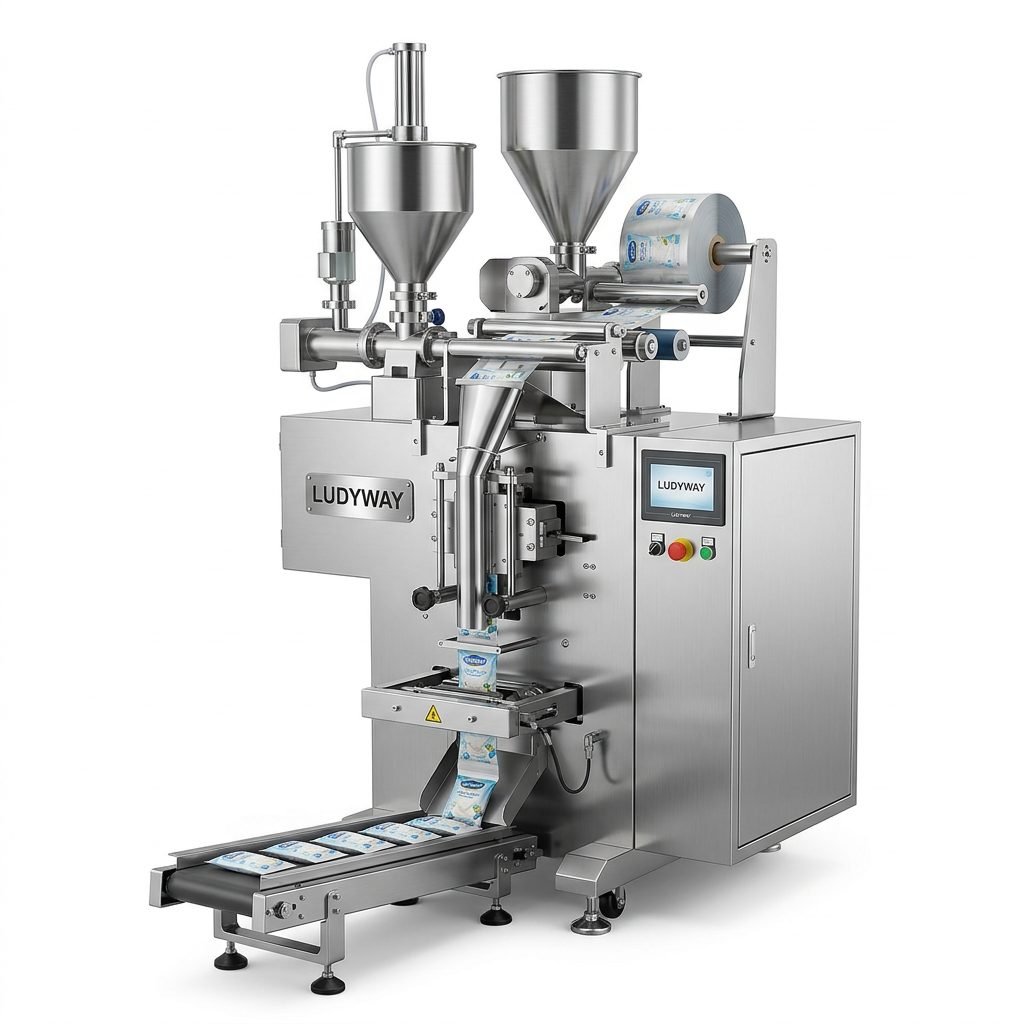
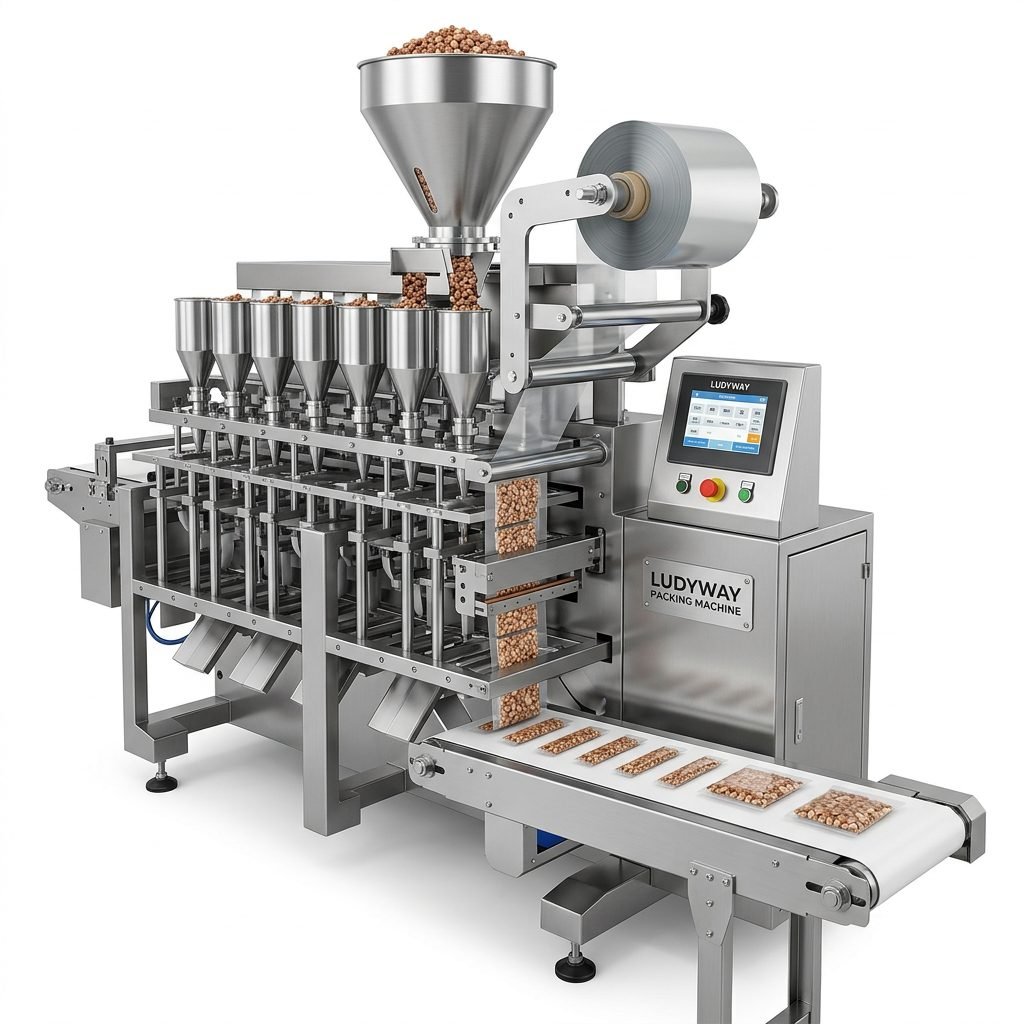
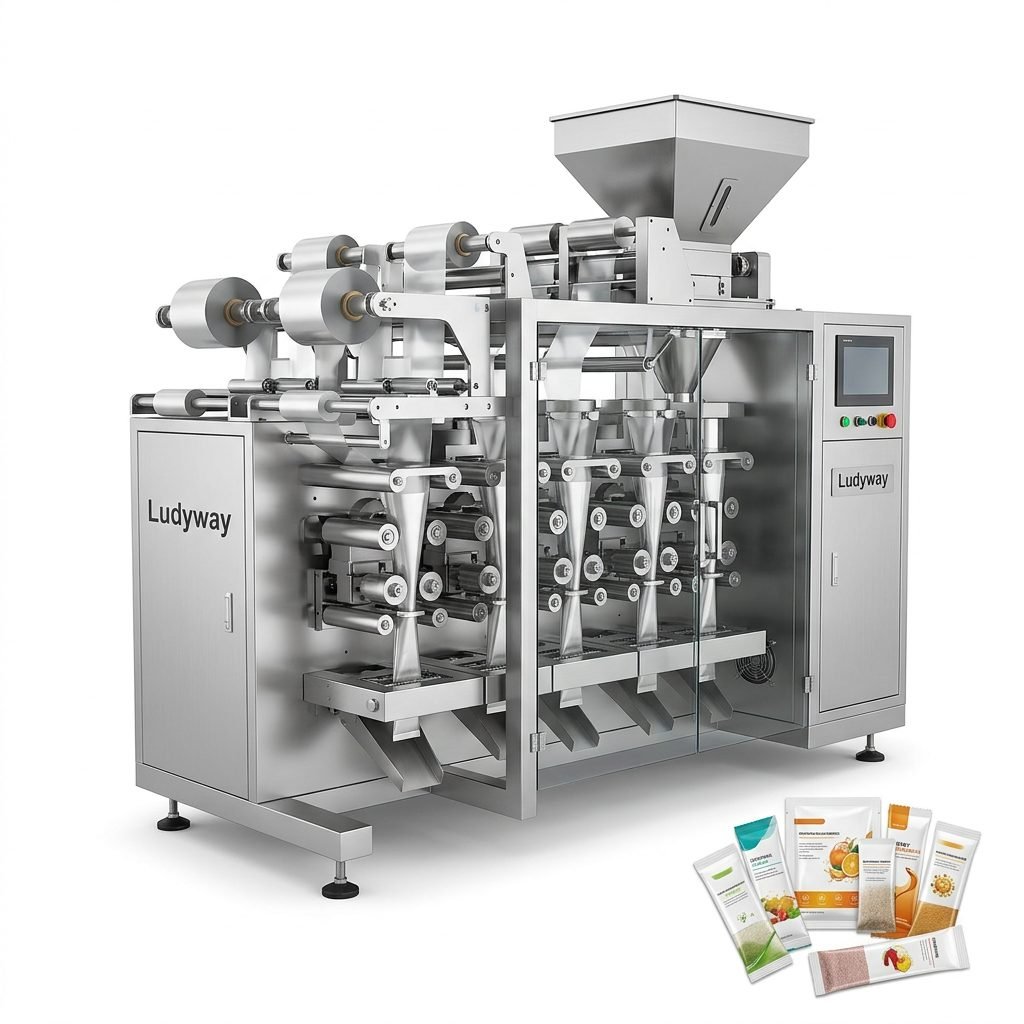
Selecting the right chocolate packaging machine is a critical decision for any confectionery business. The right equipment not only protects your product’s quality and freshness but also enhances its shelf appeal, streamlines your production line, and optimizes operational costs. With various technologies and configurations available, understanding the options is the first step toward making an informed investment.
Understanding Different Types of Chocolate Packaging Machines
The packaging process for chocolate products varies significantly based on form factor, production volume, and desired presentation. Here are the primary machine types used in the industry.
Flow Wrapping Machines
These are the workhorses for wrapping individual chocolate bars, truffles, or countlines. The product is fed into a continuous tube of film, which is then sealed at the ends and cut to create a tight, secure pouch. Modern flow wrappers offer high speeds and can handle various wrapping materials, including foil, polypropylene, and laminates.
Form-Fill-Seal (FFS) Machines
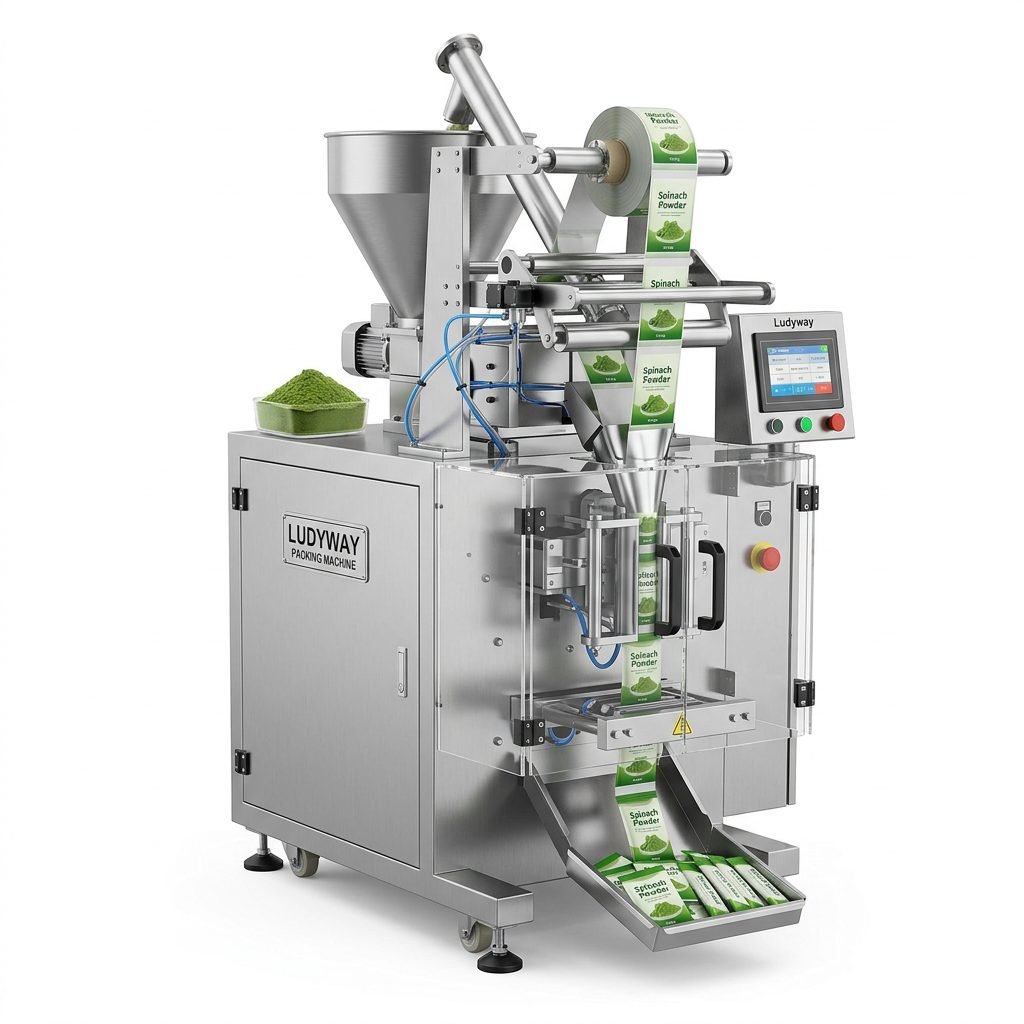
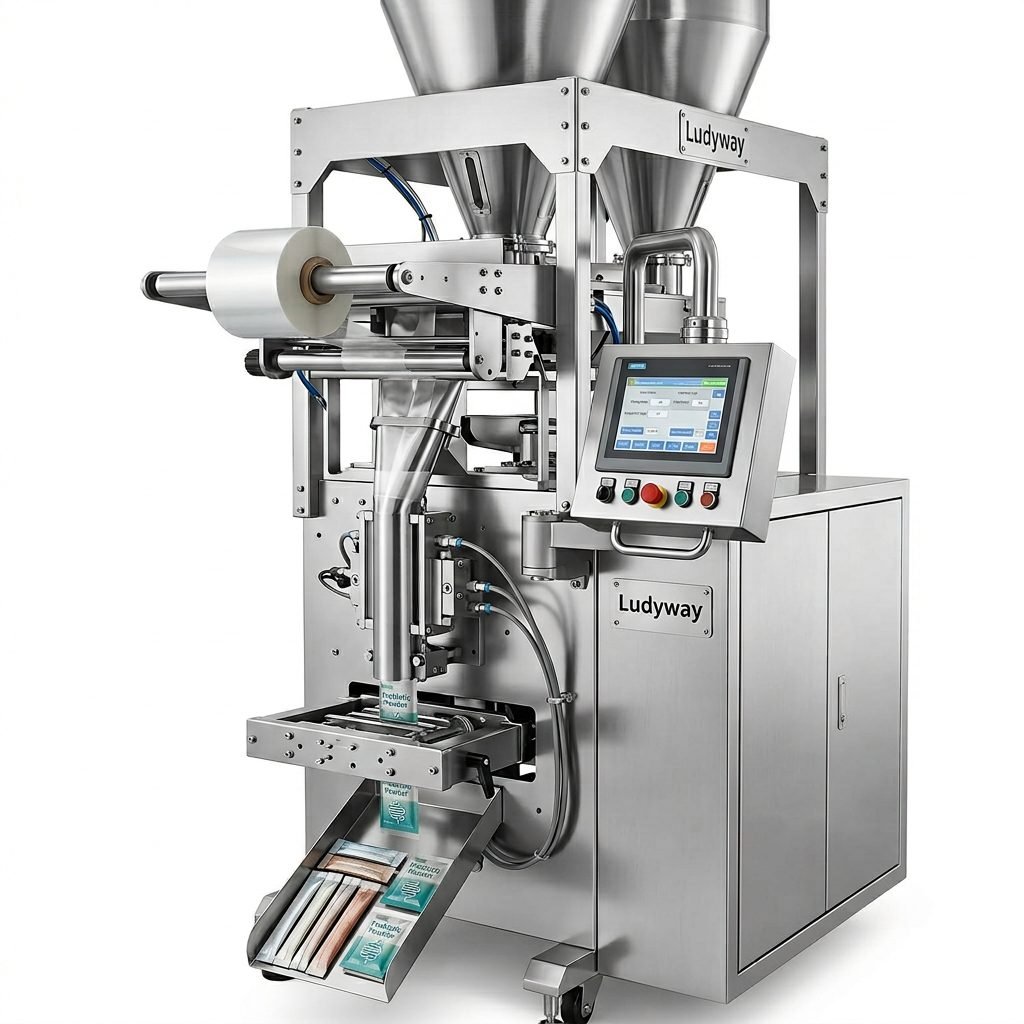
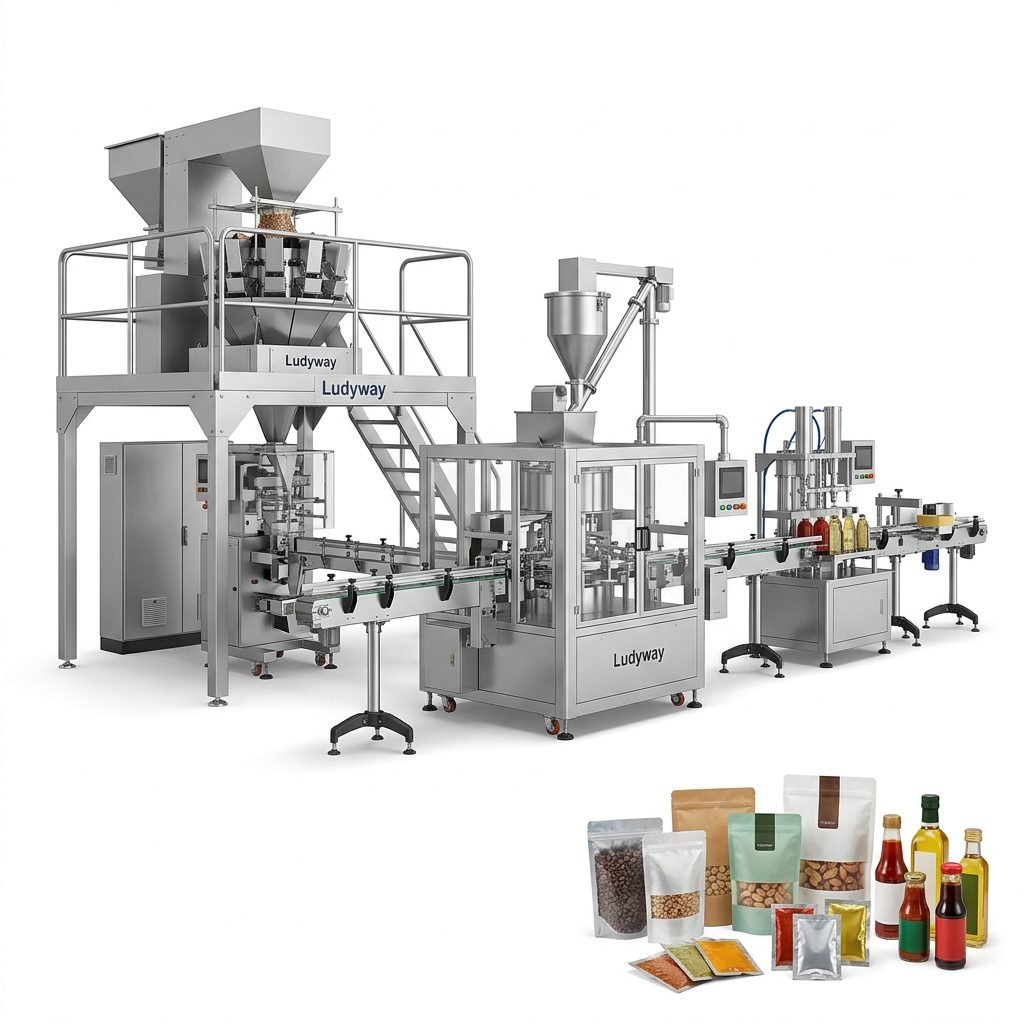
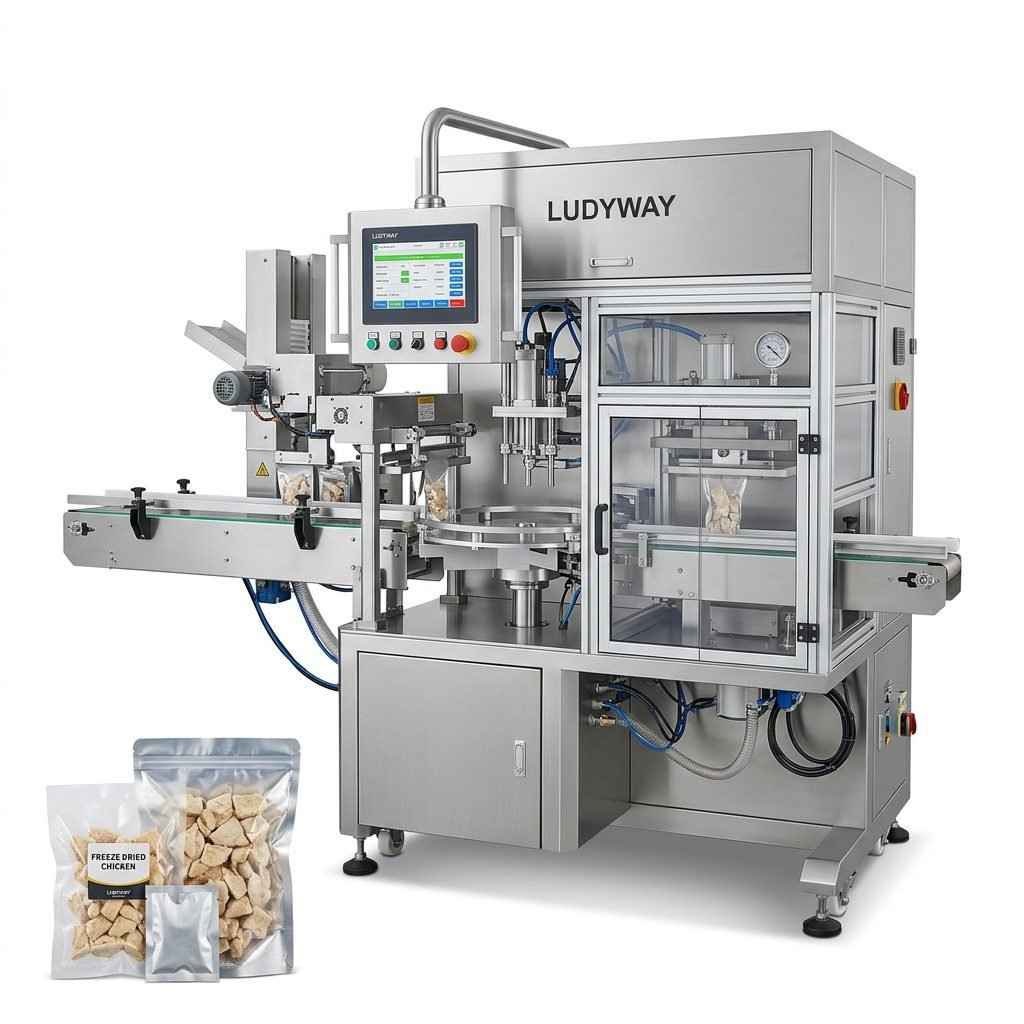
Ideal for loose chocolates, small pieces, or chocolate-covered items like nuts or raisins. The machine forms a pouch from a roll of film, fills it with the precise product weight, and then seals it. This method is perfect for creating stand-up pouches or flat sachets for retail.
Chocolate Bar Wrapping Machines
Specialized machines designed explicitly for the classic chocolate bar format. They often handle inner foil wrapping and outer paper/board sleeve labeling in one integrated process, ensuring a premium, traditional finish that consumers recognize and trust.
Tray Sealing & Skin Packaging Machines
Used for packaging chocolate assortments, pralines, or gift boxes. Pre-formed plastic or cardboard trays are filled with products, and a top film is heat-sealed over the tray. This method provides excellent product visibility, protection from crushing, and a high-end aesthetic.
Key Features to Evaluate in a Packaging Machine
Beyond the basic type, several features determine a machine’s suitability for your specific chocolate products and production goals.
Speed and Production Capacity
Measured in packs per minute (PPM). Your required output dictates the necessary speed. High-volume manufacturers need machines capable of 200+ PPM, while smaller artisanal producers may prioritize flexibility over raw speed.
Versatility and Changeover
Can the machine handle different product sizes and wrapping materials? Quick-change systems for forming shoulders, sealing jaws, and feed systems are crucial for reducing downtime when switching between product lines.
Precision Weighing and Filling
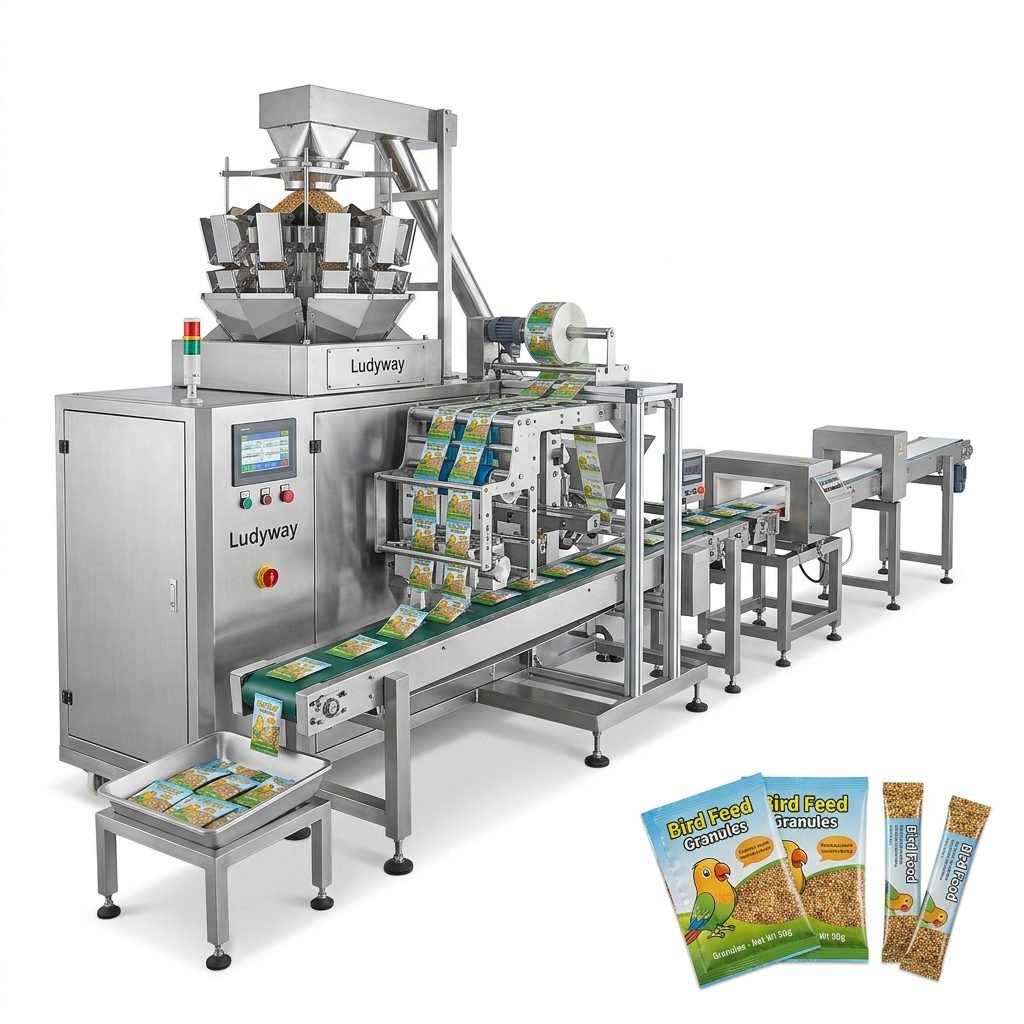
For filled pouches or bulk packaging, integrated multi-head weighers or volumetric fillers ensure accurate weight control, minimizing give-away and ensuring compliance with regulatory standards.
Hygienic Design and Cleanability
Chocolate is a sensitive food product. Machines should have smooth, stainless steel surfaces, minimal crevices, and be designed for easy, thorough cleaning to prevent contamination and meet food safety standards like HACCP.
Automation and Integration Level
Consider machines that can integrate with upstream processes (like cooling tunnels or depositors) and downstream systems (like cartoners or case packers). Features like automatic film splicing and fault detection also boost overall line efficiency.
How to Choose the Best Chocolate Packaging Machine for Your Needs
A strategic selection process involves looking inward at your operations and outward at the market and technology.
Step 1: Analyze Your Product and Output Requirements
Define your primary product types (bars, pieces, assortments), their dimensions, and your current and projected daily/weekly production volumes. This forms the non-negotiable foundation of your search.
Step 2: Consider Your Packaging Materials
The machine must be compatible with your chosen films, foils, or laminates. Consider sustainability trends—can it handle recyclable or compostable materials? Discuss this with potential suppliers like experienced packaging solution providers who understand material dynamics.
Step 3: Evaluate Total Cost of Ownership (TCO)
Look beyond the initial purchase price. Factor in energy consumption, maintenance costs, spare part availability, and potential downtime. A slightly more expensive, reliable machine from a reputable brand often has a lower TCO.
Step 4: Prioritize Supplier Support and Service
The machine is only as good as the support behind it. Choose a supplier known for strong after-sales service, readily available technical support, and comprehensive training. A partner with a long track record, such as one with decades of industry experience, can be invaluable.
Step 5: Request a Live Product Test
Never buy based on specifications alone. Arrange to send your actual chocolate products and packaging materials to the supplier for a live performance test. This reveals how the machine handles your specific product’s characteristics (e.g., melting point, oil content).
Step 6: Plan for Future Growth
Select a machine that can scale with your business. Can it be upgraded or integrated into a larger automated line later? Investing in modular or scalable technology from a partner focused on innovation and long-term cooperation protects your investment.
Common Questions About Chocolate Packaging Machines
What is the typical speed range for a chocolate bar flow wrapper?
Speeds vary widely based on bar size and wrapping complexity. Standard machines range from 80 to 400 bars per minute. High-speed models for simple foil wraps can exceed 500 bars per minute.
Can one machine handle both solid chocolate bars and filled chocolate pieces?
It is challenging. Bar wrappers and pouch form-fill-seal machines have fundamentally different mechanisms. While some versatile FFS machines might handle both small pieces and some bar shapes with significant changeover, dedicated machines for each format usually offer better reliability and efficiency.
How important is temperature control in the packaging area?
Critical. Chocolate is temperature-sensitive. The packaging environment should be consistently cool and controlled (often 18-20°C / 64-68°F) to prevent bloom (fat or sugar rising to the surface) and maintain seal integrity, especially when using heat-sealing films.
What are the key maintenance routines for these machines?
Daily cleaning to remove chocolate residue, weekly lubrication of moving parts as per the manual, and regular inspection of sealing jaws, cutters, and film guides are essential. Following the manufacturer’s planned maintenance schedule is crucial for longevity.
Are there machines suitable for small-batch or artisanal chocolate makers?
Yes. Several manufacturers offer semi-automatic or compact, slow-to-medium-speed machines designed for smaller volumes and greater flexibility. These often feature manual loading but automated wrapping, providing a balance between cost and efficiency for growing businesses.